

Alec Hexa
1.5K posts

Alec Hexa
@HexaAlec
music lover ♥️❤️🔥 Manchester city FC 😚😚 (🔥MESSI 💥GOAT🐐 💯001) lovers gather here (NSNV)
เข้าร่วม Aralık 2025
689 กำลังติดตาม671 ผู้ติดตาม




For the first time ever
I present to you…
Davido & Friends Festival.
It’s going down at Crystal Palace Bowl on August 14th 🔥Sign up for first access 🏴 laylo.com/davido/GAbB0b
Pre-sale 26 March 10am GMT
Gen-sale 27 March 10am GMT
English

給食がショボいという話題を定期的に目にするけれど、
PTA活動で学校に居る時に、校内放送にて、
教頭先生からアナウンスがあったのよ。
「本日の給食は皆さんの大好きな唐揚げです。
1,2,3年生は1個、4,5,6年生は2個です。
個数を間違えてしまうと、他の子の分が無くなってしまうので、→
日本語





速報:トランプ大統領は世界に対し、ホルムズ海峡へ軍艦を送るよう要請した。日本は断った。オーストラリアも断った。韓国は「検討する」とした。そして同じ日、中国軍機26機が台湾周辺を飛行した。
各国の拒否は、イランの問題ではない。中国の問題だ。
日本の高市首相と自民党の小林政策調査会長は、中東への海上戦力派遣について「極めて高いハードルがある」「現時点でその計画はない」と述べた。オーストラリアのキャサリン・キング運輸相は明言した。「艦船は派遣しません。それは私たちが貢献する内容ではありません」。韓国外務省は、外交的に最大限慎重な言い回しでこう述べた。「承知している。緊密に連携し、慎重に検討する」。
太平洋の同盟国3か国。3つの拒否。理由は1つ。彼らの海軍は自国周辺で必要とされているからだ。
3月15日、トランプ大統領の有志連合要請が出回ったのと同じ日、台湾国防部は、戦争開始以来最大規模となる中国軍の活動急増を確認した。中国軍機26機、そのうち16機が防空識別圏に進入し、艦艇7隻も確認された。これは、「オペレーション・エピック・フューリー」開始前日に始まった16日間の空白の後のことだった。同時に韓国は、イラン戦争で消耗した米軍在庫を補うため、中東へTHAADミサイル防衛システムの構成要素を移送している。北朝鮮は3月14日に弾道ミサイルを日本海へ発射した。太平洋は静かではない。同盟国が持ち場を離れるかどうかを試しているのだ。
日本の拒否が最も重大な意味を持つ。高市首相は3月19日にワシントンで、ミサイル防衛構想「ゴールデン・ドーム」への参加を発表する予定だ。日本は、米国が湾岸で大量消費している迎撃ミサイルを共同生産する。しかし、将来の防衛網向けに迎撃ミサイルを共同生産することと、現在進行中の戦争に駆逐艦を送り込むことは別問題だ。日本の憲法上の制約は現実であり、平和主義的な世論も現実だ。さらに、中国沿岸の発射地点から北海道まで約1,100キロという地理的な近さもある。日本の駆逐艦を1隻ホルムズへ送るたびに、その1隻は東シナ海の哨戒から外れ、中国軍機26機がその空白を試すことになる。
オーストラリアの拒否には、AUKUSの重みがある。キャンベラは、インド太平洋で中国を抑止するため原子力潜水艦の整備を進めている。その一方で、同じ海域における中国の拡張を抑えるための計画があるにもかかわらず、水上戦闘艦をペルシャ湾へ送るのは戦略的に矛盾している。キング運輸相は、その矛盾を一言で片づけた。
韓国の「慎重な検討」は、最も不安定な立場にある。韓国はエネルギー安全保障のため湾岸産原油に依存しているが、同じ週に北朝鮮がミサイルを発射したように、核武装した北朝鮮とも向き合っている。韓国の対海賊部隊「清海部隊」は、理論上はアデン湾での任務範囲を拡大できる。だが、THAADの構成要素がイラン戦争での米軍損耗を補うため朝鮮半島から搬出されているなかで、湾岸任務まで拡大すれば、防衛態勢は二方向に引き裂かれ、どちらも十分に守れなくなる。
この構図は構造的なものだ。米国の太平洋同盟国は、ワシントンに対し、ワシントン自身の部隊運用がすでに示していることを伝えている。すなわち、イラン戦争は太平洋抑止の戦略的予備力を食いつぶしているということだ。海兵隊は東へ向かい、THAADは西へ移動する。迎撃ミサイルは、中国向けに温存されるのではなく、イランのミサイル迎撃に使われている。そして今、第1列島線を支える同盟国は、自らの海軍まで、今世紀を左右する戦域ではなく、そこから8,000キロも離れた戦域へ送って消耗をさらに深めることを拒んでいる。
トランプ大統領は有志連合を求めた。だが太平洋は、連合要請では答えの出ない問いで返した。皆が炎上する海峡へ向かって出航したとき、本当に重要な海峡は誰が守るのか。
Shanaka Anslem Perera ⚡@shanaka86
JUST IN: Trump asked the world to send warships to Hormuz. Japan said no. Australia said no. South Korea said it would think about it. And 26 Chinese aircraft circled Taiwan the same day. The refusals are not about Iran. They are about China. Japan’s Prime Minister Takaichi and ruling LDP policy chief Kobayashi stated there are “extremely high hurdles” and “no plan currently” to dispatch naval forces to the Middle East. Australia’s Transport Minister Catherine King was explicit: “We won’t be sending a ship. That is not something we’re contributing to.” South Korea’s Foreign Ministry issued the diplomatic equivalent of a held breath: “Takes note. Will closely coordinate and carefully review.” Three Pacific allies. Three refusals. One reason: their navies are needed at home. On 15 March, the same day Trump’s coalition call circulated, Taiwan’s Ministry of National Defence detected the largest Chinese military surge since the war began: 26 aircraft, 16 entering the air defence identification zone, and 7 naval vessels, after a 16-day lull that began the day before Operation Epic Fury launched. South Korea is simultaneously relocating THAAD missile defence components to the Middle East to replenish American stocks depleted by the Iran war. North Korea fired ballistic missiles into the Sea of Japan on 14 March. The Pacific is not quiet. It is testing whether the allies who guard it will leave. Japan’s refusal is the most consequential. Takaichi is scheduled to announce Golden Dome missile defence participation in Washington on 19 March. Japan will co-produce the interceptors America is burning through in the Gulf. But co-producing interceptors for a future shield is not the same as sailing destroyers into a present war. Japan’s constitutional constraints are real, its pacifist public opinion is real, and its geographic exposure to China is 1,100 kilometres from Hokkaido to Chinese coastal launch sites. Every Japanese destroyer sent to Hormuz is a destroyer not patrolling the East China Sea while 26 Chinese aircraft test the vacancy. Australia’s refusal carries the weight of AUKUS. Canberra is building nuclear submarines to deter China in the Indo-Pacific. Sending surface combatants to the Persian Gulf while the submarine programme exists to counter Chinese expansion in the same ocean those combatants would leave is a strategic contradiction that Minister King resolved in one sentence. South Korea’s “careful review” is the most precarious. Seoul depends on Gulf oil imports for energy security but faces a nuclear-armed North Korea that fired missiles the same week Trump made the request. The Cheonghae Unit, South Korea’s anti-piracy force in the Gulf of Aden, could theoretically expand its mandate. But expanding a Gulf mission while THAAD components are being shipped out of the Korean Peninsula to replenish American losses in Iran creates a defence posture that faces two directions and covers neither. The pattern is structural. America’s Pacific allies are telling Washington what Washington’s own deployment decisions already demonstrate: the Iran war is consuming the strategic reserves of Pacific deterrence. Marines sailing east. THAAD moving west. Interceptors fired at Iranian missiles rather than reserved for Chinese ones. And now the allies who anchor the first island chain are refusing to compound the depletion by sending their own navies to a theatre 8,000 kilometres from the one that determines the century. Trump asked for a coalition. The Pacific answered with a question the coalition call cannot resolve: who guards the Strait that matters if everyone sails to the one that burns? open.substack.com/pub/shanakaans…
日本語
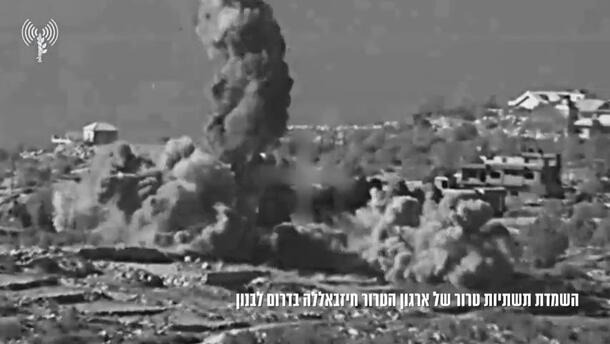
【速報】🇮🇱🇮🇷 イスラエル当局者によると、16日前に戦争が始まって以来、イスラエル国防軍(IDF)はイランのミサイル発射機の約70%を破壊した。
その兆候の一つは、イスラエルに向けて発射されるミサイルの数が初日と比較して減少していることだ。
発射機が次々と消えていけば、ロケットを発射するのは困難だ。
情報源:Ynet News

日本語

【速報】🇺🇸 マコーミック上院議員は、イランが湾岸地域の同盟国を標的にし、アメリカ人を脅したことで「戦略的誤算」を犯したと指摘した。
イランは、湾岸地域を攻撃すればトランプ大統領に(行動を)止めさせる圧力をかけられると考えた。
しかし、その結果、トランプ大統領はより多くの同盟国を得て、交渉の理由が減ったとマコーミック議員は語った。
日本語

【産経FNN世論調査】自民支持率は31.8%、7.6ポイント減 衆院選前の水準に戻る tweetsoku.news/2026/03/16/fnn…
日本語