How to DAO

1.1K posts

How to DAO banner
How to DAO

How to DAO

@HowToDAObook

Helping founders and enterprises move onchain with clarity. How To DAO breaks down the tools, models, and mindset of internet-native organizations.

onchain เข้าร่วม Ocak 2022
641 กำลังติดตาม1.3K ผู้ติดตาม
ทวีตที่ปักหมุด
How to DAO
How to DAO@HowToDAObook·
Announcement: The $H2DAO token is entering a structured wind down Here’s what this means: A 28-day exit window is now open. All locked $H2DAO tokens will unlock on a 7-day stream. Any remaining POL liquidity will be distributed to holders who stay through the window. You can review your position and exit at any time during the window. Exiting earlier usually results in a larger share of POL (not financial advice): q-acc.giveth.io/project/how-to… Our token design, co-developed with Q/Acc, was an ambitious experiment. In the current market conditions, it did not function as we intended. Instead of trying to force a revival without the right support, we’re choosing a transparent and responsible wind down of the token. But this is not the end of How To DAO. The initiative remains active, and our mission stays the same. We will continue building new ways to support DAOs, educate builders, and serve our community. This is just a bump in the road, and we will move forward together. Thank you to everyone who supported the project and believed in the vision. Your trust and energy mean a lot, and we are committed to carrying that forward in the next chapter. Learn more about @theqacc graceful exit: x.com/theqacc/status… — How To DAO Team
English
2
1
4
651
How to DAO
How to DAO@HowToDAObook·
the frontier of how to dao is onchain crowdfunding!
owocki@owocki

I co-founded @Gitcoin in 2017. Today I went to gitcoin.co and realized it has quietly become something new: a community-curated playbook for crowdfunding the Ethereum and AI ecosystems. Which honestly feels like the natural next step. Some of the latest trends: 1/ Quadratic Funding is now basic infrastructure. Hundreds of rounds. Dozens of forks. Anyone can spin up a QF deployment. The hard question is no longer how to run QF. It is when to use it versus retro funding, milestone grants, or something else. 2/ The funding design space is exploding. QF. RetroPGF. Hypercerts. Conviction voting. Streaming. Milestone-based funding. Vaults. Outcome-based rewards. Hybrid models. & more. This is becoming a full capital allocation design space, not a single product. Checkout gitcoin.co/mechanisms 3/ $60M+ distributed created a dataset. Gitcoin learned more from what failed than what worked. In a world where you can spin up a new funding mechanism in a weekend, institutional knowledge becomes the real moat. 4/ Funding is shifting from rounds to flows. Grant rounds create bottlenecks and funding gaps. New experiments are moving toward continuous funding, streaming, and always-on allocation systems. 5/ The source of capital matters as much as the mechanism. Donations were the bootstrap phase. The next era is structural capital: yield, protocol revenues, treasuries, and mechanisms that create recurring funding for public goods. 6/ Getting upside in funded projects is becoming a meta. Pure donations are giving way to hybrid models where funders can share in the upside. Hypercerts, retro rewards, token allocations, and other mechanisms are blurring the line between grants and investment. 7/ AI-driven capital allocation is emerging. As the design space explodes, humans alone cannot evaluate everything. AI systems will increasingly help surface projects, analyze impact, simulate mechanisms, and guide allocation decisions. 8/ Capital allocation infrastructure is becoming its own industry. Designing mechanisms, running experiments, publishing results, and mapping the space is becoming a core layer of the ecosystem. Mechanisms are getting cheaper to deploy. Which means the scarce resource is not mechanisms. It is maps of: • which mechanisms work at which stage of a project • which governance structures reduce capture • which incentive models actually produce public goods So maybe @Gitcoin’s most important role in 2026 is not running funding rounds. Maybe it is helping the ecosystem learn how to fund itself. More @ gitcoin.co

English
0
0
1
85
How to DAO
How to DAO@HowToDAObook·
Clarification: At the end of the 28-days window, all remaining POL will be distributed to any remaining token holders.
English
0
0
1
43
How to DAO
How to DAO@HowToDAObook·
Announcement: The $H2DAO token is entering a structured wind down Here’s what this means: A 28-day exit window is now open. All locked $H2DAO tokens will unlock on a 7-day stream. Any remaining POL liquidity will be distributed to holders who stay through the window. You can review your position and exit at any time during the window. Exiting earlier usually results in a larger share of POL (not financial advice): q-acc.giveth.io/project/how-to… Our token design, co-developed with Q/Acc, was an ambitious experiment. In the current market conditions, it did not function as we intended. Instead of trying to force a revival without the right support, we’re choosing a transparent and responsible wind down of the token. But this is not the end of How To DAO. The initiative remains active, and our mission stays the same. We will continue building new ways to support DAOs, educate builders, and serve our community. This is just a bump in the road, and we will move forward together. Thank you to everyone who supported the project and believed in the vision. Your trust and energy mean a lot, and we are committed to carrying that forward in the next chapter. Learn more about @theqacc graceful exit: x.com/theqacc/status… — How To DAO Team
English
2
1
4
651
How to DAO
How to DAO@HowToDAObook·
Founder Path Program — your entry point to DAOs and onchain governance. Build safely, grow communities, and learn what works. $1 lifetime access with H2DOLLAR. We’d love your feedback to make it even better. howtodao.xyz/founder-path
English
0
0
2
101
How to DAO
How to DAO@HowToDAObook·
Funding open source has always been at my core. Now it’s not just humans, but AI helping decide what to fund. More accuracy = more impact = stronger Ethereum.
English
1
0
3
106
How to DAO
How to DAO@HowToDAObook·
Sometimes you give someone a couple hundred bucks and expect them to do everything. But it’s not about extremes — it’s about building a sustainable ecosystem with real impact.
English
0
0
1
74
How to DAO
How to DAO@HowToDAObook·
Before 2016, traditional chess programs were stronger than AI. Then AI pulled ahead. Finance is in the same place today — classic models still win. But AI is catching up fast
English
0
0
1
81
How to DAO
How to DAO@HowToDAObook·
International aid agencies often arrive with “bazookas” of money. Local NGOs can’t compete. After a few years the internationals leave — and locals are left weaker than before.
English
0
0
0
91
How to DAO รีทวีตแล้ว
owocki
owocki@owocki·
History solved coordination failures w kings & guns. The frontier is solving them with code & trust.
English
11
6
62
4.3K
How to DAO
How to DAO@HowToDAObook·
In Web3, there’s more openness and collaboration than in traditional Web2. For me, it’s also about staying true to my principles — that’s what allows me to be myself.
English
0
0
2
95
How to DAO
How to DAO@HowToDAObook·
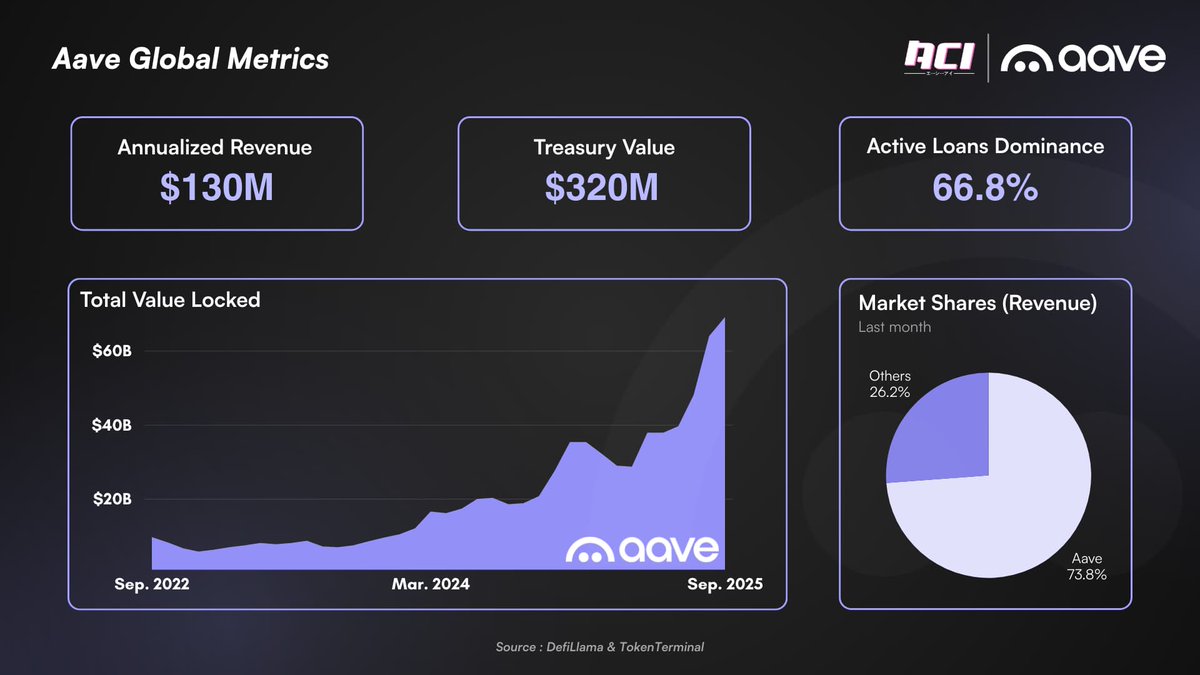
Honestly, @BanklessDAO has been one of the most successful experiments in building a strong crypto community. But we failed financially. On the other hand, @MakerDAO and @Aave achieved tremendous financial success. Their founding members built close-knit groups, but today they operate more like businesses. Then you have @Arbitrum and @Optimism — DAOs that govern entire networks. So yes, many DAOs failed. But the lesson isn’t that DAOs don’t work — it’s that there’s no one-size-fits-all model. Each DAO needs to be optimized for its core purpose: social, business, impact, network, research, or investment. DAOs aren’t broken — they’re evolving into different archetypes depending on what they’re trying to achieve.
English
0
0
1
258
RYAN SΞAN ADAMS - rsa.eth 🦄
Almost every DAO i've seen has failed. People say DAOs can never work, that the structure is flawed, and it's hard to make the case they're wrong. And yet there's Aave. Almost 70% market dominance and growing. Their DAO actually seems to work. Explain that.
RYAN SΞAN ADAMS - rsa.eth 🦄 tweet media
English
85
22
354
70K
How to DAO รีทวีตแล้ว
XDAO
XDAO@xdaoapp·
The easiest book to grasp DAO in practice — our top recommendation! 📖 In January 2025, How to DAO: Mastering the Future of Internet Coordination was released — arguably the first serious attempt to systematically explain how to build and run a DAO 🗂 The authors are @owocki (co-founder of Gitcoin DAO) and @PuncarH2D (Web3 researcher and practitioner). Not theorists, but people who have actually launched and managed DAO projects From the book you’ll learn: 1️⃣ why Web3 needs DAOs and how they differ from traditional companies 2️⃣ how to design governance architecture and avoid chaos 3️⃣ what roles and mechanics are essential inside a DAO, and how voting works 4️⃣ all about the Pre-DAO and Post-DAO stages (when a project is still founder-led vs. when it’s time to decentralize) 5️⃣ real-world DAO practices and common mistakes It’s a ~300-page practical guide already endorsed by names @dtapscott (author of the bestseller Blockchain Revolution, one of the most cited digital economy researchers) and @sandeepnailwal (Polygon co-founder) ✍️ If you want a deeper understanding of how DAOs really work, this book is a perfect place to start
XDAO tweet media
English
23
11
119
53.9K
How to DAO รีทวีตแล้ว
Para ✴️
Para ✴️@get_para·
Onchain finance is shifting from needing to click buttons to transact to automated flows: think DCA, stop-loss, and portfolio rebalancing @zimm0x on how money can now move in onchain applications without a user needing to tap “confirm” 🎙️ @HowToDAObook
English
1
1
3
642
How to DAO
How to DAO@HowToDAObook·
Stablecoins are becoming the backend of tomorrow’s financial system. Under @LucaProsperi’s leadership, @m0 is building the universal stablecoin platform for builders, enabling anyone to create application-specific digital dollars for their use cases. Full interview: youtu.be/2JF09iPyjns?si…
YouTube video
YouTube
English
0
3
14
1.3K
How to DAO
How to DAO@HowToDAObook·
NepalDAO, the first truly sovereign nation, is already coordinating online. Now, let’s move your financial system onchain.
Rachin Kalakheti@rachinkalakheti

How did we end up polling on Discord for Nepal’s next leader? Here’s a rundown: tldr; Nepali government was overthrown in 48 hours and I think i just witnessed the first internet native revolution. Over two decades ago, Nepali citizens overthrew the Monarchy to establish a multiparty democracy hoping for a better future. However, two decades later, the leaders of three major democratic parties, who overthrew the monarchy, were still fighting for power and greed. They went from no slippers on their feet to living in lavish mansions, but the common men were still poor, with no sign of improvements. However, something changed from around late 2010s. People who relied on national TV and radio for their information started getting wide access to internet. People could see every mishaps these politicians made in real time, every frustrated candid stories of every Nepali citizens, and the rapid development of every other country that used to be on a similar level to Nepal. Frustration started accumulating rapidly among people, all enabled by the internet. Fast forward to around August 2025, Nepali youths, frustrated by the corruption and incompetencies of the government, started a trend on TikTok called "Nepo Babies" where they created reels comparing the lavish lifestyle of politicians' kids with common citizens of Nepal who couldn't even afford a proper restaurant meal. This exposé got widespread traction on TikTok and Instagram, which infuriated all the citizens of Nepal who had already lost hope from the current politicians. Everyone started cyberbullying their kids for their lifestyle. Coincidentally, Nepali government imposed a ban on almost all major social media sites on September 4th 2025 saying they need to register their entities in Nepal and follow a strict content moderation rule imposed by the government, which obviously, these sites declined to. The problem is over 20% population of Nepal resides outside the country and suddenly they had no proper way to communicate with their relatives back home. This lack of empathy, combined by the suspicious timing around the rise of nepo baby trend and a long standing disappointment in the current establishment was too much for everyone. Suddenly, on September 5th, a call for a peaceful protest on September 8th started circulating on TikTok, Reddit, Discord, Instagram, etc. What’s interesting is, this was a decentralized protest, all organized via internet without any central figure. Since it was organized collectively by youths on internet, this protest was given the title of “Gen-Z protest.” A huge 12,000+ mass appeared on September 8th protest. It started peaceful, but things suddenly got violent. The government gave an order to shoot which led to the death of 20+ people and 300+ injuries by end of the day. Gut wrenching pictures and videos from the protest started floating on internet which led to a widespread outrage against the police and the government. Later that night, Government gave a very lackluster and apathetic response to such a devastating situation. With this, peace wasn’t an option anymore. Reddit, Discord, and TikTok was filled with rage and call for revenge on September 9th. People started sharing tutorials on how to create a Molotov cocktail, how to disarm tear gas, etc. This felt like the heat of the moment, but no one expected what was about to come the next day. Next day, everyone from every part of country started coming out of their houses and protesting against the government. Around early afternoon, news started circulating on internet that a big group was headed towards the house of the Prime Minister. Then another group headed towards another big politician, then another, then another. All of their houses were burnt. Internet facilitated a realtime coordination for mimetic actions across the nation. This is why “burn their mansions” became the trend for the day within a couple hours across the country. Police force, who were already demoralized from last day’s actions and reactions, showed little resistance on this day. Almost every major politician’s house was burnt, and many politicians were even beaten brutally by the crowd, on streets, on rivers, and in their mansions. I was on Reddit and Discord all day. It truly felt like dropping at a warzone where everyone is coordinating attacks, sharing real time updates, and even telling which locations to avoid, etc. By late afternoon, the prime minister resigned and took refuge under the army alongside many other politicians. Army took control for security later that night and wanted to host negotiations with the protestors. The problem was, there was no representative for the protest. It was all a collective decentralized effort. So people started discussing and polling on Discord and Reddit on who should represent the protestors and who they should nominate as their future leader. It’s been a chaotic effort (who knew decentralization would be chaotic), but they’ve finally agreed upon who they want to nominate. Discussion between Army, the President, and the protestors is still ongoing, but it’s almost guaranteed now that the leader nominated by the Discord polls will take the position within a couple days. It was an unfortunate event where many things went wrong and the destruction pushed Nepal back by years, but the sequence of events were very unique, where almost everything originated and accumulated from the internet. The dissatisfaction accumulated for years on internet, and suddenly in two days, the government was overthrown, all coordinated via Internet with no central figure. In many ways, the protest happened on the internet for years, but the government didn’t listen. I suspect this pattern will emerge across many other countries now that the world has seen what’s possible. The Network State is becoming a real thing.

English
0
0
0
142
How to DAO
How to DAO@HowToDAObook·
Bring their economy onchain. - Use stablecoin first ( peg Rupee to USD ) - stability - Move budgets onchain - transparency - Use deepfunding methodology to distribute budgets (AI +Human guidance) Involve more people -> Direct Democracy - One person one vote (Sybil resistance / privacy) - Input to budget distributions - Input to policy making
English
0
0
2
188
binji
binji@binji_x·
dear dao/crypto folks, what just happened in nepal is a generational chance to put theory into practice. for the first time, a discord vote (run by nepalese youth) has successfully elected an interim prime minister (the first ever female prime minister in the country). the choice had broad public consensus, but as more decisions emerge for this group to make, the risks are obvious: drift, sybil attacks, and loss of legitimacy. this is where dao structures, governance tools, and hard-learned lessons from our space could actually matter. not just as thought experiments, but in the real world, under real pressure. let’s open the floor: how should we think about applying dao models here? what frameworks translate, what don’t, and what could we build to support?
Rachin Kalakheti@rachinkalakheti

How did we end up polling on Discord for Nepal’s next leader? Here’s a rundown: tldr; Nepali government was overthrown in 48 hours and I think i just witnessed the first internet native revolution. Over two decades ago, Nepali citizens overthrew the Monarchy to establish a multiparty democracy hoping for a better future. However, two decades later, the leaders of three major democratic parties, who overthrew the monarchy, were still fighting for power and greed. They went from no slippers on their feet to living in lavish mansions, but the common men were still poor, with no sign of improvements. However, something changed from around late 2010s. People who relied on national TV and radio for their information started getting wide access to internet. People could see every mishaps these politicians made in real time, every frustrated candid stories of every Nepali citizens, and the rapid development of every other country that used to be on a similar level to Nepal. Frustration started accumulating rapidly among people, all enabled by the internet. Fast forward to around August 2025, Nepali youths, frustrated by the corruption and incompetencies of the government, started a trend on TikTok called "Nepo Babies" where they created reels comparing the lavish lifestyle of politicians' kids with common citizens of Nepal who couldn't even afford a proper restaurant meal. This exposé got widespread traction on TikTok and Instagram, which infuriated all the citizens of Nepal who had already lost hope from the current politicians. Everyone started cyberbullying their kids for their lifestyle. Coincidentally, Nepali government imposed a ban on almost all major social media sites on September 4th 2025 saying they need to register their entities in Nepal and follow a strict content moderation rule imposed by the government, which obviously, these sites declined to. The problem is over 20% population of Nepal resides outside the country and suddenly they had no proper way to communicate with their relatives back home. This lack of empathy, combined by the suspicious timing around the rise of nepo baby trend and a long standing disappointment in the current establishment was too much for everyone. Suddenly, on September 5th, a call for a peaceful protest on September 8th started circulating on TikTok, Reddit, Discord, Instagram, etc. What’s interesting is, this was a decentralized protest, all organized via internet without any central figure. Since it was organized collectively by youths on internet, this protest was given the title of “Gen-Z protest.” A huge 12,000+ mass appeared on September 8th protest. It started peaceful, but things suddenly got violent. The government gave an order to shoot which led to the death of 20+ people and 300+ injuries by end of the day. Gut wrenching pictures and videos from the protest started floating on internet which led to a widespread outrage against the police and the government. Later that night, Government gave a very lackluster and apathetic response to such a devastating situation. With this, peace wasn’t an option anymore. Reddit, Discord, and TikTok was filled with rage and call for revenge on September 9th. People started sharing tutorials on how to create a Molotov cocktail, how to disarm tear gas, etc. This felt like the heat of the moment, but no one expected what was about to come the next day. Next day, everyone from every part of country started coming out of their houses and protesting against the government. Around early afternoon, news started circulating on internet that a big group was headed towards the house of the Prime Minister. Then another group headed towards another big politician, then another, then another. All of their houses were burnt. Internet facilitated a realtime coordination for mimetic actions across the nation. This is why “burn their mansions” became the trend for the day within a couple hours across the country. Police force, who were already demoralized from last day’s actions and reactions, showed little resistance on this day. Almost every major politician’s house was burnt, and many politicians were even beaten brutally by the crowd, on streets, on rivers, and in their mansions. I was on Reddit and Discord all day. It truly felt like dropping at a warzone where everyone is coordinating attacks, sharing real time updates, and even telling which locations to avoid, etc. By late afternoon, the prime minister resigned and took refuge under the army alongside many other politicians. Army took control for security later that night and wanted to host negotiations with the protestors. The problem was, there was no representative for the protest. It was all a collective decentralized effort. So people started discussing and polling on Discord and Reddit on who should represent the protestors and who they should nominate as their future leader. It’s been a chaotic effort (who knew decentralization would be chaotic), but they’ve finally agreed upon who they want to nominate. Discussion between Army, the President, and the protestors is still ongoing, but it’s almost guaranteed now that the leader nominated by the Discord polls will take the position within a couple days. It was an unfortunate event where many things went wrong and the destruction pushed Nepal back by years, but the sequence of events were very unique, where almost everything originated and accumulated from the internet. The dissatisfaction accumulated for years on internet, and suddenly in two days, the government was overthrown, all coordinated via Internet with no central figure. In many ways, the protest happened on the internet for years, but the government didn’t listen. I suspect this pattern will emerge across many other countries now that the world has seen what’s possible. The Network State is becoming a real thing.

English
145
123
953
139.7K