
International OCD Foundation

6.9K posts

International OCD Foundation banner
International OCD Foundation

International OCD Foundation

@IOCDF

Helping people with OCD and related disorders live full and meaningful lives. https://t.co/4Y1TwyYtg6

Boston, MA เข้าร่วม Nisan 2009
718 กำลังติดตาม19.1K ผู้ติดตาม
International OCD Foundation
Applications are now open for IOCDF Research Grants, supporting scientists working to advance the understanding and treatment of OCD and related disorders. Since 1994, the IOCDF has awarded over $11 million in research funding, including more than $500,000 in 2025 alone. These grants play a critical role in improving existing therapies and driving new, more effective treatments. In 2026, funding opportunities include: 👉 Michael Jenike Young Investigator Awards (up to $50,000 for early-career researchers) 👉 Innovator Award (up to $300,000 over three years for groundbreaking research) Apply by April 14, 2026 at 11:59 PM ET. Learn more and apply: iocdf.org/research/grant…
International OCD Foundation tweet media
English
0
0
1
135
International OCD Foundation
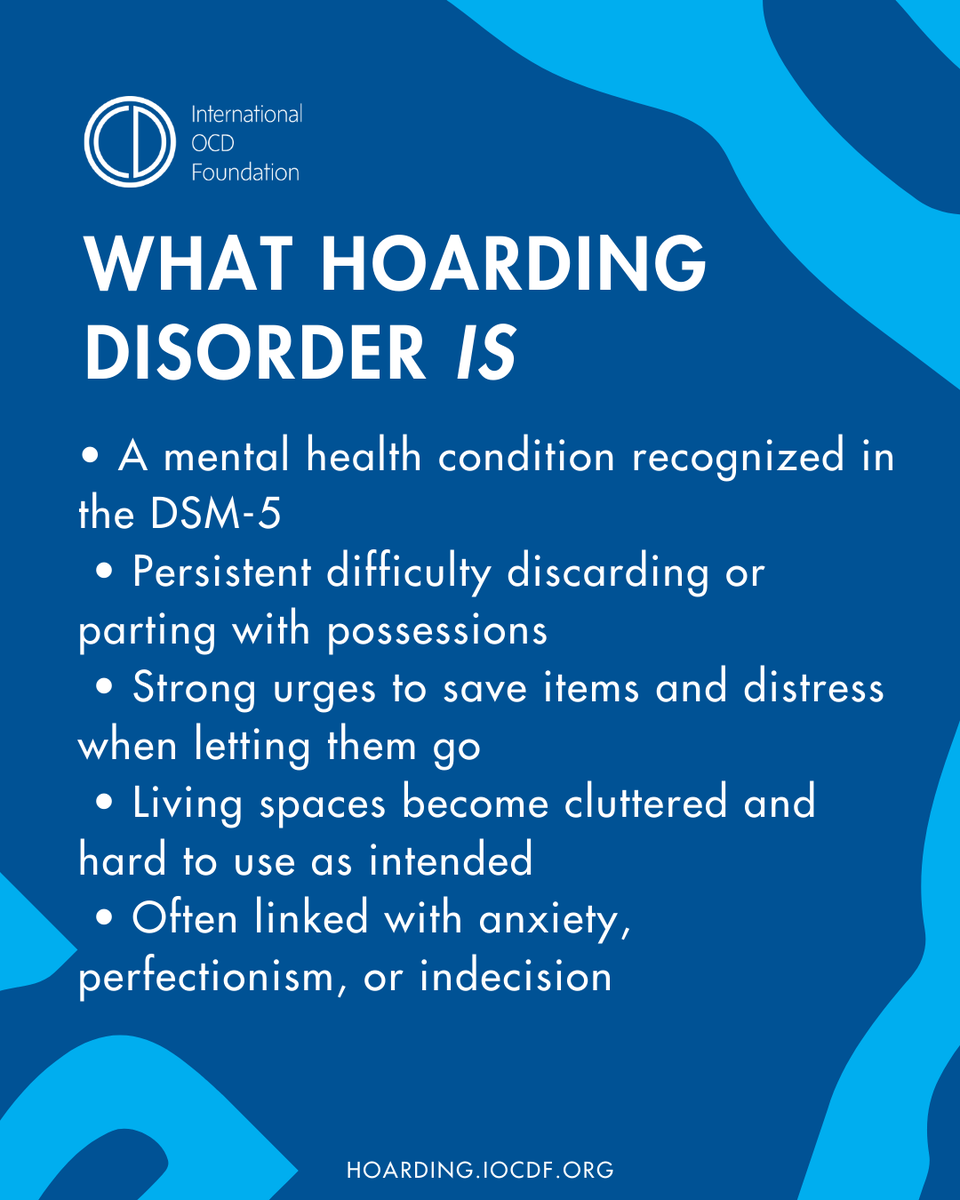
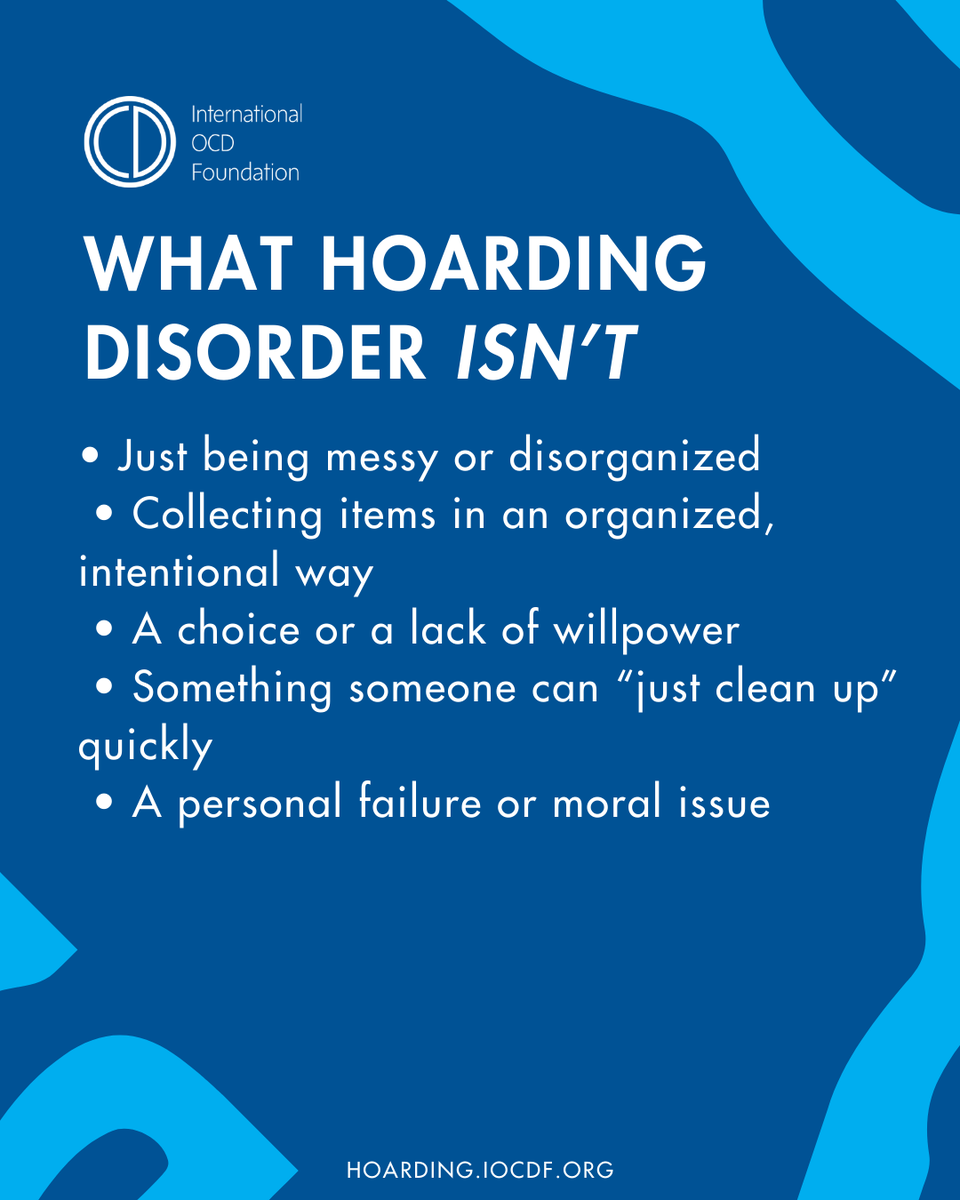
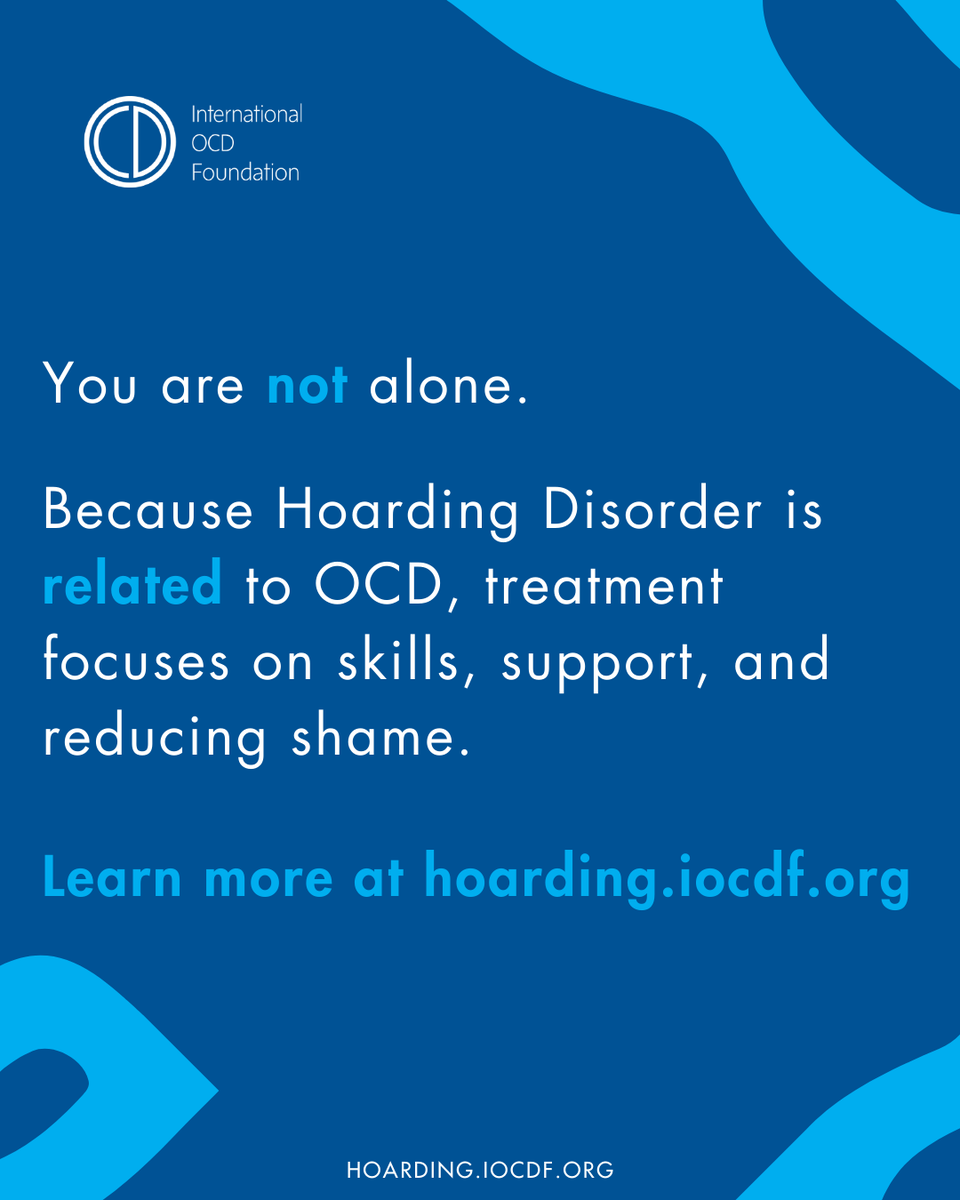
Hoarding disorder is often misunderstood. It’s not about being messy or unmotivated. It’s a mental health condition that involves real distress and difficulty letting go of possessions. Understanding the difference helps reduce stigma and opens the door to support and effective treatment. Learn more 👉 hoarding.iocdf.org
International OCD Foundation tweet mediaInternational OCD Foundation tweet mediaInternational OCD Foundation tweet mediaInternational OCD Foundation tweet media
English
0
2
3
193
International OCD Foundation
We are so grateful to JACK MHA for their continued partnership and generosity through the Plant A Camp Program! Thanks to their incredible support, we are thrilled to announce OCD Pennsylvania and OCD Midwest as the two newest grant recipients, bringing this life-changing program to Pennsylvania and Michigan in 2026. JACK MHA's investment makes it possible for each affiliate to receive a $15,000 grant, along with a comprehensive camp manual and expert clinical training from a specialist in pediatric OCD camps. Together, we are creating spaces where children and teens with OCD, anxiety, and related disorders can receive evidence-based treatment while experiencing the joy of summer camp—and most importantly, connecting with peers who truly understand. Thank you, JACK MHA, for your vision and commitment to expanding access to care.
International OCD Foundation tweet media
English
0
0
0
181
International OCD Foundation
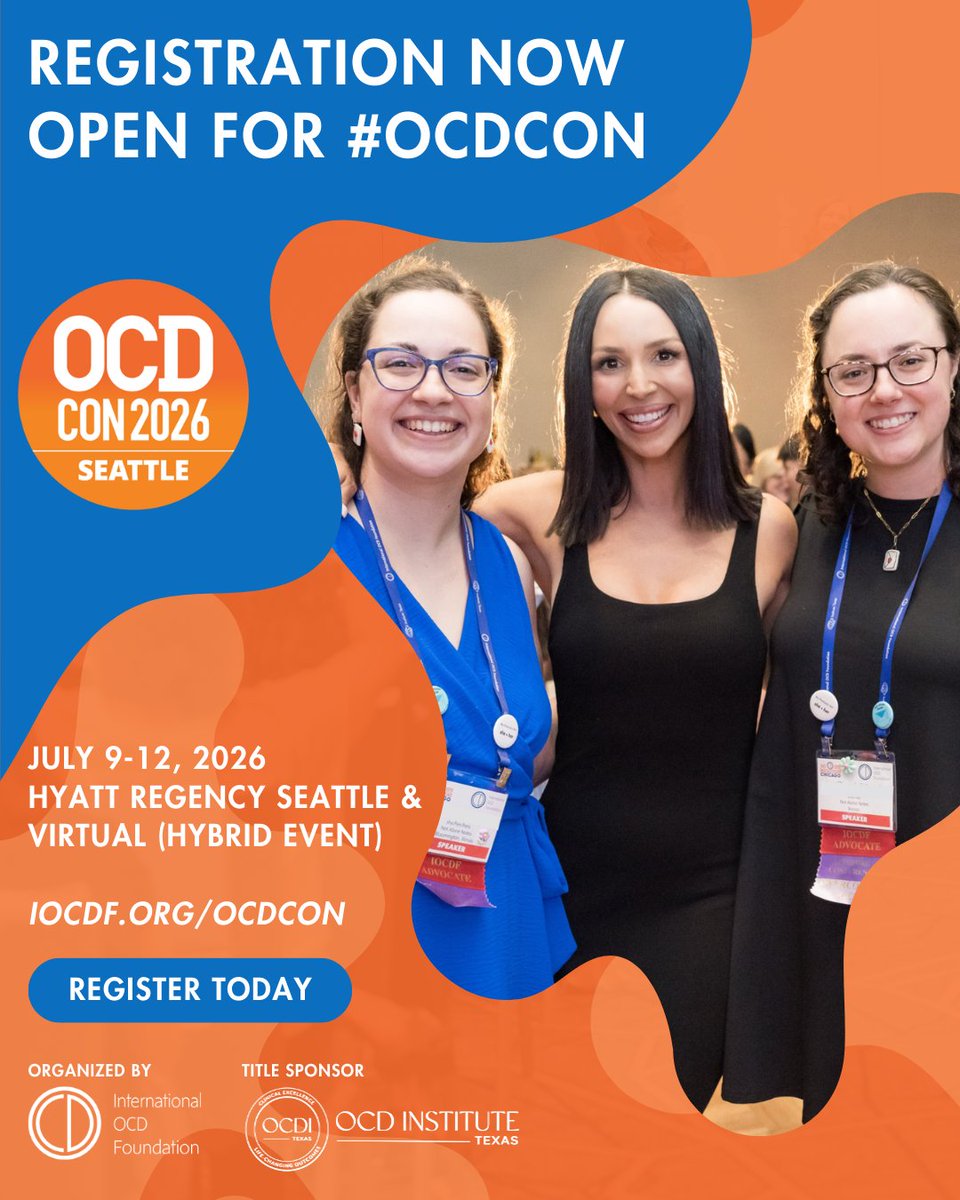
Registration for the 31st Annual OCD Conference, sponsored by the OCD Institute of Texas, is now open! Join leading experts and community voices for programming on OCD, hoarding disorder, body dysmorphic disorder (BDD), body-focused repetitive behaviors (BFRBs), and PANDAS/PANS. OCDcon brings together individuals with lived experience, families, clinicians, and advocates for evidence-based education, meaningful connection, and real support. Whether you are newly diagnosed, supporting a loved one, or have been on your recovery journey for years, the conference offers opportunities to learn, connect, and find support within the global OCD community. 💙 Register Today 👉 events.iocdf.org/event/OCDCON26…
International OCD Foundation tweet media
English
1
1
3
210
International OCD Foundation
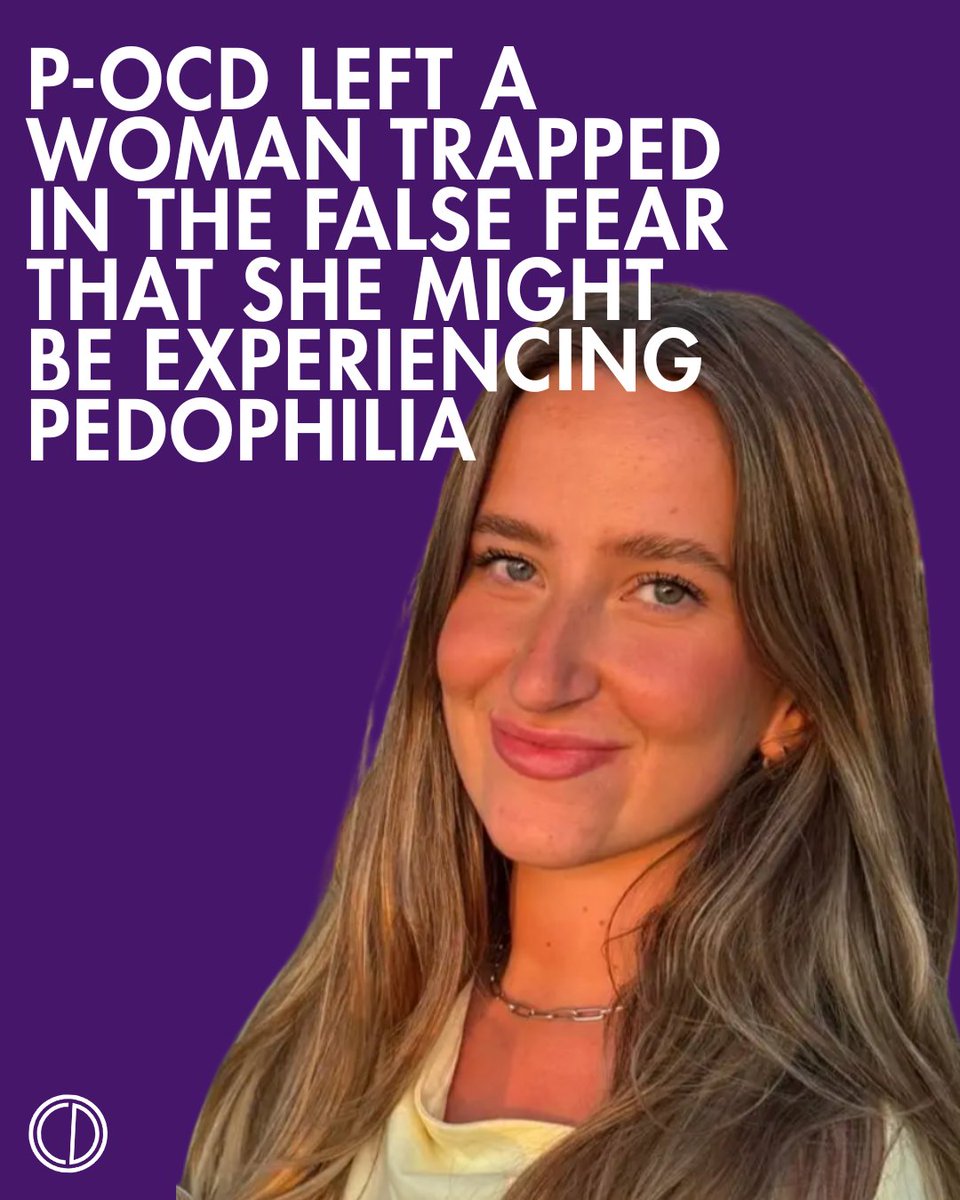
Unwanted intrusive thoughts are a core symptom of obsessive compulsive disorder (OCD), but some types of OCD are widely misinterpreted by individuals and the broader public as intent. In a recent article, Molly Lambert bravely opened up about her experience with pedophilia-themed OCD (P-OCD), a form of OCD where a person experiences intrusive unwanted thoughts about being sexually attracted to children. These thoughts are unwanted, deeply distressing, and completely conflict with the person’s values — and they do not mean that person is a risk. Because the topic is so sensitive and stigmatized, many people with P-OCD feel intense shame and are afraid to talk about their symptoms. As a result, this form of OCD is too often misunderstood or misdiagnosed. It is important to understand that intrusive thoughts in OCD do not reflect someone’s intentions or character. In fact, people with OCD are often terrified of these thoughts and go to great lengths to avoid situations where they worry they could cause harm. With the right diagnosis and evidence-based treatment, people with P-OCD can manage intrusive thoughts and reclaim their lives. Read Molly's story 👉 ladbible.com/news/health/ob… Learn more about OCD and evidence based treatment at iocdf.org 💙
International OCD Foundation tweet mediaInternational OCD Foundation tweet media
English
0
1
6
343
International OCD Foundation
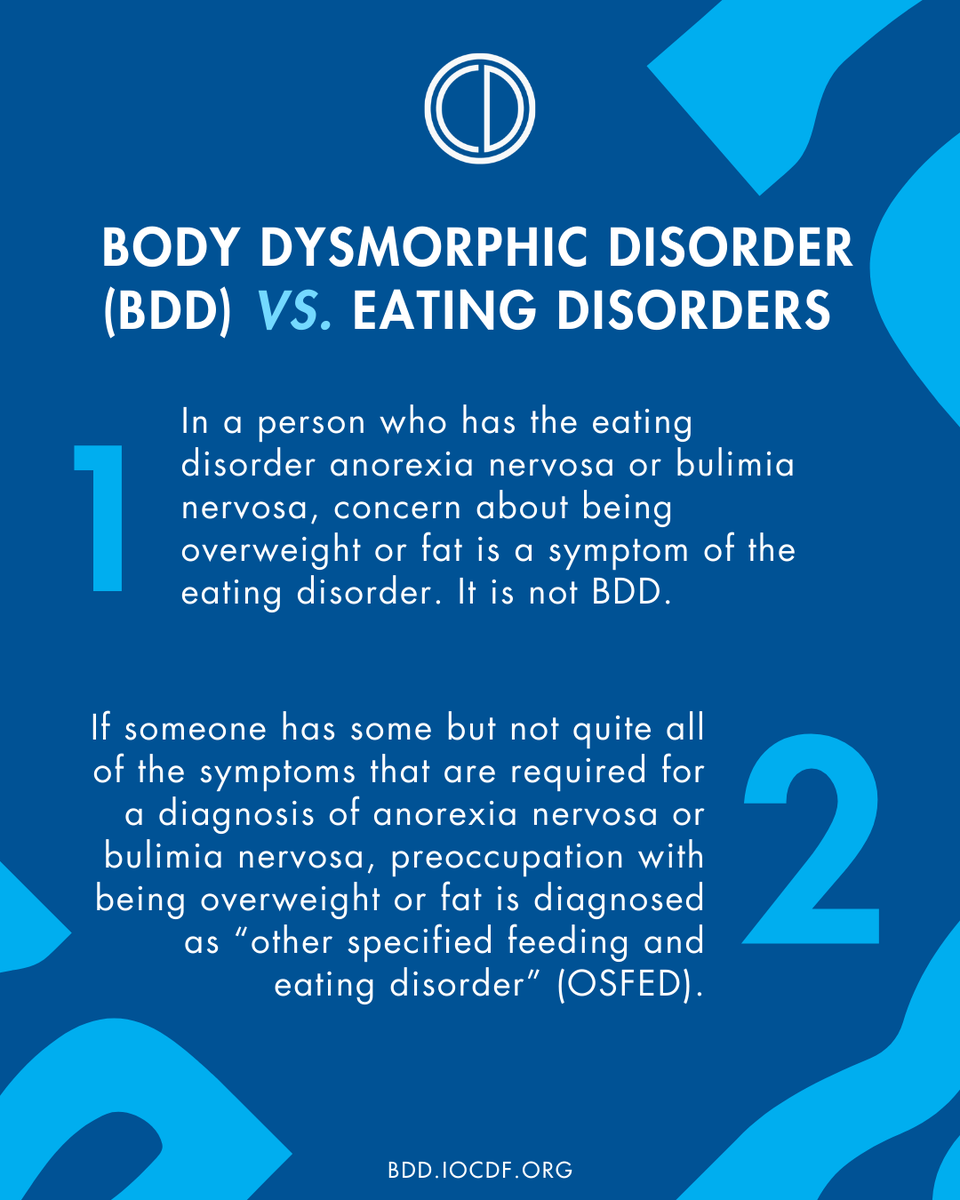
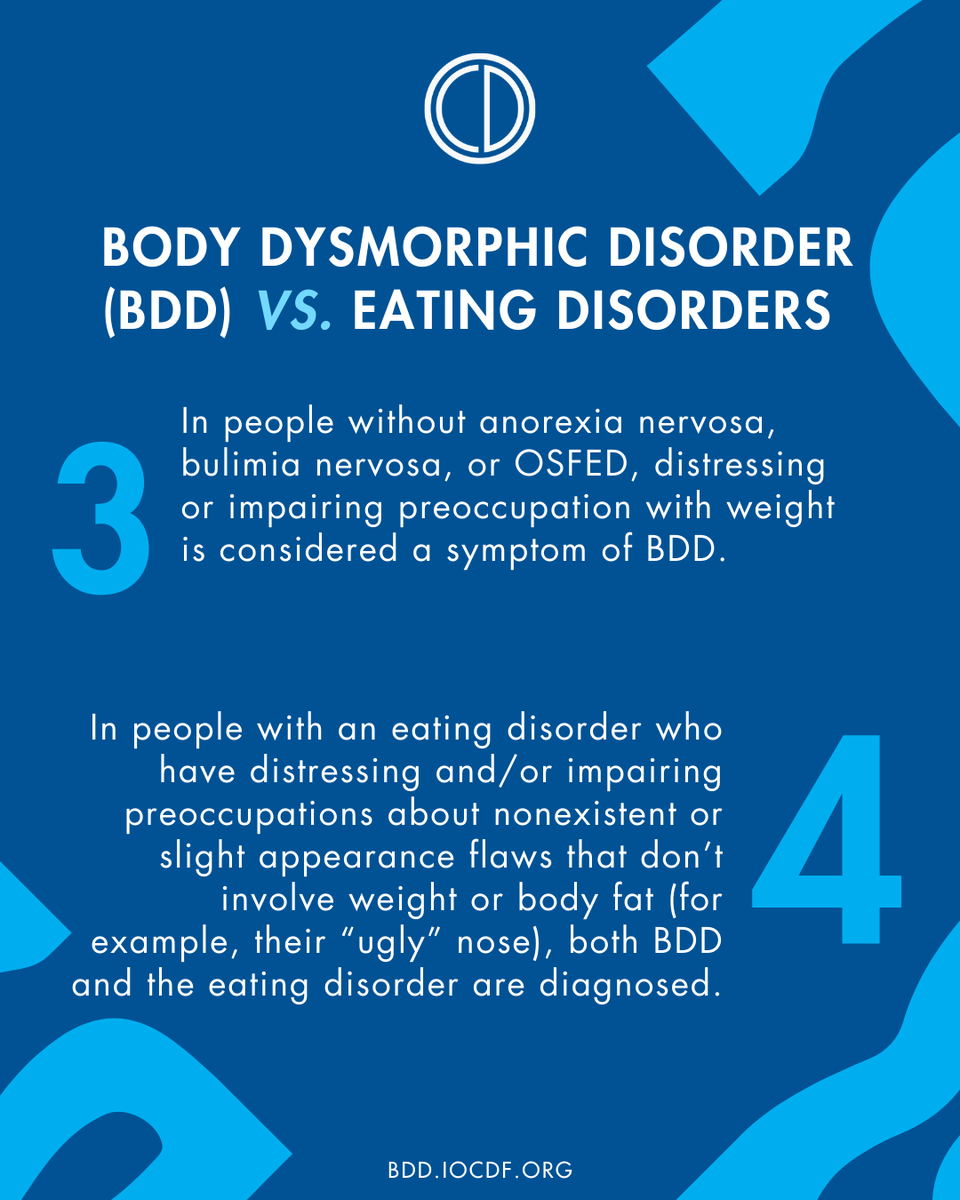
Many people with body dysmorphic disorder (BDD), a distressing or impairing preoccupation with perceived appearance flaws, don’t know that they have it. Friends, family members, and even mental health clinicians may not recognize it either. BDD can be missed for many reasons. People with BDD may feel too embarrassed to talk about it, or they may worry that others will think they are vain, even though BDD is not vanity. Any mental disorder can co occur with BDD. For example, many people have both BDD and OCD, or both BDD and social anxiety disorder. Differentiating BDD from an eating disorder can sometimes be challenging. It is important to diagnose BDD when it is present and not confuse it with other disorders so that it can be correctly treated (and treatment usually helps!). Learn more and get connected to resources on the IOCDF's website. 👉 iocdf.org/bdd
International OCD Foundation tweet mediaInternational OCD Foundation tweet mediaInternational OCD Foundation tweet mediaInternational OCD Foundation tweet media
English
0
3
6
249
International OCD Foundation
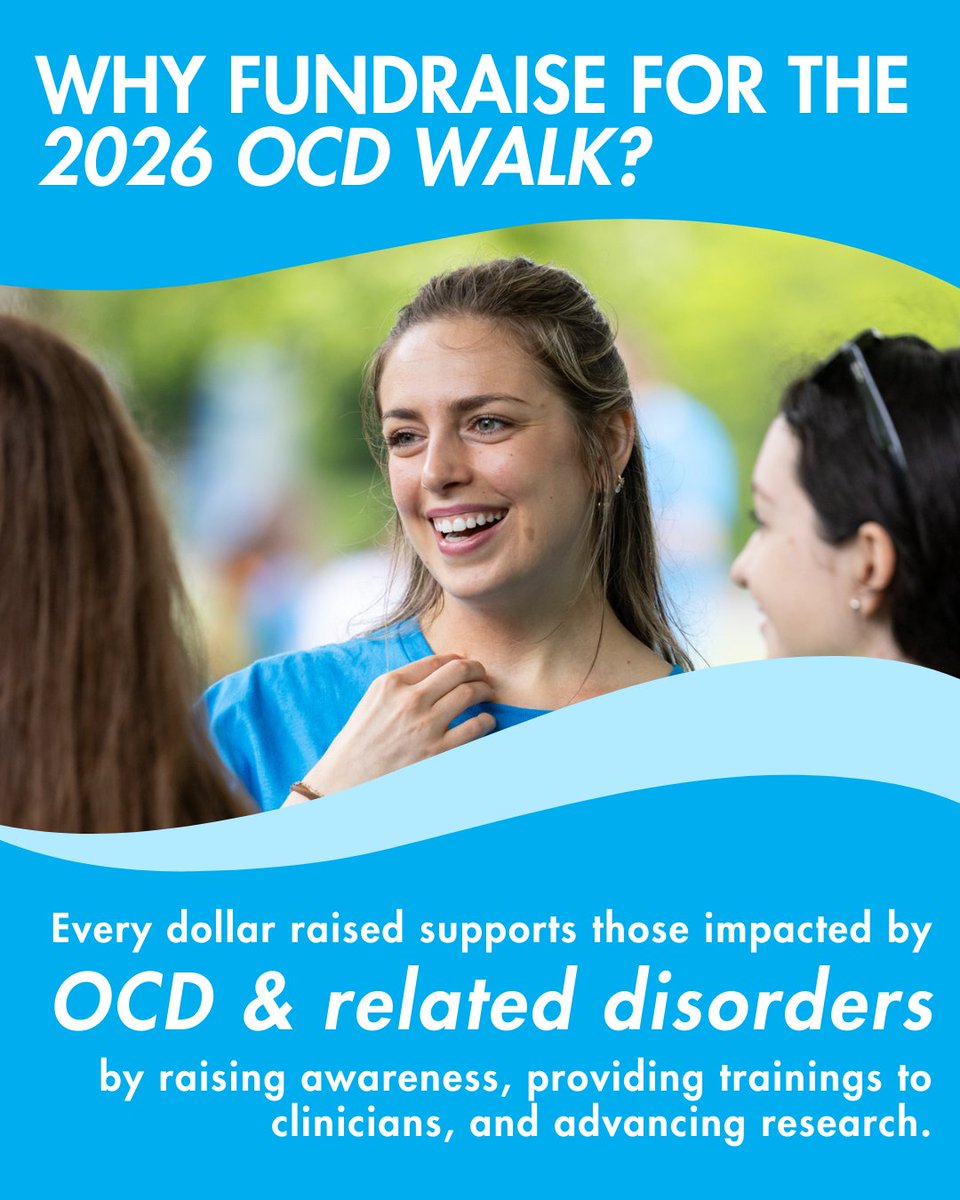
Registration is now open for the Boston OCD Walk on May 9, kicking off the 2026 Walk season! Every step and every dollar raised helps make a difference. Fundraising for the 2026 OCD Walk supports the International OCD Foundation’s work to improve the lives of those affected by OCD and related disorders. Donations help expand education and awareness, provide specialized training for clinicians, increase access to evidence-based care, and advance research that leads to better treatment. Together, our community is helping more people find understanding, support, and evidence based treatment. Learn more about the Boston OCD Walk at iocdf.org/OCDwalkboston 💙
International OCD Foundation tweet media
English
0
0
2
138
International OCD Foundation
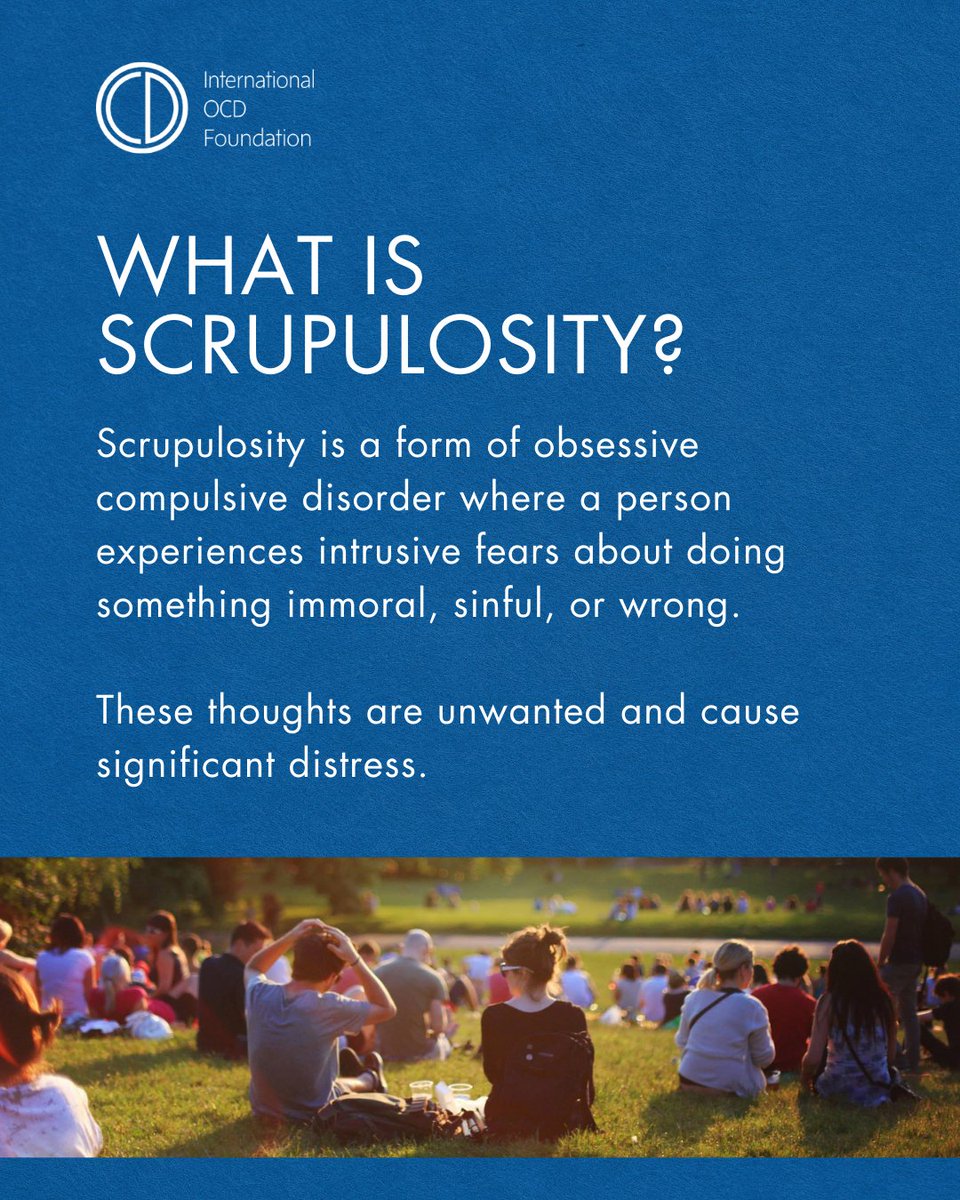
Scrupulosity is a form of obsessive compulsive disorder where OCD focuses on fears about morality, religion, or doing something wrong. People with scrupulosity may experience intrusive thoughts about sinning, offending God, or being immoral. These thoughts are unwanted and distressing, and often lead to compulsive behaviors like repeated prayer, confession, reassurance seeking, or mental checking. These symptoms aren't a reflection of someone’s character or faith. It's OCD. The good news is that OCD is treatable with Exposure and Response Prevention (ERP) therapy. Learn more about OCD and evidence based treatment at iocdf.org 💙
International OCD Foundation tweet mediaInternational OCD Foundation tweet mediaInternational OCD Foundation tweet mediaInternational OCD Foundation tweet media
English
0
2
7
251
International OCD Foundation
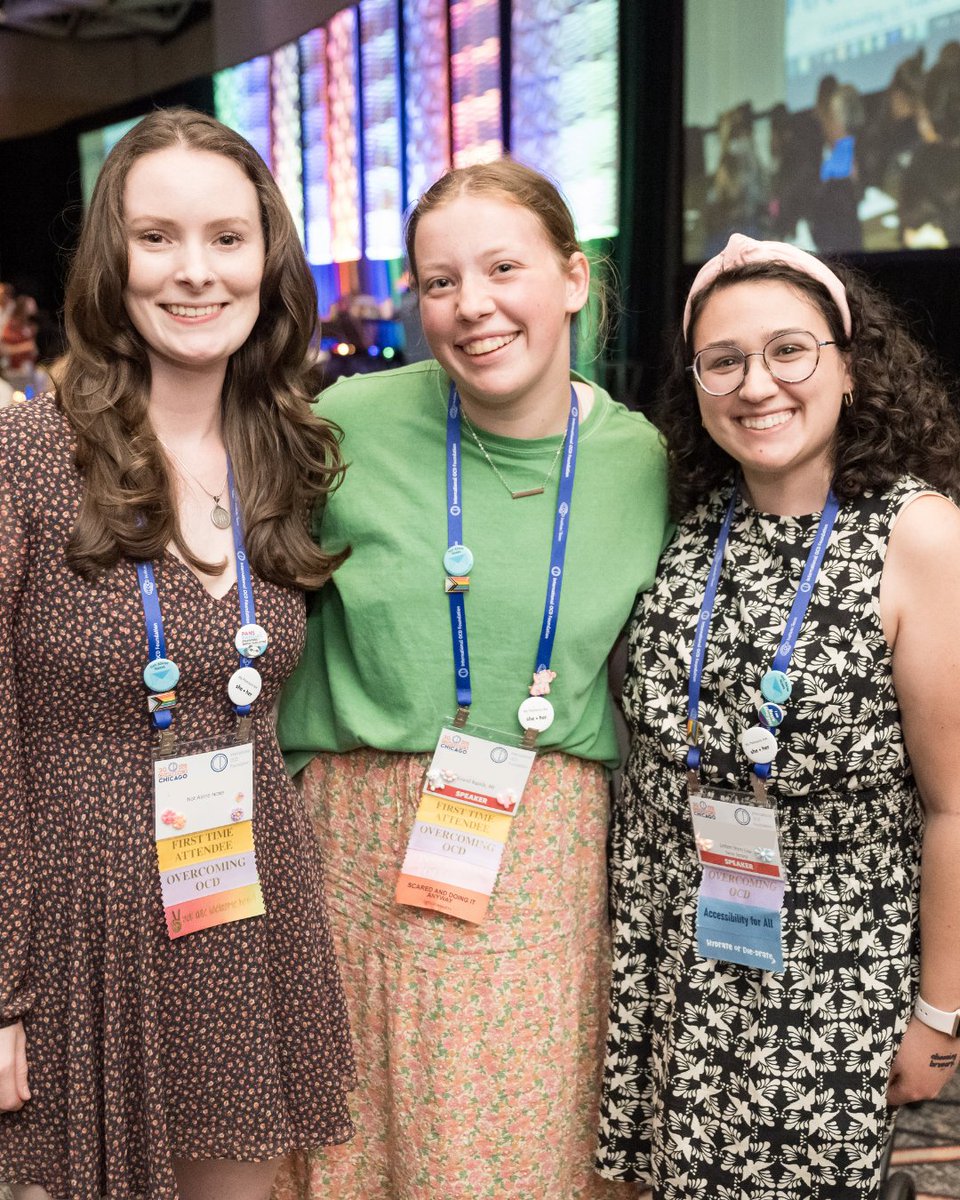
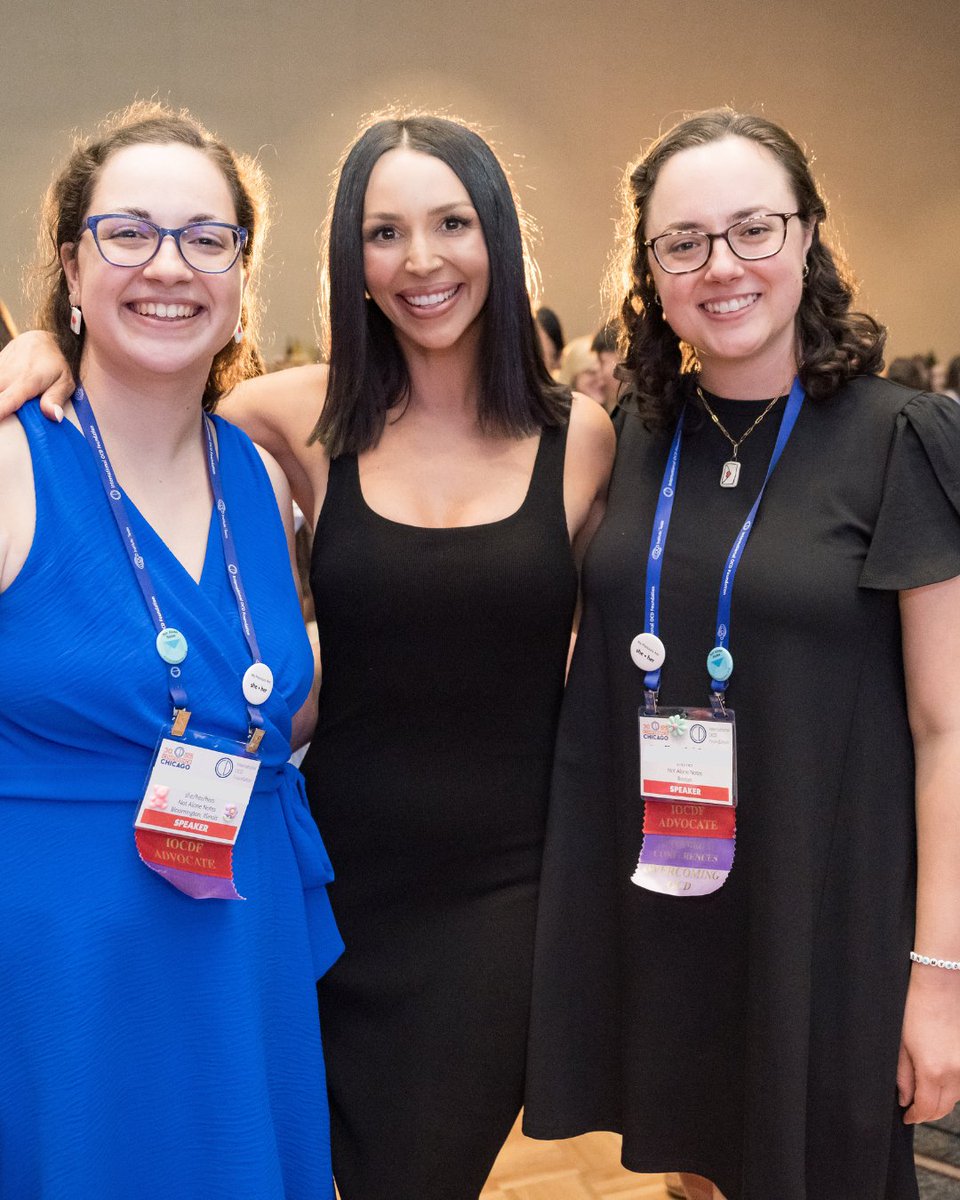
Community is a powerful part of living with OCD and related disorders. 💙 These moments capture what happens when people come together to learn, connect, and support one another! Remember, you are not along. Learn more about OCD and find resources at iocdf.org
International OCD Foundation tweet mediaInternational OCD Foundation tweet mediaInternational OCD Foundation tweet mediaInternational OCD Foundation tweet media
English
0
1
2
157
International OCD Foundation
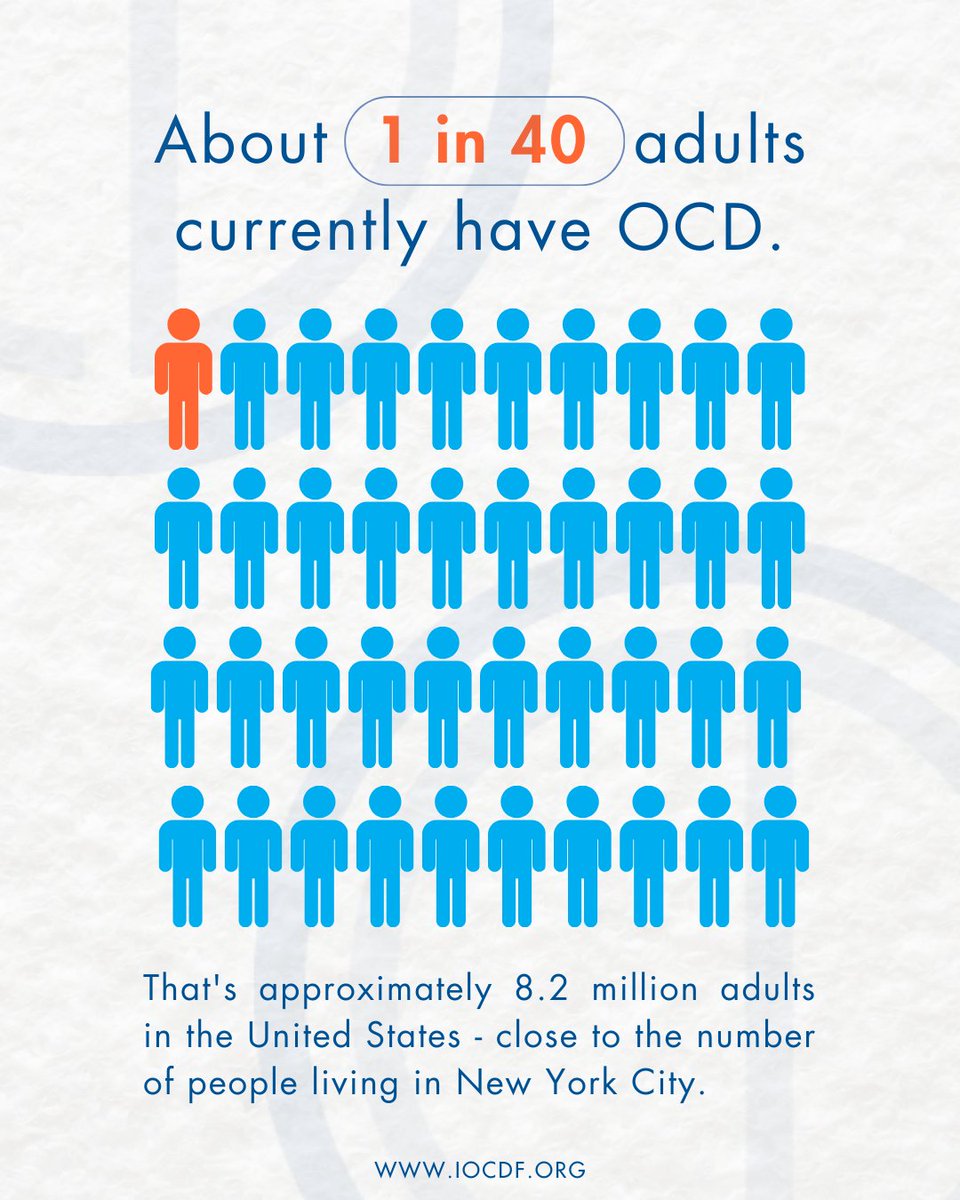
About 1 in 40 adults in the United States currently live with OCD. That is approximately 8.2 million people. OCD is common, real, and treatable. Increasing awareness helps reduce stigma and connect people to evidence based care. Learn more about OCD and treatment options at iocdf.org 💙
International OCD Foundation tweet media
English
0
1
7
208
International OCD Foundation
Body-focused repetitive behaviors (BFRBs) include any repetitive self-grooming behavior that involves biting, pulling, picking, or scraping one’s own hair, skin, lips, cheeks, or nails that can lead to physical damage to the body and have been met with multiple attempts to stop or decrease the behavior. Common BFRBs include hair pulling, skin picking, nail biting, and cheek biting. Other body-focused repetitive behaviors include hair eating, nail picking, skin biting, lip biting, tongue chewing, and hair cutting. Learn more and get connected to resources on the IOCDF's website. 👉 iocdf.org/bfrb Join the community online 👉 healthunlocked.com/my-bfrb
International OCD Foundation tweet mediaInternational OCD Foundation tweet mediaInternational OCD Foundation tweet media
English
0
0
0
178
International OCD Foundation
Rep OCD awareness in style 💙 Our vintage-inspired OCD merch supports education, advocacy, and research while helping start important conversations about OCD and related disorders. All for $5! Shop now at shop.iocdf.org 👕👕👕
International OCD Foundation tweet media
English
1
0
2
161