John Schmit 🚀🌃🌌

54.1K posts

John Schmit 🚀🌃🌌 banner
John Schmit 🚀🌃🌌

John Schmit 🚀🌃🌌

@JRSchmit

Space Enthusiast, Ham Radio Operator AC7MY, #Stargazing #Space #Astronomy #Landscape #Nature #Travel #spacetweep

Seattle, Wa เข้าร่วม Haziran 2010
1.7K กำลังติดตาม5.1K ผู้ติดตาม
John Schmit 🚀🌃🌌 รีทวีตแล้ว

Marwella Zhang 🚀🎨 📸 🏎
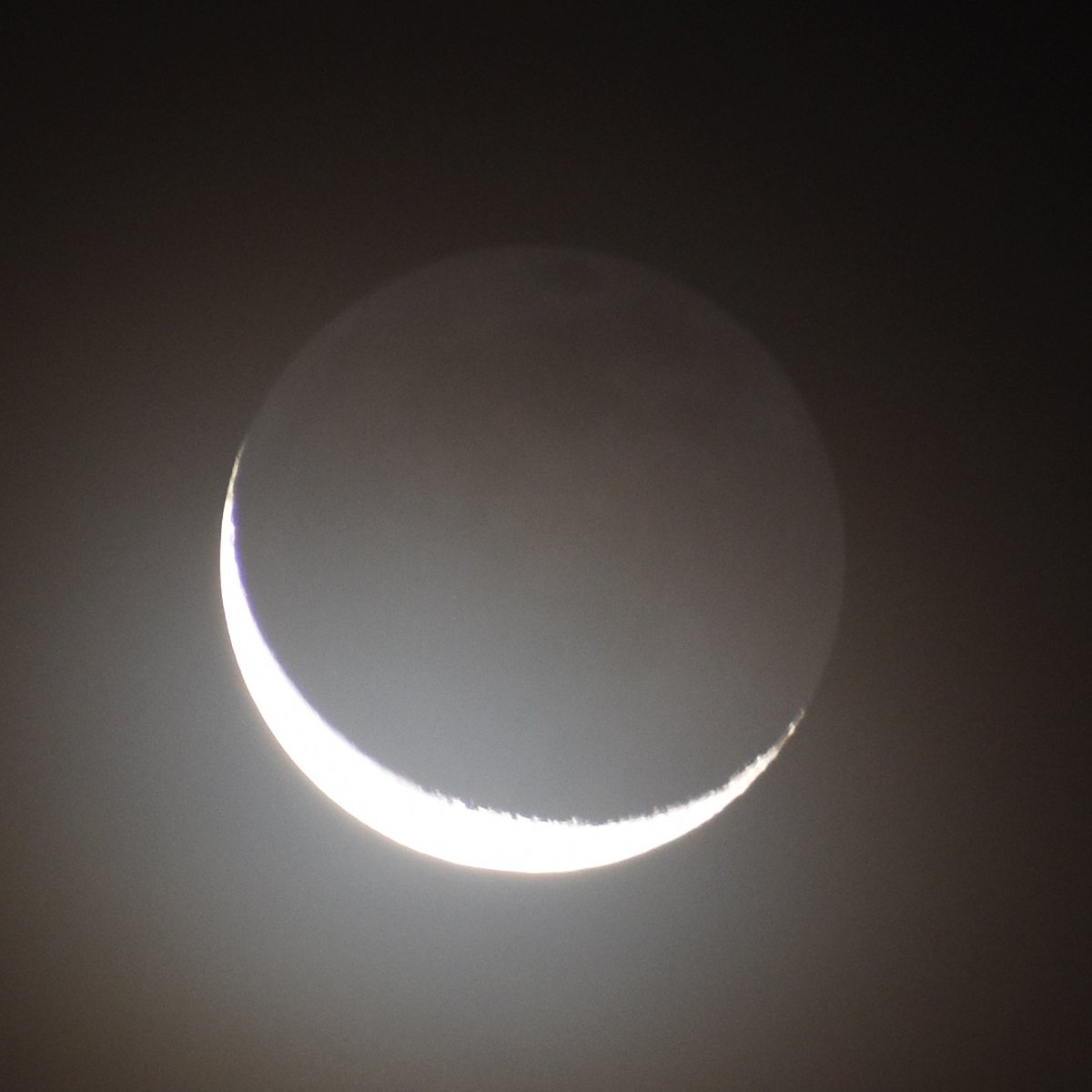
The cloudy 8.7% waning crescent at 5.02 AM (UTC+7) on Wednesday morning.
Marwella Zhang 🚀🎨 📸 🏎 tweet mediaMarwella Zhang 🚀🎨 📸 🏎 tweet media
English
2
3
26
402
John Schmit 🚀🌃🌌 รีทวีตแล้ว
Cheryl
Cheryl@CAS369741·
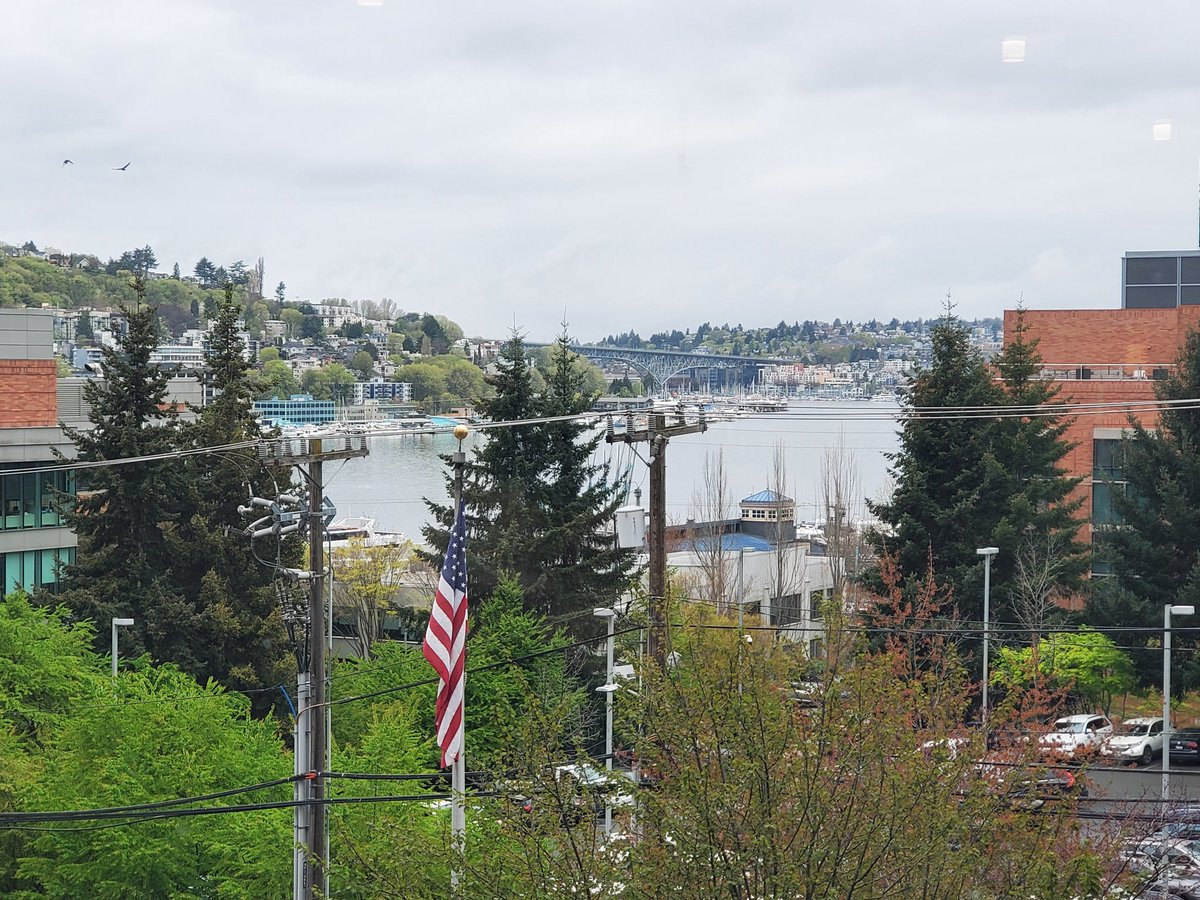
Overcast day in Seattle. 20260413 1145 #pnw
Cheryl tweet media
English
1
2
4
135
John Schmit 🚀🌃🌌 รีทวีตแล้ว
Marwella Zhang 🚀🎨 📸 🏎
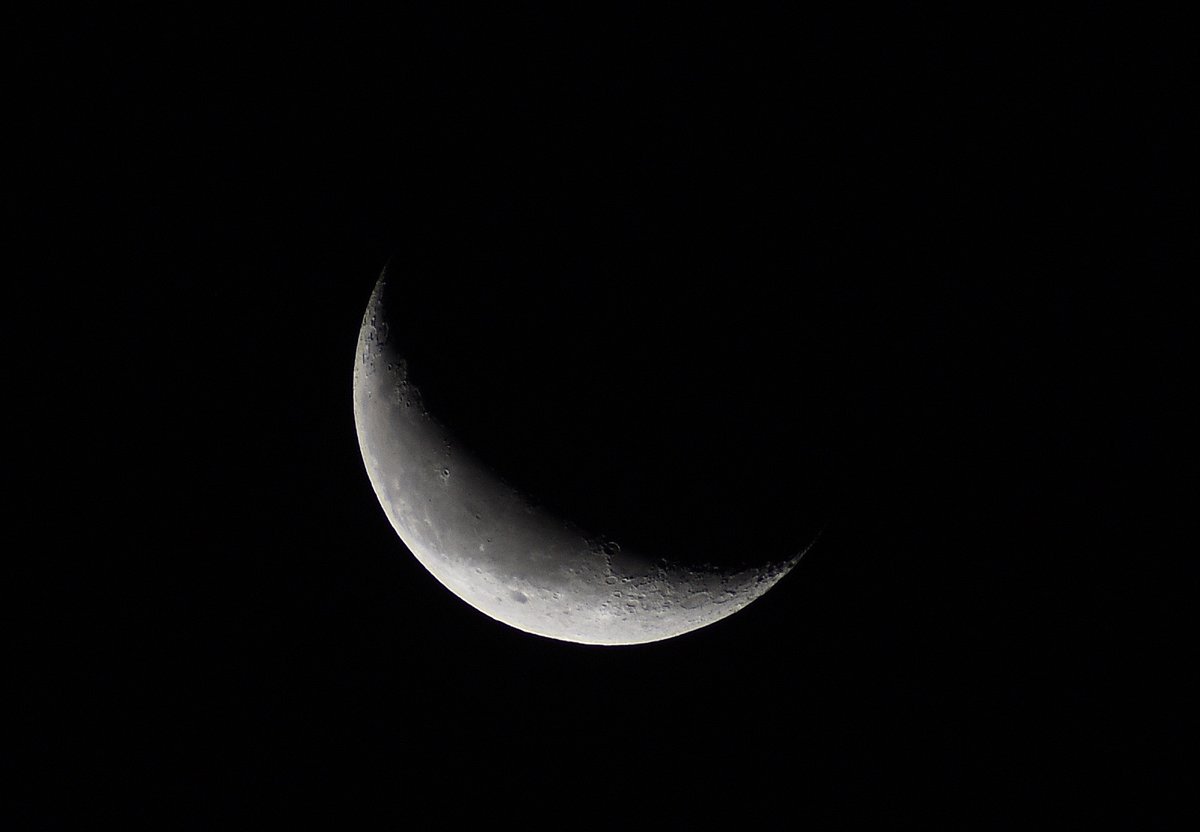
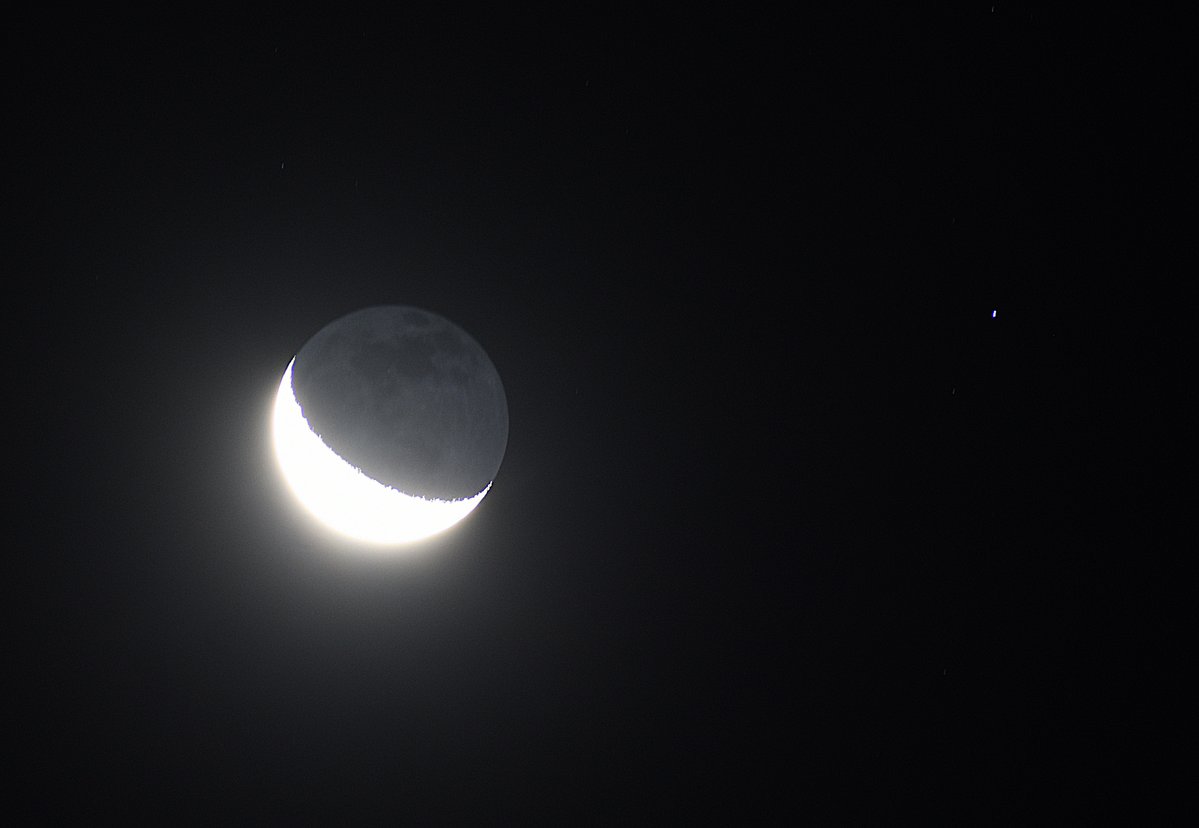
The waning crescent 24.2% with Deneb Algedi at 5.14 AM (UTC+7) on Monday.
Marwella Zhang 🚀🎨 📸 🏎 tweet mediaMarwella Zhang 🚀🎨 📸 🏎 tweet media
English
1
9
33
383
John Schmit 🚀🌃🌌 รีทวีตแล้ว
Isa's Astrophotography Atelier ✨🪐🔭
Starlink satellite train crossing the sky - visible for more than 10 minutes along the same orbital track. ALAN also visible below left... All-sky timelapse • 6 April 2026
English
2
18
87
6.4K
John Schmit 🚀🌃🌌 รีทวีตแล้ว
Alexandre H.L. Porto
Alexandre H.L. Porto@xandaolp·
Lunar Eclipse 2018 - Rio de Janeiro - RJ - Brazil
Português
4
92
205
0
John Schmit 🚀🌃🌌 รีทวีตแล้ว
Panagiotis Xipteras
Panagiotis Xipteras@xipteras·
Flashback 21.07.2020, 22:00 GMT. The comet C/2020 F3 (NEOWISE) was near ⭐️HD86944 in UMa. #comet This sum of several 900ms snapshots (!) was taken at high ISO with my 'Queen of the Night', the Nikon D5, back then. It was with this camera that NASA Artemis II astronaut Reid Wiseman captured his famous image of Earth, called "Hello, World", last week. #NikonD5
Panagiotis Xipteras tweet media
English
0
18
84
1.1K
John Schmit 🚀🌃🌌 รีทวีตแล้ว
Aleix Roig
Aleix Roig@astrocatinfo·
𝗠𝟭𝟯: 𝗧𝗵𝗲 𝗚𝗿𝗲𝗮𝘁 𝗚𝗹𝗼𝗯𝘂𝗹𝗮𝗿 𝗖𝗹𝘂𝘀𝘁𝗲𝗿 𝗶𝗻 𝗛𝗲𝗿𝗰𝘂𝗹𝗲𝘀 + 𝗜𝗙𝗡 ✨ 📷 48 hours of total exposure
Aleix Roig tweet media
English
4
38
214
3.3K
John Schmit 🚀🌃🌌 รีทวีตแล้ว
astrojuanan
astrojuanan@astrojuanan·
Someone tell me: that this is not impressive? It really is amazing. #artemisll #nasa #luna
English
2
3
8
195
John Schmit 🚀🌃🌌 รีทวีตแล้ว
astrojuanan
astrojuanan@astrojuanan·
Deep-sky astrophotography. Galaxies and nebulae captured in narrowband, focused on signal and real structure. #Astrophotography
astrojuanan tweet media
English
1
5
36
785
John Schmit 🚀🌃🌌 รีทวีตแล้ว
Storm Silvawalker 🇨🇦
Storm Silvawalker 🇨🇦@StormSilvawalk1·
I was trying to find information about the Orion Crew Module RCS and found this. SLS is great and no, Starship hasn't made orbit yet, but still SLS is only about half the thrust of even the V1 Superheavy @LMSpace (also is the RCS monoprop or biprop?) lockheedmartin.com/en-us/news/fea…
Storm Silvawalker 🇨🇦 tweet media
English
1
3
5
331
John Schmit 🚀🌃🌌 รีทวีตแล้ว
Gary Hensel
Gary Hensel@gary_hensel·
Gary Hensel tweet media
ZXX
5
31
81
1.7K
John Schmit 🚀🌃🌌 รีทวีตแล้ว
Prasad
Prasad@Prasad_2143·
It’s been 189 days since I stopped drinking alcohol. This telescope gave me a reason to stay awake for the right reasons. Instead of blurring my reality, I’m now focusing on the beauty of the universe. I never knew life—or the stars—could be this clear. 🔭🙏✨
Prasad tweet media
English
2
2
15
132
John Schmit 🚀🌃🌌 รีทวีตแล้ว
Marwella Zhang 🚀🎨 📸 🏎
The 62.7% waning gibbous at 4 AM (UTC+7) on Thursday.
Marwella Zhang 🚀🎨 📸 🏎 tweet media
English
2
6
29
269
John Schmit 🚀🌃🌌 รีทวีตแล้ว
Anjuschka Prenzel
Anjuschka Prenzel@lakazel·
Heute Morgen war was los, ich sah zum ersten Mal das Sommerdreieck #SummerTriangle😃
Anjuschka Prenzel tweet media
Deutsch
0
2
19
126
John Schmit 🚀🌃🌌 รีทวีตแล้ว
Erika 
Erika @ExploreCosmos_·
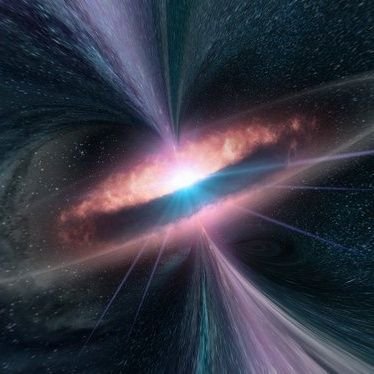
We used to view galaxies as steady, reliable engines of creation. Vast systems quietly converting gas into stars over billions of years, evolving but never truly “switching off.” That picture didn’t survive contact with data. Look closely enough, and the universe splits cleanly in two: galaxies that are still forming stars, blue and active, and galaxies that have effectively stopped, red, quiet, and aging. So what happened? Why do some galaxies keep going while others shut down? At its core, star formation is a supply problem. Stars form from cold, dense gas. As long as a galaxy can acquire, retain, and cool that gas, it can keep forming stars. Remove the supply, or heat it so it can’t collapse, and star formation fades. One of the dominant mechanisms behind this shutdown is AGN feedback. At the center of most massive galaxies sits a supermassive black hole. When matter falls into it, the process releases enormous amounts of energy, sometimes outshining the entire galaxy. That energy doesn’t just disappear; it couples to the surrounding gas, heating it or expelling it altogether. It is a cosmic irony: a point of gravity so small it can’t be seen effectively dictating the fate of a system a hundred thousand light-years across. In many massive galaxies, this is enough to halt star formation almost entirely. But black holes are only part of the story. The environment a galaxy lives in can be just as important. In galaxy clusters, space isn’t empty, it’s filled with hot, diffuse gas. As galaxies move through it, they experience a kind of pressure that can strip away their own gas reservoirs, a process known as ram pressure stripping. Without gas, star formation shuts down quickly. Even without direct stripping, galaxies in dense environments can be cut off from fresh gas supply, a slower process often called strangulation or starvation. There’s also a simpler explanation that sometimes gets overlooked: galaxies can just run out of fuel. Over time, they convert gas into stars. If new gas doesn’t flow in, and if the existing gas is heated or stabilized against collapse, star formation declines naturally. No dramatic event required. Mass adds another layer. The most massive galaxies tend to quench earlier and more efficiently. Their deep gravitational wells support hot halos of gas that resist cooling, and their central black holes are more capable of injecting energy into their surroundings. Smaller galaxies, by contrast, are more vulnerable to external effects like supernova feedback or environmental stripping. And yet, the picture isn’t clean. Some galaxies appear quenched without obvious signs of strong black hole activity. Others continue forming stars under conditions that should, in principle, suppress it. There are even hints that quenching isn’t always permanent, some galaxies may “reignite” if they manage to accrete fresh gas later on. The real story is not a single mechanism, but a competition. Between inflow and outflow. Cooling and heating. Growth and regulation. Ultimately, galaxies don’t just evolve, they are regulated. And whether a galaxy keeps forming stars or falls silent depends on how that balance plays out over cosmic time.
Erika  tweet media
English
19
50
288
5.9K