
ทวีตที่ปักหมุด
Joshmann
799 posts


Joshmann
@Joshmann567
Electrical Engineer HeptaVolt • Blockchain Ethusiast • Content Writer• Yapper on @KaitoAI • Member @CA_Template
Lagos, Nigeria เข้าร่วม Şubat 2019
178 กำลังติดตาม114 ผู้ติดตาม


@ummuh_Zahra Again... You'd never know how foolish some women sounds until that same words are coming from a Man 😂
English

So I got married last year to the man who sponsored my education. Have no kids yet though. Thanks to him, today I work as a government teacher in a secondary & high school. I actually just got recruited to this school where I teach Geography.
But please, I'm confused. There's this particular guy, actually a male colleague of mine. He has been working here as a Biology teacher for 6 years. Since I arrived & started work, he has been so nice to me, guiding & showing me around, buying me gifts too, and keeping me company so I don't feel alone since I'm new. We got so close after a month. I don't know, but I just really feel so comfortable & safe with him, even more than my husband. I love his company. If I'm to be honest, I feel like I can share & tell him everything.
Even my husband doesn't get me gifts like this guy does. He is such a kind & gentle man, i must comment, he truly knows how to treat a lady but something about his behavior, actually changed recently. Which leaves me confused. He switched from food gifts & started getting me underwear, bras, and perfumes. Even on 'Teachers Day' he bought me same gifts. This has actually been going on for about 2 weeks now. Please people, this keeps me wondering if it's okay that i keep collecting these gifts. Considering the fact that, I'm a married woman.
Truth is, we've been so close, and I don't know how to go about rejecting these gifts since he is actually doing it with pure intentions, with no strings attached, and he's been so nice to me ever since I got here. I plead for your advice & guidance 🙏

English
@SgtShow01 Fully ready to be mentored sir , I believe I have what it takes and am always will to put in the work
English

Last year, I mentored a guy, and I'm happy to announce that he arrived in Canada this morning. Our work together has just become even more intensified.
Next week, I will select another mentee, and it has to be a guy, please.
He must be willing to do the work and go all the way. I don't hold hands, and I don't have the time.
Please signify your interest.
English
Joshmann รีทวีตแล้ว

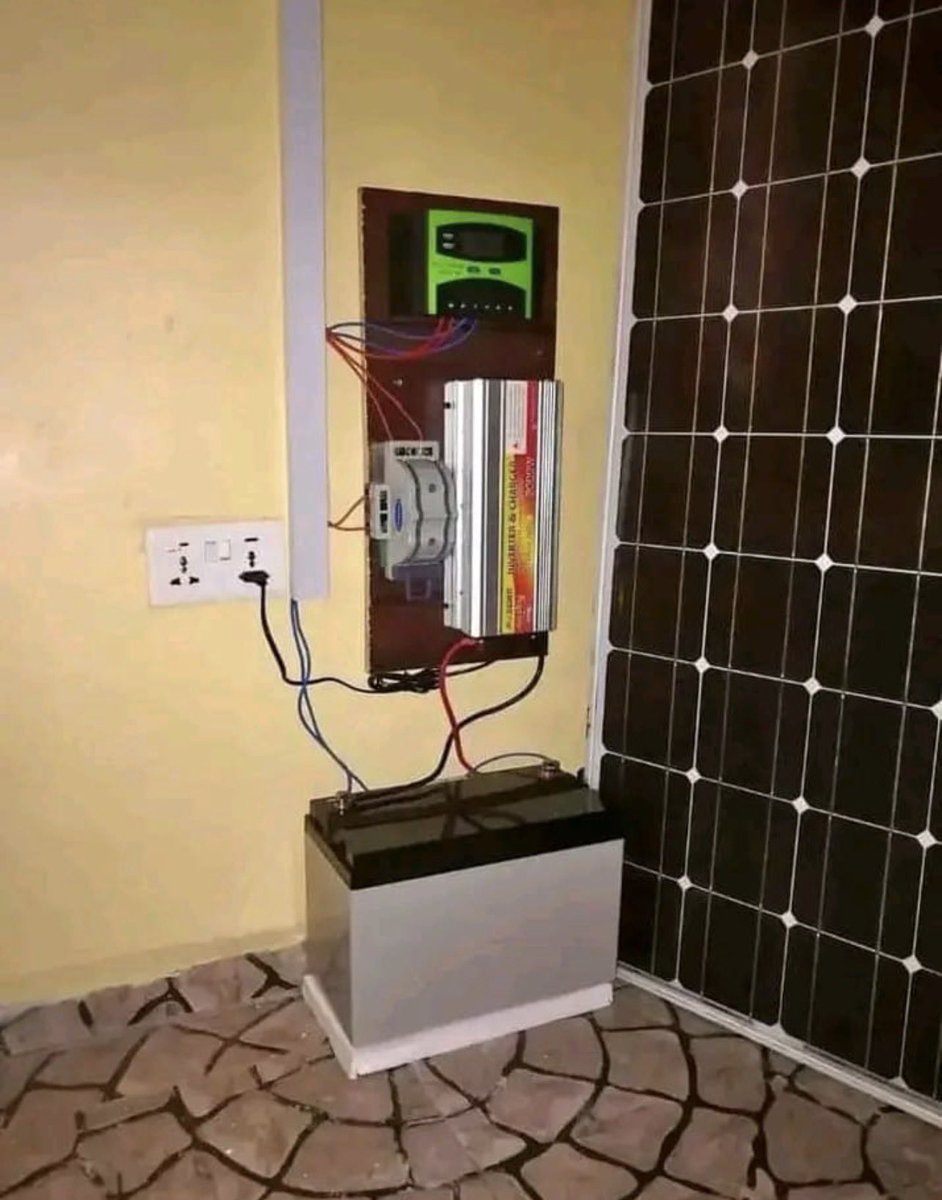
One Random person on X: There is No way Solar can take over Nepa!
I have Solar but still cant perform like Nepa!
Me: No sir, Solar is just another way to generate electricity just like they are generating it for Nepa.
Random person: It’s a lie. The one I have at home it don’t last unlike Nepa bla… bla…
Me: ok Snap your solar system let’s see
👇👇👇
English
Joshmann รีทวีตแล้ว

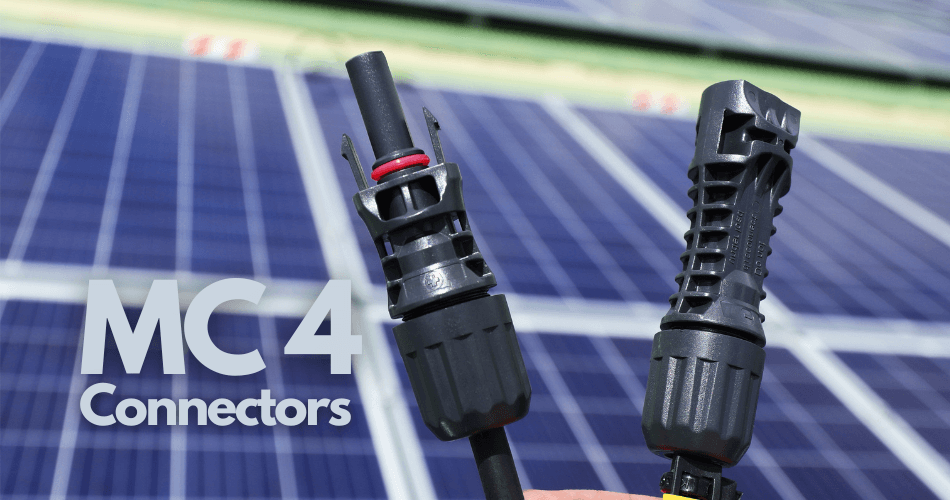
As more people share their solar installs, its important to get a good Installer.
If your Installer, joins panel cables rather than use MC4 Connectors, I can guarantee that your installation will lead to problems.
Show me an installer who joins, and I’ll show you a service call in 3 years. 🛠️
Show me an installer who uses a torque wrench and genuine connectors, and I’ll show you a system that lasts 25 years.
The difference between a sparky and a solar artist is in the details. 🎨
#SolarPV
English
Joshmann รีทวีตแล้ว
Customer: please I want to do solar?
Me: What do you want it to power?
Customer: nothing much.
Me: Oh ok. List them
Customer: Just Tv. 1 OX fan, 2hp AC (2 pcs), 1hp pumping machine, freezer.
And I want the AC to work 24/7
Me: ok. Minimum you can do is 8kW inverter with 45kWh lithium battery 15.5m
Customer: Ah, the one my friend do is 1.5m and it power everything I mention!
Me: You can go and do it sir
Customer: But I want you to do it for me

English
Joshmann รีทวีตแล้ว

The Social-to-Earn USDT Revolution is HERE! 🔥
@FoxiGrow turns your likes, retweets & simple tasks into real crypto rewards.
✅ Super easy tasks
✅ Instant USDT payouts
✅ Tons of events & USDT rewards waiting for you!
Start now → 🦊 t.me/FoxiGrowbot
📢 Community already earned $10,500 USDT total! 💰
Next 3 months? We're aiming for 5-10x growth 🚀
Who's joining the grind today? 👇
#MakeMoneyOnline #SideHustle #EarnCrypto #USDT #TelegramMiniApp #SocialToEarn

English


@kaderkingpin91 @Teeniiola Either Benin girls or Esan girls 😂 I don too understand am ,I dy hear am clearly 😂
English
@Teeniiola Are there people who talk this fast? I’m genuinely curious.
English
@Samsonthegoat25 Una no even notice the over 1.5 for feyenoord wey be 114 odds 😂
English

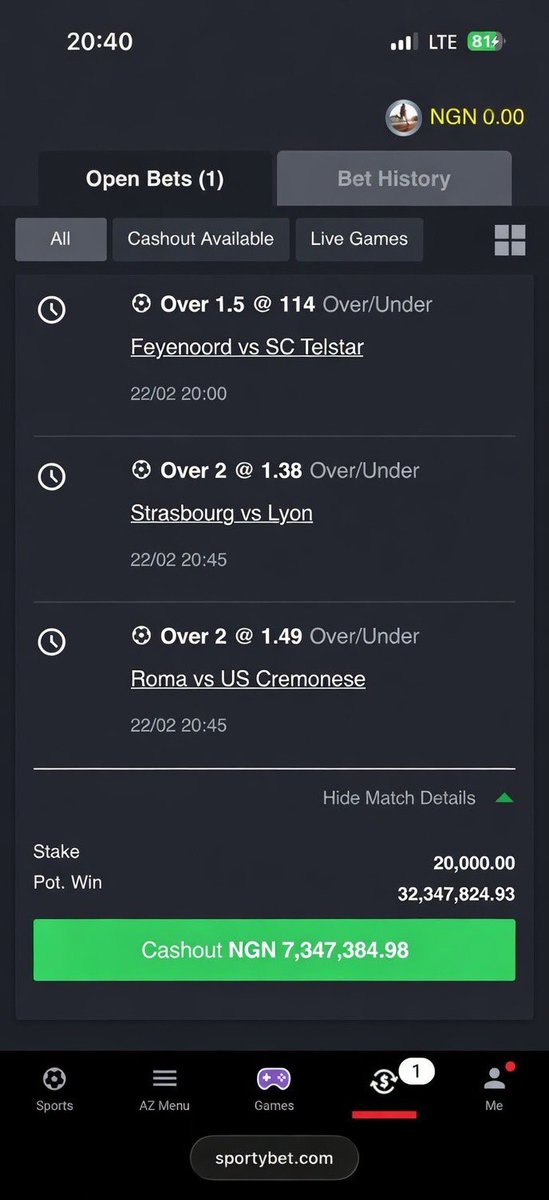
Thank God Osasuna finally pulled off a last minute win against Real Madrid thank you osasuna! I was about to leave the rest of the match and just hope for the best tomorrow. I should've cashed out earlier, but this feels like cheating to me. Or should I just cash it out once and for all? Please, someone advise me I'm only 21.
English
Do you remember when you joined X? I do!
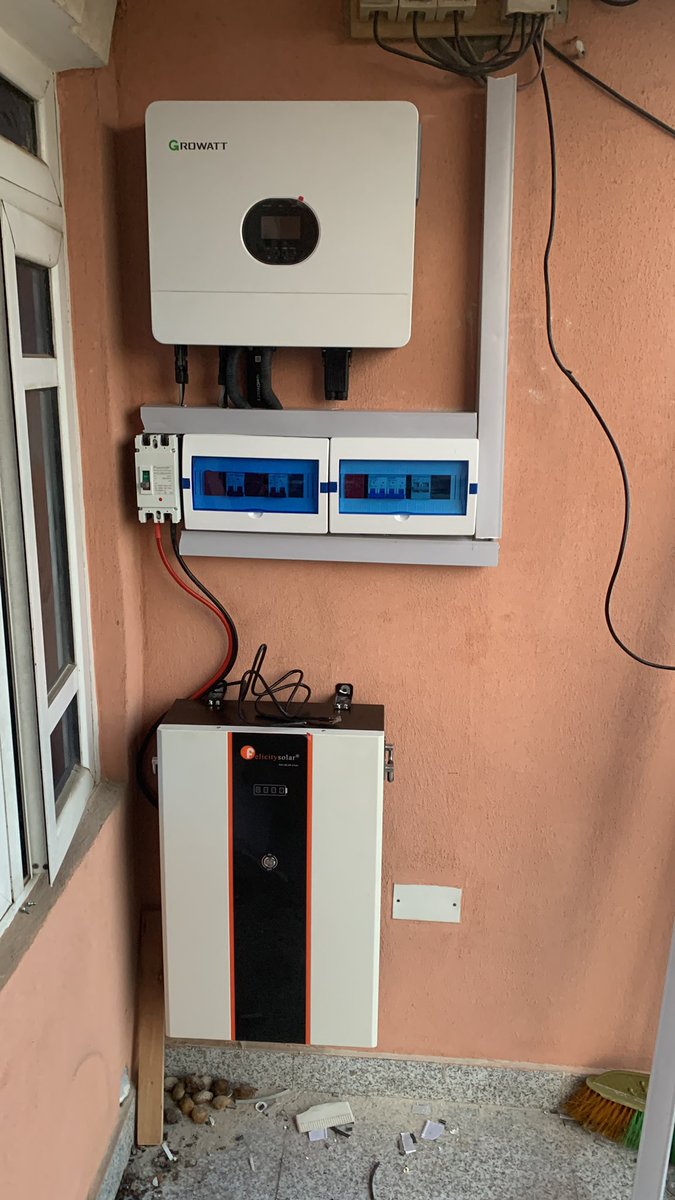
Ongoing installation of 5kva inverter with 10kwh li-ion Felicity battery to be charged by 4.2kw of solar panels
HeptaVolt is available for jobs and installations on your site, contact us here👇🏻👇🏻
shorturl.at/Ju3l3
#MyXAnniversary
English
@IntrovertSaavni Everyone is just worried about the price , how about the weight ? Is it posible to hold 200kg of copper with one hand ? 😂
English

My father have 200 kg of copper scrap like this Should I sell it now or hold it ?

English
@nosafk I am an electrical engineer
x.com/joshmann567/st…
Joshmann@Joshmann567
Introducing HeptaVolt — providing power and smart energy solutions tailored for homes, businesses, and industries. Power no suppose fail ⚡ HeptaVolt delivers reliable inverter systems, electrical installations, and energy solutions built for the environment 🇳🇬
English

Hello Vendorenas,
It's the Friday market. You're selling today.
Quote this tweet with what you sell, or the service you offer. Weekends are for sales.
English
@_Sironyeka Hello 👋
x.com/joshmann567/st…
Joshmann@Joshmann567
Introducing HeptaVolt — providing power and smart energy solutions tailored for homes, businesses, and industries. Power no suppose fail ⚡ HeptaVolt delivers reliable inverter systems, electrical installations, and energy solutions built for the environment 🇳🇬
English

Bro to Bro: build your x account now
Just say “hello” and gain 750 mutuals here.❤️❤️❤️

English
@john322226 I need pass that 3 likes 🙏
x.com/joshmann567/st…
Joshmann@Joshmann567
Introducing HeptaVolt — providing power and smart energy solutions tailored for homes, businesses, and industries. Power no suppose fail ⚡ HeptaVolt delivers reliable inverter systems, electrical installations, and energy solutions built for the environment 🇳🇬
English

If your comment under this tweet get 3 likes, I’ll send you 1 million.
English

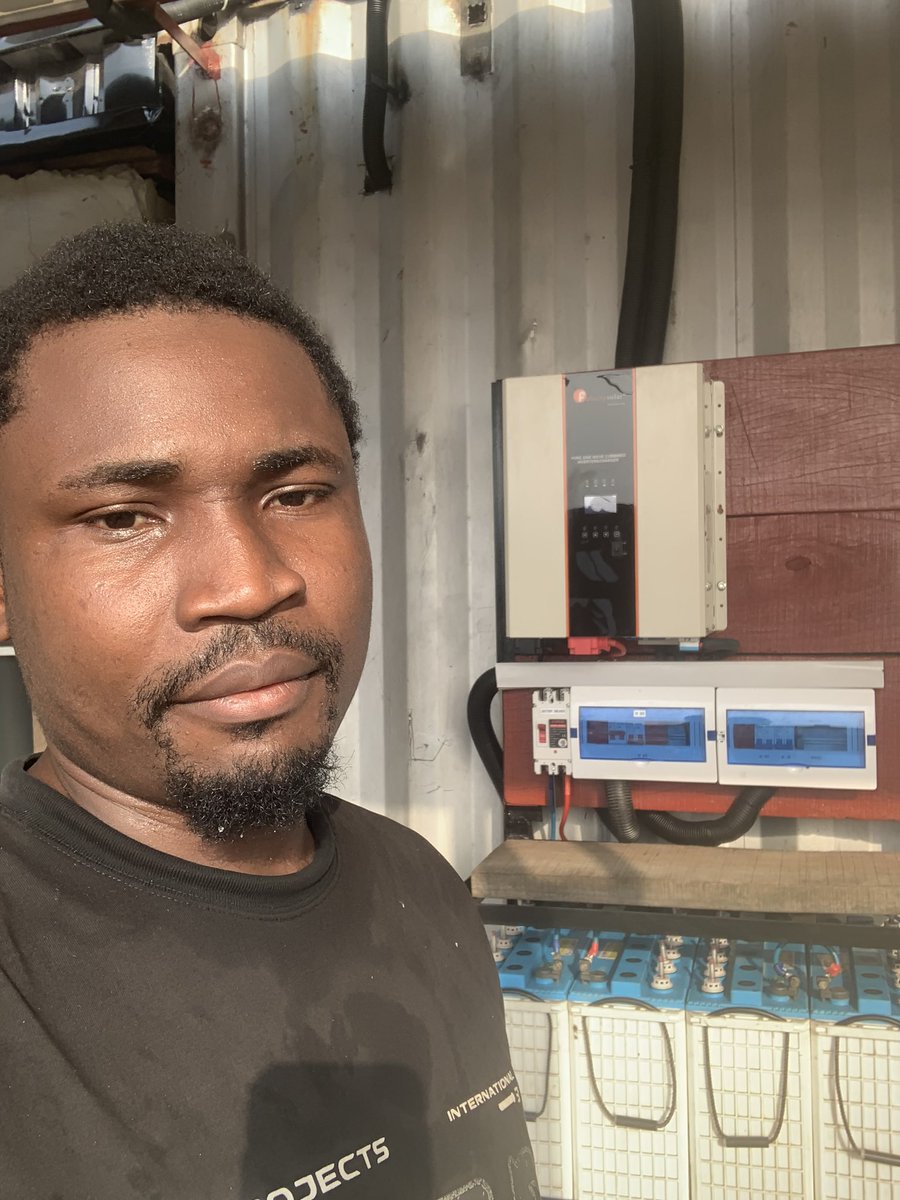
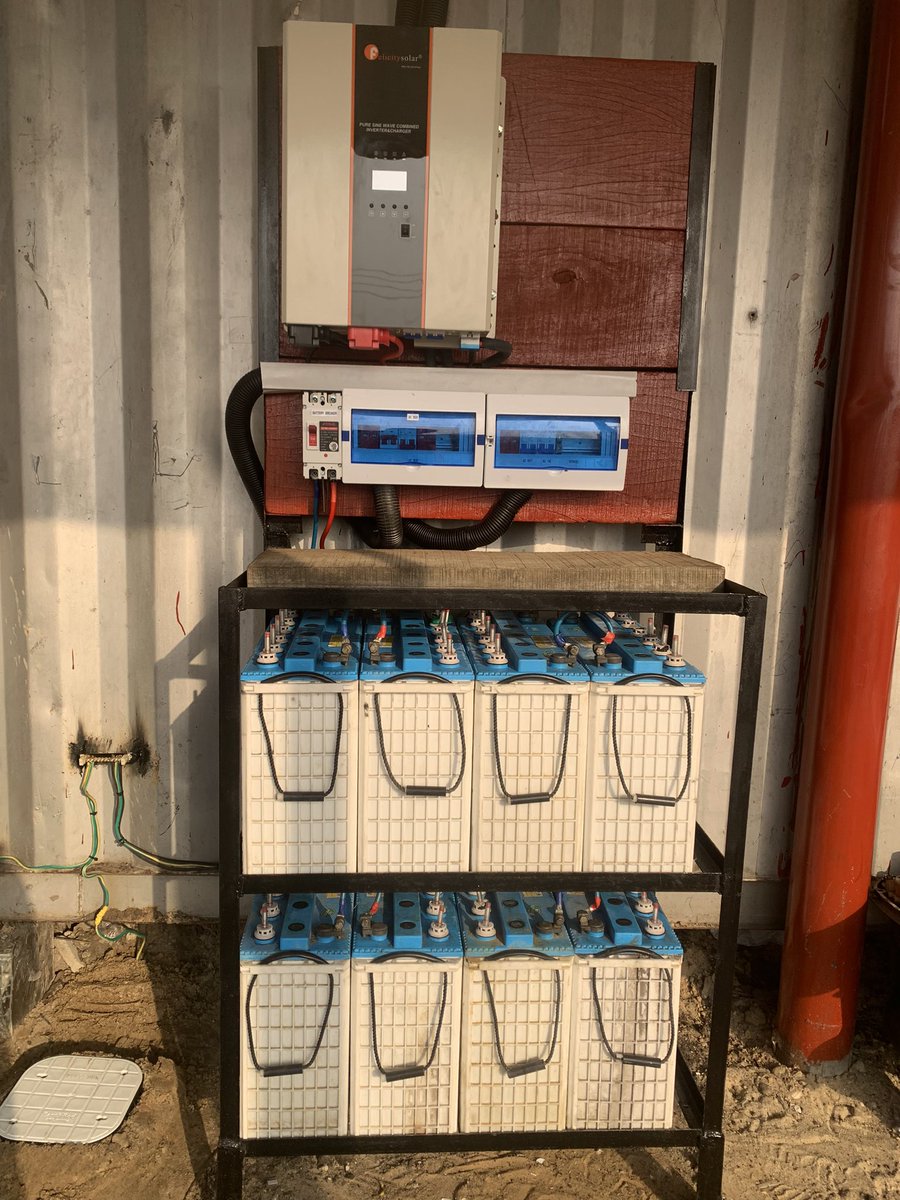
As an installer , what is an installation without protection ? 🤯HEPTAVOLT engineering solution offers professional installation and protection for your gadget , you can dm is for any enquiries shorturl.at/Ju3l3
English
