#MaxSwap_ExpertView
⚡ Why cryptocurrencies hold up when everything else is falling
Global markets are currently operating in a constant state of tension. The conflict in the Middle East is escalating, and the Strait of Hormuz is facing the threat of a blockade a critical route through which about 20% of the world’s oil supply passes.
📈 Brent crude has climbed above $114, and stock markets are reacting predictably: the S&P 500 is declining, Indian markets are falling, and emerging market currencies are hitting new lows. At the same time, another concern is growing: artificial intelligence is increasingly replacing human jobs, amplifying social and economic instability.
In such an environment, risk assets usually drop sharply. Yet Bitcoin continues to hold above $67,000, which may seem unusual.
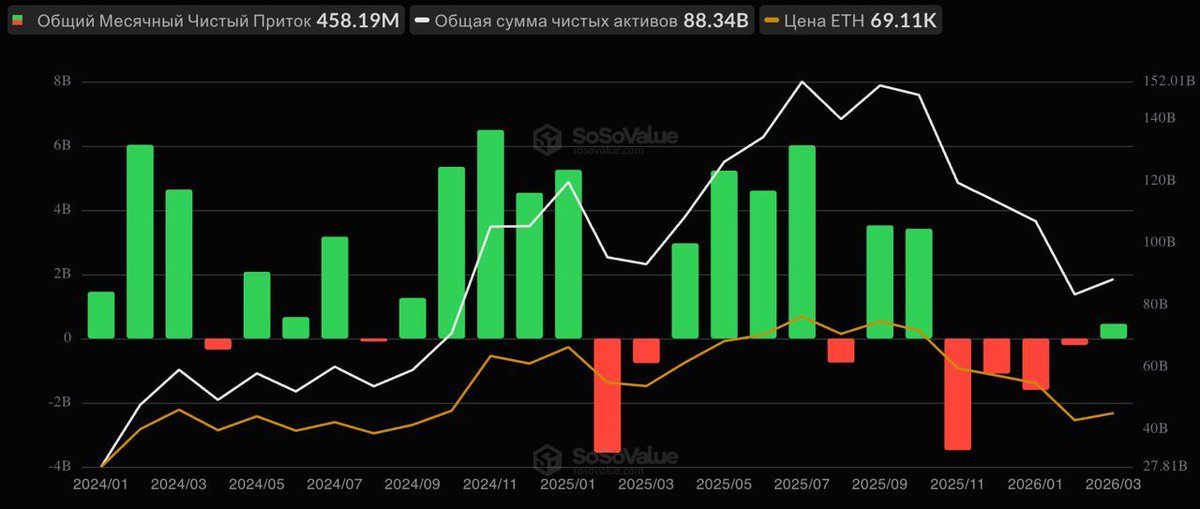
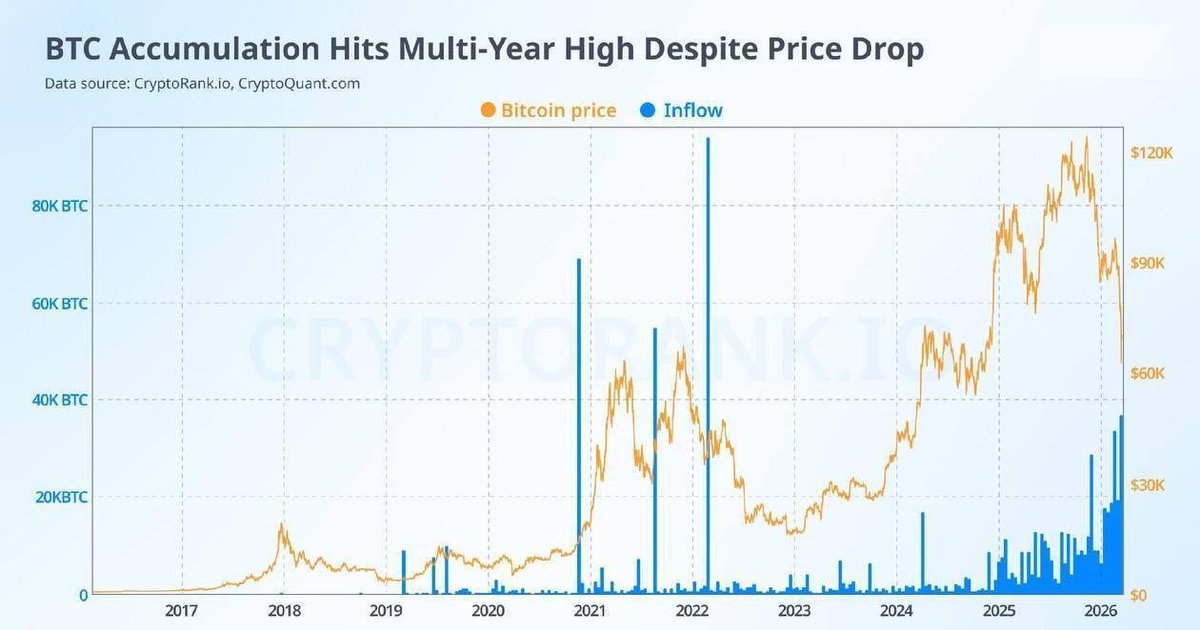
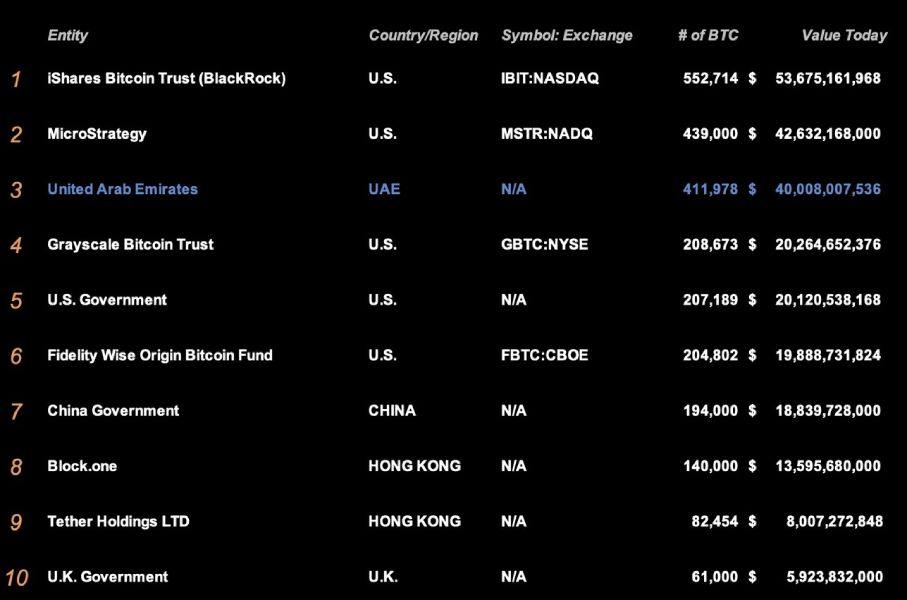
Part of the explanation lies in the fundamental shift in demand structure. Major players such as Strategy are no longer trying to time the market. Instead, they systematically accumulate BTC through capital market instruments — issuing shares and convertible bonds, and converting the raised capital into bitcoin on their corporate balance sheets. This is not trading; it is a long-term accumulation strategy.
In practice, the capital markets are effectively financing BTC purchases, while the company itself becomes a leveraged proxy bet on Bitcoin.
✨ The second part of the explanation relates to supply mechanics. Around 95% of all Bitcoin that will ever exist has already been mined, and BTC reserves on exchanges have dropped to roughly 2.7 million coins, a multi-year low. Coins are moving into cold wallets, ETFs, and corporate treasuries. When liquid supply shrinks, the market becomes less sensitive to negative news.
However, it would be naive to draw overly romantic conclusions. The 21 million supply cap has been known to the market for more than a decade and does not move the price by itself. Bitcoin is holding up not simply because it is scarce, but because there is a steady flow of buyers right now: ETFs, corporations, and institutional funds. If that flow slows down, no mathematical scarcity will save the market.
The current resilience of crypto is not a final victory over macroeconomics. It is the result of several factors combined: institutional demand, shrinking liquid supply, and the emerging infrastructural role of digital assets in global finance.
The only open question is how sustainable this demand will be when the market starts testing its strength again.

English