Michael Ray

6.7K posts

Michael Ray banner
Michael Ray

Michael Ray

@MichaelRayDC

👨🏼‍🏫Assistant Research Professor 🔎Pain researcher studying acute ➡️ chronic pain in dept of emergency medicine 👨‍⚕️Doctor of Chiropractic

Harrisonburg, VA เข้าร่วม Aralık 2015
1.2K กำลังติดตาม2.3K ผู้ติดตาม
ทวีตที่ปักหมุด
Michael Ray
Michael Ray@MichaelRayDC·
I’m excited to share a new infographic and podcast discussion stemming from our recent paper on chronic abdominal pain and emergency department utilization using 2023 NHIS data. The team at @AcademicEmerMed and the Skeptics’ Guide to Emergency Medicine (SGEM) went above and beyond to help translate this research into practice—thank you to the SGEM hosts and the journal for the opportunity to discuss the work and for creating such a thoughtful and visually engaging infographic. It’s rare to see this level of investment in dissemination, and I’m grateful for it. One aspect of this project I’m particularly proud of is the incorporation of social determinants of health. My hope in designing the analysis and writing the manuscript was to highlight how factors like disability status, financial strain, and food insecurity are not abstract concepts—they shape pain experiences, coping, and care-seeking in very real ways. There is much more to uncover here. And while we are in a moment where I'm often advised to “stay away” from SDOH in grant proposals, the data continue to show how essential these factors are for understanding pain, equity, and outcomes. I remain committed to studying them and advocating for their inclusion in our research frameworks. If you’re interested, the SGEM podcast episode dives into the methods, findings, and implications, and the infographic beautifully summarizes the key comparisons between people with and without chronic abdominal pain. Thanks again to SGEM and AEM for helping bring this work to a wider audience. (Infographic credit: SGEM-HOP #494) AEM publication: onlinelibrary.wiley.com/doi/10.1111/ac… SGEM podcast: thesgem.com/2025/11/sgem49… #EM #Pain #Research #Academic #Clinician
Michael Ray tweet media
English
1
3
7
679
Michael Ray
Michael Ray@MichaelRayDC·
I’ve spent a lot of time working with National Health Interview Survey (NHIS) data over the years, most recently focused on social determinants of health and social needs vulnerabilities among people living with chronic pain and high-impact chronic pain. As I’ve considered updates to my prospective observational study, PREVENT, I had initially planned to draw from recent NHIS items in this area. But after reading ISHOO, I’ll be looking to incorporate questions from Part B instead. These days, when I think about how my research can best help in the pain space, I keep coming back to systems — and to the reality that we can only flourish as much as our systems allow. Paths long grooved by prior footwork are hard to change, and climbing out of those deep trenches is no easy task. Still, I’m hopeful. Many thanks to all involved in finalizing these recommendations. A much-needed beacon of light in pain research. sciencedirect.com/science/articl… #pain #society #culture #academic #clinician #science
English
0
0
2
88
Michael Ray
Michael Ray@MichaelRayDC·
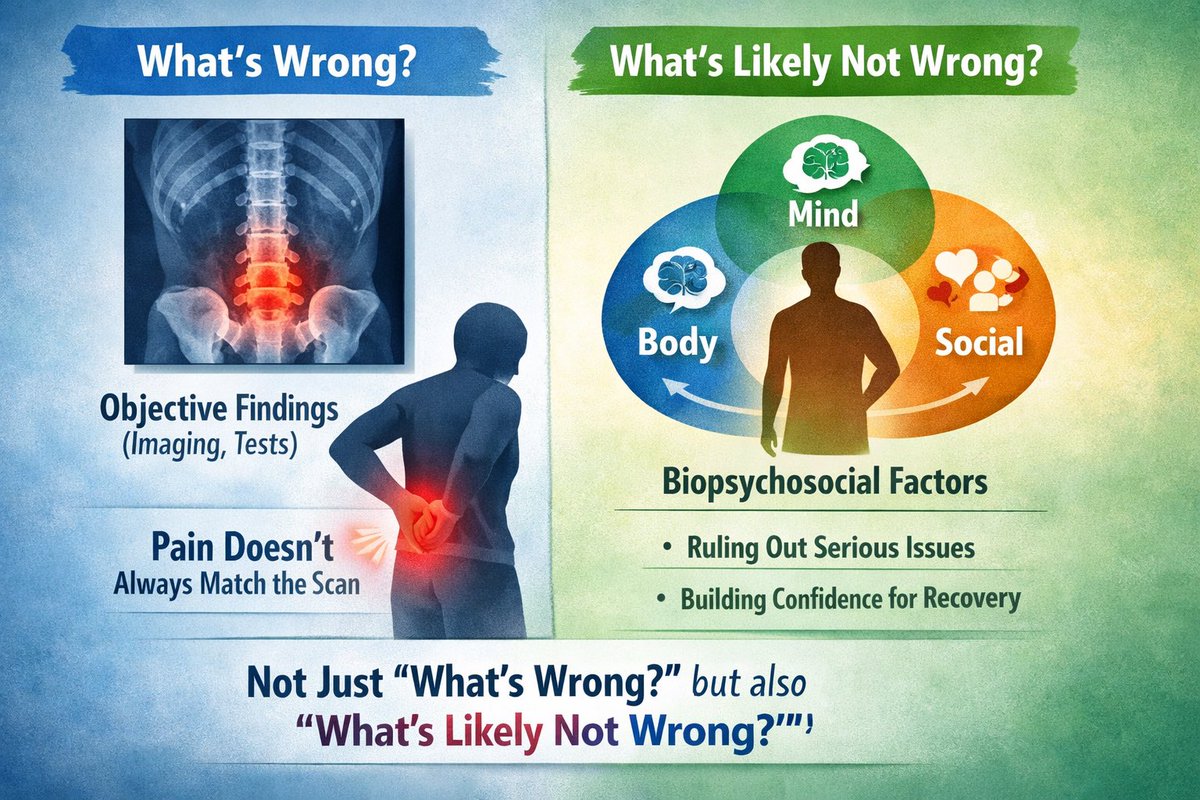
Through qualitative research and clinical practice, I often hear the belief that treating pain requires knowing exactly what is wrong in a body region. But pain is a subjective experience shaped by biopsychosocial factors, and objective findings like imaging do not always neatly explain symptoms. In many cases, a more helpful question is not only “What is wrong?” but also “What is likely not wrong?” That shift can build confidence, reduce fear, and help guide recovery. #pain #journey #recovery
Michael Ray tweet media
English
0
0
0
64
Michael Ray
Michael Ray@MichaelRayDC·
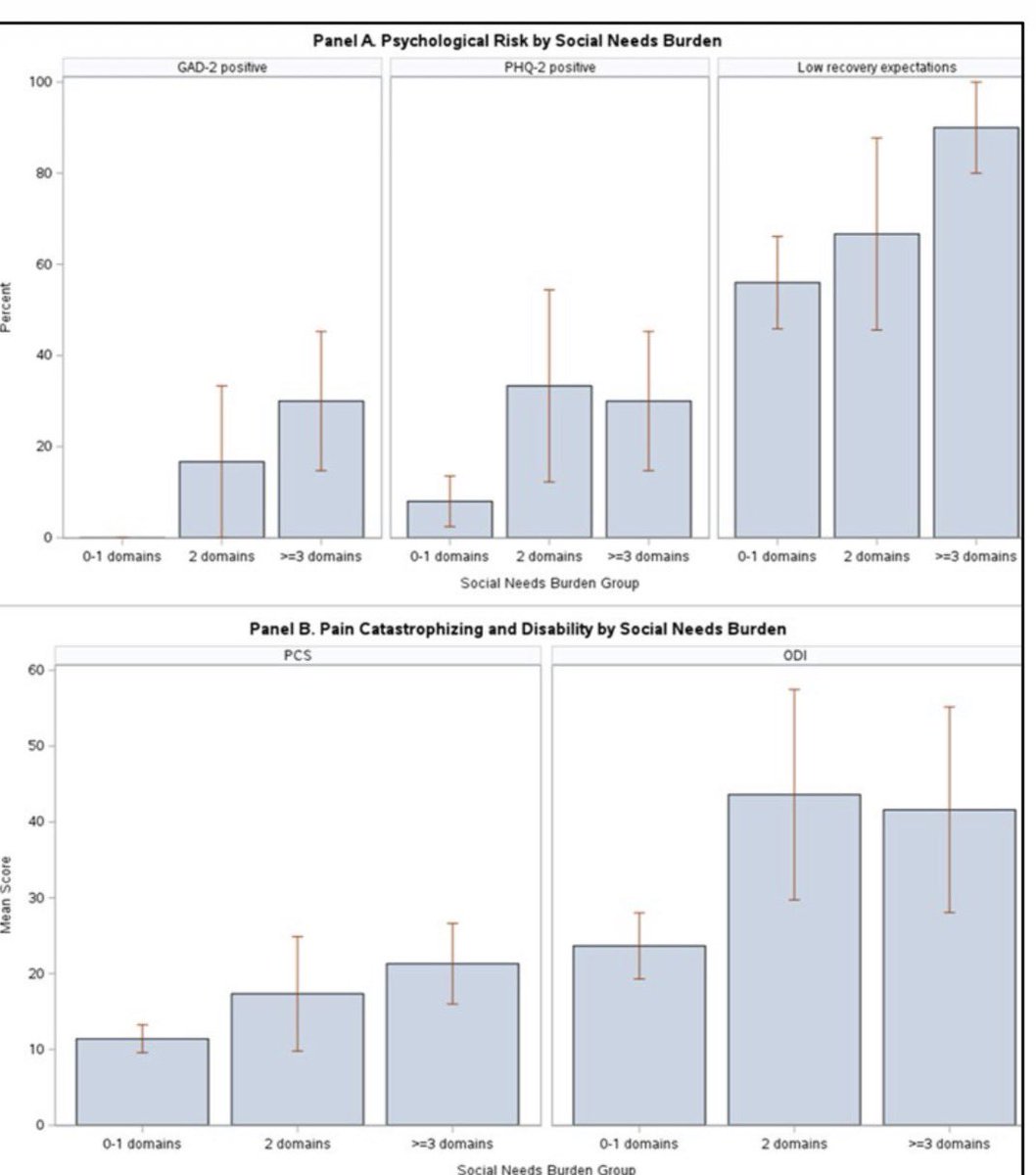
Resubmitting my NIH K23 application this week — and feeling grateful for the many people who make clinical research possible. A sincere thank you to the patients who participate in our studies, our research assistants and coordinators, collaborators and colleagues, my mentorship team, and the reviewers whose feedback helped strengthen this resubmission. Clinical research truly takes a team. Our PREVENT study has now been ongoing for one year. PREVENT is a prospective observational study of patients presenting to the emergency department with acute (≤4 weeks) neck or low back pain. Over the past year, I’ve learned a great deal about conducting prospective observational research in the emergency care setting. Importantly, this first year has given us the opportunity to analyze preliminary data, identify barriers to recruitment and follow-up, and revise study procedures to strengthen the next phase of the work. I’m optimistic about what we may learn in year two. These preliminary data also informed my K23 resubmission, which is focused on building the training and knowledge needed to support development of a screening trigger for Pain-SBIRT (Pain Screening, Brief Intervention, and Referral to Treatment), followed by feasibility and usability work to prepare for a future R21. Among the first 42 PREVENT participants: ▪️ 16.7% screened positive for depressive symptoms on the PHQ-2 ▪️ 9.5% screened positive for anxiety symptoms on the GAD-2 ▪️ 39.2% reported at least some difficulty paying for basic needs ▪️ 31.7% reported at least sometimes feeling socially isolated ▪️ 17.1% reported needing assistance with employment or job training Pain-related psychological factors were also present: ▪️ 11.9% demonstrated clinically elevated pain catastrophizing ▪️ 55% of participants with available data showed moderate or high fear of movement ▪️ 33.3% scored below the clinically meaningful threshold for pain self-efficacy The figure below offers an early signal: pain catastrophizing, disability, and other markers of psychological risk appear to worsen as social needs burden increases. These analyses are descriptive and based on a small sample, but they suggest that social vulnerability and maladaptive pain-related beliefs may cluster together among ED patients presenting with acute musculoskeletal pain. If these patterns continue as PREVENT grows, they may help us identify patients earlier who could benefit from a targeted behavioral intervention. This work is helping inform the development of Pain-SBIRT — an ED-deliverable behavioral intervention that we hope to refine, test for feasibility and usability, and ultimately evaluate in future studies. More to come as PREVENT continues. #ClinicalResearch #PainScience #EmergencyMedicine #NIH
Michael Ray tweet media
English
0
0
0
84
Michael Ray รีทวีตแล้ว
NIH
NIH@NIH·
As part of ongoing efforts to increase efficiency and minimize applicant burden, NIH is updating the required elements of the Data Management and Sharing Plan required for any NIH-funded research that will generate scientific data. Read the full DMS Plan announcement: bit.ly/4bkHQDY
NIH tweet media
English
7
27
88
17.7K
Michael Ray รีทวีตแล้ว
NIH
NIH@NIH·
NIH is hosting two public webinars to share the framework for the new NIH-Wide Strategic Plan and provide an overview of how the Plan is being developed. NIH leadership will be present to walk attendees through key elements and address their questions. Register for March 16 webinar: bit.ly/3OOzWKo Register for April 8 webinar: bit.ly/4ubJj74
NIH tweet media
English
4
22
62
13.1K
Michael Ray
Michael Ray@MichaelRayDC·
🌩️ Weathering the Storm What can Stoicism teach us about managing pain? I recently finished The Illustrated Meditations by Marcus Aurelius, and it reminded me how applicable Stoic philosophy is to pain management—especially on the days when symptoms flare and it’s easy to feel stuck. It’s easy to fixate on a “bad pain day” without realizing there were better days before this one and there will likely be better days after. Stoicism focuses on three big ideas: 1. Perception 2. Action 3. Will ⸻ Perception How we interpret ourselves and the world around us. We often forget that perception is within our control. Sometimes it isn’t the situation itself that harms us most—it’s the meaning we attach to it. With pain, our thoughts and beliefs influence how we respond to what we’re experiencing. Recognizing this can be empowering because it reminds us there are skills we can practice to better manage difficult moments. Pain can also be isolating. It can create the feeling that no one else understands what we’re experiencing. Yet pain is one of the most universal human experiences. Recognizing that shared humanity can foster connection and empathy rather than isolation. ——- Action A goal-directed step forward. Action means continuing to take steps toward what matters in life—even while pain is present. Small steps toward meaningful goals each day build confidence and resilience over time. Those small wins accumulate. Perception and action work together. When we see challenges as something we can work with rather than something that completely defines us, it becomes easier to keep moving forward. ⸻ Will The ability to endure. Will is our ability to face circumstances we cannot fully control in the moment. It doesn’t mean pretending pain is easy. It means continuing forward and looking for something useful in the experience—growth, strength, perspective—even in difficult moments. Pain may be unpredictable. But our perception, our actions, and our ability to endure remain powerful tools. Sometimes that’s enough to help us keep weathering the storm. ⸻ Have you read Stoic philosophy? If so, what’s your favorite book? #PainManagement #ChronicPain #PainScience #Stoicism #MarcusAurelius #Meditations #Mindset #Resilience #MentalStrength #SelfManagement #PainRecovery #PhysicalTherapy #PainEducation #MindBody #Rehabilitation
Michael Ray tweet media
English
0
0
1
159
Michael Ray
Michael Ray@MichaelRayDC·
Looking forward to presenting my pain epidemiology work at this year’s AcademyHealth Annual Research Meeting. Poster: Chronic Pain and High-Impact Chronic Pain in the United States: Prevalence, Burden, and Key Predictors, 2019–2023 This project reinforced how strongly system-level factors—beyond the individual—shape chronic pain and high-impact chronic pain (CP/HICP) prevalence and burden. I approached the same problem from two angles—prevalence and burden—to inform both (1) screening for CP/HICP risk and (2) management strategies among adults already living with CP/HICP. Grateful for the protected research time and support through GW P-CART at The George Washington University School of Medicine and Health Sciences #ClinicianScientist #PainResearch #Epidemiology #AcademyHealth #HealthServicesResearch #ChronicPain #HealthEquity
Michael Ray tweet media
English
0
0
3
100
Michael Ray
Michael Ray@MichaelRayDC·
Grateful for the collaboration! 🙏 Check out our poster: Nobody Understands My Pain: How Chronic Pain and Access to Care Shape Wellbeing and Meaning in Life Lindsey A. Harvell-Bowman, Michael Ray, Sophia Bates, Sulayman Haq, & Brielle Lampf @GWSMHS
Terror Management Lab@LabTerror

We loved presenting our research at last week’s Existential Psychology Preconference at @SPSPnews ! And congratulations to psych undergrad Sulayman for winning a research award! 🎉🎉🎉 @JMUresearch

English
0
0
4
153
Michael Ray
Michael Ray@MichaelRayDC·
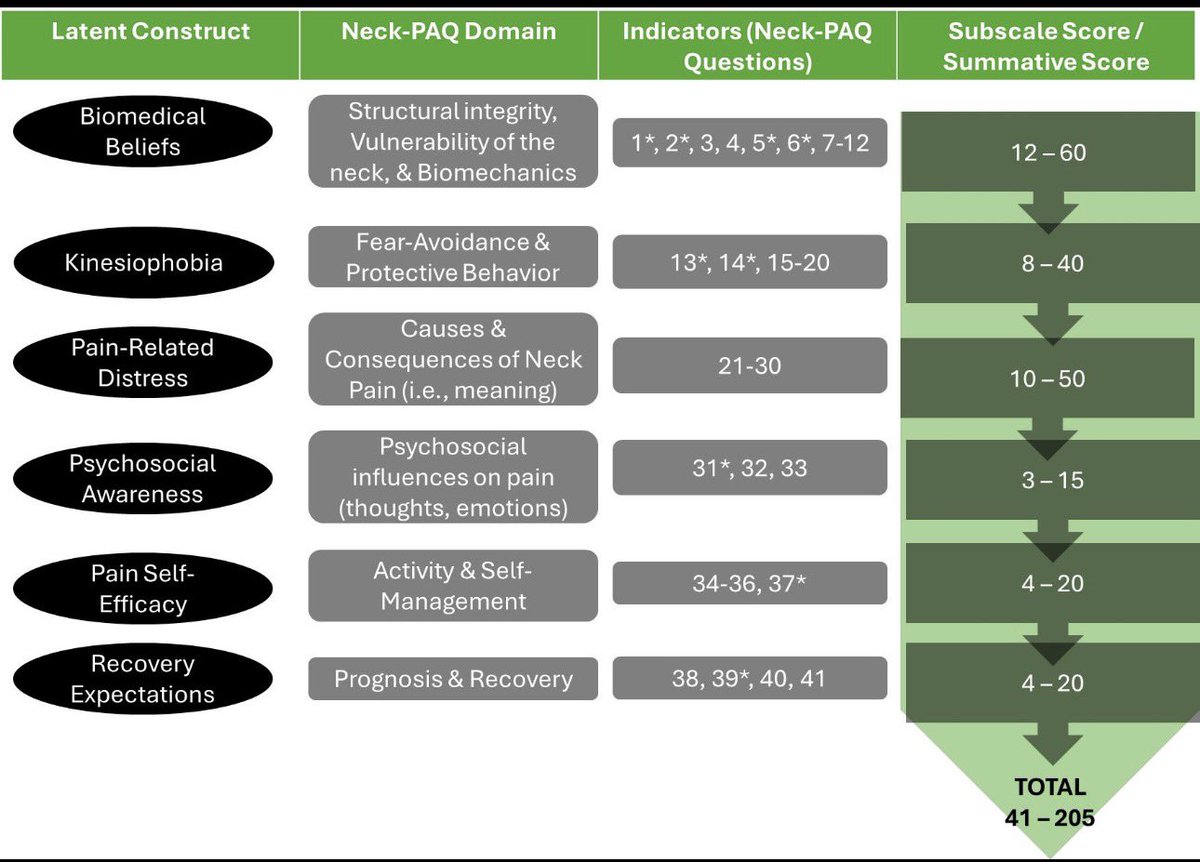
For years, when working with patients with acute and chronic musculoskeletal pain, I kept coming back to the same observation: The principles underlying pain — beliefs about tissue damage, fear of movement, meaning-making, expectations for recovery, and self-management — are remarkably consistent. But patients often don’t experience it that way. Clinically, I’d see someone “get it” for low back pain (e.g., movement is safe, pain ≠ damage, pacing matters)… and then struggle to apply those same principles when the pain showed up somewhere else — especially in a different body region like the neck. That gap helped crystalize the need for region-specific, belief-informed measurement. At the same time, our tools are fragmented: We have region-specific disability scales, plus separate instruments for catastrophizing, kinesiophobia, self-efficacy, recovery expectations, etc. In time-limited clinical settings (and especially in ED-like environments), that fragmentation creates friction. So the question became: Can we build a body-region–specific tool that captures multiple latent pain-belief constructs in one clinically efficient instrument — and can be used to trigger a brief intervention? That question led to development of the Neck Pain Attitudes Questionnaire (Neck-PAQ) based on the Back Pain Attitufe Questionnaire by Ben Darlow. The Neck-PAQ integrates six latent constructs into a single instrument: • Biomedical beliefs • Kinesiophobia • Pain-related distress • Psychosocial awareness • Pain self-efficacy • Recovery expectations Each domain supports construct-level interpretation and a summative profile that can inform targeted education (e.g., a Pain-SBIRT approach). We’re currently completing content validation, refining item-domain alignment, and preparing for additional psychometric testing. Curious to hear from clinicians and researchers: Have you seen patients struggle to “transfer” pain self-management principles from one body region to another? What do you think helps bridge that gap? #pain #clinic #research
Michael Ray tweet media
English
1
1
6
402
Michael Ray
Michael Ray@MichaelRayDC·
Pleased to share that I’ve been appointed to the 2026–2027 ED Administration and Clinical Operations Committee with the Society for Academic Emergency Medicine (SAEM). As a chiropractor and pain researcher, I’m drawn to the ED as a critical inflection point—where trauma, acute pain, and system-level workflows converge, and where early care can shape downstream risk for persistent pain, functional recovery, and long-term health. A paper that stayed with me early in my training was: Melzack, Wall, & Ty (1982) on acute pain in an emergency clinic—an early reminder that pain is a subjective experience with patterns shaped by injury, context, and interpretation. That work helped cement my interest in studying pain in emergency care settings. I’m looking forward to advancing national conversations around implementation, interdisciplinary integration, and scalable models of ED-based care. Grateful for the opportunity to serve. Reference: Melzack R, Wall PD, Ty TC. Acute pain in an emergency clinic: latency of onset and descriptor patterns related to different injuries. Pain. 1982;14(1):33–43. doi:10.1016/0304-3959(82)90078-1. #EmergencyMedicine #PainResearch #ImplementationScience #TraumaCare #HealthcareOperations #SAEM
Michael Ray tweet media
English
0
0
2
103
Michael Ray รีทวีตแล้ว
PAIN Journal
PAIN Journal@PAINthejournal·
Dildine et al. assert that diversity, equity, and inclusion are foundational tenets of valid and ethical science; political attempts to purge these principles will hinder scientific discovery and diminish the impact of pain and health research #PAIN bit.ly/4qd4lil
PAIN Journal tweet media
English
0
2
7
536
Michael Ray รีทวีตแล้ว
NIH
NIH@NIH·
The Interagency Pain Research Coordinating Committee (IPRCC) is now accepting nominations for new Committee members! The IPRCC is seeking scientific experts and members of the public who are passionate about advancing pain research and improving the lives of people affected by pain. Nominations are welcome from individuals with diverse experiences and backgrounds. Serving on the Committee offers a meaningful opportunity to help inform national research priorities, foster collaboration across federal agencies, and drive progress in pain management and policy. Application details: bit.ly/4a4xdog Deadline: February 27, 2026
NIH tweet media
English
4
10
20
6.5K
Michael Ray รีทวีตแล้ว
NIH
NIH@NIH·
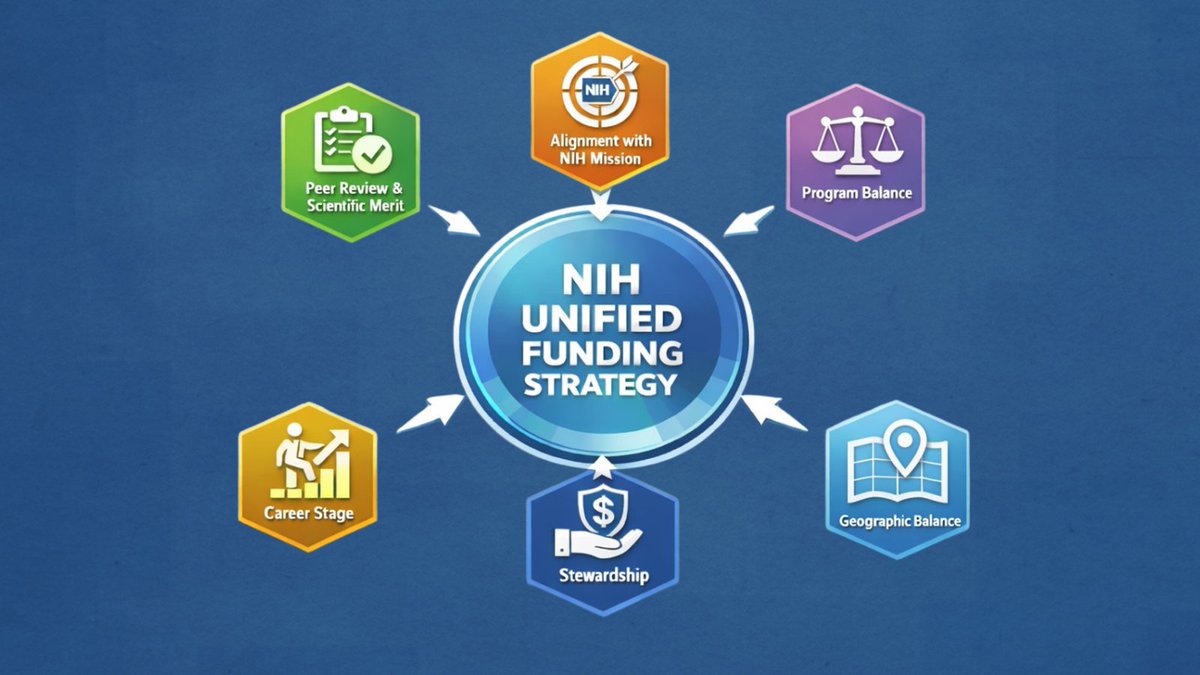
NIH is advancing a Unified Funding Strategy to ensure clearer, more consistent funding decisions across all Institutes and Centers – without using paylines. Hear from over a dozen Institute and Center (IC) Directors on how this strategy aligns with their IC funding practices in this NIH Funding blog post. ➡️ grants.nih.gov/news-events/ni…
NIH tweet media
English
3
37
62
18K
Michael Ray
Michael Ray@MichaelRayDC·
Agreed. That work is essential, and the effects can be slow to show up. As a clinical scientist, I’m often focused on what’s actionable right now for patients—but the system we’re practicing within can either facilitate or block progress. We need both top-down policy change and bottom-up clinical innovation.
English
1
0
1
24
Shem Esenu
Shem Esenu@esenu_shem·
@MichaelRayDC Policy-making bodies are going to have to put in extra effort in the health matters of the populations they serve. For already constrained systems, even a lot more work and planning is required
English
1
0
1
41
Michael Ray
Michael Ray@MichaelRayDC·
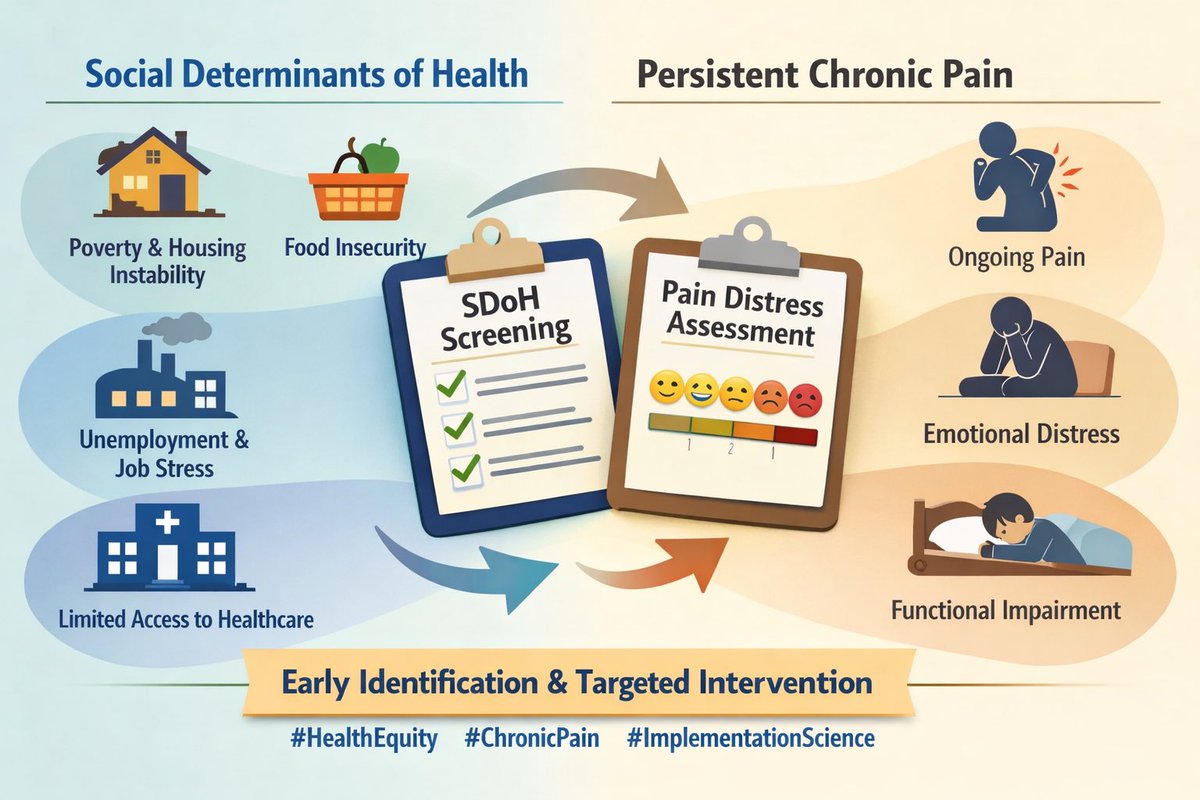
The more I study chronic pain, the more it seems that social determinants of health (SDoH) vulnerabilities often set the stage for both the development and sustainment of chronic pain. Addressing these upstream issues is complex—and largely societal and policy-level work. Clinically, though, we can act earlier: pairing SDoH screening with measures of pain-related distress may help identify people at higher risk for persistent pain and those who may need more intensive, tailored support. More to come. #SDoH #ChronicPain #PainResearch #HealthEquity #AcademicMedicine #ImplementationScience
Michael Ray tweet media
English
1
0
4
106
Michael Ray รีทวีตแล้ว
The MIT Press @mitpress.bsky.social
The science of aging is rife with misleading claims, mistaken assumptions, and outright chicanery. Saul Justin Newman sets out to discover what’s rotten and what’s real in the science of dying in his darkly comedic book, "Morbid," publishing June 9th: mitpress.mit.edu/9780262052719/…
The MIT Press @mitpress.bsky.social tweet media
English
0
5
18
1.2K