Nurse Sarah (RegisteredNurseRN.com)

5K posts

Nurse Sarah (RegisteredNurseRN.com) banner
Nurse Sarah (RegisteredNurseRN.com)

Nurse Sarah (RegisteredNurseRN.com)

@NursesRN

Hello! I'm Nurse Sarah. I'm an RN, happily married, and a mother to my two boys. I teach nursing lectures through my website, https://t.co/lp5O1OF1fa

เข้าร่วม Haziran 2011
534 กำลังติดตาม12.6K ผู้ติดตาม
Nurse Sarah (RegisteredNurseRN.com)
Cardiac medical terms: -Myocardial Ischemia: Reduced blood flow to heart muscle -Myocardial Infarction (heart attack): cardiac tissue death/damage due to lack of oxygen -Angina pectoris: chest pain from reduced blood flow -Heart failure: heart can't pump effectively -Arrhythmia: abnormal heart rhythm -Atherosclerosis: plaque narrowing the arteries -Cardiomyopathy: disease of the heart muscle -Thrombosis: clot inside a vessel -Embolism: cloth that breaks off, travels, & then blocks a blood vessel
Nurse Sarah (RegisteredNurseRN.com) tweet media
English
1
1
8
269
Nurse Sarah (RegisteredNurseRN.com)
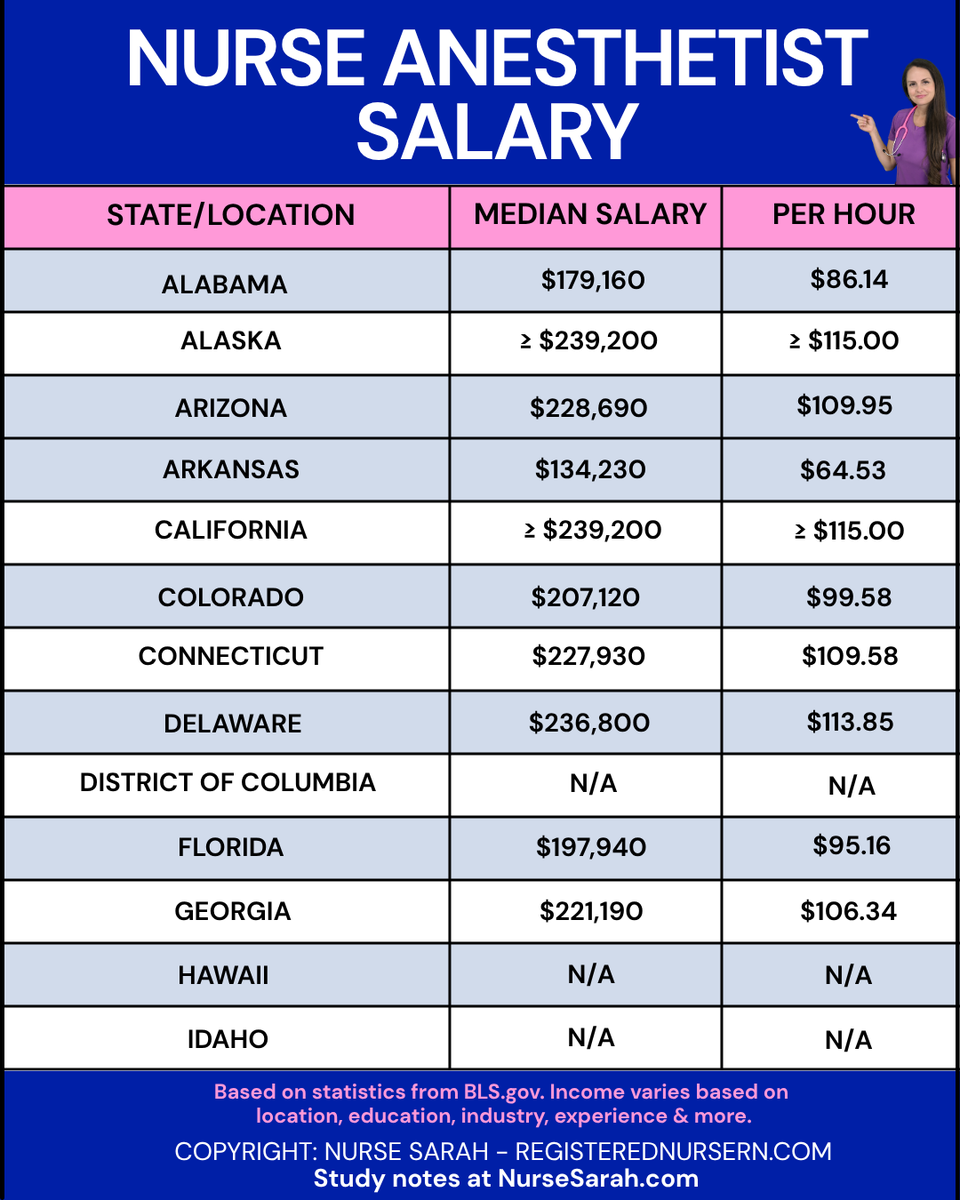
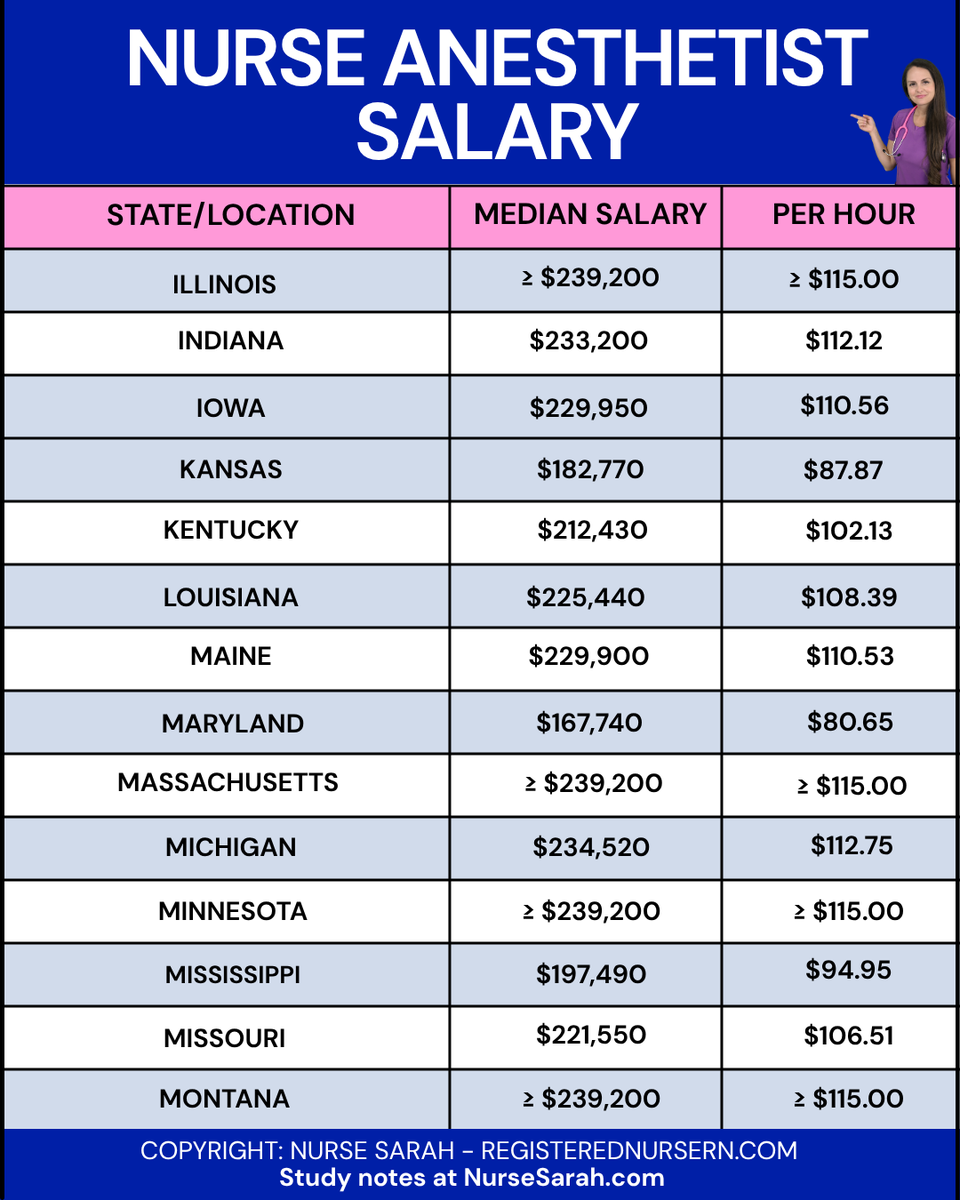
Here are the top paying states for nurse anesthetists (CRNAs), based on median salary data published by the Bureau of Labor Statistics: Delaware: $236,800 Michigan: $234,520 Indiana: $233,200 North Dakota: $232,420 Nebraska: $231,020 Iowa: $229,950 Your actual salary can vary based on experience, location, education, industry, certifications, and much more. Here is more information about CRNA median earnings in each state:
Nurse Sarah (RegisteredNurseRN.com) tweet mediaNurse Sarah (RegisteredNurseRN.com) tweet mediaNurse Sarah (RegisteredNurseRN.com) tweet mediaNurse Sarah (RegisteredNurseRN.com) tweet media
English
1
0
5
348
Nurse Sarah (RegisteredNurseRN.com)
Nursing school burnout is real, and it hits hard this time of year. If you feel like your brain can’t take in one more thing, and you never want to open another nursing textbook again, you’re not alone. You’re normal. But don’t quit now. You've come too far, and you’re so close to the finish line. Keep giving it all you’ve got. It’s almost over, and you’ll have that degree soon 💜
English
3
3
19
1.2K
Nurse Sarah (RegisteredNurseRN.com)
The answer is B, sertraline. This is an SSRI. Simvastatin is a statin used to treat high cholesterol. Duloxetine is a serotonin-norepinephrine reuptake inhibitor (SNRI), and lithium is a mood stabilizer.
English
0
0
5
674
Nurse Sarah (RegisteredNurseRN.com)
Which medication is an SSRI? A. Simvastatin B. Sertraline C. Duloxetine D. Lithium (answer is in comments below)
English
5
2
26
3.6K
Nurse Sarah (RegisteredNurseRN.com)
Dosage calculation metric conversions to remember: 1,000 micrograms (mcg) = 1 milligram (mg) 1,000 milligrams (mg) = 1 gram (g) 1,000 grams (g) = 1 kilogram (kg) 2.2 pounds (lb) = 1 kilogram (kg) 30 milliliters (mL) = 1 ounce (oz) 1 milliliter (mL) = 1 cubic centimeter (cc) 5 milliliters (mL) = 1 teaspoon (tsp) 3 teaspoons (tsp) = 1 tablespoon (Tbsp) 15 milliliters (mL) = 1 tablespoon (Tbsp) 2 tablespoons (Tbsp) = 1 ounce (oz) 1,000 milliliters (mL) = 1 liter (L) #nursingschool #nursing #nurse #math #nclex
Nurse Sarah (RegisteredNurseRN.com) tweet media
English
2
36
130
5.3K
Nurse Sarah (RegisteredNurseRN.com)
One possible sign of colorectal cancer is a persistent change in your bowel habits (ongoing diarrhea or constipation). There are other non-cancerous conditions that can cause those changes too, such as IBS, but it's important to get checked out if you notice the following: -Persistent constipation or diarrhea -Sudden change in bowel habits (frequency, consistency, etc.) -Bright red blood in stool or dark, tar-like stool -Unexplained weight loss -Frequent fatigue, weakness, or anemia
English
0
1
11
561
Nurse Sarah (RegisteredNurseRN.com)
9 must-know pulse point locations for nursing students and nurses: -Apical pulse: apex of heart -Temporal pulse: in front of ear -Radial pulse: below thumb on wrist -Brachial pulse: inside elbow, ring finger side -Dorsalis pedis: top of foot -Popliteal pulse: behind knee -Carotid pulse: side of neck -Posterior tibial pulse: behind inner ankle -Femoral pulse: groin youtu.be/UBnlYGl3T2k
YouTube video
YouTube
English
0
6
21
1.4K
Nurse Sarah (RegisteredNurseRN.com)
Heart disease is one of the leading causes of death. Here's how to prevent it: -Check key labs: Lipid panel, ApoB, Lp(a), hsCRP, HbA1c -Exercise ≥150 mins. per week -Keep blood pressure below 120/80 mm Hg -Maintain healthy blood sugar & weight -Avoid or limit smoking/alcohol -Eat a Mediterranean-style diet (fruits, veggies, fish, olive oil) and reduce saturated fats & processed foods -Sleep at least 7-9 hours a night
English
5
8
21
1.2K
Nurse Sarah (RegisteredNurseRN.com)
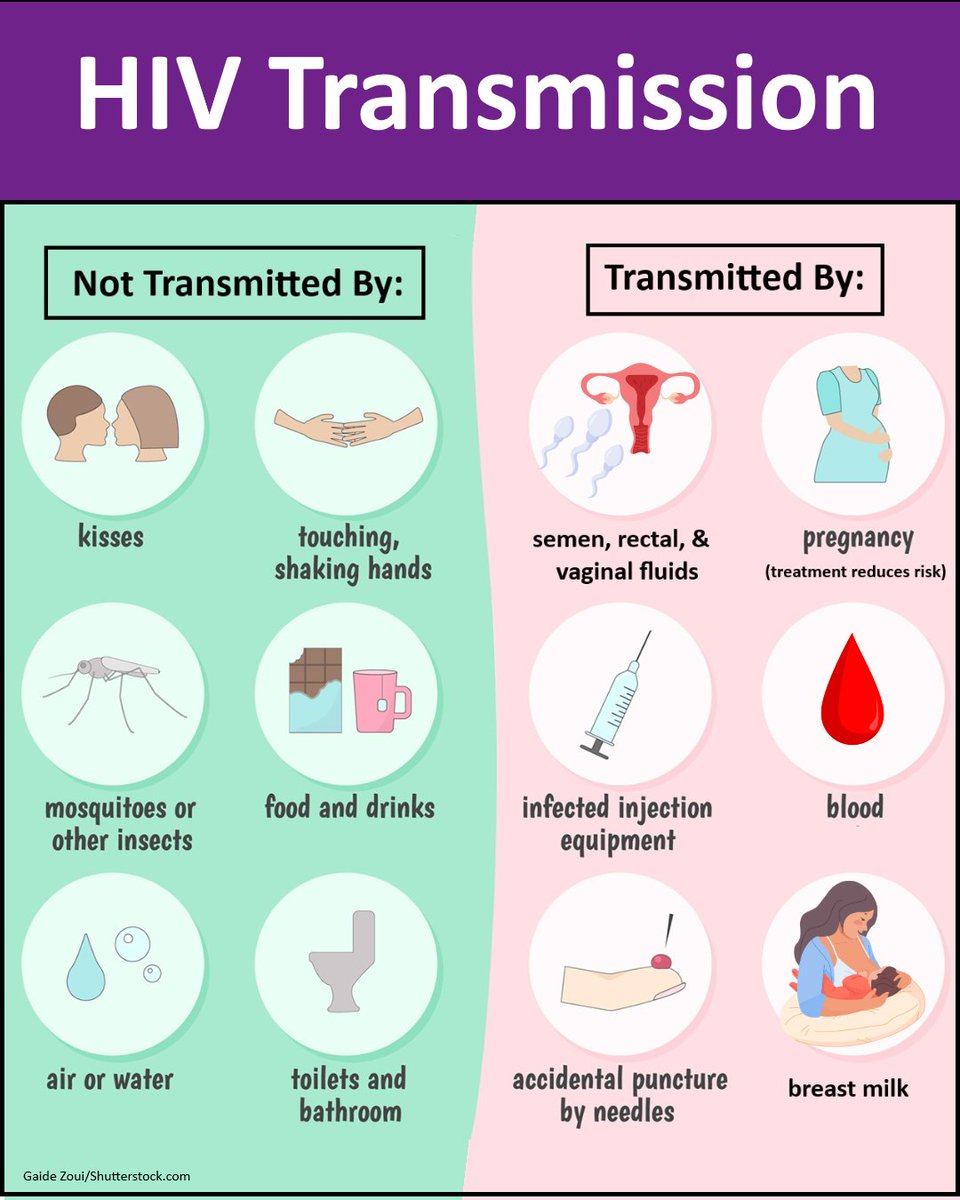
Things that do NOT transmit HIV: -Kissing / saliva -Shaking hands, hugging, touching -Mosquitoes or insects -Toilets or bathroom surfaces -Air or water (including pools) -Sharing food, drinks, or utensils Things that DO transmit HIV: -Blood -Breast milk -Semen, rectal, & vaginal fluids -Sharing needles or other non-sterile equipment -Pregnancy (if HIV positive; treatment reduces risk) #hiv #nursing #nursingschool #nurse #study #nclex
Nurse Sarah (RegisteredNurseRN.com) tweet media
English
7
62
238
17.9K
Nurse Sarah (RegisteredNurseRN.com)
The biggest mistake new nurses make when drawing blood is failing to properly 'seat' the needle. Once you penetrate the vein and see blood return, you shouldn't stop immediately. Instead, advance the needle just a bit further (approximately 1–2 mm, or the thickness of a nickel). This ensures the bevel is fully within the lumen, preventing the needle from slipping out or causing vein trauma during the procedure.
English
4
22
104
5.7K
Nurse Sarah (RegisteredNurseRN.com)
In case you were wondering: the hard work & stress you're enduring right now will pay off when the time is right. It feels rough, but you're growing. Keep going.
English
4
7
30
831
Nurse Sarah (RegisteredNurseRN.com)
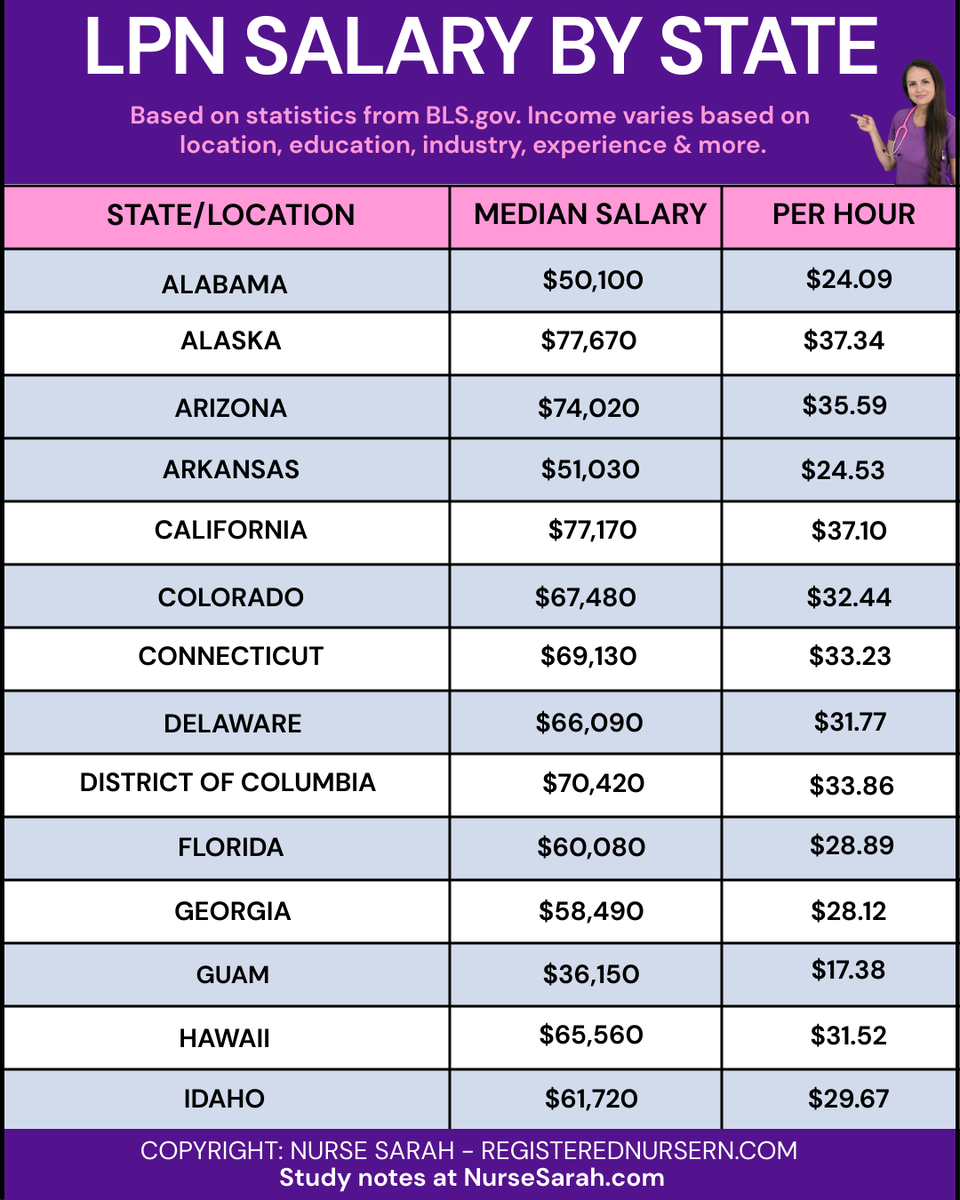
Licensed practical nurses (LPNs), also called licensed vocational nurses (LVNs), make a median income of $62,340 per year or $29.97 per hour in the U.S. That is based on data published by the Bureau of Labor Statistics. Here's how much they make in each state...
Nurse Sarah (RegisteredNurseRN.com) tweet mediaNurse Sarah (RegisteredNurseRN.com) tweet mediaNurse Sarah (RegisteredNurseRN.com) tweet mediaNurse Sarah (RegisteredNurseRN.com) tweet media
English
2
2
21
1.8K
Nurse Sarah (RegisteredNurseRN.com)
The cool thing about being a nurse is that there are TONS of specialties and work settings. If you want a chill clinical job, you can work in dermatology or a doctor's office. If you like adrenaline, you can work ICU, ER, or bedside. If you like administration, you can work in case management. There are plenty of options so that you can find the right fit. #nursing #nurse #nursingschool
English
9
10
95
4K
Nurse Sarah (RegisteredNurseRN.com)
Here are some common gastrointestinal (GI) nursing medical terms you'll want to know. Melena = dark, tarry stool Hematochezia = bright red blood in stool Ascites = swollen abdomen from fluid Ileus = temporary loss of bowel motility Steatorrhea = fatty, greasy stool Constipation = hard, infrequent stool Diarrhea = loose, watery stool Borborygmi = rumbling bowel sounds Emesis = vomiting Hematemesis = vomiting blood
Nurse Sarah (RegisteredNurseRN.com) tweet media
English
1
40
197
6.3K
Nurse Sarah (RegisteredNurseRN.com)
When injecting a medication or starting an IV, you'll want to pay attention to the angle of Injection to ensure the solution is delivered to the appropriate tissue. -Intramuscular (IM): 90° -Subcutaneous: 90° or 45° -Intradermal: 10-15° -Intravenous: 15-30° #nursing #nclex #nursingschool #nurse
English
5
192
765
36K
Nurse Sarah (RegisteredNurseRN.com)
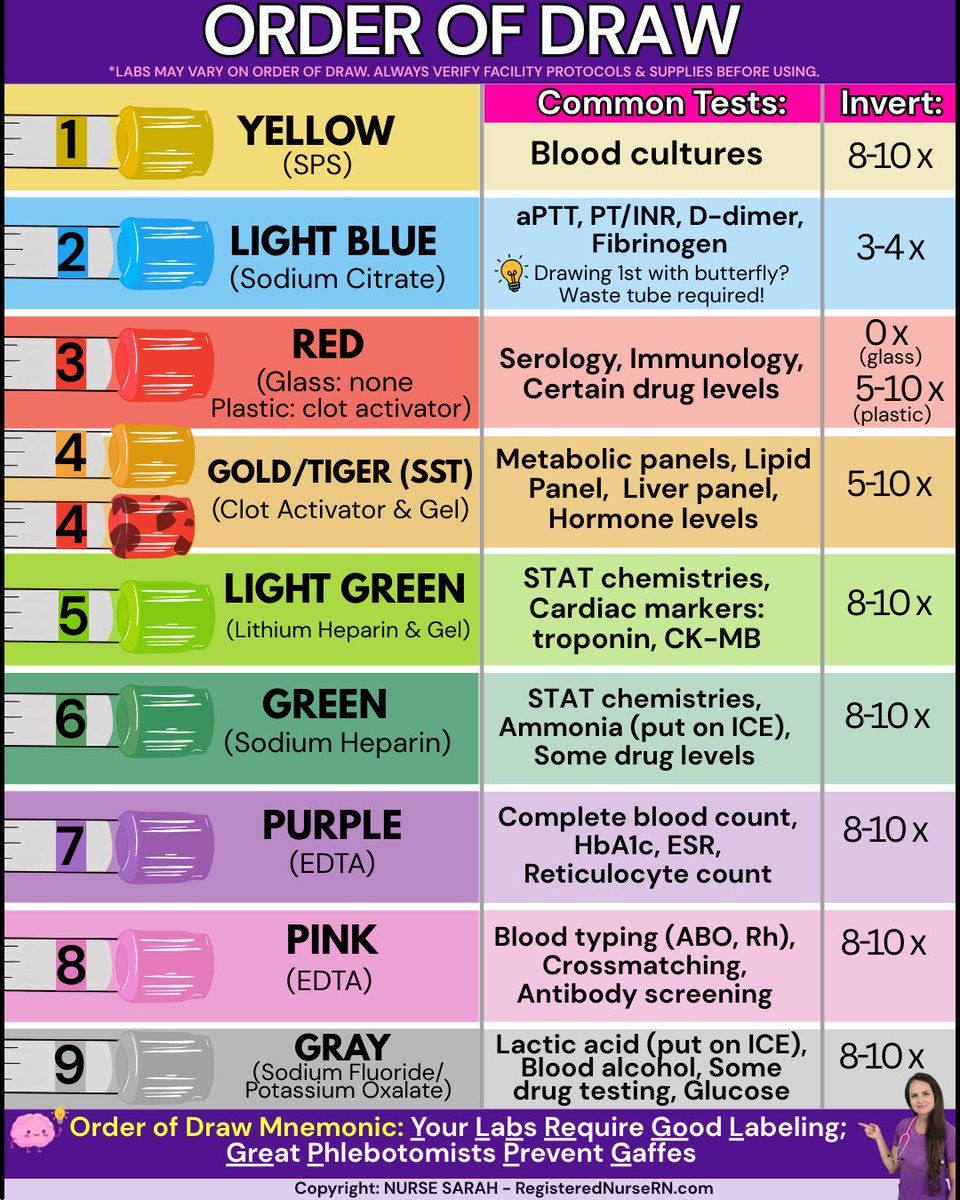
When drawing blood for labs, you must generally do it in a specific order based on tube colors to prevent cross-contamination. Here's the most common (can vary in some facilities, so always verify): 1. Yellow 2. Light blue 3. Red 4. Gold/Tiger 5. Light Green 6. Green 7. Purple 8. Pink 9. Gray
Nurse Sarah (RegisteredNurseRN.com) tweet media
English
5
3
29
1.1K
Nurse Sarah (RegisteredNurseRN.com)
Common nursing medical terms you'll want to know: Emesis = vomiting Edema = swelling from fluid Erythema = redness of skin Dyspnea = difficulty breathing Syncope = fainting Hematuria = blood in urine Void = urinate Incontinence = loss of bladder/bowel control Pallor = pale skin/mucous membranes
English
1
12
44
2K