Pia de Solenni

4.3K posts

Pia de Solenni

Pia de Solenni

@PiadeSolenni

#MoralTheologian. Vice President, Corporate Engagement, IWP Capital. Former Chancellor, Diocese of Orange and Theological Advisor to the Bishop of Orange.

San Diego เข้าร่วม Haziran 2009
442 กำลังติดตาม2.5K ผู้ติดตาม
Pia de Solenni รีทวีตแล้ว

Real Roman Catholic Women
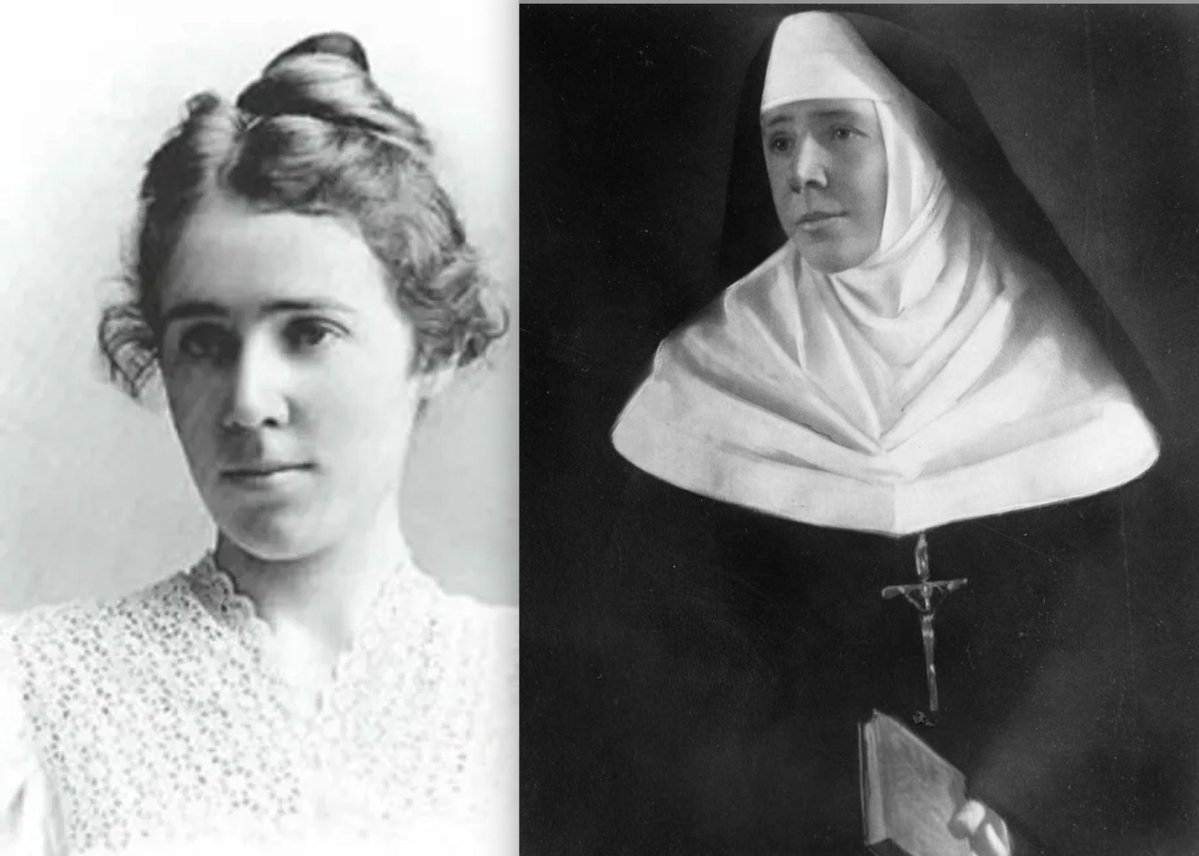
Meet LURANA WHITE (1870-1935) of Warwick, NY. Raised in a wealthy banking family & educated at the Episcopal St. Agnes School in Albany, she co-founded the high-church Episcopal Franciscan Sisters of the Atonement at Graymoor, NY -- who converted en masse to Catholicism in 1909.
Real Roman Catholic Women tweet media
English
0
8
68
13.3K
Pia de Solenni
Pia de Solenni@PiadeSolenni·
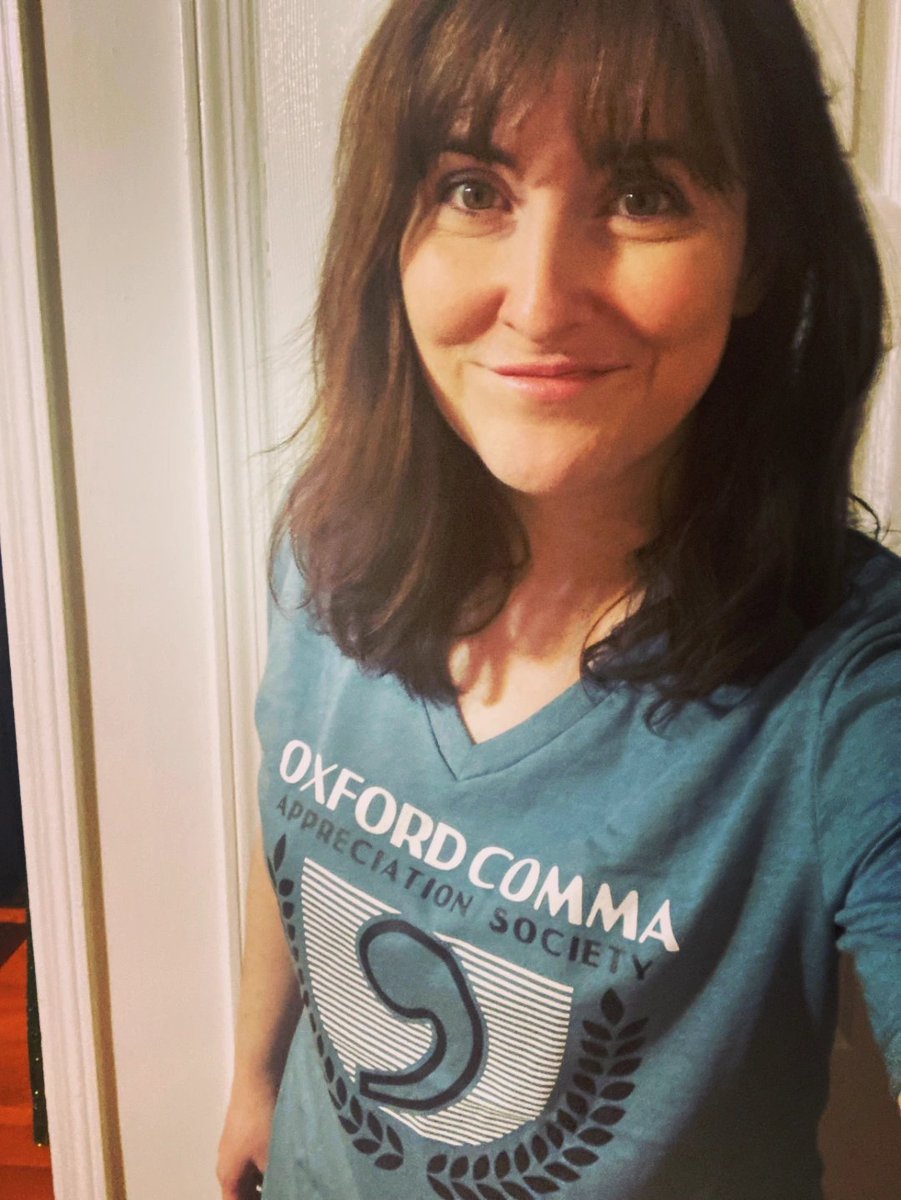
@bronwenmcshea I think I need that shirt! Especially for when I'm out an about exercising. 😉
English
2
0
1
86
Bronwen McShea
Bronwen McShea@bronwenmcshea·
Who else upholds, defends, and appreciates the Oxford comma? (T-shirt from snorgtees.com 👕)
Bronwen McShea tweet media
English
7
2
46
1K
Pia de Solenni รีทวีตแล้ว
Colm Flynn
Colm Flynn@colmflynnire·
One of my favourite pieces in St Peter’s Square at the Vatican: a statue that first appears to be a beggar, transforming into an angel as you move around it - by Timothy Schmalz.
English
252
3.8K
52K
2.1M
Pia de Solenni รีทวีตแล้ว
Bronwen McShea
Bronwen McShea@bronwenmcshea·
There are upwards of 1.4 billion baptized Roman Catholics in the world. And, this platform, X, reportedly has 600 million users per month. I would love it if, this Holy Week, I might be able to reach a few more than 3,422 of them with my @realRCwomen account -- AND to receive suggestions from a more global audience, too, about more historically interesting women of the Catholic Church, saints & sinners alike, I might include in my daily posts.
Bronwen McShea tweet media
English
8
40
278
6.2K
Pia de Solenni รีทวีตแล้ว
Paulina Guzik
Paulina Guzik@Guzik_Paulina·
Newly opened Church archives challenge a high-profile 2023 documentary that claimed that Cardinal Karol Wojtyla -- the future Pope John Paul II -- allegedly covered up cases of clerical sexual abuse. A new journalistic investigation proves the contrary - evidence exists that Cardinal Wojtyla acted ahead of his times. In March 2023, the TVN24 documentary "Franciszkańska 3" alleged that then-Cardinal Wojtyla did not tend to such cases in the past properly, sparking nationwide debate. But in January, new archbishop Cardinal Grzegorz Ryś authorized the opening of previously sealed archdiocesan records, making possible for the first time the verification of such claims. Investigative journalists @TKrzyzak and Piotr Litka of @rzeczpospolita, reviewing the files -- reported on March 13 and 20 that there was no evidence of a cover-up -- on the contrary -- evidence exists that Wojtyła acted ahead of his times. The authors conclude Cardinal Wojtyla acted decisively -- suspending accused priests, removing them from ministry, and in some cases isolating them after allegations surfaced. The findings contrast sharply with earlier interpretations based solely on communist-era state archives. My story @OSVNews osvnews.com/report-shows-c…
Paulina Guzik tweet media
English
10
180
548
32.3K
Pia de Solenni รีทวีตแล้ว
James Lucas
James Lucas@JamesLucasIT·
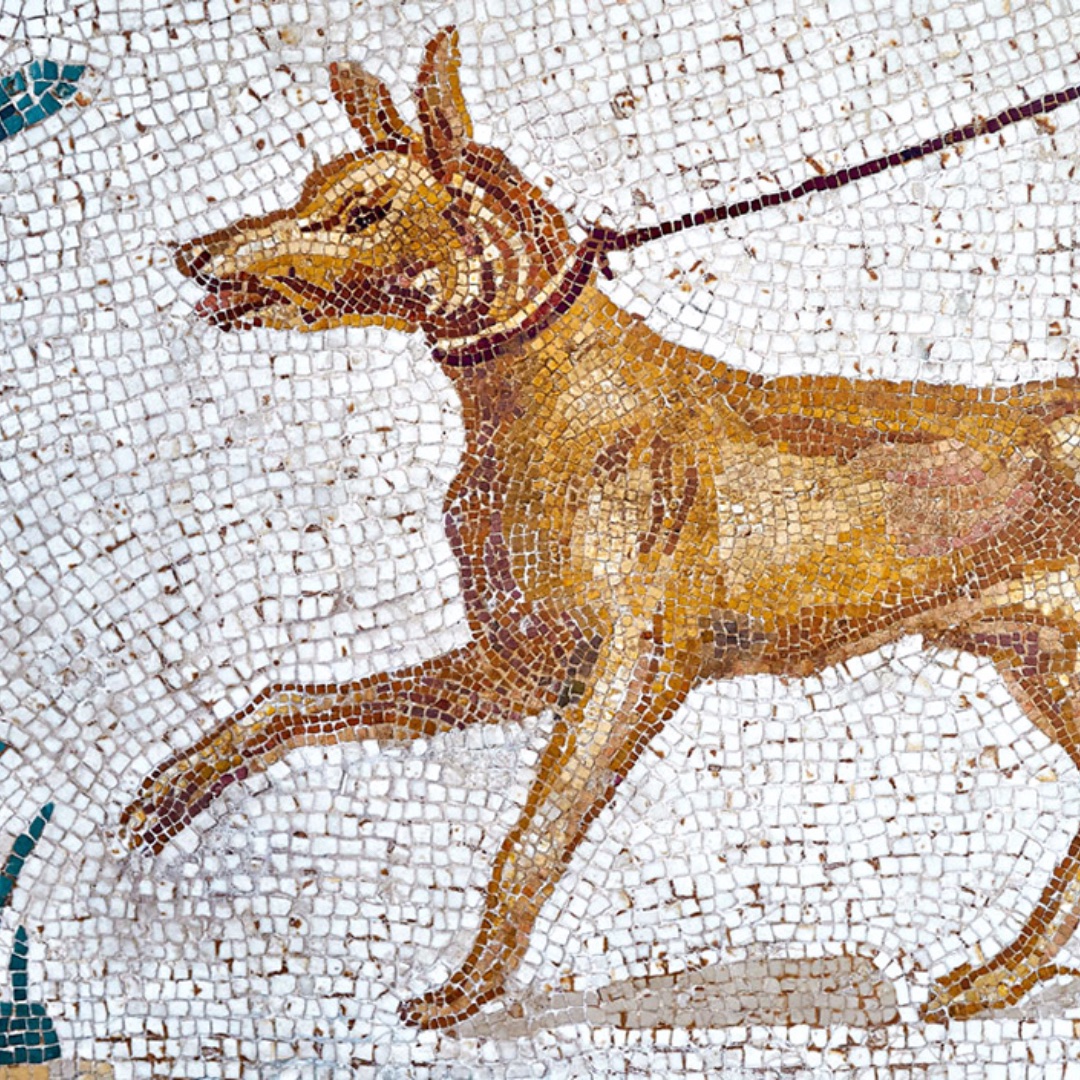
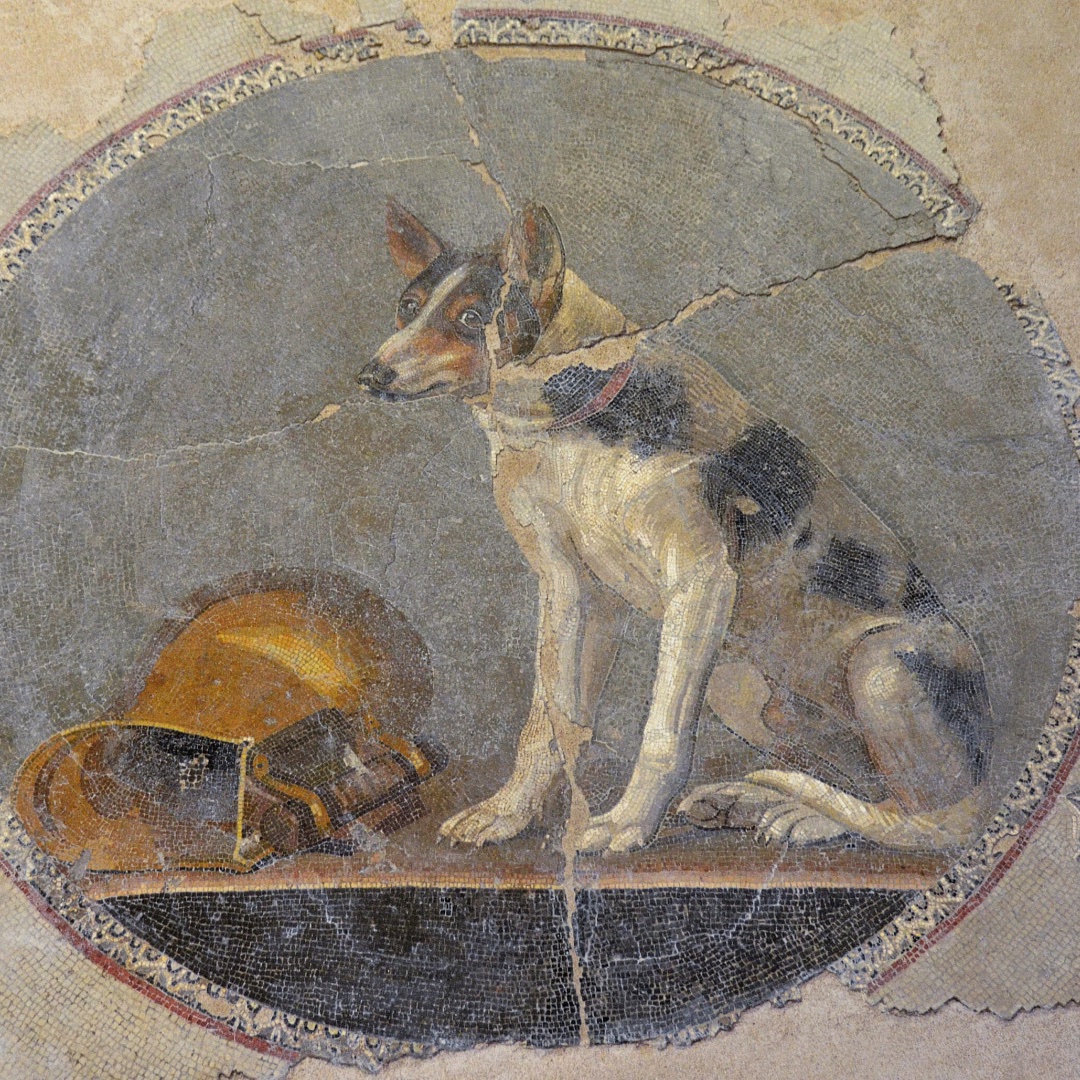
The ancient Romans were known to create tombs for their dogs and to give them epitaphs to remember them by. One such inscription reads: “I am in tears while carrying you to your last resting place as much as I rejoiced when bringing you home with my own hands 15 years ago.”
James Lucas tweet mediaJames Lucas tweet media
English
105
2.1K
16.7K
297.3K
Pia de Solenni
Pia de Solenni@PiadeSolenni·
Really good piece from @bronwenmcshea on the history of women in leadership roles in the Church. So much is missing from the current understanding. Resurrecting this piece of mine to underscore - we can't seem to get away from clericalism. @americamag americamagazine.org/faith/2021/10/…
Bronwen McShea@bronwenmcshea

The post I put up yesterday about the new Vatican synodal document related to women's leadership in the Church evolved into an article, currently up on the @firstthingsmag website: firstthings.com/the-women-the-…

English
0
1
5
313
Pia de Solenni
Pia de Solenni@PiadeSolenni·
In many ways, I think modern feminism happened precisely because the Church did not promote its own history and theology. This quick read from @bronwenmcshea reinforces my thinking.
Bronwen McShea@bronwenmcshea

I finally started reading the Dicastery for the Doctrine of the Faith's Study Group 5 final report related to "The Participation of Women in the Life and Leadership of the Church", and I am disappointed from the very beginning at its lack of basic historical grounding. E.g. one of its opening lines starts, "The entry of women into public life—which developed and consolidated during the twentieth century..." Surely those at the higher levels of the Catholic Church who are behind documents such as this know that NUMEROUS women were active in various ways in what we can describe as "public life" for MANY CENTURIES prior to the 20th, even if they were not (as most men were not most of that time, either...) voting for candidates for, or serving themselves in, democratically-elected offices. But then again, maybe they don't know this? I see also that the list of women featured in the document's Appendix II, "Important Women in the History of the Church," only mentions two women we might describe as "public" (or political perhaps is a better term) from Catholicism's past: Joan of Arc and St. Helena -- the latter of whom was given the rank and some powers as Empress by her son Constantine. The list by contrast does NOT include a single truly politically-and-ecclesially powerful woman from Catholicism's very long and rich history, even though there are numerous such figures to choose from in this regard, some of them even canonized saints. To name just a few women whose rather public roles and exercise of leadership functions within and for the Church who are absent from the Study Group 5 final report's list: -- Empress Irene of Athens (convoked the 2nd Council of Nicaea) -- St Adelaide of Italy, first papally anointed Holy Roman Empress (major patroness of the Cluniac reform) -- St Adela of Normandy, Regent of Blois, mother of Stephen of England -- Queen Mélisende of Jerusalem, first of five female rulers of the Crusader Kingdom of Jerusalem -- Matilda of Canossa, Margravine of Tuscany (helped bring Henry IV to heel for Pope Gregory VII) -- Blanche of Castile, Queen Regent of France while her son St. Louis IX was off on Crusade -- St Jadwiga of Poland, sovereign of Poland even called "King" at times -- Queen Margaret I of Denmark, Norway, & Sweden, who was behind the canonization of Bridget of Sweden -- Holy Roman Empress Barbara of Cilli (present at the opening of the Great-Western-Schism-ending Council of Constance, which she helped her husband Emperor Sigismund host in their domains) -- Margaret of Austria, Governor of the Habsburg Netherlands (fought Protestantism in her domains & helped train her nephew, the future Emperpr Charles V, to rule) -- Queen Isabella of Castile (granted vast powers by three popes to choose the bishops of her realms) -- Long lists of pre-Reformation Imperial Abbesses of Zürich, Princess Abbesses of Quedlinburg, and other territorial abbesses whose authority in some ecclesial affairs in their domains came as much or more from privileges granted by Holy Roman Emperors, other monarchs, and Popes as from their consecrations as abbesses per se -- Queen Mary I of England, who tried her best to reverse her father Henry VIII's break with Rome -- Juana of Austria, Regent of Spain, protectress of the Jesuit order -- Archduchess Isabella Clara Eugenia, co-sovereign of the Spanish Netherlands who helped institute the Council of Trent's reforms there (and who also chose bishops for her realms) -- Empress Maria Theresa of Austria, arguably the most powerful Roman Catholic in the world in the 18th c. There are numerous other women in the history of the Church, active from the earliest days of Christianity through the 19th century, who may also be said to have been active in various ways in both public life and in leadership roles within and for the Church. But their legacies (and the wisdom their examples may hold for today's Church, respecting not just the role of WOMEN but even more so the role of the LAITY in ecclesial affairs) seem elided by the DDF / synod document I just started reading. And perhaps we are not quite ready in the Catholic world to admit that a more serious, historically grounded discussion of women's participation in ecclesial leadership requires us also to take the much more extensive history of MEN'S and especially LAYMEN'S participation in this area more seriously -- beginning, say, with that of St. Helena's son the Emperor Constantine in convoking the First Council of Nicaea.
English
1
0
3
253
Pia de Solenni รีทวีตแล้ว
Bronwen McShea
Bronwen McShea@bronwenmcshea·
I finally started reading the Dicastery for the Doctrine of the Faith's Study Group 5 final report related to "The Participation of Women in the Life and Leadership of the Church", and I am disappointed from the very beginning at its lack of basic historical grounding. E.g. one of its opening lines starts, "The entry of women into public life—which developed and consolidated during the twentieth century..." Surely those at the higher levels of the Catholic Church who are behind documents such as this know that NUMEROUS women were active in various ways in what we can describe as "public life" for MANY CENTURIES prior to the 20th, even if they were not (as most men were not most of that time, either...) voting for candidates for, or serving themselves in, democratically-elected offices. But then again, maybe they don't know this? I see also that the list of women featured in the document's Appendix II, "Important Women in the History of the Church," only mentions two women we might describe as "public" (or political perhaps is a better term) from Catholicism's past: Joan of Arc and St. Helena -- the latter of whom was given the rank and some powers as Empress by her son Constantine. The list by contrast does NOT include a single truly politically-and-ecclesially powerful woman from Catholicism's very long and rich history, even though there are numerous such figures to choose from in this regard, some of them even canonized saints. To name just a few women whose rather public roles and exercise of leadership functions within and for the Church who are absent from the Study Group 5 final report's list: -- Empress Irene of Athens (convoked the 2nd Council of Nicaea) -- St Adelaide of Italy, first papally anointed Holy Roman Empress (major patroness of the Cluniac reform) -- St Adela of Normandy, Regent of Blois, mother of Stephen of England -- Queen Mélisende of Jerusalem, first of five female rulers of the Crusader Kingdom of Jerusalem -- Matilda of Canossa, Margravine of Tuscany (helped bring Henry IV to heel for Pope Gregory VII) -- Blanche of Castile, Queen Regent of France while her son St. Louis IX was off on Crusade -- St Jadwiga of Poland, sovereign of Poland even called "King" at times -- Queen Margaret I of Denmark, Norway, & Sweden, who was behind the canonization of Bridget of Sweden -- Holy Roman Empress Barbara of Cilli (present at the opening of the Great-Western-Schism-ending Council of Constance, which she helped her husband Emperor Sigismund host in their domains) -- Margaret of Austria, Governor of the Habsburg Netherlands (fought Protestantism in her domains & helped train her nephew, the future Emperpr Charles V, to rule) -- Queen Isabella of Castile (granted vast powers by three popes to choose the bishops of her realms) -- Long lists of pre-Reformation Imperial Abbesses of Zürich, Princess Abbesses of Quedlinburg, and other territorial abbesses whose authority in some ecclesial affairs in their domains came as much or more from privileges granted by Holy Roman Emperors, other monarchs, and Popes as from their consecrations as abbesses per se -- Queen Mary I of England, who tried her best to reverse her father Henry VIII's break with Rome -- Juana of Austria, Regent of Spain, protectress of the Jesuit order -- Archduchess Isabella Clara Eugenia, co-sovereign of the Spanish Netherlands who helped institute the Council of Trent's reforms there (and who also chose bishops for her realms) -- Empress Maria Theresa of Austria, arguably the most powerful Roman Catholic in the world in the 18th c. There are numerous other women in the history of the Church, active from the earliest days of Christianity through the 19th century, who may also be said to have been active in various ways in both public life and in leadership roles within and for the Church. But their legacies (and the wisdom their examples may hold for today's Church, respecting not just the role of WOMEN but even more so the role of the LAITY in ecclesial affairs) seem elided by the DDF / synod document I just started reading. And perhaps we are not quite ready in the Catholic world to admit that a more serious, historically grounded discussion of women's participation in ecclesial leadership requires us also to take the much more extensive history of MEN'S and especially LAYMEN'S participation in this area more seriously -- beginning, say, with that of St. Helena's son the Emperor Constantine in convoking the First Council of Nicaea.

English
15
31
132
12.3K
Pia de Solenni
Pia de Solenni@PiadeSolenni·
So good. Jessie Buckley remarks as she accepts the Oscar Best Actress (Hamnet).
M.A. Rothman@MichaelARothman

𝗜𝗡 𝗔 𝗦𝗘𝗔 𝗢𝗙 𝗢𝗦𝗖𝗔𝗥𝗦 𝗡𝗢𝗜𝗦𝗘 — 𝗧𝗛𝗜𝗦 𝗢𝗡𝗘 𝗛𝗜𝗧 𝗗𝗜𝗙𝗙𝗘𝗥𝗘𝗡𝗧𝗟𝗬 I'll be honest. The Oscars are not exactly must-see television for me anymore. But someone sent me this — and I watched it twice. Irish actress Jessie Buckley just won Best Actress. And instead of a political lecture, instead of a pin, instead of a land acknowledgment or a cause of the week — she talked about her husband. Her eight-month-old daughter dreaming of milk at home. Her Irish family whose flights were paid for by Ireland itself to be in that room. 𝘍𝘳𝘦𝘥, 𝘐 𝘭𝘰𝘷𝘦 𝘺𝘰𝘶. 𝘠𝘰𝘶'𝘳𝘦 𝘵𝘩𝘦 𝘮𝘰𝘴𝘵 𝘪𝘯𝘤𝘳𝘦𝘥𝘪𝘣𝘭𝘦 𝘥𝘢𝘥. 𝘠𝘰𝘶'𝘳𝘦 𝘮𝘺 𝘣𝘦𝘴𝘵 𝘧𝘳𝘪𝘦𝘯𝘥, 𝘢𝘯𝘥 𝘐 𝘸𝘢𝘯𝘵 𝘵𝘰 𝘩𝘢𝘷𝘦 𝟤𝟢,𝟢𝟢𝟢 𝘮𝘰𝘳𝘦 𝘣𝘢𝘣𝘪𝘦𝘴 𝘸𝘪𝘵𝘩 𝘺𝘰𝘶. The room probably didn't know what to do with that. Then she dedicated the award to motherhood itself — on Mother's Day in the UK — with words that belong on a wall somewhere: 𝘛𝘰 𝘶𝘯𝘥𝘦𝘳𝘴𝘵𝘢𝘯𝘥 𝘵𝘩𝘦 𝘤𝘢𝘱𝘢𝘤𝘪𝘵𝘺 𝘰𝘧 𝘢 𝘮𝘰𝘵𝘩𝘦𝘳'𝘴 𝘭𝘰𝘷𝘦 𝘪𝘴 𝘵𝘩𝘦 𝘨𝘳𝘦𝘢𝘵𝘦𝘴𝘵 𝘤𝘰𝘭𝘭𝘪𝘴𝘪𝘰𝘯 𝘰𝘧 𝘮𝘺 𝘭𝘪𝘧𝘦. 𝘐 𝘥𝘦𝘥𝘪𝘤𝘢𝘵𝘦 𝘵𝘩𝘪𝘴 𝘵𝘰 𝘵𝘩𝘦 𝘣𝘦𝘢𝘶𝘵𝘪𝘧𝘶𝘭 𝘤𝘩𝘢𝘰𝘴 𝘰𝘧 𝘢 𝘮𝘰𝘵𝘩𝘦𝘳'𝘴 𝘩𝘦𝘢𝘳𝘵. 𝗧𝗵𝗮𝘁'𝘀 𝗻𝗼𝘁 𝗮 𝘀𝗽𝗲𝗲𝗰𝗵. 𝗧𝗵𝗮𝘁'𝘀 𝗮 𝘁𝗲𝘀𝘁𝗶𝗺𝗼𝗻𝘆. Hollywood spent years telling women that ambition means leaving behind the things Jessie Buckley just stood on the biggest stage in her industry and celebrated without apology. A husband she adores. A baby at home. A family flown in from Ireland. I don't know what film she won for. But I know I'll watch it now. Well done, Jessie. 𝗚𝗼 𝗿𝗮𝗶𝗯𝗵 𝗺í𝗹𝗲 𝗺𝗮𝗶𝘁𝗵 𝗮𝗴𝗮𝘁.

English
0
0
2
169
Pia de Solenni รีทวีตแล้ว
Bronwen McShea
Bronwen McShea@bronwenmcshea·
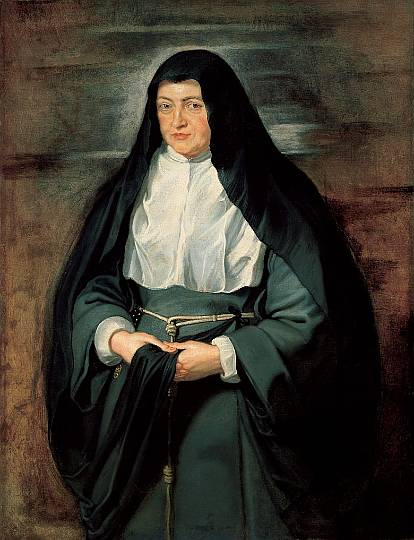
@RealRCWomen Interestingly, while still acting publicly as sovereign of the Spanish Netherlands after Albert VII died, Archduchess Isabella Clara Eugenia, who was a tertiary of the Franciscan order, donned the habit of the Poor Clares in her widowhood. The painter Rubens immortalized this.
Bronwen McShea tweet media
English
0
3
33
574
Pia de Solenni รีทวีตแล้ว
The Figen
The Figen@TheFigen_·
I think that is the best advertisement I’ve ever seen.
English
600
10.2K
59.3K
1.5M
Bronwen McShea
Bronwen McShea@bronwenmcshea·
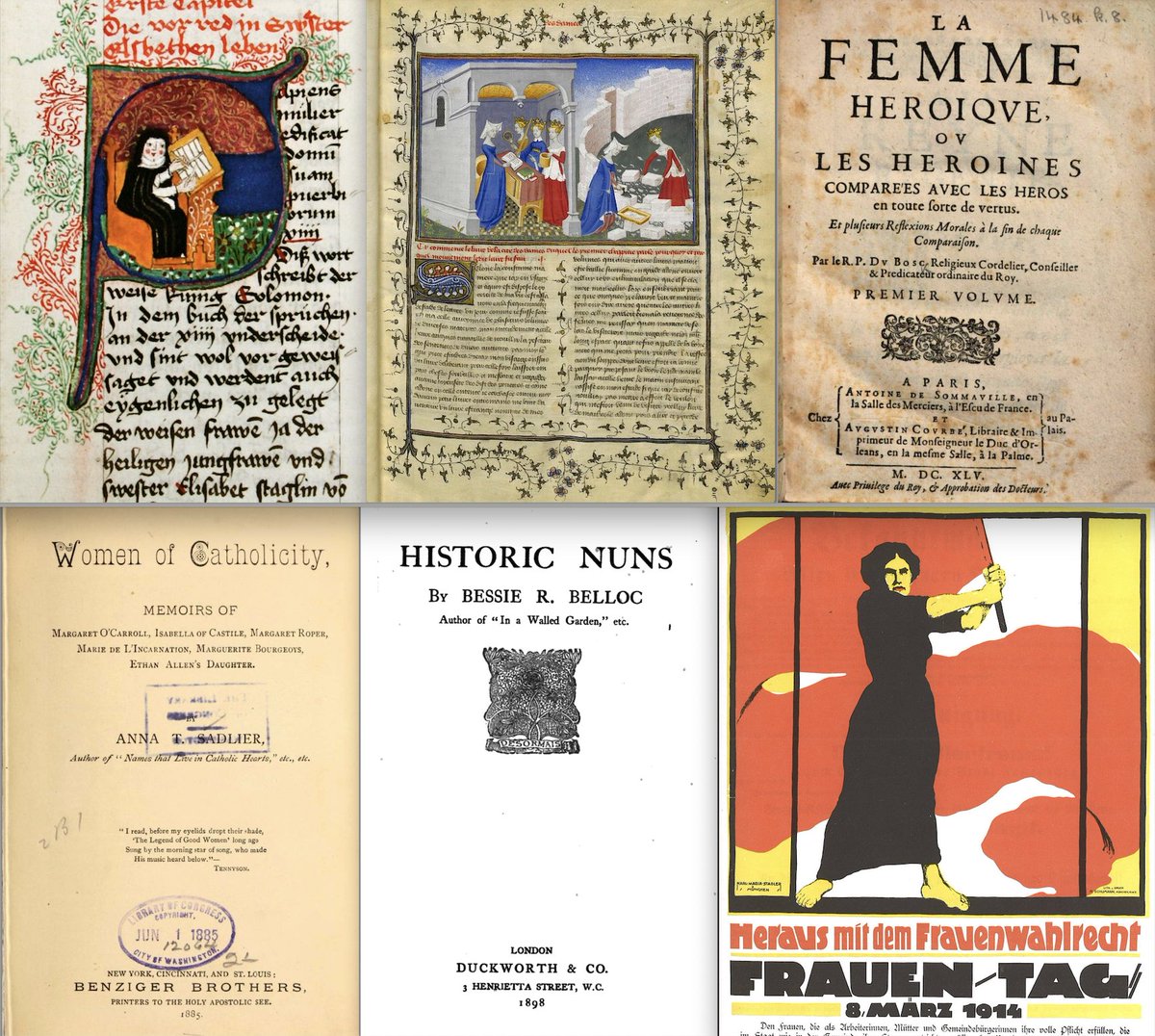
This Women's History Month, I'm reflecting on how Catholics were writing about women's historical contributions & strong (not only holy) women from confidently Catholic points of view way before it was cool, but then -- as with so many other areas of history, like history per se didn't matter all that much -- when building up Catholic institutions of higher learning, mostly just sat back & watched & even finger-wagged at others, like the feminists & socialists behind International Women's Day, as the latter invented the academic field of "women's history", did most of its heavy lifting, & shaped the field & related popular discourses about it for generations. Am I overstating anything?
Bronwen McShea tweet media
English
2
3
24
4K
Pia de Solenni รีทวีตแล้ว
Wanted in Rome
Wanted in Rome@wantedinrome·
The Italian state has purchased a rare portrait by Baroque genius Caravaggio, for €30 million, for permanent public display in Rome. wantedinrome.com/news/italian-s…
English
13
93
410
19.8K