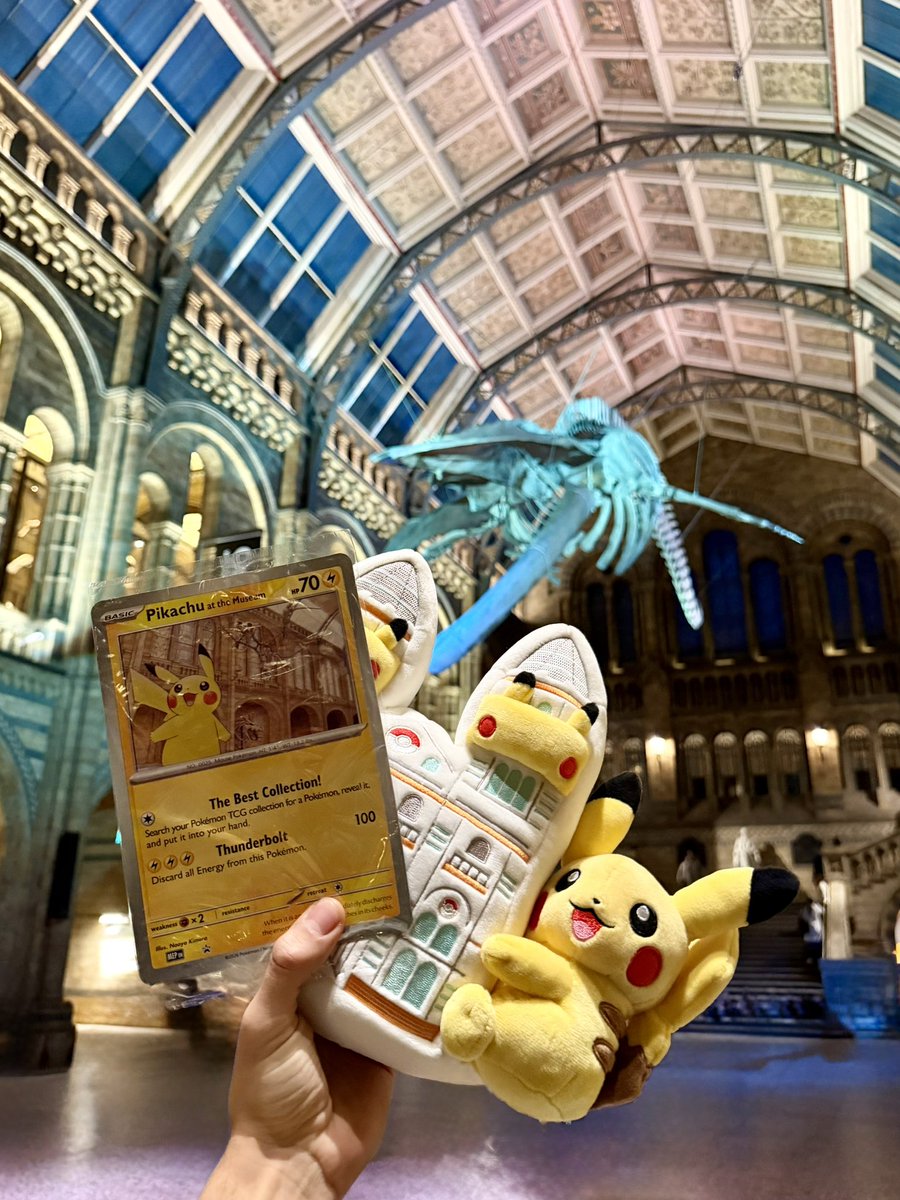
@AstroMagazine_ 2 jours de camp?… C’est très léger pour ce genre de paire, estimez vous heureux 😂
Français
RED OCTOBER
16.9K posts

@RedOctober_
@moonbirds & @chimpersHQ minter & flipper 📈 - Azuki Elementals


VOICI TOUTES LES INFOS CONCERNANT LE DROP DE LA JORDAN 1 HIGH X VIRGIL ABLOH "ALASKA"... (2026) Ça se passe au pop-up de PTSF et ça vient d'ouvrir. Des règles viennent d'être fixées concernant le camp : majeurs uniquement, pièce d'identité et stylo obligatoire. ADRESSE : "Place Raoul-Follereau, 75010 Paris" ÇA VA ÊTRE LA FOIRE... QUI Y VA ?

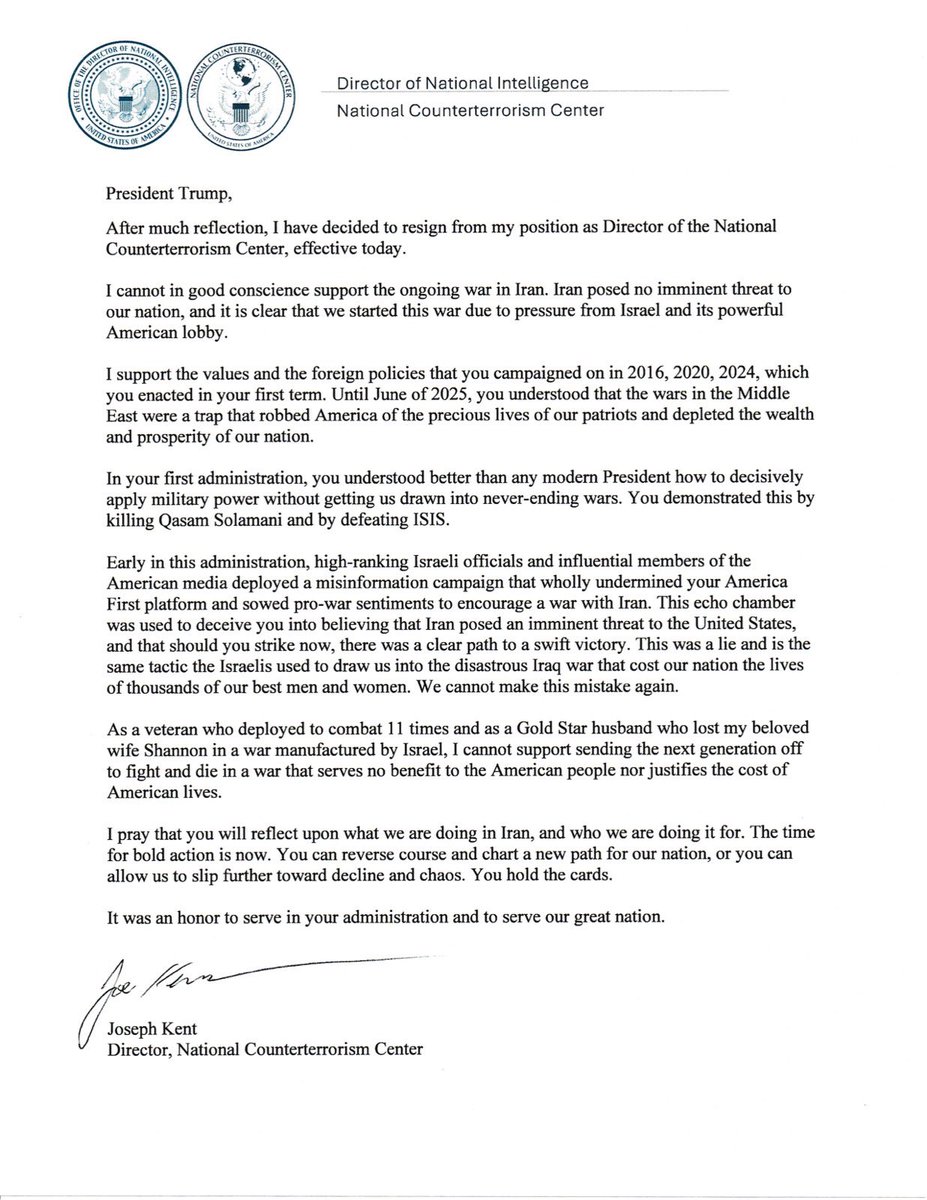





A mysterious object resembling a giant bird with outstretched wings has once again been spotted in images of the Sun, according to a report from the Solar Astronomy Laboratory of the Space Research Institute (IKI) of the Russian Academy of Sciences on February 3, 2026.The image was captured on February 2, 2026, using the LASCO coronagraph aboard the SOHO spacecraft. It shows a striking plasma structure of enormous scale — its apparent "wingspan" vastly exceeds the diameter of Earth multiple times over.A similar phenomenon was previously recorded in May 2025, when an unusual feature resembling a bird (or even a spacecraft with a fiery trail) appeared in LASCO imagery and sparked widespread discussion. Scientists noted at the time that such sharply defined and expressive plasma formations in the solar corona are extremely rare."There is still an opinion that this could be a galactic particle," the laboratory's official statement remarked, leaving room for intrigue and lighthearted speculation in scientific circles.In reality, these shapes are typically complex manifestations of solar activity: prominences, coronal mass ejections, or intricate magnetic field configurations that briefly align into such dramatic silhouettes. Optical artifacts or cosmic ray traces are also possible, though the symmetry and clarity here make it particularly eye-catching.Earlier, leading IKI RAS researcher Nathan Eismont explained how powerful solar flares and coronal mass ejections can affect human health on Earth — through geomagnetic storms, radio disruptions, and potential biological impacts.For now, the "Sun bird of 2026" remains a captivating cosmic enigma — and a vivid reminder of just how dynamic and unpredictable our star continues to be, even under constant high-tech surveillance.