
Richit🇮🇳 รีทวีตแล้ว
Richit🇮🇳
947 posts


Richit🇮🇳
@RichitRajput
हिन्दू जय श्री राम, जय बद्री केदार, ⚔️कुल पडिहार ⚔️ राजपूत🛡️उपाधी🛡️बिष्ट⚔️
Uttarakhand, India เข้าร่วม Haziran 2022
200 กำลังติดตาม30 ผู้ติดตาม

Richit🇮🇳 รีทวีตแล้ว

India's Vulgar Content Crisis: How Algorithms, Greed, and the Erosion of a Generation Are Colliding in 2026
In 2026, open any Indian teenager’s Instagram or YouTube Shorts feed and you’ll see it: a relentless stream of suggestive reels, borderline explicit dances, and creators pushing every boundary for clicks. What began as occasional “bold” content has now become the default algorithm diet for millions. This isn’t organic cultural evolution—it’s engineered addiction, fueled by cold, hard incentives that reward the raciest material while quietly reshaping an entire generation’s sense of normal.
The Numbers Don’t Lie—And They’re Alarming
Official data from the National Cyber Crime Reporting Portal shows a staggering 76,657 complaints of cybercrimes against women in 2025 alone—an increase of over 28,000 cases from the previous year. Sexually obscene material topped the list with 37,743 reports, followed closely by sexually explicit acts. At the same time, the government has issued repeated advisories to platforms demanding immediate removal of “obscene, vulgar, pornographic” content, warning of legal consequences for non-compliance. Yet the flood continues.
Why? Because the system is designed to reward it.
The Algorithm’s Poisonous Incentive Loop
Social media platforms don’t care about culture—they care about watch time, comments, shares, and subscriptions. Provocative, sexually charged content consistently outperforms everything else:
- Reels with “bold” hooks get 2–3x more watch time.
- Controversial or suggestive posts trigger 4x more comments and shares.
- Once a creator dips into semi-nude, twerking, or heavily sexualized fitness/glamour content, the algorithm pushes it harder—because engagement skyrockets.
Creators aren’t stupid. Many started with dance, fashion, or comedy. Then they noticed the pattern: a slightly suggestive thumbnail or outfit = exponential growth. Instagram’s subscription model (where fans pay monthly for “exclusive” content) has turned this into a direct revenue stream. The more explicit the tease, the more subscribers pay to see what’s behind the paywall. It’s not art. It’s calculated escalation.
Meanwhile, young viewers—especially impressionable teens—are being trained from their first scroll. The hyper-sexualization of children and teens on these platforms is no longer fringe; it’s algorithmic mainstream. Algorithms actively promote self-sexualized content from users as young as 12 because it drives insane engagement metrics.
The Hidden Cultural and Psychological Cost
This isn’t harmless entertainment. Constant exposure to vulgar, objectifying content is rewiring expectations:
- Relationships become transactional and appearance-obsessed.
- Body image issues explode among both boys and girls.
- Respect, consent, and emotional depth take a backseat to shock value and dopamine hits.
- A generation is learning that the fastest path to fame and money is self-objectification.
India’s rich cultural heritage—rooted in restraint, family values, and spiritual depth—is being drowned out by a globalized, profit-driven race to the bottom. The same platforms that once promised connection and creativity are now the biggest distributors of cultural decay.
It’s Not Just Creators—It’s Us
Here’s the uncomfortable truth: every view, like, share, and subscription is a vote. We are the demand side of this supply chain. When we reward vulgarity, platforms and creators respond with more of it. The algorithm doesn’t have morals—it has metrics. We do.
What Needs to Change—Now
1. Platforms must be held accountable. The government’s recent push for faster takedowns (now down to hours in some cases) and age-based classification of digital content is a start. But enforcement must be consistent and transparent.
2. Creators must choose integrity over virality. Real influence comes from substance, not skin.
3. Parents and educators need to wake up and actively monitor, discuss, and limit exposure.
4. Users must vote with their thumbs—follow, share, and pay for content that elevates rather than degrades.
The sudden rise of vulgar content in India isn’t accidental. It’s the predictable outcome of unchecked algorithms meeting human greed in a hyper-connected society. If we don’t interrupt this cycle now, we won’t just lose our feeds—we’ll lose the values that define us as a civilization.
The question isn’t whether this content exists.
The question is: what kind of India are we building—one scroll at a time?
What do you think—have you noticed this shift in your own feed? Drop your thoughts below. Let’s start the conversation that actually matters.
English
Richit🇮🇳 รีทวีตแล้ว
आज ही के दिन, ज्ञानवापी में बाबा प्रकट हुए थे।

हिन्दी
Richit🇮🇳 รีทวีตแล้ว

Lenskart ये फ्लैगशिप प्रोडक्ट लॉन्च कर सकता था, लेकिन हिंदू जाग गए 💀
हिन्दी
Richit🇮🇳 รีทวีตแล้ว

Don't scroll without typing Om Namo Bhagwate Vasudevaya

English
Richit🇮🇳 รีทวีตแล้ว

Belt Treatment Needed
SP trying to create riot in UP.
A flying stone straight to the cop's head!
This is Ghazipur in Uttar Pradesh.
English
Richit🇮🇳 รีทวีตแล้ว


Richit🇮🇳 รีทวีตแล้ว


Richit🇮🇳 รีทวีตแล้ว

🚨 BIG DECISION by Election Commission of India
RE-POLL if voter intimidation or booth capture in Bengal.
AI-enabled CCTV, real-time monitoring, & extra forces DEPLOYED.
=> 2,407 central force companies for Phase 1 (~1.9–2.8 lakh personnel; 1 company: 80 to 120 personnel).
English
Richit🇮🇳 รีทวีตแล้ว
सब सुख लहै तुम्हारी सरना।
तुम रक्षक काहू को डर ना॥

हिन्दी
Richit🇮🇳 รีทวีตแล้ว

Richit🇮🇳 รีทวีตแล้ว
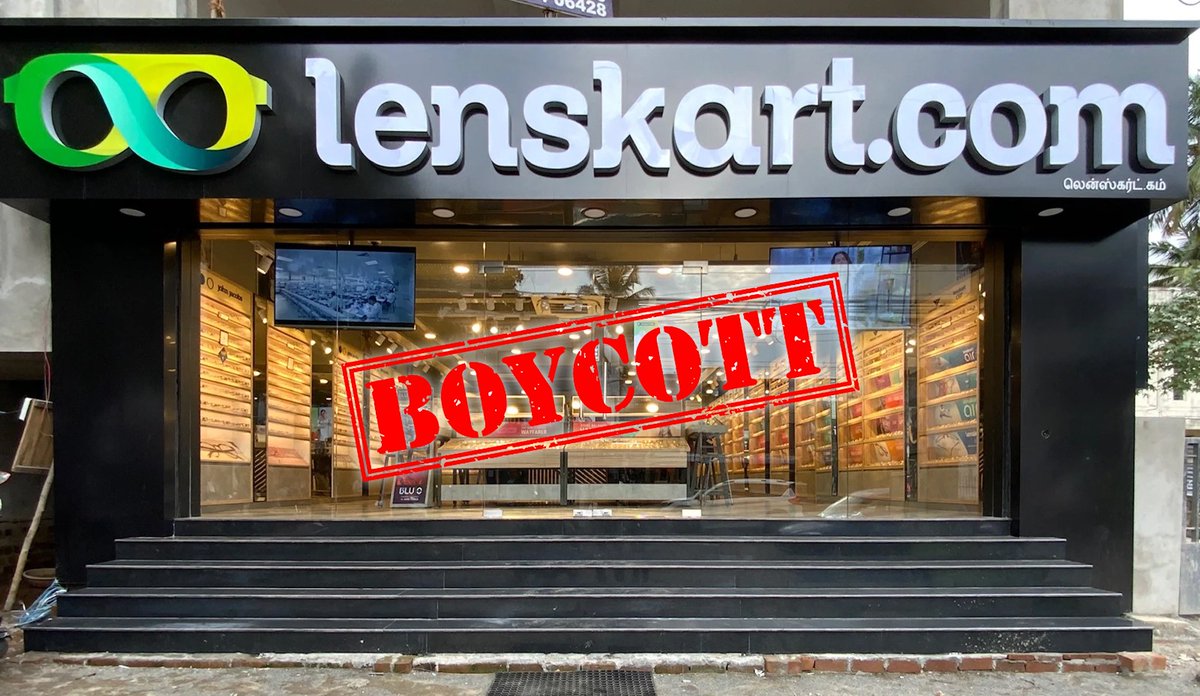
I'll boycott and Never shop from Anti-hindu Lenskart
Let these brands know, if you can't respect hindus, you won't survive here.
Rt if you agree 🙏🏻
#NoBusinessWithLenskart
English
Richit🇮🇳 รีทวีตแล้ว

Richit🇮🇳 รีทวีตแล้ว
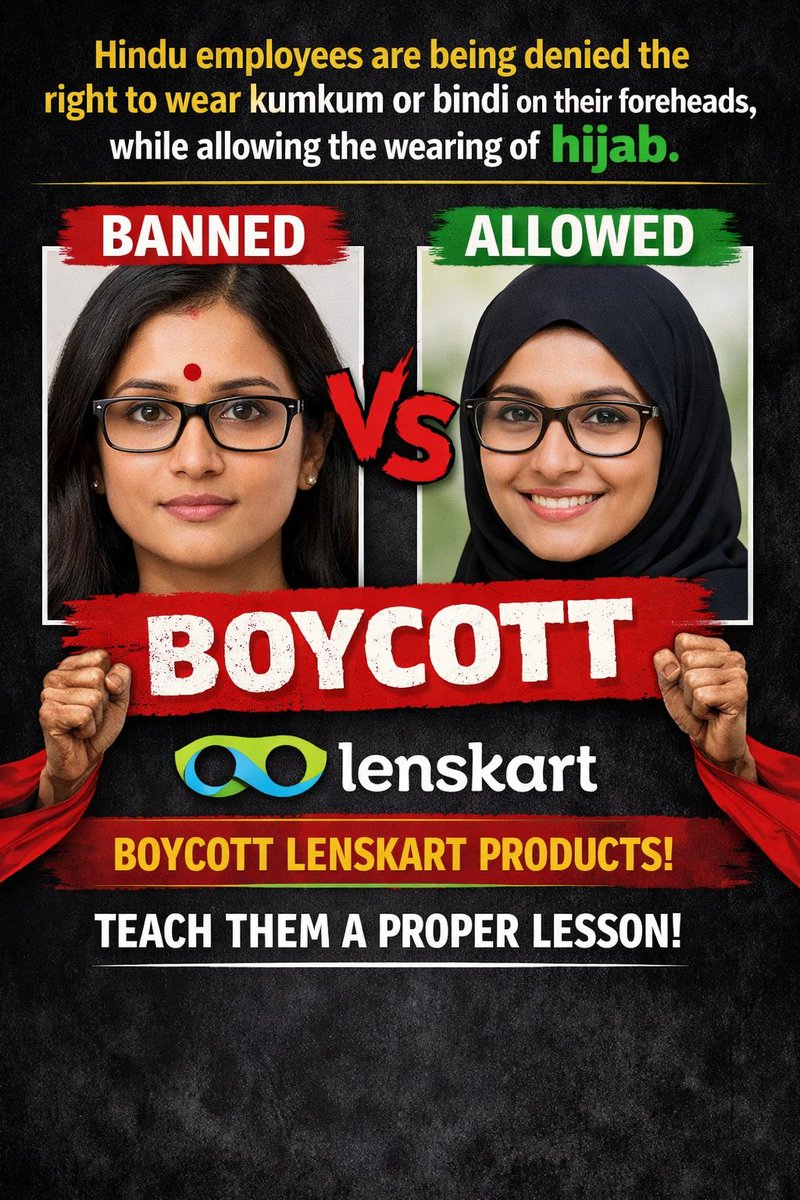
Hindu employees denied the right to wear kumkum/bindi, while hijab is allowed?
Double standards must end.
Stand for equality.
Boycott @Lenskart_com products.
#EqualRights #ReligiousFreedom #BoycottLenskart
English
Richit🇮🇳 รีทวีตแล้ว


आप किसका समर्थन करते हैं ?
रिद्धिमा शर्मा कनिका शर्मा
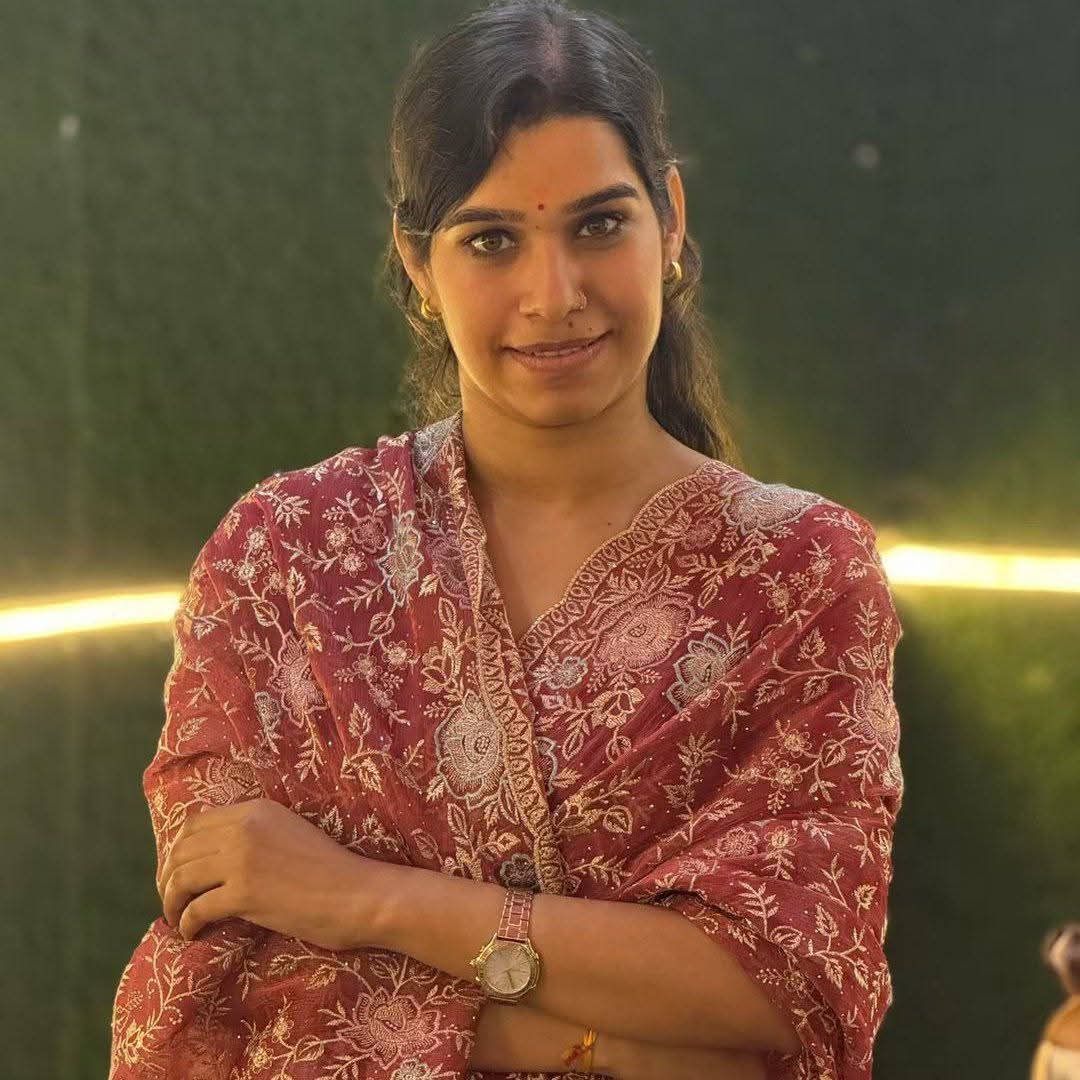

हिन्दी
Richit🇮🇳 รีทวีตแล้ว

Richit🇮🇳 รีทวีตแล้ว

चलो हम भी नाम नहीं लेते उसका।😀😀
कर दो repost और भेज दो उस लाली को।😀
हिन्दी
Richit🇮🇳 รีทวีตแล้ว

Marriage of Saqib Saifi and Kanika Sharma got busted !!
This Insta / YT celebrity couple always try to normalise Inter religion marriage
But this is the TRUTH 👇🏽
English
Richit🇮🇳 รีทวีตแล้ว
कनिका शर्मा और शाकिब सैफ़ी ख़ुद के बारे में भी थोड़ा बता देते।
कनिका दूसरो को चरित्रहीन बोलने से पहले ख़ुद के चरित्र को भी देख लेती।
हम्मे ब्राह्मणों के लिए बहुत कुछ किया लेकिन तुमने कुछ ना किया यह सत्य है।😀
तुमने तो ब्राह्मणों का नाम बदनाम करा।
वीडियो को ज़्यादा से ज़्यादा repost करे।🙏🏻🥹
हिन्दी