ทวีตที่ปักหมุด

Hum SABKA Pakistan.
Join SABKA if you believe in advocacy and that it does bring results -
sabka.org.pk/join-us/
#LabourDay2024 #HumSABKAPakistan
English
SABKA
355 posts

@SABKAPak
SABKA! advocates, builds consensus and amplifies citizens' voices in nation building and the implementation of Pakistan's Constitution.



My father does not even have a bank account abroad - he is one of the very few leaders of this world whose entire assets & wealth are very proudly invested in his homeland.
Billions spent on roads. One rain and everything collapses. Drainage fails. Electric wires kill. Streets turn into sewage. And yet, we’re told “situation is under control.” This isn’t a natural disaster. This is man-made failure. Same government. Same promises. Same results. @BBhuttoZardari @murtazawahab1 #KarachiRains


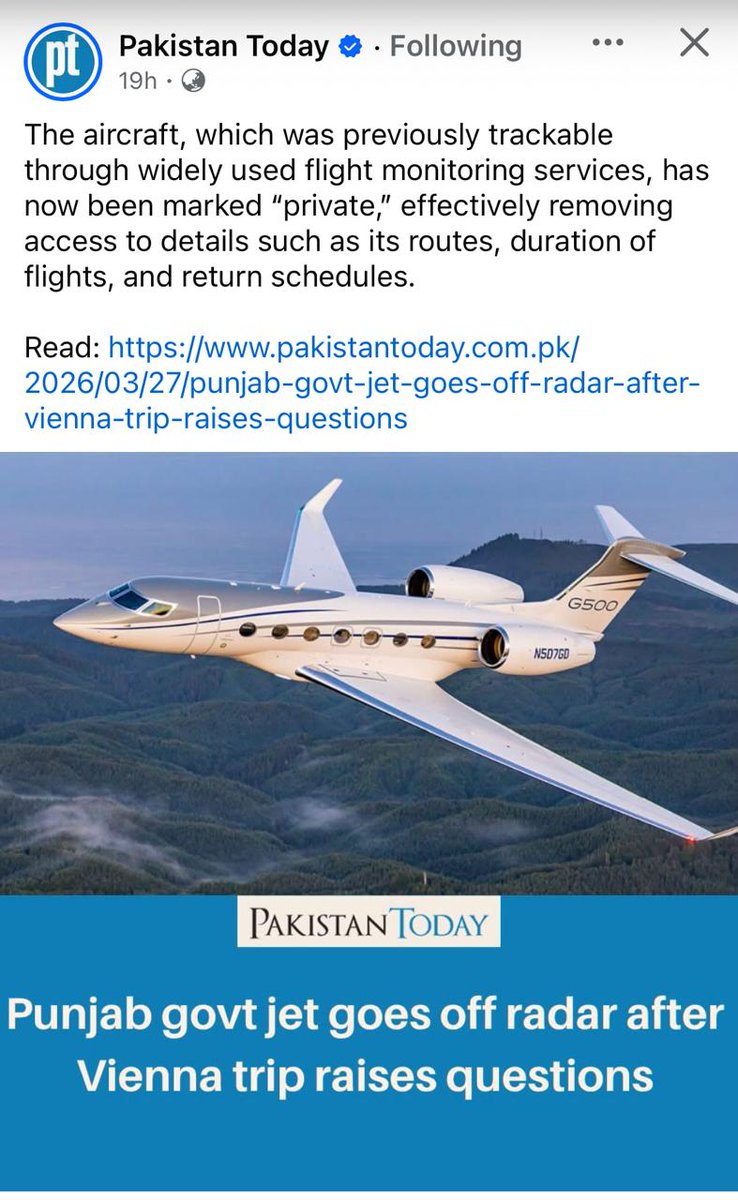






The youth of Pakistan have a distinct sense of patriotism; they find humour in every situation.


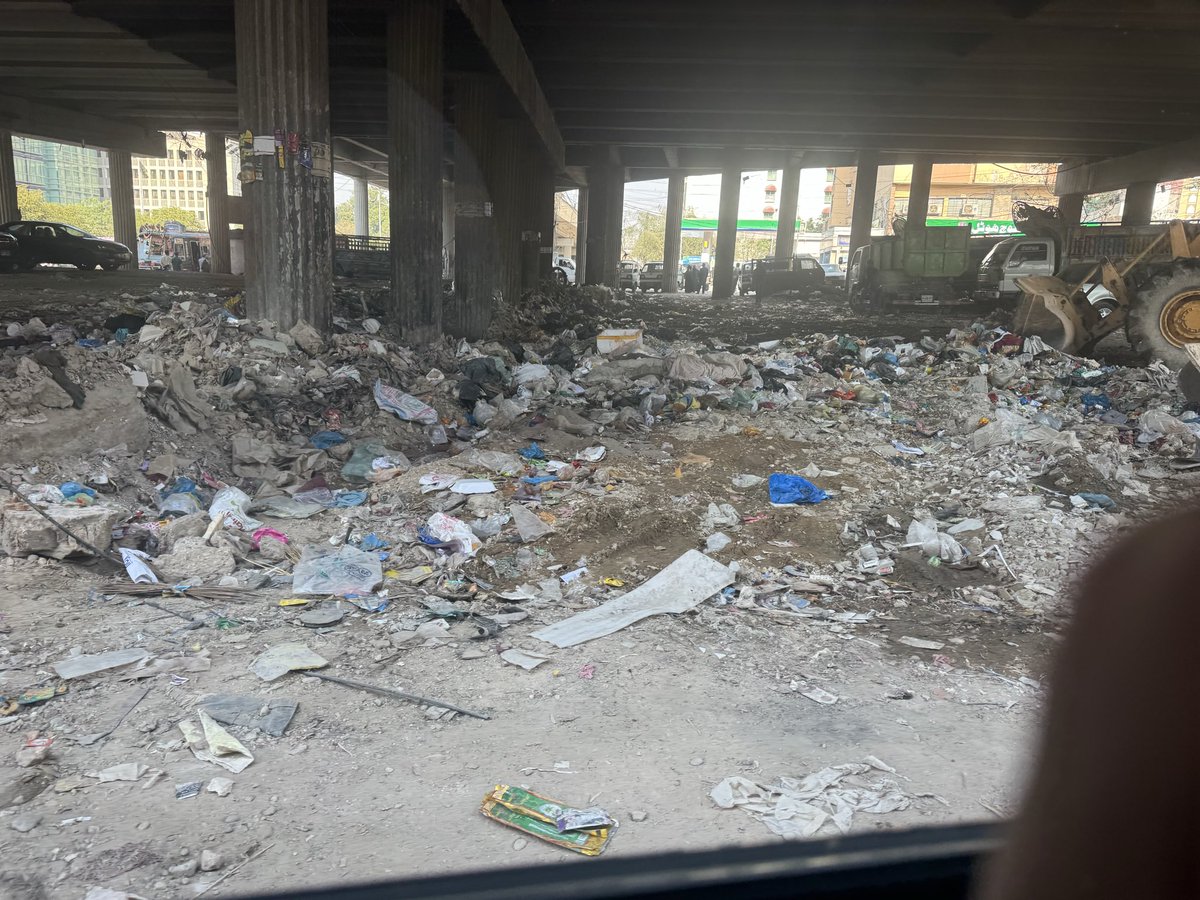


بدلتا ہوا اور بہتر ہوتا ہوا ہم سب کا کراچی ❤️ اور بہت سارا کام شہر کے مختلف علاقوں میں کیا جارہا ہے تاکہ لوگوں کے مسائل کو حل کیا جاسکے 🧿