Shade E D 🍉 รีทวีตแล้ว
Shade E D 🍉
11.5K posts





Shade E D 🍉 รีทวีตแล้ว



Shade E D 🍉 รีทวีตแล้ว


Shade E D 🍉 รีทวีตแล้ว


Shade E D 🍉 รีทวีตแล้ว


Shade E D 🍉 รีทวีตแล้ว

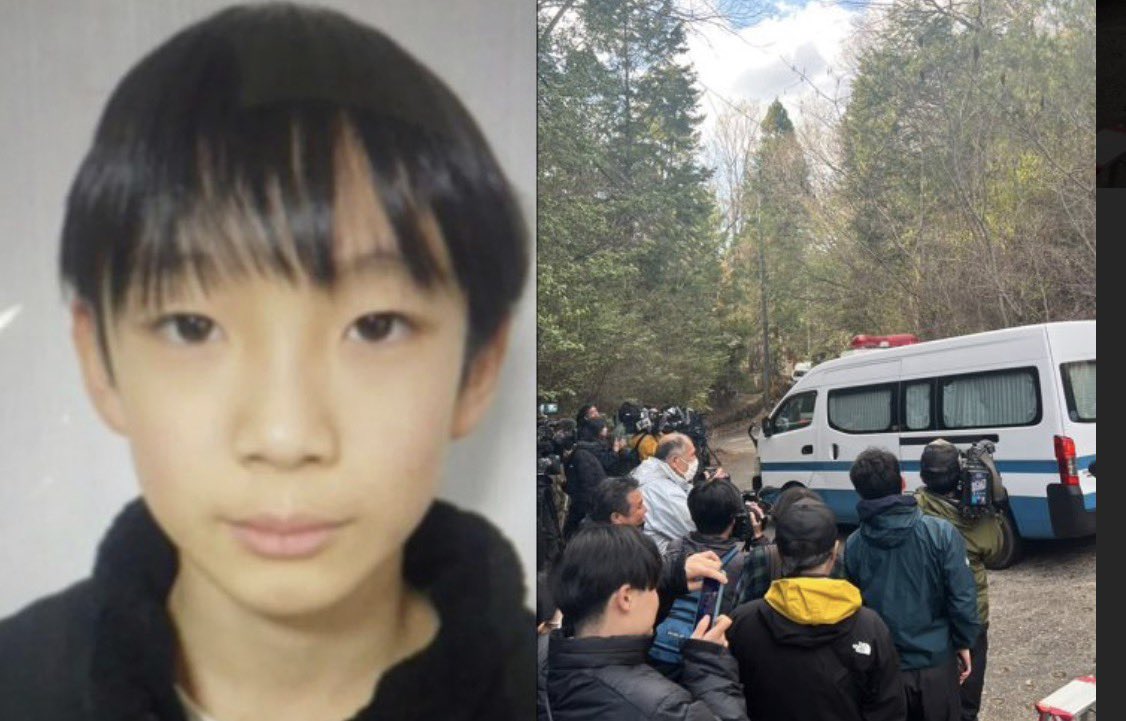
A sad thing happened in Japan
An 11-year-old boy named Yuki was reported missing in Kyoto.
His stepfather was out on the streets, handing flyers to neighbors, asking for help finding him.
This week, that same stepfather was arrested.
He has reportedly told police he “lost his temper and strangled” Yuki, then dumped the body in a mountain forest.
The boy’s mother, by every account, believed him until the end.
This is where most people will stop reading, and this is exactly where the harder conversation should start.
Japan has a quiet, persistent problem that rarely makes it into the English-language conversation about this country: children living with stepfathers or their mother’s new partners are overrepresented in serious child abuse cases.
In Japan, when child abuse crosses into criminal prosecution, around 72% of offenders are “father figures” — and within that group, over a third are stepfathers, adoptive fathers, or the mother’s live-in boyfriend.
Given that stepfamilies make up only around 7% of marriages in Japan, that share is not small.
Child welfare data tells a similar story, case after case — sustained beatings, torture, sexual abuse, disposal of bodies.
It is not that stepfathers are monsters. Most are not.
It is that a country that treats family as a private black box — where divorce still carries stigma, where mothers are often financially cornered into remarrying, where schools and neighbors are trained not to intrude — systematically fails to see the children inside those homes until it is far too late.
Yuki’s mother handed out flyers next to the man who now says he killed her son.
Japan just began allowing joint custody this month, after decades of delay.
But the harder reforms — mandatory home visits, real authority for child welfare workers, serious screening around non-biological caregivers — are still stuck.
This is not an abstract policy argument. It is the difference between an 11-year-old going to school next week, and an 11-year-old becoming a headline.
Rest in peace, Yuki.
English
Shade E D 🍉 รีทวีตแล้ว

Vulture populations in India collapsed. 500,000 people died as a result.
In the 1990s, Indian farmers started using a cheap painkiller called diclofenac on their cattle. When vultures ate the carcasses, the drug destroyed their kidneys.
Without vultures, cattle carcasses rotted in fields instead of being stripped clean in 45 minutes. Feral dog populations exploded by five million. Rabies cases surged. Pathogens spread through water supplies.
University of Chicago economists compared death rates in districts that used to have vultures to districts that never did. Human mortality rose more than 4% after the collapse. Over 100,000 extra deaths a year. Half a million in five years.
India banned the drug in 2006. The vultures still haven't recovered.
This is what a keystone species is to us. This is why we protect the animals nobody finds cute.


English
Shade E D 🍉 รีทวีตแล้ว


Shade E D 🍉 รีทวีตแล้ว


@AceAyune And absolutely nothing to do with you being a femboy vtuber and therefore attracting people who like femboys
English


Shade E D 🍉 รีทวีตแล้ว

I usually don't do fanart...
#witchhatatelier #wha

maali / phm & wha brainrot@maalidoesart
COCO WEARING THIS I BEG
English
Shade E D 🍉 รีทวีตแล้ว


Shade E D 🍉 รีทวีตแล้ว



Shade E D 🍉 รีทวีตแล้ว

Shade E D 🍉 รีทวีตแล้ว

The Glass You Might Drink Out Of When You Fight Sans is back in stock!
For best results, fill it with a drink that's exactly this shade of blue: fangamer.com/collections/un…

English
Shade E D 🍉 รีทวีตแล้ว

I realise that while I posted a video for my #Megaman piece, I never actually posted the final drawing by itself! Thank you so much to @CapcomEurope for sending me a copy of Starforce Legacy Collection, always a pleasure to bring my creativity to my content, super grateful! ❤️❤️

English
Shade E D 🍉 รีทวีตแล้ว