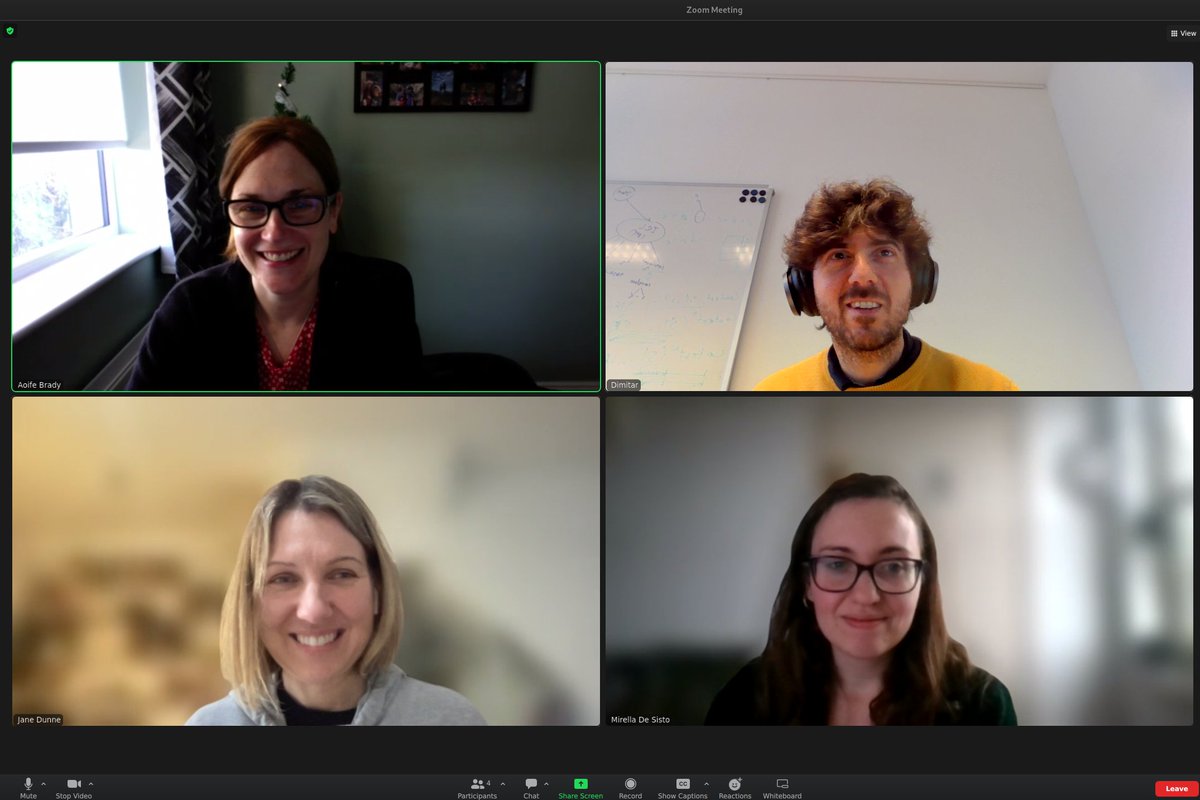
The three-year SignON project has now finished! The entire SignON consortium would like to thank everyone for their contributions to our project and our co-creation events. In the video below, you will find some consortium members extending heartfelt THANK YOU signs.
After three years of hard work behind the scenes on our SignON application and service, we have gained better insights into the technical challenges. Our scientific leader, Dr. Dimitar Shterionov, explains in an interview what these challenges are: vimeo.com/896212953
DO'S AND DON'TS: KEY LESSONS FROM THE SIGNON PROJECT
The interview with Jorn Rijckaert below provides a summary of the most important takeaways we wish to share for upcoming projects in sign language technology:
vimeo.com/896154840
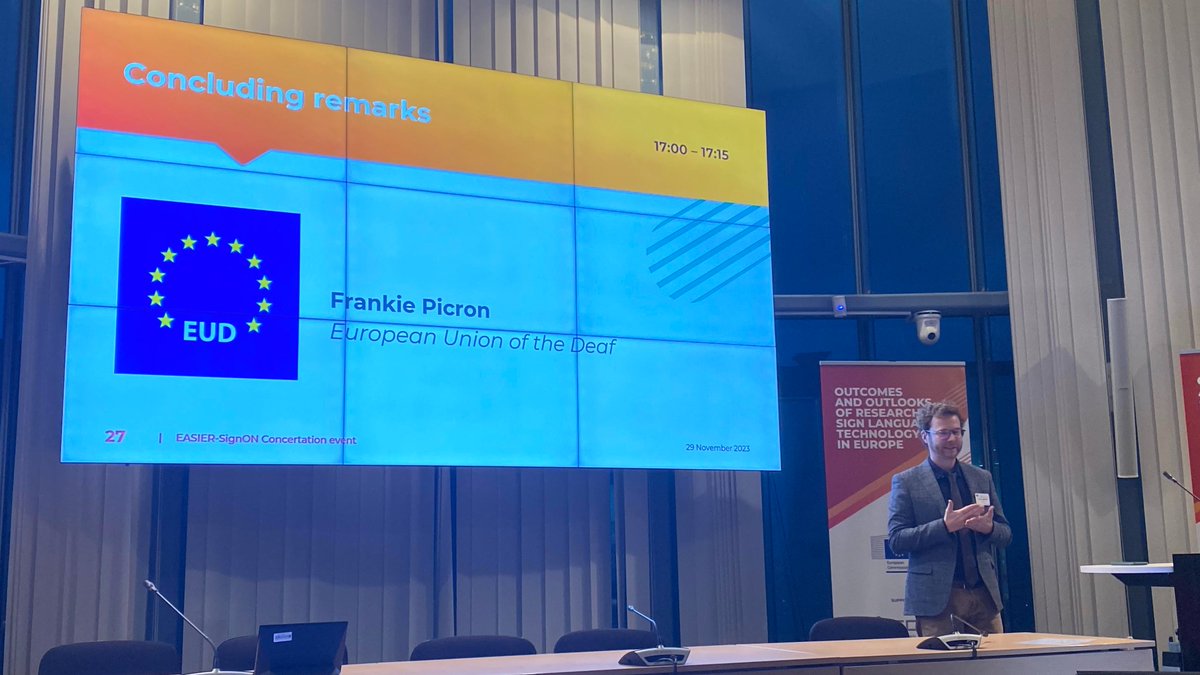
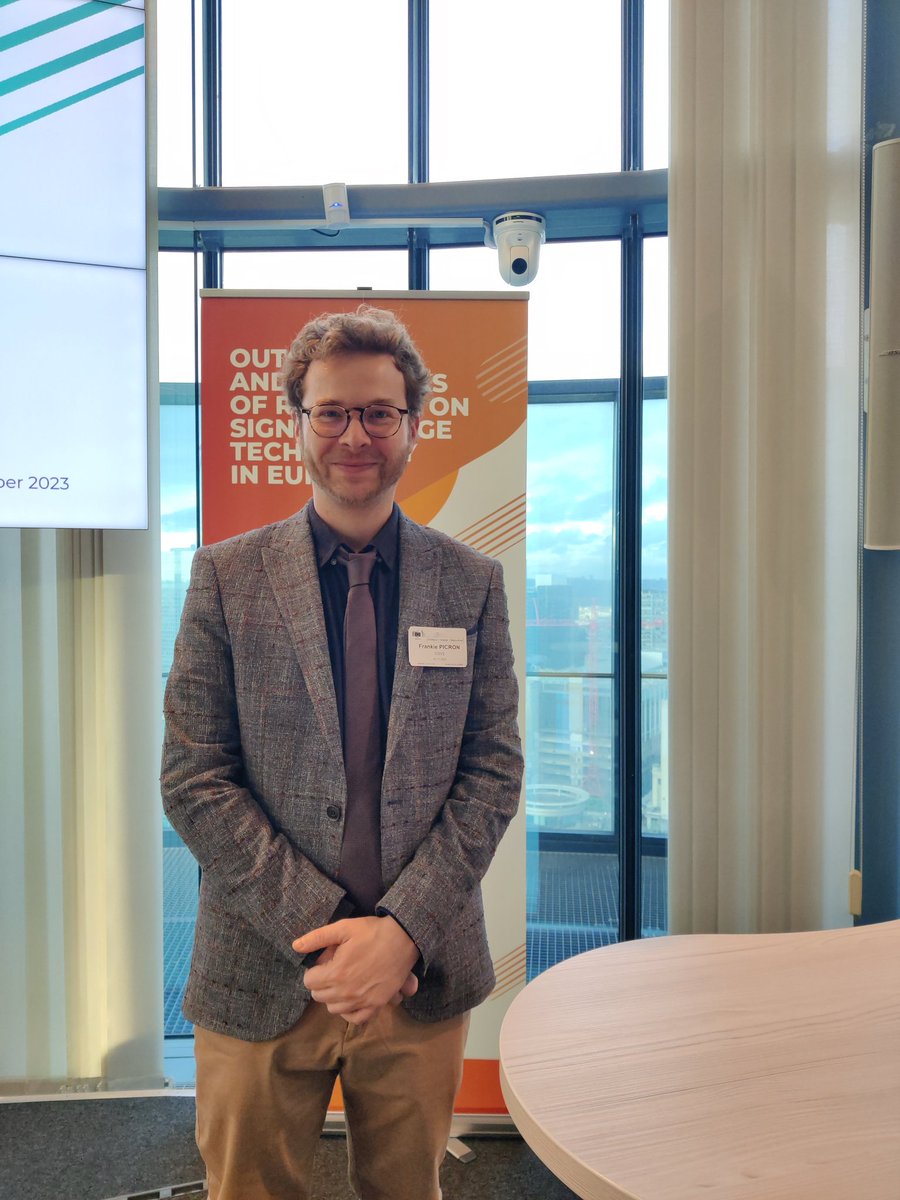
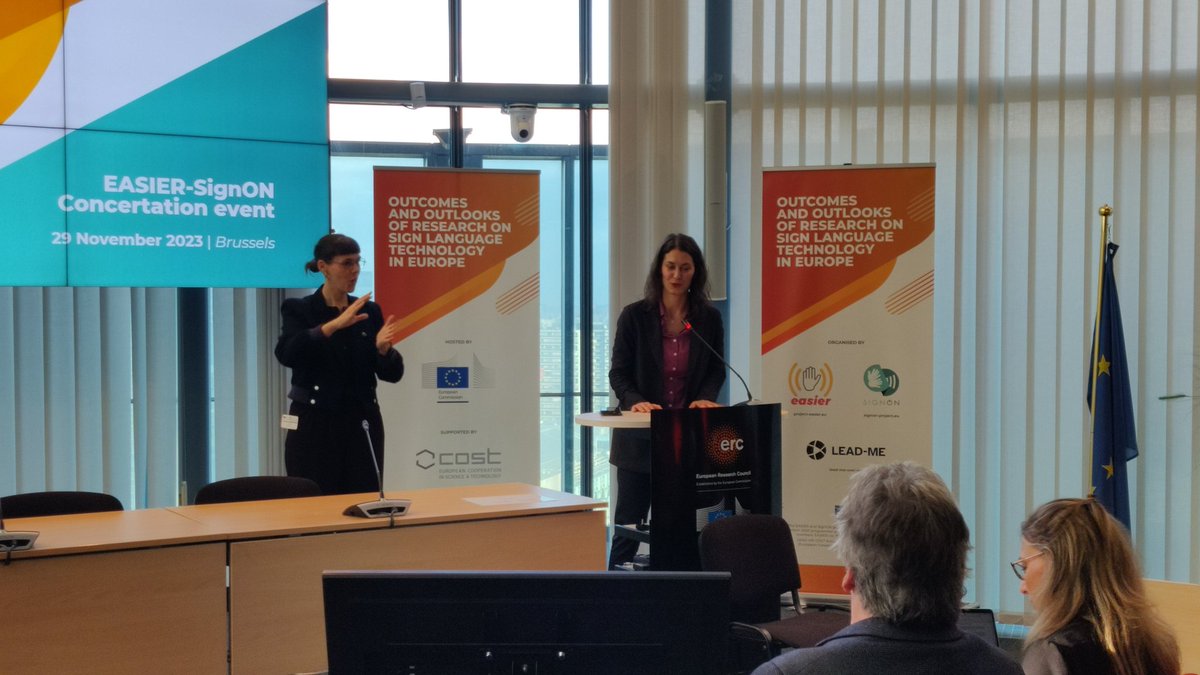
Thanks to @FrankiePicron from @EUD_Brussels for closing today's event, and to all of the presenters for sharing their knowledge, expertise, and perspectives on the future of sign language technology and research. We will share a summary of the event soon.
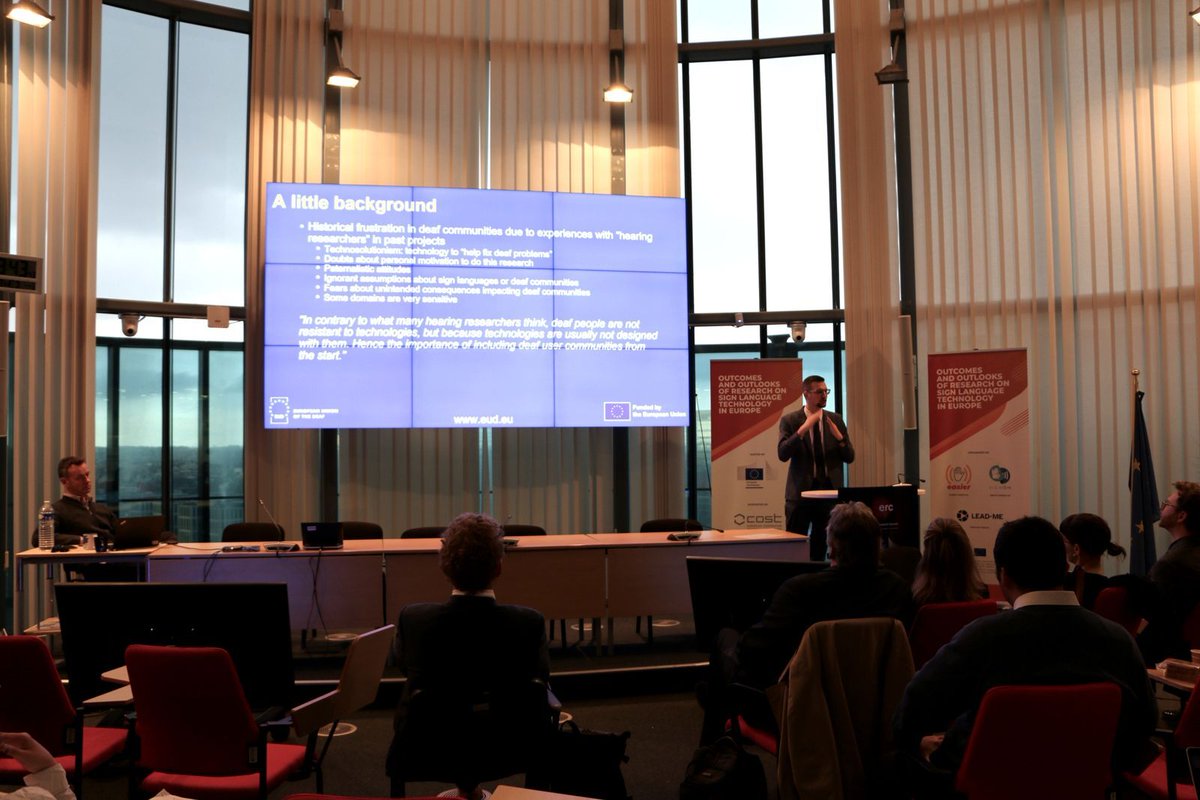
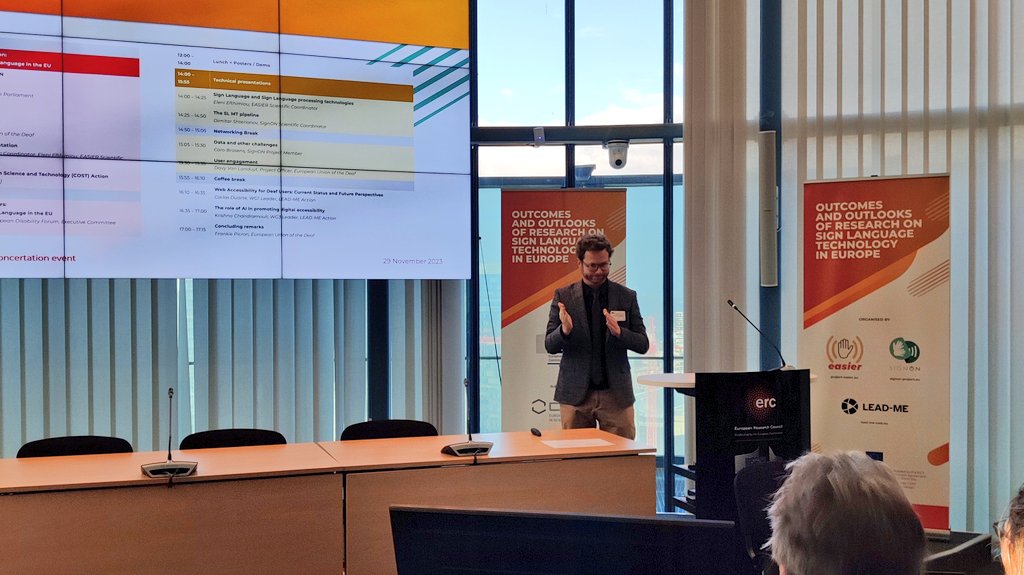
👉 Davy Van Landuyt, EUD Project Officer, dives into the crucial topic of user engagement in Sign Language Technology. Empowering Deaf individuals through technology! #EASIERSignON
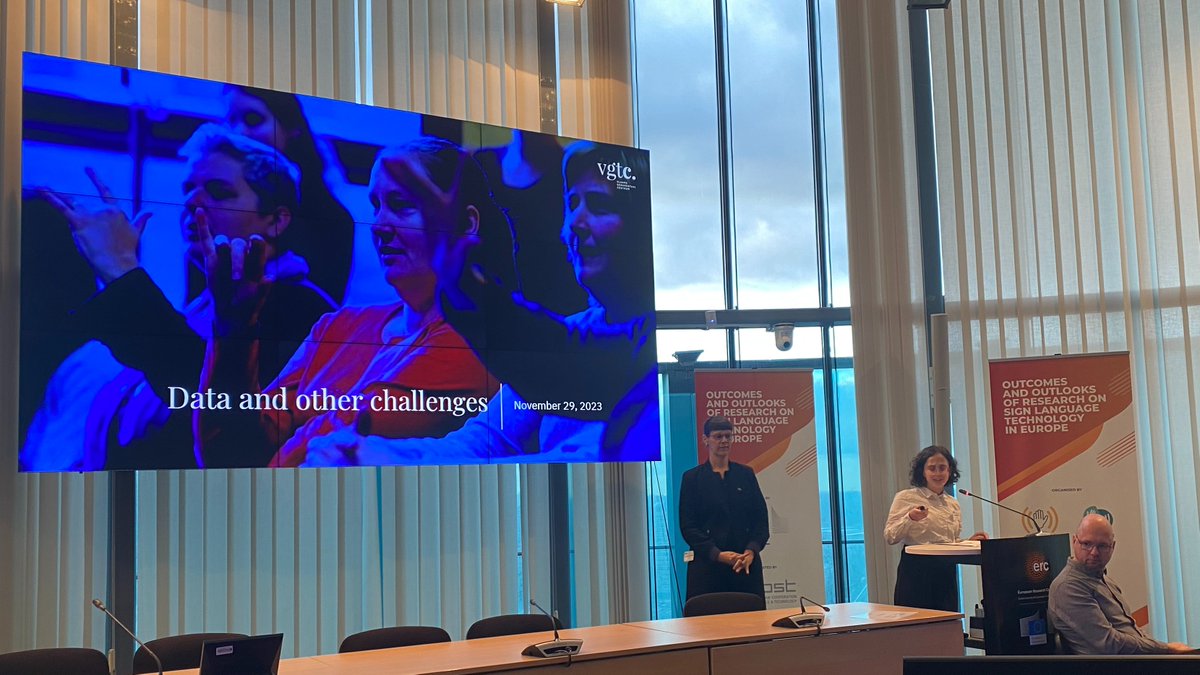
'The data bottleneck in sign language research is often reduced to “there is not enough data” but the situation is a lot more nuanced than that' - Caro Brosens (@VGTCentrum) explains the challenges with sign language data.
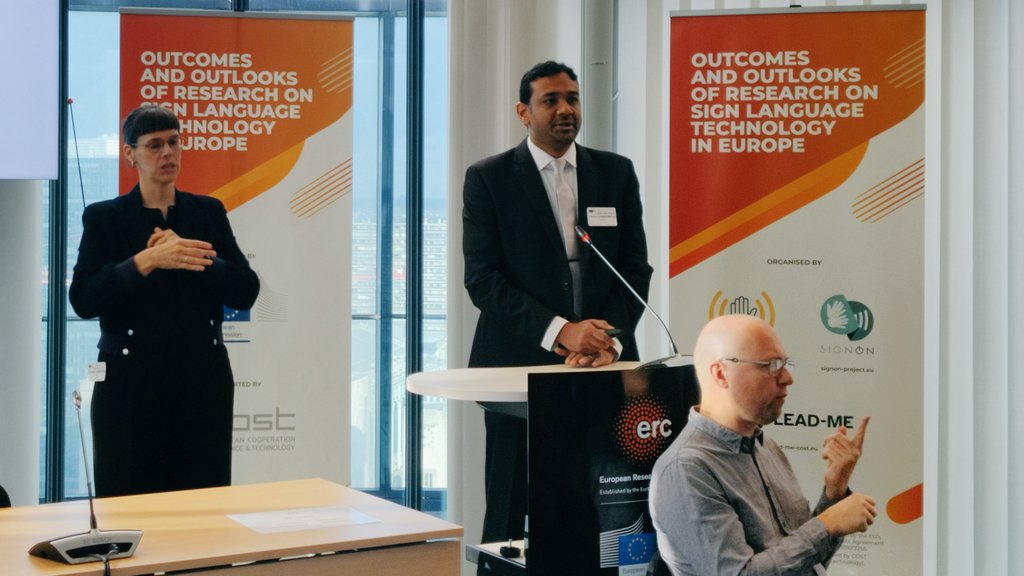
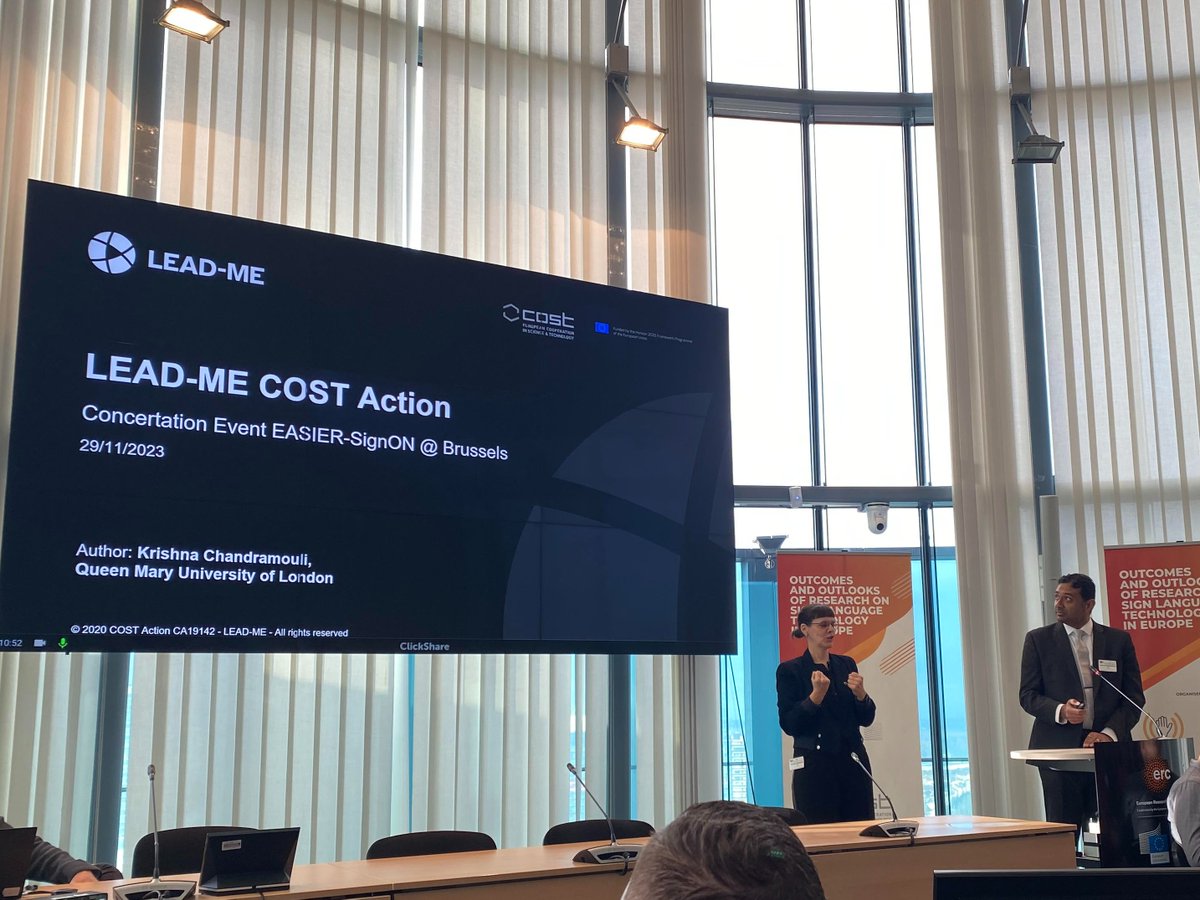
Krishna Chandramouli, WG3 Leader of @COST_CA19142 stressed how the persistence to keep investing and the belief that inclusive technology needs to improve can be a major driving force to keep pursuing a path leading to a better society.
@SignONEU@EU_Commission@EUD_Brussels
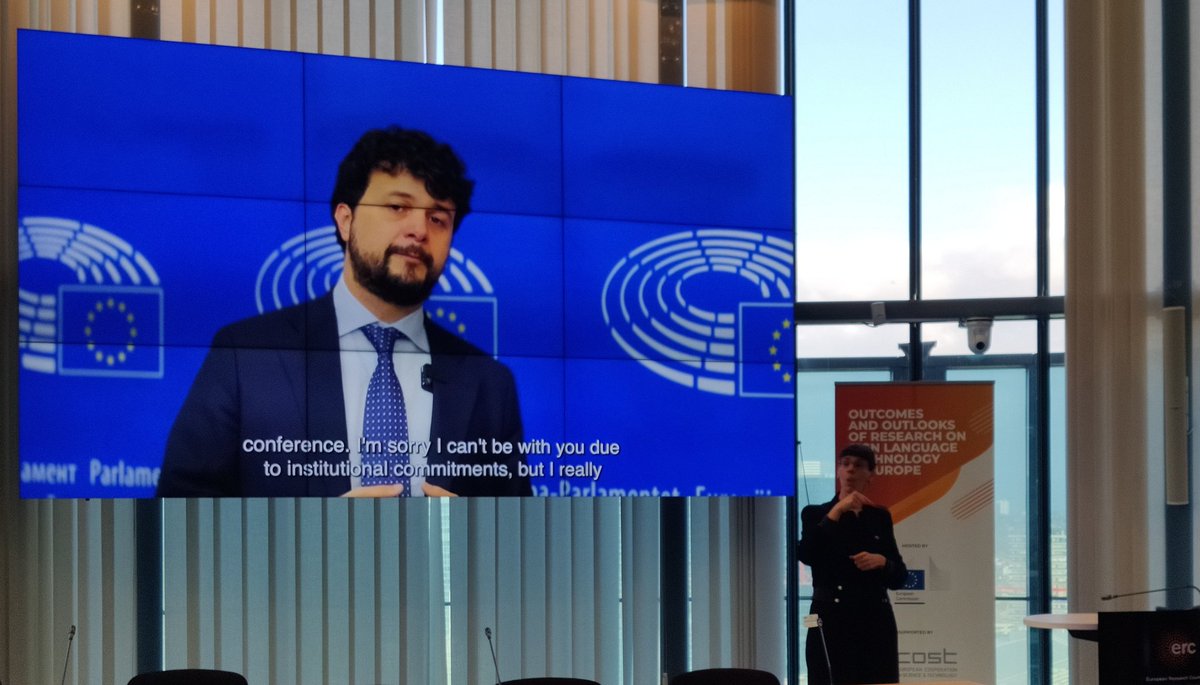
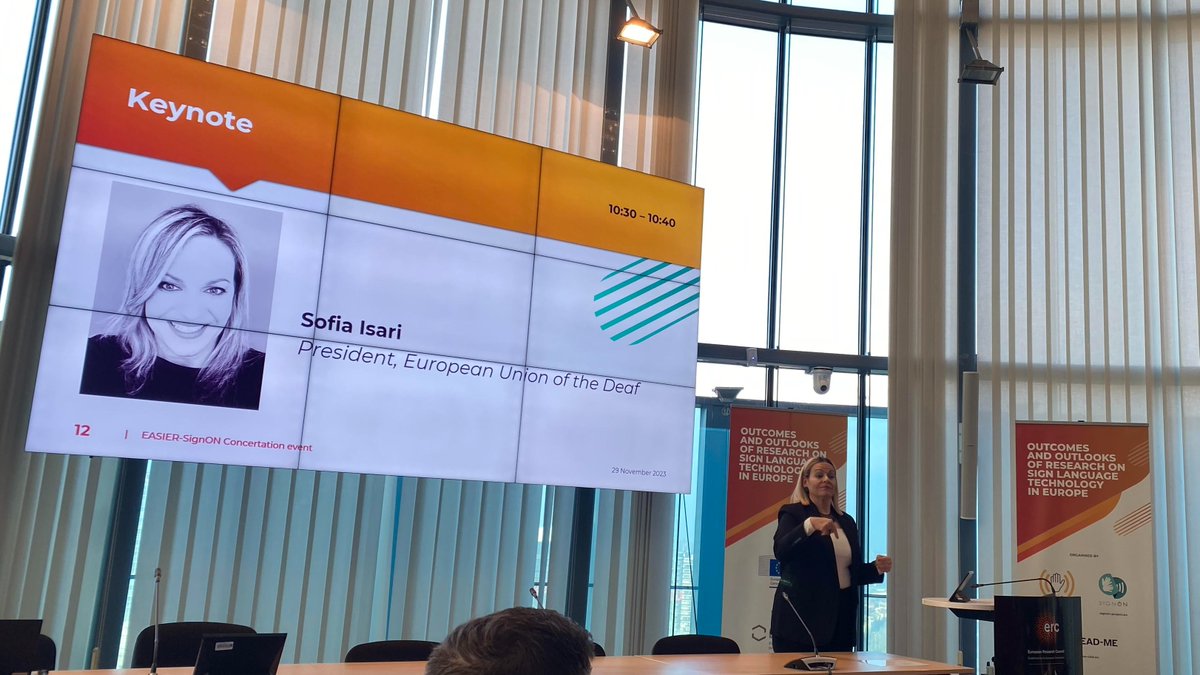
The EU Council took an important step by adopting its general approach. However, the general approach does not refer to specific requirements and inclusive measures for deaf people as EUD had hoped for.
Check our suggested amendments in the link: eud.eu/it/euds-welcom…
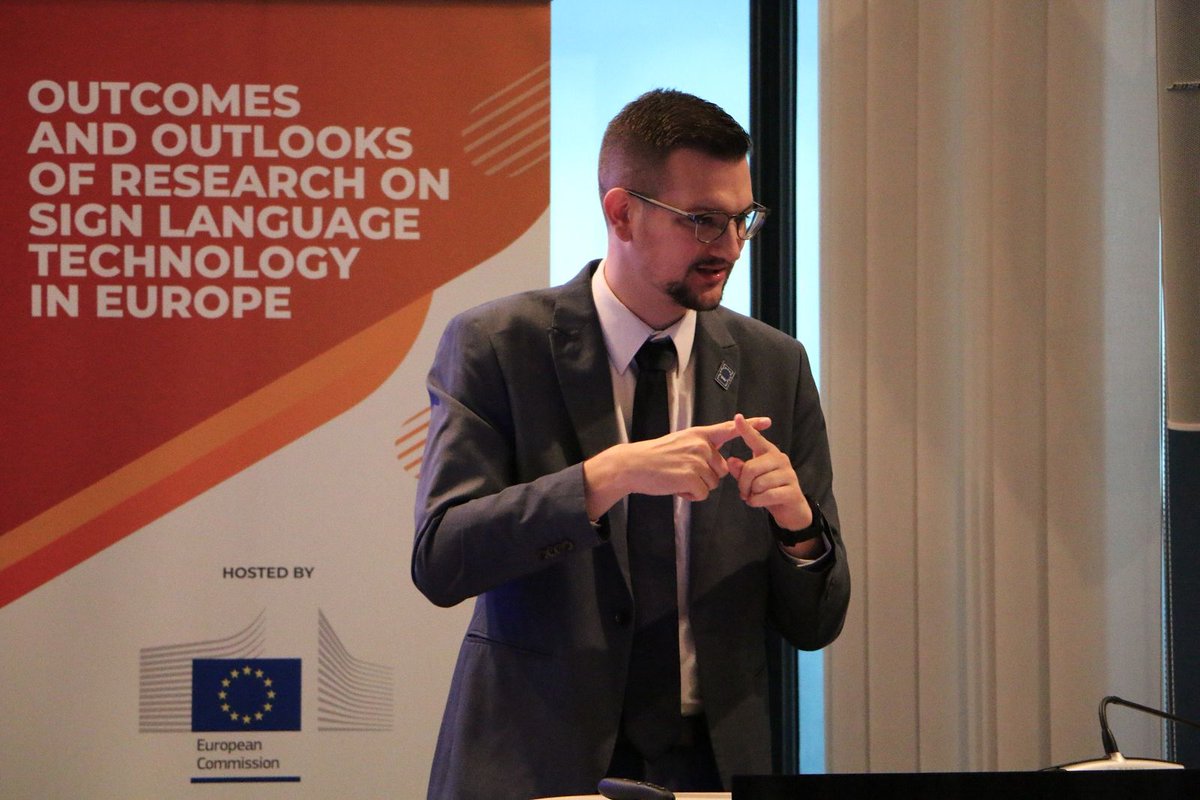
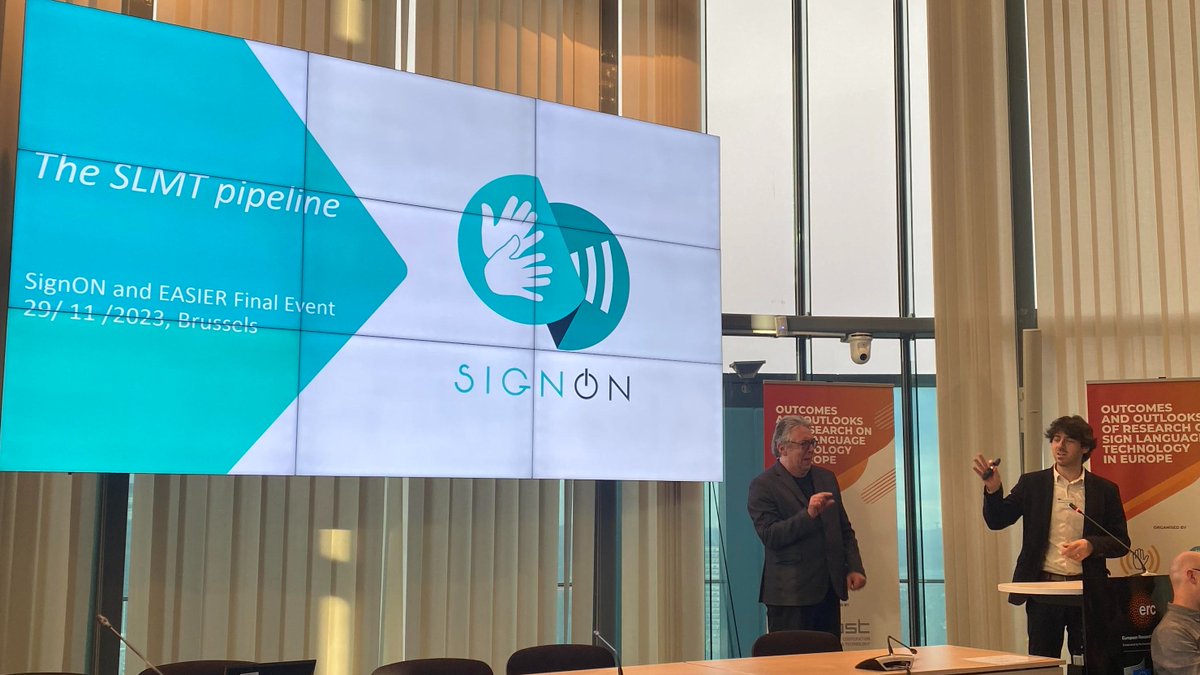
SignON's Scientific Coordinator @DShterionov explains the different steps and technologies involved in automatically translating between sign languages and spoken/written languages - the Sign Language Machine Translation (SLMT) pipeline.
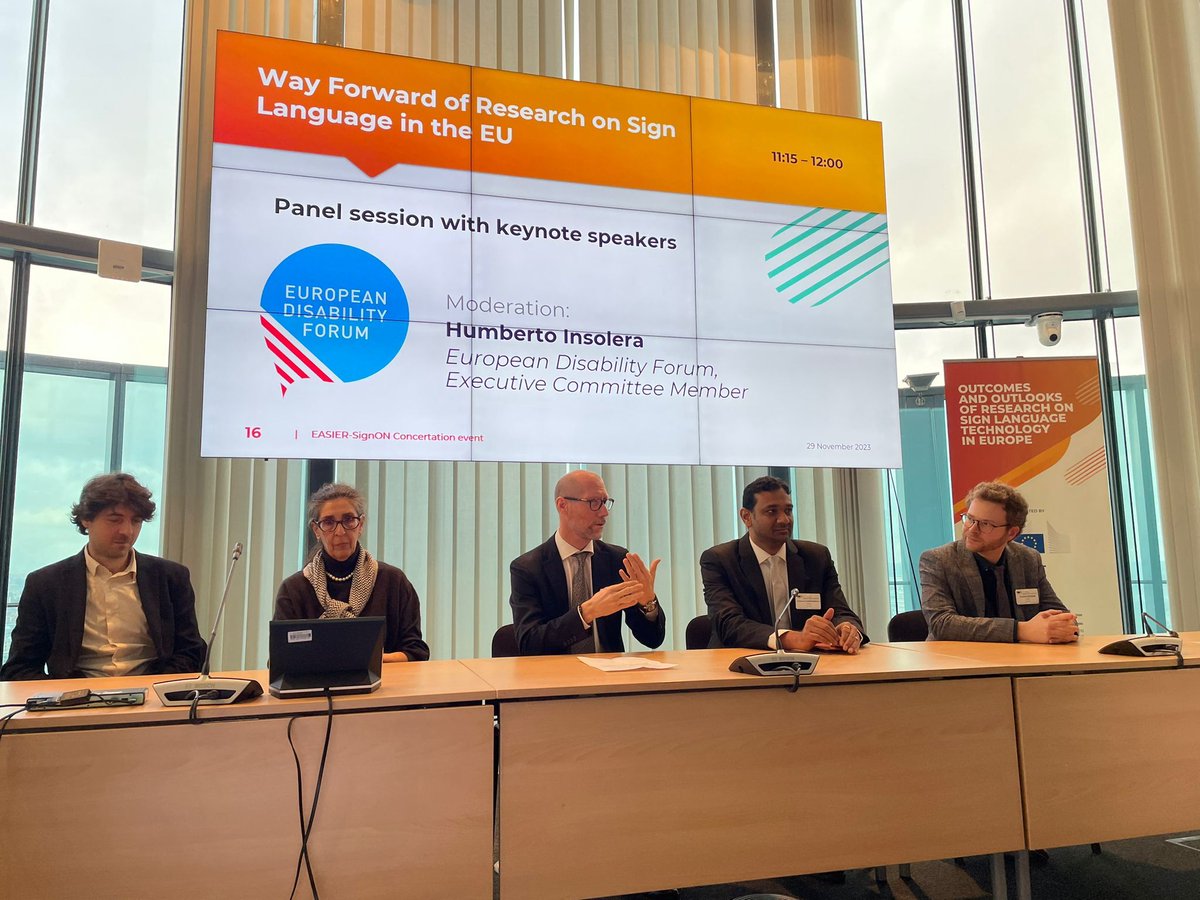
.@InsoleraH, Executive Committee Member of the @MyEDF, moderates a lively session "Way forward of Research on Sign Language in the EU". We discuss the challenges, next steps and technologies to invest in, short and long term.
@SignONEU@COST_CA19142@EU_Commission@EUD_Brussels
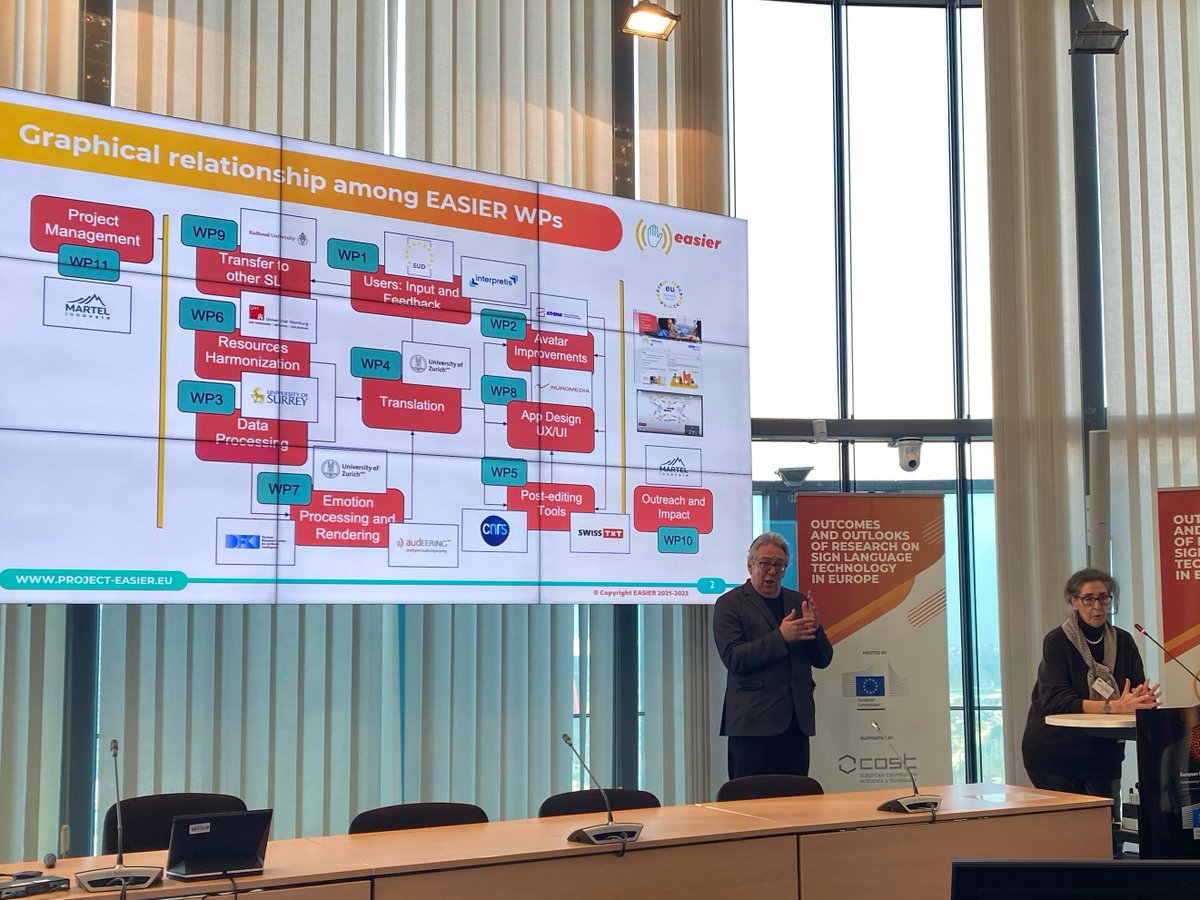
Opening presentations by @DShterionov (SignON), Eleni Efthimiou (@EASIERproject), and Krishna Chandramouli (@COST_CA19142) - introducing three projects exploring new approaches to sign language technologies and digital accessibility.