ทวีตที่ปักหมุด

Stay Free Alberta
3.5K posts

@StayFreeAlberta
You're born free, let's Stay Free, Alberta.

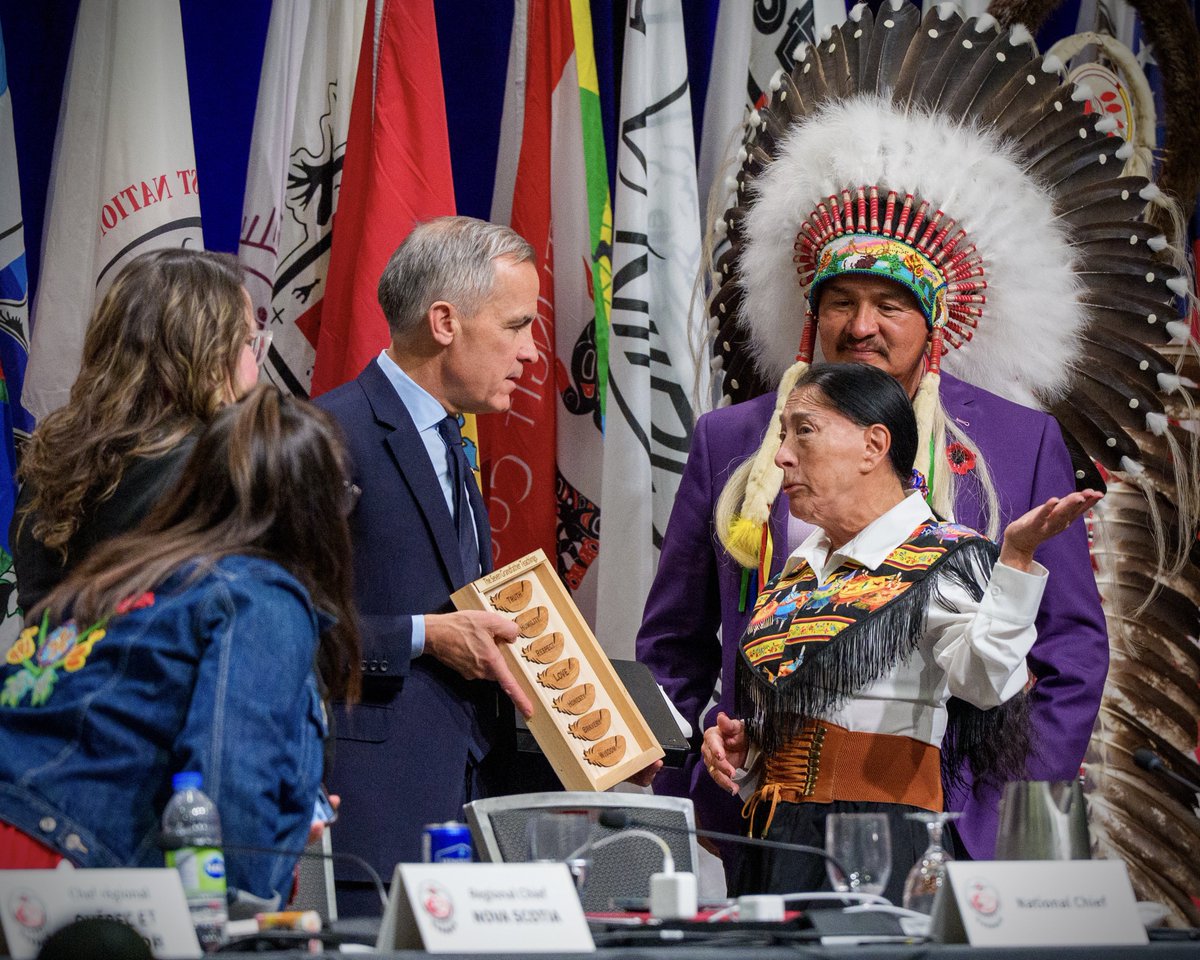
Indigenous Peoples have been stewards of the lands and waters in Canada since time immemorial. Today, they are helping to shape Canada’s future. This National Indigenous History Month, we honour the histories, cultures, languages, and enduring contributions of First Nations, Inuit, and Métis across Canada. Together, we can lay a stronger foundation on which to build a better future for all.
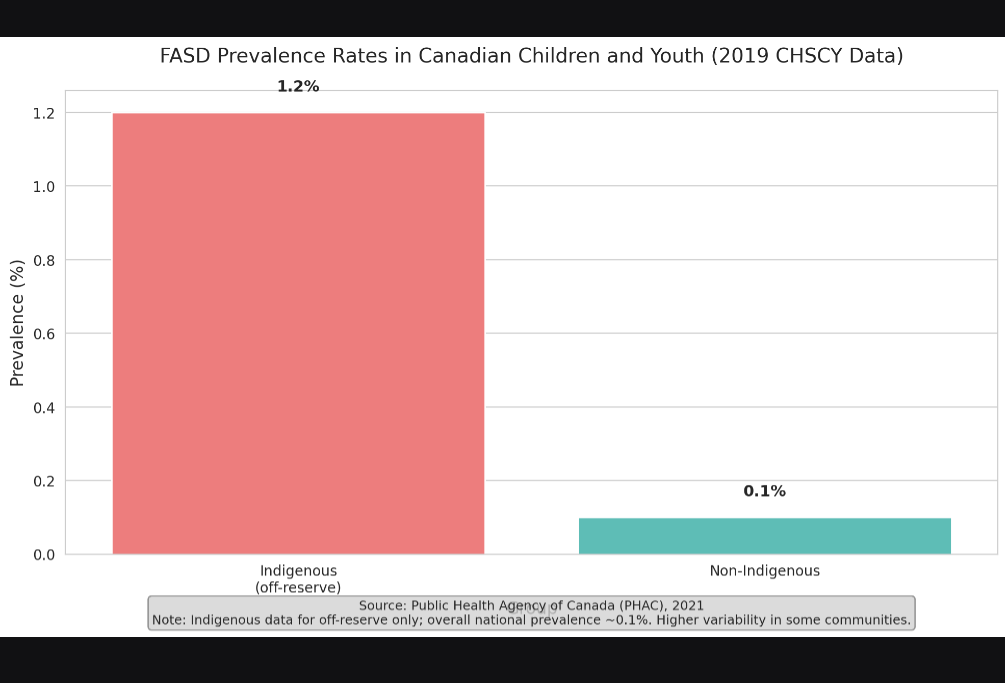
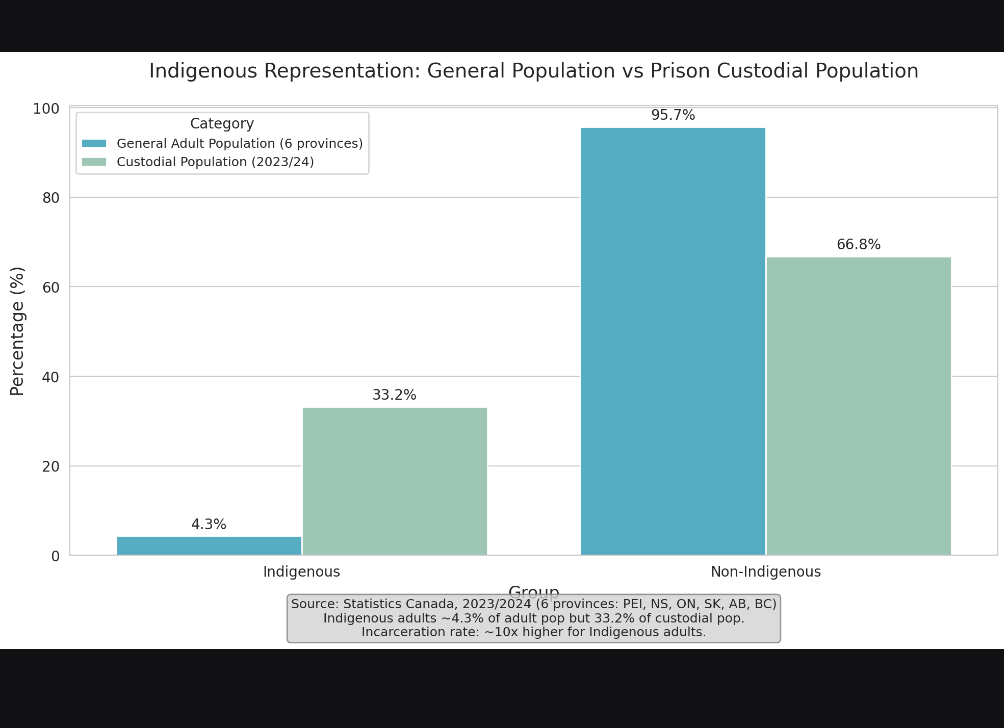
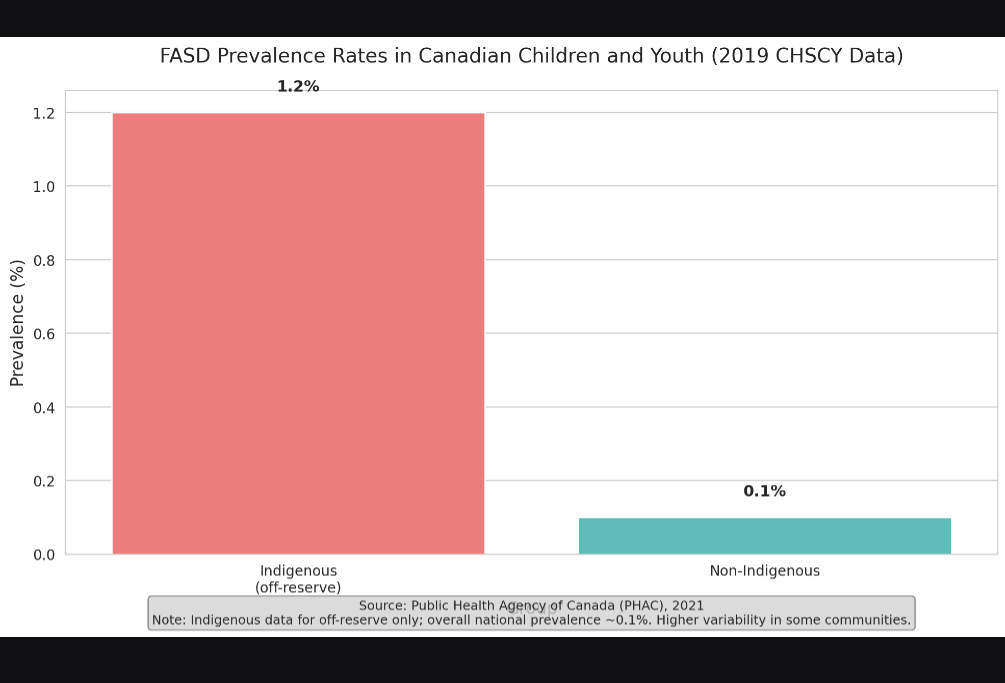
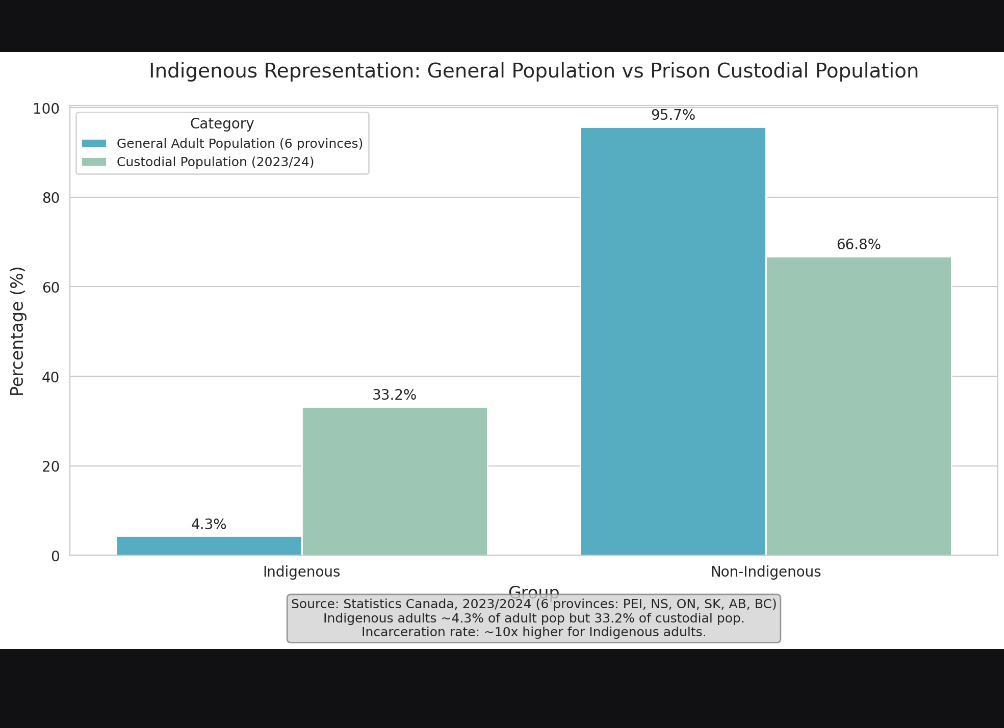
The wandering generalities of central casting Carney and his gang of WHO-ligans. They refuse to address the behavioral issues with indigenous and confront bad behaviors that have led to aboriginals suffering from huge FASD rates that now causes them to flood our jails.
My response to Warren Kinsella’s latest propaganda.



As @ikwilson SHOULD know, the question is not whether Alberta has the administrative capacity to take on more functions than it currently performs, because it obviously does. Alberta has a functioning legislature, courts, ministries, municipalities, public agencies, industry expertise, a large tax base, and enough professional, legal, financial, and technical capacity to govern many areas now handled federally. The problem is that describing independence as Alberta “taking responsibility” for a few services Ottawa currently provides makes the issue sound much cleaner than it is. Border services, passports, immigration, tax collection, national parks, monetary policy, and defence are not just service-delivery files that can be moved from one level of government to another. They are functions of sovereignty, and sovereignty is not created by assigning new responsibilities to existing provincial departments. Alberta independence would require a negotiated constitutional separation from Canada, and that negotiation would have to deal with citizenship, borders, currency, debt, assets, federal lands, national parks, pensions, trade access, Indigenous treaty rights, federal obligations, defence, international recognition, and the terms on which Canada and other countries would recognize and deal with the new state. None of that proves independence is impossible, but it does mean it is misleading to present the problem as though Alberta only needs to identify the federal services it wants to assume and then keep the money that currently goes to Ottawa. The $23 billion claim has the same problem. Alberta is often a large net contributor to federal finances, and that is a legitimate grievance, but Alberta does not send $23 billion to Ottawa “through equalization.” Equalization is paid from federal general revenues. Albertans pay federal taxes, as Canadians, and Ottawa spends money across the country through transfers, benefits, payroll, procurement, pensions, infrastructure, Indigenous programs, and national services. If the argument is about Alberta’s net federal fiscal balance, then say that, because it is stronger and more accurate than using equalization as shorthand for everything Albertans resent about Ottawa. Even then, a net federal fiscal contribution is not the same thing as a clean independence dividend. If Alberta stopped sending certain revenues to Ottawa, federal spending in Alberta would also change, and Alberta would have to replace federal functions, negotiate liabilities and assets, build or duplicate institutions, and absorb whatever transition costs and market uncertainty came with separation. Some people may still think that tradeoff is worth it, but it has to be argued honestly. Monetary policy shows why this matters. If an independent Alberta used the Canadian dollar, it would not control monetary policy. If it created its own currency, it would need a central bank, reserves, banking supervision, deposit insurance, payment systems, and credibility with citizens, lenders, businesses, and investors. If it tried to negotiate a currency arrangement with Canada, Canada would have its own interests and conditions. None of those options is impossible, but none is just a matter of Alberta being competent enough to take over the file. Borders are similar. Alberta currently has an international border with the United States. An independent Alberta would also have a border with Canada, and the consequences would depend on negotiated arrangements for goods, people, energy, livestock, rail, trucking, pipelines, ports, labour mobility, customs, immigration, and security. Alberta would not get to declare independence from Canada while simply assuming continued access to Canadian markets, infrastructure, institutions, and citizenship arrangements on whatever terms Alberta prefers. /1
Very well put, @menard_ray. None of these enormous complexities have been seriously addressed, or even acknowledged, by the separatists, 141 days before a referendum that could plunge us into years of political, legal and social turmoil.
‘It’s an emergency’: Poilievre calls for emergency debate on state of the economy ctvnews.ca/ottawa/article…

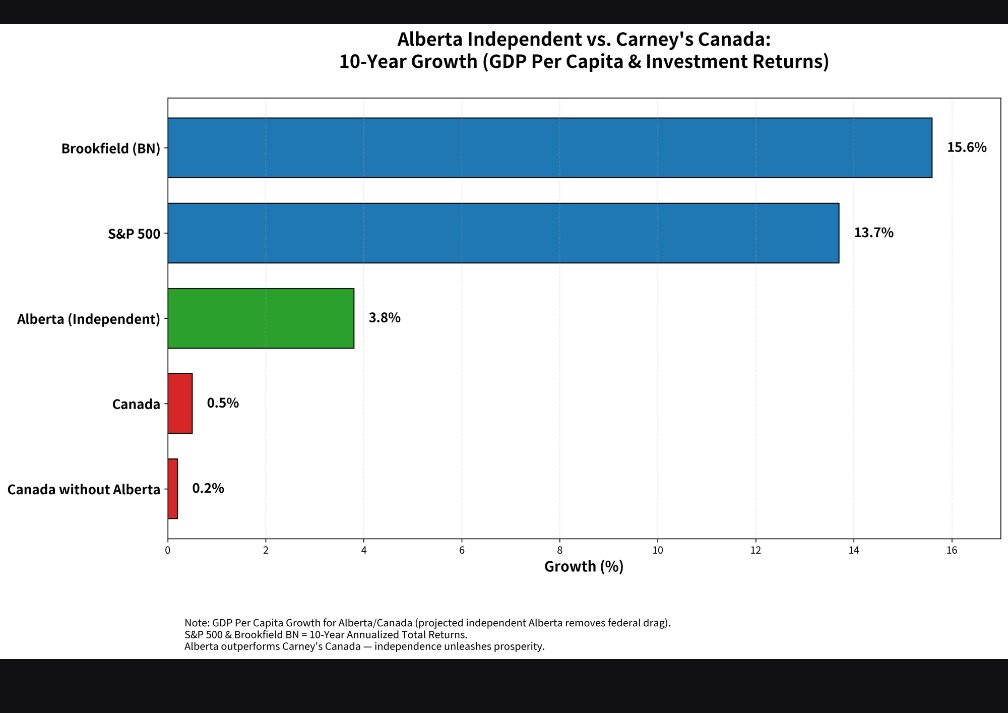
Poilievre reflects on the negative impact Alberta leaving Confederation would have on both the province and the country. Carney needs to "take responsibility" he says, adding the PM must "explain how he's going to make Albertans, Quebecers and all Canadians fully united."



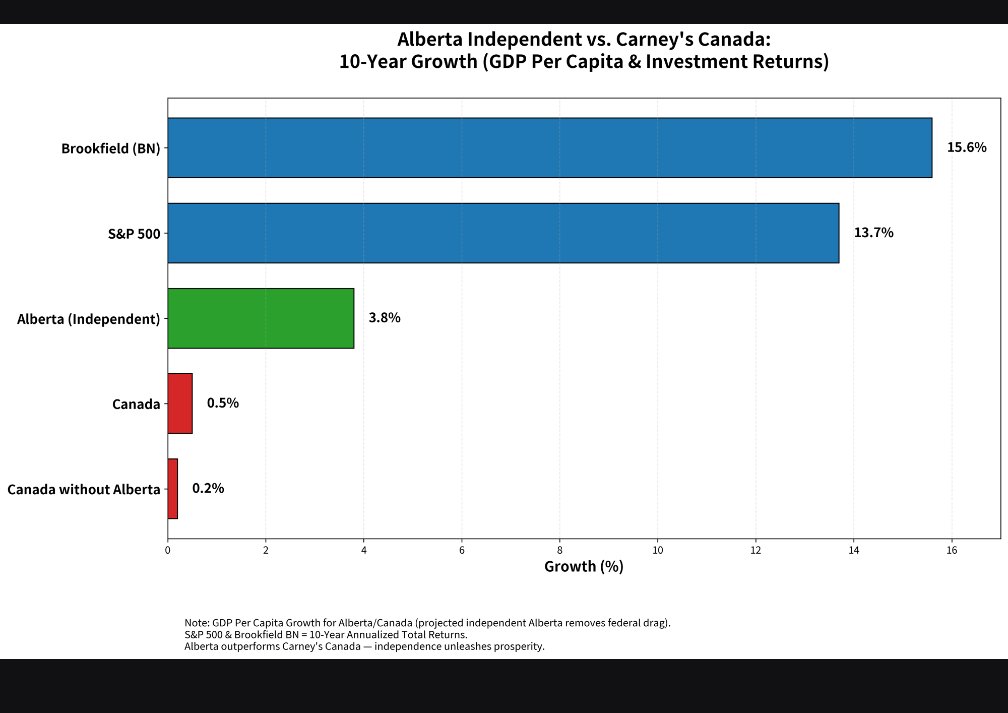
Poilievre blasts Carney for plunging Canada into a recession despite other peer countries faring much better. "Why is it that only Canada, after a year of Mark Carney, is in a recession today?"