
Stéphanie Fuchs 富彩蝶

704 posts

Stéphanie Fuchs 富彩蝶 banner
Stéphanie Fuchs 富彩蝶

Stéphanie Fuchs 富彩蝶

@StephdaSteph

Your (Crypto) Tax Advisor of a new era

Zurich เข้าร่วม Ekim 2011
1.8K กำลังติดตาม745 ผู้ติดตาม
Stéphanie Fuchs 富彩蝶
AI is not a prompt competition Artificial intelligence is currently being tested and explored from many different angles, and many of us are still trying to find a meaningful way of approaching it. One dimension that currently receives a great deal of attention is prompting. That is hardly surprising. Prompting is practical and visible. It is also a natural starting point when working with large language models. Learning how to formulate precise prompts can unlock remarkable capabilities. But this search for the "right" combination and order of words is only the beginning. The deeper shift introduced by AI lies in how these systems begin to interact with human thinking, learning, mirroring our writing behaviour and in the end also judgment. In this context, I recently came across an open-access study published in the February 25 issue of Nature. Researchers from the @MIT Massachusetts Institute of Technology describe new insights into how learning occurs in the brain. Instead of receiving broad and uniform feedback signals, individual neurons appear to receive highly specific teaching signals that guide their adjustment. Learning therefore does not occur through a single correct answer. It emerges through precise feedback, repeated adjustment and continuous refinement. This perspective feels strikingly relevant when thinking about AI. Many demonstrations still focus primarily on output. A question is asked, a response is generated and the result is evaluated. Yet this captures only a small part of what is actually happening. In many knowledge-based professions, the essential work does not lie in producing text. It lies in structuring complex situations, identifying relevant information, weighing uncertainty and forming judgment. This becomes particularly visible in fields such as law and taxation, where careful reasoning, iterative analysis and the evaluation of competing interpretations remain central. In such environments, the value of AI does not lie primarily in generating answers. Its deeper value may lie in its capacity to accompany complex thinking processes and to sharpen our understanding by exposing assumptions and alternative interpretations. In that sense, these systems become less machines that produce answers and more systems that interact with human cognition. Which leads to a simple thought. AI is not a prompt competition. The real transformation will not be determined by who writes the most impressive prompt. It will be determined by how we learn to think and exercise judgment in partnership with these systems and get a deeper understanding of our own neurological behaviour. I am curious: How do you approach this shift? Stéphanie Fuchs Consulting - Keeping you in the driver's seat with your taxes in the age of AI 🏎️ Source: Francioni et al., Vectorized instructive signals in cortical dendrites, Nature (2026): nature.com/articles/s4158… #ArtificialIntelligence #AI #Learning #Cognition #FutureOfWork #Tax #Law

Stéphanie Fuchs 富彩蝶 tweet media
English
0
0
0
13
Stéphanie Fuchs 富彩蝶 รีทวีตแล้ว
Crypto Valley
Crypto Valley@thecryptovalley·
🤖 Join @theCryptoValley and @zuehlke_group for a deep dive into Agentic AI, autonomous AI agents on blockchain driving the next wave of digital transactions! Hear from top experts on legal, technical, tax, and business perspectives: Sebastian Hepp, Partner – Zürche Rechtsanwälte AG Tomas Chudy, Product Manager – @Google @StephdaSteph, Tax Consultant Nicola Plain, Principal Business Consultant – @zuehlke_group Dennis Flad, Partner & Moderator – t'charta / @thecryptovalley 🗓️ April 8📍Zurich 🔗 Register here: luma.com/BlockchainxAIA… AI on blockchain is here, don’t miss your chance to explore its opportunities and risks!
Crypto Valley tweet media
English
2
1
5
257
Stéphanie Fuchs 富彩蝶
Stéphanie Fuchs 富彩蝶@StephdaSteph·
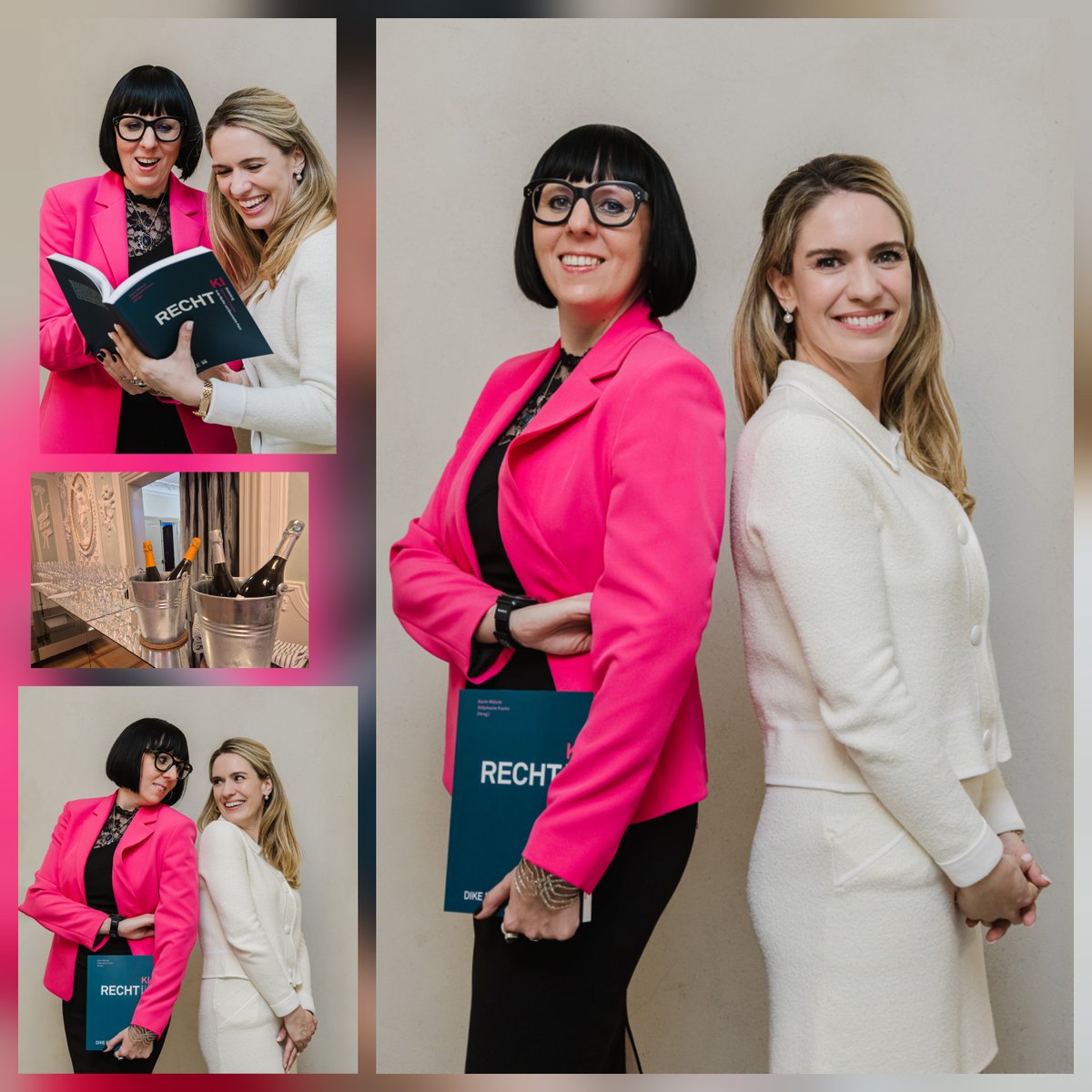
✨ One month ago, we celebrated the launch of Recht^KI At the Salle à raretés at LES BULLES, my co-editor Karin Mülchi and I had the great pleasure of sharing this special moment with our dear authors, colleagues and friends. It was an evening full of inspiring conversations around a question that is becoming increasingly relevant for the legal and tax professions. In honour of this very special moment and of our wonderful authors, I am very happy to also share a short video that says more than all the words in the world. And after last weekend’s vote on individual taxation, many of the questions behind this project feel even more relevant. Because structural tax reform does not end with a vote. This is where everything starts. Then it moves into implementation. Questions of attribution, data structures, division of assets, liabilities, earnings and costs and administrative processes suddenly become central. And this is precisely where digitalisation and the careful use of AI start to play an important role. Our book project Recht^KI – Anwendung künstlicher Intelligenz in der Rechts- und Steuerrechts-Praxis grew out of these very practical questions. Once more, a heartfelt thank you to: 📓 @DIKEVERLAG and especially Urs Watter and Rahel Gutmann for supporting this project 📸 to Roby F. Dos Santos and MIZURI for capturing all the special moments so professionally 🙏 to all our supports who believed in us throughout this journey ✨ and above all to our fabulous authours, whose expertise and true commitment made it possible to bring this project to life within just half a year. You are our stars! Curious and just as excited about the topic as we are? You can buy Recht^KI wherever books are sold or directly via the following link: dike.ch/mulchi-fuchs-r… Stéphanie Fuchs Consulting – Keeping you in the driver’s seat with your taxes 🏎️ #RechtKI #BookLaunch #ArtificialIntelligence #LawAndTax #LegalTech #TaxTech #DIKEVerlag
English
0
0
2
19
Stéphanie Fuchs 富彩蝶
Stéphanie Fuchs 富彩蝶@StephdaSteph·
𝐓𝐡𝐞 𝐛𝐞𝐠𝐢𝐧𝐧𝐢𝐧𝐠 𝐨𝐟 𝐚 𝐧𝐞𝐰 𝐞𝐫𝐚 This International Women's Day carries a very special significance in Switzerland. Today, Swiss voters accepted the introduction of individual taxation. And I was reminded of a quote I once read by our wonderful Swiss actress Stephanie Glaser (1920–2011), which feels especially fitting in this moment. “Das Glück liegt oft dort, wo man sich ein wenig anstrengen muss, wo man warten können und an sich arbeiten muss.” “Happiness often lies where we need to make an effort, where we must be able to wait and work on ourselves.” Some developments take time, especially when it comes to such groundbreaking changes as individual taxation. Legal systems evolve slowly because they reflect more than technical rules. They mirror social expectations, economic realities and the way a society understands partnership, responsibility and the individual. Yet structural change rarely happens overnight. This is why today matters so much. Deep structural change always requires courage. Because every such change asks a society whether its legal framework still reflects the world in which people actually live. Changes of this depth do not only affect tax rates, deductions, tax invoices or filing mechanics. They affect the underlying architecture of the system. With the acceptance of individual taxation, Switzerland has now decided to move towards a different understanding: one that places greater weight on the individual as the bearer of taxable capacity. This does not mean that every detail is already resolved. And it does not mean that every practical consequence will be simple. It means something deeper. It means that Switzerland has acknowledged that a tax system must eventually respond when economic reality changes. Dual-income households, independent professional paths and more diverse life models have long become part of that reality. It is a question of how economic capacity is defined in a modern society. And it is a deeper conversation about whether our tax system reflects the economic independence and diversity of life models that characterise today’s reality. What a society builds into its tax system, it also carries into the world. 𝐀 𝐭𝐚𝐱 𝐬𝐲𝐬𝐭𝐞𝐦 𝐢𝐬, 𝐢𝐧 𝐦𝐚𝐧𝐲 𝐰𝐚𝐲𝐬, 𝐚 𝐫𝐞𝐟𝐥𝐞𝐜𝐭𝐢𝐨𝐧 𝐨𝐟 𝐭𝐡𝐚𝐭 𝐬𝐨𝐜𝐢𝐞𝐭𝐲, 𝐢𝐭𝐬 𝐜𝐨𝐫𝐞 𝐯𝐚𝐥𝐮𝐞𝐬 𝐚𝐧𝐝 𝐢𝐭𝐬 𝐮𝐧𝐝𝐞𝐫𝐥𝐲𝐢𝐧𝐠 𝐛𝐞𝐥𝐢𝐞𝐟 𝐬𝐲𝐬𝐭𝐞𝐦𝐬. A sincere thank you also goes to those who have invested so much valuable work and persistence in this debate, above all Andrea Opel, Regine Sauter, Susanne Vincenz-Stauffacher and Kathrin Bertschy. Now the focus shifts from political debate to practical implementation. And this is exactly why we are here for you now: to help you understand it, navigate it and put it into practice. Stéphanie Fuchs Consulting – Keeping you in the driver’s seat with your taxes 🏎️ #individualtaxation #swisstax #taxpolicy #taxlaw #internationalwomensday #taxsystem
English
0
0
2
35
Stéphanie Fuchs 富彩蝶
Stéphanie Fuchs 富彩蝶@StephdaSteph·
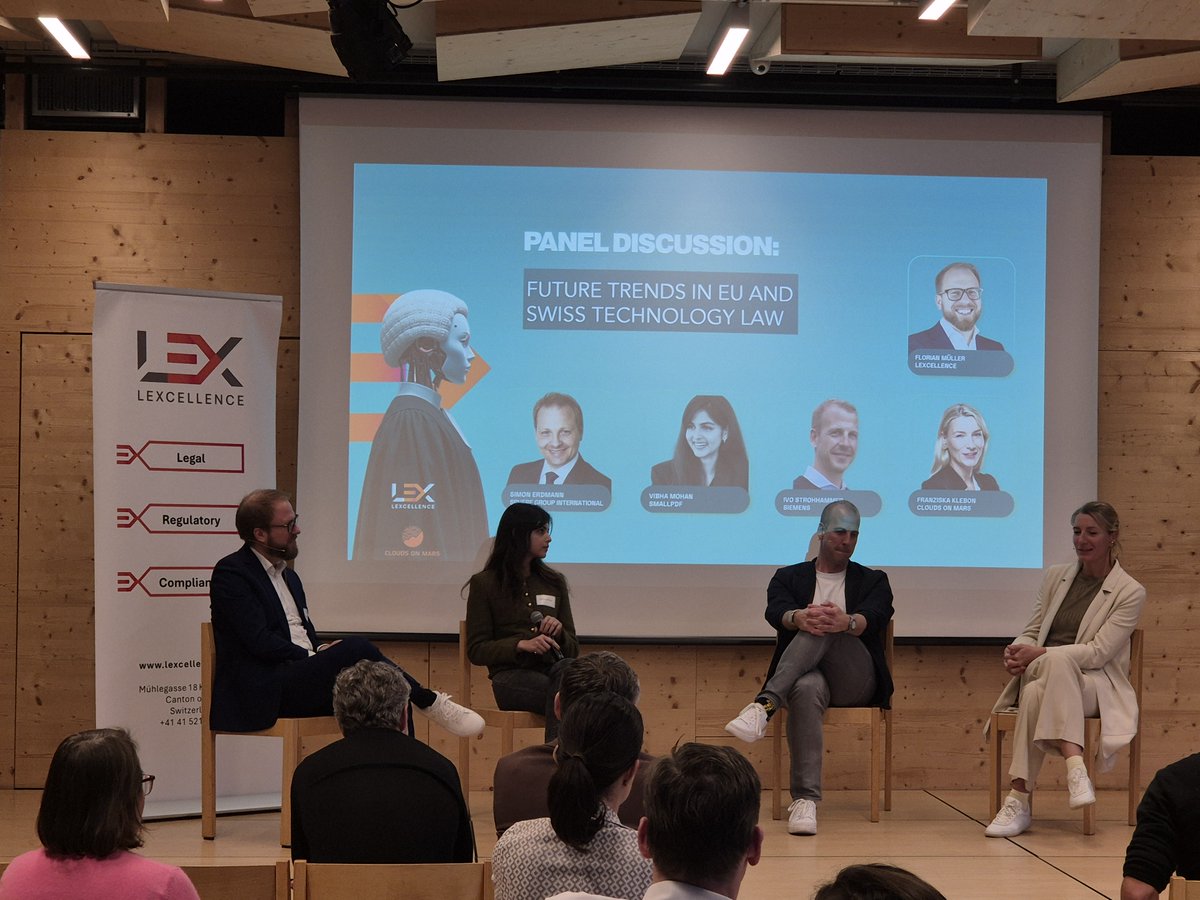
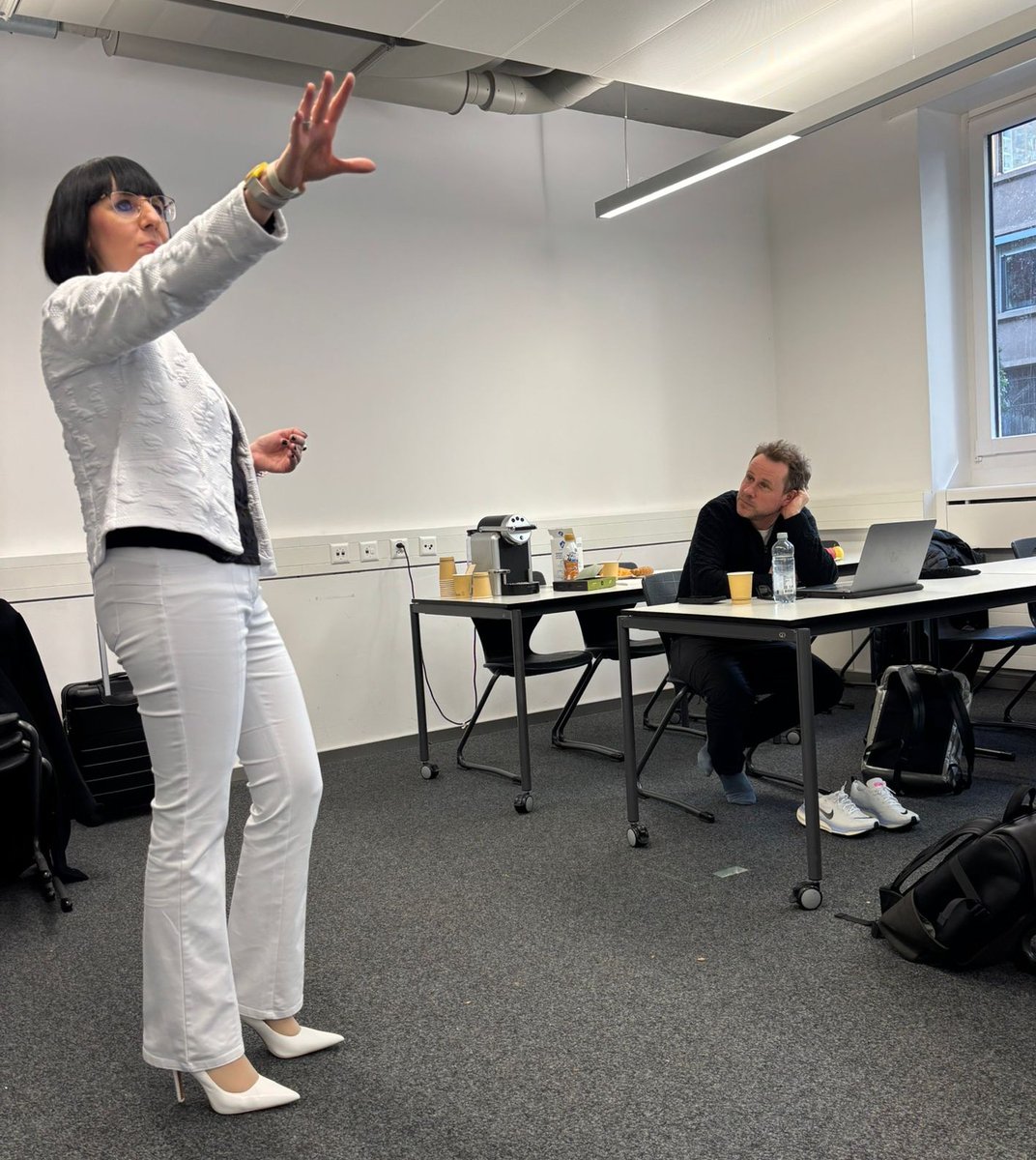
Ever heard of tax risk insurance? Now you have. People often say: fail fast and fail smart. But when it comes to taxes, there is no reason to fail at all. And that is exactly why it is so important to talk about taxes in the digital era. Yesterday in Zürich I had the pleasure of speaking at Shaping the future: legal, tax and regulatory insights in new technologies, celebrating 8 years of LEXCELLENCE AG, together with Clouds On Mars. As part of the event I spoke about a topic that is still highly underused: tax risk insurance. Tax risk insurance can be a practical tool in situations involving identified tax uncertainties, for example in 🔸 M&A transactions 🔸 restructurings 🔸 valuation questions 🔸 other complex tax positions Under certain conditions it allows the financial exposure connected with a challenged tax position to be transferred to the insurance market. We also explored two fascinating questions at the intersection of technology and taxation: 🔸 The robot tax debate 🔸 Through the VAT lens: Data has a value, but which one? Technology evolves rapidly. Legal and tax frameworks need time to follow. Which makes discussions like these not only fascinating, but necessary. #LegalTech #Tax #AI #FinTech #VAT #Crypto #Tokenisation #EURegulation #Zurich
Stéphanie Fuchs 富彩蝶 tweet mediaStéphanie Fuchs 富彩蝶 tweet mediaStéphanie Fuchs 富彩蝶 tweet media
English
0
0
2
38
Stéphanie Fuchs 富彩蝶
Stéphanie Fuchs 富彩蝶@StephdaSteph·
My first unboxing. The copies of Recht^KI have arrived. And even after the launch event, it still feels a little surreal: together with my dear colleague Karin Mülchi, we have published our first book with @DIKEVERLAG Let us be honest: the “sexiness” of opening a cardboard box still needs some work if one wants to compete with the big stars. And yes, even the phone fell over out of pure joy. The excitement simply took over. Recht^KI – Anwendung künstlicher Intelligenz in der Rechts- und Steuerrechts-Praxis. This book grew out of concrete questions from everyday legal and tax practice. To do justice to the topic, we brought together authors from a wide range of professional fields, each contributing distinct perspectives and areas of expertise. It reflects the questions that truly matter when artificial intelligence meets professional responsibility: 💎 what needs to be reviewed and verified 💎 how AI is already being implemented by tax authorities and where this may lead 💎 which risks require a structured assessment 💎 which applications are viable in practice 💎 and how artificial intelligence can be integrated in a way that strengthens professional quality Our goal was to create a book that offers orientation without sacrificing depth. A book that supports practical classification and shows how the opportunities of artificial intelligence can be used without compromising professional diligence. If you are working with artificial intelligence in legal or tax practice and are looking for a structured, practice-oriented perspective, I would be pleased if Recht^KI accompanies you in your professional work. You can purchase it wherever books are sold, or directly here: dike.ch/mulchi-fuchs-r… Stéphanie Fuchs Consulting – Keeping you in the driver’s seat with your taxes 🏎️ #RechtKI #KünstlicheIntelligenz #LegalTech #TaxTech #Steuerrecht #Rechtswissenschaft #Compliance #Governance #DIKEVerlag #Innovation
English
0
0
2
20
Stéphanie Fuchs 富彩蝶
Stéphanie Fuchs 富彩蝶@StephdaSteph·
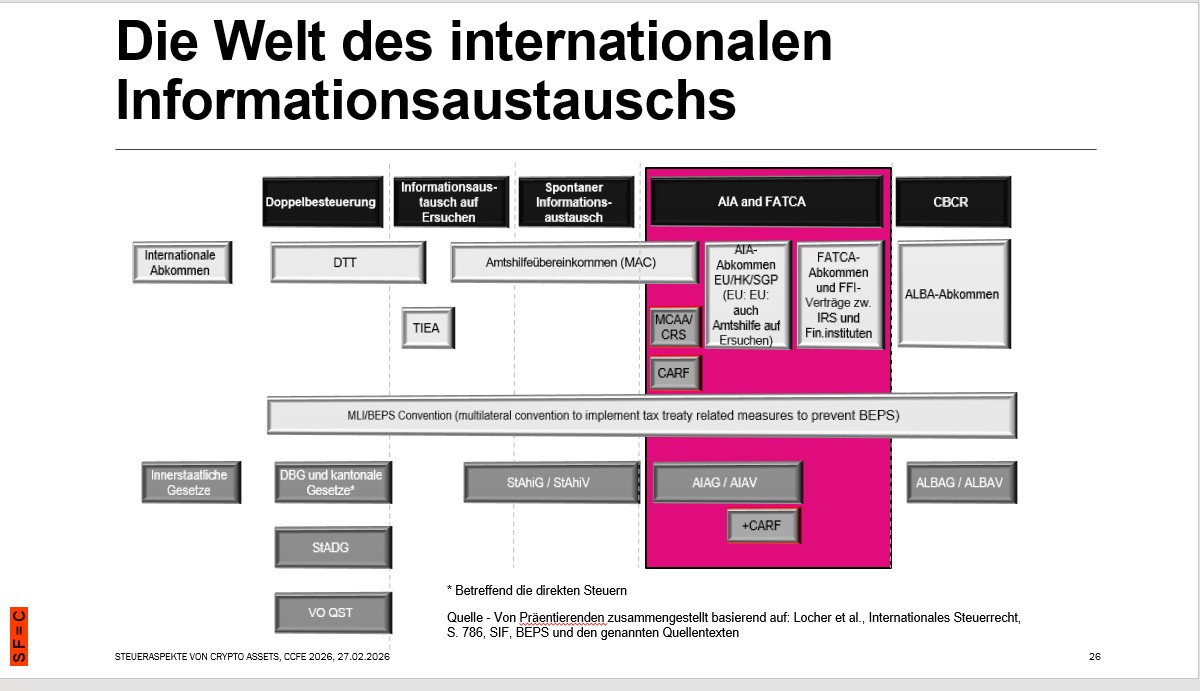
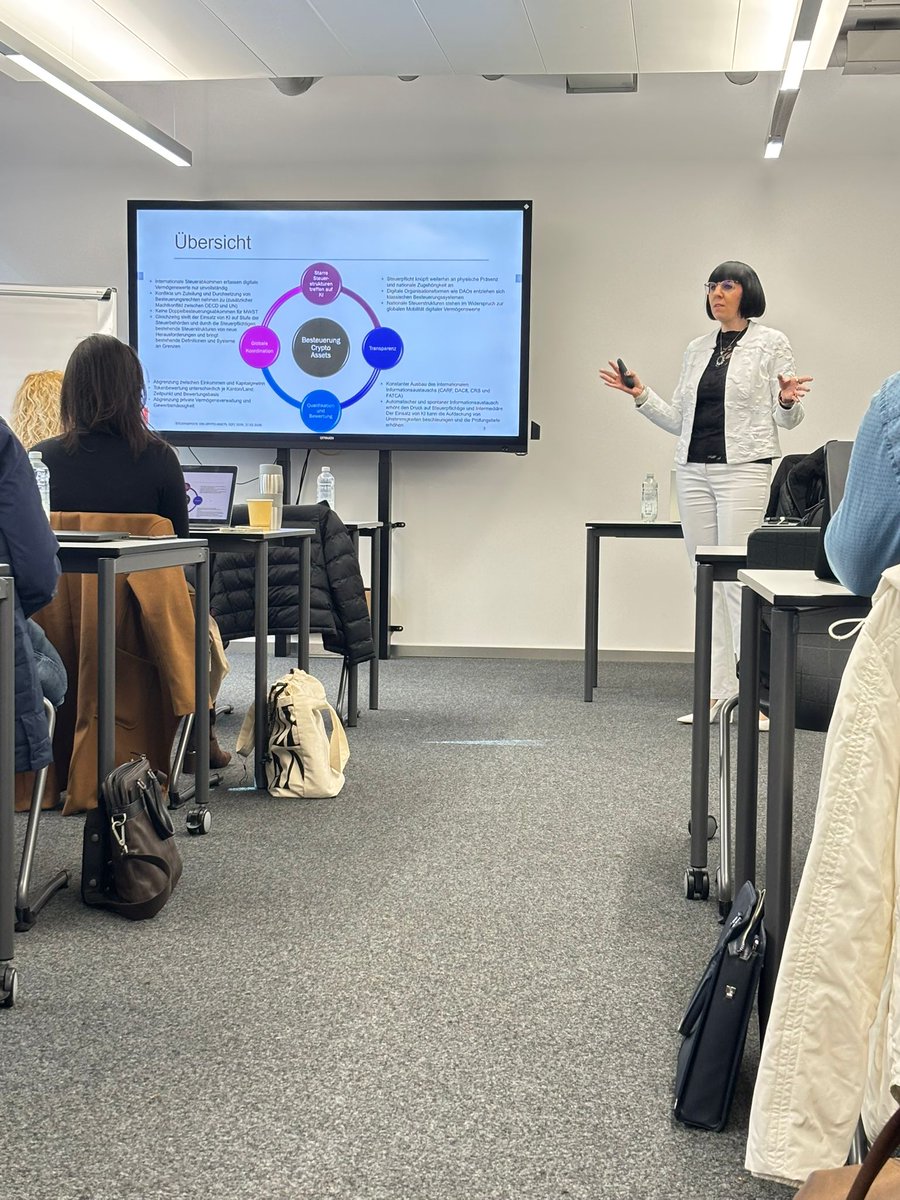
🔥 CCFE – Certified-Crypto-Finance-Expert-Lehrgang. Wie immer ein Highlight, über die Besteuerung von Kryptovermögenswerten zu sprechen – und heute ganz besonders mit einem Fachkollegen im Publikum. Für private Investoren im Fokus: 🔹 Token-Qualifizierung 🔹 Steuerfreier Kapitalgewinn vs. steuerbare Erträge bei Staking und Mining 🔹 Wertschriftenhändler oder doch Absicherung? 🔹 Hard-Forks wie Bitcoin-Cash als Vermögensumschichtung Aus Unternehmensperspektive: 🔸 Bewertung und Bilanzierung 🔸 Strukturen mit Vereinen, Stiftungen und DAOs 🔸 Mehrwertsteuer, FINMA-Qualifikation und Vorsteuer-Kürzung Und als persönliches Amuse-esprit zum Abschluss des Hard-Blocks: KI in der Steuerpraxis und ein kurzes Update zum Stand bei den Steuerbehörden in der Schweiz. ❤️ Der CCFE-Lehrgang ist ein echtes Herzensprojekt. Danke an Nadia Licci und Rino Borini – und an alle Teilnehmenden für die starken Diskussionen. Stéphanie Fuchs Consulting – Keeping you in the driver’s seat with your taxes 🏎️ #CCFE #CryptoTax #SwissTax #CryptoAssets #Mehrwertsteuer #CARF #CryptoScams
Stéphanie Fuchs 富彩蝶 tweet mediaStéphanie Fuchs 富彩蝶 tweet mediaStéphanie Fuchs 富彩蝶 tweet media
Deutsch
0
0
2
16
Tokyo
Tokyo@otokyo__·
I need a old fashion girls name that will fit her! Hmm 😒 🤔?¿
Tokyo tweet media
English
3.3K
177
2.4K
124.2K
Stéphanie Fuchs 富彩蝶
Stéphanie Fuchs 富彩蝶@StephdaSteph·
I am excited to share that I will be speaking at the conference: 𝐒𝐡𝐚𝐩𝐢𝐧𝐠 𝐭𝐡𝐞 𝐟𝐮𝐭𝐮𝐫𝐞: 𝐥𝐞𝐠𝐚𝐥, 𝐭𝐚𝐱 𝐚𝐧𝐝 𝐫𝐞𝐠𝐮𝐥𝐚𝐭𝐨𝐫𝐲 𝐢𝐧𝐬𝐢𝐠𝐡𝐭𝐬 𝐢𝐧 𝐧𝐞𝐰 𝐭𝐞𝐜𝐡𝐧𝐨𝐥𝐨𝐠𝐢𝐞𝐬 Some topics do not allow for a “later”. They need our attention now. Together with LEXCELLENCE AG – Legal Services and Clouds On Mars, we go straight to the core of what is currently reshaping business and compliance: 🤖 Artificial intelligence 🪙 Crypto and tokenisation 🔒 Cybersecurity 💳 FinTech Plus: the latest EU and Swiss regulatory and tax updates. From a tax perspective, there is a lot to discuss, including: 🔹 Tokenisation of assets and their tax treatment, with a special focus on international VAT 🔹 RoboTax: what is new, what is realistic, and what is turning into policy discussions faster than many expect 🔹 AI use in taxation: how tax authorities apply it, how advisors and tax payers can use it responsibly, and where the risk lines are 🔹 Hot topics for FinTechs: tax structuring of financing rounds and technology-driven business models, including the bond trap with convertible loans, and typical VAT questions from exemptions to input tax recovery If you want substance, practical angles, and frank discussions with people who work on these questions every day, this is the room to be in. 𝐖𝐡𝐞𝐧 𝐚𝐧𝐝 𝐰𝐡𝐞𝐫𝐞: 💠 Date: 5 March 2026 💠 Time: 13:15 to 21:00 💠 Location: Kulturpark, Pfingstweidstrasse 16, 8005 Zürich 💠 Registration: Legal, Tax & Regulatory Insights in New Technologies in Zürich | Wissenschaft und Technik I am looking forward to in-depth and concrete discussions with: Vibha Mohan, Franziska-J. Klebôn, Estera Kot, PhD, Ivo Strohhammer, Dr. Katharina - Kasia Lasota Heller, Florian Müller and Sybille Rohner Be part of the discussion before others define the rules for you. #LegalTech #Tax #RegTech #ArtificialIntelligence #AI #Crypto #Tokenisation #FinTech #CyberSecurity #VAT #Switzerland #EURegulation #Zürich #LEXcellence #CloudsOnMars
Stéphanie Fuchs 富彩蝶 tweet media
English
0
0
2
13
Stéphanie Fuchs 富彩蝶
Stéphanie Fuchs 富彩蝶@StephdaSteph·
🔥 Strength is built in the moments nobody applauds I am beyond thrilled: Episode One of my podcast "The Real Deal – Inside Entrepreneurship" is live. And I have the great pleasure of opening this podcast together with Dr. Karin Lorez – Senior Legal Advisor, CEO and Co-Founder of Scale Compliance, entrepreneur and builder of multiple ventures. In this conversation, we explore a reality many founders experience but rarely articulate: There is a difference between being on your own and being alone. Building means taking responsibility when decisions are yours to make. It means carrying a vision before it becomes visible to others. It means accepting that not everyone will understand it, support it or follow it. We speak about female entrepreneurship. About the different vocabulary applied to women and men. About the necessity of developing thick skin. And about building, growing, following your dreams and believing in yourself anyway. We also speak about protection: reputation, credibility and people. We speak about choosing long-term credibility over short-term revenue. That decision requires courage. About showing up day after day, even when it looks uneventful from the outside. 𝐄𝐧𝐭𝐫𝐞𝐩𝐫𝐞𝐧𝐞𝐮𝐫𝐬𝐡𝐢𝐩 𝐭𝐞𝐬𝐭𝐬 𝐰𝐡𝐨 𝐲𝐨𝐮 𝐚𝐫𝐞 𝐛𝐞𝐟𝐨𝐫𝐞 𝐢𝐭 𝐫𝐞𝐰𝐚𝐫𝐝𝐬 𝐰𝐡𝐚𝐭 𝐲𝐨𝐮 𝐛𝐮𝐢𝐥𝐝. This episode is especially important to me. The week I recorded it was personally challenging. I now literally understand what the expression means: hitting rock bottom. It reminded me that strength is built exactly in these situations, when you are on your own, making your own experiences, taking your own decisions and facing harsh realities by yourself. You build strength in the moments nobody applauds. My favourite part of the conversation was when I asked Karin: What would you tell the founder you were at the beginning? The best way is to hear it for yourself. 🌟 Thank you for the amazing conversation, Karin. It is an honour to open this series with you. 🎧 Listen on Spotify: open.spotify.com/episode/6FknOB… 📽️ Watch on YouTube: youtu.be/tE6ikWrRmtI?si… 🎞️ Explore the full platform and future episodes here: stephanie-fuchs.com/Podcast/ Keep your crown on. Build anyway. 👑 #TheRealDeal #InsideEntrepreneurship #FounderJourney #FemaleEntrepreneurship #Credibility #Entrepreneurship #Leadership #BuildingAnyway
YouTube video
YouTube
English
0
0
3
35
Stéphanie Fuchs 富彩蝶
Stéphanie Fuchs 富彩蝶@StephdaSteph·
𝐈𝐧𝐝𝐢𝐯𝐢𝐝𝐮𝐚𝐥 𝐭𝐚𝐱𝐚𝐭𝐢𝐨𝐧 - 𝐈 𝐰𝐢𝐥𝐥 𝐧𝐨𝐭 𝐭𝐞𝐥𝐥 𝐲𝐨𝐮 𝐡𝐨𝐰 𝐭𝐨 𝐯𝐨𝐭𝐞 𝐁𝐮𝐭 𝐈 𝐧𝐞𝐞𝐝 𝐲𝐨𝐮 𝐭𝐨 𝐭𝐡𝐢𝐧𝐤 𝐛𝐞𝐲𝐨𝐧𝐝 𝐲𝐨𝐮𝐫 𝐜𝐮𝐫𝐫𝐞𝐧𝐭 𝐭𝐚𝐱 𝐫𝐞𝐭𝐮𝐫𝐧 On 8 March, Switzerland votes on introducing individual taxation. This debate is bigger than the question: “Does it currently benefit me?” Let me ask you one question: 𝐖𝐡𝐚𝐭 𝐝𝐨 𝐲𝐨𝐮 𝐞𝐱𝐩𝐞𝐜𝐭 𝐟𝐫𝐨𝐦 𝐚 𝐭𝐚𝐱 𝐬𝐲𝐬𝐭𝐞𝐦? This is the key point. We are deciding on a structural choice: the taxable unit in our system. Each and every one of you will decide whether a tax system that no longer reflects our economic realities should persist. That is why I need you to understand the broader implications of the decision you will make in about two weeks. In a series of posts, we will go through the proposed reform together and discuss its structure and its implications. So let us begin with the core facts: 🔹 Every tax system must answer a foundational question: Who bears the economic capacity that is taxed? 🔹 Under the current system, married couples and registered partnerships are treated as one taxable unit. Their income and wealth are aggregated and subject to progressive rates as one combined economic capacity. 🔹 This approach reflects the concept of marriage as an economic community. It emerged in a period in which single income households were the dominant reality. 🔹 Since then, economic realities have changed. Dual income households are common, careers are more independent, and income patterns are more diverse. In a progressive system, aggregation tends to increase progression, resulting in higher tax burdens. This structural effect is commonly known as the “marriage penalty”. 🔹 In 1984, the Federal Supreme Court recognised that a substantial disadvantage for married couples compared to cohabiting couples may raise constitutional concerns. Corrective mechanisms have been introduced over time. Yet they operate within the joint model and address the effects rather than the structure. 🔹 Individual taxation addresses the root cause and redefines the taxable unit. Each spouse would be taxed separately. Progression would apply individually. Income, assets and deductions would be allocated according to civil law relationships. This is why the vote on 8 March matters beyond annual optimisation. 🌟 It is a choice about how we define economic capacity. 🌟 It is a choice about whether our tax system reflects modern economic reality. 🌟 𝐈𝐭 𝐢𝐬 𝐚 𝐜𝐡𝐨𝐢𝐜𝐞 𝐚𝐛𝐨𝐮𝐭 𝐭𝐡𝐞 𝐚𝐫𝐜𝐡𝐢𝐭𝐞𝐜𝐭𝐮𝐫𝐞 𝐨𝐟 𝐨𝐮𝐫 𝐭𝐚𝐱 𝐬𝐲𝐬𝐭𝐞𝐦 𝐟𝐨𝐫 𝐭𝐡𝐞 𝐜𝐨𝐦𝐢𝐧𝐠 𝐝𝐞𝐜𝐚𝐝𝐞𝐬. 𝐈𝐧 𝐭𝐡𝐞 𝐧𝐞𝐱𝐭 𝐩𝐨𝐬𝐭, we will turn to the technical layer: allocation rules, deductions, and planning considerations. Let us reflect on this at a deeper level. Stéphanie Fuchs Consulting - Keeping you in the driver's seat with your taxes 🏎️ #SwissVote #IndividualTaxation #TaxReform #SwissTaxLaw #TaxPolicy #EconomicCapacity
English
0
0
3
34
Stéphanie Fuchs 富彩蝶
Stéphanie Fuchs 富彩蝶@StephdaSteph·
Feeling a bit like Agatha Christie and Dan Brown, I also have thrilling news: Karin Mülchi and I had the honour to present our first book last Thursday: "Recht^KI – Anwendung künstlicher Intelligenz in der Rechts- und Steuerrechts-Praxis" It was fantastic to celebrate this moment with our dear authors, supporters, and friends who stood behind us and this project from the beginning, and to raise a glass to our opus magnum. Curious to know more? If not, you should be. 🔥 More impressions from our launch event and some treasures hidden within the pages of our "Erstlingswerk" will follow soon. So stay tuned! Stéphanie Fuchs Consulting – Keeping you in the driver’s seat with your taxes 🏎️ @SFConsulting01 #RechtKI #BookLaunch #ArtificialIntelligence #LawAndTax #LegalTaxTech
Stéphanie Fuchs 富彩蝶 tweet media
Deutsch
0
1
4
117
Stéphanie Fuchs 富彩蝶 รีทวีตแล้ว
Crypto Valley
Crypto Valley@thecryptovalley·
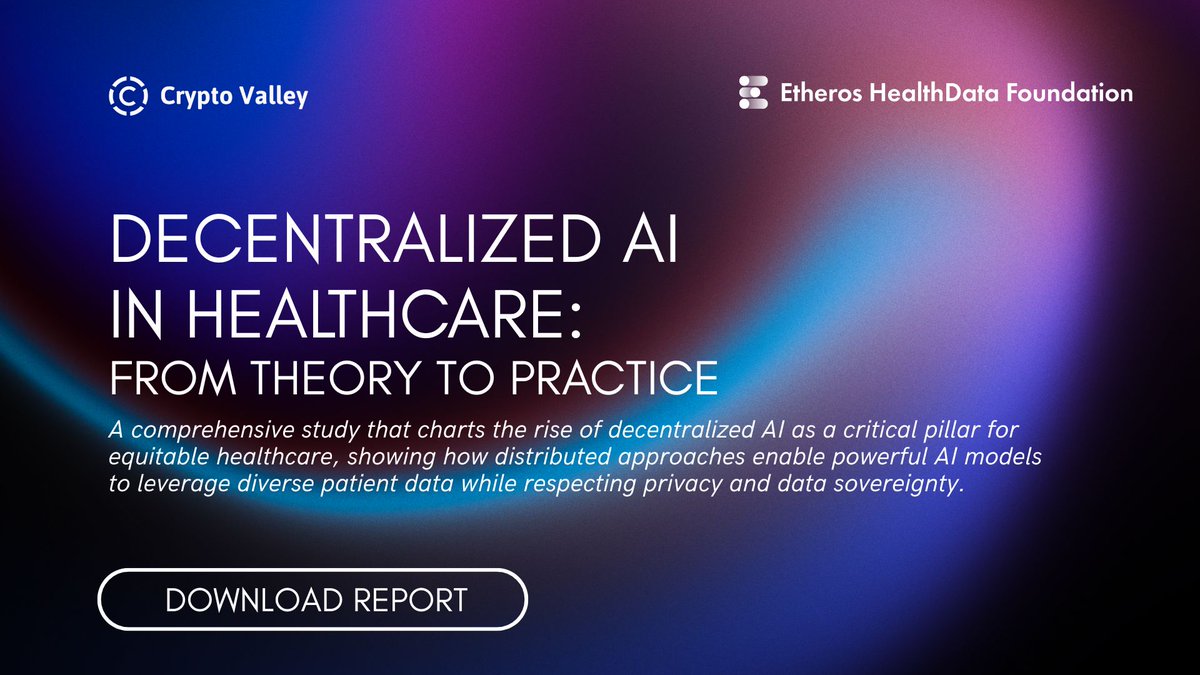
🧬See how DAOs, patient-controlled data wallets, and decentralized AI are transforming healthcare in the latest CVA report, 𝐃𝐞𝐜𝐞𝐧𝐭𝐫𝐚𝐥𝐢𝐳𝐞𝐝 𝐀𝐈 𝐢𝐧 𝐇𝐞𝐚𝐥𝐭𝐡𝐜𝐚𝐫𝐞: 𝐅𝐫𝐨𝐦 𝐓𝐡𝐞𝐨𝐫𝐲 𝐭𝐨 𝐏𝐫𝐚𝐜𝐭𝐢𝐜𝐞. 🔗cognitoforms.com/CryptoValleyAs…
Crypto Valley tweet media
English
0
3
9
222
Stéphanie Fuchs 富彩蝶
Stéphanie Fuchs 富彩蝶@StephdaSteph·
Time to pull out that old Gucci bag The tax documents are starting to arrive. And with them, that familiar reflex: pushing the envelope aside and telling yourself you will deal with it later. Do not. This is the moment to pause. To look at your investments. To look at your finances. To look at your wealth. Because tax season, at its core, is about planning. Not paperwork. Preparation first. Filing comes later. If you need a start, start small: scan the QR code, mark the deadline, set an earlier internal deadline, and build your own ritual for collecting documents. Whatever works for you. Stéphanie Fuchs Consulting – Keeping you in the driver’s seat with your taxes 🏎️ #taxseason #swisstaxes #taxreturn #taxplanning #wealthplanning #investments #financialplanning #cryptotax
English
0
0
2
42
vitalik.eth
vitalik.eth@VitalikButerin·
We need more DAOs - but different and better DAOs. The original drive to build Ethereum was heavily inspired by decentralized autonomous organizations: systems of code and rules that lived on decentralized networks that could manage resources and direct activity, more efficiently and more robustly than traditional governments and corporations could. Since then, the concept of DAOs has migrated to essentially referring to a treasury controlled by token holder voting - a design which "works", hence why it got copied so much, but a design which is inefficient, vulnerable to capture, and fails utterly at the goal of mitigating the weaknesses of human politics. As a result, many have become cynical about DAOs. But we need DAOs. * We need DAOs to create better oracles. Today, decentralized stablecoins, prediction markets, and other basic building blocks of defi are built on oracle designs that we are not satisfied with. If the oracle is token based, whales can manipulate the answer on a subjective issue and it becomes difficult to counteract them. Fundamentally, a token-based oracle cannot have a cost of attack higher than its market cap, which in turn means it cannot secure assets without extracting rent higher than the discount rate. And if the oracle uses human curation, then it's not very decentralized. The problem here is not greed. The problem is that we have bad oracle designs, we need better ones, and bootstrapping them is not just a technical problem but also a social problem. * We need DAOs for onchain dispute resolution, a necessary component of many types of more advanced smart contract use cases (eg. insurance). This is the same type of problem as price oracles, but even more subjective, and so even harder to get right. * We need DAOs to maintain lists. This includes: lists of applications known to be secure or not scams, lists of canonical interfaces, lists of token contract addresses, and much more. * We need DAOs to get projects off the ground quickly. If you have a group of people, who all want something done and are willing to contribute some funds (perhaps in exchange for benefits), then how do you manage this, especially if the task is too short-duration for legal entities to be worth it? * We need DAOs to do long-term project maintenance. If the original team of a project disappears, how can a community keep going, and how can new people coming in get the funding they need? One framework that I use to analyze this is "convex vs concave" from vitalik.eth.limo/general/2020/1… . If the DAO is solving a concave problem, then it is in an environment where, if faced with two possible courses of action, a compromise is better than a coin flip. Hence, you want systems that maximize robustness by averaging (or rather, medianing) in input from many sources, and protect against capture and financial attacks. If the DAO is solving a convex problem, then you want the ability to make decisive choices and follow through on them. In this case, leaders can be good, and the job of the decentralized process should be to keep the leaders in check. For all of this to work, we need to solve two problems: privacy, and decision fatigue. Without privacy, governance becomes a social game (see vitalik.eth.limo/general/2025/0… ). And if people have to make decisions every week, for the first month you see excited participation, but over time willingness to participate, and even to stay informed, declines. I see modern technology as opening the door to a renaissance here. Specifically: * ZK (and in some cases MPC/FHE, though these should be used only when ZK along cannot solve the problem) for privacy * AI to solve decision fatigue * Consensus-finding communication tools (like pol.is, but going further) AI must be used carefully: we must *not* put full-size deepseek (or worse, GPT 5.2) in charge of a DAO and call it a day. Rather, AI must be put in thoughtfully, as something that scales and enhances human intention and judgement, rather than replacing it. This could be done at DAO level (eg. see how deepfunding.org works), or at individual level (user-controlled local LLMs that vote on their behalf). It is important to think about the "DAO stack" as also including the communication layer, hence the need for forums and platforms specially designed for the purpose. A multisig plus well-designed consensus-finding tools can easily beat idealized collusion-resistant quadratic funding plus crypto twitter. But in all cases, we need new designs. Projects that need new oracles and want to build their own should see that as 50% of their job, not 10%. Projects working on new governance designs should build with ZK and AI in mind, and they should treat the communication layer as 50% of their job, not 10%. This is how we can ensure the decentralization and robustness of the Ethereum base layer also applies to the world that gets built on top.
English
818
537
3.3K
381.8K