Thanks A Movie
4.1K posts

@ThanksAMovie
We propagate tasteful films, their readings, reviews, lists, & posts that make you a proud film watcher! Mail at: [email protected]


THE LONG WALK, dir: Francis Lawrence! What do you get when 50 boys line up on a country road, told to walk without stopping, with the promise that only one of them will live to claim a prize of ‘anything you want’? You get ‘The Long Walk’ a story that feels part game, part nightmare, and part mirror held up to human nature. At first, the boys laugh, tease, and try to act brave. The road feels easy, the rules feel simple. But mile after mile, the cracks begin to show. Feet blister, legs shake, and minds start to break. Jokes turn into silence, and silence turns into fear. Fear of slowing down, fear of the soldiers’ rifles, fear of what happens when your body says no but the road still stretches forever. And yet, fear does more than break them. It pushes them forward. Fear keeps them sharp, keeps them moving, keeps them alive. Under this pressure, the film shows us every side of being human the selfish urge to survive, the quiet act of kindness, the stubborn fight to keep dignity, and the wild hope that maybe you will be the one who makes it. ‘The Long Walk’ is about endurance of the character’s heart, showing how people cling to dreams, grudges, and scraps of friendship even when death marches beside them, a reminder that the hardest journey is not just on the road but inside the soul. 🧵:


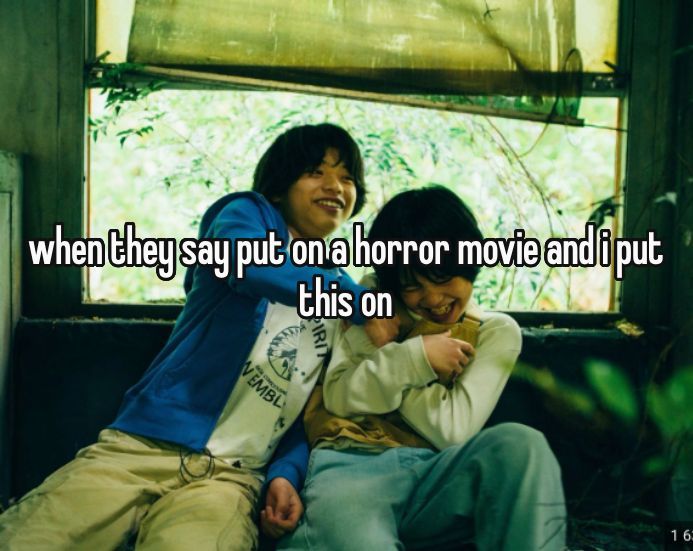
MONSTER, dir: Hirokazu Kore-eda! I'm kinda spoiling the film for you, or maybe not, if you’re opinionated and look at things on a black and white scale, this film tells you, you're colorblind, and sometimes things are grey, you know! So, the film gives us easy answers to it and holds up a lens to the world we’ve built, where misunderstanding grows faster than the compassion, and where the line between victim and villain is never as clear as we want it to be. Details on the film 'Monster', and what it’s really trying to say.. 🧵


SALAAM BOMBAY, dir: Mira Nair! In the wider socio-economic context, this film mirrors the contradictions of India’s urban transformation. The 1980s marked a period of industrial expansion and visible consumerism culture, but for millions of migrants and the poor, it also meant displacement, overcrowding, and invisibility. While the middle class embraced new ideals of modern India, street children like Krishna, (shown in the film) became symbols of those excluded from the nation’s progress. Nair uses their stories to challenge the illusion of development showing how prosperity for some coexisted with deepening poverty for others. Krishna’s journey mirrors the trauma of an entire generation of forgotten children. Each child in the film carries a wound of abandonment, exploitation, or addiction that shapes their behaviour. They are tough, cynical, and prematurely wise, yet beneath that hardness lies the yearning for belonging and love. Through Salaam Bombay!, Mira Nair crafts more than a film she builds a mirror that refuses to look away. It reflects the fragile humanity that persists amid despair, the small acts of love and courage that give meaning to survival. 🧵:

2 MOVIES FROM THE ACADEMY AWARD WINNER DIRECTOR PAOLO SORRENTINO. One explores the twists of destiny and the other quietly captures how time drifts. But again, his two of the movies THE HAND OF GOD (2021) AND PARTHENOPE (2024). One of these gained more audience and people kept talking way more than the other. Same director. Same city. But only one film made people laugh, cry, and people saying, “This one hits different.” Let’s dig in to the Director’s perspective, the similarities and differences in the themes of these two films and why one got praised and while the other doesn’t.

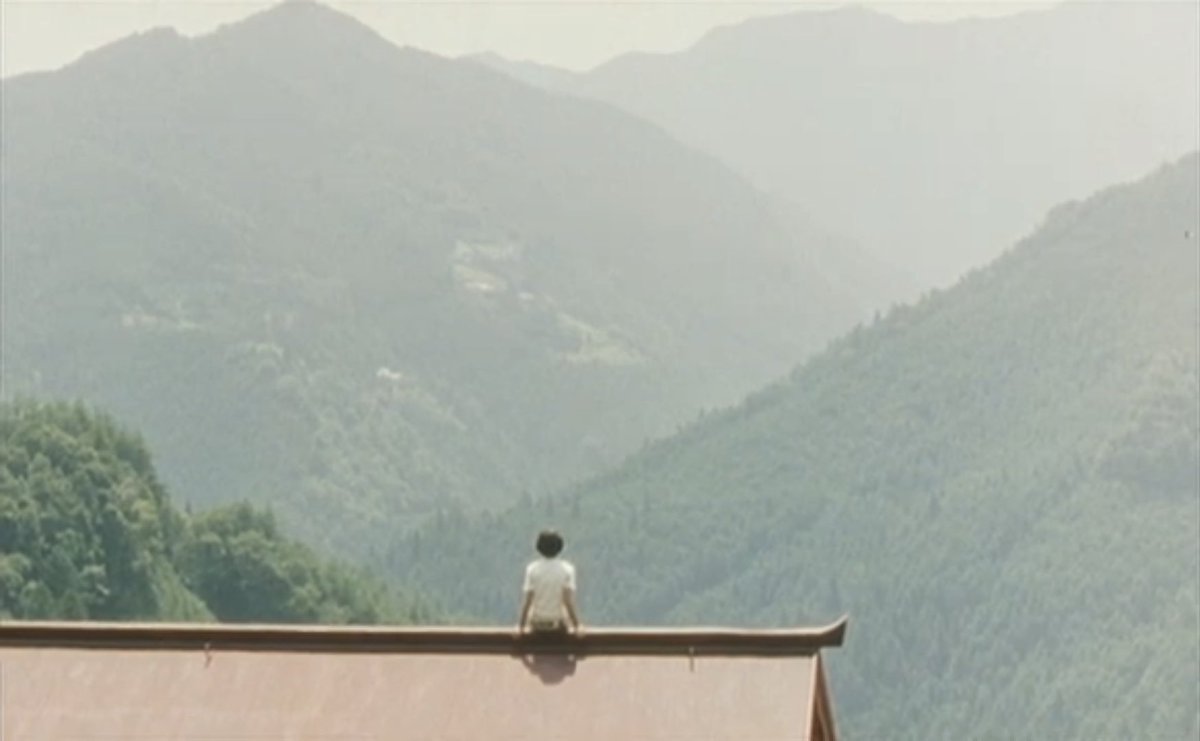
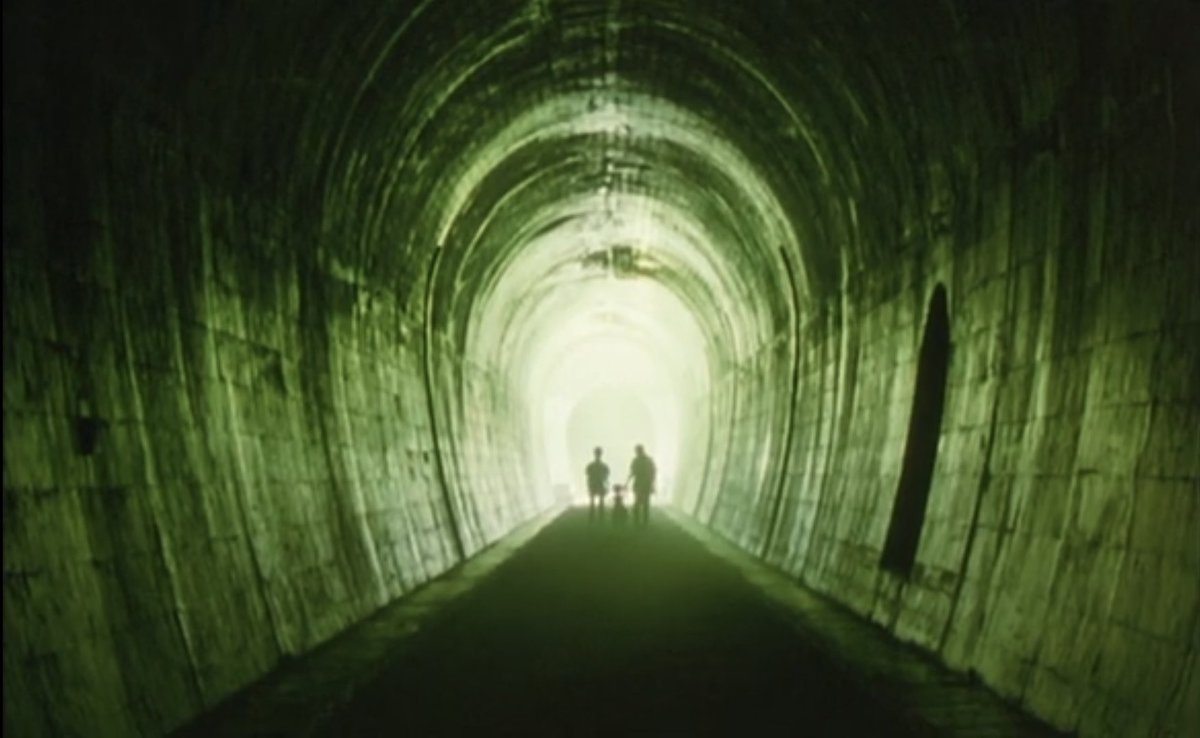
ABSENCE OF DRAMA MAKES SUZAKU (1997) BY NAOMI KAWASE MORE REAL!! Watching Suzaku felt less like “watching a film” and more like quietly sitting inside someone else’s life. It follows a simple family, living in a village, going through both small happy moments & quiet struggles. What I really love about this film and It doesn’t give you a dramatic “BOMB BLAST” moment. It’s more like… a balloon. We keep inflating it slowly, little by little, moment by moment, and only at one point, it bursts. That’s exactly how Suzaku felt, everything unfolded within a kind of emotional suffocation, a slow accumulation of unspoken pressures, quiet failures, and everyday helplessness. I think that’s why it connects so easily to real life. Because most of the time, even in our lives, nothing happens suddenly. It’s always a build-up of small things we don’t even notice. See replies for more detailed readings: