U2Valencia รีทวีตแล้ว

Próximo Sábado 18 de Abril 2026 Fiesta Tributo U2 celebrando el 20 Aniversario de Spyplane! Será en la Sala Rock City de Valencia!
#Spyplane20 #U2 #U2DaysOfAshEP #U2V
Entradas: notikumi.com/2026/4/18/spyp…

Español
U2Valencia
18K posts
@U2Valencia
U2 Spanish Fan Club - Vertigo Radio - U2 en castellano - News / Noticias - Bono - The Edge - Adam Clayton - Larry Mullen Jr. https://t.co/kkiQdQw3Rm



The Easter Message in U2’s “Scars” — by Ken M. Penner In Bono’s imaginative world, faith often begins as the quiet hum of a Dublin choir or the polite Jesus of the Sunday school wall charts. It is the Jesus who stands at the door and knocks, waiting for the believer to turn the brass handle (Revelation 3:20). But as one lives a little longer, gathering the “scar tissue” of human struggle and sitting in the harsh, fluorescent glare of hospital waiting rooms, the realization dawns that grace isn’t always polite. Sometimes history stops knocking and starts using a boot. Sometimes the doors of the heart have to be kicked open. “Scars” is a lyric that feels written with the police report of Good Friday still warm in the hands. Bono’s work pushes back against sanitizing the cross, reminding the listener that it was a brutal state execution. The song plunges into the roar of the townhall demanding a scapegoat (Matthew 27), the cynical suits making laws out of lies, and the cold, terrifying steel of the “nails of the state.” One cannot sing about this Passion without tasting the sour vinegar on the sponge (John 19). The lyric wants the listener to feel the absolute physical wreckage of it. When the song shifts and asks, “Put your hand in my side,” it evokes Thomas in the upper room (John 20), yes, but it is also a demand to touch the very real, bleeding contours of the marginalized today. The loser. The least (Matthew 25). That is where the divine hides. And the wildest twist of the narrative—the paradox Isaiah saw centuries before when he wrote that “with his stripes we are healed” (Isaiah 53)—is that the trauma isn’t erased on Easter morning. The wounds remain. The scars are what give true beauty; they are the proof of love’s stubborn persistence. Bono’s writing has long been drawn to the strange fact that when the resurrected Christ steps out of the blackest night into the blue dawn, his own friends don’t even recognize him. Mary thinks he’s the gardener in the dirt (John 20); the disciples on the road to Emmaus think he’s just a stranger talking too much (Luke 24). It is the terrifying and beautiful promise of “Scars”: You won’t know who I am the next time we meet. But the divine knows exactly who the believer is, bruises, scars, and all. ________________________________________________ Dr. Ken M. Penner is a professor of Religious Studies at St. Francis Xavier University in Nova Scotia, Canada. He is also a founding member of Bono’s Bible. @kmpenner welcomes any comments.
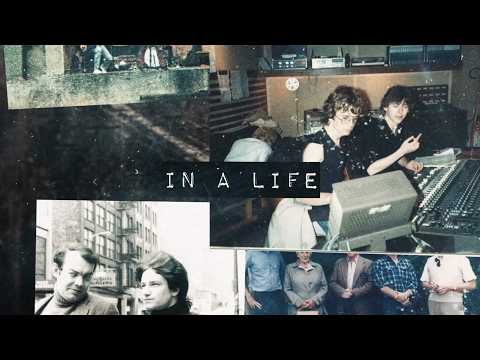
No siento que Easter Lily sea solo un EP. Lo escucho como una obra completa, pequeña en duración pero enorme en intención. Y por eso, para mí, sí merece ser llamado una obra maestra. Lo que más me impresiona es que U2 no armó seis canciones sueltas: armó un recorrido. El EP empieza en la ausencia, pasa por la amistad, acepta la herida, se arriesga al amor, se convierte en plegaria y termina enfrentando esa plegaria con el dolor del mundo. Eso no es casualidad. Eso es arquitectura emocional. “Song for Hal” abre el disco donde debía abrir: en el duelo. No con espectáculo, no con grandilocuencia, sino con ese silencio extraño que deja alguien importante cuando ya no está. El EP arranca diciéndote algo básico y duro: para hablar de renovación, primero hay que mirar la pérdida de frente. “In A Life” hace algo bellísimo: no responde al duelo con autosuficiencia, sino con amistad. No plantea la amistad como adorno ni nostalgia, sino como una forma de encontrarse con el otro incluso en lo raro, en lo surreal, en lo difícil. Como si dijera: nadie atraviesa una vida solo, y menos una vida rota. “Scars” es donde el EP deja de pedir permiso. Ahí U2 no romantiza la herida: la acepta. Las cicatrices no aparecen como algo que deba esconderse, sino como marcas de verdad. Y eso me parece profundamente honesto, porque la renovación que no pasa por la herida no es renovación: es maquillaje. Luego llega “Resurrection Song”, que para mí es el corazón del EP. Esa canción entiende algo esencial: la resurrección no empieza con una certeza religiosa, empieza cuando dejas de obedecer al miedo. Amar otra vez, confiar otra vez, abrirte otra vez: ahí empieza la vida nueva. No como consigna, sino como riesgo. “Easter Parade” toma todo lo anterior y lo transforma en rito. Ya no estamos solo en lo emocional, sino en lo espiritual. Pero no desde el triunfalismo, sino desde la humildad. Hay muerte interior, hay pérdida del miedo, hay una súplica de misericordia. No suena a victoria barata. Suena a renacimiento real. Y entonces llega “COEXIST (I Will Bless The Lord At All Times?)”, que para mí es lo que termina de elevar el EP. Porque se niega a cerrar con comodidad. Después de hablar de amistad, herida, amor y resurrección, U2 devuelve todo al lugar más difícil: el mundo real, los niños atrapados en la guerra, la fe puesta a prueba por el horror. Es un cierre valiente, porque no convierte la esperanza en anestesia. Por eso digo que Easter Lily tiene todo lo que esperaba de U2. Tiene ambición espiritual, pero no soberbia. Tiene conciencia moral, pero no panfleto. Tiene intimidad, pero no encierro. Tiene fe, pero una fe interrogada, herida, humana. Y sobre todo, tiene algo que no siempre aparece ni siquiera en los grandes artistas: necesidad. Este EP no suena a una banda tratando de parecer relevante. Suena a una banda que todavía tiene algo verdadero que decir. Para mí, ahí está la diferencia entre un lanzamiento bueno y una obra maestra: una obra maestra no solo se escucha. También te ordena por dentro. Y Easter Lily hace exactamente eso. @U2 @fansofu2 @U2Chile