QWEKU

73.9K posts

QWEKU banner
QWEKU

QWEKU

@_Dhellali

LIFE IS ENOUGH (人生は十分です) #WILT

ESSE QUAM VIDERI เข้าร่วม Haziran 2024
3.5K กำลังติดตาม3.5K ผู้ติดตาม
ทวีตที่ปักหมุด
QWEKU
QWEKU@_Dhellali·
Ghanaians should listen carefully, Ghana was once known for greatness, but poor leadership failed Mother Ghana. Nations like Singapore and Malaysia moved forward with vision; we stood still with excuses. #GhanaDeservesBetter
English
21
54
153
8.8K
QWEKU รีทวีตแล้ว
+234 Hot
+234 Hot@Oluwatzee10·
So men now prefer to be single because they are broke….what have we become? 🤷‍♂️
+234 Hot tweet media
English
8
5
15
150
QWEKU รีทวีตแล้ว
klé_nam👑
klé_nam👑@__klenam·
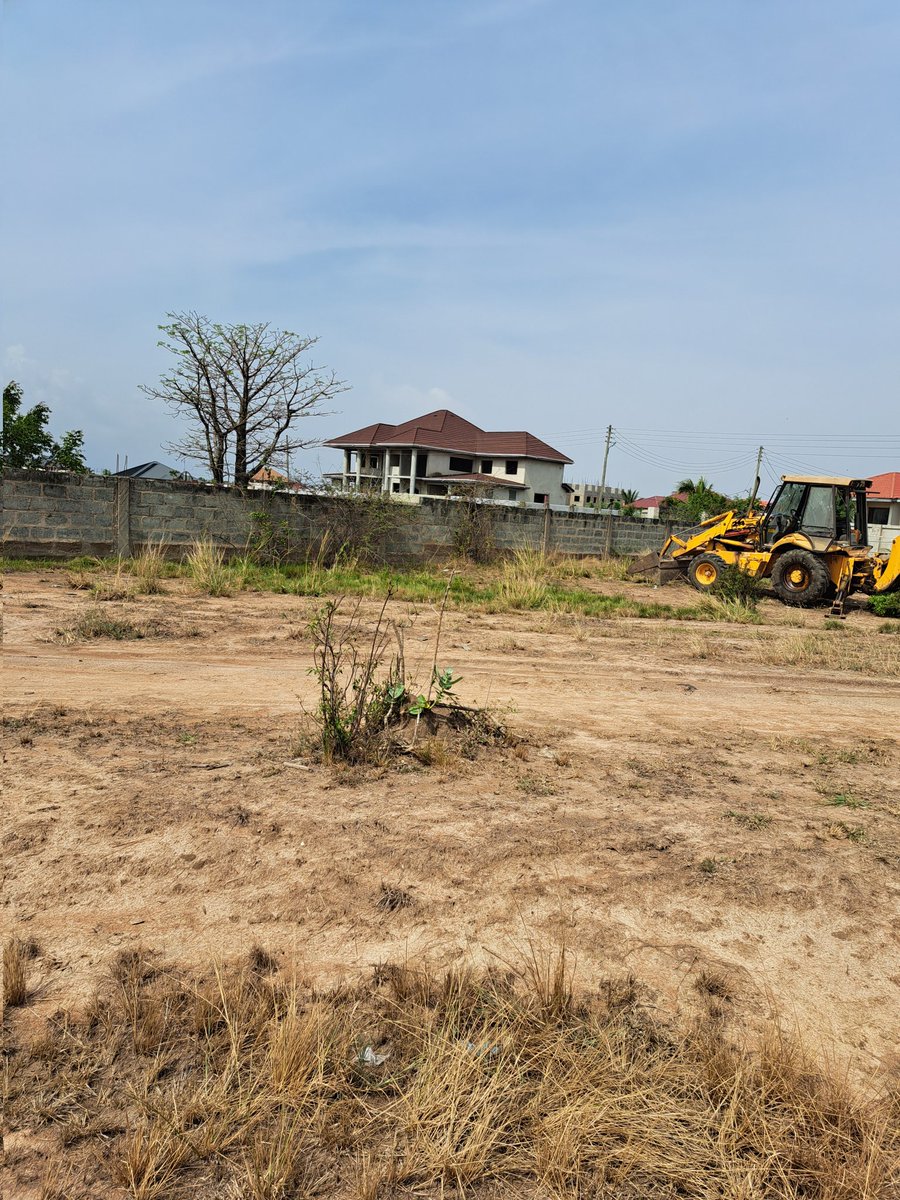
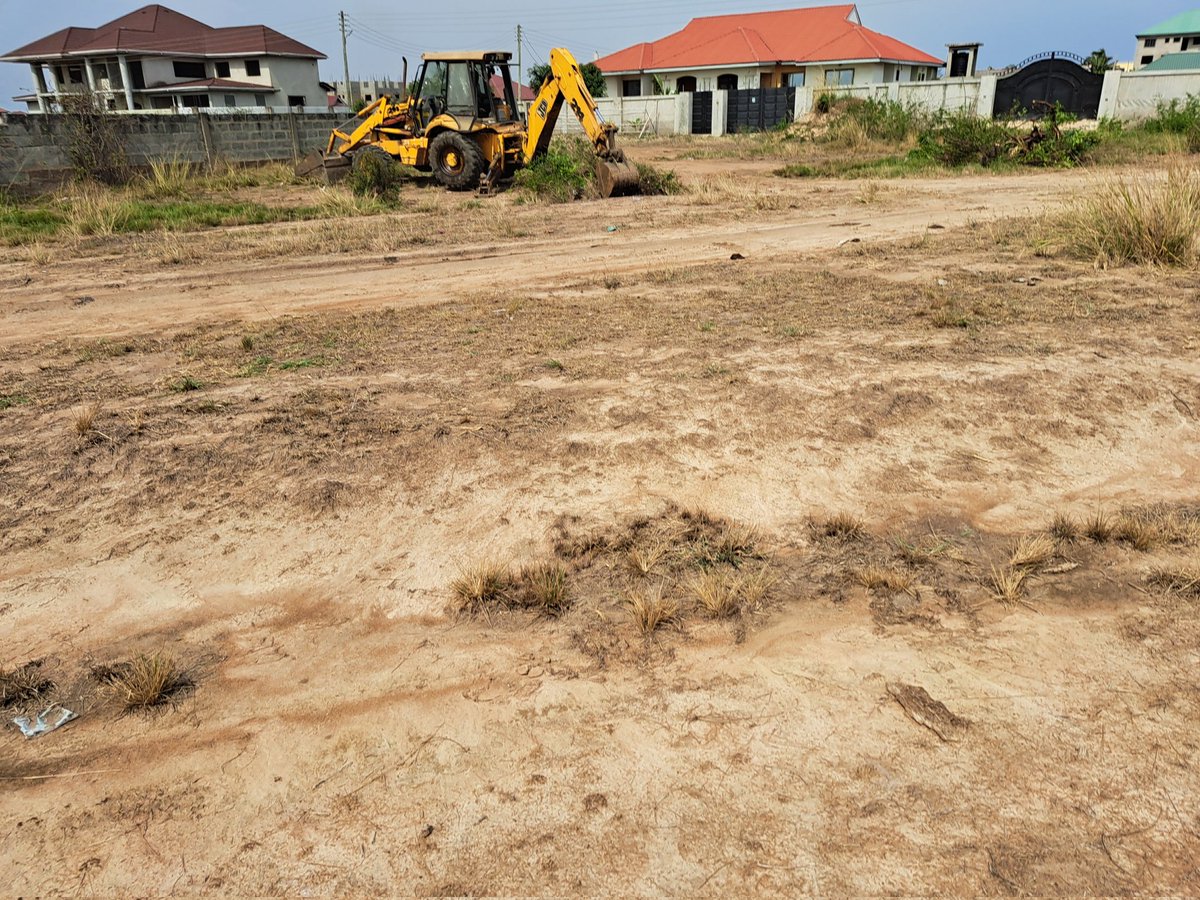
New land? Site clearance? Setting out? Want to do only footings for now and continue later? Bring all my way, I got suitable and flexible for you!
English
1
11
19
4.7K
QWEKU รีทวีตแล้ว
MPK 𓃵
MPK 𓃵@MPKwarteng_·
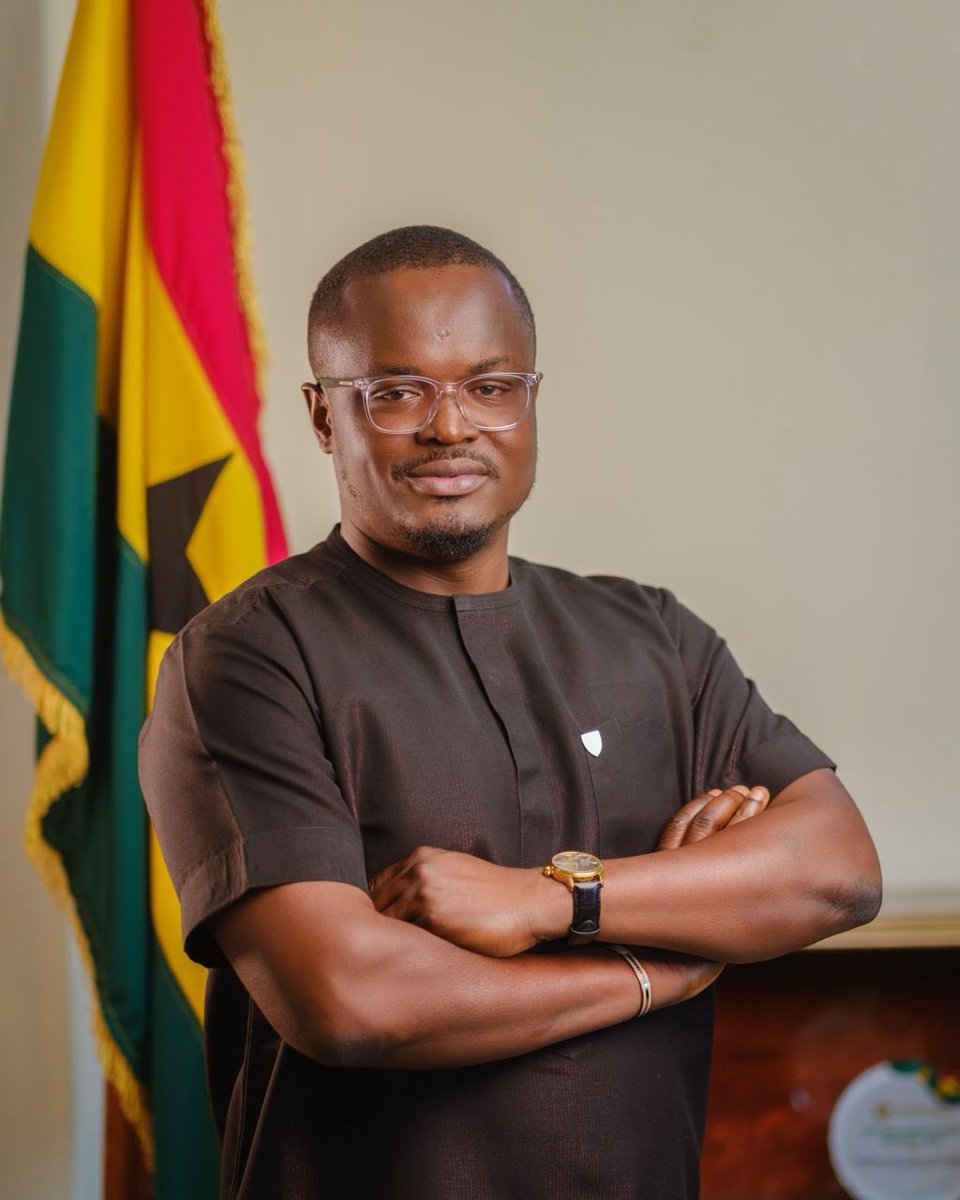
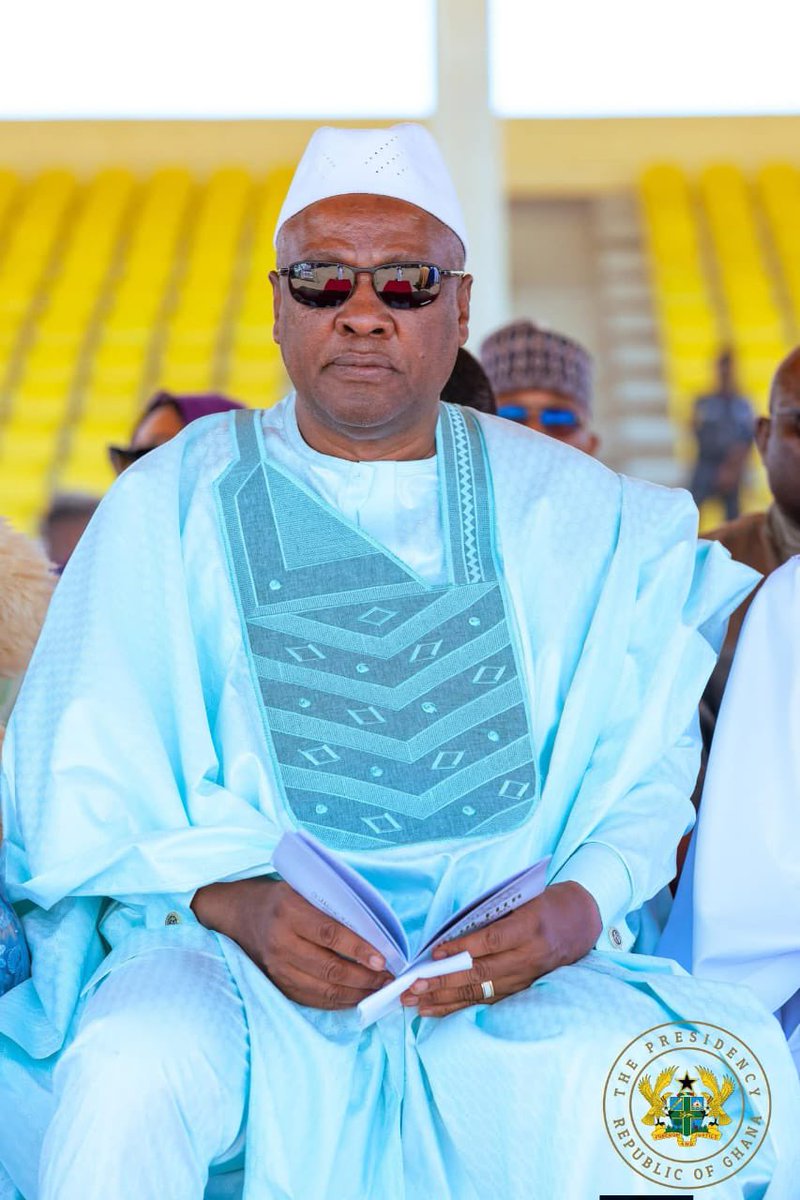
The President The Vice President 🇬🇭 🇬🇭
MPK 𓃵 tweet mediaMPK 𓃵 tweet media
English
1
13
103
1.3K
QWEKU รีทวีตแล้ว
Yayra Koku
Yayra Koku@YayraKoku·
Identity Before Connectivity: Why Ghana’s SIM Registration Will Succeed — And What Telecoms Must Learn from the Banking Sector By Wisdom Kwaku Deku Executive Secretary, National Identification Authority (NIA) As Ghana prepares to undertake a new nationwide SIM card registration exercise, it is important to reframe the conversation. This is not simply a telecommunications activity — it is a national identity verification exercise. At the center of this effort is the National Identification Authority (NIA), the institution responsible for building and maintaining Ghana’s digital identity ecosystem. Over the past few years, the NIA has laid a quiet but powerful foundation for Ghana’s digital transformation. Today, more than 19 million Ghanaians (from 15 years and above) have been enrolled onto the National Identity Register, with the vast majority issued with their Ghana Cards. This represents over 90% of the population and is one of the most successful extensive biometric identity systems on the continent. Yet the true measure of success is not just registration — it is usage. Across Ghana’s financial sector, the Ghana Card has become indispensable. Virtually all major banks rely on the NIA’s platform daily to verify identities in real time. From account opening to loan processing and high-value transactions, millions of verifications are conducted seamlessly and securely. Notably, this same model extends across key public institutions such as SSNIT and the National Health Insurance Authority (NHIA). In these environments, there are no long queues for repeated identity capture or verification because processes are conducted directly against the Ghana Card database — the single source of truth. Once identity is verified once, it is trusted across systems. This is the power of a unified identity infrastructure. It also highlights an important risk: the moment parallel or duplicate databases are created, silos emerge. These silos introduce inconsistencies, enable duplication, and ultimately create opportunities for fraud. A fragmented identity ecosystem cannot deliver trust. A key reason this system works so effectively is by design. The Ghana Card ecosystem was built to minimize — and in many cases eliminate — human intervention in verification processes. Identity authentication is conducted digitally, directly against the National Identity Register, ensuring speed, accuracy, and consistency. By reducing manual handling, the system significantly limits opportunities for manipulation, discretion, and fraud. This raises an important question: If banks — operating in high-risk, tightly regulated environments — trust the NIA system without hesitation, why has SIM registration faced challenges in the past? The answer lies not in the absence of a credible identity system, but in how that system was applied. Previous SIM registration exercises were conducted through a largely parallel process, where biometric data was captured independently and not consistently verified directly against the National Identity Register. In effect, the system attempted to replicate identity verification and validation rather than rely on the Ghana Card as the single, authoritative source of truth. This approach created a critical disconnect. While the NIA had already developed a ready-to-market, real-time identity verification platform — one that was actively being used by banks and other institutions with proven success — SIM registration workflows did not fully integrate with it. As a result, identity checks were fragmented, duplication occurred, and the full value of the national identity infrastructure was not realized. Equally important, the previous model introduced inefficiencies that were both unnecessary and costly to the public. Individuals were required to undergo fresh biometric capture — often at a fee — despite the fact that their biometric data already existed within the National Identity Register.
Yayra Koku tweet media
English
2
17
51
1.8K
QWEKU
QWEKU@_Dhellali·
@1realAddobea They’re not ready for self reliance 🤣🤣🤣
English
1
0
1
5
QWEKU รีทวีตแล้ว
MPK 𓃵
MPK 𓃵@MPKwarteng_·
Father and Son. Deeper Love 🇬🇭💯
MPK 𓃵 tweet media
English
0
9
35
320
QWEKU รีทวีตแล้ว
Esi ⚖️
Esi ⚖️@EsinamJean·
Food is National Security Food is Economy Food is employment Food is energy Food is history Food is everything. The FSC, will be a crucial intermediary between smallholder farmers and private/public partners, aiming to improve agricultural productivity, enhance income, and facilitate the transition to commercial farming. #MOFA #Foodsecurity #AbanPapaAba
English
0
4
10
59
QWEKU
QWEKU@_Dhellali·
@Elorm_Hood The negga ankasa sef dey look like 🐮
English
0
0
1
59
QWEKU รีทวีตแล้ว
A-Jay🇨🇦🇬🇭
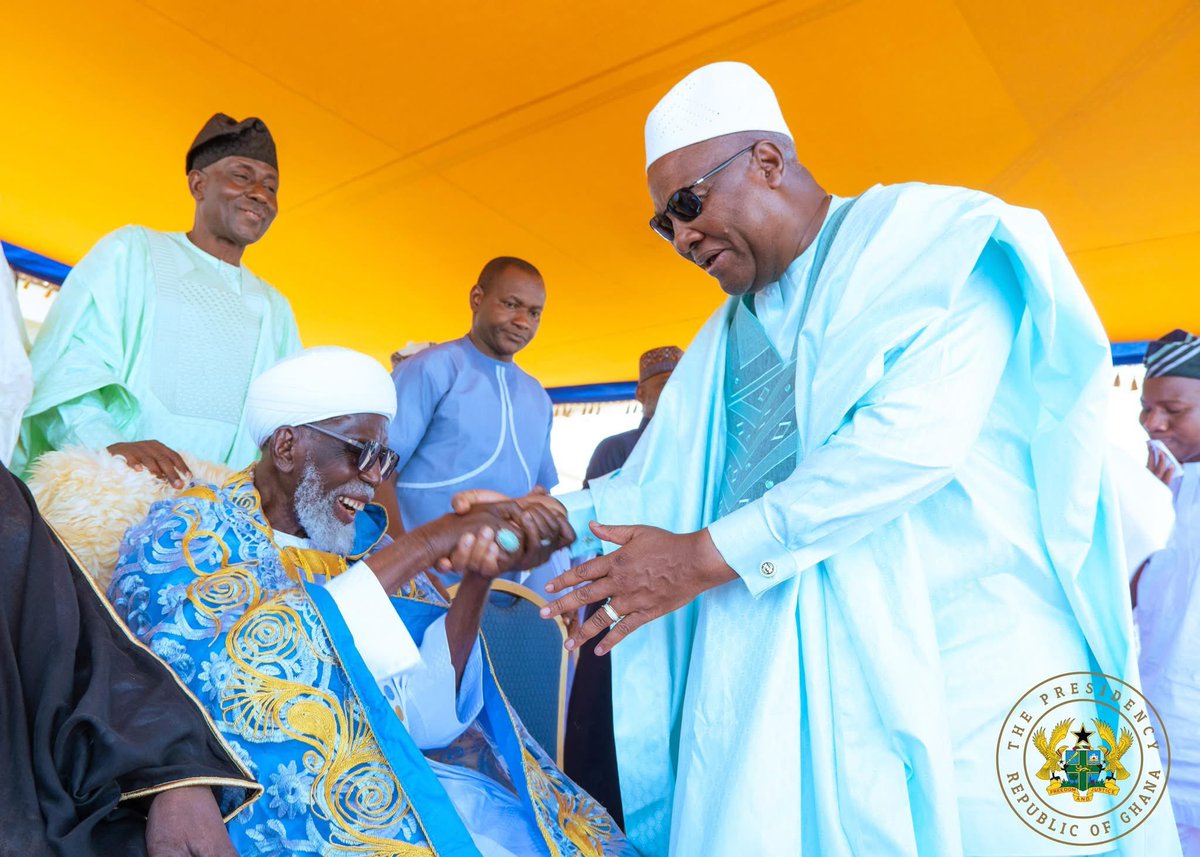
Even Chief Imam is happy. This is the first time I've seen him smile, though.
A-Jay🇨🇦🇬🇭 tweet media
English
1
15
84
775
QWEKU รีทวีตแล้ว
A-Jay🇨🇦🇬🇭
Do you see what's going on here? Don't go die for any political party.
English
4
4
17
733