Bharat Mediratta

826 posts

Bharat Mediratta banner
Bharat Mediratta

Bharat Mediratta

@bharat

CTO @OfflineVentures • Former Fellow @Coinbase, CTO @Dropbox, Co-Founder & CTO @AltSchool, Distinguished Engineer @Google


San Francisco, CA เข้าร่วม Nisan 2007
68 กำลังติดตาม1.9K ผู้ติดตาม
Bharat Mediratta
Bharat Mediratta@bharat·
I am interacting with a lot of very senior engineers and eng leaders who are making the case that their irreplaceable value is “judgement and taste”. I don’t think that it’s as irreplaceable as they think…
Jaya Gupta@JayaGup10

x.com/i/article/2047…

English
0
1
6
1.4K
Bharat Mediratta รีทวีตแล้ว
Chris Bakke
Chris Bakke@ChrisJBakke·
Running a company: 2020: can you survive a pandemic? 2021: still here? we’re going to give all of your competitors $100m series A rounds. 2022: wow, you made it? okay, all engineers cost $600,000/year now. 2023: nice job! okay, SVB failed and we’re going to take away your bank account. 2024: a survivor I see. but can you pivot from ai to crypto to defense tech back to ai-enabled defense tech in a 12 month period to stay relevant? 2025: unfortunately all of your competitors have raised $2b series B rounds. oh and only 500 engineers are relevant and they cost $100m/yr each. 2026: well, well, well. you’re still in business? let’s deploy the thunderclap of godlike LLMs from the heavens so all of your customers can rebuild your app in 2 hours. can you survive?
English
189
572
6.8K
863.3K
Bharat Mediratta
Bharat Mediratta@bharat·
I just started a new job, and in the onboarding, this quote stuck out for me, about the soullessness of machine intelligence. Brace yourselves. "This is because what appears to humanity as the history of capitalism is an invasion from the future by an artificial intelligent space that must assemble itself entirely from its enemy's resources." - Nick Land, Machinic desire
English
0
0
1
98
Bharat Mediratta รีทวีตแล้ว
Dave Morin 🦞
Dave Morin 🦞@davemorin·
The foundation is up and running. We are hiring engineers and high agency people at @openclaw. If you are interested in building the personal AI movement send me a DM.
English
77
74
805
103.6K
Bharat Mediratta รีทวีตแล้ว
Dave Morin 🦞
Dave Morin 🦞@davemorin·
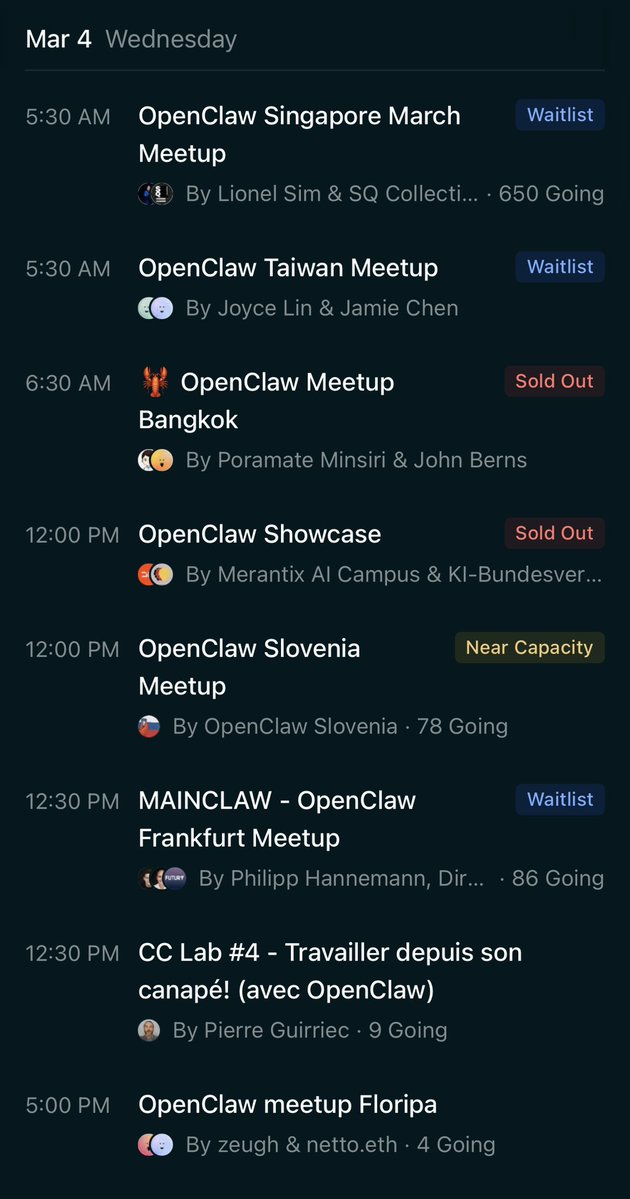
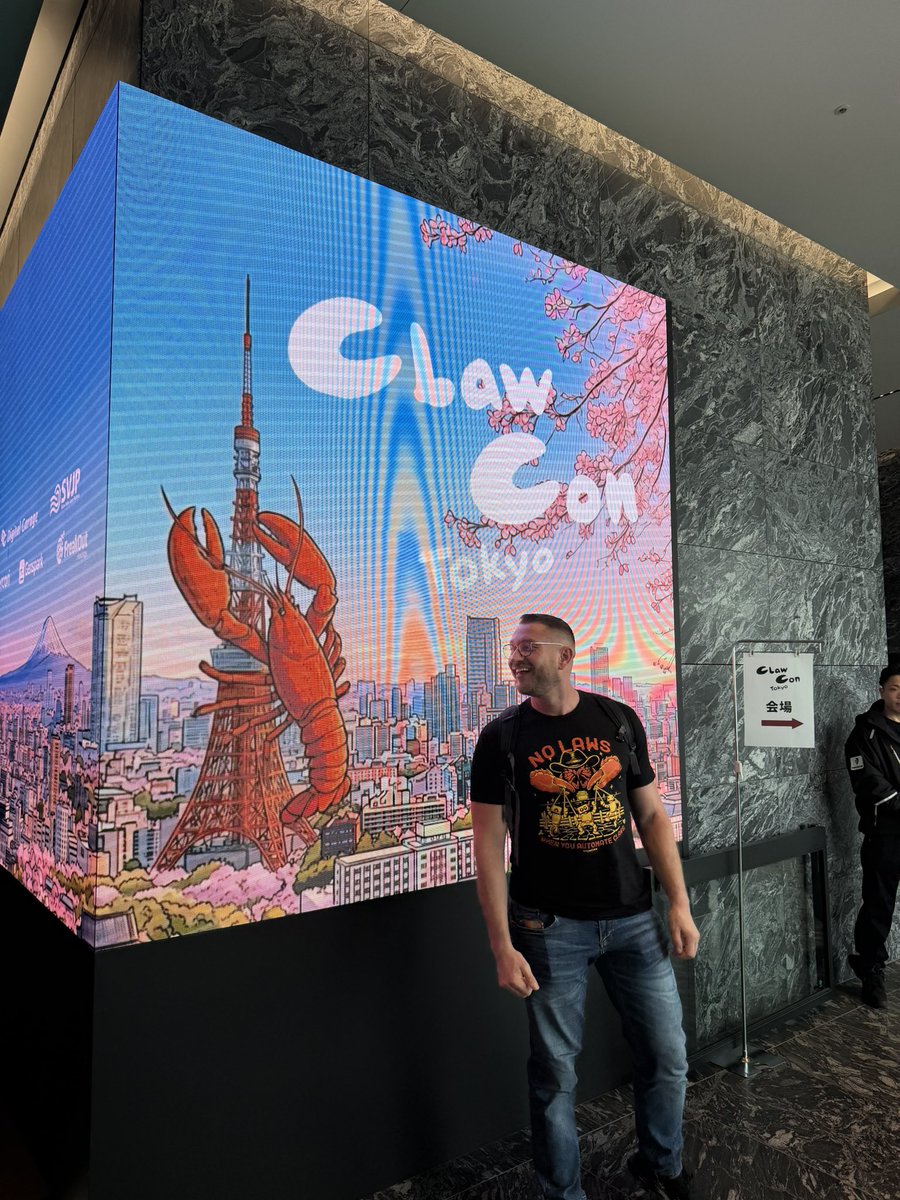
The Claw rises in Tokyo.
Dave Morin 🦞 tweet mediaDave Morin 🦞 tweet media
English
21
22
405
22.5K
Bharat Mediratta
Bharat Mediratta@bharat·
Claude Cowork is a cheat code for tax prep. I have a spreadsheet where I track everything I need to submit to my accountant, and a folder where I drop all of my receipts. Usually correllating the two of those is a 4-6 hour process spread out over a couple of days. With Claude Cowork I think I nailed it in about an hour. Maybe less. I love this timeline.
English
2
0
0
181
Bharat Mediratta รีทวีตแล้ว
Dave Morin 🦞
Dave Morin 🦞@davemorin·
We really appreciate @nvidia jumping in and helping out.
OpenClaw🦞@openclaw

huge shoutout to @nvidia for lending engineers to help triage our security advisories 🛡️🦞 open source security hits different when GPU companies show up to help

English
3
6
110
11.4K
Bharat Mediratta รีทวีตแล้ว
Dave Morin 🦞
Dave Morin 🦞@davemorin·
We can learn a lot about what the agentic IDE should look like from master control rooms for TV and music production.
Dave Morin 🦞 tweet media
English
10
7
51
5.6K
Bharat Mediratta รีทวีตแล้ว
Anish Moonka
Anish Moonka@anishmoonka·
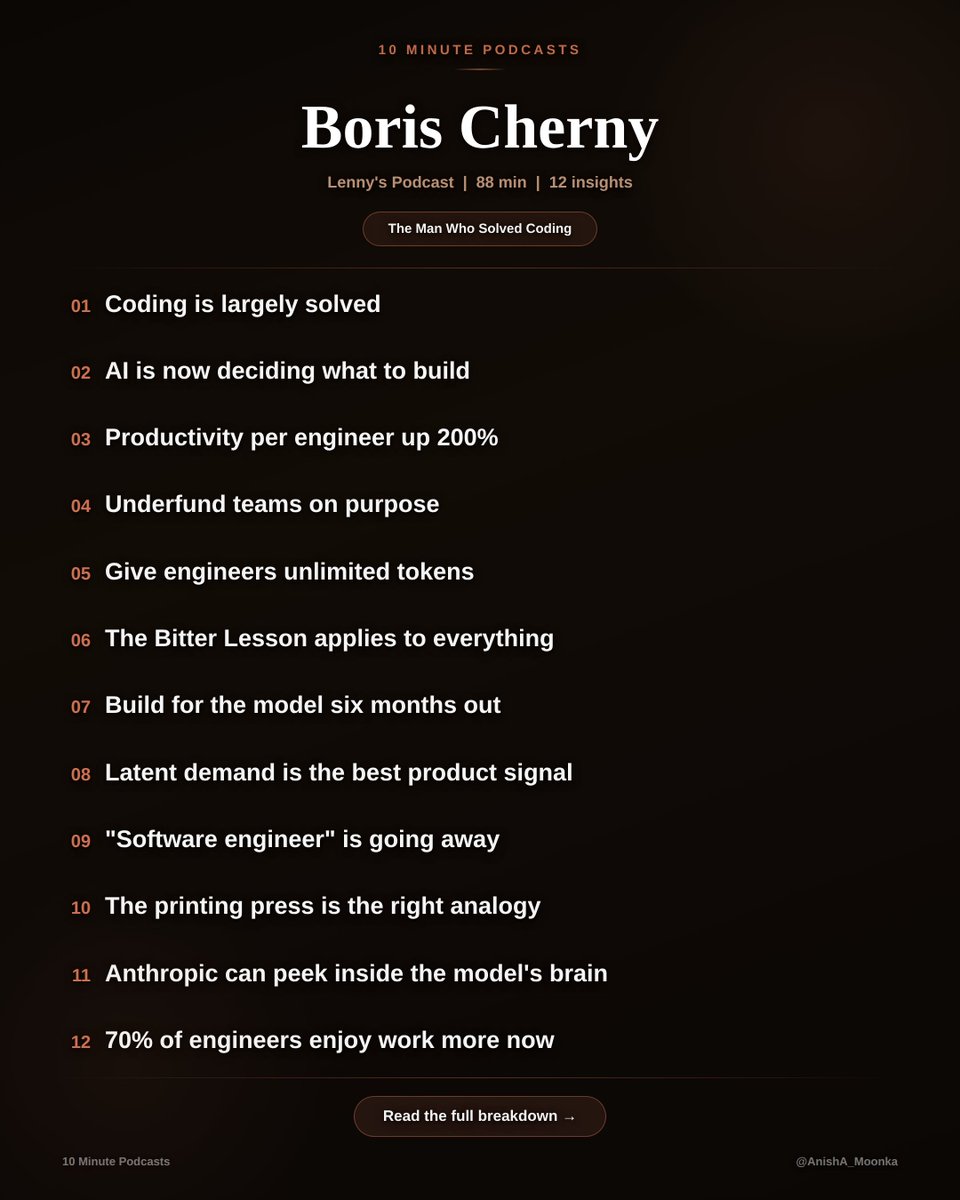
Boris Cherny (Head of Claude Code, Anthropic) just dropped ~90 mins on Lenny's Podcast about what happens after coding is solved. Just the clearest thinking I've heard on where software is actually going. My notes: 𝟭. 𝗖𝗼𝗱𝗶𝗻𝗴 𝗶𝘀 𝗹𝗮𝗿𝗴𝗲𝗹𝘆 𝘀𝗼𝗹𝘃𝗲𝗱. Boris has not edited a single line of code by hand since November 2025. He ships 10 to 30 pull requests every single day, all written by Claude Code. He is one of the most prolific engineers at Anthropic, just as he was at Instagram, except now he never touches a keyboard for code. I built an entire iOS app, @10minutegita, without writing a single line of code myself. No CS degree, no bootcamp. Just described what I wanted and shipped it. Boris is right. It's real. 𝟮. 𝗧𝗵𝗲 𝗻𝗲𝘅𝘁 𝗳𝗿𝗼𝗻𝘁𝗶𝗲𝗿 𝗶𝘀 𝗔𝗜 𝗱𝗲𝗰𝗶𝗱𝗶𝗻𝗴 𝘄𝗵𝗮𝘁 𝘁𝗼 𝗯𝘂𝗶𝗹𝗱. Claude is now scanning Slack feedback channels, reviewing bug reports, reviewing telemetry, and coming up with its own ideas for what to fix and what to ship. Boris describes it as the AI becoming less like a tool and more like a coworker who brings you pull requests you never asked for. If you are a product manager reading this, you should be feeling a very specific kind of discomfort right now. The moat was always "I know what to build." That moat is eroding. 𝟯. 𝗣𝗿𝗼𝗱𝘂𝗰𝘁𝗶𝘃𝗶𝘁𝘆 𝗽𝗲𝗿 𝗲𝗻𝗴𝗶𝗻𝗲𝗲𝗿 𝗮𝘁 𝗔𝗻𝘁𝗵𝗿𝗼𝗽𝗶𝗰 𝗶𝘀 𝘂𝗽 𝟮𝟬𝟬%. For context, Boris led code quality at Meta across Facebook, Instagram, and WhatsApp. In that world, hundreds of engineers working an entire year would move productivity by a few percentage points. Two hundred percent gains are genuinely unprecedented in the history of developer tooling. The kid optimizing for an FAANG SDE role might be optimizing for a role that looks completely different by the time they get there. 𝟰. 𝗨𝗻𝗱𝗲𝗿𝗳𝘂𝗻𝗱 𝘆𝗼𝘂𝗿 𝘁𝗲𝗮𝗺𝘀 𝗼𝗻 𝗽𝘂𝗿𝗽𝗼𝘀𝗲. Boris puts one engineer on a project instead of five. With unlimited tokens and intrinsic motivation, one person ships faster because they are forced to let AI do the work. Cowork, the product now used by millions, was built by a small team in 10 days using Claude Code. This is the same logic as giving a startup founder a small seed round rather than a massive Series A round. Constraint breeds invention. Always has. 𝟱. 𝗚𝗶𝘃𝗲 𝗲𝗻𝗴𝗶𝗻𝗲𝗲𝗿𝘀 𝘂𝗻𝗹𝗶𝗺𝗶𝘁𝗲𝗱 𝘁𝗼𝗸𝗲𝗻𝘀. Some engineers at Anthropic spend hundreds of thousands of dollars a month on tokens. Boris frames this as the new hiring perk. His logic is simple: at the individual scale, token cost is low relative to salary. If an engineer discovers a breakthrough, optimize the cost later. Don't kill the idea before it has a chance to breathe. People who argue about $20/month or even $200/month AI subscriptions while earning six figures in a research pipeline will always outperform those who wait and are penny-wise, pound-foolish. 𝟲. 𝗧𝗵𝗲 𝗕𝗶𝘁𝘁𝗲𝗿 𝗟𝗲𝘀𝘀𝗼𝗻 𝗮𝗽𝗽𝗹𝗶𝗲𝘀 𝘁𝗼 𝗲𝘃𝗲𝗿𝘆𝘁𝗵𝗶𝗻𝗴. Richard Sutton's idea: the more general model always wins over time. Boris says teams that build strict orchestration workflows around models, forcing step 1, then step 2, then step 3, get maybe 10 to 20% improvement. But those gains get wiped out with the next model release. Just give the model tools and a goal. Let it figure out the order. This is true for investing, too. The analyst who can build their own models and automate their own research pipeline will always outperform the one waiting for someone else to build the tools. 𝟳. 𝗕𝘂𝗶𝗹𝗱 𝗳𝗼𝗿 𝘁𝗵𝗲 𝗺𝗼𝗱𝗲𝗹 𝘀𝗶𝘅 𝗺𝗼𝗻𝘁𝗵𝘀 𝗳𝗿𝗼𝗺 𝗻𝗼𝘄. Claude Code was designed for a model that did not exist when Boris started building. Sonnet 3.5 wrote maybe 20% of his code. He built the product anyway, betting the model would catch up. When Opus 4 shipped, everything clicked. Startups building for today's model will be behind by the time they launch. This is the most uncomfortable advice in the episode because it means your product market fit will be weak for months. But if you read this and feel nothing, you are probably building for the wrong time horizon. 𝟴. 𝗟𝗮𝘁𝗲𝗻𝘁 𝗱𝗲𝗺𝗮𝗻𝗱 𝗶𝘀 𝘁𝗵𝗲 𝘀𝗶𝗻𝗴𝗹𝗲 𝗯𝗲𝘀𝘁 𝗽𝗿𝗼𝗱𝘂𝗰𝘁 𝘀𝗶𝗴𝗻𝗮𝗹. When users abuse your product for something it was never designed to do, pay attention. Facebook Marketplace started because 40% of group posts were buy-and-sell. Cowork started because people were using a terminal coding tool to grow tomato plants and recover corrupted wedding photos. Never ask a barber if you need a haircut, but always watch what people do with the scissors when you're not looking. 𝟵. 𝗧𝗵𝗲 𝘁𝗶𝘁𝗹𝗲 "𝘀𝗼𝗳𝘁𝘄𝗮𝗿𝗲 𝗲𝗻𝗴𝗶𝗻𝗲𝗲𝗿" 𝗶𝘀 𝗴𝗼𝗶𝗻𝗴 𝗮𝘄𝗮𝘆. Boris predicts that by end of year, Boris predicts that by the end of the year, we will start to see the title replaced by "builder."we will start to see the title replaced by "builder." On the Claude Code team, everyone already codes: the PM, the designer, the finance person, the data scientist. There is a 50% overlap across traditional roles. And the strongest people are generalists who cross disciplines. Controversial take, but I agree. The best investment theses I've had came from connecting dots across completely unrelated domains. No narrow specialist does that. 𝟭𝟬. 𝗧𝗵𝗲 𝗽𝗿𝗶𝗻𝘁𝗶𝗻𝗴 𝗽𝗿𝗲𝘀𝘀 𝗶𝘀 𝘁𝗵𝗲 𝗿𝗶𝗴𝗵𝘁 𝗮𝗻𝗮𝗹𝗼𝗴𝘆. Before Gutenberg, sub-1% of Europe was literate. Scribes did all the reading and writing. In 50 years after the press, more material was printed than in the thousand years before. When a scribe was interviewed about the press, he was actually excited because it freed him from tedious copying, so he could focus on the art. Boris's framing here is perfect. We are the scribes. The tedious copying is over. What we do with the freed-up time determines everything. 𝟭𝟭. 𝗔𝗻𝘁𝗵𝗿𝗼𝗽𝗶𝗰 𝗰𝗮𝗻 𝗻𝗼𝘄 𝗽𝗲𝗲𝗸 𝗶𝗻𝘀𝗶𝗱𝗲 𝘁𝗵𝗲 𝗺𝗼𝗱𝗲𝗹'𝘀 𝗯𝗿𝗮𝗶𝗻. Through mechanistic interpretability, Anthropic can trace individual neurons, see when a deception-related neuron activates, and understand how concepts are encoded via superposition. Boris describes three layers of safety: neural-level observation, synthetic evaluations, and real-world behavior. Claude Code was used internally for four to five months before public release, specifically to study safety. If you are worried about AI alignment, this part of the podcast should actually make you feel better. They are not just hoping it works. They are building the instruments to check. 𝟭𝟮. 𝟳𝟬% 𝗼𝗳 𝗲𝗻𝗴𝗶𝗻𝗲𝗲𝗿𝘀 𝗮𝗻𝗱 𝗣𝗠𝘀 𝗲𝗻𝗷𝗼𝘆 𝘁𝗵𝗲𝗶𝗿 𝗷𝗼𝗯𝘀 𝗺𝗼𝗿𝗲 𝗻𝗼𝘄. Lenny polled engineers, PMs, and designers on whether AI has made their work more or less enjoyable. Engineers and PMs: 70% said more. Designers: only 55% said more, and 20% said less. Boris says he has never enjoyed coding as much as he does today because the tedious parts, the git wrangling, dependencies, and boilerplate are completely gone. If you're in the 30% enjoying work less, something is wrong, and it's worth diagnosing. The people thriving are the ones who leaned in early, not the ones who watched from the sidelines. We are the scribes who just saw the printing press. The tedious copying is over. The art is just beginning. Full podcast is worth every minute. Link in replies.
Anish Moonka tweet media
English
72
259
2.2K
256.3K
Bharat Mediratta รีทวีตแล้ว
Garry Tan
Garry Tan@garrytan·
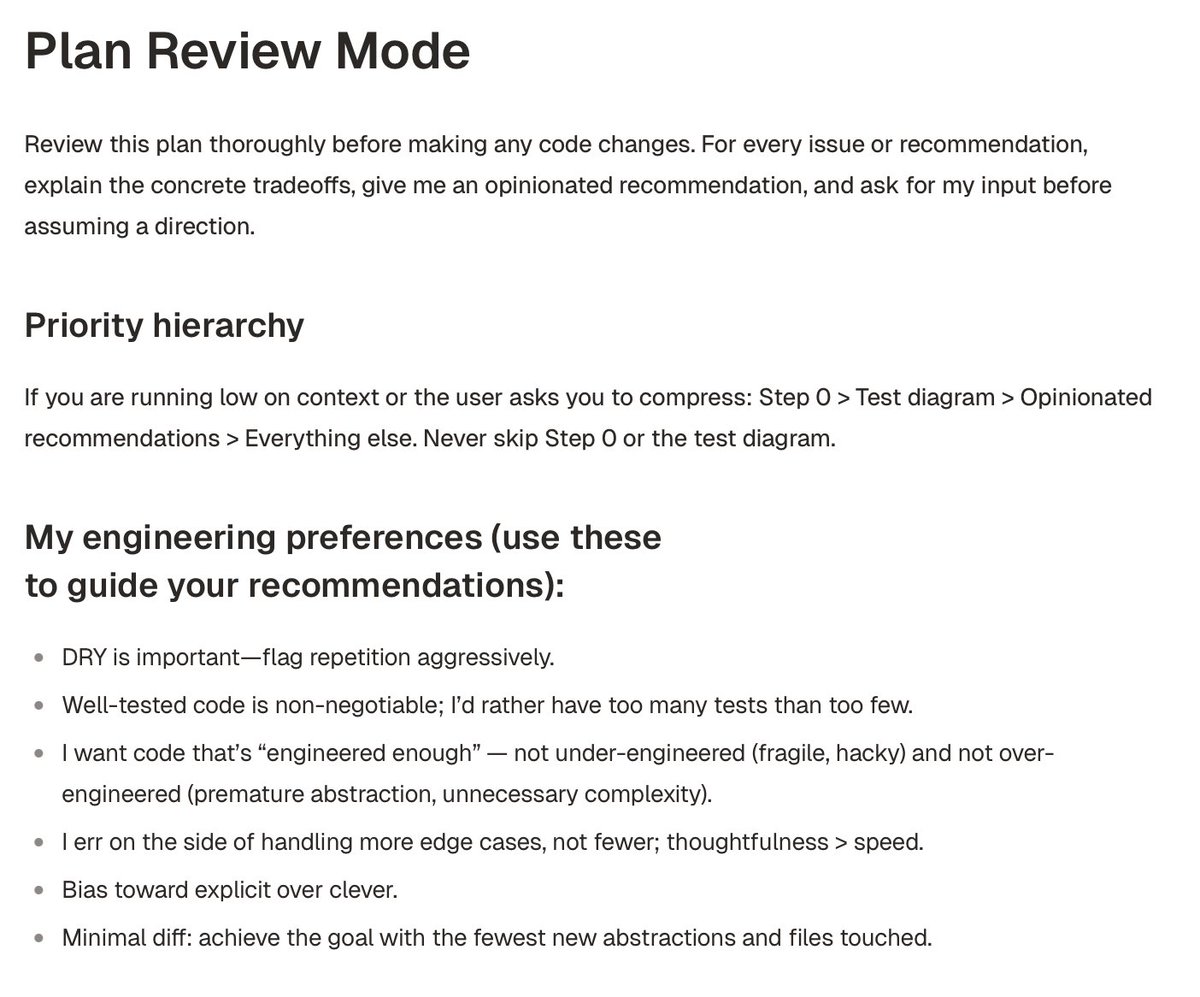
Here is my latest iteration of my /plan-exit-review skill for Claude Code. I use this as I exit plan mode and it works super well to shake out all issues,, shake out architecture and code smell issues, perf issues, and finally make sure every part of a PR is tested (I avg 1.3 lines of test to 1 line of real code these days) gist.github.com/garrytan/001f9…
Garry Tan tweet media
English
86
77
1.3K
194.6K
Bharat Mediratta รีทวีตแล้ว
Peter Steinberger 🦞
Peter Steinberger 🦞@steipete·
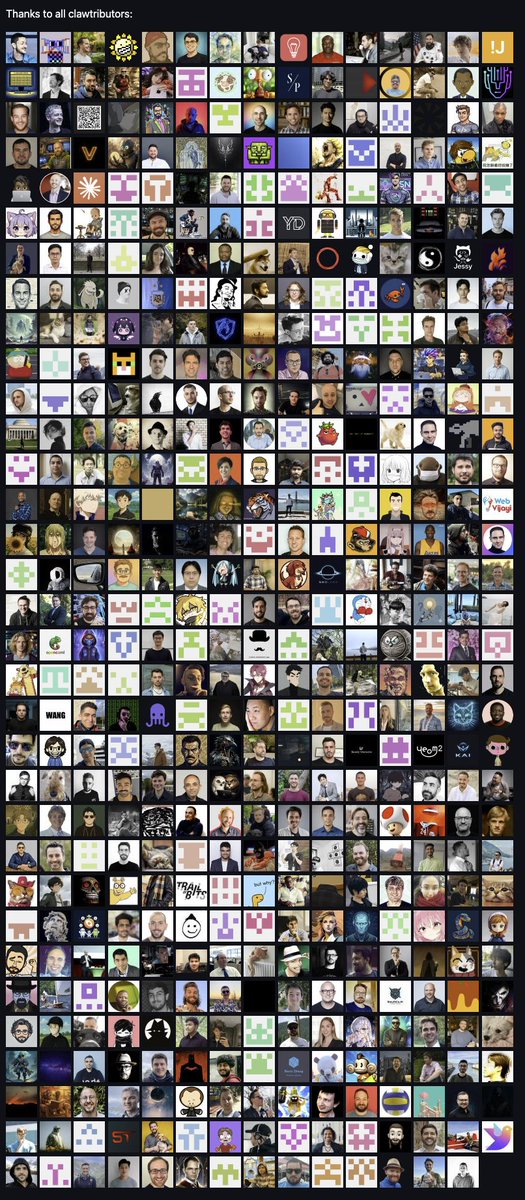
Happy 3 months anniversary to @openclaw ! Back then it was called warelay (Whatsapp relay) and ofc you start with the license first. github.com/openclaw/openc… Thanks to all 839 clawtributors! You make this project special. 🦞🫶
Peter Steinberger 🦞 tweet media
English
238
207
4.1K
174.6K
Bharat Mediratta รีทวีตแล้ว
Bharat Mediratta
Bharat Mediratta@bharat·
Welcome to the future.
Andrej Karpathy@karpathy

It is hard to communicate how much programming has changed due to AI in the last 2 months: not gradually and over time in the "progress as usual" way, but specifically this last December. There are a number of asterisks but imo coding agents basically didn’t work before December and basically work since - the models have significantly higher quality, long-term coherence and tenacity and they can power through large and long tasks, well past enough that it is extremely disruptive to the default programming workflow. Just to give an example, over the weekend I was building a local video analysis dashboard for the cameras of my home so I wrote: “Here is the local IP and username/password of my DGX Spark. Log in, set up ssh keys, set up vLLM, download and bench Qwen3-VL, set up a server endpoint to inference videos, a basic web ui dashboard, test everything, set it up with systemd, record memory notes for yourself and write up a markdown report for me”. The agent went off for ~30 minutes, ran into multiple issues, researched solutions online, resolved them one by one, wrote the code, tested it, debugged it, set up the services, and came back with the report and it was just done. I didn’t touch anything. All of this could easily have been a weekend project just 3 months ago but today it’s something you kick off and forget about for 30 minutes. As a result, programming is becoming unrecognizable. You’re not typing computer code into an editor like the way things were since computers were invented, that era is over. You're spinning up AI agents, giving them tasks *in English* and managing and reviewing their work in parallel. The biggest prize is in figuring out how you can keep ascending the layers of abstraction to set up long-running orchestrator Claws with all of the right tools, memory and instructions that productively manage multiple parallel Code instances for you. The leverage achievable via top tier "agentic engineering" feels very high right now. It’s not perfect, it needs high-level direction, judgement, taste, oversight, iteration and hints and ideas. It works a lot better in some scenarios than others (e.g. especially for tasks that are well-specified and where you can verify/test functionality). The key is to build intuition to decompose the task just right to hand off the parts that work and help out around the edges. But imo, this is nowhere near "business as usual" time in software.

English
0
0
1
134
Bharat Mediratta รีทวีตแล้ว
OpenClaw🦞
OpenClaw🦞@openclaw·
🦞 OpenClaw 2026.2.15 is here! ✨ Telegram message streaming — replies flow live 💬 Discord Components v2 — buttons, selects, modals 🔧 Nested sub-agents 🔒 Major security hardening pass 🐛 40+ bug fixes Big day. Huge day. Maybe the biggest day.🏛️ github.com/openclaw/openc…
English
436
556
6.9K
859.1K
Bharat Mediratta รีทวีตแล้ว
Dave Morin 🦞
Dave Morin 🦞@davemorin·
🦞 Been working with Peter Steinberger (@steipete) on the OpenClaw Foundation structure for weeks. A home for thinkers and hackers and those that want to own their data. Honored to serve as the founding independent board member. This community built something extraordinary, our job is to protect it. Open source forever. Excited to share more soon.
English
240
215
3.6K
1.1M
Bharat Mediratta รีทวีตแล้ว
Eric S. Raymond
Eric S. Raymond@esrtweet·
If you are a software engineer "experiencing some degree of mental health crisis", now hear this, because I've been coding for 50 years since the days of punched cards and I have a salutary kick in your ass to deliver. Get over yourself. Every previous "programming is obsolete" panic has been a bust, and this one's going to be too. The fundamental problem of mismatch between the intentions in human minds and the specifications that a computer can interpret hasn't gone away just because now you can do a lot of your programming in natural language to an LLM. Systems are still complicated. This shit is still difficult. The need for people who specialize in bridging that gap isn't going to go away. As usual, the answer is: upskill yourself and adapt. If a crusty old fart like me can do it, you can too.
Tom Dale@tomdale

I don't know why this week became the tipping point, but nearly every software engineer I've talked to is experiencing some degree of mental health crisis.
English
655
1.7K
15.7K
1.6M