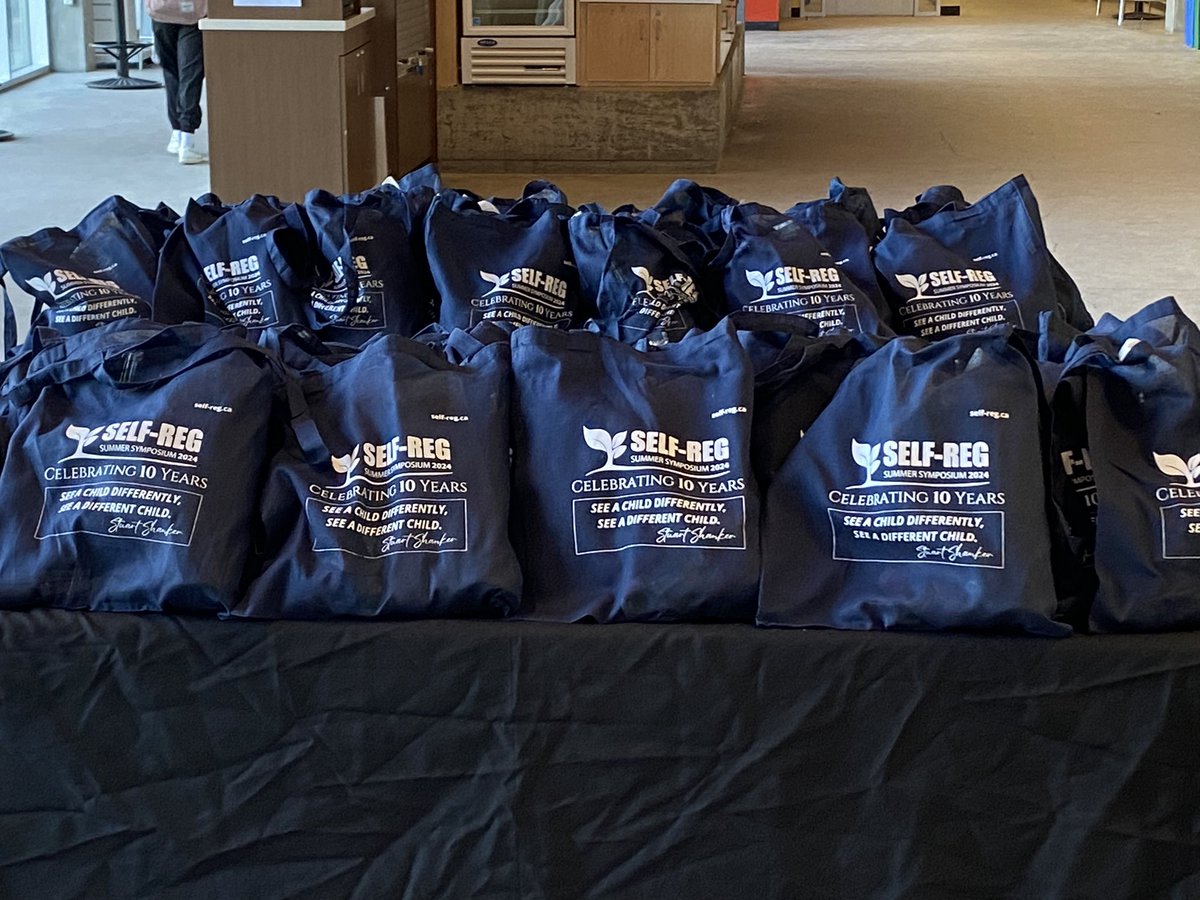
🚀 Exciting Announcement! 🚀
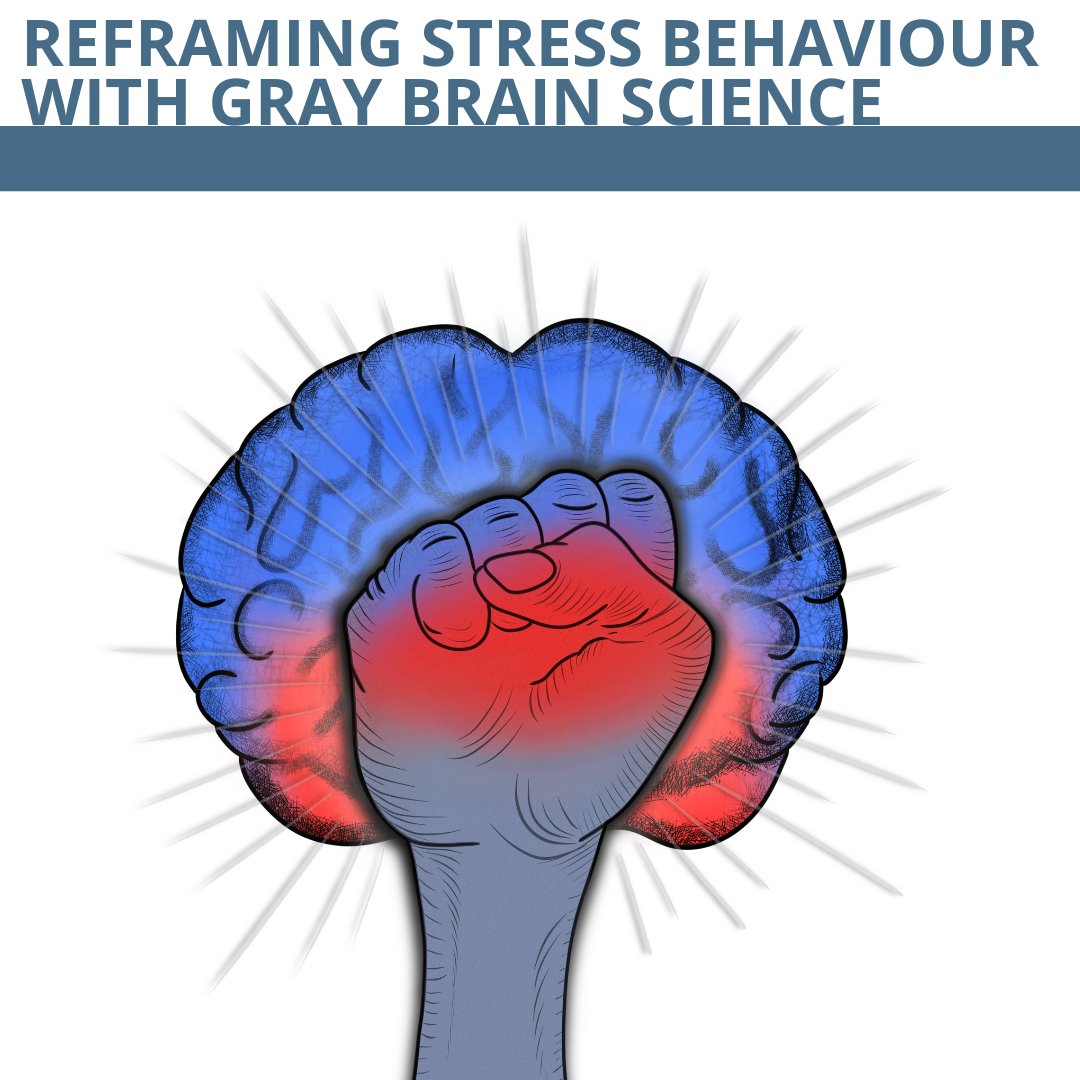
Join @StuartShanker and me for TMC’s latest course in the Applied Self-Reg Knowledge (ASK) series: “Reframing Stress Behaviour with Gray Brain Science.”
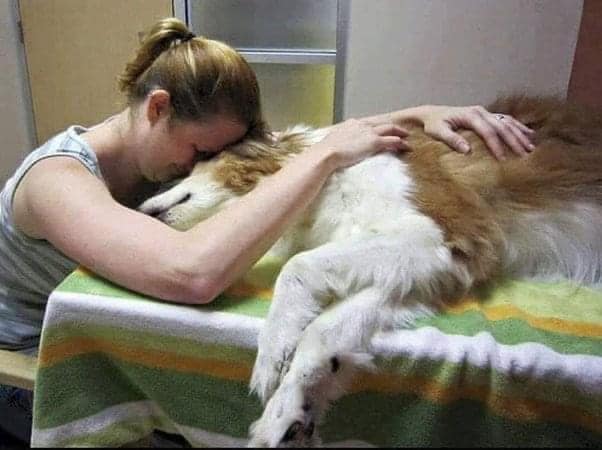
"It turns out that pets also have last wills before they die, but only known to vets who put old and sick animals to sleep." Twitter user Jesse Dietrich asked a vet what the hardest part of his job was. The specialist replied without hesitation that the hardest thing for him was seeing how old or sick animals look for their owners before they fall asleep. The fact is 90% of owners don't want to be in a room with a dying animal. People leave so they don't see their animals leave. But they don't realize it's in these last moments of life that their animal needs them the most. Vets are asking owners to stay close to animals until the end. "It is inevitable that they die before you. Remember that you were the center of their lives. Maybe they were just a part of you. But they are also your family. Even if it's hard, don't give up on them. Don't let them die in a room with a stranger in a place they don't like. It's very painful for vets to see how pets can't find their owner in the last minutes of their lives. They don't understand why their master left them. After all, they needed the consolation of their master. Veterinarians do their best to make animals not so scared, but they are totally strangers to them. Don't be a coward because it's too painful for you. Think about the animal. Endure that pain for them. Be with them until the end.💞🙏
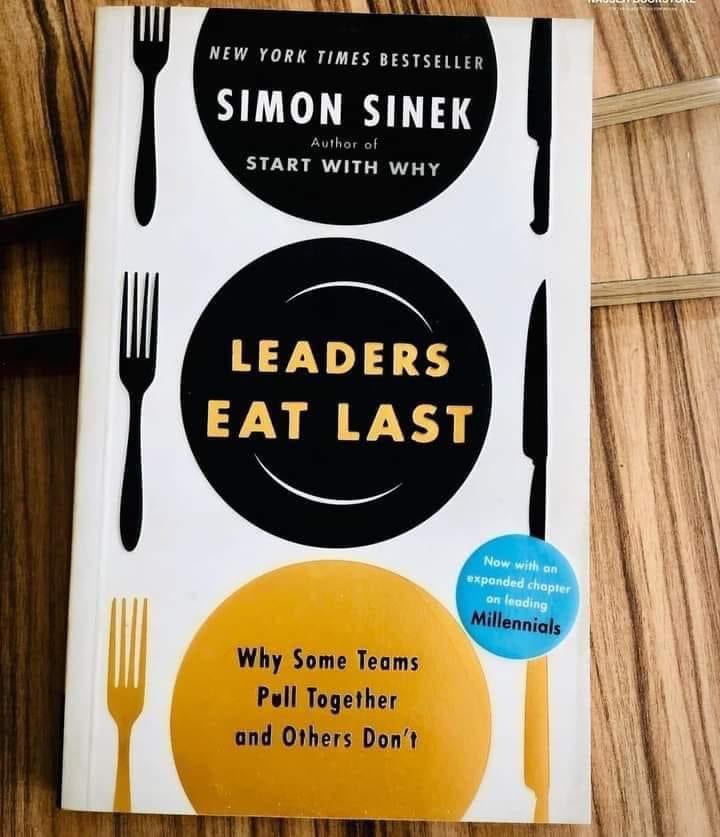
"Leaders Eat Last" emphasizes that leadership is not just about getting results, but also about prioritizing the well-being and personal growth of those you lead.
The book "Leaders Eat Last" written by Simon Sinek talks about leadership and offers some valuable lessons.
Some of the key lessons learned from the book are:
1. Leaders should put their people first: Good leaders prioritize the well-being of their employees, and they understand that it is their responsibility to create a work environment that feels safe, secure, and inclusive.
2. Trust is crucial: Strong relationships require mutual trust and respect. Leaders who prioritize the needs of their employees and cultivate trust are more likely to build a loyal and committed team.
3. Create a sense of belonging: People need to feel that they are part of something bigger than themselves. Leaders who create an environment where their team members feel valued and respected foster a strong sense of belonging.
4. Invest in your people: Leaders who invest in the growth and development of their employees, both personally and professionally, are more likely to have a loyal and committed team.
5. Good leaders inspire action: Leaders who set a good example themselves are more likely to inspire their team members to take action and become leaders in their own right.
@simonsinek#LeadersEatLast
How you treat the people who clean your working spaces speaks more about your work culture and your way of being than you might like. What is their name? What hours do they work? How often do you ask them how they are? Do you thank them every day? #culturechange#leadership
A6 #TMCTalks has been my monthly reconnection with my @Self_Reg community. Cant imagine what the second Wednesday of the month will be like without our chat. Sadly other great chats have also folded as shifts happens in social media. Hope we find a way to reconnect. Love you all!
A5 Looking beyond the shame and blame and dig into the whys and why nows will change the experience for all.#TMCTalks Building trust is critical for success for all.
A4 bullying behaviour is often the result of people feeling unsafe. Their limbic reactions appear to be targeted which get them labelled as bullies. Like Stuart says, “when you think you’ve dug deeply enough, dig again.” #TMCTalks
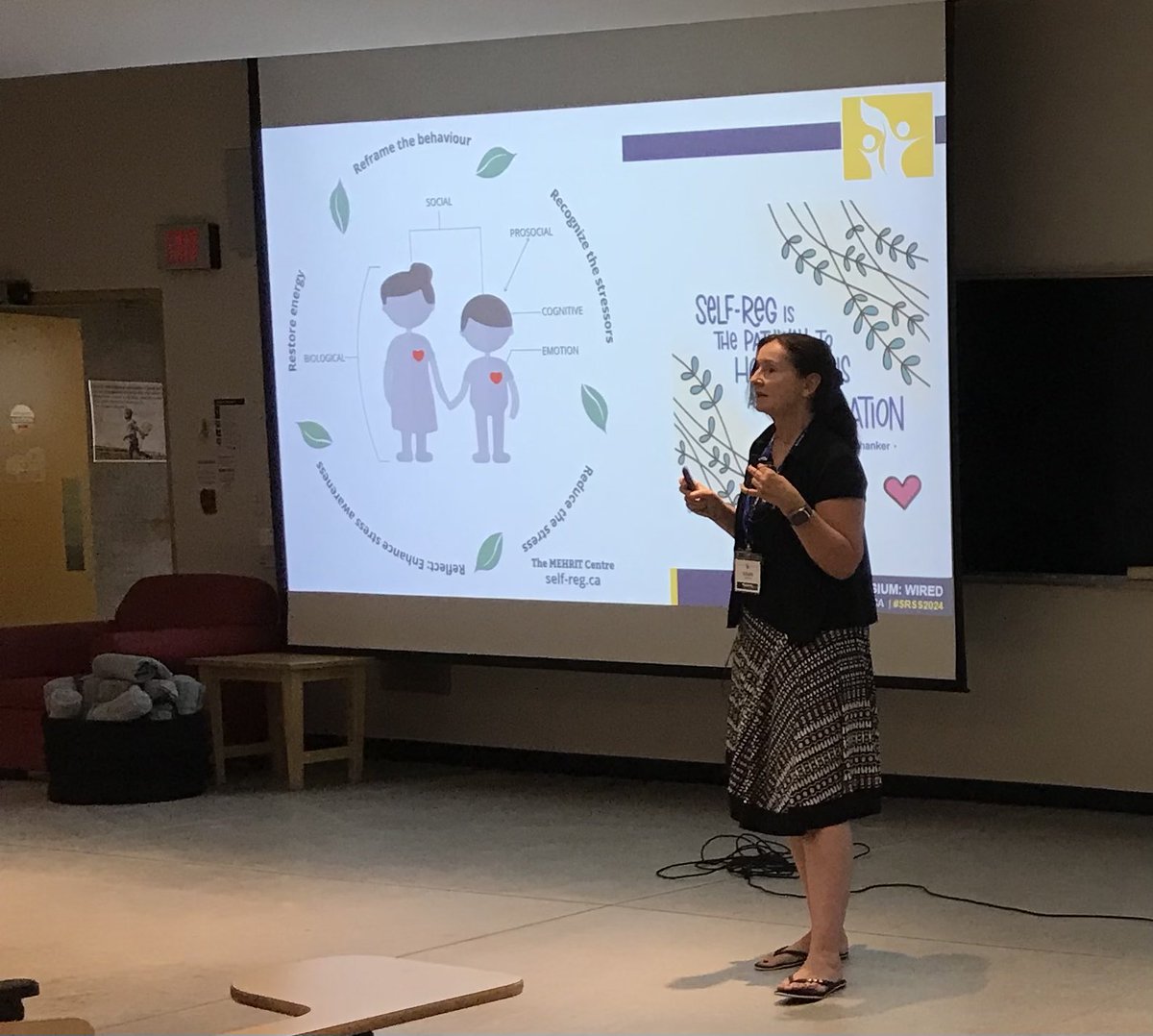
A3 The five steps of Self-Reg will get us there. Reframing is critical but to do that you need to know the brain science. Shanker Self-Reg gives us the steps to dial down the temperature and calm the storm. Self-Reg for all is the key. #TMCTalks
A2 The presence of others in a co-regulating stance help us to feel safe. I saw the best example of co-regulation today. Sadly I didn’t have my phone to take a picture. #TMCTalks
A1 Sad to see this chat come to an end. My parents made me feel safe at home but I never felt safe at school or in the community. #TMCTalks That’s why I’m so keen to help others to feel safe.
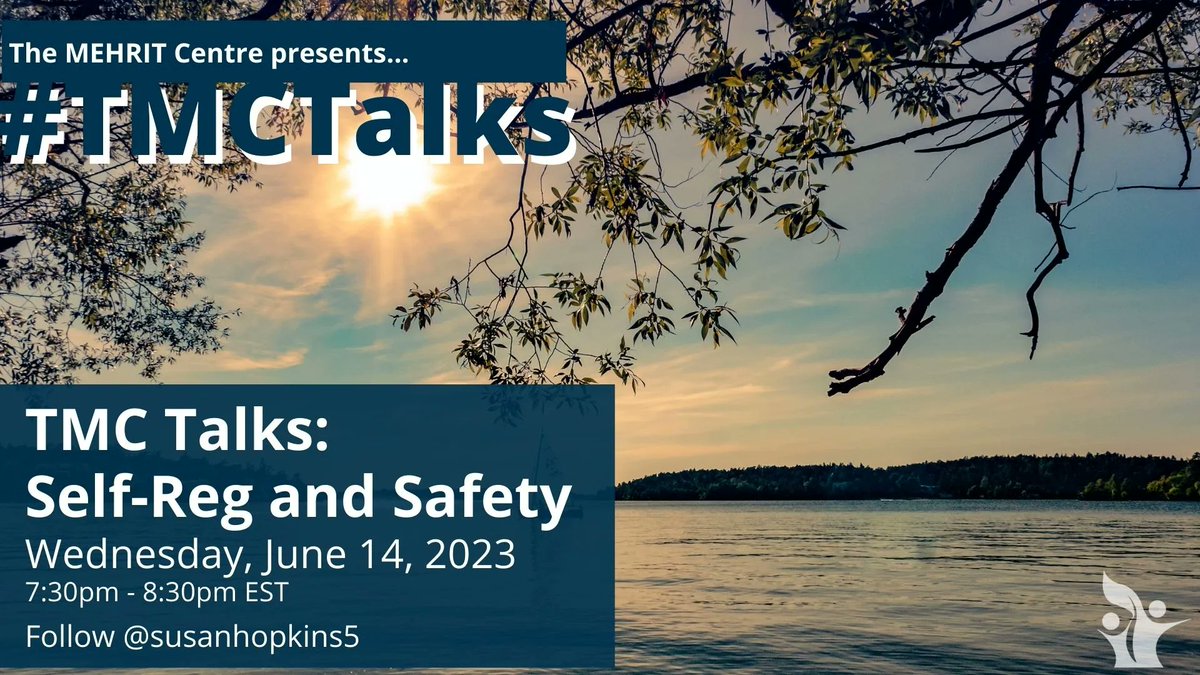
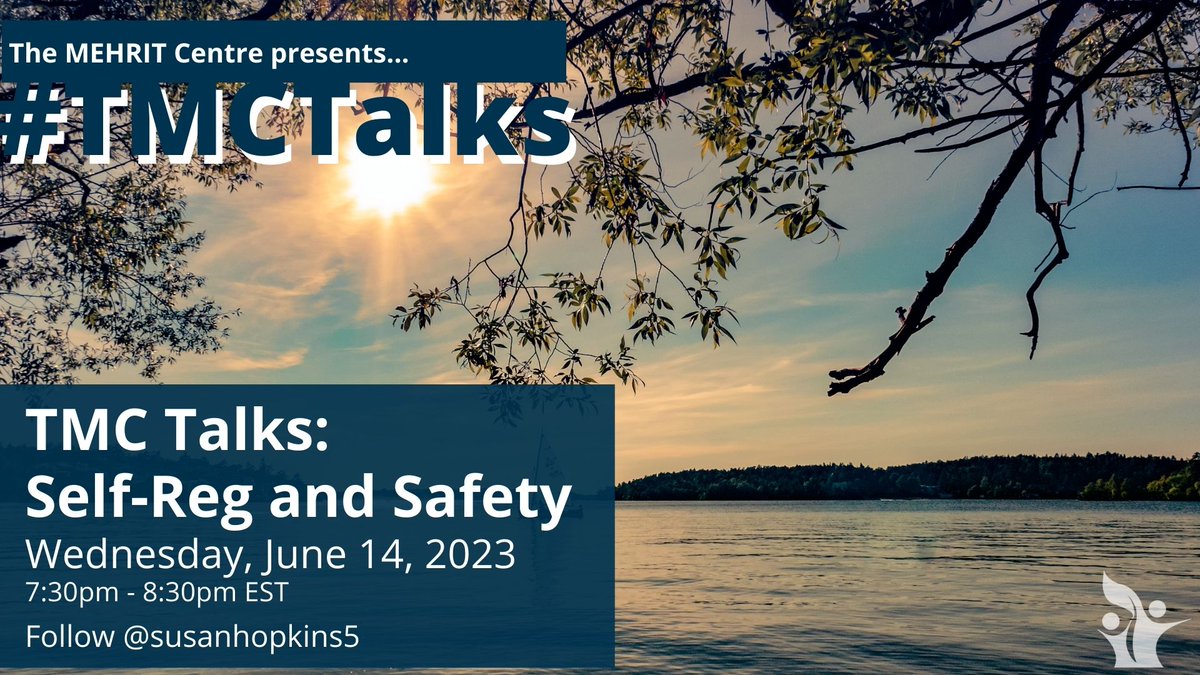
It's almost time for our last #TMCTalks! What a run it has been. We hope we will 'see' you there. Watch for the first question from @susanhopkins5 coming at 7:30 about #SelfReg and #safety. It was the topic of our very first ever chat 7 years ago! All are welcome!
#TMCTalks Says Goodbye For Now💙
Join us for the last TMC Talks before we take a pause to assess this form of #connection with our #SelfReg#community.
Our last Twitter Chat will be on Wed., June 14 & we invite all participants; present and past, to join us. @susanhopkins5 ⬇️
(Cw Ableism at school)
One thing that I rarely talk about in my work, at least publicly, is that almost every new K-12 space I’ve been in I’ve been made fun of in some way about my disability by students.
Sometimes it’s the ableist slurs, or it’s making fun of
A6 Students and staff need opportunities to restore during the day. In a less complicated world years ago two 15 minute recesses and an hour lunch were enough but in this very stressful world today we need more chances to restore. #tmctalks
A4 Help them with the 5 steps. Learn their stresses, reduce the ones you can, help them learn what calm feels like and their personal warning signs. Embody. Give them opportunities to restore every day. At school. And most all…reframe misbehaviour as stress behaviour. #tmctalks
A3 AprilMayJune is the toughest “month”. So many stressors in all domains. Lots of people “behaving badly”. I’m so grateful for Self-Reg because I ask why and why now. I use soft eyes for all and recognize stress behaviour. I reduces my stress. #TMCTalks