CphPlantSciCentre

1.6K posts

CphPlantSciCentre banner
CphPlantSciCentre

CphPlantSciCentre

@cpsc_ucph

Copenhagen Plant Science Centre, @KU_PLEN, @science_ku, @koebenhavns_uni. #plantbiology #ecosystems #research #education #biotechnology #dkvid #kbhuni.

Copenhagen, Denmark เข้าร่วม Eylül 2015
1.7K กำลังติดตาม1.5K ผู้ติดตาม
CphPlantSciCentre
CphPlantSciCentre@cpsc_ucph·
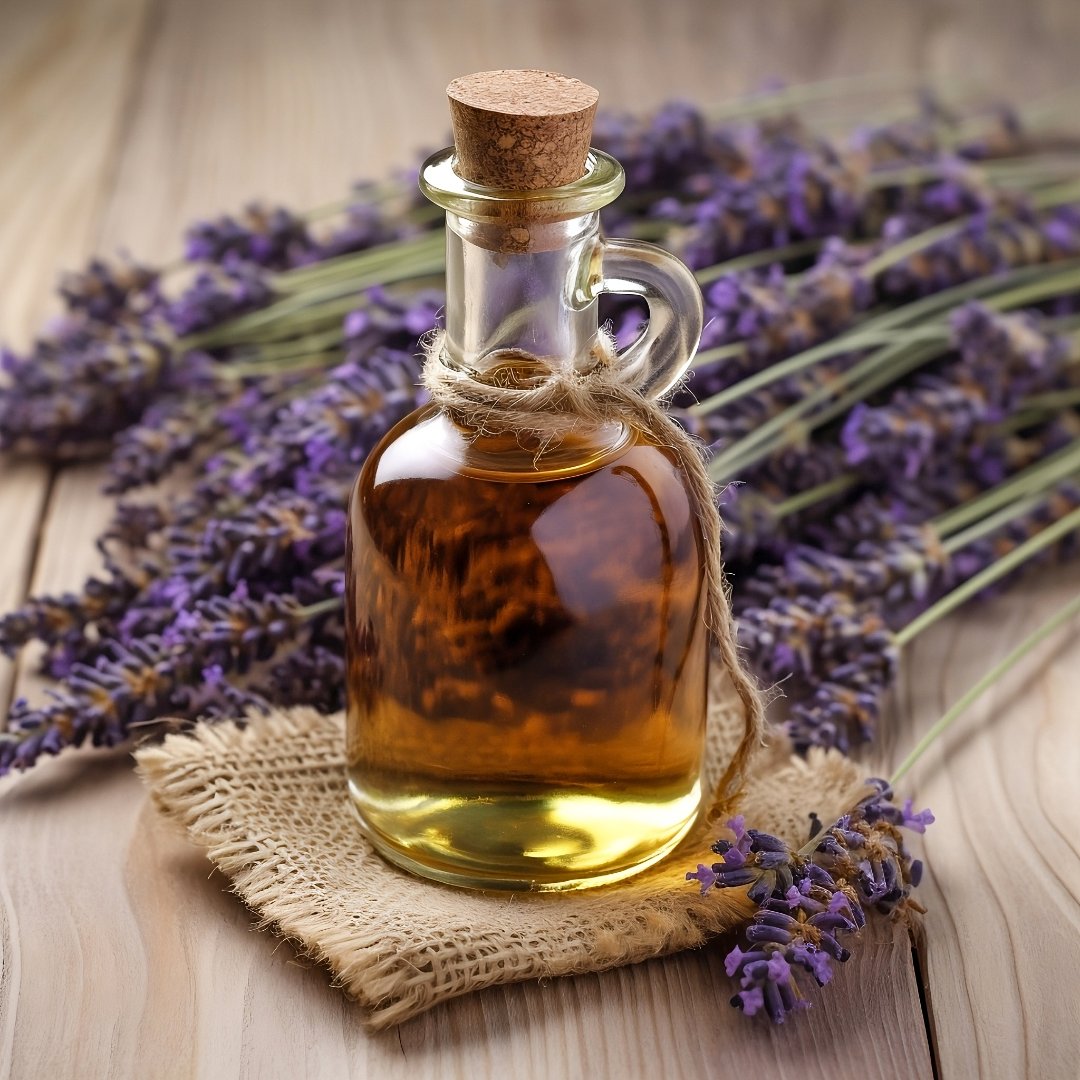
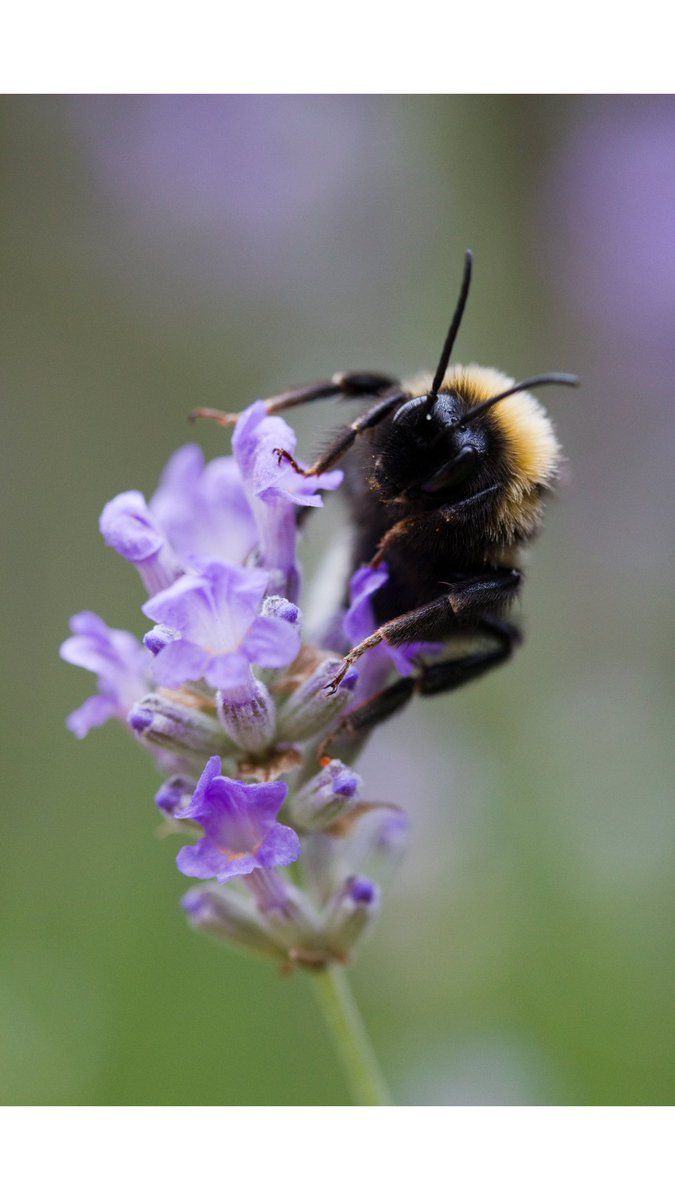
The delicate scent of lavender is composed of terpenes such as linalool, linalyl acetate and lavanduol. In our gardens, lavender attracts bees and butterflies and thus help protecting our biodiversity (4/4)
CphPlantSciCentre tweet media
English
0
0
0
98
CphPlantSciCentre
CphPlantSciCentre@cpsc_ucph·
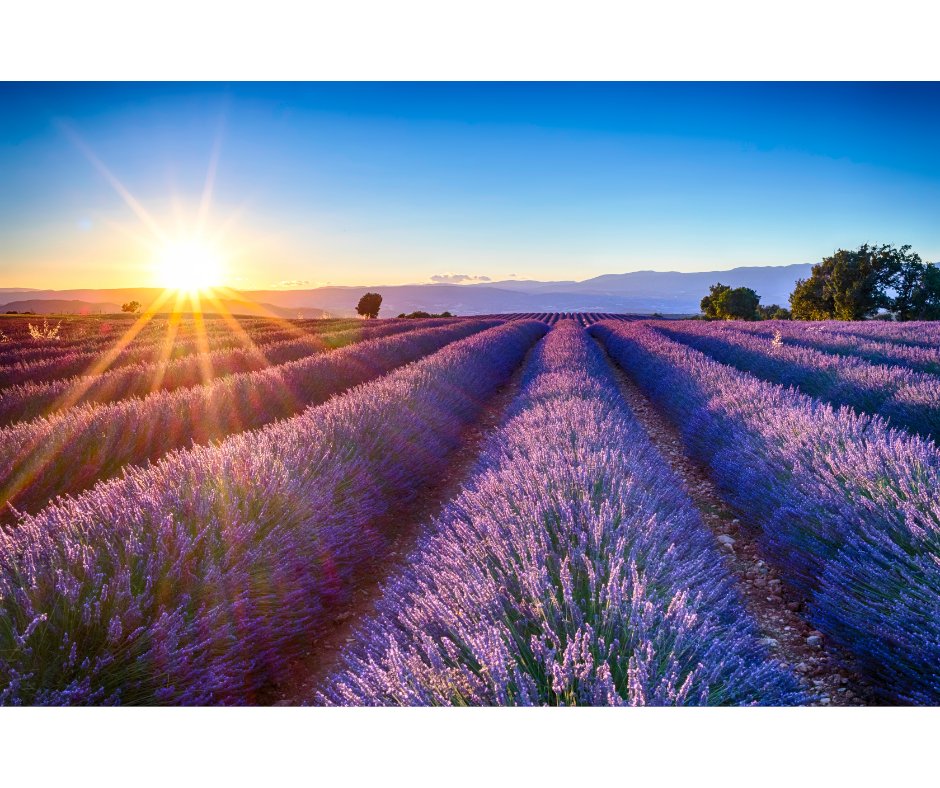
If you travel through France during summer, you can experience large fields covered with blue-violet flowers – quite a stunning view. Commercially, the species is grown to produce essential oil used in perfume and aromatherapy, which is known to have a calming effect (3/4)
CphPlantSciCentre tweet media
English
1
0
0
166
CphPlantSciCentre
CphPlantSciCentre@cpsc_ucph·
PLANT OF THE WEEK – The beautiful flower with a fantastic scent: Lavendula augustifolia (Common name: lavender) by @MetteSrensen18. Lavender is from the mint family Lamiaceae. The genus consists of over 40 species and is native to most of Europe, the Middle East and India (1/4)
CphPlantSciCentre tweet media
English
1
0
2
374
CphPlantSciCentre
CphPlantSciCentre@cpsc_ucph·
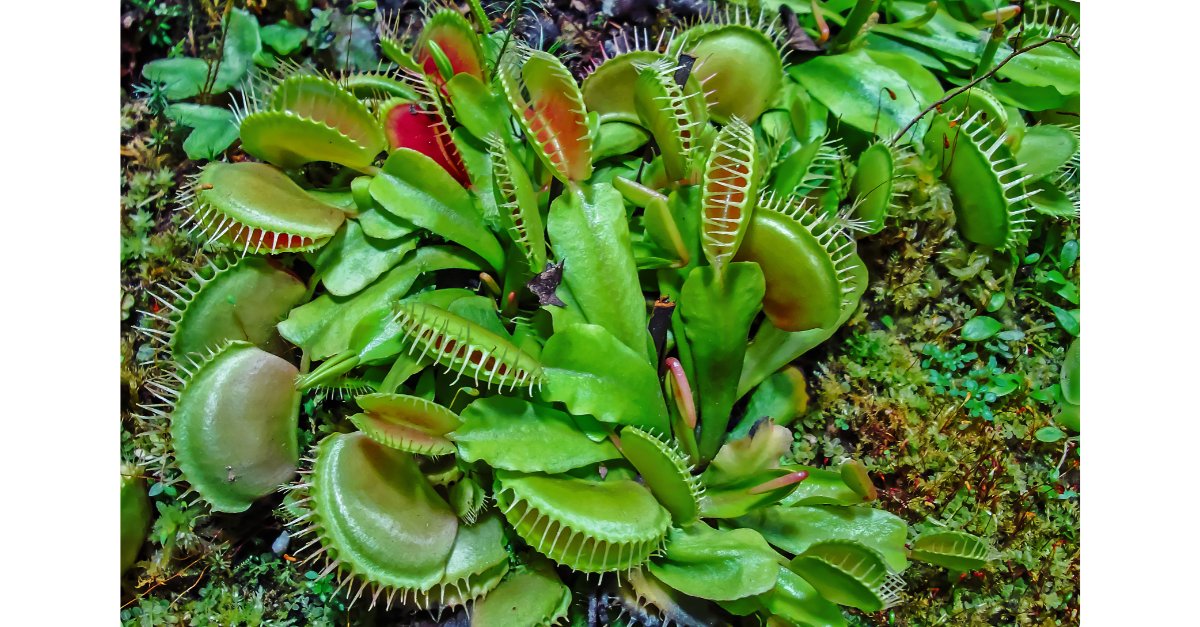
Another impressive feature of the Venus flytrap is the nervous system it has. After the hairs are activated, an action potential (nerve impulse) runs down to a central nerve and the leaf is activated to close (4-4)
CphPlantSciCentre tweet media
English
0
0
0
72
CphPlantSciCentre
CphPlantSciCentre@cpsc_ucph·
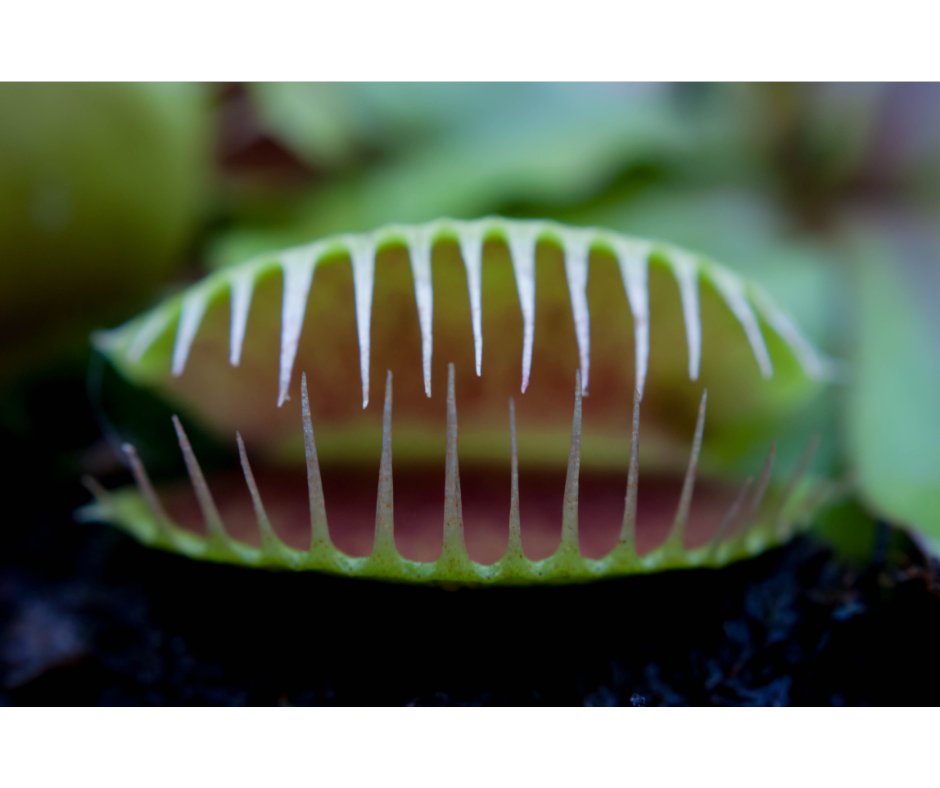
If you touch a Venus flytrap with a stick or your finger it will not close. The leaf has a kind of short-term memory. The hairs on the leave must be touched twice in a short timespan to close. This is to prevent the leaf from closing if touched by raindrops, wind etc. (3-4)
CphPlantSciCentre tweet media
English
1
0
0
84
CphPlantSciCentre
CphPlantSciCentre@cpsc_ucph·
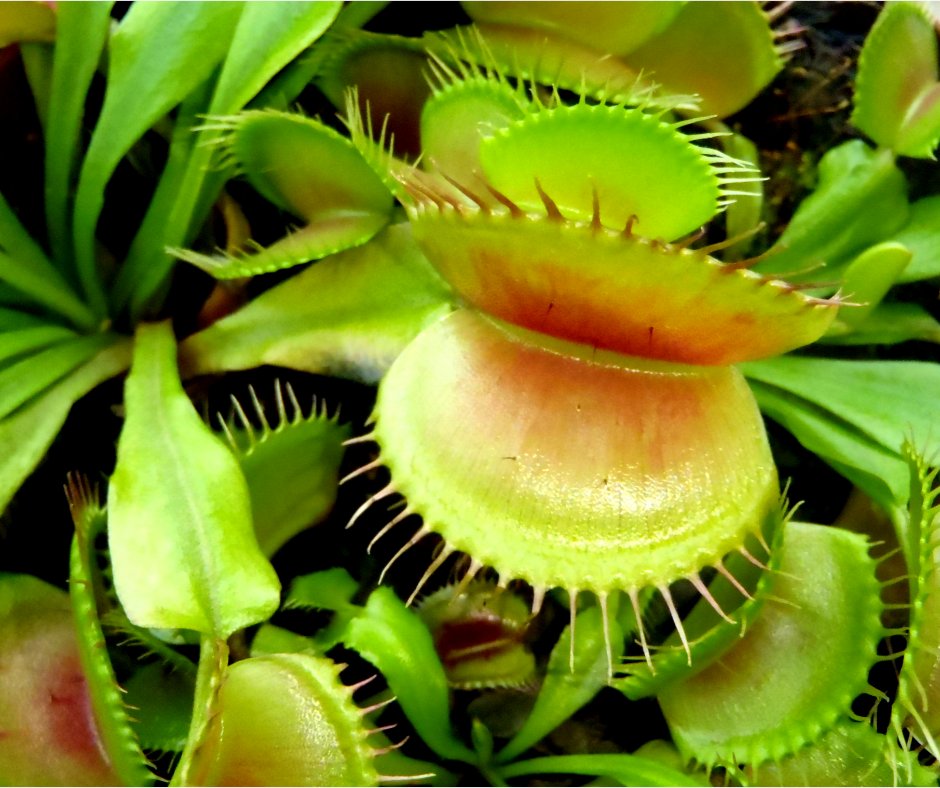
PLANT OF THE WEEK – The painful killer with short-term memory: Dionaea muscipula (common name: Venus flytrap) based on the book Planternes Manifest – forsvar for en tavs livsform by @Anders Lund Madsen and @Michael Broberg Palmgren (1-4)
CphPlantSciCentre tweet media
English
1
0
1
298
CphPlantSciCentre
CphPlantSciCentre@cpsc_ucph·
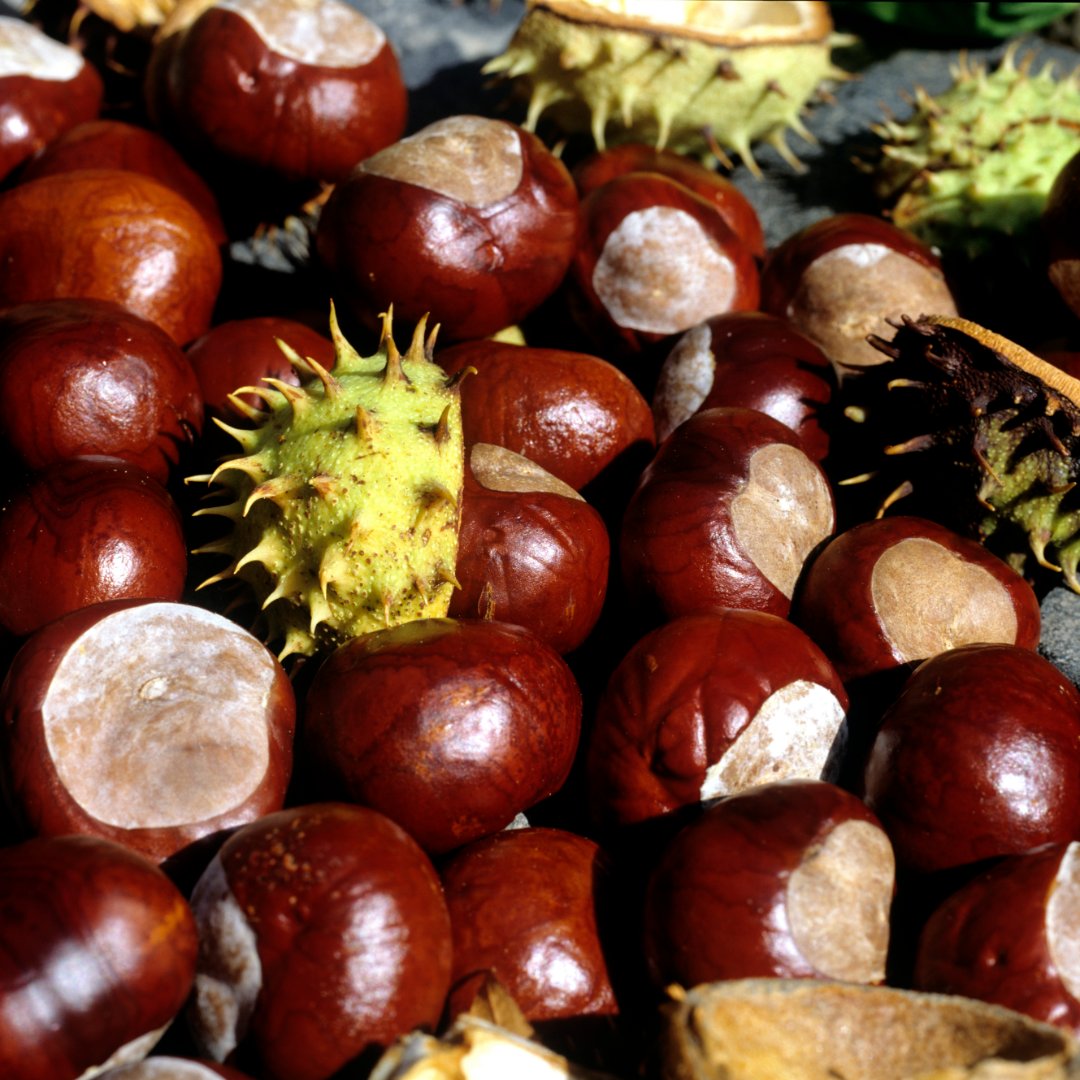
Bees with orange pollen on their hind legs could very well have visited a horse chestnut. By the way, do not confuse the horse chestnut with the sweet chestnut (castanea sativa), as it’s nuts are not edible but slightly poisonous (3-3)
CphPlantSciCentre tweet media
English
0
0
2
60
CphPlantSciCentre
CphPlantSciCentre@cpsc_ucph·
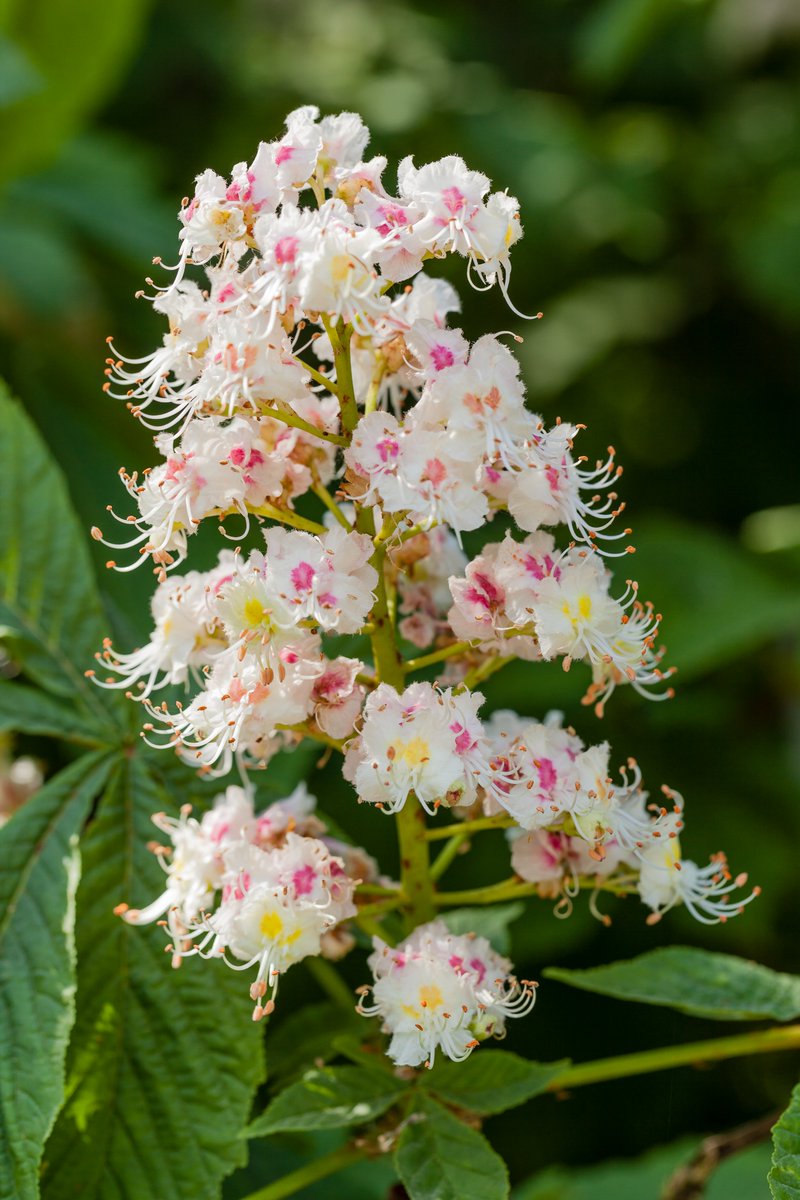
Bees are attracted by the yellow dots and they will pollinate the flowers. After pollination, the colour changes to red, a colour that insects are not able to see and bees will not waste energy on these flowers (2-3)
CphPlantSciCentre tweet media
English
1
0
1
69
CphPlantSciCentre
CphPlantSciCentre@cpsc_ucph·
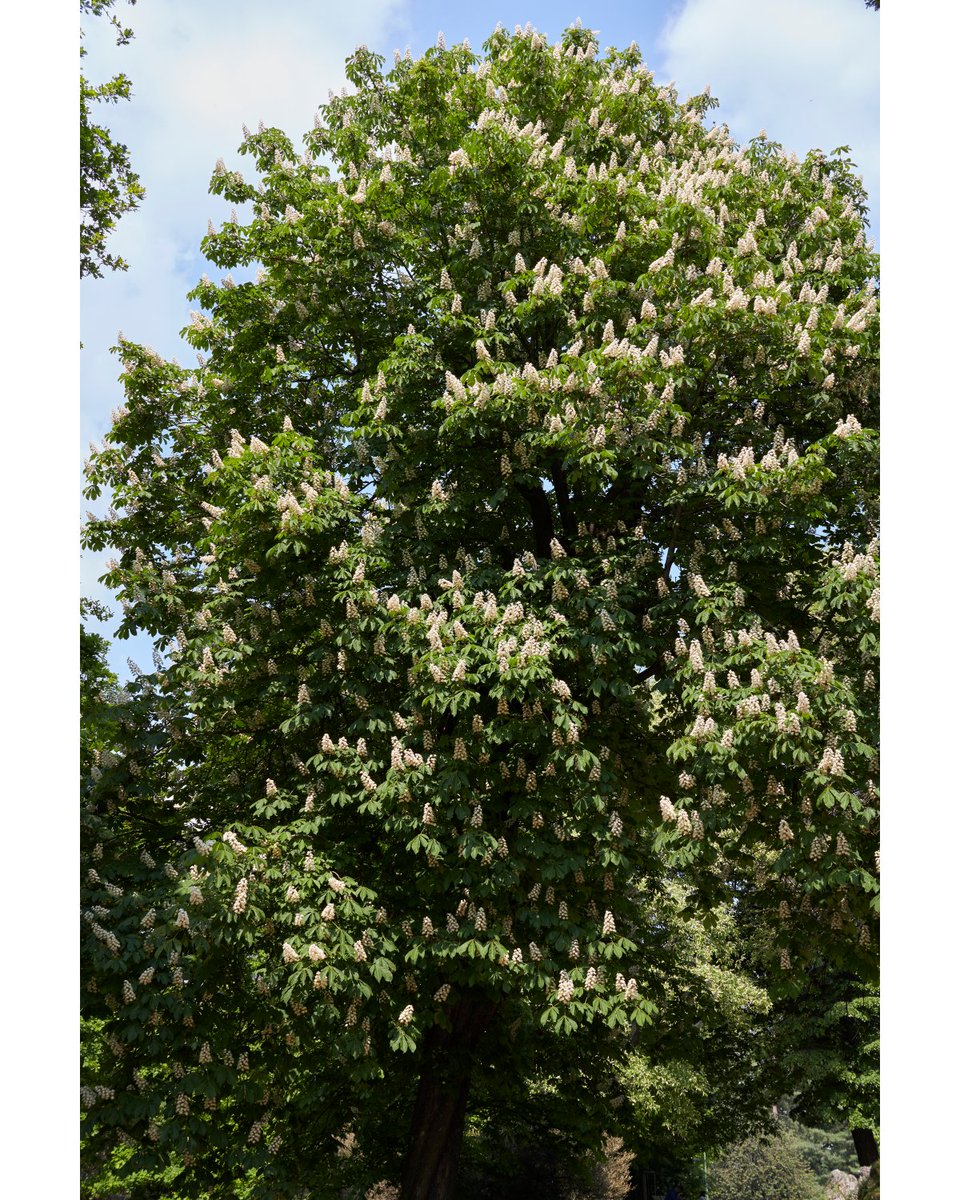
PLANT OF THE WEEK – The tree that uses colour-signalling for pollination: Aesculus hippocastanum (common name: horse chestnut) by Eva Rosenqvist. Read the next post if you want to know why some of the white flowers have a yellow and some have a red dot (1-3)
CphPlantSciCentre tweet media
English
1
0
1
238
CphPlantSciCentre
CphPlantSciCentre@cpsc_ucph·
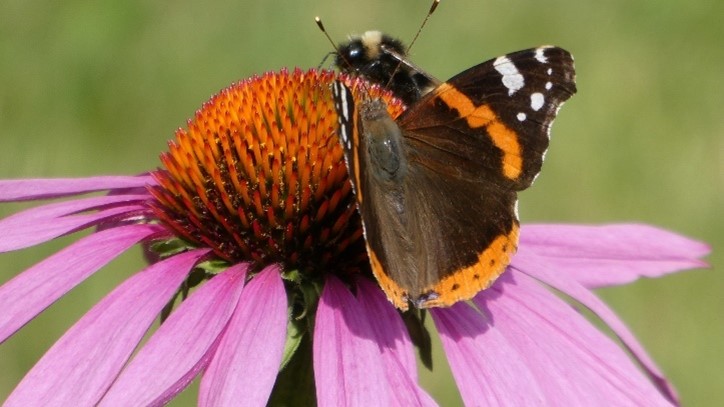
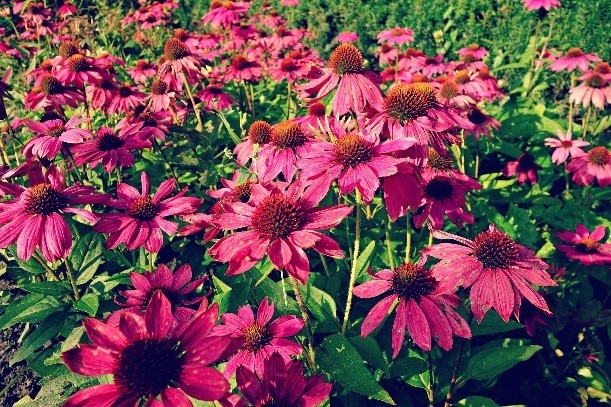
Echinacea has been used as a "cure-all" herb to treat infections, wounds and influenza. Although not scientifically confirmed, it is known to stimulate the immune system. In gardens, purple coneflower attracts bees and butterflies and thus help protecting our biodiversity (2-2)
CphPlantSciCentre tweet media
English
0
0
1
75
CphPlantSciCentre
CphPlantSciCentre@cpsc_ucph·
PLANT OF THE WEEK – the “cure-all” Echinacea purpurea (common name: purple coneflower) by @MetteSrensen18 @KU_PLEN. Purple coneflower is a flowering perennial from the daisy family. The large flowers light up the garden & the spines are decorative in dried flower bouquets (1-2)
CphPlantSciCentre tweet media
English
1
1
4
402
CphPlantSciCentre
CphPlantSciCentre@cpsc_ucph·
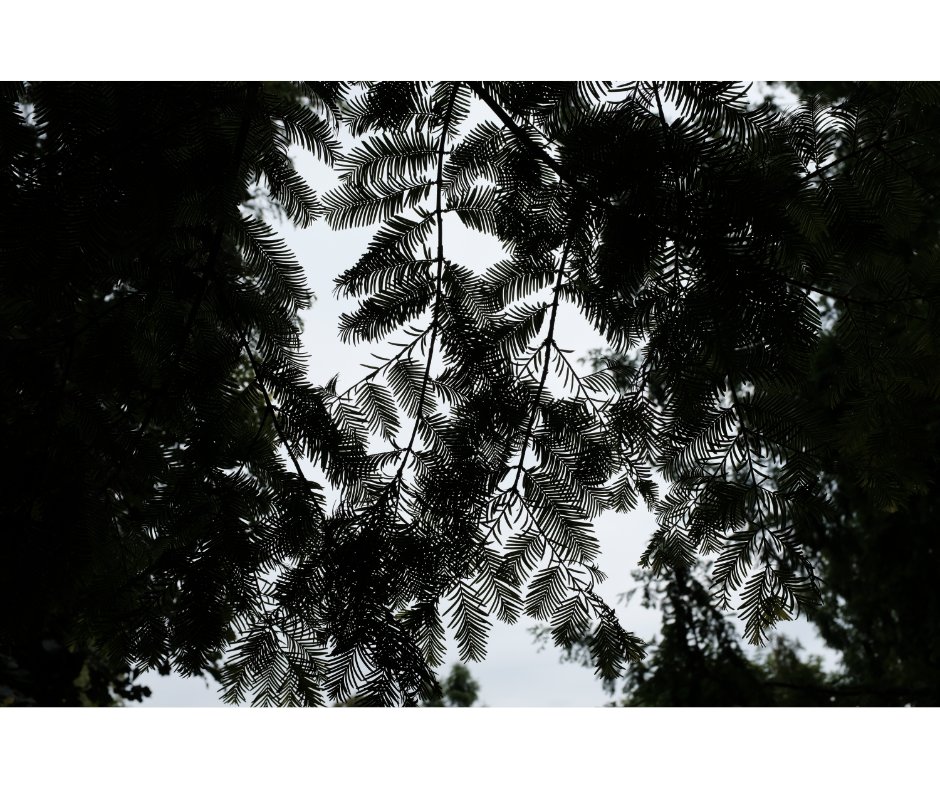
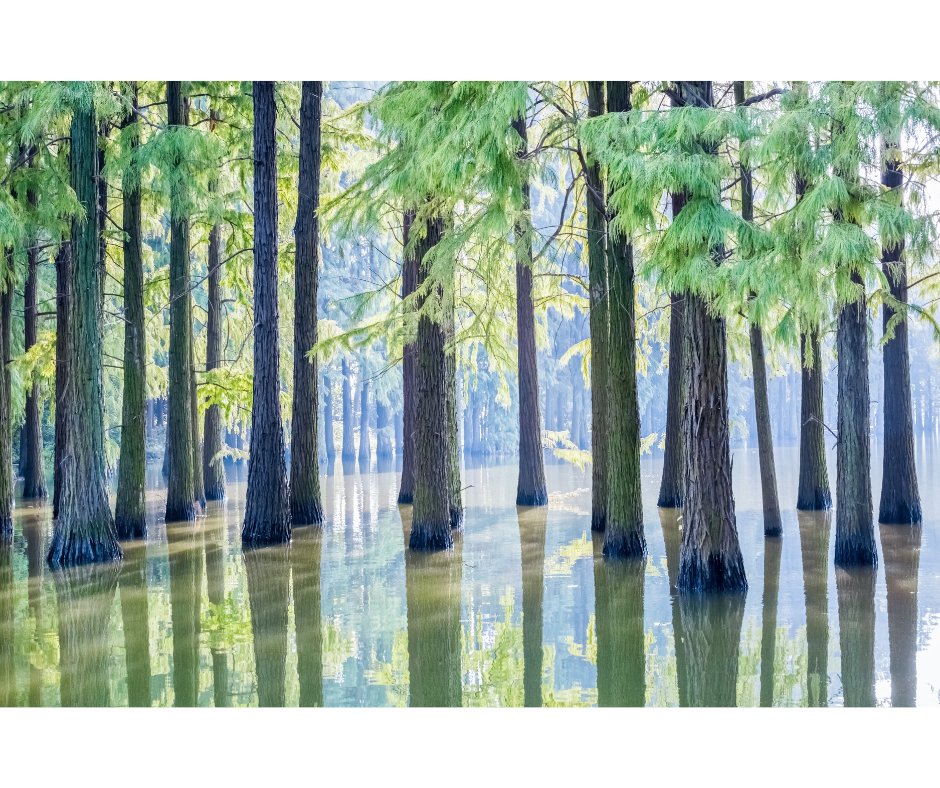
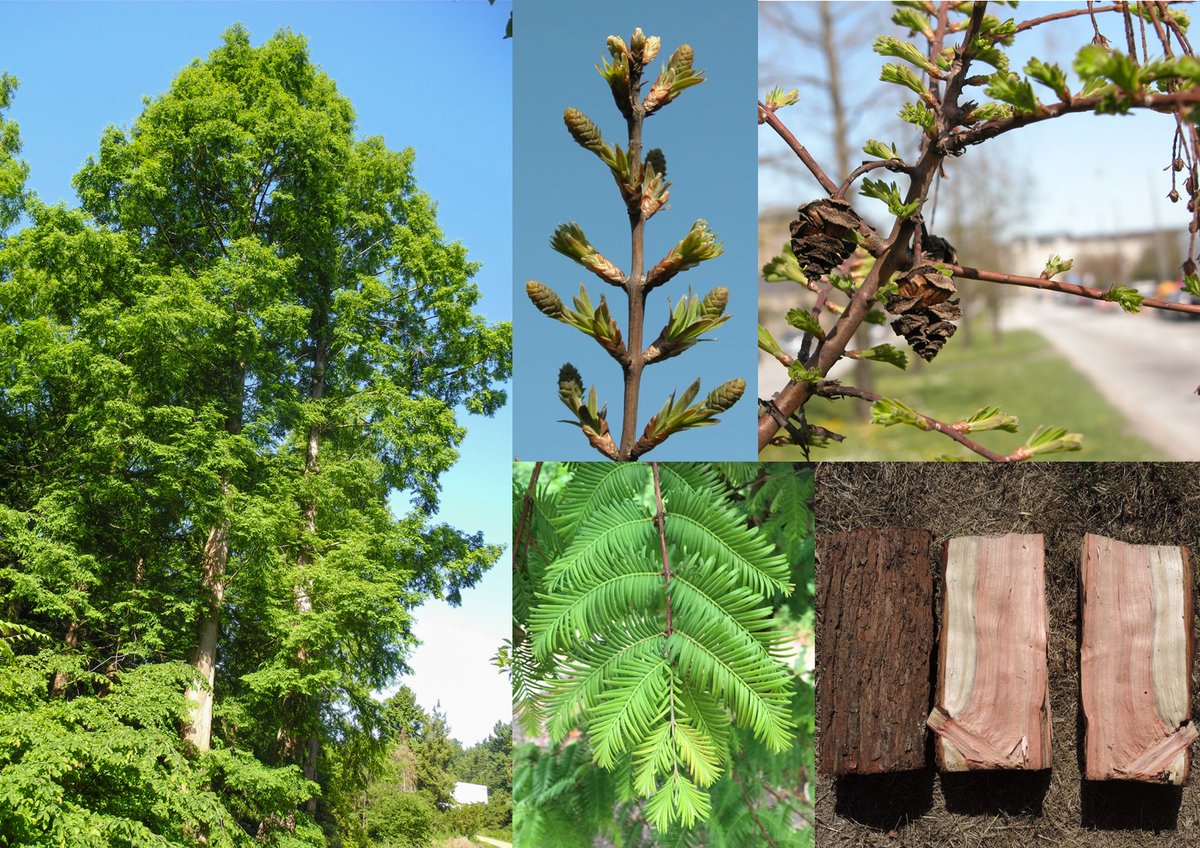
The species is critically endangered in its native habitat, however its popularity will ensure its survival. While usually planted in parks and gardens, it is also suitable as an urban street tree as it is very tolerant to air pollution (6-6)
CphPlantSciCentre tweet media
English
0
0
1
82
CphPlantSciCentre
CphPlantSciCentre@cpsc_ucph·
Metasequoia was named ‘dawn redwood’ – as old as the dawn of time. The Danish name “vandgran” (water spruce, a directtranslation of the Chinese name), is misleading as it is neither a spruce nor particularly moisture-demanding (5-6)
CphPlantSciCentre tweet media
English
1
0
1
114
CphPlantSciCentre
CphPlantSciCentre@cpsc_ucph·
PLANT OF THE WEEK – The living fossil Metasequóia glyptostroboídes (common name: dawn redwood) by Marian Ørgaard, Kira Tendal and Niels Jacobsen @KU_PLEN (1-6)
CphPlantSciCentre tweet media
1
1
4
362
CphPlantSciCentre
CphPlantSciCentre@cpsc_ucph·
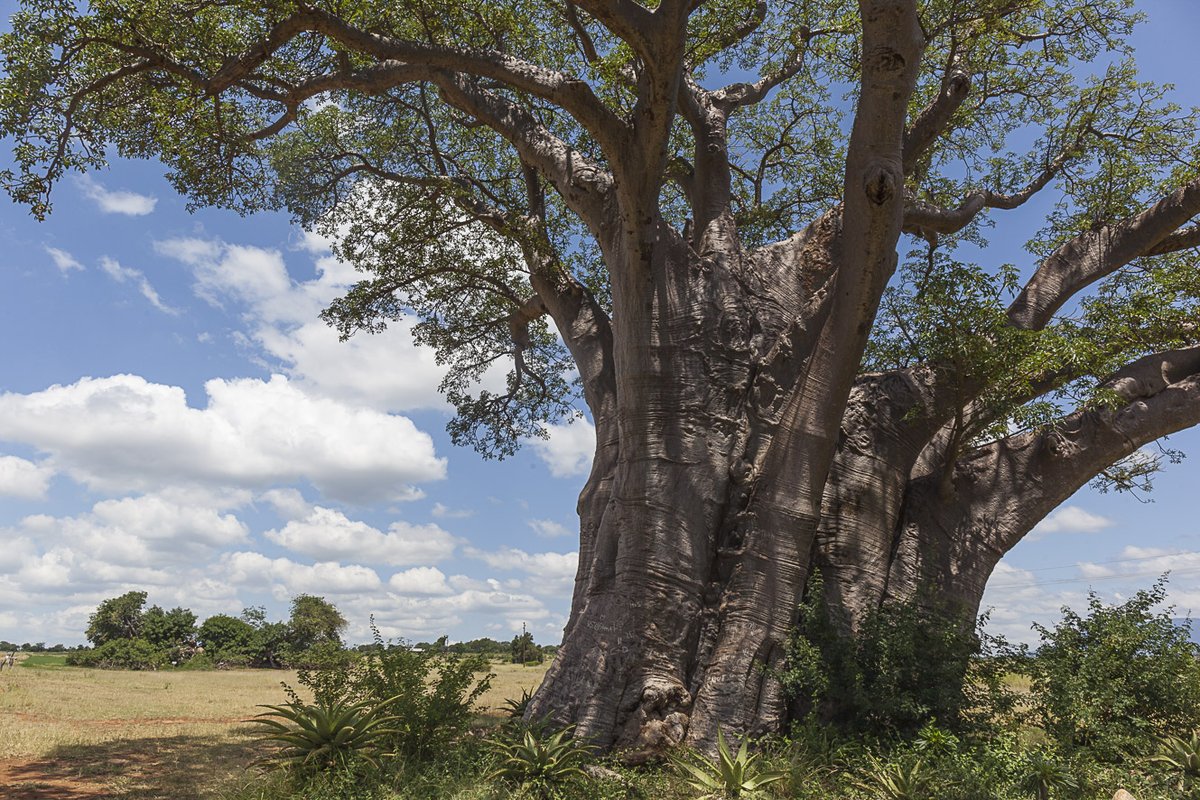
The picture shows an African baobab, photographed outside Hoedspruit in South Africa. In the background to the left, a more than 2000-year-old tree has collapsed, the central trunk is degraded but the root and several side branches are still alive, growing along the ground.
CphPlantSciCentre tweet media
English
0
0
1
91
CphPlantSciCentre
CphPlantSciCentre@cpsc_ucph·
Fun fact: In South Africa a pub was built in a hollow baobab in 1933 and they served beer in the Sunland Baobab Tree in Limpopo, until it collapsed of old age in 2018.
English
1
0
1
94
CphPlantSciCentre
CphPlantSciCentre@cpsc_ucph·
🌸🍀PLANT OF THE WEEK 🌳– Adansonia digitata (common name: African baobab) by Eva Rosenqvist @KU_PLEN. One of the most fascinating trees to see alive is the African baobab. It can grow to 25 m height and have a diameter of 10-14 m (diameter fluctuates with water availability).
English
1
0
1
173