Dr. Liz

815 posts

Dr. Liz banner
Dr. Liz

Dr. Liz

@drlizengineer

Engineering and science through history. Aerospace engineer.

United States เข้าร่วม Kasım 2019
245 กำลังติดตาม654 ผู้ติดตาม
ทวีตที่ปักหมุด
Dr. Liz
Dr. Liz@drlizengineer·
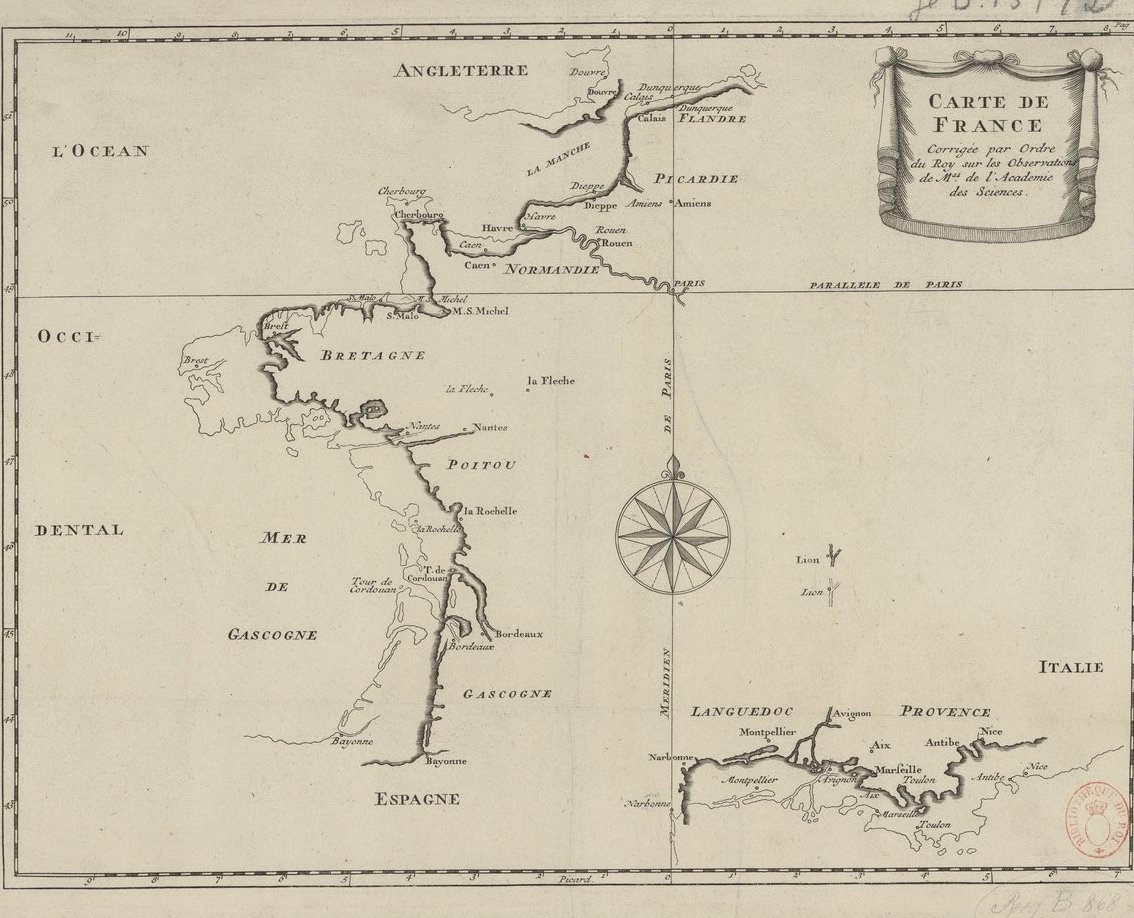
"You have cost me more territory than all my enemies!" - this is a rather anecdotal phrase attributed to Louis XIV. However, it would be a very natural reaction to the results of a coastal survey showing that your country is about 20% smaller than previously thought. The survey was conducted by the astronomer Abbé Picard (Jean Picard) and the mathematician Philippe de La Hire, with the general support of Giovanni Domenico Cassini (Cassini I), in the late 1670s and early 1680s. It employed improved astronomical methods for calculating the latitudes and longitudes of coastal towns. The map shown here was published by La Hire after Abbé Picard's death and shows the newly mapped coastline along with the old one in the background. Source: BnF Gallica
Dr. Liz tweet media
English
7
62
916
47.8K
Dr. Liz
Dr. Liz@drlizengineer·
@History_Globs Early April seems to be a good time for space flight.
English
1
0
1
31
American History & Studies 🇺🇸
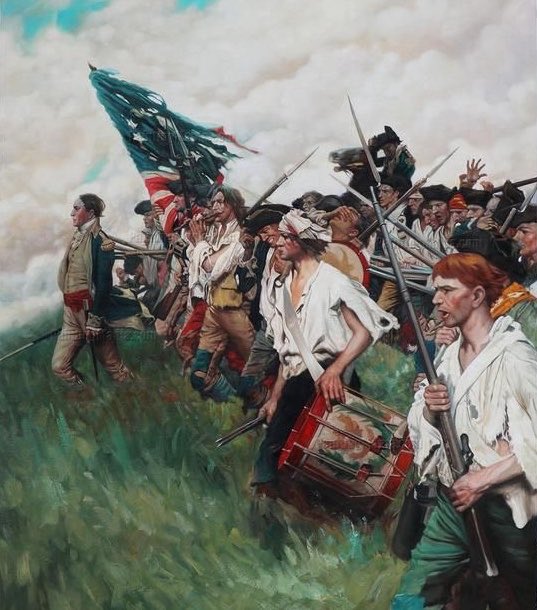
Further. Higher. Faster. 🇺🇸 On April 12, 1981, NASA launched the mission STS-1 with the Space Shuttle Columbia on its maiden flight. STS-1 was the first orbital spaceflight of NASA's Space Shuttle program testing the Space Transportation System (STS), a fleet of reusable spacecraft. Columbia was the world's first reusable orbital spacecraft, designed to launch like a rocket and land like a glider. John Young and Robert Crippen were the astronauts aboard for the initial test flight, lasting 54 hours, completing 36 orbits, and concluded with a successful landing at Edwards Air Force Base in California on April 14, proving the shuttle's ability to launch and return a crew. The Space Shuttle era had begun, STS-1 is a powerful symbol of American innovation, courage, and the dawn of a revolutionary new era in spaceflight. 🇺🇸
American History & Studies 🇺🇸 tweet media
English
2
6
31
570
Susan McLaughlin
Susan McLaughlin@SusanMcLaughli2·
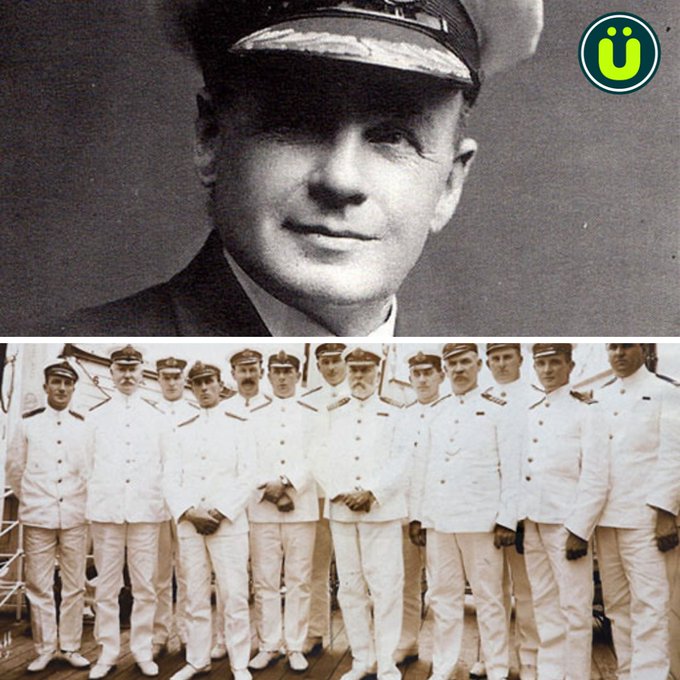
Charles Lightoller, the second officer of the Titanic, stayed onboard until the end and became trapped underwater until a boiler explosion set him free, allowing his escape. 28 years later at the age of 66, he volunteered in WW2 and helped save 122 men from Dunkirk
Susan McLaughlin tweet media
English
2
5
18
232
Dr. Liz
Dr. Liz@drlizengineer·
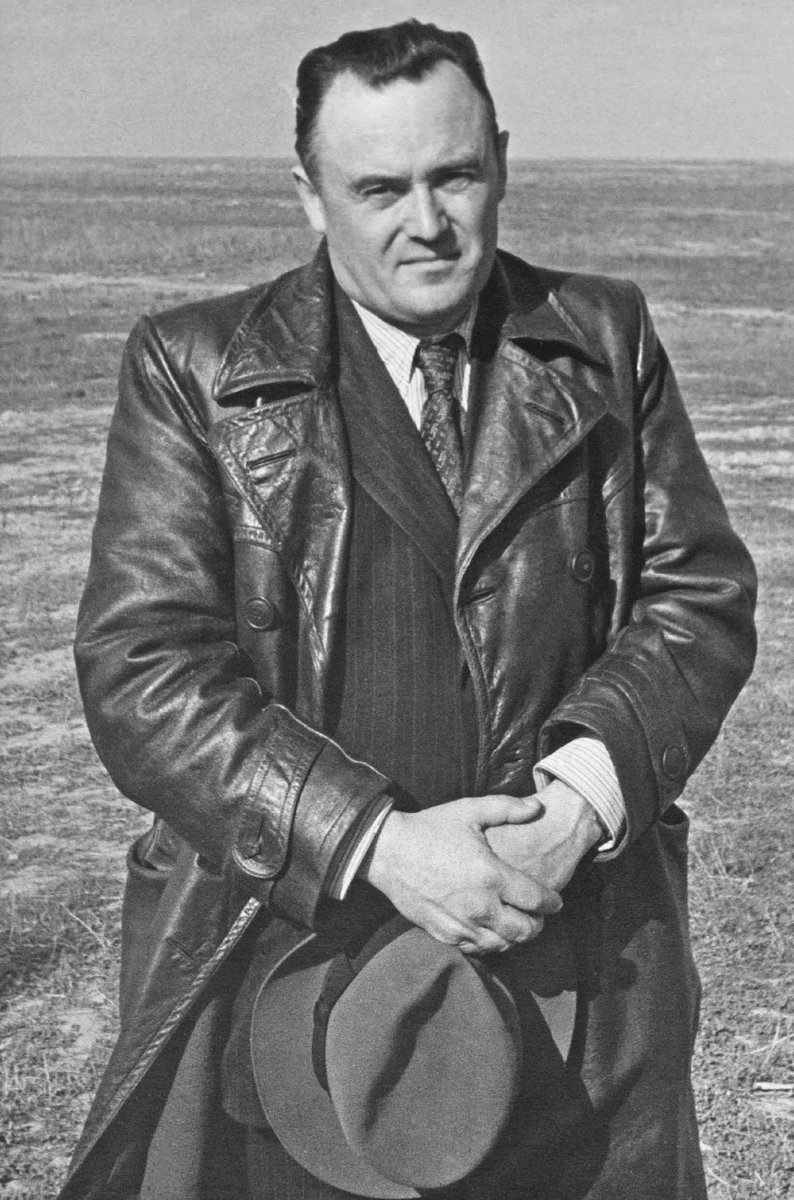
65 years ago, April 12, 1961. Yuri Gagarin became the first human in space aboard Vostok 1. It is also a moment to remember the man behind this flight. Sergei Korolev began working on early Soviet liquid-fueled rockets in the 1930s. Arrested in 1938 and sent to the Gulag, he spent years in imprisonment before returning to engineering work. He later led the development of Soviet rockets, beginning with the R-1 (derived from the German V-2) and culminating in the R-7 intercontinental ballistic missile, which became the basis for the launch vehicle that carried Gagarin into orbit.
Dr. Liz tweet mediaDr. Liz tweet media
English
1
7
22
604
Dr. Liz
Dr. Liz@drlizengineer·
Thanks to @History_Globs for the mention. A great list!
American History & Studies 🇺🇸@History_Globs

Attention history lovers! 🏛️ Here are some great accounts to follow. @drlizengineer @HistoryWJacob @hbulwark1 @BobhynemanUSA @JMurdock3890 @AHC1776 @claude_hammond @RevenantSouth @old_colossus @western_lives There are many more great history accounts. If you have more, please feel free to quote this post with your own list to keep the train going. (L&R helps) Thank you. 🇺🇸

English
0
0
11
618
Dr. Liz
Dr. Liz@drlizengineer·
1/2 🧵 A 15-inch Rodman gun during manufacture in 1860 at the Fort Pitt Foundry. Rodman guns were Civil War–era smoothbore cannon, with some reaching up to 20 inches in bore. They belonged to a broader class of Columbiads used for coastal defense since the early 19th century. In the late 1840s, Thomas Jackson Rodman developed a hollow casting (internal cooling) method that allowed much larger, more crack-resistant cast iron guns.
Dr. Liz tweet media
English
1
5
21
775
Dr. Liz
Dr. Liz@drlizengineer·
@Barbe_Noir3 Yes, especially for his time, his books were very informative!
English
0
0
2
24
Huxlindor
Huxlindor@Barbe_Noir3·
@drlizengineer Jules Verne really dug for information to make his stories up. If I remember well, they lift off from Florida too!
English
1
0
2
30
Dr. Liz
Dr. Liz@drlizengineer·
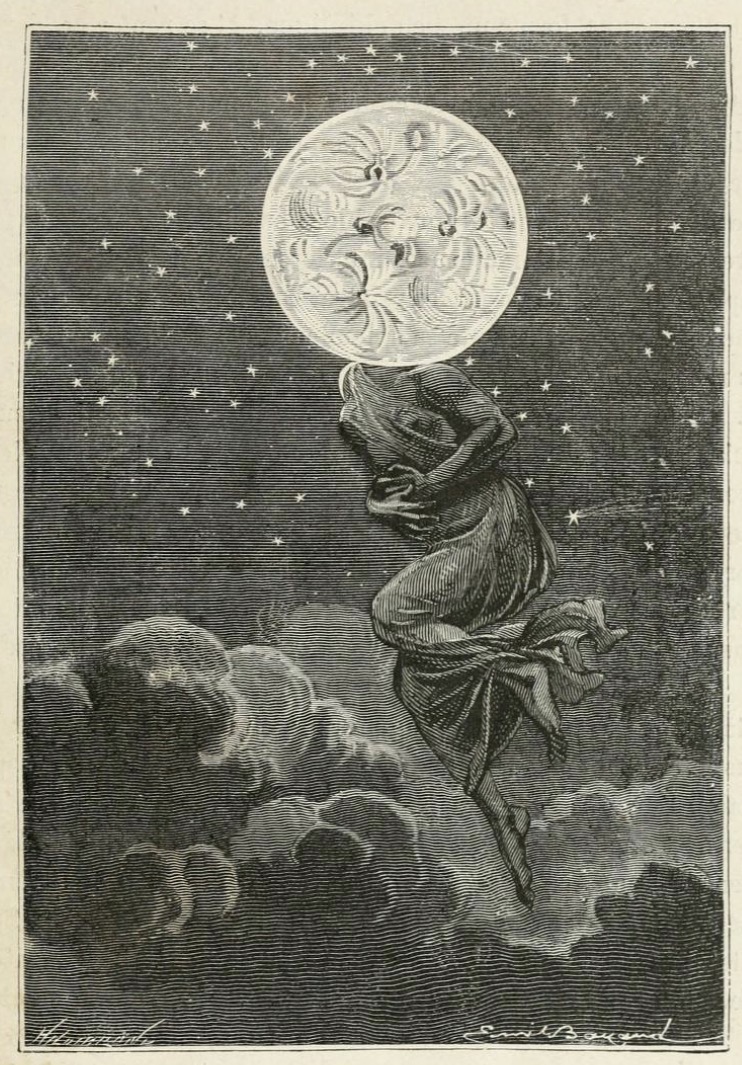
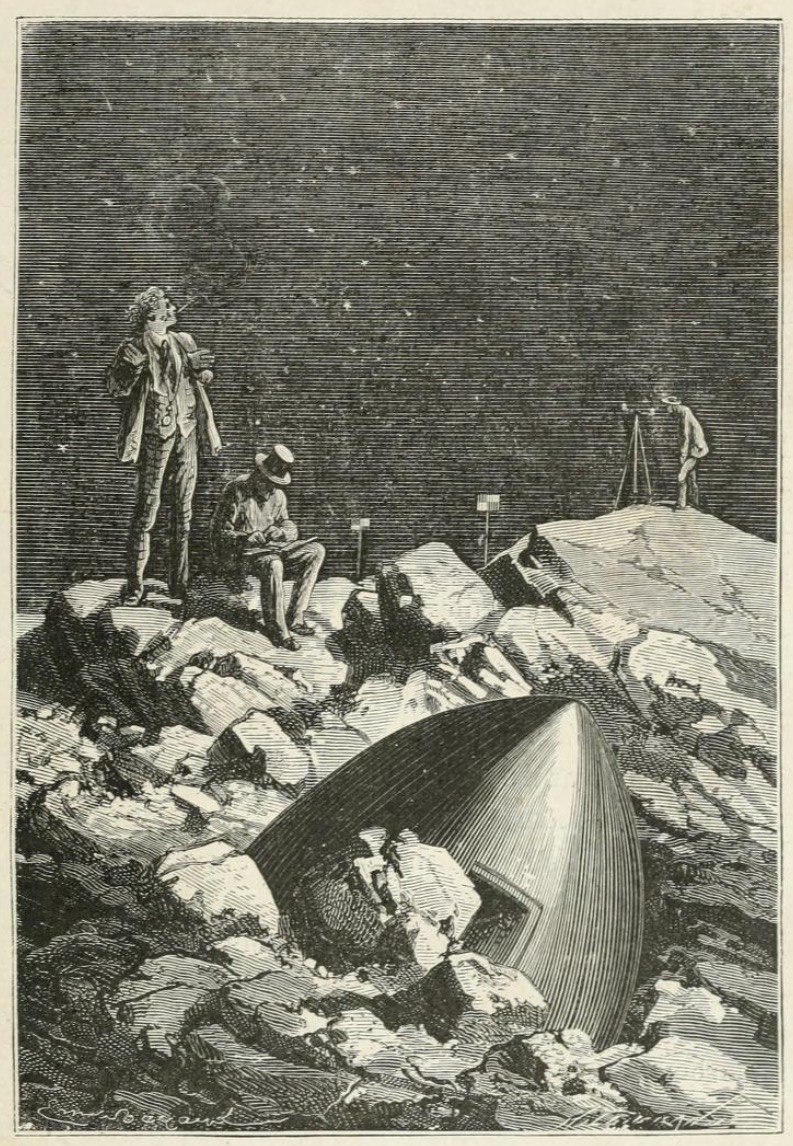
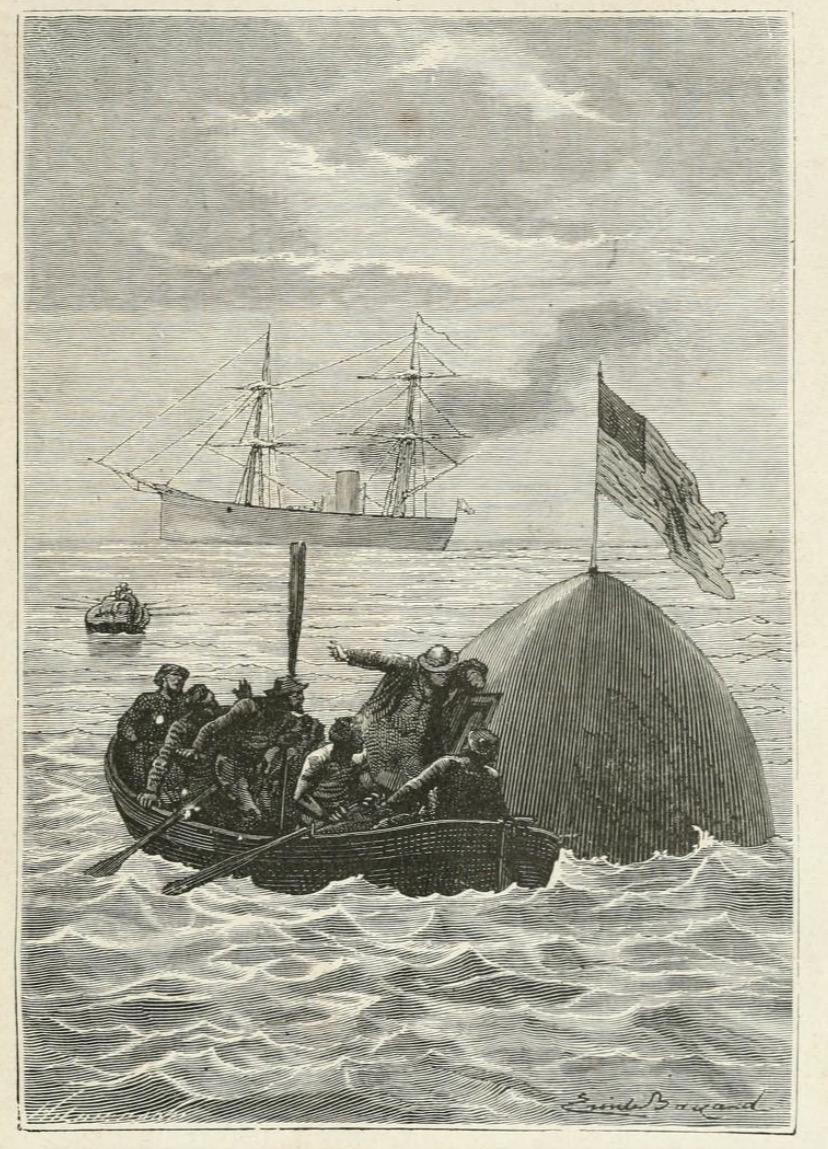
Here is a lighter set of Moon visuals. Illustrations for Jules Verne’s Around the Moon, created in the 1870s by É.-A. Bayard and A.-M. de Neuville. While the depiction of space travel looks outdated now, the humor certainly does not. Interestingly, the sea rescue of the returning projectile almost foreshadows modern splashdowns.
Dr. Liz tweet mediaDr. Liz tweet mediaDr. Liz tweet media
Dr. Liz@drlizengineer

1/7 Moon visuals from Galileo to today. New images from Artemis II are again drawing attention to our natural satellite. Let’s remember some key historical steps in the observation and depiction of the Moon. A thread 🧵

English
0
5
24
833
𝗡𝗼𝗔𝗴𝗲𝗻𝗱𝗮𝗪𝗵𝗲𝗻𝗧𝗿𝘂𝘁𝗵𝗜𝘀𝗩𝗮𝗹𝗶𝗱
From Galileo's trembling sketches of the Moon through his homemade telescope in 1609, to the stunning Earthset captured yesterday by American astronauts aboard NASA's Orion spacecraft—that is the breathtaking journey of human ingenuity, curiosity, and courage. The Moon is calling. America is answering. And the greatest chapters are still ahead. Wonderful presentation with your thread. 🧵 Thank You. 👍⭐
English
1
0
2
50
Dr. Liz
Dr. Liz@drlizengineer·
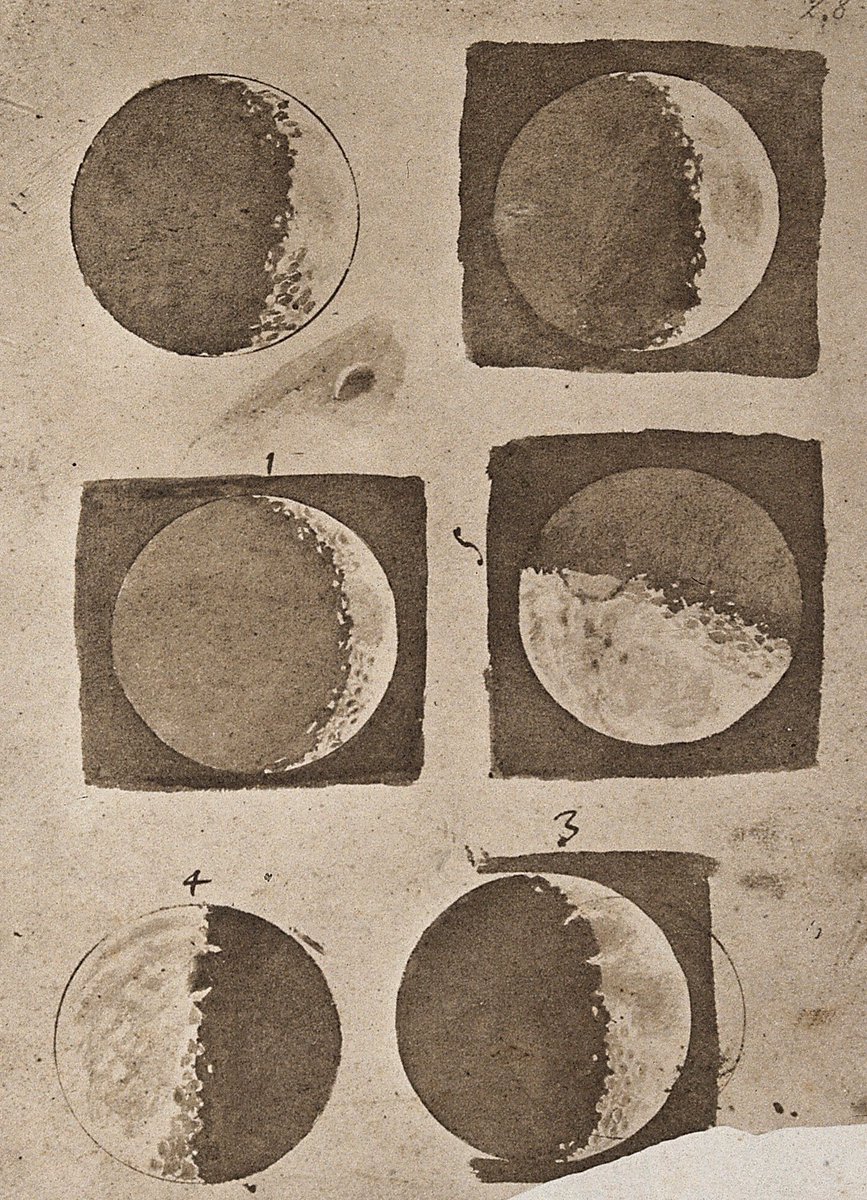
1/7 Moon visuals from Galileo to today. New images from Artemis II are again drawing attention to our natural satellite. Let’s remember some key historical steps in the observation and depiction of the Moon. A thread 🧵
Dr. Liz tweet mediaDr. Liz tweet media
English
3
8
23
2.1K
Tim Hamilton
Tim Hamilton@TSHamiltonAstro·
@drlizengineer The term was stuck in my head, but I'd only heard it in relation to Galileo, so I had to look it up now. Apparently it's basically watercolor done with ink, so both descriptions are correct. newyorker.com/magazine/2013/…
English
1
0
1
13
Dr. Liz
Dr. Liz@drlizengineer·
@BobhynemanUSA I think Lavoisier was overwhelmed by the events. The Du Ponts though are a great example of how things could turn out differently.
English
1
0
2
13
Bob Hyneman
Bob Hyneman@BobhynemanUSA·
@drlizengineer I think if Priestley's close friend, Antoine Lavoisier, had fled with him. America, and the world, would be a palpably different place today. But Antoine Lavoisier stayed put and was guillotined together with his entire family, a month after Priestley fled England
English
1
0
2
20
Bob Hyneman
Bob Hyneman@BobhynemanUSA·
232 years ago today — April 7, 1794 — Joseph Priestley, the English scientist who discovered oxygen and pioneered early work in electricity and gases, arrived in the United States after fleeing persecution in England. A mob had burned his home, laboratory, and library in 1793 because of his support for the French Revolution and his unorthodox religious views. In America, Priestley found friendship and intellectual freedom. He became close with Benjamin Franklin (whom he had known earlier) and Thomas Jefferson, who greatly admired his scientific and political mind. Priestley's flight was part of a larger whole of scientists fleeing European political persecution James Audubon - Famed ornithologist Thomas Cooper - discoverer of bleach Pierre Samuel du Pont - of DuPont Chemical Co, & C.S. Rafinesque - who cataloged over 6,700 American plants also fled to America as refugees Priestley continued his research. He isolated carbon monoxide, helped lay the groundwork for the American Chemical Society, and influenced Thomas Jefferson in founding the University of Virginia.
Bob Hyneman tweet media
English
2
4
10
281
Dr. Liz
Dr. Liz@drlizengineer·
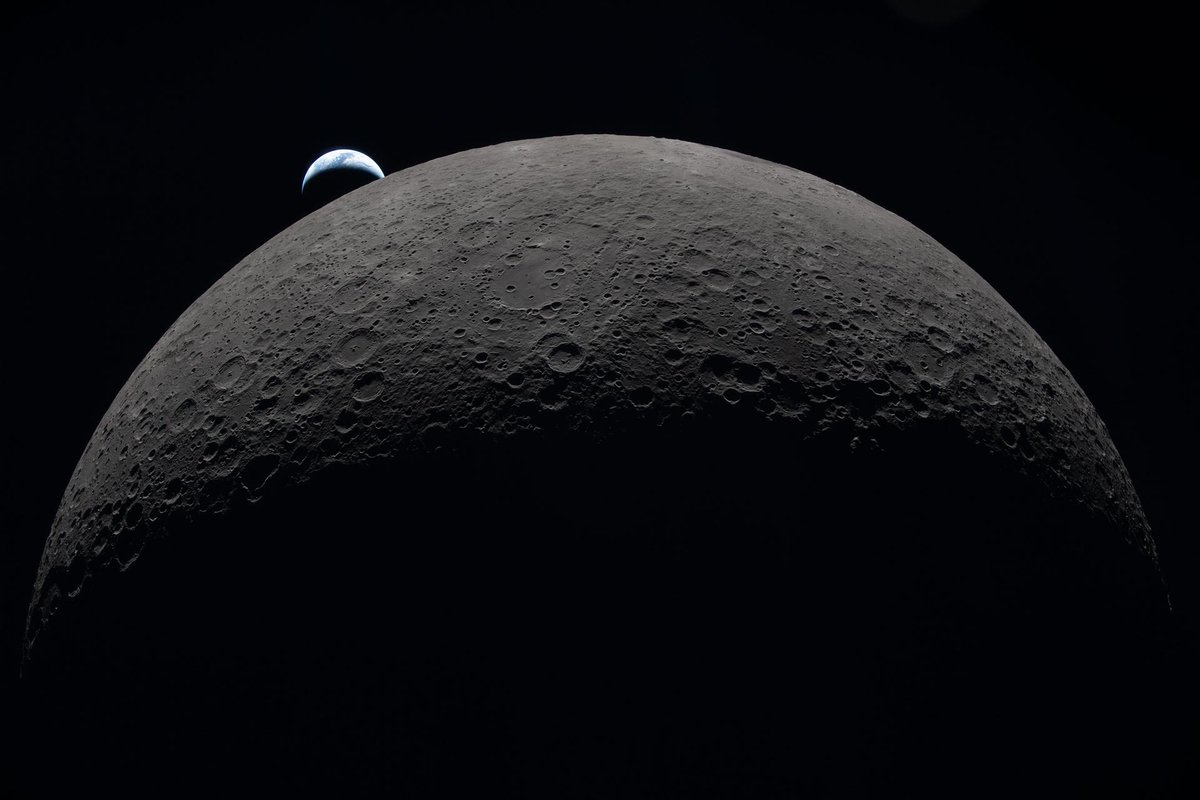
7/7 Artemis II mission. Earth set at 6:41 p.m. EDT, April 6, 2026, over the Moon’s curved limb. Image sources: NASA, Linda Hall Library, Wellcome Collection, Bodleian Library
Dr. Liz tweet media
English
0
0
17
214
Dr. Liz
Dr. Liz@drlizengineer·
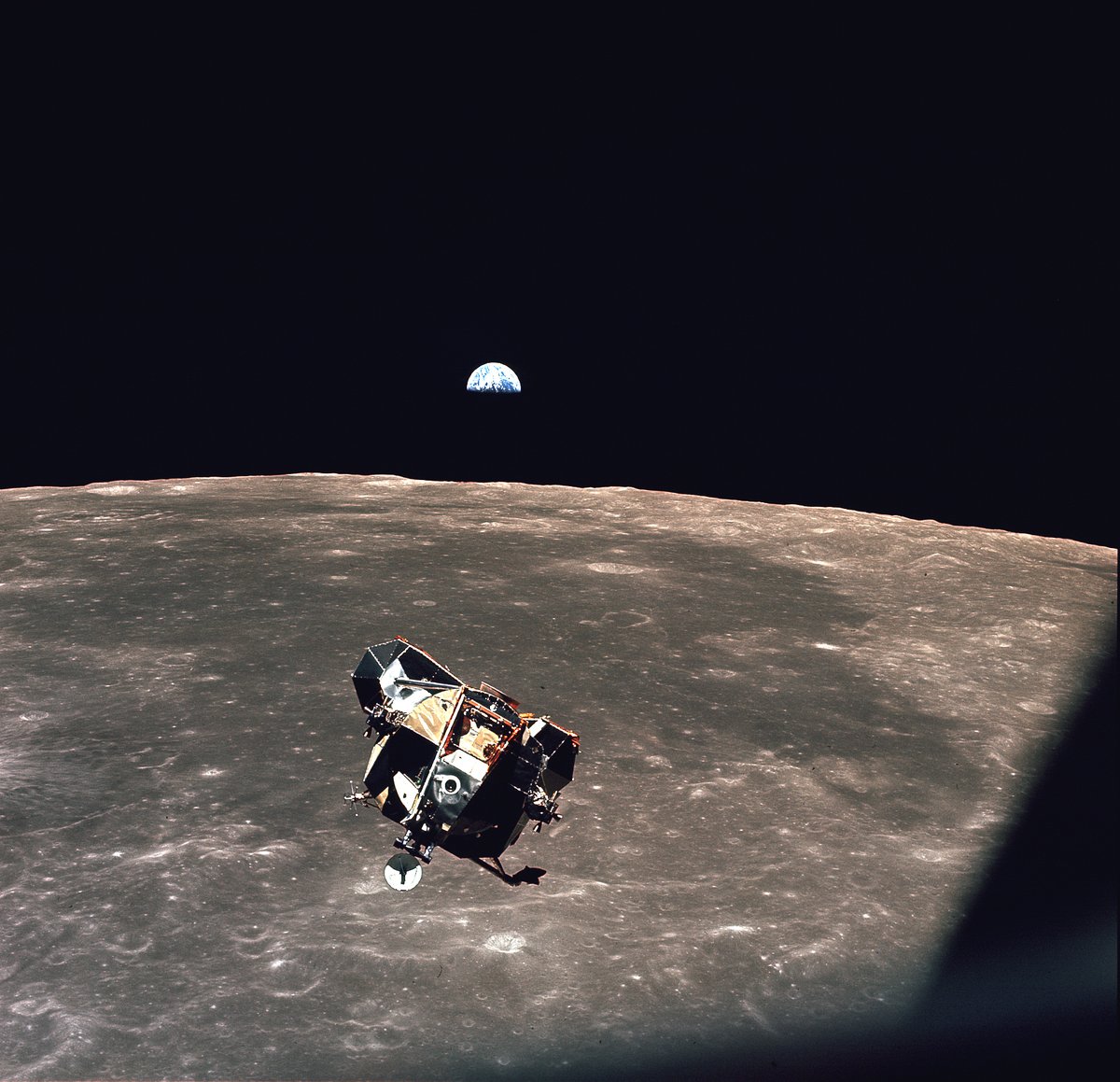
6/7 Apollo missions. Probably some of the most recognizable and inspiring images of the 20th century. The Lunar Module Eagle ascent stage returning from the Moon, approaching the Command Module Columbia in lunar orbit.
Dr. Liz tweet media
English
1
1
14
355