ทวีตที่ปักหมุด

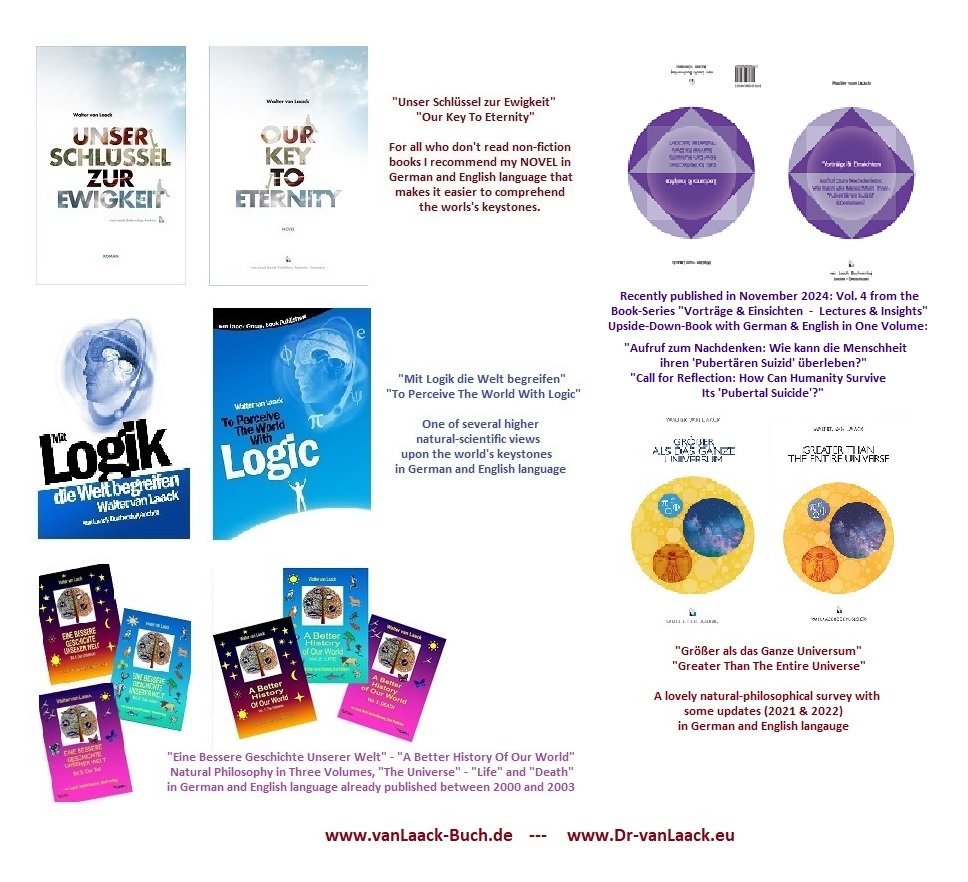
Small, descriptive overview of important natural-philosophical books by me since 1999 - now for more than a quarter of a century:
English
Walter van Laack
19.5K posts

@drvanlaack
Prof. Dr. med. Arzt, Facharzt, Hochschullehrer, Buchautor, Verleger
🧠 Scientists May Have Found the Strangest Clue Yet to Human Consciousness What if your awareness—your thoughts, emotions, and sense of being—isn’t just biology… but something far deeper and stranger? New research is reviving a controversial idea that once sounded like science fiction: human consciousness may be rooted in quantum physics. For decades, scientists believed the brain works purely through classical biology—neurons firing, chemicals flowing, signals passing. But in the 1990s, physicist Roger Penrose and anesthesiologist Stuart Hameroff proposed a radical theory. They suggested that tiny structures inside our brain cells, called microtubules, might operate at the quantum level. According to their idea, strange quantum events—where particles exist in multiple states at once—could suddenly collapse, giving rise to conscious experience. They called this theory Orchestrated Objective Reduction, or Orch OR. Most scientists laughed it off. The brain, they said, is too warm and noisy for fragile quantum effects to survive. Case closed… or so it seemed. Now, things are getting interesting. A recent experiment led by researchers in Canada found something unexpected. They discovered that microtubules can trap light and release it after a mysterious delay. Even more surprising—anesthetic drugs dramatically shorten this delay. Since anesthetics are known to “switch off” consciousness, this strange effect has raised eyebrows. Could this delay be linked to awareness itself? No one is claiming victory yet. Even experts warn this connection is a long shot. Some say the effect could still be explained by normal physics. But others admit the findings are… unsettling in the best way. Because if even a small part of consciousness depends on quantum effects, it could completely rewrite what we know about the brain, biology, and reality itself. For now, the mystery remains unsolved. But one thing is clear: the question “What is consciousness?” just became far more intriguing—and far stranger—than we ever imagined. 👁️✨


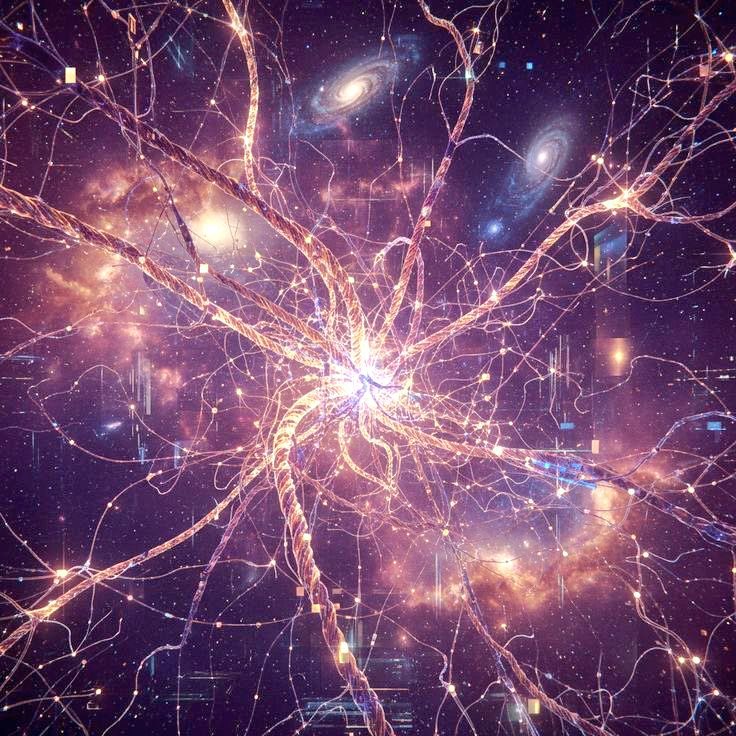



🧠 Scientists May Have Found the Strangest Clue Yet to Human Consciousness What if your awareness—your thoughts, emotions, and sense of being—isn’t just biology… but something far deeper and stranger? New research is reviving a controversial idea that once sounded like science fiction: human consciousness may be rooted in quantum physics. For decades, scientists believed the brain works purely through classical biology—neurons firing, chemicals flowing, signals passing. But in the 1990s, physicist Roger Penrose and anesthesiologist Stuart Hameroff proposed a radical theory. They suggested that tiny structures inside our brain cells, called microtubules, might operate at the quantum level. According to their idea, strange quantum events—where particles exist in multiple states at once—could suddenly collapse, giving rise to conscious experience. They called this theory Orchestrated Objective Reduction, or Orch OR. Most scientists laughed it off. The brain, they said, is too warm and noisy for fragile quantum effects to survive. Case closed… or so it seemed. Now, things are getting interesting. A recent experiment led by researchers in Canada found something unexpected. They discovered that microtubules can trap light and release it after a mysterious delay. Even more surprising—anesthetic drugs dramatically shorten this delay. Since anesthetics are known to “switch off” consciousness, this strange effect has raised eyebrows. Could this delay be linked to awareness itself? No one is claiming victory yet. Even experts warn this connection is a long shot. Some say the effect could still be explained by normal physics. But others admit the findings are… unsettling in the best way. Because if even a small part of consciousness depends on quantum effects, it could completely rewrite what we know about the brain, biology, and reality itself. For now, the mystery remains unsolved. But one thing is clear: the question “What is consciousness?” just became far more intriguing—and far stranger—than we ever imagined. 👁️✨



🚨: The observable universe is more than 93 billion light-years wide… yet humans have only traveled 1.3 light-seconds away from Earth.


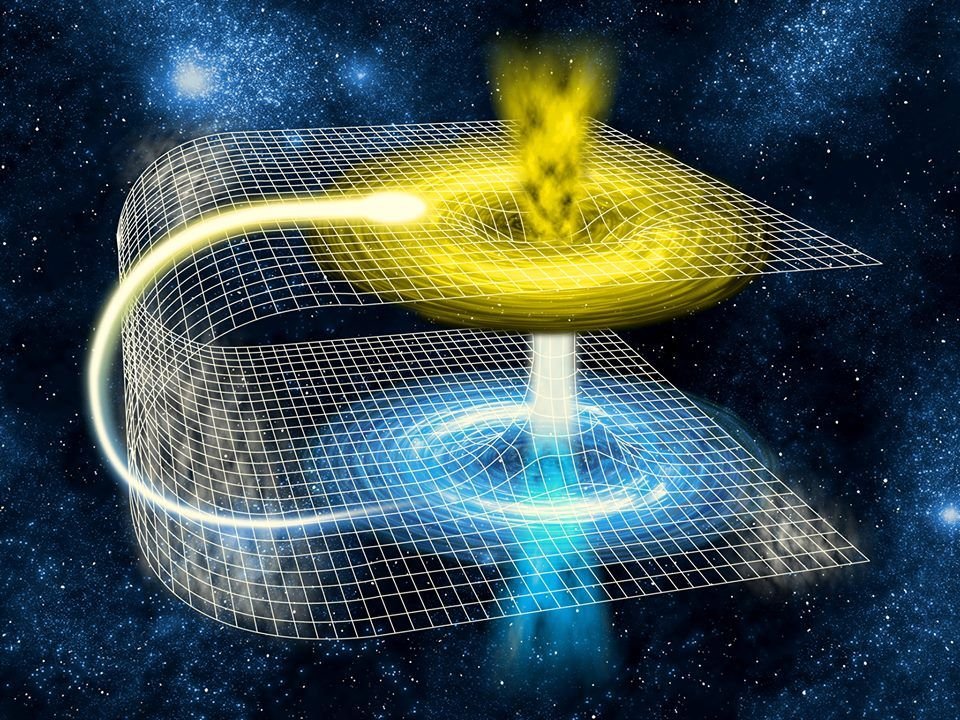
🚨: Wormholes are not shortcuts through the universe, but bridges between the future and the past, new study suggests