dthn

33 posts

dthn banner
dthn

dthn

@dthn_io

Book a free consultation: https://t.co/XgZNmlgHRd

เข้าร่วม Mart 2026
14 กำลังติดตาม1 ผู้ติดตาม
dthn
dthn@dthn_io·
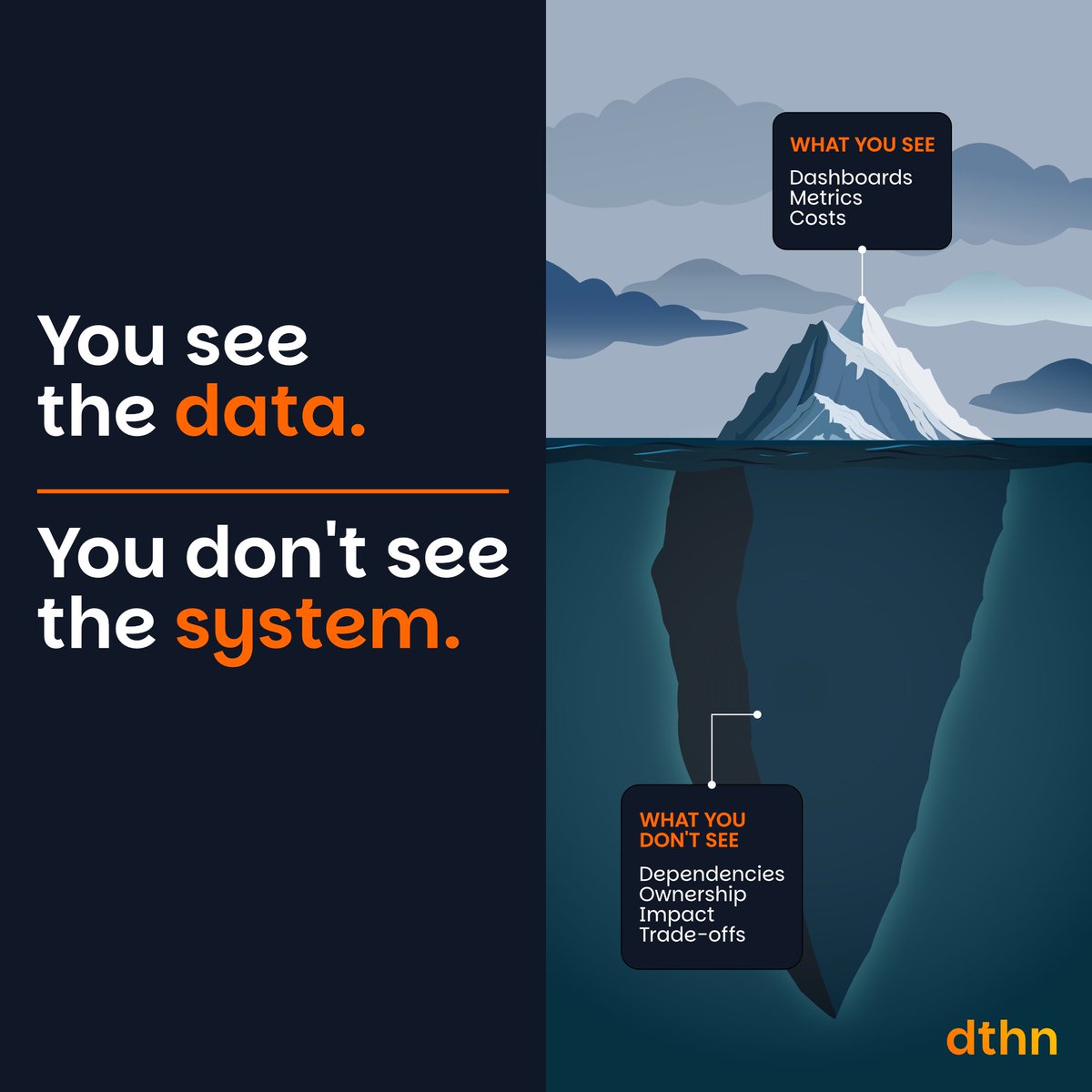
Most cloud decisions are made with incomplete data. You see costs. You see usage. But not: What drives it? Who owns it? What breaks if you change it? That’s how “optimization” creates new problems. Contact us for a free consultation: dthn.io #AWS #FinOps
dthn tweet media
English
0
0
1
21
dthn
dthn@dthn_io·
Kubernetes (@kubernetesio) v1.36 “Haru” is out 🚀 Big upgrades in security & policies for Kubernetes. But this release also marks the end of an era: Ingress NGINX has officially been retired (March 24, 2026). A moment of silence. Thank you for your Service. 🫡 #Kubernetes #DevOps
dthn tweet media
English
3
0
0
28
dthn
dthn@dthn_io·
👀 This release really feels like Kubernetes growing up with more built-in power and less glue code. 👉 What’s your favorite update in v1.36? 👉 Are you exploring CEL-based validating/mutating policies yet or sticking with tools like Kyverno?
English
0
0
0
9
dthn
dthn@dthn_io·
One personal highlight from us: Mutating Admission Policies (GA) update using CEL expression. This removes the need for external webhooks in many cases, making it simpler, faster and more native. That said, we are still on Kyverno for the moment though. 👀
English
1
0
0
9
dthn
dthn@dthn_io·
As more and more of their workloads move to German/EU clouds, their data privacy and sovereignty improve significantly. And that opens doors and attracts more “nervous” customers like public sector, schools and enterprises with strict compliance requirements.
English
0
0
0
11
dthn
dthn@dthn_io·
For companies using providers like Amazon Web Services, Google Cloud, or Microsoft Azure, this can become a real concern. 👉 To mitigate this, companies can move to German or EU-based cloud providers such as Hetzner, OVH, IONOS, StackIT, ...
English
2
0
0
58
dthn
dthn@dthn_io·
“Where is your data stored?” This question is reshaping cloud decisions in Europe. Not about cost. About compliance, trust, and sovereignty. EU-based cloud providers are becoming a strategic move, not just technical. #GDPR #Cloud #SaaS #viral #startup
dthn tweet media
English
1
1
0
22
dthn
dthn@dthn_io·
Cloud waste is rarely dramatic. It’s usually quiet, structural and easy to miss. That’s why visibility and system design matter. Curious where waste might be hiding in your setup? Let’s take a closer look: dthn.io
English
0
0
0
5
dthn
dthn@dthn_io·
Most cloud waste comes from a few patterns: 1. Legacy systems (years of patchwork) 2. No visibility (no tagging, no ownership) 3. Oversized resources 4. Idle servers 5. Always-on test environments Nothing looks broken. That’s why it’s expensive. Check our comments! #AWS #DevOps
English
6
0
1
25
dthn
dthn@dthn_io·
Simple change, noticeable savings.
English
0
0
0
4
dthn
dthn@dthn_io·
You can set it up so engineers can request to spin up the testing environment on-demand and leave it running for a couple of hours, or set up an automation with a schedule to spin-up shortly before the workday starts and spin-down shortly after it ends.
English
1
0
0
10
dthn
dthn@dthn_io·
If you don't automatically scale (autoscale) appropriately, you're paying more than you need.
English
0
0
0
5
dthn
dthn@dthn_io·
4. Idle Resources: Similar to (3) Servers that are un-/underutilized. In the pay-as-you-go-model AWS doesn't care if you app is getting 1 or 1 billion requests per day. You pay either way.
English
1
0
0
11
dthn
dthn@dthn_io·
3. Incorrect resource sizing: Most resources, especially on plain hosting/virtual machines are scaled to handle the maximum load at any given time. But what if your app is business facing and not many people use it on the weekend? Then you're wasting ~28.6% of spend already.
English
0
0
0
5
dthn
dthn@dthn_io·
But it's like knowing that you spent 4,397 EUR on the family Amazon.com and 3,265 EUR on Amazon.de accounts. Which items were actually bought? Who's responsible? Tags will help you to assign resources to the correct cost centers.
English
0
0
0
4
dthn
dthn@dthn_io·
2. Missing visibility: Multi-account structure, no tagging, no cost allocation. Per default you'll only see which service costs what, depending on how deep you want to dig you'll also find out usage type and region.
English
1
0
0
7
dthn
dthn@dthn_io·
Now you have a house of cards where every piece is load-bearing. Touch one thing, some other system may break down. Refactoring into a wholly comprehensive architecture can help move from patchwork to efficient cloud infrastructure.
English
0
0
0
12
dthn
dthn@dthn_io·
1. Legacy systems - historical growth: You started years ago. There was no clear architecture at the beginning while you kept adding systems, workloads and complexity over time.
English
1
0
0
5