
ทวีตที่ปักหมุด
ducaale
581 posts

ducaale
@ducaale27
خادم للتراث، شغوف بتاريخ القرن الإفريقي، مغرم بالكتب والمخطوطات القديمة📖، ومهتم بتوثيق كل ما هو ثمين
เข้าร่วม Ocak 2025
49 กำลังติดตาม265 ผู้ติดตาม

A letter sent by Albuquerque on 20/10/1514 to King Manuel I of Portugal informing him about the situation in the Red Sea and suggesting that the king should not make trade agreements with the rulers of Berbera and Zeila, but instead occupy them and force their rulers to submit and pay tribute.
He sent it after Emir Mahfuz refused to ally with him against the Mamluks and his scheme to attack Jeddah and Medina and dig up the Prophet’s grave


ducaale@ducaale27
The Portuguese commander (Afonso de Albuquerque) then sent two ships under Rui Caetofa and Joao Gomes to Zaila in 1514. They met the governor of the city (most likely Emir Mahfuz) and asked him to side with the Portuguese and help them, When he refused, they bombarded Zaila and set the port’s timber on fire.
English
ducaale รีทวีตแล้ว

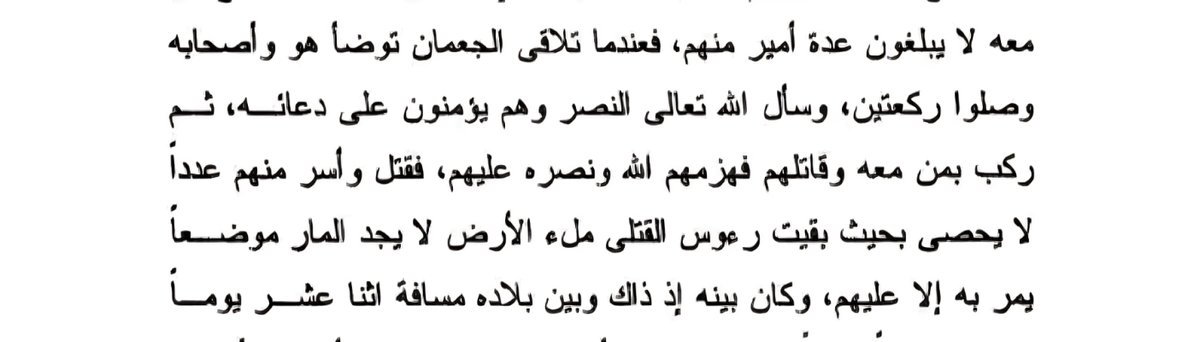
Three authors mention a great victory achieved by Sa'd al-Din in 1397, one so significant that its impact was felt across the Muslim world at the time. What follows may be an account of that event.
Sa'd al-Din personally led an invasion into the Christian kingdom. In response, the Christians assembled a large army to confront him, led by multiple commanders from Amhara and Bali.
When the two armies met, Sa'd al-Din and his companions performed ablutions and prayed two rak‘ahs, he then implored God for victory and his commanders said “Ameen” before mounting their horses and charging into battle. The result was a great victory for the Muslims :
"He killed and captured countless of them, to the point that the ground was covered with the heads of the slain, leaving no clear path to walk except over them. He returned victorious and laden with spoils"
It's said the battle occurred 12 days journey away from his homeland, which is roughly the distance between Hargeisa and Shewa.
English
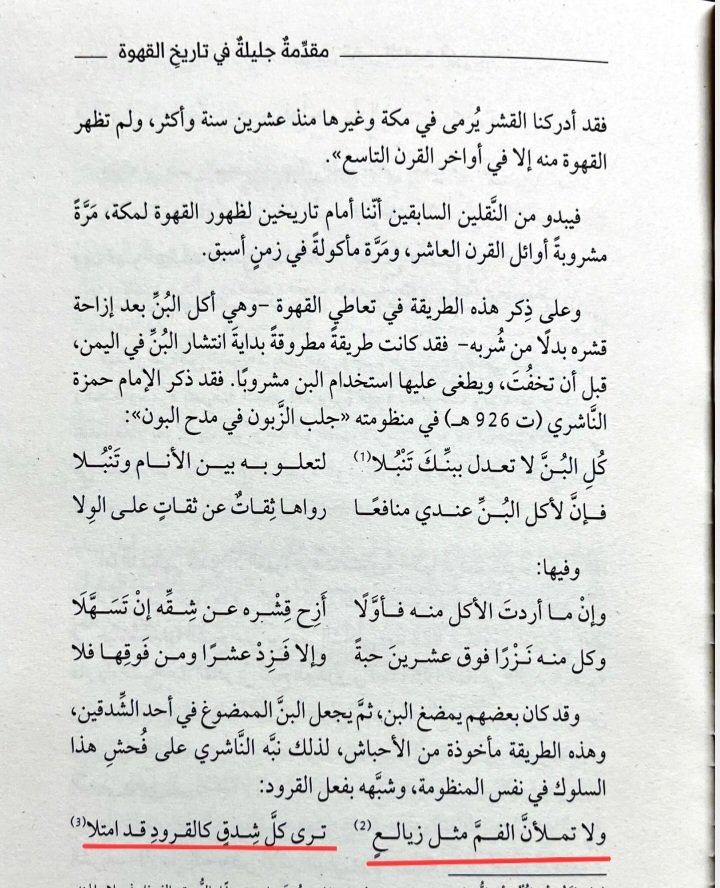
@Darwiishkii Check the highlighted part
ولا تملأنَّ الفمَّ مثل زِيالـعٍ
that’s al-Nashri words
The rest is just the editor

@ducaale27 brother ive read this page and it doesnt show any reference to zailai, it says the method of chewing coffe was from abyssinia, which is a broad term, where in this book does it say coffe comes from the zeila region and zeilaiyun?
English
Hamza al-Nashri (d. 927 AH / 1520 AD) says that the Zaila'i (Somali) used to chew the bun (coffee) beans and keept them on the side of their mouth (filling their cheeks like qat),
later this practice spread to Yemen
ducaale@ducaale27
7/8 A poetic manuscript titled Jalb al-Zaboon fi Madh al-Bunn by the historian and scholar Hamza al-Nashiri mentions that the origin of coffee cultivation was in Zeila, and it later spread to Yemen The manuscript the translation
English
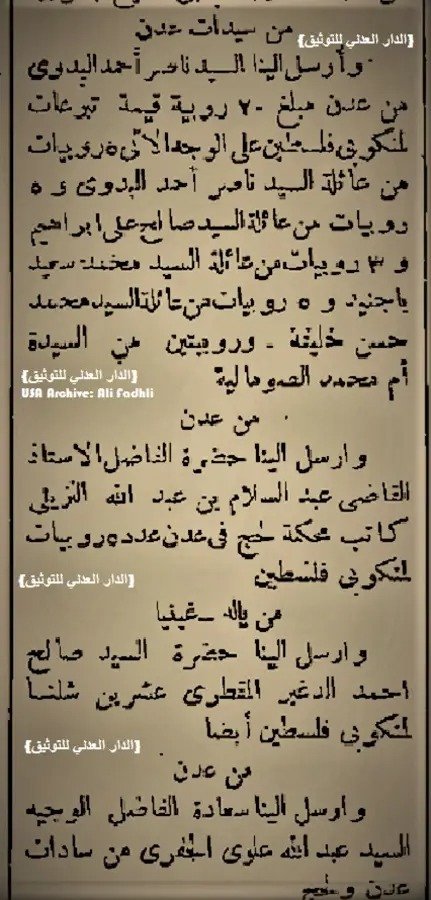
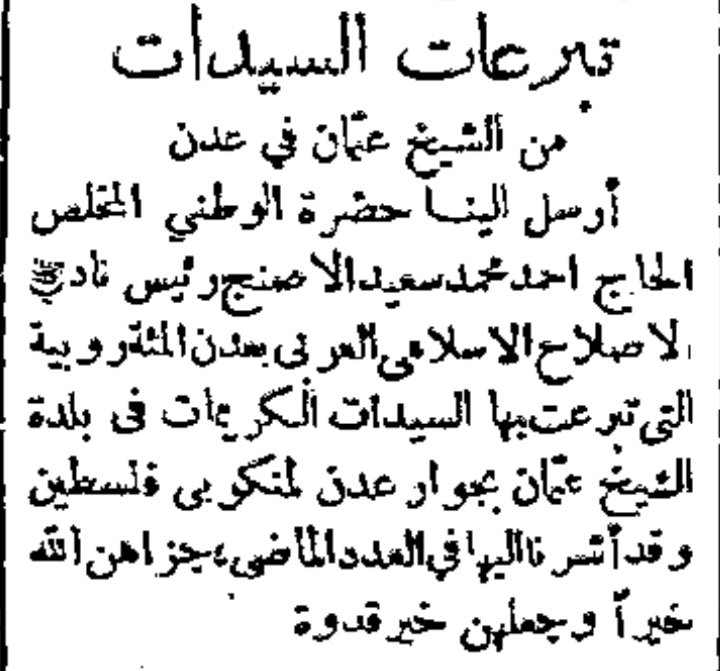
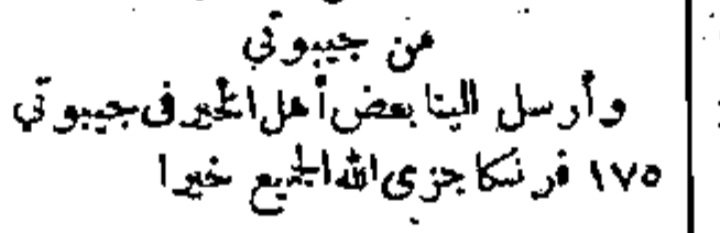
A Somali hooyo from Aden took part in a donation campaign for Palestinians in 1939, along with the people of Aden
ducaale@ducaale27
A Somali woman in Aden🇾🇪, 1879 A rare glimpse into 19th-century Aden, a vibrant trade hub where Somalis were integral to the city’s cultural and economic life. This historic moment reflects the deep connections and cultural exchange between Aden and the Somali coast
English



ducaale รีทวีตแล้ว
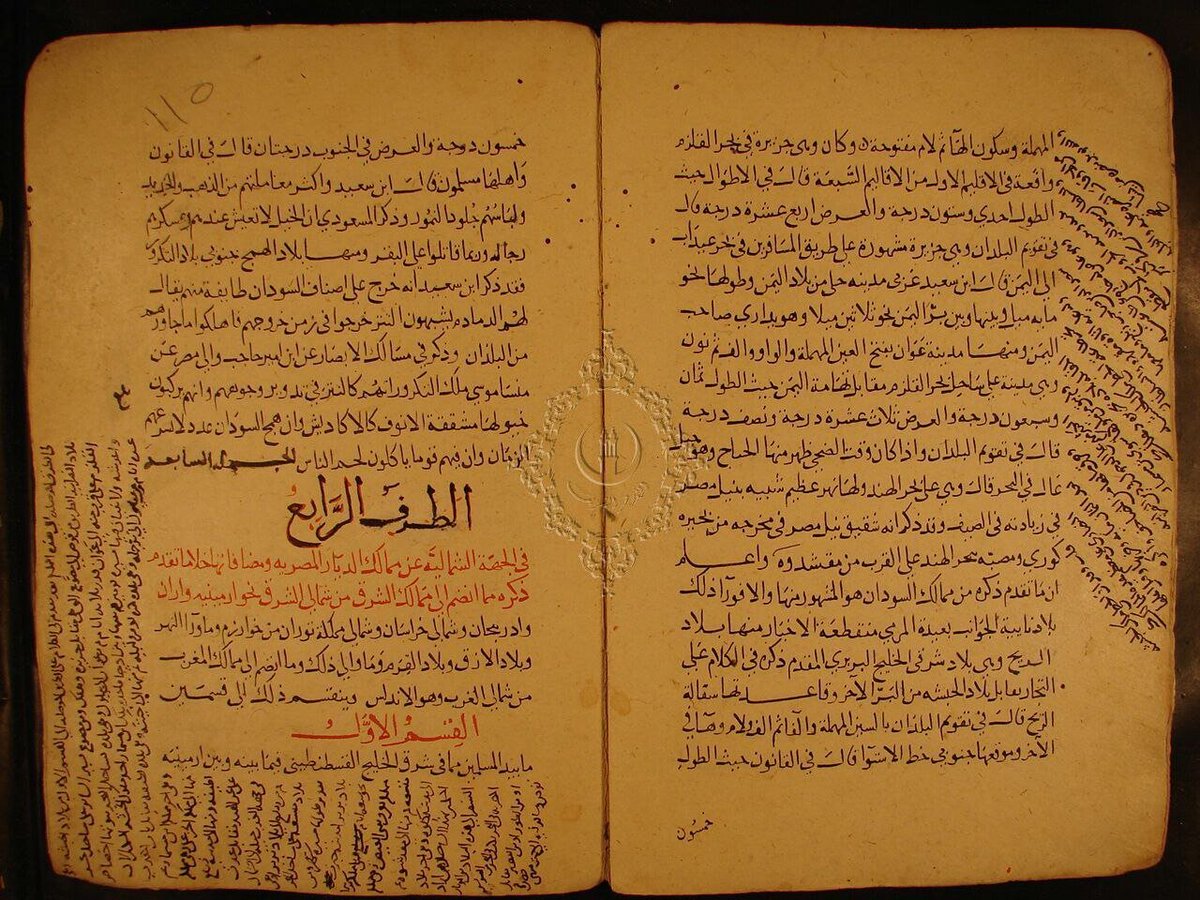
By the year 1397, the Christian king of Abyssinia conquered most Islamic kingdoms, destroying them, killing their inhabitants, burning their Qur'ans, and forcing many to convert to Christianity.
Sultan Sa`d al-Din was the only ruler that defied the Christian king and made war on him, often prevailing over him, and God grants victory to whomever He wills.
Found in صبح الأعشى في صناعة الإنشاء
English
ducaale รีทวีตแล้ว

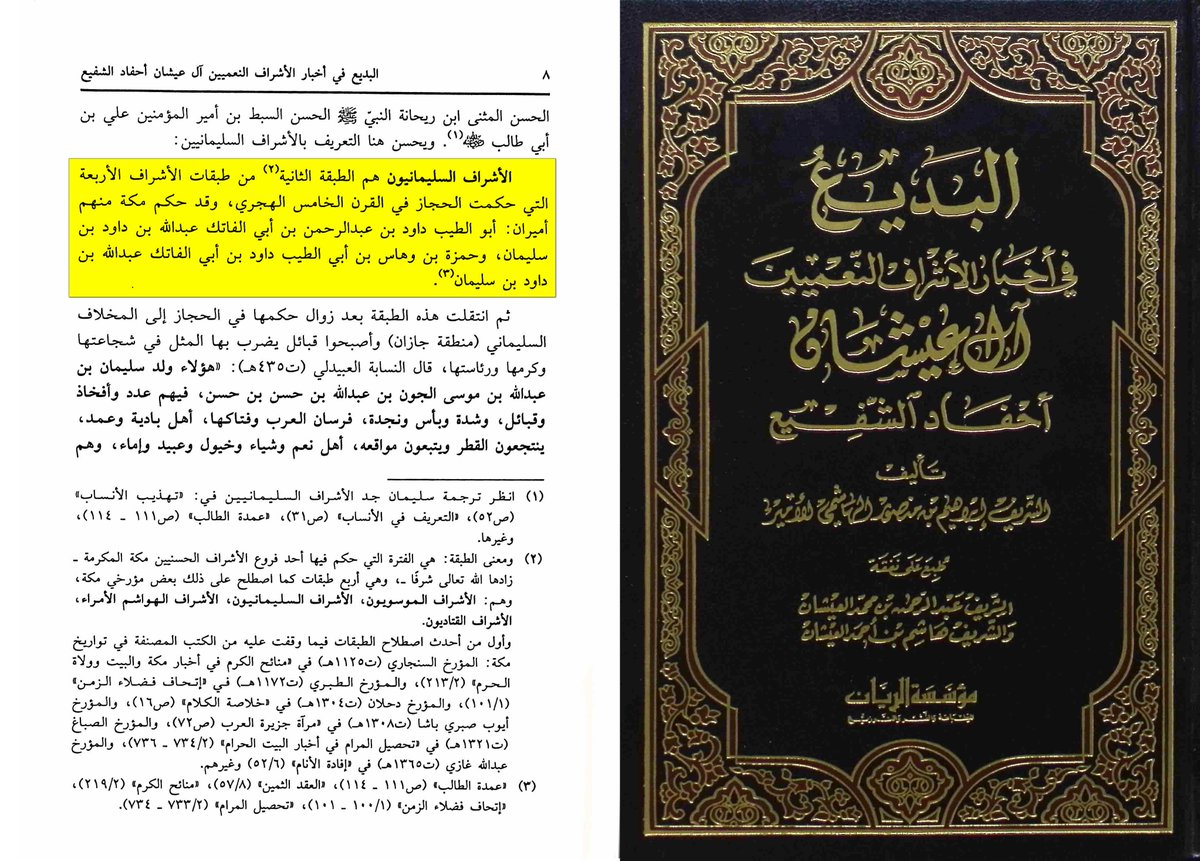
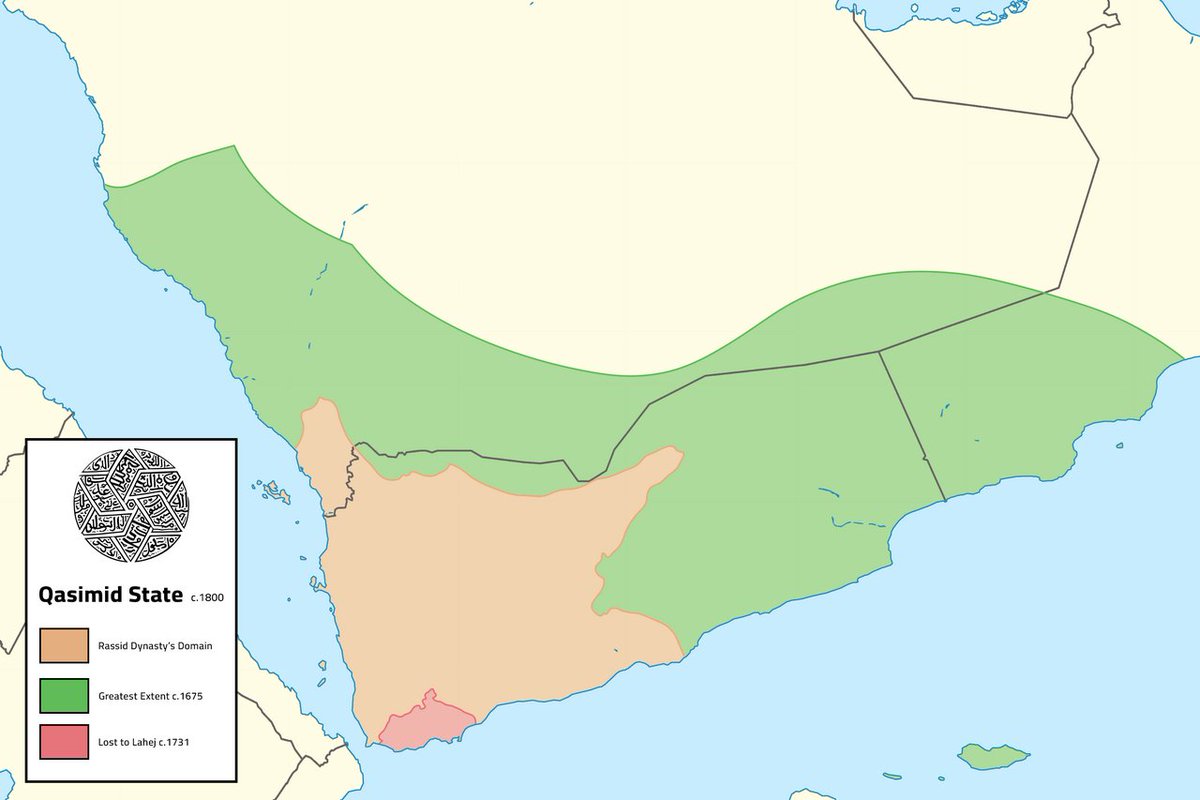
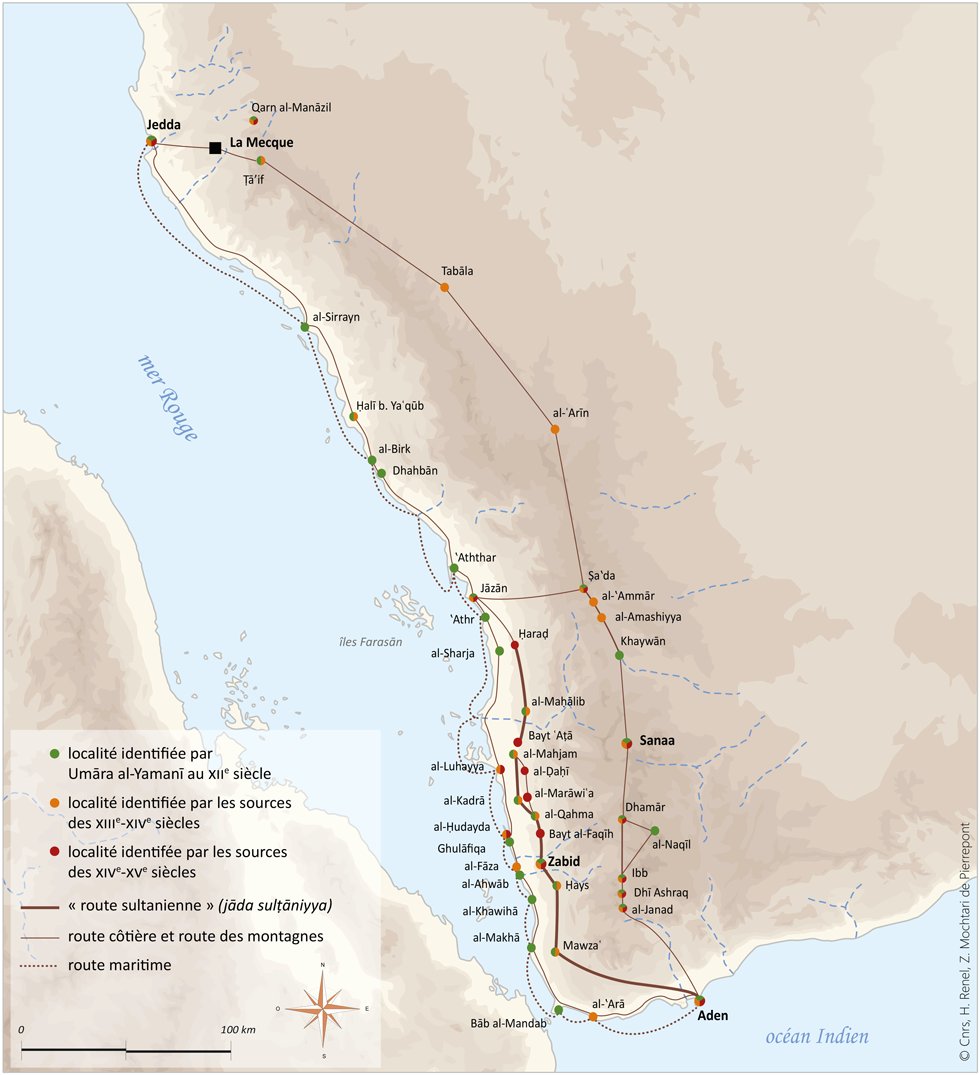
A🧵 on natural disasters in the Imamate of Awsa & European piracy against Hajj pilgrims in the mid 17th cent.
Both events involved Ashrāf of the Sulaymānid dynasty - former Shārīfs of Makkah & coastal Yemen who later served as governors for the Qasimids Imāms in the 17th cent.

English

ducaale รีทวีตแล้ว

ducaale รีทวีตแล้ว
It seems like Horn african were the first Africans to use gunpowder in history thanks to the Mamluks. Mamluk gunpowder was used as early as 1430 in the wars between Jamal al-Din and Yeshaq.
Here, the Mamluks supplied Abu Bakr al-Zayla'i with musketeers to defeat a Tahirid army in 1516, which reportedly fled without offering any resistance due to the shock and terror of gunpowder, also most likely the first documented instance of gunpowder being used in Yemen.
By 1520, early Indian cannons were being sold in Zayla. However these weapons were so heavy and inaccurate that the Somali army abandoned the cannons in 1530, and the only recorded use of a musket missed its target, though it still terrified the opposing army.

ducaale@ducaale27
After Abu Bakr al-Zaila'i helped Emir Husayn and his troops, Husayn appointed Abu Bakr as commander, sending him with 100 soldiers armed with muskets and sent him to confront the Tahirids. They marched to al-Mur to face the army of Prince Muhammad ibn Sulayman, however the battle was over before it even began. Gunpowder was a completely new technology in Yemen, never seen or heard of before. This was their very first appearance on the battlefield, so when the Yemeni soldiers heard the deafening roar of the gunfire, they were became terrorized, paralyzed and confused by the sound, the Tahirid army broke and routed in panic. Muhammad ibn Sulayman and his men were killed, and al-Zaila'i seized control of Al-Mur. The use of gunpowder in Yemen is often traced back to the Ottoman invasion decades later but I believe al-Zaila'i was the first to ever use gunpowder in Yemen.
English
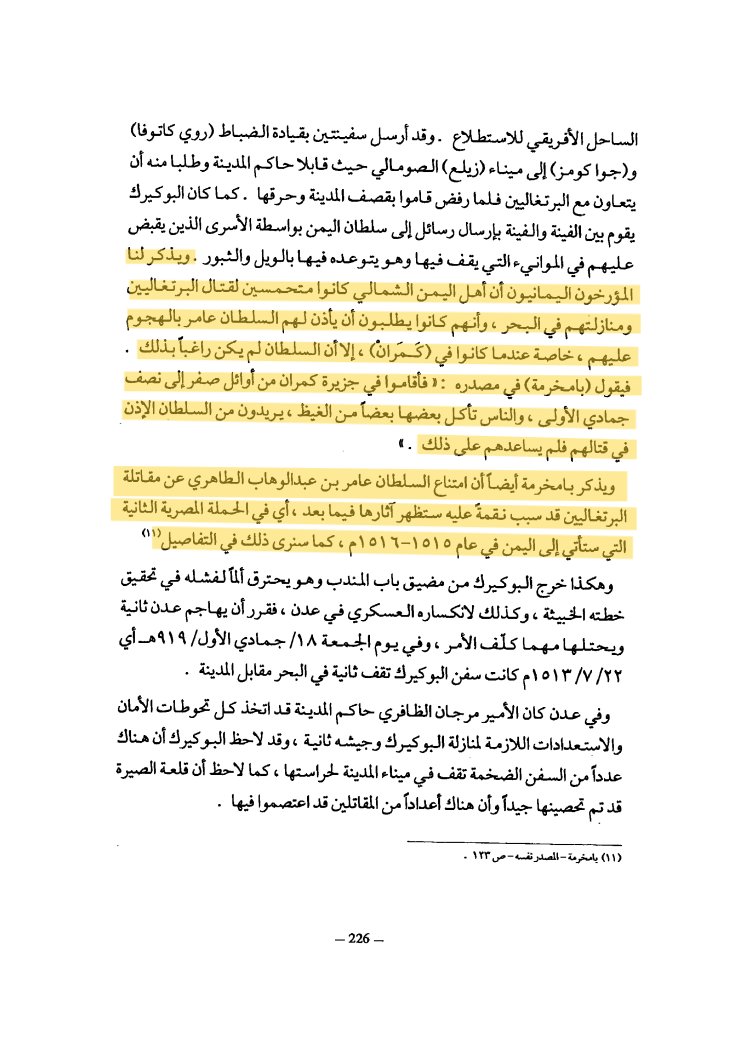
But the acceptance of the Somalis to help the Mamluks against their Tahirid allies can also be explained by the accusations against Sultan Amir.
Not only was he was accused of colluding with the Portuguese, but when the Portuguese invaders occupied Kamran Island for a long period, using it as a base to attack nearby regions like Zaila, the Sultan refused to allow his people to fight back.
Even worse, the Portuguese had well known plans to strike Jeddah and desecrate the Prophet’s tomb in Medina. This became one of the main reasons people opposed against the Tahirid sultan.
English