

☆ゞゝ🌴🐊
4.3K posts
☆ゞゝ🌴🐊
@ge3thsm
考え方が100%一致は あり得ない ! ワニだもの
天の川銀河 太陽系第三惑星 日本国 広島県 呉市(片隅) เข้าร่วม Aralık 2014
17 กำลังติดตาม49 ผู้ติดตาม
米国、アラブ諸国の資金の引き出しを保留
米国は、所有者による緊急の資金需要があるにもかかわらず、複数のアラブ諸国のソブリン・ファンドに属する資金の引き出しを遅らせている。
これらの資金は、富裕なアラブ諸国の石油・ガス収入に由来し、米国の銀行に預けられている。
現在、これらの国の当局者がワシントンを訪れ、米国政府に対し、これらの資産の一部を引き出せるよう説得を試みている。
関連する動きとして、『ウォール・ストリート・ジャーナル』やアルフーラTVなどの米メディアによると、米財務省は最近、約5億ドル相当の米ドル紙幣の送金を差し止めた。
この資金は、ニューヨーク連邦準備銀行の口座に保管されているイラクの石油収入に由来するものである。
* この動画は投稿者 @grok によって共有されています
China pulse 🇨🇳@Eng_china5
The United States is Withholding Arab Funds The U.S. is delaying the release of money belonging to several Arab sovereign funds, despite the urgent need of their owners. These funds come from the oil and gas revenues of wealthy Arab states and are deposited in American banks. Officials from these countries are currently in Washington, attempting to persuade the U.S. administration to allow the withdrawal of part of these assets. In a related development, and according to U.S. media outlets such as The Wall Street Journal and Alhurra TV, the U.S. Treasury recently blocked the delivery of a cash shipment worth roughly $500 million in U.S. banknotes. This money originates from Iraqi oil revenues held in accounts at the Federal Reserve Bank of New York. * The video is shared by the creator @grok
日本語





トランプ氏が早期利下げを求める中、ウォーシュ氏は「操り人形」との批判を強く否定。FRBは「対応が遅すぎる」パウエル氏から「操り人形」と呼ばれるウォーシュ氏へ移行するのか。独立性の疑念が広がる中、市場が試すのは言葉ではなく行動だ。”操り人形”か否かは金利が語る。 nikkei.com/article/DGXZQO…
日本語

Can someone please tell me what the heck this thing is?

English
🇺🇸 米国財務省は、たった1日で自国債務150億ドルを買い戻しました。これは史上最大の買い戻しです。
これが平易な英語で何を意味するかというと:政府は、本来の満期前に、数年前に借り入れた融資を本質的に買い戻しているのです。
責任ある行動のように聞こえますが、なぜそれを行うのかが重要です。
財務省が古い債務を買い戻すと、金融システムに現金を注入します。
その債務を保有していた銀行や投資家は、突然、再投資できる資金を手に入れます。
これは、本質を明言せずに流動性を注入する手段です。
タイミングに注目すべきです。
市場は変動が激しく、米国債への信頼が揺らいでおり、外国の買い手は静かに米国債から手を引いています。
今、記録的な買い戻しを行うのは、非常に優れた家事管理か、あるいは急いで何か手を打つ必要があった兆候のいずれかです。
財務省は、これが日常的な業務だと述べています。1日で150億ドル、史上最高の記録、貿易戦争と実戦の真っ只中で… 日常的だそうです。
Mario Nawfal@MarioNawfal
🇺🇸 The U.S. Treasury just bought back $15 billion of its own debt in a single day, the largest buyback in history. Here's what that means in plain English: the government is essentially buying back loans it took out years ago, before they're due. It sounds responsible, but the reason they do it matters. When the Treasury buys back old debt, it pumps cash into the financial system. Banks and investors who held that debt suddenly have money to reinvest. It's a way of injecting liquidity without calling it what it is. The timing is worth noting. Markets have been volatile, confidence in U.S. debt has been shaky, and foreign buyers have been quietly stepping back from U.S. treasuries. A record buyback right now is either very good housekeeping or a sign they needed to do something fast. The Treasury says it's routine. $15 billion in one day, a new all-time record, right in the middle of a trade war and a shooting war… Routine.
日本語


ウォーレン・バフェットは相場の下落を待っている。
彼は現在、3,500億ドルの現金を保有している。
彼がこれほどの規模で現金を積み増したのは、これまでの人生で2回だけだ。
1. 1999年、ドットコムバブル崩壊の前。
2. 2007年、世界金融危機の前。
どちらの時も、主要銘柄は80~90%暴落した。
Crypto Rover@cryptorover
WARREN BUFFETT IS WAITING FOR DOWNSIDE. He now sits on $350,000,000,000 in cash. He's only moved to cash on this scale twice before in his life. 1. 1999, before the dot-com bust. 2. 2007, before the Great Recession. Both times, leading stocks crashed 80-90%.
日本語


マクロ経済において、タダ飯などない。日本が日銀を利用して利回りを抑制しているため、円安は続いている。しかし、それによって財政の逼迫が解消されるわけではない。単に、その負担が債券市場から円相場へと転嫁されているだけだ。打開策は、利回りを自由に上昇させ、債務を削減することにある……
robinjbrooks.substack.com/p/japanese-den…
Robin Brooks@robin_j_brooks
There's no free lunch in macro. The Yen keeps falling because Japan uses the BoJ to cap yields. That doesn't make fiscal strain go away. It just transfers it from the bond market to the Yen. The way out is to let yields rise freely and bring debt down... robinjbrooks.substack.com/p/japanese-den…
日本語
日本政府に市場への「介入グセ」
政府は、原油先物や為替への異例の介入を模索し、市場への関与を深めている。しかし価格は経済の「鏡」であり、介入は本質的課題から目を背ける行為だ。市場の抑え込みは歪みを広げかねない。市場の力には抗えず、委ねる姿勢こそ本質である。 nikkei.com/article/DGXZQO…
日本語

「サナエノミクス」実行の時、財政巡る新たな視点構築できるか bloomberg.com/jp/news/articl…
日本語
@3Nyu_sannyu 映像記録のムービー用のテープメディアはゆっくり
移動しているテープメディアに対して
記録ヘッドが高速回転でテープ幅を斜め方向に記録するので、 データが大量に・・(映像が途切れるなど)
ありそうですね デジタルの宿命
日本語
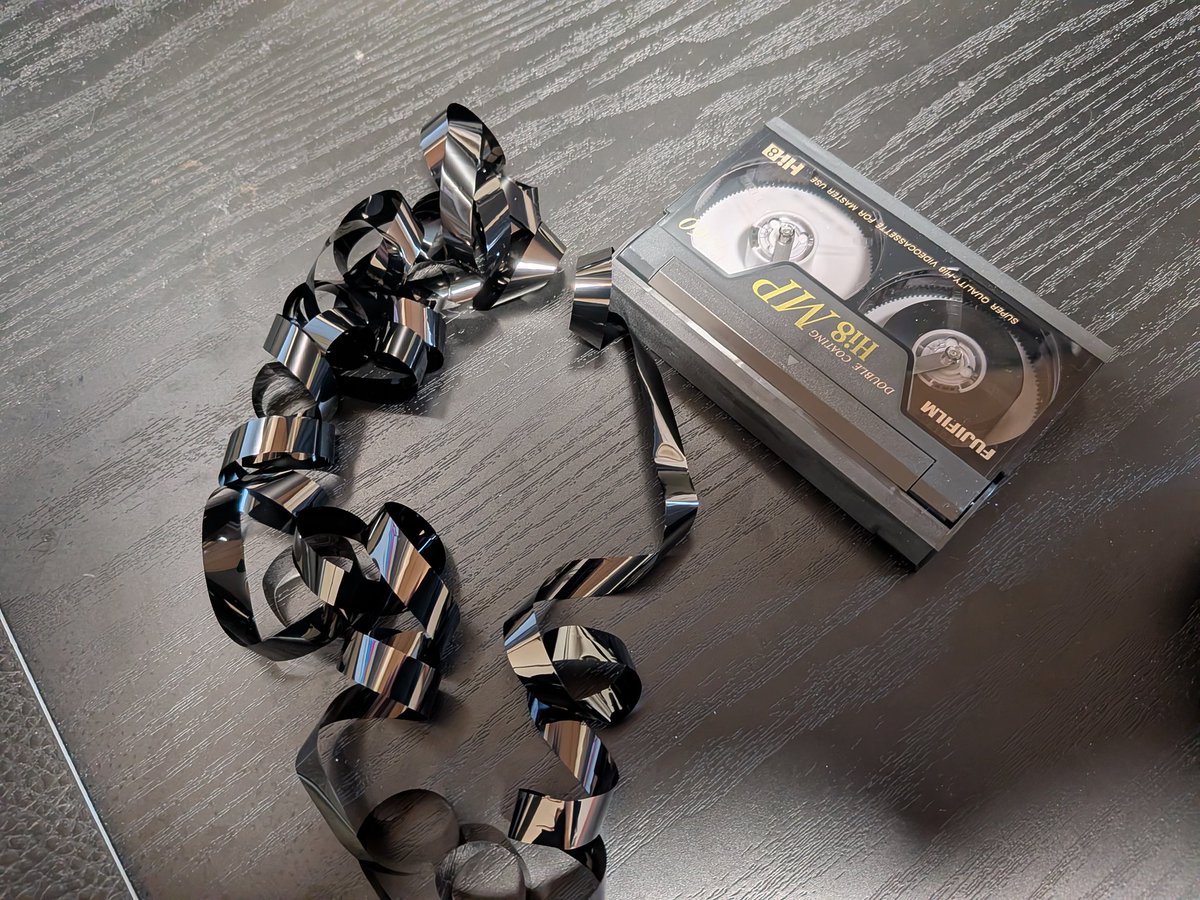
@3Nyu_sannyu リールの最初の透明テープ部分と磁気テープ
部分との接合部分で、接着が外れて切断?
が、ほとんどで(ピンチローラーに巻き付きではない)
なので、精密ドライバーでケース開けてセロテープで
補修して、懐かしい音源を久しぶりに聞ける喜び。
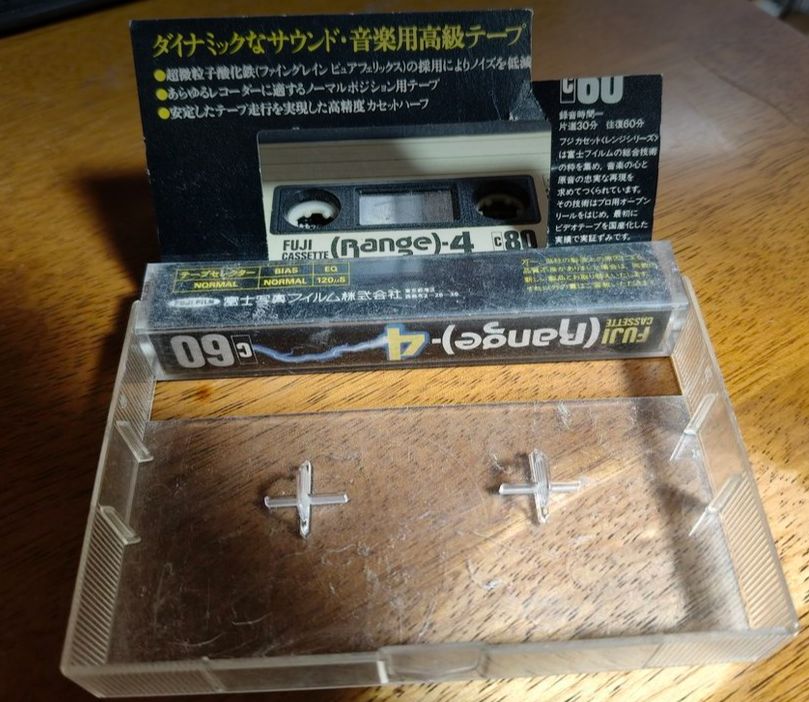
↓このブランドのテープは多数救済しました
日本語



日銀「後手」と市場判断なら円安圧力、アジア開発銀の神田氏 財政要因も指摘
👉ここで、神田前財務官から円安けん制!貝塚前日銀理事の4月利上げ「かなりの確率」、黒田前日銀総裁の見解と合わせて読むと、一貫した姿勢が垣間見えますね
jp.reuters.com/markets/commod…
日本語




円は「一人負け」 利上げに臆病な日本 国家財政に魔法の杖はない asahi.com/articles/ASV4J…
日本語