goodfin (YC W22)

143 posts

goodfin (YC W22) banner
goodfin (YC W22)

goodfin (YC W22)

@getgoodfin

We're reimagining how a new generation builds its wealth, starting with private market investments.

เข้าร่วม Ekim 2022
129 กำลังติดตาม302 ผู้ติดตาม
goodfin (YC W22)
goodfin (YC W22)@getgoodfin·
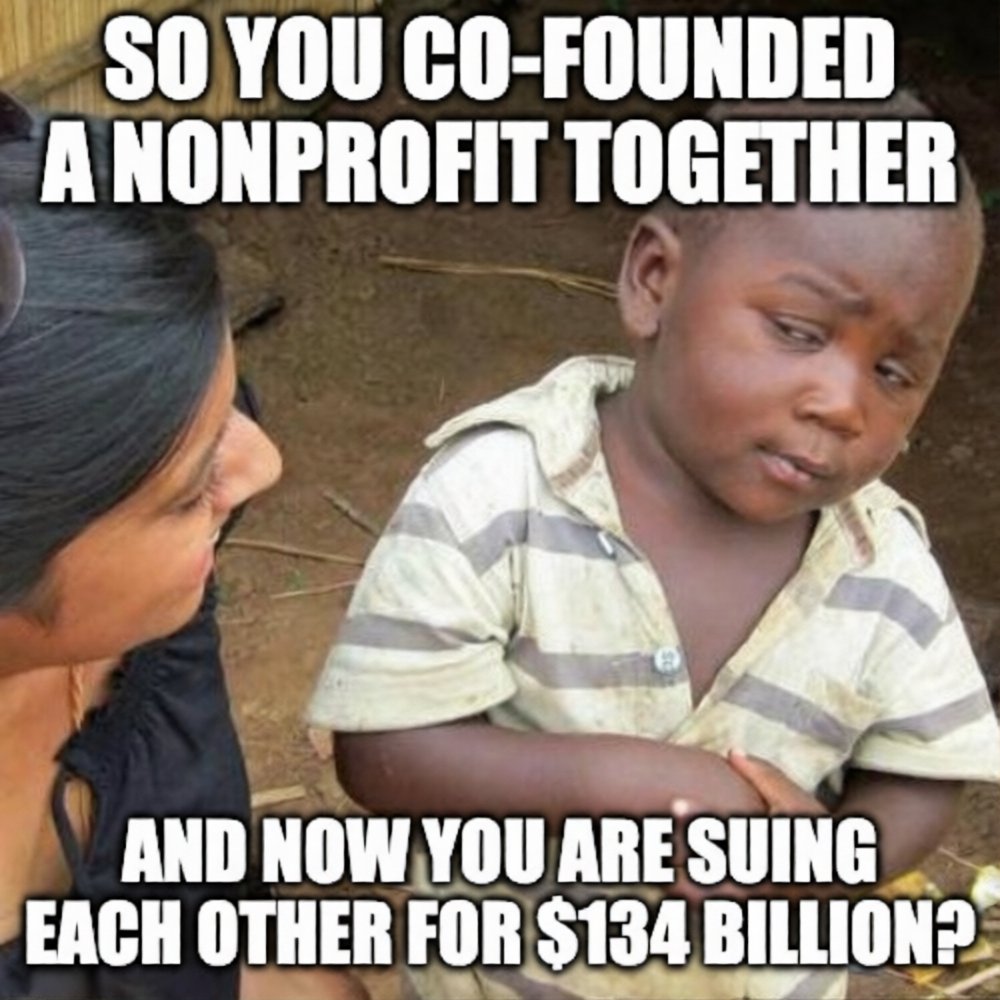
The two people most responsible for starting @OpenAI are now facing off in court. Elon Musk's trial against Sam Altman, Greg Brockman, and Microsoft began this week in Oakland, California. The outcome could reshape the future of OpenAI ahead of its planned IPO. The numbers:   • Trial began: April 28, 2026 at the Ronald V. Dellums Federal Building in Oakland   • Judge: Yvonne Gonzalez Rogers   • 9 jurors selected   • Damages sought: up to ~$134 billion   • Musk contributed $38 million in early funding to OpenAI   • OpenAI current valuation: $852 billion   • OpenAI IPO expected later this year   • Trial divided into two phases: liability (with advisory jury verdict) and remedies (judge decides) 𝗪𝗵𝗮𝘁 𝗶𝘀 𝗵𝗮𝗽𝗽𝗲𝗻𝗶𝗻𝗴: Musk is suing OpenAI, Altman, Brockman, and Microsoft. He alleges that Altman and Brockman shifted OpenAI away from its founding nonprofit mission and turned it into a for-profit enterprise without his knowledge. OpenAI was co-founded in 2015 as a nonprofit AI research lab primarily funded by Musk. He left the board in 2018. In 2019, OpenAI created a for-profit subsidiary. In 2025, it restructured further into a for-profit public benefit corporation. Musk claims these changes violated OpenAI's charitable trust. 𝗪𝗵𝗮𝘁 𝗠𝘂𝘀𝗸 𝗶𝘀 𝗮𝘀𝗸𝗶𝗻𝗴 𝗳𝗼𝗿: Musk wants OpenAI to revert to a nonprofit structure. He wants Altman and Brockman removed as officers. He wants Altman removed from the board. And he is seeking up to $134 billion in damages to go back into OpenAI's nonprofit foundation. 𝗪𝗵𝗮𝘁 𝗢𝗽𝗲𝗻𝗔𝗜 𝘀𝗮𝘆𝘀: OpenAI has pushed back on all claims and says the lawsuit is aimed at undercutting the company's growth and bolstering Musk's own AI venture, xAI. In October 2025, California and Delaware attorneys general approved OpenAI's new corporate structure with conditions, including a safety committee to review decisions made by the for-profit subsidiary. 𝗪𝗵𝘆 𝘁𝗵𝗶𝘀 𝗺𝗮𝘁𝘁𝗲𝗿𝘀: The trial is happening while OpenAI prepares for what could be one of the largest IPOs in history. A ruling in Musk's favor could force structural changes to OpenAI before it goes public. Microsoft is also named as a co-defendant, accused of aiding the alleged breach of charitable trust. The case also carries risk for Musk, who is preparing for SpaceX's own record IPO this summer. 𝗕𝗼𝘁𝘁𝗼𝗺 𝗹𝗶𝗻𝗲: This trial puts two of the most influential figures in AI against each other in federal court. The jury's verdict will be advisory, with Judge Gonzalez Rogers making the final call. Whatever happens, the outcome could affect OpenAI's path to IPO, its corporate structure, and the broader AI industry.
goodfin (YC W22) tweet media
English
0
0
1
54
goodfin (YC W22)
goodfin (YC W22)@getgoodfin·
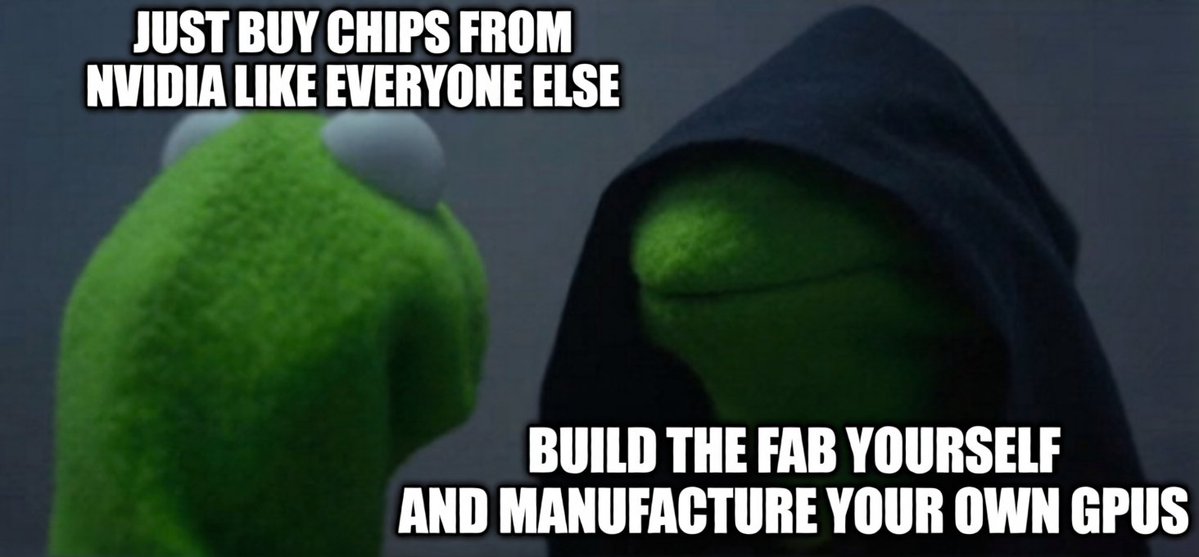
.@SpaceX just revealed it plans to manufacture its own GPUs. The disclosure was buried in the company's S-1 filing ahead of its expected $1.75 trillion IPO this summer. The numbers:   • S-1 lists "manufacturing our own GPUs" as a substantial capital expenditure   • Total addressable market per S-1: $28.5 trillion, with $26.5 trillion tied to AI   • S-1 quote: "We believe we have identified the largest actionable total addressable market in human history"   • Terafab: joint chip manufacturing complex with Tesla, xAI, and Intel in Austin, TX   • Terafab cost estimate: $20-$25 billion   • Target output: 1 terawatt of AI compute capacity per year at full scale   • Intel contributing 14A process node and advanced packaging   • Construction already underway, volume production targeted for 2027   • 80% of Terafab output planned for data centers in orbit   • S-1 warns: "We do not have long-term contracts with many of our direct chip suppliers" 𝗪𝗵𝗮𝘁 𝗶𝘀 𝗵𝗮𝗽𝗽𝗲𝗻𝗶𝗻𝗴: SpaceX disclosed plans to build its own GPUs through the Terafab project alongside Tesla, xAI, and Intel. The S-1 positions SpaceX as a vertically integrated AI infrastructure company. Rockets and satellites become the delivery mechanism for AI compute. Terafab becomes the factory floor. 𝗪𝗵𝘆 𝘁𝗵𝗶𝘀 𝗺𝗮𝘁𝘁𝗲𝗿𝘀: SpaceX says existing chip supply cannot meet the combined demand from Tesla vehicles, Optimus robots, Starlink satellites, and planned orbital data centers. Musk has said all chip fabs on Earth combined produce about 2% of what his companies will need. The response is to stop being a chip customer and become a chip manufacturer. 𝗪𝗵𝗼 𝗶𝘀 𝗶𝗻𝘃𝗼𝗹𝘃𝗲𝗱: SpaceX, Tesla, and xAI are developing Terafab jointly. Intel is the manufacturing partner. SpaceX has also reached out to Applied Materials, Tokyo Electron, and Lam Research for equipment. 𝗕𝗼𝘁𝘁𝗼𝗺 𝗹𝗶𝗻𝗲: SpaceX is going public as a company that launches rockets, runs satellite internet, operates an AI lab, and now plans to manufacture its own chips. The S-1 describes a $28.5 trillion market. Whether investors price that vision at $1.75 trillion is the question this summer. 𝗪𝗮𝗻𝘁 𝘁𝗼 𝗱𝗶𝗴 𝗱𝗲𝗲𝗽𝗲𝗿? Research SpaceX on Goodfin Go at app.goodfin.com/go
goodfin (YC W22) tweet media
English
0
0
0
45
goodfin (YC W22)
goodfin (YC W22)@getgoodfin·
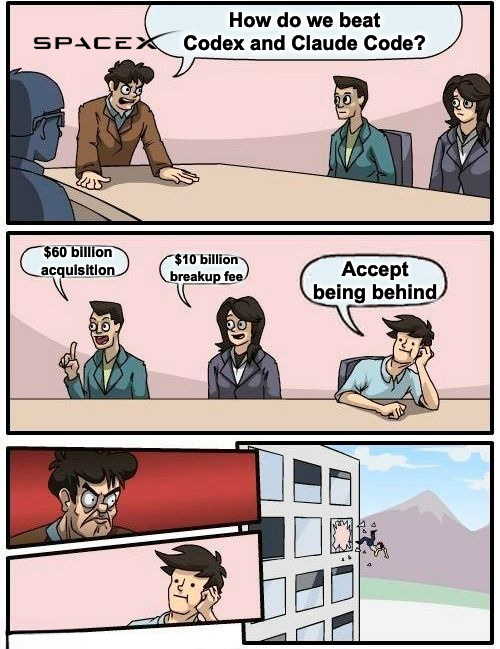
.@SpaceX just struck a deal that could end in a $60 billion acquisition of @Cursor. The company announced it has the right to either acquire the AI coding startup for $60 billion later this year or pay $10 billion for the work the two companies are doing together. The numbers:   • Deal structure: $60B acquisition option OR $10B breakup fee   • The $10B is paid if the acquisition does not go through   • Cursor was in talks to raise $2B at $50B+ valuation before this deal   • Cursor is no longer proceeding with that round since xAI is now handling compute   • Cursor investors include Nvidia, Google, OpenAI's venture fund, Andreessen Horowitz, Thrive Capital, Accel, and DST Global   • Cursor closed a $2.3B Series D in November at a $29.3B post-money valuation   • SpaceX merged with xAI in February 2026 and is preparing for a record IPO 𝗪𝗵𝗮𝘁 𝗶𝘀 𝗵𝗮𝗽𝗽𝗲𝗻𝗶𝗻𝗴: SpaceX and Cursor are partnering to build what they are calling the best coding and knowledge work AI. Cursor had previously been using xAI compute to train its latest models. The deal gives SpaceX the option to acquire Cursor outright for $60 billion later this year or walk away with a $10 billion payment for the collaboration. SpaceX is not acquiring Cursor immediately because a major transaction would require updating its IPO filings and could delay the listing. 𝗪𝗵𝘆 𝘁𝗵𝗶𝘀 𝗺𝗮𝘁𝘁𝗲𝗿𝘀: SpaceX/xAI has acknowledged it is behind competitors in AI coding tools. Musk said as much publicly and ordered layoffs at xAI in March. Cursor is one of the most popular AI coding platforms in the world and was valued at $29.3 billion just five months ago. This deal gives SpaceX a path to close the gap with OpenAI Codex and Anthropic Claude Code through acquisition rather than building from scratch. 𝗪𝗵𝗼 𝗶𝘀 𝗶𝗻𝘃𝗼𝗹𝘃𝗲𝗱: SpaceX (which now includes xAI and X) is the buyer. Cursor is the target. Cursor's backers include Nvidia, Google, Andreessen Horowitz, Thrive Capital, Accel, DST Global, and OpenAI's venture fund. 𝗕𝗼𝘁𝘁𝗼𝗺 𝗹𝗶𝗻𝗲: This is one of the most unusual deal structures in tech. A $60 billion acquisition option with a $10 billion breakup fee, announced while the buyer is preparing for the largest IPO in history. If it goes through, SpaceX would add one of the most valuable developer platforms on earth to a company that already includes rockets, satellites, AI, and a social network. 𝗪𝗮𝗻𝘁 𝘁𝗼 𝗱𝗶𝗴 𝗱𝗲𝗲𝗽𝗲𝗿? Research Cursor on Goodfin Go at app.goodfin.com/go
goodfin (YC W22) tweet media
English
0
0
0
42
goodfin (YC W22)
goodfin (YC W22)@getgoodfin·
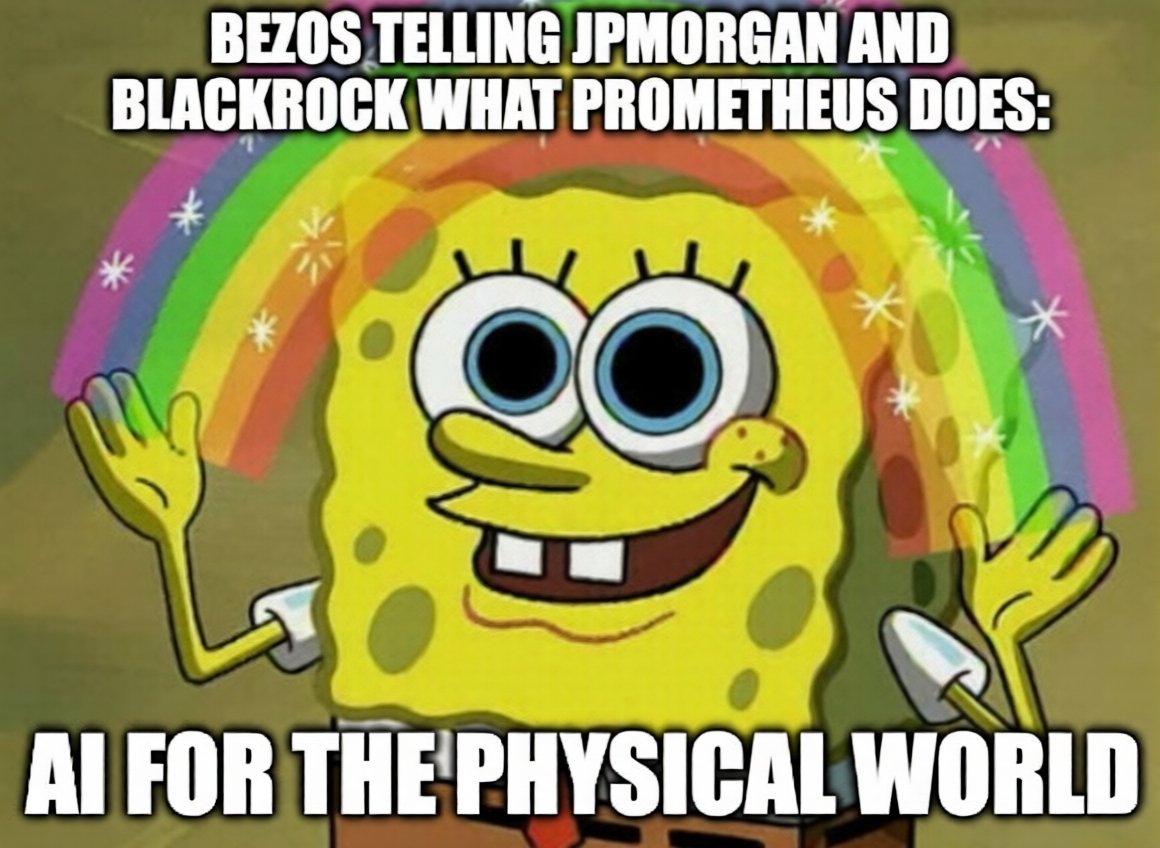
Jeff Bezos is raising $10 billion for an AI startup focused on the physical world. #ProjectPrometheus is nearing the close of a mega round that would value the company at $38 billion, just five months after launching with $6.2 billion. The numbers:   • Founded: November 2025 by Jeff Bezos and Vik Bajaj   • Launch funding: $6.2B (partly from Bezos)   • New round (in progress): $10B at $38B valuation   • Total funding if round closes: $16B+   • Investors: JPMorgan and BlackRock among backers   • 120+ employees from OpenAI, xAI, Meta, DeepMind   • Bezos is co-CEO, his first operational role since leaving Amazon in 2021 𝗪𝗵𝗮𝘁 𝘁𝗵𝗲𝘆 𝗮𝗿𝗲 𝗯𝘂𝗶𝗹𝗱𝗶𝗻𝗴: Prometheus is building physical AI. Instead of training on text like large language models, the company is developing systems that learn from real-world experimentation and engineering workflows. The goal is AI that understands the laws of physics and can be applied across manufacturing, aerospace, robotics, and drug discovery. Manufacturing alone is a $16.8 trillion global market with AI penetration still below 1%. 𝗪𝗵𝘆 𝘁𝗵𝗶𝘀 𝗺𝗮𝘁𝘁𝗲𝗿𝘀: Most AI investment has gone toward language models. Prometheus is betting the next wave comes from physical industries where data is proprietary and hard to collect. Bezos is also reportedly seeking up to $100 billion to create a holding company that would acquire industrial businesses and feed their data back into Prometheus's models. 𝗪𝗵𝗼 𝗶𝘀 𝗯𝗮𝗰𝗸𝗶𝗻𝗴 𝘁𝗵𝗲𝗺: JPMorgan and BlackRock are among the investors in the new round. The launch round included funding from Bezos himself. 𝗕𝗼𝘁𝘁𝗼𝗺 𝗹𝗶𝗻𝗲: Five months after launch, Prometheus is on track to have raised over $16 billion at a $38 billion valuation. Physical AI is still early but Bezos is not treating this like a side project.
goodfin (YC W22) tweet media
English
0
1
0
34
goodfin (YC W22)
goodfin (YC W22)@getgoodfin·
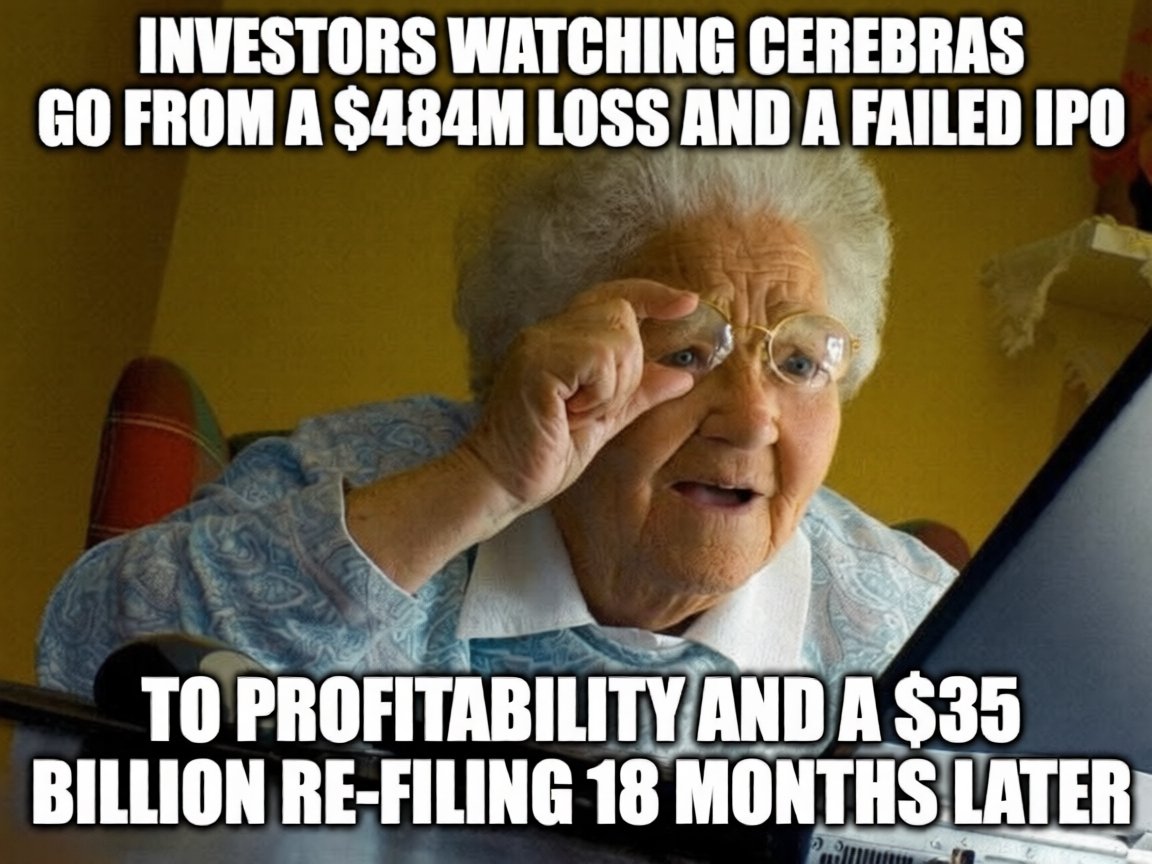
.@cerebras just filed for the first major AI chip IPO of the generative era. The company behind the largest chip ever built is targeting a Nasdaq listing in mid-May at a reported $35 billion valuation. The numbers: • Filed publicly: April 17, 2026 on Nasdaq under ticker CBRS • Target valuation: ~$35B (last private round: $23B in February 2026) • 2025 revenue: $510M (up from $290.3M in 2024) • 2025 net income: $87.9M GAAP (vs. $484.8M net loss in 2024) • 2025 non-GAAP net income: $237.8M • Total raised to date: ~$2.9B • Founded: 2015 by Andrew Feldman and team in Sunnyvale, CA • Lead underwriters: Morgan Stanley, Citigroup, Barclays, UBS • Bookrunners: Mizuho, TD Cowen • OpenAI deal: $20B+ multi-year compute contract disclosed in the filing • AWS deal: binding term sheet to deploy Cerebras inside Amazon data centers 𝗪𝗵𝗮𝘁 𝘁𝗵𝗲𝘆 𝗯𝘂𝗶𝗹𝗱: Cerebras makes the Wafer Scale Engine (WSE-3), the largest chip ever built. It contains 4 trillion transistors and 900,000 cores on a single wafer-scale processor. The company claims it delivers significantly faster inference performance than traditional GPU architectures at a fraction of the cost and power. Cerebras sells both physical hardware and cloud-based AI compute. 𝗪𝗵𝘆 𝘁𝗵𝗶𝘀 𝗺𝗮𝘁𝘁𝗲𝗿𝘀: This is the first pure-play alternative to Nvidia's GPU dominance to go public during the current AI infrastructure cycle. Cerebras went from a $484.8 million net loss in 2024 to profitability in 2025. The $20B+ OpenAI deal and the AWS partnership give the company two major anchor customers heading into the public market. Revenue grew 76% year over year. If the IPO prices near the $35 billion target, it would be one of the largest semiconductor IPOs in history. 𝗪𝗵𝗼 𝗶𝘀 𝗯𝗮𝗰𝗸𝗶𝗻𝗴 𝘁𝗵𝗲𝗺: Cerebras has raised ~$2.9B from Fidelity, Tiger Global, AMD, Benchmark, Coatue, Altimeter, Alpha Wave Ventures, and others. OpenAI is both its largest customer and a potential equity holder with warrants for up to 10%. 𝗧𝗵𝗲 𝗳𝗼𝘂𝗻𝗱𝗲𝗿 𝘀𝘁𝗼𝗿𝘆: CEO @andrewdfeldman previously founded SeaMicro, which was acquired by AMD in 2012. He founded Cerebras in 2015 with the idea that AI workloads needed purpose-built hardware, not repurposed graphics chips. The company's first IPO attempt in 2024 was delayed by a CFIUS review of UAE-based investor G42. After restructuring that stake and signing the OpenAI deal, Cerebras re-filed in 2026. 𝗕𝗼𝘁𝘁𝗼𝗺 𝗹𝗶𝗻𝗲: Cerebras went from withdrawing its IPO filing 18 months ago to re-filing with $510 million in revenue, profitability, a $20B+ OpenAI contract, and an AWS partnership. This is the AI chip IPO the market has been waiting for. 𝗪𝗮𝗻𝘁 𝘁𝗼 𝗱𝗶𝗴 𝗱𝗲𝗲𝗽𝗲𝗿? Research Cerebras on Goodfin Go at app.goodfin.com/go.
goodfin (YC W22) tweet media
English
0
0
1
109
goodfin (YC W22)
goodfin (YC W22)@getgoodfin·
.@AnthropicAI just tripled its revenue run rate and launched its most powerful model ever. It has surpassed $30 billion in annualized revenue, up from $9 billion at the end of 2025. It also released Claude Mythos Preview, a frontier model that autonomously discovered thousands of zero-day vulnerabilities across major operating systems and web browsers. The numbers: • Founded: 2021 by Dario Amodei and Daniela Amodei (both former OpenAI) • Run-rate revenue: $30B+ (up from $9B at end of 2025, $14B in February 2026) • Series G: $30B at $380B post-money valuation (February 2026), led by GIC and Coatue • Total raised to date: ~$64B • 1,000+ enterprise customers spending $1M+ annually (doubled from 500 in under two months) • Claude Code run-rate revenue: $2.5B+ • New compute deal with Google and Broadcom for multiple gigawatts of TPU capacity coming online in 2027 • Claude Mythos Preview launched April 7 through Project Glasswing (not publicly available) 𝗪𝗵𝗮𝘁 𝘁𝗵𝗲𝘆 𝗮𝗿𝗲 𝗯𝘂𝗶𝗹𝗱𝗶𝗻𝗴: Anthropic builds Claude, one of the most widely used large language models in enterprise. Claude is available across AWS Bedrock, Google Cloud Vertex AI, and Microsoft Azure. The company also builds Claude Code, an AI coding tool that now accounts for an estimated 4% of all public GitHub commits worldwide. Anthropic recently launched Claude Cowork for broader knowledge work and a browser agent that lives in Chrome. Anthropic also announced Claude Mythos Preview, its most powerful model to date, through a new cybersecurity initiative called Project Glasswing. Mythos is not publicly available but is being used by Amazon, Apple, Google, Microsoft, CrowdStrike, and others for defensive security work. In its first weeks of testing, it identified thousands of zero-day vulnerabilities across major operating systems and web browsers. 𝗪𝗵𝘆 𝘁𝗵𝗶𝘀 𝗺𝗮𝘁𝘁𝗲𝗿𝘀: Anthropic went from earning its first dollar in revenue less than three years ago to a $30 billion run rate. Enterprise adoption is driving the growth. The 1,000+ customers at $1M+ annually signals companies are moving from experimentation to full deployment. The Google and Broadcom compute deal locks in next-generation TPU capacity for 2027, giving Anthropic long-term infrastructure to scale. And the Mythos launch shows the company is now pushing the frontier on cybersecurity, with a model capable of autonomously finding critical vulnerabilities that went undetected for years. 𝗪𝗵𝗼 𝗶𝘀 𝗯𝗮𝗰𝗸𝗶𝗻𝗴 𝘁𝗵𝗲𝗺: The Series G was led by GIC and Coatue, co-led by D.E. Shaw Ventures, Dragoneer, Founders Fund, ICONIQ, and MGX. Amazon has invested $8 billion total. Microsoft and Nvidia also participated. Other backers include Sequoia, Fidelity, BlackRock, Goldman Sachs, and the Qatar Investment Authority. 𝗕𝗼𝘁𝘁𝗼𝗺 𝗹𝗶𝗻𝗲: Anthropic has gone from a small research lab founded by former OpenAI executives to a company with a $30 billion revenue run rate and a $380 billion valuation in under five years. It just launched the most powerful AI model it has ever built. Enterprise AI adoption is accelerating and Anthropic is at the center of it. 𝗪𝗮𝗻𝘁 𝘁𝗼 𝗱𝗶𝗴 𝗱𝗲𝗲𝗽𝗲𝗿? Research Anthropic on Goodfin Go at 𝗵𝘁𝘁𝗽𝘀://𝗮𝗽𝗽.𝗴𝗼𝗼𝗱𝗳𝗶𝗻.𝗰𝗼𝗺/𝗴𝗼.
goodfin (YC W22) tweet media
English
0
0
1
50
goodfin (YC W22)
goodfin (YC W22)@getgoodfin·
The most valuable private company in the world just filed for the largest IPO in history. @SpaceX submitted a confidential registration with the SEC on April 1, targeting a $1.75 trillion valuation and a June listing on the Nasdaq. The numbers: • Founded: 2002 by Elon Musk • Confidential IPO filed: April 1, 2026 • Target valuation: ~$1.75 trillion • Target raise: up to $75 billion • Previous valuation: $1.25 trillion (post xAI merger, February 2026) • Total private funding raised to date: ~$11.9 billion across 31 rounds • Estimated 2025 revenue: ~$15-16 billion • Starlink subscribers: 10M+ as of February 2026 • Starlink satellites in orbit: 10,000+ • 165 Falcon 9 missions in 2025 alone • 21 banks lined up to manage the offering (internally codenamed "Project Apex") 𝗪𝗵𝗮𝘁 𝘁𝗵𝗲𝘆 𝗮𝗿𝗲 𝗯𝘂𝗶𝗹𝗱𝗶𝗻𝗴: SpaceX designs, builds, and launches reusable rockets and spacecraft. Its Falcon 9 is the most frequently launched orbital rocket in the world. Its next-generation Starship is designed to carry over 100 tons to low Earth orbit. SpaceX also operates Starlink, a global satellite internet service with more than 10 million subscribers across 150+ countries. In February 2026, SpaceX merged with Musk's AI company xAI, adding AI capabilities, the Grok model, and the social network X under one entity. 𝗪𝗵𝘆 𝘁𝗵𝗶𝘀 𝗺𝗮𝘁𝘁𝗲𝗿𝘀: If this IPO goes through at anywhere near the target, it would be the largest public offering ever, more than doubling Saudi Aramco's $29 billion record from 2019. SpaceX reportedly plans to allocate about 30% of shares to retail investors, which would be roughly three times the typical allocation. Starlink alone generated an estimated $10 billion in revenue in 2025 and is the main revenue driver for the company. The capital raised is expected to fund Starship development, Starlink expansion, orbital data centers, and early lunar base infrastructure. 𝗪𝗵𝗼 𝗶𝘀 𝗯𝗮𝗰𝗸𝗶𝗻𝗴 𝘁𝗵𝗲𝗺: SpaceX has raised from Fidelity, Andreessen Horowitz, Sequoia Capital, Founders Fund, Google, and many others over 31 private funding rounds. Following the xAI merger, former xAI investors including Nvidia and Qatar Investment Authority also hold stakes. Musk owns approximately 42-43% of equity and controls roughly 79% of voting rights through a dual-class share structure. 𝗕𝗼𝘁𝘁𝗼𝗺 𝗹𝗶𝗻𝗲: SpaceX has gone from Elon Musk's $100 million personal bet in 2002 to a company targeting a $1.75 trillion public debut. It operates the world's most active rocket, the world's largest satellite constellation, and now an AI lab under one roof. If the listing happens in June, it could be the defining market event of 2026. 𝗪𝗮𝗻𝘁 𝘁𝗼 𝗱𝗶𝗴 𝗱𝗲𝗲𝗽𝗲𝗿? Research SpaceX on Goodfin Go at app.goodfin.com/go
goodfin (YC W22) tweet media
English
0
0
1
44
goodfin (YC W22)
goodfin (YC W22)@getgoodfin·
Everyone at @HumanXCo is going to be talking about AI chips. NVIDIA. ARM AGI CPU. The H100. The GB200.We're bringing a different kind of AI chip. Same word. Very different form factor. And it comes with a question that everyone in this room has an opinion on. Stay tuned.
goodfin (YC W22) tweet media
English
0
0
0
42
goodfin (YC W22)
goodfin (YC W22)@getgoodfin·
.@CrusoeAI is reportedly raising up to $2 billion in a pre-IPO round at a $30 billion to $40 billion valuation. Five months ago it was worth $10 billion. The round has not closed yet. The numbers:   • October 2025: $1.375B Series E at $10B+ valuation, co-led by Valor Equity Partners and Mubadala Capital   • March 2026: Reportedly raising up to $2B at $30B-$40B valuation   • 3x to 4x valuation jump in five months   • Revenue: ~$276M in 2024, ~$500M projected for 2025, targeting $2B+ in 2026   • Total raised to date: ~$3.9B across 13 rounds of debt and equity   • Power pipeline: 45+ gigawatts   • 1,100+ employees   • Widely expected to IPO this year. Hired former MongoDB executive Michael Gordon as COO and CFO, the same person who led MongoDB's 2017 IPO. 𝗪𝗵𝗮𝘁 𝘁𝗵𝗲𝘆 𝗮𝗿𝗲 𝗯𝘂𝗶𝗹𝗱𝗶𝗻𝗴: Crusoe builds and operates AI-optimized data centers powered by stranded and clean energy. The company was founded in 2018 by Chase Lochmiller and Cully Cavness. It started by converting flared natural gas at oil drilling sites into compute power. In 2024, it sold its Bitcoin mining business to NYDIG and became a pure-play AI infrastructure company. It now runs Crusoe Cloud, a GPU cloud platform for AI training and inference, and builds gigawatt-scale data center campuses. 𝗧𝗵𝗲 𝗦𝘁𝗮𝗿𝗴𝗮𝘁𝗲 𝗰𝗼𝗻𝗻𝗲𝗰𝘁𝗶𝗼𝗻: Crusoe is building the 1.2-gigawatt Abilene, Texas campus for OpenAI and Oracle as part of the $500 billion Stargate project. The first phase went live in 2025. Financing for the Abilene project includes $9.6B in debt from JPMorgan and $5B in equity from Crusoe and Blue Owl. A second phase is backed by a $7.1B construction loan. The company is also planning a 1.8-gigawatt campus in Wyoming. 𝗧𝗵𝗲 𝗲𝗻𝗲𝗿𝗴𝘆 𝗽𝗹𝗮𝘆: Crusoe recently announced two major energy storage deals. It is buying 12 gigawatt-hours of iron-air batteries from Form Energy and expanding its second-life battery deployment with Redwood Materials. Both deals support Crusoe's approach of bringing its own power to data center sites rather than relying on the grid. Crusoe also manufactures its own electrical switchgear and modular cooling systems to get around supply chain bottlenecks. 𝗪𝗵𝗼 𝗶𝘀 𝗯𝗮𝗰𝗸𝗶𝗻𝗴 𝘁𝗵𝗲𝗺: Valor Equity Partners and Mubadala Capital co-led the Series E. Other investors include Founders Fund, NVIDIA, Fidelity, T. Rowe Price, Tiger Global, Salesforce Ventures, Franklin Templeton, Altimeter Capital, Brookfield, Goldman Sachs, and Blue Owl. Saquon Barkley is also an investor. 𝗕𝗼𝘁𝘁𝗼𝗺 𝗹𝗶𝗻𝗲: Crusoe went from converting wasted natural gas into Bitcoin mining to building gigawatt-scale AI factories for OpenAI. Revenue went from $276M to a projected $2B+ in two years. A potential $30B-$40B pre-IPO valuation would make it one of the most valuable private infrastructure companies in the world. And an IPO could be next. Want to dig deeper? Research Crusoe on Goodfin Go at app.goodfin.com/go
goodfin (YC W22) tweet media
English
0
0
0
43
goodfin (YC W22)
goodfin (YC W22)@getgoodfin·
Shield AI just raised $2 billion at a $12.7 billion valuation and is acquiring defense simulation company Aechelon Technology. The deal dropped today. The numbers: • March 2025: $240M raise at $5.3B valuation • March 2026: $2B raise at $12.7B valuation • More than doubled in one year • $1.5B Series G led by Advent International and JPMorgan Chase's Strategic Investment Group • $500M in preferred equity from Blackstone, plus an additional $250M delayed draw facility • Advent's Chairman David Mussafer joins the board • JPMorgan's Todd Combs joins as a board observer 𝗪𝗵𝗮𝘁 𝘁𝗵𝗲𝘆 𝗮𝗿𝗲 𝗯𝘂𝗶𝗹𝗱𝗶𝗻𝗴: Shield AI makes Hivemind, an AI pilot that flies drones and aircraft autonomously without GPS, communications, or a human pilot. Their V-BAT drone has completed combat sorties in active deployments. Their X-BAT is an autonomous VTOL fighter jet currently in development. The U.S. Air Force recently selected Shield AI as a mission autonomy provider for Collaborative Combat Aircraft. A portion of this raise will fund X-BAT development. 𝗧𝗵𝗲 𝗮𝗰𝗾𝘂𝗶𝘀𝗶𝘁𝗶𝗼𝗻: Aechelon Technology is a defense software company that builds high-fidelity simulation and synthetic reality applications. The U.S. military uses Aechelon's technology to train pilots and test aircraft and autonomous systems before live flight, including through the Pentagon's Joint Simulation Environment. The acquisition will help accelerate Shield AI's Hivemind Foundation Model for Defense, which is trained in simulation and refined through real-world operations. 𝗪𝗵𝗼 𝗶𝘀 𝗯𝗮𝗰𝗸𝗶𝗻𝗴 𝘁𝗵𝗲𝗺: Advent International and JPMorgan co-led the Series G. Blackstone is putting in $500M in preferred equity with another $250M committed. Existing investors Snowpoint Ventures, InnovationX, Riot Ventures, and Disruptive also participated. Previous backers include Andreessen Horowitz, L3Harris, and Hanwha. 𝗪𝗵𝘆 𝘁𝗵𝗶𝘀 𝗺𝗮𝘁𝘁𝗲𝗿𝘀: Modern warfare has shifted toward autonomous systems, low-cost drones, and AI-powered targeting. The Pentagon committed $9.4 billion toward autonomous drones in FY2026 alone. Shield AI is positioned at the center of that shift. Raising $2 billion and acquiring a simulation company in the same announcement signals that defense AI is moving from experimental to infrastructure. 𝗕𝗼𝘁𝘁𝗼𝗺 𝗹𝗶𝗻𝗲: Shield AI more than doubled its valuation in a year, brought in Advent, JPMorgan, and Blackstone in a single deal, and acquired a company that plugs directly into its AI pilot development pipeline. This is one of the biggest defense tech raises ever. 𝗪𝗮𝗻𝘁 𝘁𝗼 𝗱𝗶𝗴 𝗱𝗲𝗲𝗽𝗲𝗿? Research Shield AI on Goodfin Go at 𝗵𝘁𝘁𝗽𝘀://𝗮𝗽𝗽.𝗴𝗼𝗼𝗱𝗳𝗶𝗻.𝗰𝗼𝗺/𝗴𝗼.
goodfin (YC W22) tweet media
English
0
0
1
54
goodfin (YC W22)
goodfin (YC W22)@getgoodfin·
𝗜𝗻 𝟮𝟬𝟭𝟲, 𝘁𝘄𝗼 𝗲𝗻𝗴𝗶𝗻𝗲𝗲𝗿𝘀 𝗹𝗲𝗳𝘁 𝗪𝗮𝘆𝗺𝗼, 𝗚𝗼𝗼𝗴𝗹𝗲'𝘀 𝘀𝗲𝗹𝗳-𝗱𝗿𝗶𝘃𝗶𝗻𝗴 𝗰𝗮𝗿 𝗽𝗿𝗼𝗷𝗲𝗰𝘁, 𝘁𝗼 𝘀𝘁𝗮𝗿𝘁 𝘁𝗵𝗲𝗶𝗿 𝗼𝘄𝗻 𝗰𝗼𝗺𝗽𝗮𝗻𝘆. 𝗧𝗵𝗲𝘆 𝗰𝗮𝗹𝗹𝗲𝗱 𝗶𝘁 𝗡𝘂𝗿𝗼. Ten years later, Waymo is worth $126 billion. Nuro is worth $6 billion. Same origin. Same technology. Completely different strategies. 𝗪𝗮𝘆𝗺𝗼 has been in development since 2009 when it started as Google's self-driving car project. It is majority owned by Alphabet, which put in roughly $13 billion of its latest $16 billion round alone. Waymo owns everything. The software, the fleet, the ride-hailing service. You open the app, a driverless car shows up, and Waymo handles the entire experience. 400,000+ rides per week. 15 million rides in 2025. ~$350M in annualized revenue. Expanding to 20+ new cities this year including Tokyo and London. 𝗡𝘂𝗿𝗼 took a different path. The company originally built and operated its own autonomous delivery robots. But building vehicles is expensive, and Nuro was burning cash. In September 2024, it made one of the biggest pivots in the autonomous vehicle industry. It stopped building its own vehicles entirely and became a pure technology licensing company. The Nuro Driver is a vehicle-agnostic Level 4 self-driving system that plugs into any automaker or fleet. Uber and Lucid are now planning to deploy 20,000+ robotaxis powered by Nuro's software. Nvidia is both an investor and a technology partner. 1.7 million+ autonomous miles with zero at-fault incidents. $2.3B raised. Current valuation: $6B. 𝗧𝗵𝗲 𝗯𝗶𝗴 𝗱𝗶𝗳𝗳𝗲𝗿𝗲𝗻𝗰𝗲 𝗶𝗻 𝘃𝗮𝗹𝘂𝗮𝘁𝗶𝗼𝗻 𝗰𝗼𝗺𝗲𝘀 𝗱𝗼𝘄𝗻 𝘁𝗼 𝘁𝘄𝗼 𝘁𝗵𝗶𝗻𝗴𝘀. First, Waymo has a seven-year head start and the backing of one of the largest companies on the planet. Second, Waymo generates revenue today at scale. Nuro is earlier in its licensing model and still proving out the commercial partnerships. But that gap is also what makes Nuro interesting. If its licensing approach works, the Nuro Driver could end up inside vehicles from dozens of automakers and fleet operators without Nuro needing to own or operate any of them. One owns the ride. The other powers the vehicle. Same roots. Two very different bets on how autonomy scales. Want to go deeper? Research both on Goodfin Go at goodfin.com/go.
goodfin (YC W22) tweet media
English
0
0
0
54
goodfin (YC W22)
goodfin (YC W22)@getgoodfin·
Legora just raised $550 million in a Series D at a $5.55 billion valuation. And in the same week, it made its first acquisition. The numbers: → Oct 2025: $150M Series C at $1.8B valuation → Mar 2026: $550M Series D at $5.55B valuation → 3x valuation jump in under five months → 800+ law firms and legal teams across 50+ markets → Clients include Cleary Gottlieb, White & Case, Linklaters, Dentons, Deloitte, and Goodwin → Planning to grow to 300+ U.S. employees by end of 2026 What they are building: Legora is an AI platform built for lawyers. It handles research, document review, and drafting across complex legal matters. The platform is used by tens of thousands of legal professionals and is built on top of large language models. The company came out of Y Combinator's Winter 2024 batch and is headquartered in New York with offices in Stockholm, London, Bangalore, and Sydney. The acquisition: Alongside the raise, Legora acquired Walter, a Canadian legal AI startup whose clients include top-tier firms Fasken Martineau and McCarthy Tetrault. Walter builds agent-native AI that automates end-to-end legal workflows from email to finished document. The deal signals where Legora is heading next: fully agentic AI that can carry out complex, multi-step legal tasks without human intervention at every stage. Why this matters: Legal is one of the largest professional services markets in the world and one of the slowest to adopt AI. That is changing fast. Legora's competitor Harvey is already valued at $8 billion and is reportedly seeking to raise at $11 billion. Accel led this round, with Benchmark, Bessemer, General Catalyst, ICONIQ, Redpoint, Y Combinator, Salesforce Ventures, and Bain Capital all participating. The strategic play: Legora is not just building software. It is building the operating layer for how legal work gets done. The acquisition of Walter adds agentic workflow capability on top of the existing research and drafting platform. New offices opening in Houston and Chicago put them in two of the biggest legal markets in the country. Bottom line: Legal AI is no longer experimental. Firms are moving from testing to full production. When a company triples its valuation in five months and makes its first acquisition in the same week, that is not hype. That is a market shift in real time.
goodfin (YC W22) tweet media
English
0
0
0
86
goodfin (YC W22)
goodfin (YC W22)@getgoodfin·
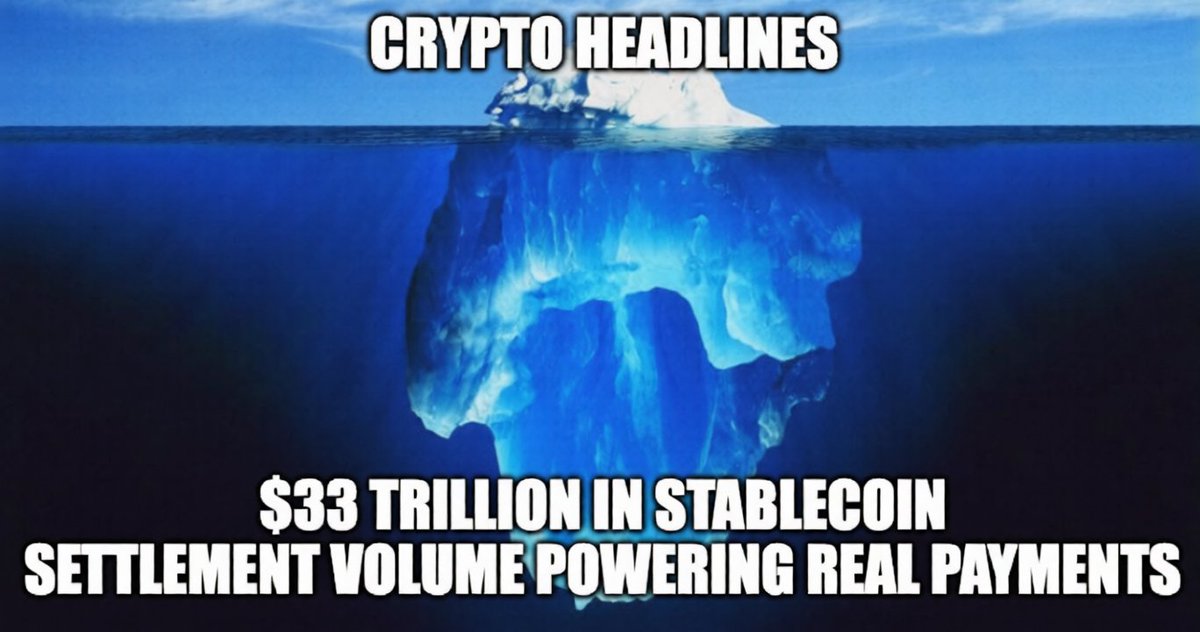
Kast just raised $80 million in a Series A at a $600 million valuation. The numbers: → Founded: July 2024 → Series A: $80M co-led by QED Investors and Left Lane Capital → Valuation: $600M → 1 million+ users → ~$5 billion in annualized transaction volume → Revenue doubled since September 2025 → Targeting $100M annual revenue run rate in 2026 → 250+ employees hired from Stripe, Revolut, Binance, Circle, and Airwallex What they are building: Kast is a stablecoin-powered financial platform that lets people and businesses earn globally, hold funds digitally, and spend locally through one app. It connects digital dollars with local payout systems in 190+ countries. Think neobank, but built on stablecoin rails instead of traditional correspondent banking. Why this matters: Global stablecoin transaction volume grew 72% last year to over $33 trillion. That is more than the combined on-chain settlement volumes of major global card networks. But only about 1% of that volume represents real world payments like remittances or payroll. The infrastructure is there. The consumer layer is just getting started. The strategic play: Stripe acquired Bridge for $1.1 billion. Visa is expanding stablecoin-linked cards to 100+ countries through Bridge. PayPal has its own stablecoin. The biggest players in payments are all moving toward stablecoin rails. Kast is betting it can be the consumer-facing platform that sits on top of all of it. Who is backing them: QED Investors and Left Lane Capital co-led the round. Peak XV Partners, HongShan Capital, and DST Global Partners also participated. QED co-founder Nigel Morris called stablecoins a technology that holds the potential to reshape finance. Bottom line: The stablecoin payments layer is no longer theoretical. It is scaling faster than most people realize. Kast going from zero to $600M valuation in 18 months is not an outlier. It is a signal of where fintech infrastructure is heading next.
goodfin (YC W22) tweet media
English
0
0
0
131
goodfin (YC W22)
goodfin (YC W22)@getgoodfin·
We sat down with Jerry Weitzman (ex-SVP, Sales at @databricks who scaled it to billions) for Goodfin Futures to talk about what 100% YoY revenue growth actually means when you look under the hood. Spoiler: the headline number is not the story. Listen to the full fireside chat convo here: app.goodfin.com/app/community
English
0
0
0
56
goodfin (YC W22)
goodfin (YC W22)@getgoodfin·
Proud to share that Goodfin Founder and CEO @AnnaJooFee has been named to @Inc's 2026 Female Founders 500, a distinction awarded to the most exceptional women business leaders in the US. Under her leadership, Goodfin has achieved 10x YoY growth, launched Goodfin Go (AI agents now powering millions in private market investments), and built a platform that holds its own against the CFA Level III exam. The recognition is well-earned. We couldn't be more proud. The work continues! Congratulations, Anna. 🎉
goodfin (YC W22) tweet media
English
0
2
3
78
goodfin (YC W22)
goodfin (YC W22)@getgoodfin·
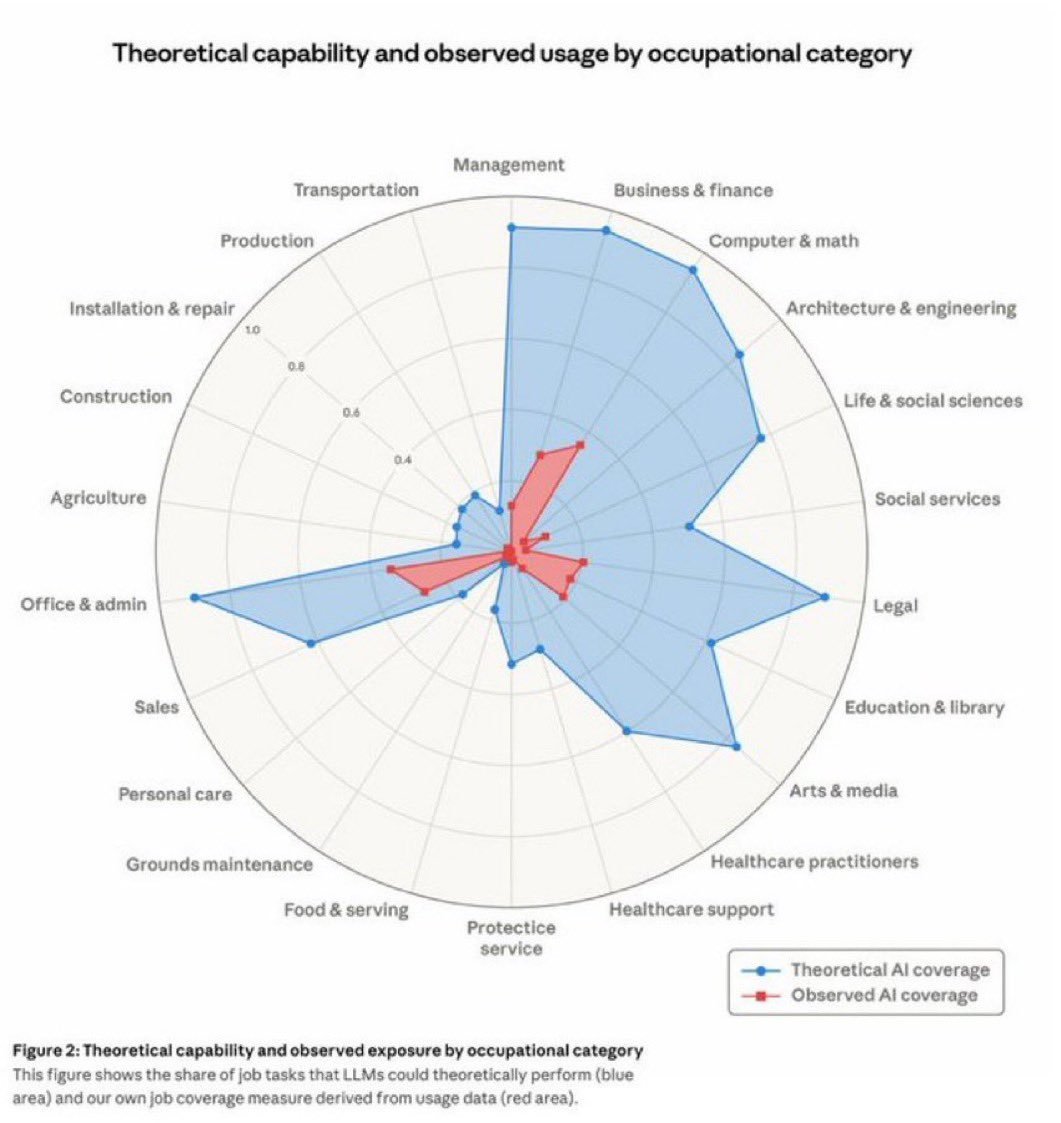
The chart every finance professional should be studying right now. Anthropic just dropped a radar chart comparing AI's theoretical capability vs. actual usage across every major profession. It's worth your attention. 🔵 Blue = what AI could theoretically do. 🔴 Red = what's actually being used. Look at Business & Finance. One of the largest blue zones on the entire radar. The red? Barely a sliver. Now compare that to Computer & Math. Big blue — but the red is actually starting to close the gap. Tech is adopting. Finance isn't. Not yet. Office & Admin tells the same story. Massive theoretical capability. Almost zero real-world uptake. At the bottom — construction, grounds maintenance, food service — small blue, small red. AI was never going to transform those roles. The real signal is at the top. Finance is sitting there with one of the widest gaps between what's possible and what's actually happening. Not because finance professionals are ignoring AI. Because the tools haven't met them where they actually work. That's the gap Goodfin is building into. Pre-IPO investing is still buried in PDFs, back-channel intros, and manual diligence. We're putting AI where it actually matters — inside the deal flow.
goodfin (YC W22) tweet media
English
0
1
2
60
goodfin (YC W22)
goodfin (YC W22)@getgoodfin·
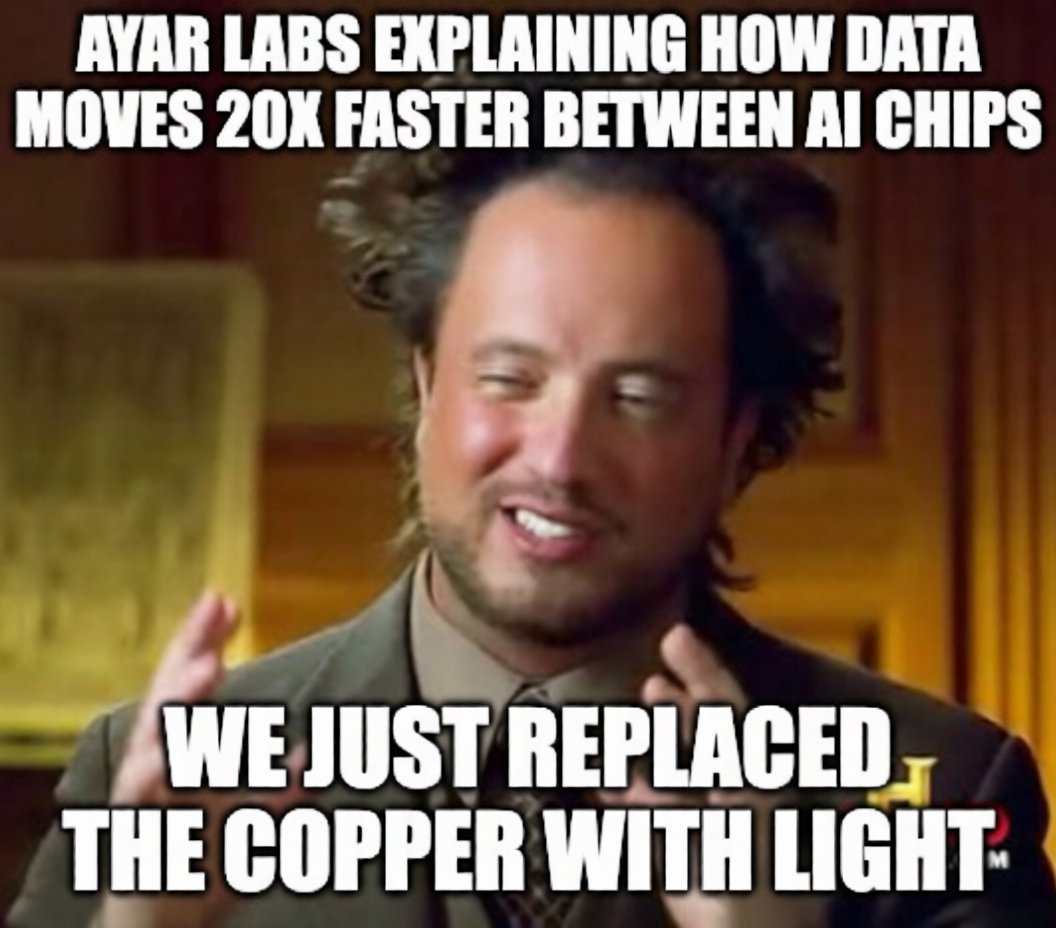
Ayar Labs just raised $500 million to replace copper with light inside AI data centers. That brings their total funding to $870 million at a $3.75 billion valuation. For a company solving one of the least talked about but most critical problems in AI infrastructure. The numbers: → $500M Series E, valuation of $3.75B → $870M total raised since founding in 2015 → TeraPHY optical engine delivers 4 to 20 times more throughput per watt vs copper → A single TeraPHY unit processes up to 8 terabits of traffic per second → Nvidia separately invested $4B into photonic networking providers the day before this round closed What they're building: Ayar Labs replaces copper wires inside AI servers with light. Their TeraPHY chip encodes data into laser beams, moving it between processors faster and at a fraction of the energy cost. As AI clusters grow to thousands of GPUs, copper physically cannot keep up. It degrades at high speeds, generates heat, and limits how large a cluster can get. Ayar's co-packaged optics technology removes that ceiling. The goal is simple: let thousands of GPUs operate as one unified system. Why the round happened: The AI buildout has hit a power wall. Data centers are consuming 2 to 3 percent of global electricity and climbing. Copper interconnects are a major reason why. As Pat Gelsinger, former Intel CEO and now an Ayar Labs board member, put it: the GPU is sitting there sucking on a straw for more compute. Everyone wants bigger clusters but copper is limiting how big they can get. Ayar says it has finally solved the manufacturing and packaging challenges that held optical interconnects back for two decades. The strategic edge: Nvidia and AMD are both investors. That means the two dominant chip companies in AI are backing the same solution to their own bottleneck. Ayar also works with TSMC and Alchip on production, meaning the full semiconductor supply chain is aligned behind them. Who's backing them: Neuberger Berman led the round. Nvidia, AMD, MediaTek, ARK Invest, Insight Partners, Qatar Investment Authority, and Sequoia Global Equities all participated. Bottom line: Everyone has been focused on which AI model wins and which chip is fastest. The next battle is inside the data center itself, moving data between chips fast enough to keep up. Ayar Labs is building that infrastructure layer, and the companies that need it most are already paying to own a piece of it.
goodfin (YC W22) tweet media
English
1
0
2
49
goodfin (YC W22) รีทวีตแล้ว
Sharath Kuruganty
Sharath Kuruganty@5harath·
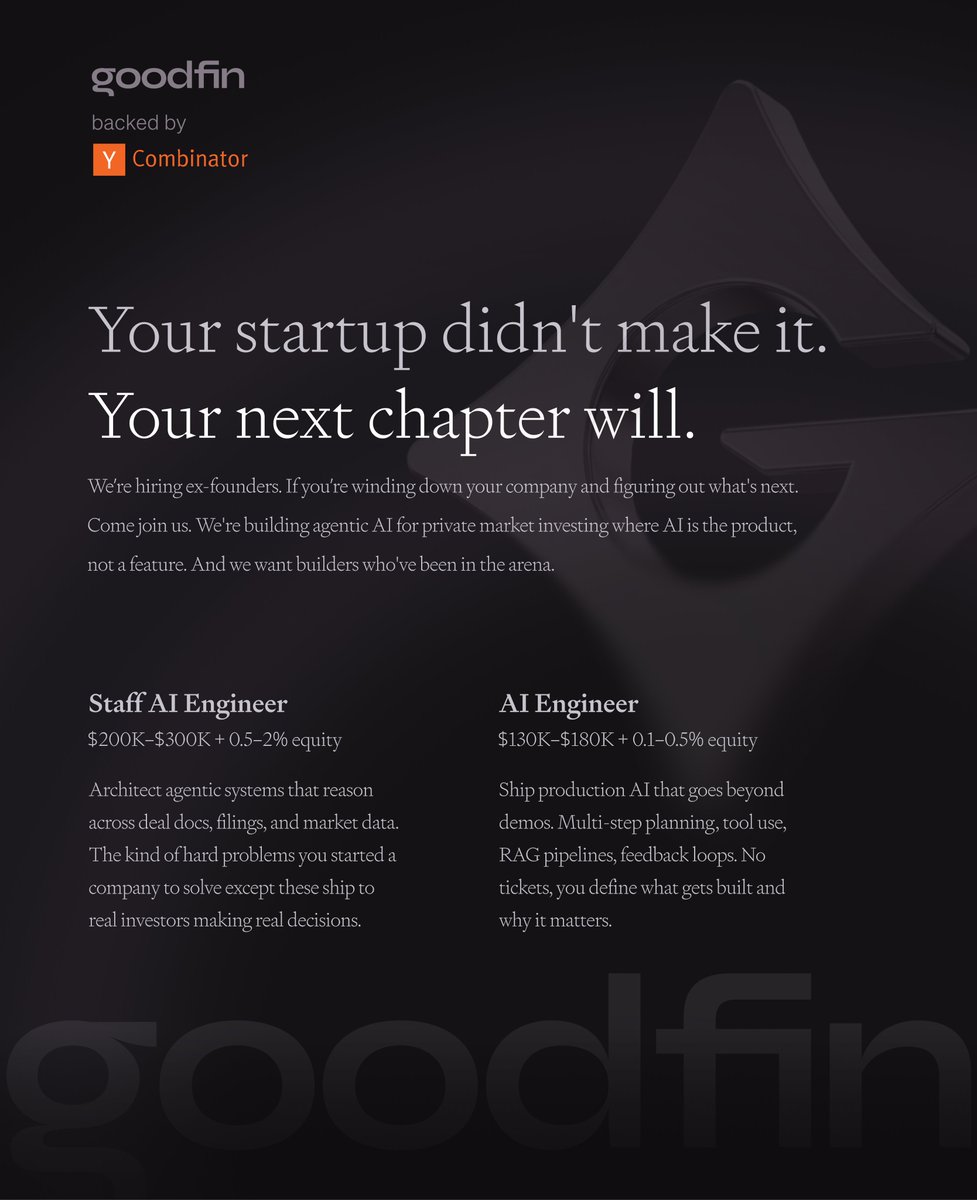
I'm hiring cracked ex-founders at @getgoodfin 🚨 If you are a VC-backed founder in SF, figuring out what to do next and into AI + fintech, join us. We're YC-backed. We're a lean team. We're building an AI-native wealth platform that enables access to private markets and pre-IPO investing. DM me if this is you or send this tweet to someone you know in this chapter. Thank you 🙏🏼
Sharath Kuruganty tweet media
English
6
1
29
2.1K