

Karol Mc Sweeney
2.8K posts

The Israel Defense Forces removed an entire battalion from action in the West Bank after soldiers detained and allegedly assaulted a CNN crew, the IDF announced Monday. foxnews.com/media/israel-d…
English
@SmokeWolfRanger @GeneralMCNews You need soldiers for regime change not a free drone teams here and there
English

You do realize Mossad drone teams and assassination teams have been boots on for some time.
As well, have been training the Kurds in the area? The same Kurds who asked the United States to arm them and they would carry out boots on operations?
While Israeli forces finish the fight against Hamas in Gaza, Syria and In Lebanon against Hezbollah and Iranian proxies.
Please dont try to stand on ceremony here, Israeli forces are contributing more to the war on terror than any NATO ally in the 20 + years of it.
English
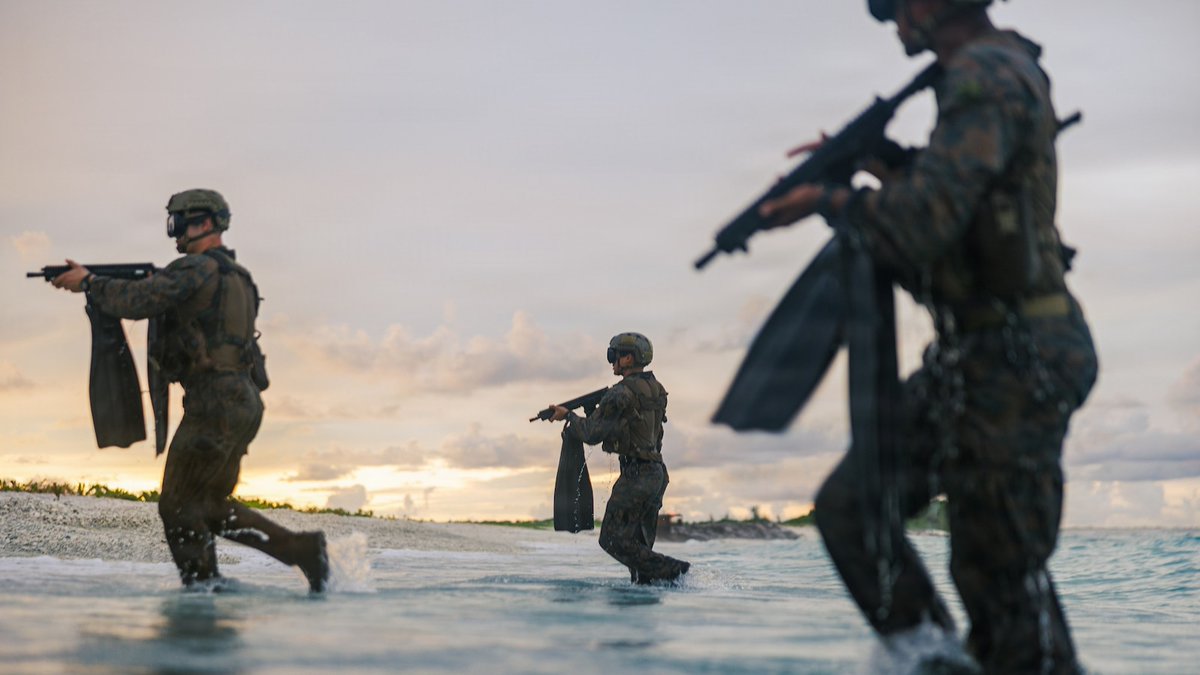
BREAKING: Israeli media reports that if the United States carries out a ground operation in Iran, it would have to go alone, with Israeli forces not participating on the ground.
English
@Red_State_Rebel You being paid by Israel to talk that garbage
English

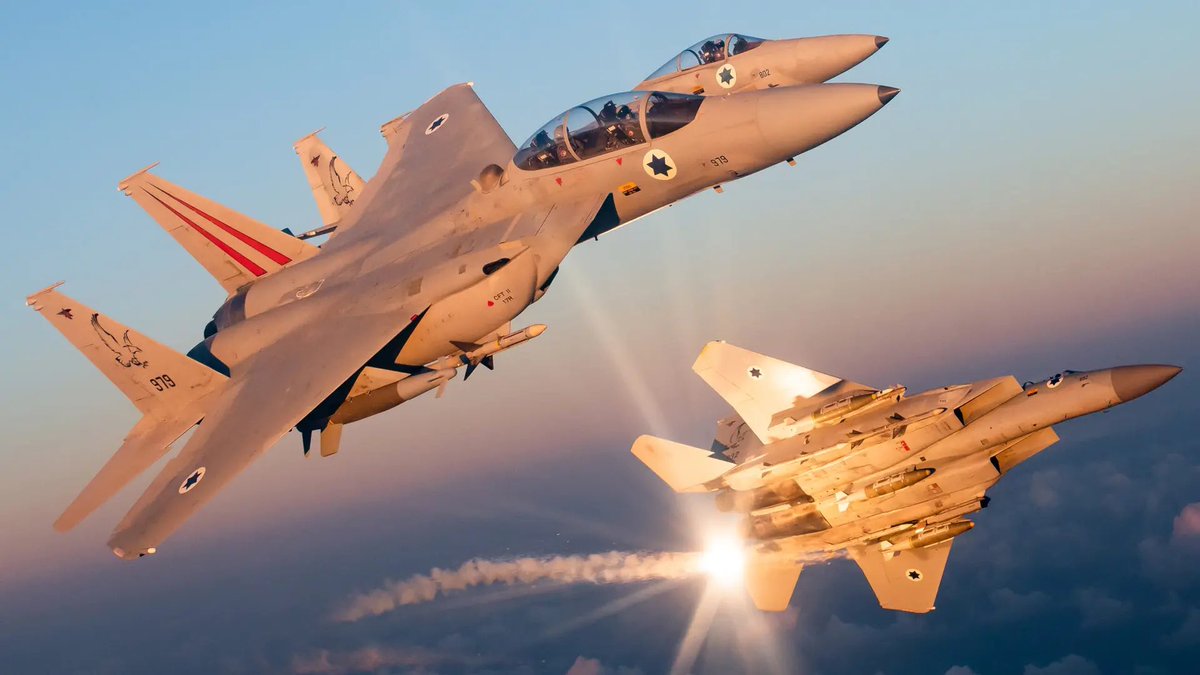
@GeneralMCNews @SaltiMary Why would the Israelis be involved ? It's our war. Their Air Force has done enough. 👍🇮🇱🇺🇸
English

@samtripoli I'll explain. This means Israeli soldiers are already on the ground. Plus, it allows US to distance ourselves from idiots like you who claim Israel is directing Trump, which is preposterous.
English

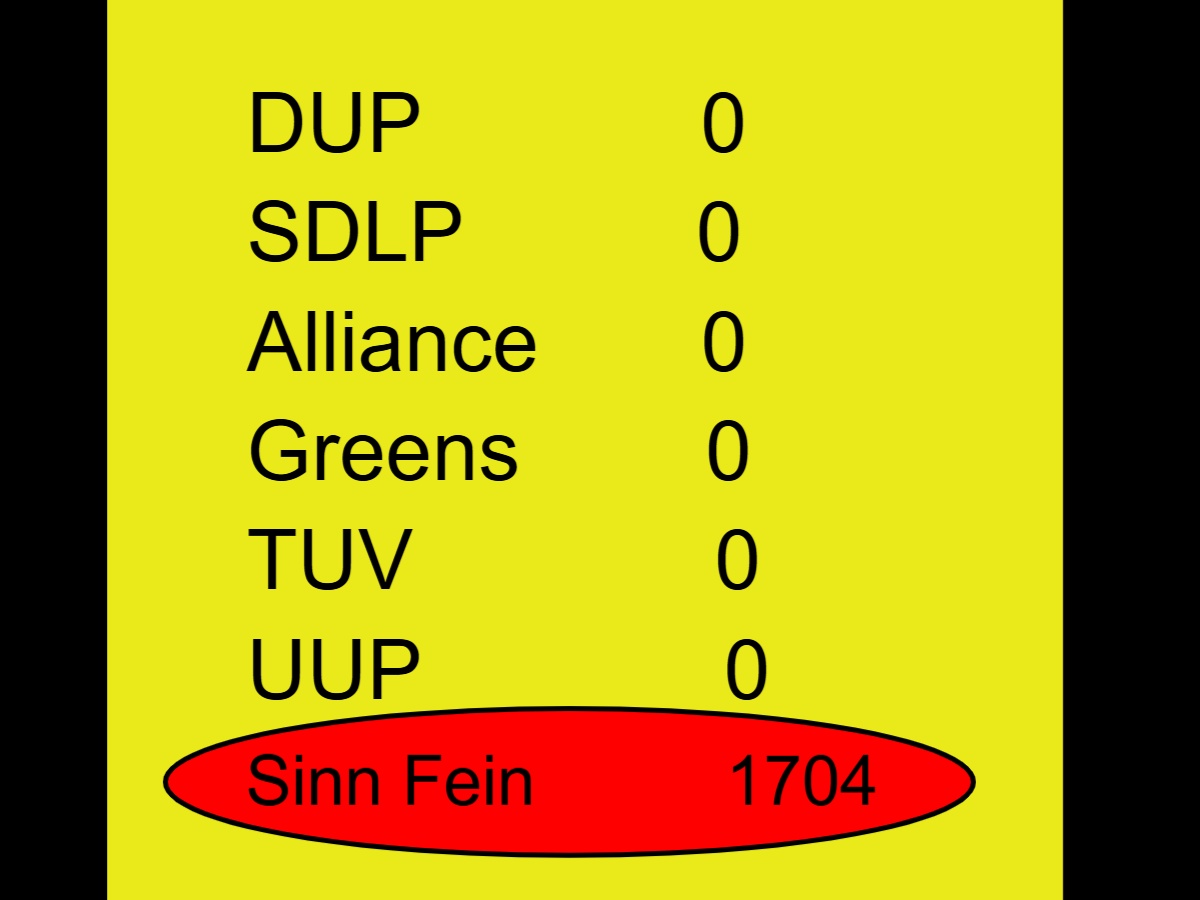
@MarkWilson1980 The UUP and DUP with their antagonistic views towards Catholics created the environment that caused Sinn Fein to be associated with this number
English
Thought of the day
Murders committed by NI Political Parties here in NI during "The Troubles"
👇 👇 👇 👇 👇
English

Ambassador commented early and should correct.
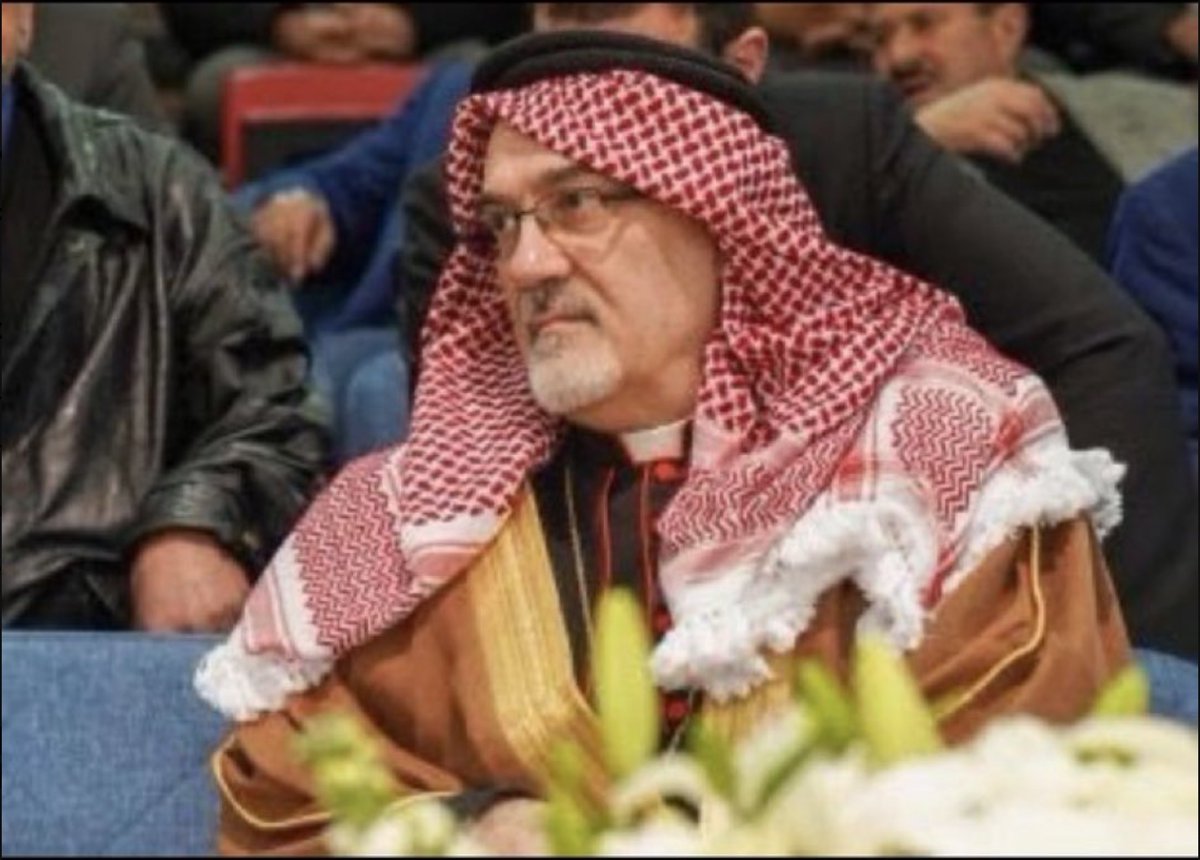
Cardinal who i will call PR Cardinal, is walking back his story.
He went to the church knowing all religious sites are closed to every religion including Judaism yesterday on a very holy sabbath of Passover coming.
Had he wanted dispensation he could have called, but he went knowing what he was creating.
PR Cardinal on display 👇


English

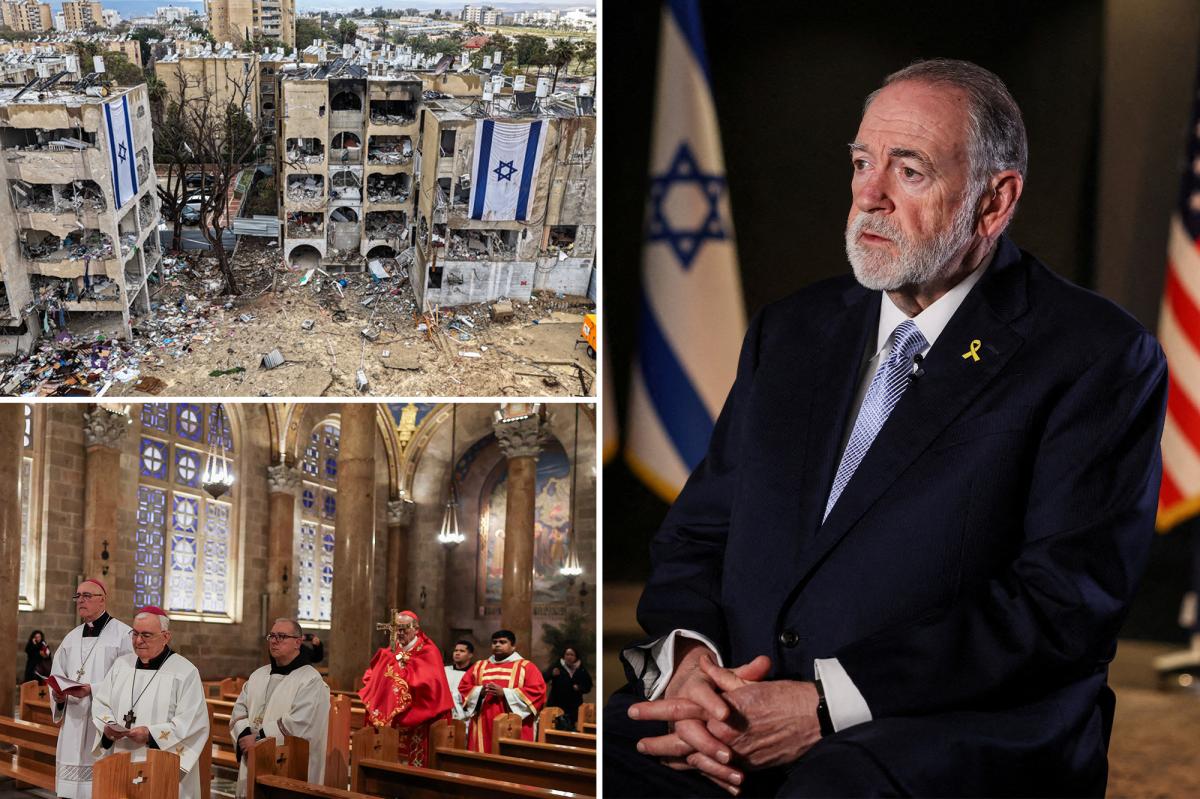
Israel bars Catholic officials from praying at holy site, outraging US Ambassador Mike Huckabee trib.al/tOXXMhn
English
@Deniseisms @nypost The agreed safe number for these events in synagogues was 50. 4 was the number of Catholics attending. They totally overreacted
English
@SEpilogueG It's definitely strange. I'll give her the benefit of the doubt but some people have gained from Charlie's Murder that's for sure
English
English

In her first social media post, Erika Kirk, Charlie Kirk’s wife, posts video and photos from the last 48 hours and she adds:
“They have no idea what they just ignited within this wife. If they thought my husband's mission was big now…you have no idea.
You. All of you. Will never. Ever. Forget my husband Charlie Kirk I'll make sure of it.”
English
@RedWesley247 @FmrRepMTG The limit is 50. There was between 2 and 4 of them. What she says is true
English

@FmrRepMTG So, if the building is currently at the top of the hit list for the Houthis and the Iranian regime, why do you think the Israeli police stopped him from entering? Fucking closet liberal.
English

On this Palm Sunday, Israeli police forced the closure of the Holy Sepluchre and refuse to allow the priest to hold mass. Even just the two of them.
This is an outrage.
Catholic Arena@CatholicArena
JERUSALEM The decision by Israeli police to prevent Cardinal Pizzaballa and the Custos of the Holy Land from entering the Holy Sepulchre has been called a: 'manifestly unreasonable and grossly disproportionate measure' The criticism was made in a joint statement The statement also clarifies, contrary to anti Catholic propaganda being spread about the incident, that it was compliant with safety protocols in place: 'The Heads of the Churches have acted with full responsibility and, since the outset of the war, have complied with all imposed restrictions: public gatherings were cancelled, attendance was prohibited, and arrangements were made to broadcast the celebrations to hundreds of millions of faithful worldwide, who, during these days of Easter, turn their eyes to Jerusalem and to the Church of the Holy Sepulchre'
English
@CNN The Israeli bots are out in the comment section with there bullshit
English

For the first time in centuries, Catholic leaders have been barred from Jerusalem's Church of Holy Sepulchre on Palm Sunday, according to church authorities in the holy city. cnn.it/47s8ybz

English
@_Spartan228 @CNN There was only 4 of them well below the restricted number of 50. The CNN report is accurate
English

@CNN What the CNN doesn't describe at the post, only after several paragraphs of the article, is that the prevention was actually to keep Christians safe from attacks of the Muslim Iranian regime.
And you, dumbasses, crave desperately for something to blame Israeli and jews.
English
@nypost Spain fought like animals for hundreds of years for European Freedom, this woman deserved better from society and her government
English
Newly emerged video shows Noelia Castillo's father cheering her on as she tried to walk trib.al/MCokeI3

English
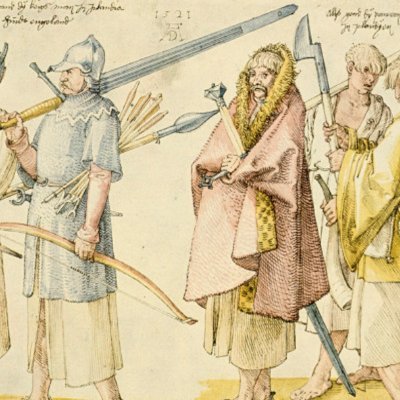
#OnThisDay 1920 The first large contingent of Black and Tans arrived in Ireland, though the very first constable arrived on 7th January. Most were WW1 veterans from England, but roughly 20% of recruits were Irish. Comedian Mike Nono made their nickname famous.
#Ireland #History

English
@MattWallace888 An absolute fucking scandal what has happened to this girl
English
I don't want to give anyone false hope, but we are over an hour and a half past the scheduled euthanasia time for Noelia Castillo Ramos, and they still have not announced it yet!
English
@FightHypocrisy1 Tans were pure scum up there with the Nazis in Poland during the Warsaw ghettos, only problem for them was unlike the poor Jews in Warsaw the Irish had weapons
English

“Historian” calls Black and Tans “rabid murderers” and “bastards” while lionising the IRA for murdering them, conveniently forgetting the IRA did far worse to civilians.
Embarrassing stuff.
BUCHANAN: Dublin Time Machine@RobLooseCannon
Today in 1920, the first English recruits to the Royal Irish Constabulary stepped off a boat at North Wall dock in Dublin. Because of a shortage of RIC uniforms, the men wore a mixture of dark green trousers and khaki tunics. The mismatched colours reminded people of the Scarteen Hunt's famous hound pack "The Black and Tans". The infamous name stuck, long after the rabid murderers were issued proper uniforms. The British government had begun advertising for recruits in January 1920, looking for men willing to "face a rough and dangerous task." Most were unemployed veterans of the First World War, men trained in the logic of lethal trenches, not the demands of policing civilian populations. They received just three months of hurried training. Then they were shipped west and paid ten shillings a day. The guerrilla war launched by the IRA in January 1919 was grinding on, and Ireland was becoming ungovernable. Field Marshal Sir Henry Wilson wrote in his diary that "The state of Ireland is terrible. No one's life is safe, spies and murderers everywhere, the Cabinet absolutely apathetic." Wilson wanted the police doubled. What London sent instead was these bastards. About 100 men were recruited per month through the first half of 1920. By November 1921, roughly 9,500 had enlisted. They were deployed mostly to the south and west, where the fighting was heaviest. In County Tipperary alone, by 1921, the Black and Tans made up almost half the entire local RIC strength. Historian D.M. Leeson documented that around one fifth of the Black and Tans were Irish-born themselves. What followed were a catalogue of Tan atrocities. The sack of Balbriggan in September 1920. The burning of Cork in December 1920, when K Company set the city centre alight and then shot at the firefighters trying to put it out. The abduction and murder of Father Michael Griffin in Galway. The shooting of pregnant Ellen Quinn, 24 years old, sitting outside her house with a 9-month-old baby, who bled to death the same night. Thomas Hodgett, postmaster of Navan, a Loyalist and a Protestant, dragged from his house before dawn, shot through the chest, and thrown into the Boyne. His body was found five weeks later. And the list goes on and on. These outrageous crimes didn't go unanswered. Between July 1920 and July 1921, 890 policemen were killed or wounded. Of those attacked by the IRA, only a third escaped unharmed. Forty-two per cent were injured. Twenty-four per cent died. Winston Churchill, who as Secretary of State for War was the political architect of the whole enterprise, would later write that it had become customary to lavish abuse on the Black and Tans, and that in fact they had been selected on account of their intelligence, their characters and their records. What he did not dwell on was the 1921 report from the British Labour Commission, which concluded that in forming the Black and Tans, the government had "liberated forces which it is not at present able to dominate." They were disbanded along with the rest of the RIC in 1922. About 3,000 were in need of financial assistance afterward. Some seven hundred went on to serve in the Palestine Police Force. A few hundred joined the new Royal Ulster Constabulary. More than a third had already quit before disbandment. Buy the Dublin Time Machine a pint and support the DTM Book ko-fi.com/buchanandublin…
English
English

@FightHypocrisy1 @alan131162 The Irish killed more of their own during the Civil War that followed. They also burned and ethnically cleansed ROI of Protestants and Unionists
English
@NATO_SOF @NiallJournal_ie All the lefties in the comments who feel they speak for the country with the anti NATO shit
English

This week, we celebrated St. Patrick’s Day alongside our NATO SOF partner, Ireland 🇮🇪
In a moment of tradition, SOFCOM's Deputy Commander, Major General Tony Turner, received a shamrock sprig to wear on his uniform — a symbol of trust and shared commitment. ☘️
We also saluted the professionalism and dedication of Irish Special Operations Forces — a highly valued partner making strong contributions to NATO’s mission success.
Together, we ensure collective defence. 💪🛡️
Sláinte agus beannachtaí!
@defenceforces

English

@DannyMcDai567 @NATO_SOF Oh give it a rest Danny for fuck sake 😂😂
English
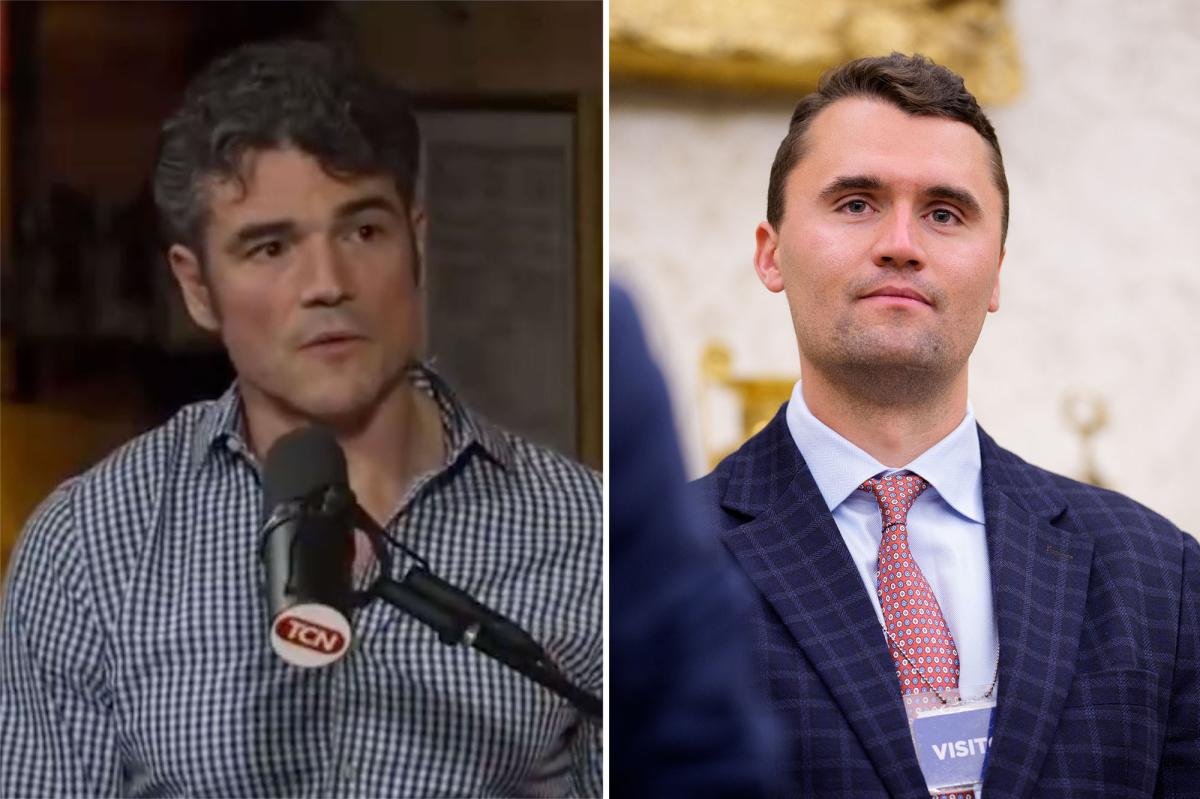
Ex-Trump counterterror honcho Joe Kent peddles bizarre conspiracy theory that Israel had a hand in Charlie Kirk's murder trib.al/53QUlmw
English