jj0

102 posts

jj0

jj0

@jun0jang

개발자

เข้าร่วม Temmuz 2018
81 กำลังติดตาม43 ผู้ติดตาม
jj0 รีทวีตแล้ว
GeekNews
GeekNews@GeekNewsHada·
데이터만이 유일한 해자다 - AI 툴링으로 소프트웨어 개발 비용과 인력이 급감하면서, 소프트웨어 비즈니스의 진입장벽은 과연 무엇인가라는 질문이 핵심이 됨 - AI가 대부분의 변환 작업을 대체할 수 있는 지금, 인간이 생성한 실세계 데이터만이 에이전트 AI가 복제할… news.hada.io/topic?id=27800
한국어
2
40
93
38.3K
jj0 รีทวีตแล้ว
洪 民憙 (Hong Minhee; @hongminhee@hollo.social)
블로그에 새 글을 썼습니다: 〈왜 코딩을 사랑하는 사람들이 코딩에서 밀려나는가〉. LLM 코딩 어시스턴트가 드러낸 두 종류의 소프트웨어 엔지니어들과, 그들 중 노동 소외를 겪는 쪽의 원인에 대해 생각해 보았습니다. writings.hongminhee.org/2026/03/craft-…
한국어
2
164
297
28.5K
jj0 รีทวีตแล้ว
jj0 รีทวีตแล้ว
타수성가
타수성가@Galmeck2nya·
진짜 매우 감명받은 말 삶의 질적인 측면으러 볼 때, 비관론자로 살며 (비관적인 미래를) 맞히는 것보다는 차라리 낙관론자로 살며 틀리는 편이 낫다. 나 이형 너무 사랑해
타수성가 tweet media타수성가 tweet media
한국어
88
273
1.1K
54.6K
jj0 รีทวีตแล้ว
nico
nico@niconi_niconi·
내 시간이 비싸지게 느껴진다면 내가 커리어에 시간을 너무 쏟지 않나 되돌아보는 게 좋다. 사람에게 친절하게 대하는 게 내가 일하는 것보다 더 중요하다. 뇌는 자기 자신을 대하는 회로와 타인을 대하는 회로가 같다. 내 일 때문에 타인에게 친절할 수 없으면, 자기 자신에게도 친절해질 수 없다.
어엉부엉@d_ijk_stra

갈수록 내 시간이 비싸지니까 시간을 낭비에 점점 더 민감해지는데, 친절한 사람이 되고자 하는 내 목표와 양립하기가 어렵다.

한국어
1
468
720
106.5K
jj0 รีทวีตแล้ว
기계인간 John Grib
기계인간 John Grib@John_Grib·
@drypot 애노테이션 너무 싫은데 이상하게 좋아하는 사람들이 많은 거 같아요. 늘 나는 이래서 마이너구나 합니다.
한국어
1
3
13
990
jj0 รีทวีตแล้ว
프로그래밍좀비
프로그래밍좀비@gimhyeo02389130·
회사 다닐때 같이 일하기 힘들었던 개발자 - 박학다식한 지식과 이론 - 화려한 경력 - 고학력 출신 - 코딩을 할때 이론에만 집중 - 실질적인 개발은 진척이 느림 - 장애 발생하면 한발짝 물러서서 지켜 보는편 - 질문/면접에 대한 부분은 완벽 - 회사 비판 자주함 - 자기만의 주장이 매우 강하고 타협 어려움 - 자기만의 프레임워크를 만들어 놓음 - 새로운 기술에 많은 집착 - 일에 대한 거절 잘함 "이래서 안된다" "저래서 어렵다"는 말로 일을 잘 쳐내는 편 그럼 같이 일하기 좋았던 개발자는? (댓글에 이어서)
한국어
4
83
236
39.9K
jj0 รีทวีตแล้ว
claire vo 🖤
claire vo 🖤@clairevo·
An underrated tactic for moving faster is kicking people out of projects.
English
7
25
367
77.1K
jj0 รีทวีตแล้ว
Daniel Lee
Daniel Lee@dylayed·
"사공이 많으면 배가 산으로 간다" 신입 시절 자주 했던 실수다. 프로젝트 문서나 회의에 가능한 한 많은 동료를 초대했다. "다양한 의견을 듣고 싶다"는 명목이었지만, 사실 "내 프로젝트에 많은 사람이 관심을 갖는구나"라는 뿌듯함이 컸다. 하지만 프로젝트 진행에 실제로 도움이 되었는지는 의문이다. 오히려 그 "다양한" 의견들을 일일이 대응하고 조율하느라 시간은 배로 걸렸다. 물론 좋은 의견도 있었지만, 대부분은 중요하지 않은 잡담에 가까웠다.
한국어
0
26
85
12K
jj0 รีทวีตแล้ว
Dr Milan Milanović
Dr Milan Milanović@milan_milanovic·
𝗙𝗥𝗘𝗘 𝗘-𝗕𝗢𝗢𝗞 𝗢𝗡 𝗗𝗘𝗦𝗜𝗚𝗡 𝗣𝗔𝗧𝗧𝗘𝗥𝗡𝗦 Tomorrow is a new issue of my @TechWorldWMilan Newsletter This time, I prepared 𝘀𝗼𝗺𝗲𝘁𝗵𝗶𝗻𝗴 𝘀𝗽𝗲𝗰𝗶𝗮𝗹 𝗳𝗼𝗿 𝗺𝘆 𝗿𝗲𝗮𝗱𝗲𝗿𝘀 The topic is how to use 𝗗𝗲𝘀𝗶𝗴𝗻 𝗣𝗮𝘁𝘁𝗲𝗿𝗻𝘀 on more than 50 pages, with 𝗲𝘅𝗮𝗺𝗽𝗹𝗲𝘀 𝗶𝗻 𝗖#. Along with the presentation of each pattern, we will see 𝗵𝗼𝘄 𝗮𝗻𝗱 𝘄𝗵𝗲𝗻 𝘁𝗼 𝘂𝘀𝗲 𝗲𝗮𝗰𝗵 𝗼𝗻𝗲. Also, we will discuss different 𝗮𝗻𝘁𝗶𝗽𝗮𝘁𝘁𝗲𝗿𝗻𝘀 that should be obeyed and the 𝘃𝗮𝗹𝘂𝗮𝗯𝗹𝗲 𝗿𝗲𝘀𝗼𝘂𝗿𝗰𝗲𝘀 to learn further. A living GitHub repo will follow the book. I hope you will like it! Feel free to send me any feedback you have. 𝗕𝗲 𝘀𝘂𝗿𝗲 𝘆𝗼𝘂'𝗿𝗲 𝘀𝘂𝗯𝘀𝗰𝗿𝗶𝗯𝗲𝗱: newsletter.techworld-with-milan.com #technology #softwareengineering #softwaredesign #coding #programming
Dr Milan Milanović tweet media
English
1
19
116
9.4K
jj0 รีทวีตแล้ว
Ryan Peterman
Ryan Peterman@ryanlpeterman·
If you want to become a better software engineer, read these posts about open source from top companies (Meta, Uber, Stripe, Instagram, Netflix) I spent hours curating the best so you don't have to:
Ryan Peterman tweet media
English
5
107
584
87.2K
jj0 รีทวีตแล้ว
Joel 🇦🇺
Joel 🇦🇺@ptr_to_joel·
Monoliths are back in 2024
Joel 🇦🇺 tweet media
English
87
262
3.2K
272.3K
jj0 รีทวีตแล้ว
기계인간 John Grib
기계인간 John Grib@John_Grib·
“그래서 ‘울적해 지지 않음’ 이라는 말에는 최고의 프로그래머들은 순수하게 문제만을 바라보고 이를 해결할 진짜 솔루션을 갖고 막다른 골목이나 잘못된 출발 같은 것에도 ‘울적해’하지 않습니다. 누구나 어려움을 당하기 마련이지만 최고의 프로그래머들은 그런 것들도 정면 돌파합니다”
한국어
0
5
22
2.8K
jj0 รีทวีตแล้ว
Dr Milan Milanović
Dr Milan Milanović@milan_milanovic·
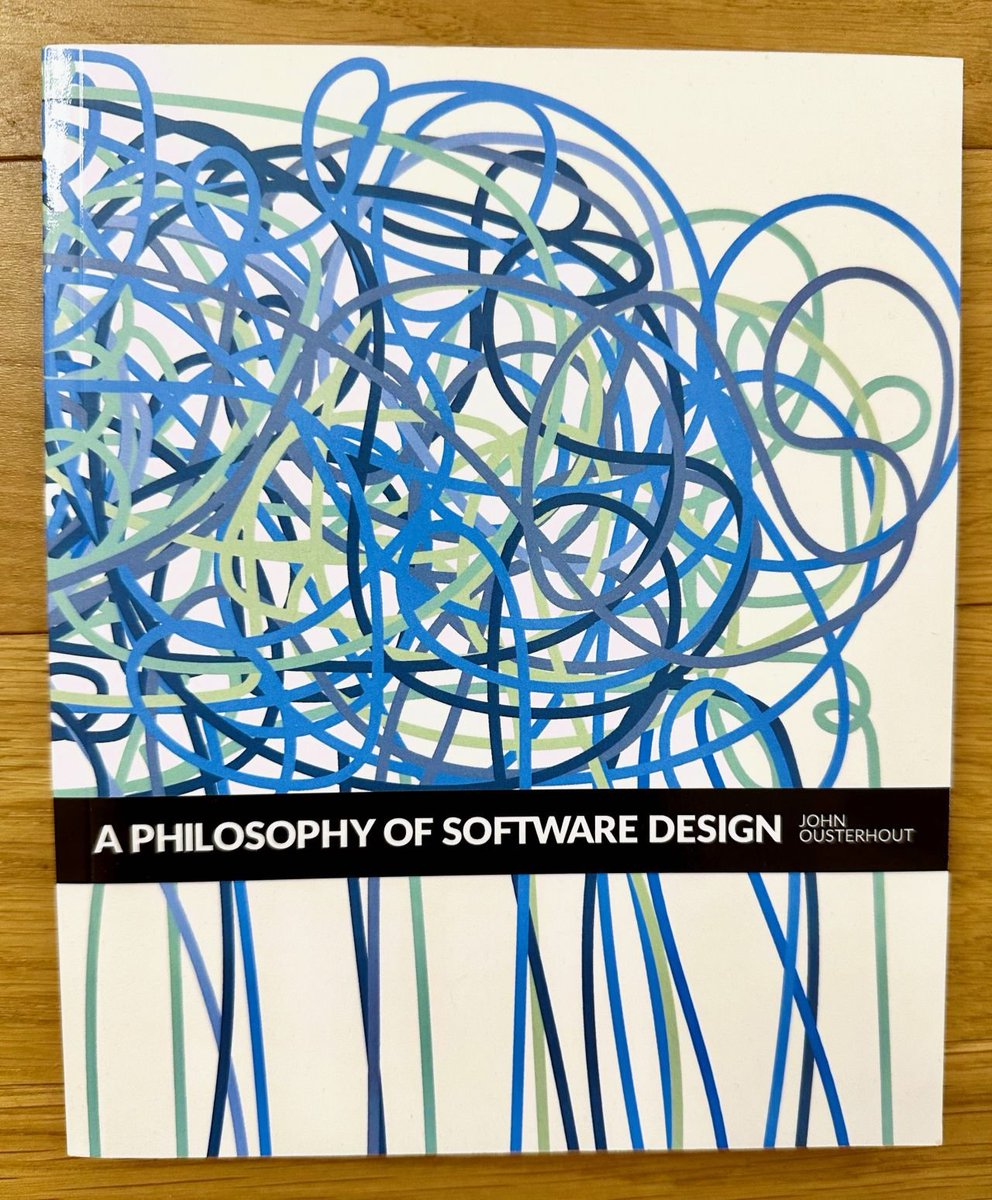
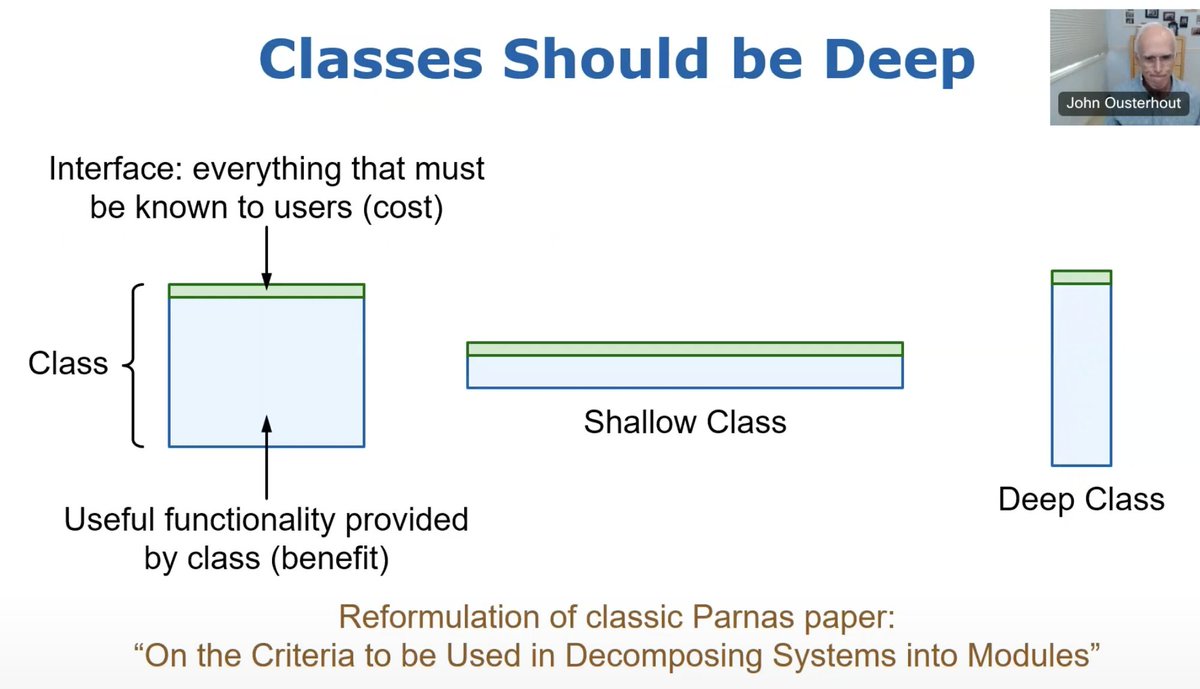
𝗪𝗵𝗮𝘁 𝗶𝘀 𝘁𝗵𝗲 𝗺𝗼𝘀𝘁 𝗶𝗺𝗽𝗼𝗿𝘁𝗮𝗻𝘁 𝘁𝗵𝗶𝗻𝗴 𝗶𝗻 𝗰𝗼𝗺𝗽𝘂𝘁𝗲𝗿 𝘀𝗰𝗶𝗲𝗻𝗰𝗲? According to Professor Of Computer Science John Ousterhout from Stanford University, it is a 𝗽𝗿𝗼𝗯𝗹𝗲𝗺 𝗱𝗲𝗰𝗼𝗺𝗽𝗼𝘀𝗶𝘁𝗶𝗼𝗻. In his book "𝗔 𝗣𝗵𝗶𝗹𝗼𝘀𝗼𝗽𝗵𝘆 𝗼𝗳 𝗦𝗼𝗳𝘁𝘄𝗮𝗿𝗲 𝗗𝗲𝘀𝗶𝗴𝗻" he advocates that good software design means fighting complexity and recommends different strategies. Here are some which I agree with: 𝟭. 𝗖𝗹𝗮𝘀𝘀𝗲𝘀 𝘀𝗵𝗼𝘂𝗹𝗱 𝗯𝗲 𝗱𝗲𝗲𝗽 𝗮𝗻𝗱 𝗶𝗻𝘁𝗲𝗿𝗳𝗮𝗰𝗲𝘀 𝘀𝗶𝗺𝗽𝗹𝗲 The famous David Parnas paper in 1970 ("On the Criteria To Be Used In Decomposing Systems into Modules") mentions that we need simple interfaces but much functionality inside a method or class. We typically have shallow methods with only one line of code inside. He considers the most significant mistake too small and too shallow of classes. For example, we can see (something he calls classisitis) that we need two to three classes in Java to read a simple file: 𝙵𝚒𝚕𝚎𝙸𝚗𝚙𝚞𝚝𝚂𝚝𝚛𝚎𝚊𝚖→𝙱𝚞𝚏𝚏𝚎𝚛𝚎𝚍𝙸𝚗𝚙𝚞𝚝𝚂𝚝𝚛𝚎𝚊𝚖. Bigger modules, generic interfaces, and classes encourage information hiding and reduce complexity. In addition, the author mentions a famous API design antipattern with overexposing internals, which adds to an architecture debt later on. 𝟮. 𝗠𝗶𝗻𝗱𝘀𝗲𝘁 (𝗦𝘁𝗿𝗮𝘁𝗲𝗴𝗶𝗰 𝘃𝘀 𝘁𝗮𝗰𝘁𝗶𝗰𝗮𝗹 𝗽𝗿𝗼𝗴𝗿𝗮𝗺𝗺𝗶𝗻𝗴) Most people use a tactical approach, where the goal is to make something work. However, the result is a bad design with a lot of tech complexity, which usually results in spaghetti code. Complexity is not a single line but many lines in a project, which we overlook as a whole. We sometimes also create a feature that we may need (YAGNI). His recommendation is to take a strategic approach where the working code is not the only goal, but the goal should be great design, which simplifies development and minimizes complexity. 𝟯. 𝗜𝗻𝘃𝗲𝘀𝘁 𝘆𝗼𝘂𝗿 𝘁𝗶𝗺𝗲 𝗶𝗻 𝗾𝘂𝗮𝗹𝗶𝘁𝘆 What we usually see with startups is pressure to build products quickly, which can result in a spaghetti code. But good code gives you more advantages. One of those is to hire great people who like to work with high-quality codebases. In addition, we need to make our development 10-20% slower, and you will get it all back in the future (this also reduces tech debt). Code and refactor in small steps. I can't entirely agree with the usage of 𝗰𝗼𝗱𝗲 𝗰𝗼𝗺𝗺𝗲𝗻𝘁𝘀, although the author mentions that we need to use them only for what is not apparent. He also disagrees with the 𝘂𝘀𝗮𝗴𝗲 𝗼𝗳 𝗲𝘅𝗰𝗲𝗽𝘁𝗶𝗼𝗻𝘀, where the point is that they are a massive source of complexity. Exceptions are usually reasonable, especially if they are appropriately monitored and logged. #softwaredesign #softwarearchitecture #programming #developers #techworldwithmilan
Dr Milan Milanović tweet media
English
13
141
642
75K
jj0 รีทวีตแล้ว
골빈해커
골빈해커@golbin·
대량의 트래픽을 예상하기 때문에 분산처리를 해야한다는 것, 특히 분산 처리를 위해 마이크로서비스니 무슨무슨 기법이니 도입해야한다는 것은 대부분의 경우 환상에 가깝다. 2000년대 이후로는, 경험상 하루 수억건씩 호출하는 API라도 대부분의 케이스에서 그냥 레디스 캐시랑 로드밸런스 하나 끼우면 끝이었음. 상황에 따라 다르겠지만, 분산처리보다는 장애 대응을 더 신경쓰는게 필요한데, 분산처리 기법들은 어설프게 도입하면 괜히 SPOF만 많아지고, 장애 대응을 매우 복잡하게만 만들 뿐이라 좋지 않다. 일반적인 경우에서 대량의 트래픽 처리를 위해 캐싱 외에 대해 고려해야 할 것이 하나 더 있다면, 예상된 처리 가능한 쓰기 트래픽 이상의 트래픽이 들어왔을 때 문제를 최소화하기 위한 큐 시스템 정도일 듯.
한국어
0
38
100
31K
jj0 รีทวีตแล้ว
antirez
antirez@antirez·
@GergelyOrosz 1. A Philosophy of Software Design 2. The Design of Design Not super fresh, but those are the most interesting reads on the subject I had in the latest years. Both books try to understand what are the fundamentals of the design process and the complexity dynamics.
English
5
4
69
10.5K
jj0 รีทวีตแล้ว
Steve Ruiz
Steve Ruiz@steveruizok·
oh we're doing this? we're doing this
English
195
754
9.2K
1.9M
jj0 รีทวีตแล้ว
lunamoth
lunamoth@lunamoth·
노트 작성 시스템 Note-writing systems bit.ly/3svymlD 이 분 블로그 멋지군요. 트리구조 목차, 아티클 컬럼 형태 확장 열기 지원. 소스 공개는 안한듯
한국어
1
7
62
6K
jj0
jj0@jun0jang·
최하위 객체의 요구사항 때문에, 상위 객체들의 인터페이스가 영향 받는 경우에도 스트레스가 많았다. 책 7.5장에서 그거에 대한 여러가지 솔루션을 설명하는데, 이분도 결국엔 깔끔딱한 방법을 찾지 못했다고 고백한다. 그 부분도 맘에 들었음. 스트레스 덜 받고 짜게 되었달까...
한국어
0
0
1
59
jj0
jj0@jun0jang·
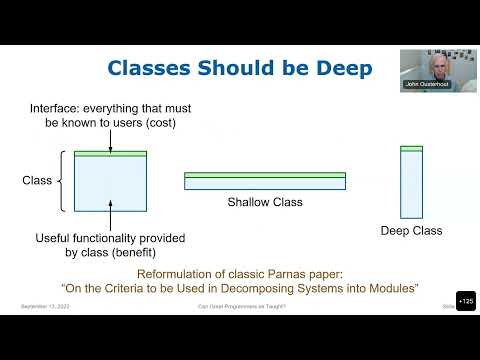
작은 객체, 5줄 메소드에 맞춰 만든 코드들이 나중엔 유지보수가 힘든 경험을 많이했다. 그래서 객체를 좀 더 general 하게 만들고 벌크업을 시켰다. 대세와 반대로 가는 것 같아 이게 맞나 긴가민가 했던 적이 많다. 이분 강의랑 책이 그동안 했던 고민들을 좀 씻겨줌. youtu.be/LtRWu9DErgU
YouTube video
YouTube
jj0 tweet media
한국어
1
0
3
188