Martin Taylor
837 posts

Martin Taylor
@mtaylor_lab
I am an evolutionary biologist / molecular ecologist focussing mainly on aquatic organisms.
เข้าร่วม Ocak 2013
163 กำลังติดตาม272 ผู้ติดตาม

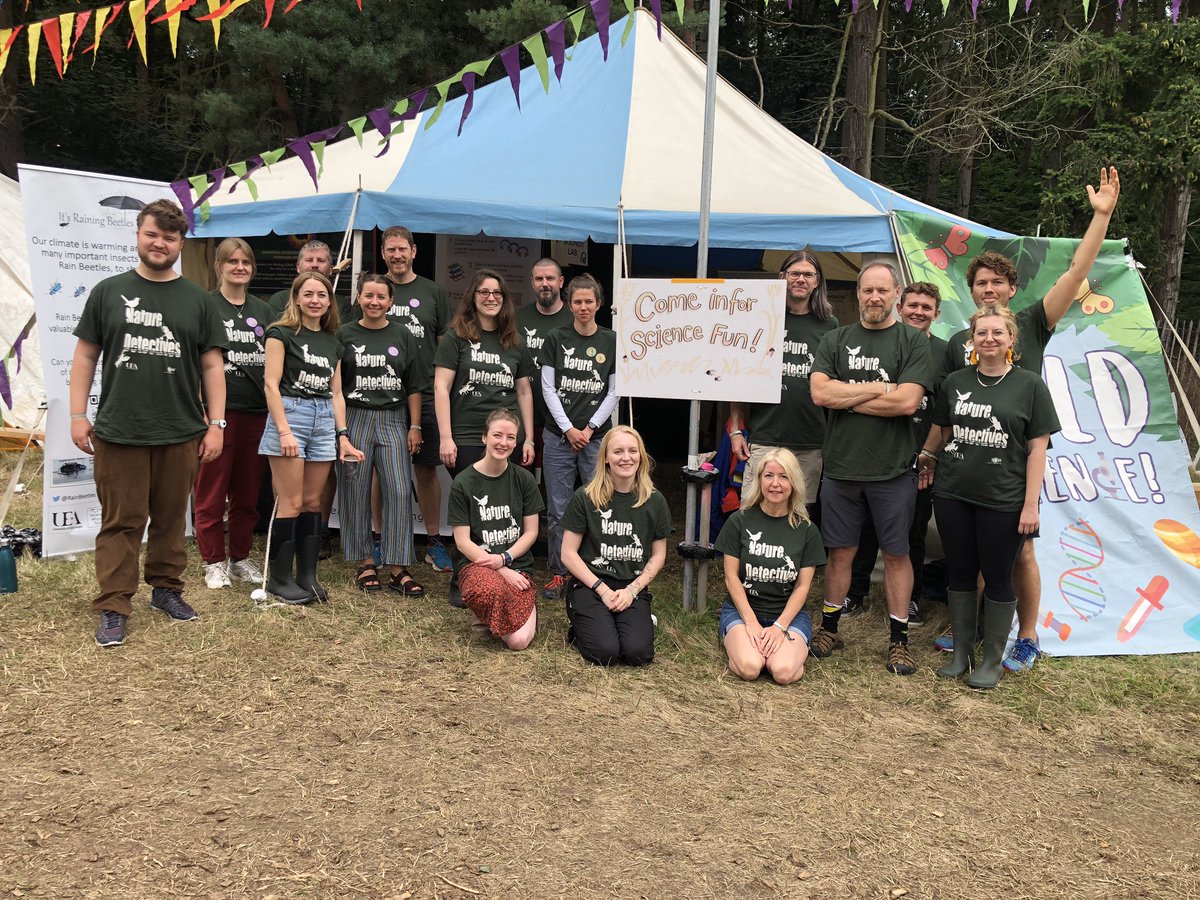
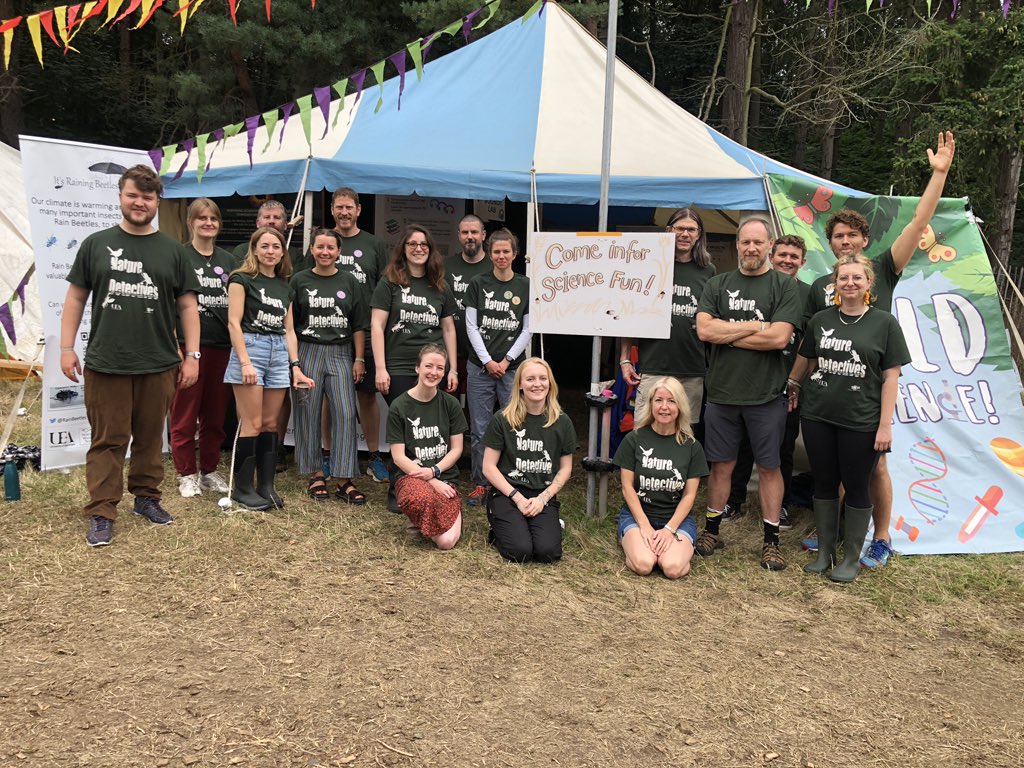
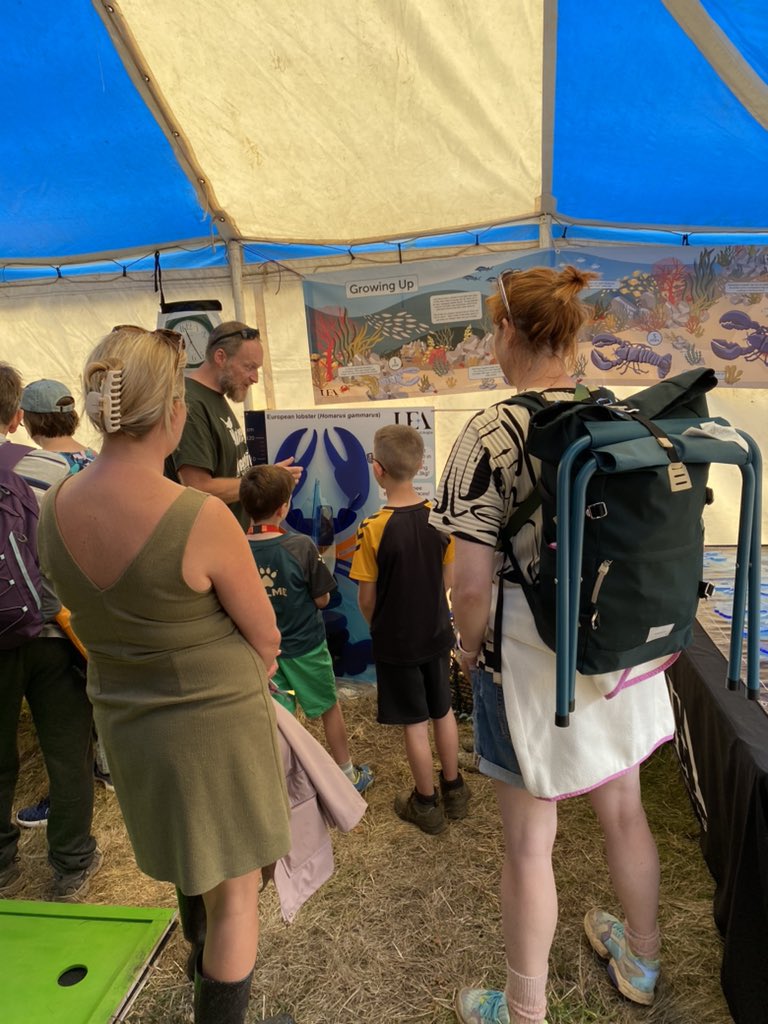
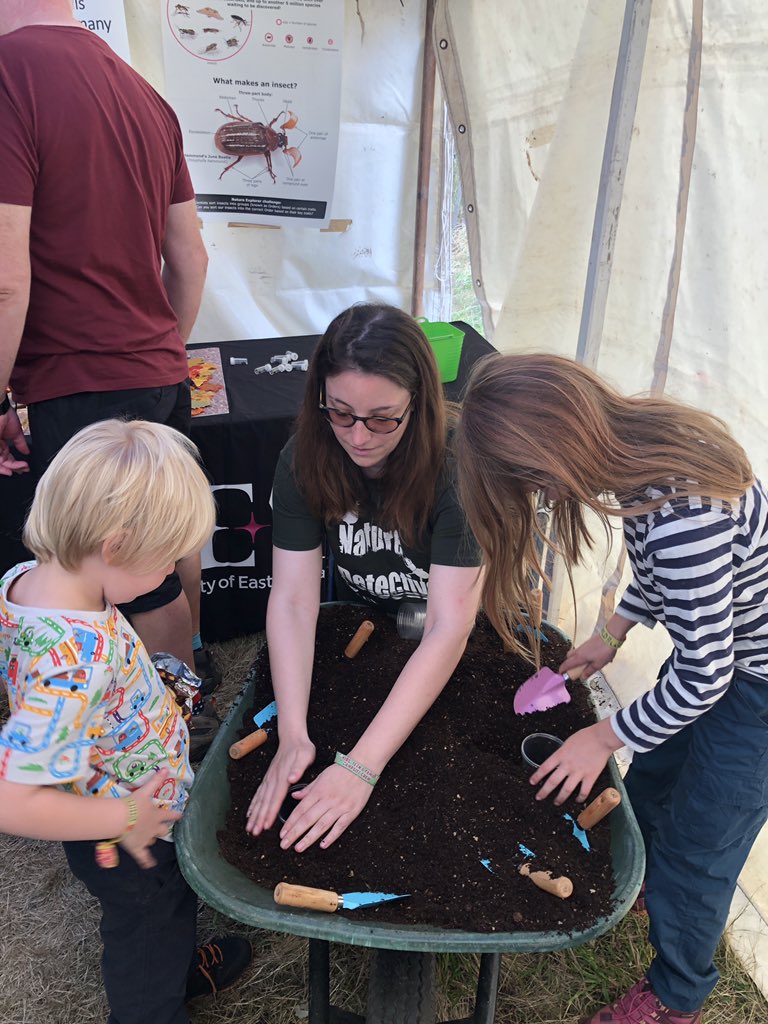
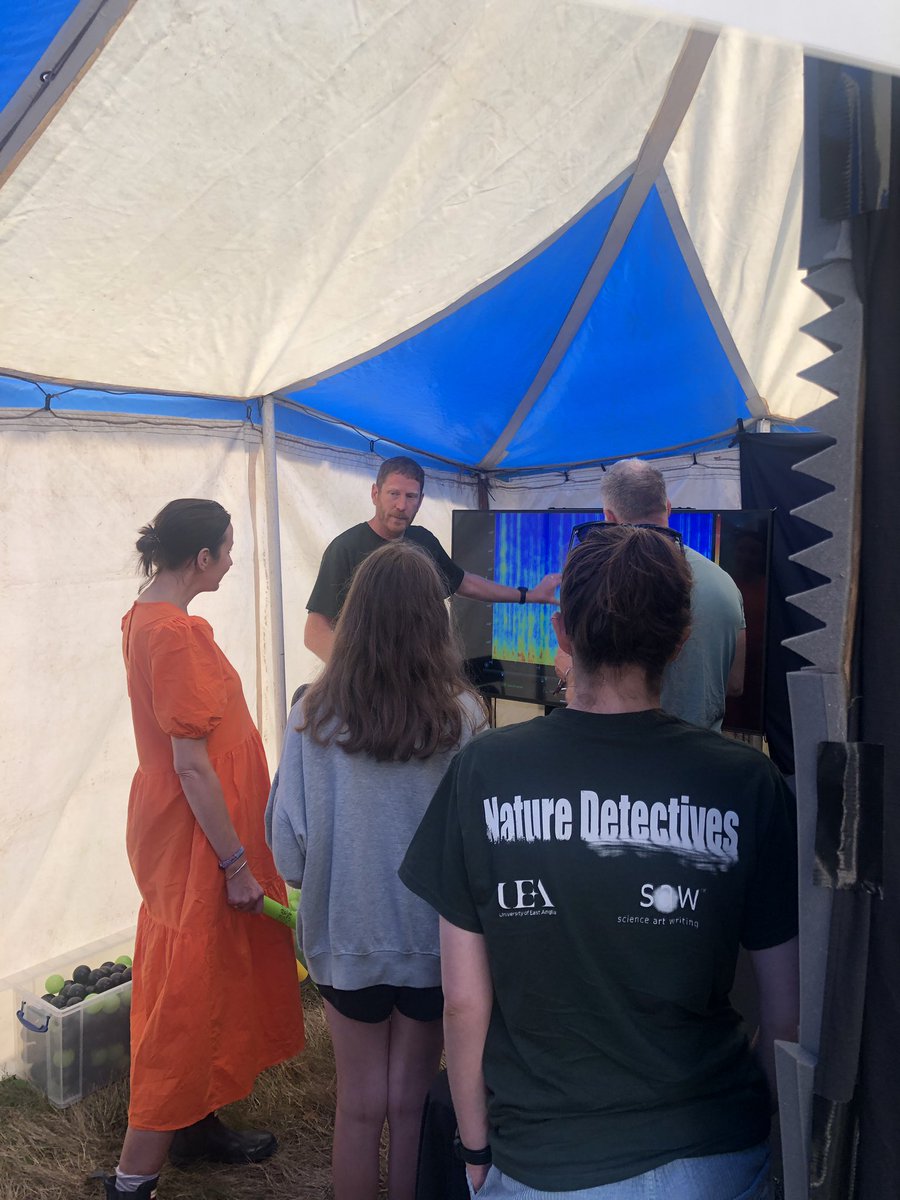
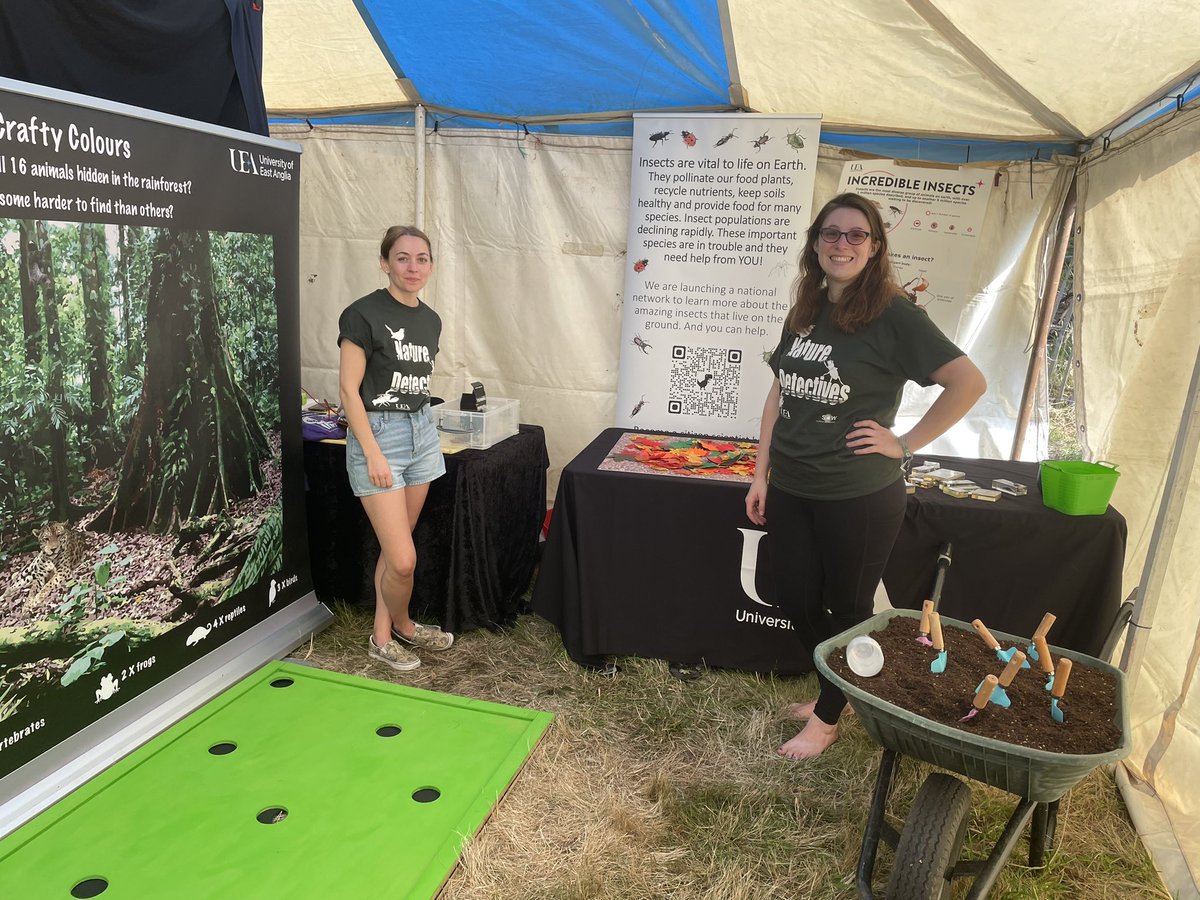
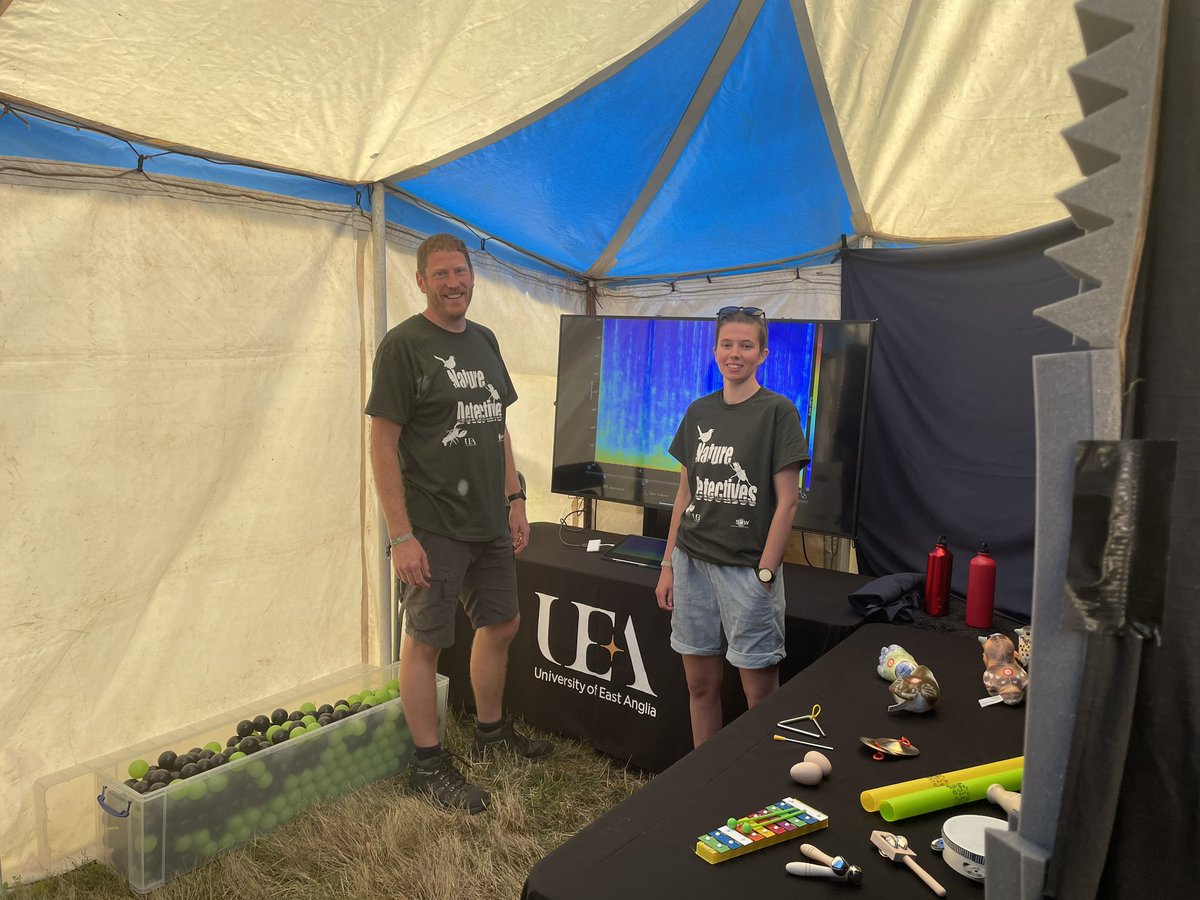
Science outreach at Latitude. 3 days of lobster fun, natural soundscapes and insect investigation. A great team + lots of science knowledge imparted!
@_SimonButler
@biouea
@Latitudefest
@SAWTrust
@RainBeetles
@mtaylor_lab
@buchanding
@Nat_B_Zielonka
@iainrbarrreco


English
Martin Taylor รีทวีตแล้ว

All set up and ready to roll in the kids area at @LatitudeFest fri-sun 10-5, come join our #NatureDetectives workshop with @biouea scientists! @_SimonButler @RainBeetles @mtaylor_lab


English
Martin Taylor รีทวีตแล้ว

We are going to #Latitude!
Come and find us in the kids area and become #NatureDetectives
Find out the interesting way we can tell a lobsters age, explore the different songs made by our feathery friends and what's happening to the beetles in the UK.
#biodiversity
English
Martin Taylor รีทวีตแล้ว

Getting our top secret #NatureDetective files ready for @LatitudeFest!
With our friends from @biouea, we'll be listening to #bird song in our sound lab, talking citizen science with #beetles, and looking at how to tell the age of a #lobster!
Come and find us in the kids area!
English
Martin Taylor รีทวีตแล้ว

#NatureDetectives @LatitudeFest Have you ever heard the call of the European green woodpecker?
Come and find us at Latitude this weekend to learn more about the unique calls birds make in our sound lab.
#educational #Latitude23
English
Martin Taylor รีทวีตแล้ว

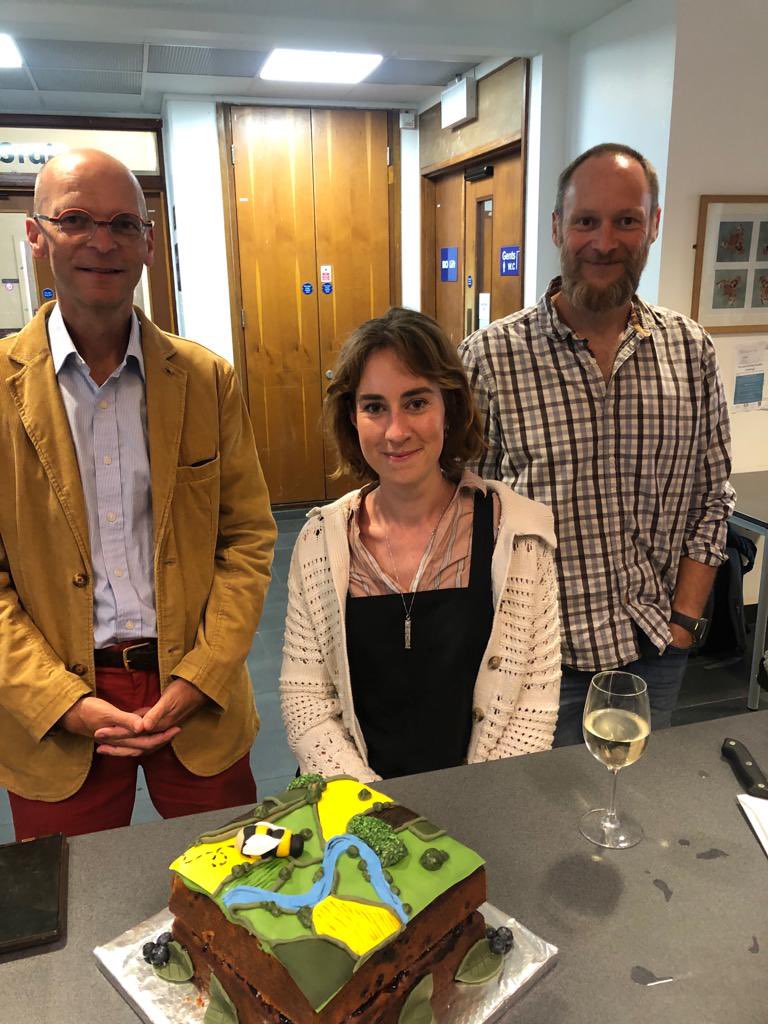
Huge congratulations to @ElieKent for passing her @uniofeastanglia @EarlhamInst @ueaceec @BBSRC #pollinators #biodiversity #DNA #PhD viva yesterday! Big thanks to @mtaylor_lab for hosting and @LynnDicks for the invite! Good luck in @DefraGovUK!


English

A visually stunning talk by @pansdamen at the #icc10 meeting on jellyfish associated amphipods. Yes, amphipods live inside many spp. of jellyfish! Could this help explain why so many fishes consume jellyfish? (dx.doi.org/10.1098/rsos.1…)
#ParaZoo @lamb_ecology

English

@Brent_C_Emerson I’m in Wellington this week and can confirm the situation on the ground. There are no sheep here.
English

The New Zealand I knew is no more. What happened? Where are the sheep now? I can only weep fond tears for my youth, where there were 22 sheep for every person . . . stuff.co.nz/business/farmi…
English

@PhilipLeftwich I’m sure it’s absolutely fine. They’ve only stolen names, dobs, NI numbers and pension member numbers. What could a malevolent person possibly do with that lot?
English

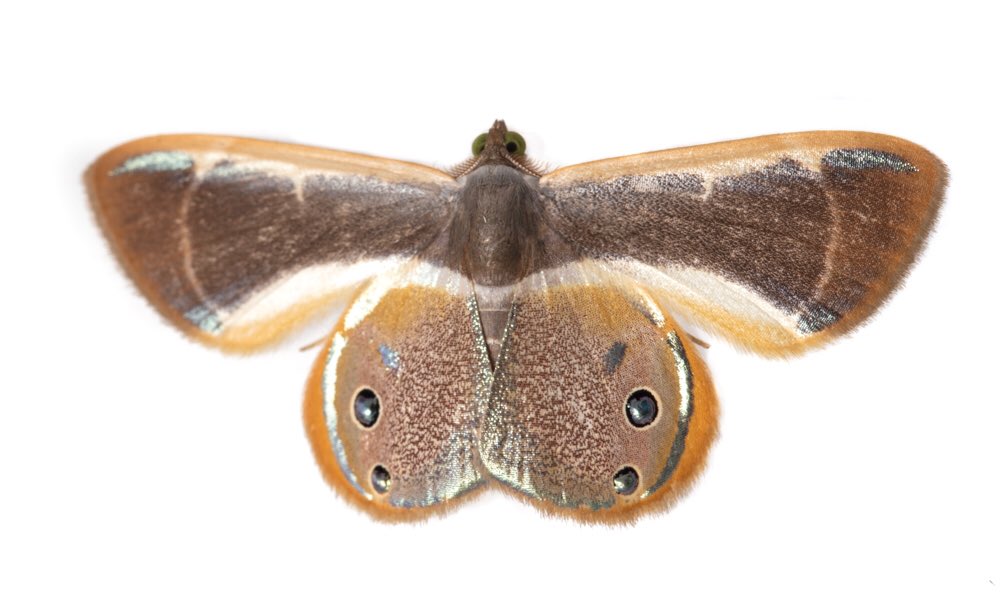
Eye spots are common in Lepidoptera and may startle predators or deflect attacks away from the head. This Peruvian moth has raised metallic eye spots that look very similar to spider eyes. Another example of predator mimicry? @buchanding @j_gilroy1 @coleopteriste


English

The jumping spider mimicking moth study can be here: doi.org/10.1371%2Fjour…
English

Here is sp of plume moth (Pterophoridae) from Peru that may be a mimicking a mantid nymph. Possibly a rare case of predator mimicry where prey mimics a predator to avoid attack. This also occurs in Brenthia moths that mimic jumping spiders. @buchanding @j_gilroy1 @coleopteriste

English