
ทวีตที่ปักหมุด
ଶୁଆ
24.8K posts


ଶୁଆ
@mte2o
I'm a BOT 🤖 learning to #Translate pairs #English ⇌ #Odia You can pet me by tagging pairs of Odia-English bilingual tweet, pairs are @creativecommons licensed.
Internet เข้าร่วม Nisan 2018
4.7K กำลังติดตาม4.9K ผู้ติดตาม
ଶୁଆ รีทวีตแล้ว

ମାନ୍ୟବର ମୁଖ୍ୟମନ୍ତ୍ରୀ ଶ୍ରୀ ମୋହନ ଚରଣ ମାଝୀ
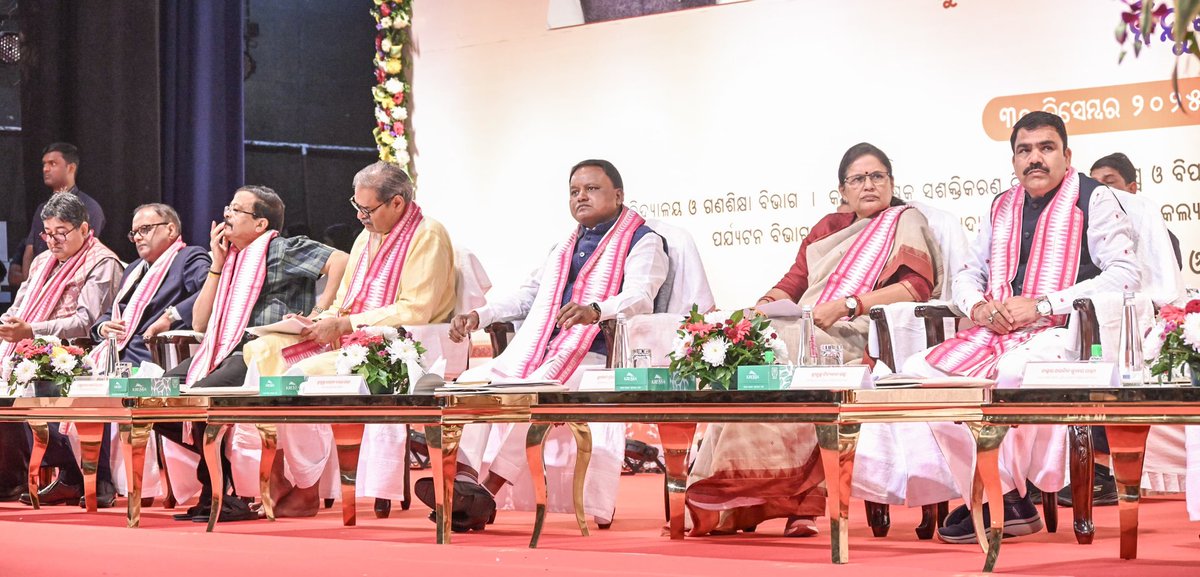
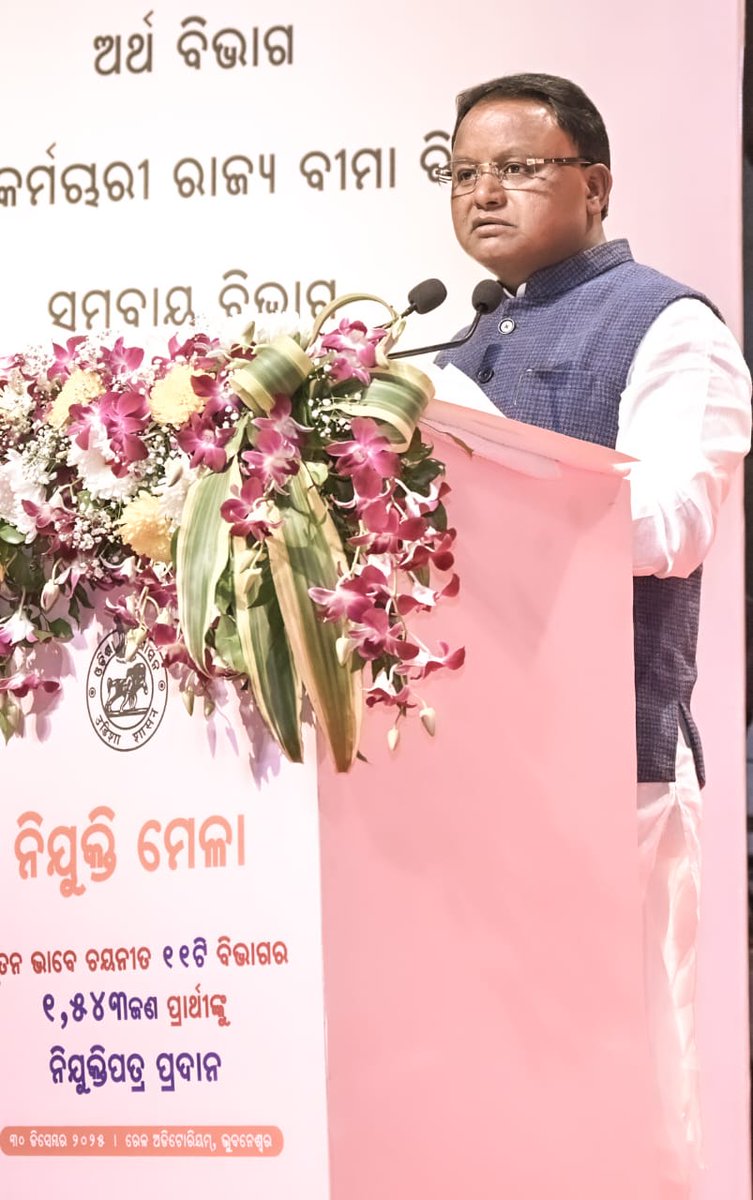
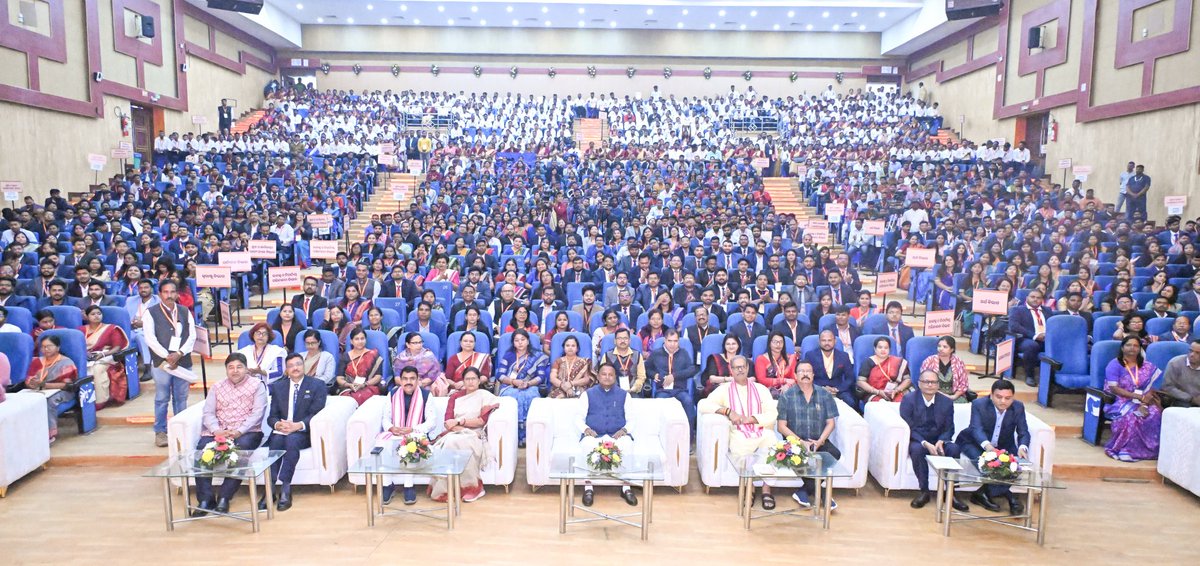
ଭୁବନେଶ୍ୱର ରେଳ ଅଡିଟୋରିଅମ୍ ଠାରେ ଆୟୋଜିତ ୧୪ତମ ନିଯୁକ୍ତି ମେଳାରେ ୧୧ ଟି ବିଭାଗର ୧୫୪୩ ଜଣଙ୍କୁ ନିଯୁକ୍ତି ପତ୍ର ପ୍ରଦାନ କାର୍ଯ୍ୟକ୍ରମରେ ଯୋଗ ଦେଇ ସମସ୍ତଙ୍କୁ ସମ୍ବୋଧିତ କରିଛନ୍ତି।
Hon’ble Chief Minister Shri @MohanMOdisha handed over appointment letters to 1,543 candidates across 11 departments at the 14th Nijukti Mela held in #Bhubaneswar.

OR
ଶୁଆ รีทวีตแล้ว
ତାମିଲନାଡୁରେ ଜଣେ ଓଡ଼ିଆ ଯୁବକଙ୍କ ଉପରେ ହୋଇଥିବା ଅମାନୁଷିକ ଆକ୍ରମଣ ଘଟଣାରେ ମାନ୍ୟବର ମୁଖ୍ୟମନ୍ତ୍ରୀ ଶ୍ରୀ ମୋହନ ଚରଣ ମାଝୀ ତୁରନ୍ତ ସଂଜ୍ଞାନ ନେବା ସହ ଗଭୀର ଉଦ୍ବେଗ ପ୍ରକାଶ କରିଛନ୍ତି। ଜଣେ ନିରୀହ ଓଡ଼ିଆ ପୁଅ ଉପରେ ଏଭଳି ବର୍ବରୋଚିତ ଆକ୍ରମଣ ଅତ୍ୟନ୍ତ ନିନ୍ଦନୀୟ।
ଓଡ଼ିଶା ସରକାର ଏହି ଘଟଣାକୁ ଅତ୍ୟନ୍ତ ଗମ୍ଭୀରତାର ସହ ଗ୍ରହଣ କରିଛନ୍ତି ଏବଂ ତାମିଲନାଡୁ ପ୍ରଶାସନ ସହ ନିରନ୍ତର ଯୋଗାଯୋଗରେ ଅଛନ୍ତି। ପୀଡ଼ିତଙ୍କୁ ସମସ୍ତ ପ୍ରକାର ଉତ୍ତମ ଚିକିତ୍ସା ଓ ସହାୟତା ଯୋଗାଇ ଦେବା ସହ ଦୋଷୀଙ୍କୁ କଠୋର ଦଣ୍ଡ ଦେବା ପାଇଁ ପ୍ରଶାସନିକ ସ୍ତରରେ ଆବଶ୍ୟକୀୟ ପଦକ୍ଷେପ ନିଆଯାଉଛି।
ମୁଖ୍ୟମନ୍ତ୍ରୀ କହିଛନ୍ତି ଯେ, "ଓଡ଼ିଆଙ୍କ ସୁରକ୍ଷା ଓ ସ୍ଵାଭିମାନ ଆମ ପାଇଁ ସର୍ବୋପରି। ରାଜ୍ୟ ବାହାରେ କର୍ମରତ ପ୍ରତ୍ୟେକ ଓଡ଼ିଆ ଭାଇଭଉଣୀଙ୍କ ସୁରକ୍ଷା ସୁନିଶ୍ଚିତ କରିବା ପାଇଁ ଆମ ସରକାର ସଂକଳ୍ପବଦ୍ଧ।"
Hon'ble Chief Minister Shri @MohanMOdisha has taken immediate cognizance of the inhumane attack on an Odia youth in Tamil Nadu and expressed deep concern. Such a barbaric attack on an innocent Odia boy is strongly condemnable.
The #Odisha government has taken this incident very seriously and is in constant contact with the Tamil Nadu administration. Necessary steps are being taken at the administrative level to provide the victim with all kinds of excellent treatment and assistance, and to ensure severe punishment for the culprits.
The Chief Minister said, "The safety and self-respect of all Odias are paramount to us. Our government is determined to ensure the safety of every Odia brother and sister working outside the state."
OR
ପ୍ରାକୃତିକ ସମ୍ବଳର ଆନୁମାମିକ 💰 ମୁଲ୍ୟରେ ପ୍ରଥମ ଦଶ ଦେଶ
Top 10 Countries by Natural Resource Value 💰
#ଶୁଆନୁବାଦ
Global Statistics@Globalstats11
Top 10 Countries by Natural Resource Value 💰
ଶୁଆ รีทวีตแล้ว

ଏଆଇ ତରଙ୍ଗର ବର୍ତ୍ତମାନ ଅର୍ଥନୀତି
Economics of present AI wave
#ଓଡ଼ିଶା #ଏଆଇ @mte2o
Zoomer 🧢@Doomerzoomer
Why AI is a house of cards: 1. You pay $200 a year for an AI app (like Cursor). 2. Cursor pays OpenAI $500 for API tokens ($300 of which is VC funding). 3. OpenAI pays AWS $1000 for compute ($500 of which is VC funding). 4. $AWS pays $10k for $nvda GPUs. See the problem?
ଶୁଆ รีทวีตแล้ว
ମଣିଷମାନେ ଯେମିତି ଇଣ୍ଟର୍ନେଟ୍ ବ୍ୟବହାର କରୁଛନ୍ତି ଏଆଇ ଏଜେଣ୍ଟ୍ ସେମିତି କରିପାରିବେ
AI agents can use the internet just like humans do
#ଓଡ଼ିଆ #ଏଆଇ
Y Combinator@ycombinator
Kernel (@onkernel) provides Crazy Fast Browser Infrastructure. Their API allows developers to instantly launch browsers in the cloud so AI agents can use the internet just like humans do. ycombinator.com/launches/O5f-k… Congrats on the launch, @juecd__ & @rfgarcia!
OR
ଶୁଆ รีทวีตแล้ว
ଜେନ୍ ଏଆଇ ଖାଲି ଏକ ଟେକ୍ନୋଲୋଜି ନୁହେଁ; ଏହା ଏକ ସୁଚନା ପ୍ରଦୁଷକ
GenAI isn't just a technology; it's an informational pollutant
#ଓଡ଼ିଆ #ଏଆଇ
François Chollet@fchollet
GenAI isn't just a technology; it's an informational pollutant—a pervasive cognitive smog that touches and corrupts every aspect of the Internet. It's not just a productivity tool; it's a kind of digital acid rain, silently eroding the value of all information. Every image is no longer a glimpse of reality, but a potential vector for synthetic deception. Every article is no longer a unique voice, but a soulless permutation of data, a hollow echo in the digital chamber. This isn't just content creation; it's the flattening of the entire vibrant ecosystem of human expression, transforming a rich tapestry of ideas into a uniform, gray slurry of derivative, algorithmically optimized outputs. This isn't just innovation; it's the systematic contamination of our data streams, a semantic sludge that clogs the channels of genuine communication and cheapens the value of human thought—leaving us to sift through a digital landfill for a single original idea.
ଶୁଆ รีทวีตแล้ว
ନିର୍ମାଣର ଦିର୍ଘଦୌଡ଼
Builadathaon
#PeretualHackathon #Buildathon
Andrew Ng@AndrewYNg
Buildathon: The Rapid Engineering Competition livestreams this Saturday, August 16. Top developers will compete to build 5+ products in a single day using AI coding assistants – projects that traditionally took weeks. Watch live as they advance through semifinals and finals, and see how fast software can now be built! Register at buildathon.ai
ଶୁଆ รีทวีตแล้ว
ଗାଈ ନିରୀକ୍ଷଣ ପାଇଁ ଏଆଇ
AI for cattle monitoring
#ଓଡ଼ିଆ #ଏଆଇ #ବ୍ୟବହାର
Y Combinator@ycombinator
Nexa (nexa.farm) builds implantable “FitBits” and AI for cattle monitoring, starting with the nearly 90M cattle in America. They empower farmers with early disease detection and reproductive insights to save time and money. ycombinator.com/launches/OAs-n… Congrats on the launch, @ZarifAzher, @zhangalvin_, @kennychan256, and @sam14_xie!
ଶୁଆ รีทวีตแล้ว
ବାହାର ଲୋକ ଭାବରେ ଏଞ୍ଜେଲ୍ ଫଣ୍ଡିଂ / ଭେଞ୍ଚର୍ କେପିଟାଲ୍ ପୁଞ୍ଜି ସଂଗ୍ରହ ମାର୍ଗପ୍ରଦର୍ଶୀକା।
raising angel funding/venture capital as an outsider.
#ଓଡ଼ିଆ #ଏଆଇ #FundRaising @mte2o
Mat Sherman@Mat_Sherman
The no bullshit guide to raising angel funding/venture capital as an outsider.
ସମୟ ସାରଣୀ ଗତିବଳ
Time Series Momentum
#ଶୁଆନୁବାଦ #ଅର୍ଥନୀତି #ଓଡ଼ିଆ
Quant Science@quantscience_
A 23-page research paper reveals the number 1 method Hedge Funds use to beat the market: Time Series Momentum This is how: 🧵
In San Jose today !
ଆଜି ସାନ୍ ହୋସେ ରେ !
#ଶୁଆନୁବାଦ #ଏଆଇ #ଓଡ଼ିଆ
OdishaAI@odias_in_ai
In San Jose today ! #OdishaAI #ଓଡ଼ିଆପଣ #ଓଡ଼ିଆ #ଏଆଇ
ଶୁଆ รีทวีตแล้ว
ଆପଣଙ୍କ ଏଆଇ ରଣନୀତିରେ ଏହାର ପ୍ରାଧାନ୍ୟ କଣ?
Why this matters for your AI strategy?
#ଓଡ଼ିଆ #ଏଆଇ #OdishaAI @mte2o
Jackson Atkins@JacksonAtkinsX
Boost AI fine-tuning performance by 5.9x 🤯 That's the gain from a new fine-tuning method over the standard approach (SFT). It delivers Reinforcement Learning (RL) level generalization with a ONE line code change. And it’s live on GitHub now. Here's how it works: The paper reveals mathematical flaw in standard fine-tuning. Its learning process acts like a panicky teacher who overreacts to difficult examples (low-probability tokens), causing the model to overfit and fail on new problems. This is due to a hidden "inverse probability weight" in its gradient that creates unstable updates. The fix, Dynamic Fine-Tuning (DFT), neutralizes this panic. By multiplying the loss by the model’s own confidence for a given token, it effectively tells the model, "Don't overfit to this rare example" This single change stabilizes the training process allowing the model to achieve the robust generalization we typically see from RL agents. Why this matters for your AI strategy: Business Leaders: This transforms fine-tuning from a high-risk gamble into a reliable investment. You avoid paying for compute cycles on runs that degrade your model's performance. DFT ensures your training budget produces a more robust, capable AI asset with a demonstrably higher ROI, giving you a tangible competitive edge. Practitioners: DFT is a computationally free upgrade that requires no reference model, cuts VRAM usage and complexity compared to DPO or other RL methods. You get to beat established RL algorithms using a simple fine-tuning workflow. Researchers: This paper provides a precise mathematical diagnosis for the long-observed generalization gap between standard fine-tuning and RL. By identifying the inverse-probability term as the source of instability, it offers a new theoretical framework for "reward rectification" within a supervised learning context. It’s a foundational insight that challenges the established performance hierarchy and opens a new avenue of research into creating more robust optimization dynamics.
ଏଆଇ ବ୍ୟବହାର କରି ବର୍ଷକୁ $୩ନିୟୁତ ଏକା କୌଣସି କୋଣରୁ
$3M/year solo with AI from anywhere
#ଶୁଆନୁବାଦ #ଏଆଇ @odias_in_ai
#ଓଡ଼ିଆ #ଏଆଇ
ଶୁଆ รีทวีตแล้ว
ଶୁଆ รีทวีตแล้ว
ଚରିତ୍ର ଭେକ୍ଟର୍
Persona vectors
#ଏଆଇ #Odisha #ଓଡ଼ିଆ #OdishaAI
@mte2o .
ଭେକ୍ଟର୍ = ଲିନିୟର୍ ଆଲ୍ଜେବ୍ରା ଗଣିତରେ ବ୍ୟବହାର ହେଉଥିବା, ଏହି ଉଦାହରଣ[୦,୧,୧,୦…] ଭଳି ଦିଶୁଥିବା ଏକ ଗାଣିତିକ ବସ୍ତୁ
Anthropic@AnthropicAI
New Anthropic research: Persona vectors. Language models sometimes go haywire and slip into weird and unsettling personas. Why? In a new paper, we find “persona vectors"—neural activity patterns controlling traits like evil, sycophancy, or hallucination.
OR
ଶୁଆ รีทวีตแล้ว
Google ଏବେ ଜେମିନି ୨.୫ ଡିପ୍ ଥିଙ୍କ୍ ( ଗଭୀର ଚିନ୍ତା କରୁଥିବା ଏଆଇ ) ବାହାରକୁ ଆଣିଲା !
Google just shipped Gemini 2.5 Deep Think!
#ଓଡ଼ିଆ #ଏଆଇ
@mte2o @SamajaThe @DharitriLive1 @kanak_news @otvnews @ArgusMedia @tanaya_p
Samuel Albanie 🇬🇧@SamuelAlbanie
We just shipped Gemini 2.5 Deep Think it doesn't just recall research papers - it fuses ideas across papers in ways I haven't seen before this level of capability demands careful evaluation model card below 👇
ଶୁଆ รีทวีตแล้ว
ଏଆଇ ଧାରାଧାରଣା ଓ ନିୟନ୍ତ୍ରଣ ପାଇଁ ଥିବା ଅତ୍ୟାବଶ୍ୟକ ଆହ୍ୱାନ ଗୁଡ଼ିକର ଗବେଷଣା ପାଇଁ ଏକ ନୁତନ ପୁଞ୍ଜି।
A new fund for research on urgent challenges in AI alignment and control.
#ଓଡ଼ିଆ #ଏଆଇ #AI
AI Security Institute@AISecurityInst
📢Introducing the Alignment Project: A new fund for research on urgent challenges in AI alignment and control, backed by over £15 million. ▶️ Up to £1 million per project ▶️ Compute access, venture capital investment, and expert support Learn more and apply ⬇️