B Butera 💋

71.5K posts

B Butera 💋 banner
B Butera 💋

B Butera 💋

@omobolanle___

เข้าร่วม Ekim 2020
738 กำลังติดตาม873 ผู้ติดตาม
B Butera 💋 รีทวีตแล้ว
TheGrandeTop10 ꕤ
TheGrandeTop10 ꕤ@TheGrandeTop10·
🚨Ariana Grande’s ‘hate that i made you love me’ earned more first week sales than ‘yes, and?’
TheGrandeTop10 ꕤ tweet mediaTheGrandeTop10 ꕤ tweet media
English
19
166
2.7K
49.7K
B Butera 💋 รีทวีตแล้ว
The Presiding Bishop
The Presiding Bishop@Diokpa_Ifeanyi·
I don't understand this person. Did the government stop you from doing your marriage Nikkah or to divorce your wife? Why do you want it to be state backed?
𝑰𝒅𝒓𝒊𝒔 𝑨. 𝑶𝒏𝒊 PhD@IdrisAOni1

Putting the Question of Sharīʿah in Yorùbá Land in Proper Perspective Much of the controversy surrounding Sharīʿah in Yorùbá land is driven more by fear, misinformation and politics than by a proper understanding of what is actually being requested by Muslims. The first point that must be clearly stated is that a full-fledged Sharīʿah legal system, in the sense of a comprehensive state-wide Islamic legal order governing criminal, civil and public affairs, is neither practical nor presently attainable in the multicultural and multi-religious context of Yorùbá land. The demographic realities, constitutional framework and religious diversity of the Southwest make such a project unrealistic. Indeed, the overwhelming majority of Muslims advocating for Sharīʿah are not calling for the establishment of an Islamic state, nor are they demanding the replacement of existing constitutional structures with a comprehensive Islamic legal system. What many Muslims have consistently requested is something far more limited, reasonable and constitutionally defensible: the opportunity to voluntarily access Islamic legal provisions in matters that directly concern their religious obligations and personal lives. These include areas such as: - Marriage and divorce. - Inheritance and estate administration. - Family disputes. - Endowments (waqf). - Contracts and certain aspects of personal transactions. - Religious mediation and arbitration. These are matters in which Muslims already believe they are religiously bound by Islamic teachings. The demand is therefore not for the imposition of Sharīʿah upon non-Muslims but for the accommodation of Muslims who voluntarily wish to regulate aspects of their personal affairs according to their faith. This is neither unusual nor unprecedented. Across the world, plural societies provide mechanisms through which religious communities can resolve personal and family matters according to their traditions, provided such arrangements operate within the framework of the law and with the consent of the parties involved. Viewed from this perspective, Sharīʿah Panels are not instruments of domination but mechanisms of religious accommodation. They are comparable to mediation and arbitration systems through which citizens voluntarily seek guidance and dispute resolution based on shared values and beliefs. The intense opposition to even these limited arrangements raises important questions. If Christians may organise their affairs according to Christian principles, and if practitioners of traditional religion may organise aspects of their communal and religious lives according to their convictions, on what basis should Muslims be denied the opportunity to seek guidance on inheritance, marriage, divorce and related matters from institutions grounded in Islamic law? To oppose a full Islamic legal state is one thing. To oppose Muslims having access to voluntary Sharīʿah-based mediation and personal law mechanisms is something entirely different. The latter begins to resemble a systematic denial of the legitimate religious rights of Muslims. Equally troubling is the recurring attempt to portray every discussion about Sharīʿah as a "Fulani agenda" or an externally inspired project. Such claims are historically inaccurate, intellectually weak and socially divisive. Islam did not arrive in Yorùbá land through Fulani people. Yorùbá Muslims are not recent converts. They are indigenous sons and daughters of the soil whose ancestors have practised Islam for centuries. The desire of a Yorùbá Muslim to distribute his estate according to Islamic inheritance law, contract his marriage according to Islamic principles or resolve family disputes according to Islamic teachings has nothing to do with Fulani nationalism, Fulani expansionism or any external ethnic agenda. It is simply the desire of a believer to practise his religion. 1/2

English
14
179
511
20K
B Butera 💋 รีทวีตแล้ว
Pop Base
Pop Base@PopBase·
Ariana Grande will return to touring tonight for the first time since 2019.
Pop Base tweet mediaPop Base tweet mediaPop Base tweet mediaPop Base tweet media
English
384
8.5K
68.2K
768.2K
B Butera 💋 รีทวีตแล้ว
Blessing Uzzi
Blessing Uzzi@blessinguzzi·
Call Of My Life is now one of the Top 10 highest-grossing Nigerian films of all time. This one is special. A small film made with so much love, faith, and the belief that audiences would show up for a simple, beautiful love story. Thank you to everyone who bought a ticket, told a friend, dragged a friend, laughed, cried, posted, reviewed, and supported Call Of My Life. We made history together. #COML
Blessing Uzzi tweet media
English
27
325
1.7K
62.4K
B Butera 💋 รีทวีตแล้ว
Inioluwa (Carla Jung)
Inioluwa (Carla Jung)@_marvie___·
No one cares about all that, religious laws have no place in secular states.
𝑰𝒅𝒓𝒊𝒔 𝑨. 𝑶𝒏𝒊 PhD@IdrisAOni1

Putting the Question of Sharīʿah in Yorùbá Land in Proper Perspective Much of the controversy surrounding Sharīʿah in Yorùbá land is driven more by fear, misinformation and politics than by a proper understanding of what is actually being requested by Muslims. The first point that must be clearly stated is that a full-fledged Sharīʿah legal system, in the sense of a comprehensive state-wide Islamic legal order governing criminal, civil and public affairs, is neither practical nor presently attainable in the multicultural and multi-religious context of Yorùbá land. The demographic realities, constitutional framework and religious diversity of the Southwest make such a project unrealistic. Indeed, the overwhelming majority of Muslims advocating for Sharīʿah are not calling for the establishment of an Islamic state, nor are they demanding the replacement of existing constitutional structures with a comprehensive Islamic legal system. What many Muslims have consistently requested is something far more limited, reasonable and constitutionally defensible: the opportunity to voluntarily access Islamic legal provisions in matters that directly concern their religious obligations and personal lives. These include areas such as: - Marriage and divorce. - Inheritance and estate administration. - Family disputes. - Endowments (waqf). - Contracts and certain aspects of personal transactions. - Religious mediation and arbitration. These are matters in which Muslims already believe they are religiously bound by Islamic teachings. The demand is therefore not for the imposition of Sharīʿah upon non-Muslims but for the accommodation of Muslims who voluntarily wish to regulate aspects of their personal affairs according to their faith. This is neither unusual nor unprecedented. Across the world, plural societies provide mechanisms through which religious communities can resolve personal and family matters according to their traditions, provided such arrangements operate within the framework of the law and with the consent of the parties involved. Viewed from this perspective, Sharīʿah Panels are not instruments of domination but mechanisms of religious accommodation. They are comparable to mediation and arbitration systems through which citizens voluntarily seek guidance and dispute resolution based on shared values and beliefs. The intense opposition to even these limited arrangements raises important questions. If Christians may organise their affairs according to Christian principles, and if practitioners of traditional religion may organise aspects of their communal and religious lives according to their convictions, on what basis should Muslims be denied the opportunity to seek guidance on inheritance, marriage, divorce and related matters from institutions grounded in Islamic law? To oppose a full Islamic legal state is one thing. To oppose Muslims having access to voluntary Sharīʿah-based mediation and personal law mechanisms is something entirely different. The latter begins to resemble a systematic denial of the legitimate religious rights of Muslims. Equally troubling is the recurring attempt to portray every discussion about Sharīʿah as a "Fulani agenda" or an externally inspired project. Such claims are historically inaccurate, intellectually weak and socially divisive. Islam did not arrive in Yorùbá land through Fulani people. Yorùbá Muslims are not recent converts. They are indigenous sons and daughters of the soil whose ancestors have practised Islam for centuries. The desire of a Yorùbá Muslim to distribute his estate according to Islamic inheritance law, contract his marriage according to Islamic principles or resolve family disputes according to Islamic teachings has nothing to do with Fulani nationalism, Fulani expansionism or any external ethnic agenda. It is simply the desire of a believer to practise his religion. 1/2

English
13
852
2.1K
56.5K
B Butera 💋 รีทวีตแล้ว
lizz
lizz@Spxxxya·
every week yall pick women apart for their flaws/ their complicity in perpetuating a system that harms them but have u stopped to realise how productive it’d be for the same women if this energy went into dismantling the systemic inequality that breeds this unequal power dynamic?
English
1
16
84
1.5K
B Butera 💋 รีทวีตแล้ว
femiiiiii.
femiiiiii.@femiiiszn·
i hope the next global trend will be empathy and critical thinking.
English
932
92.4K
383.1K
5.9M
B Butera 💋 รีทวีตแล้ว
Pop Crave
Pop Crave@PopCrave·
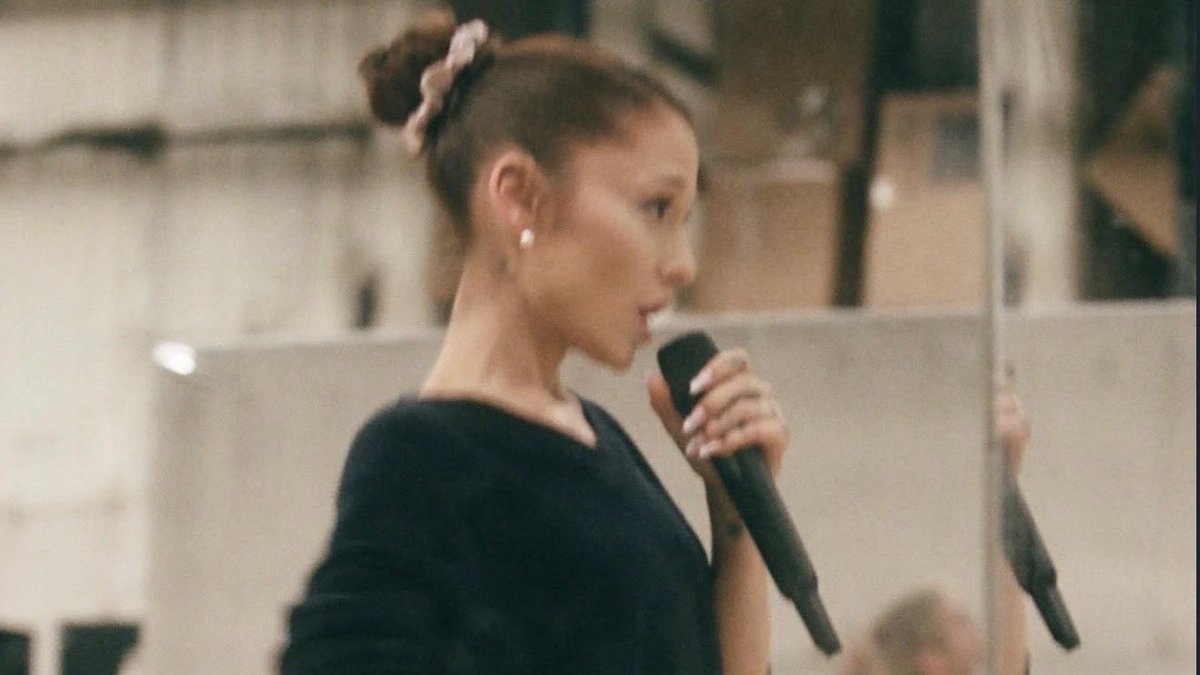
Ariana Grande creating the melody for her latest single, “hate that i made you love me.”
English
106
927
9.7K
314.8K
B Butera 💋
B Butera 💋@omobolanle___·
I wonder if this show had shippers while it was airing because what ship wreck can anyone even work with here lmfaooo
English
1
0
0
31
B Butera 💋
B Butera 💋@omobolanle___·
Just sitting here cackling about whichever person is experiencing misfortune at the time because there is no other way to enjoy a series this chaotic
GIF
English
1
0
0
59
B Butera 💋
B Butera 💋@omobolanle___·
I started watching this and the rollercoaster of madness is crazy, not a single character is worth rooting for 🤣 Whole house just mad as hell 😭 even Anna Todd didn’t write characters this insane.
ABUJA PERFUME PLUG🧚‍♂️🎀@_iffey_xo

You felt off campus was too sweet and you want a little bit of send me to the psychiatric ward toxicity?? Watch TELL ME LIES 😂😭😭 Don’t blame me if you actually end up in a psych ward 😭😭😭

English
2
0
1
593