Mark Dawson

43.4K posts

Mark Dawson banner
Mark Dawson

Mark Dawson

@pbackwriter

Writer: John Milton, Beatrix Rose, Isabella Rose, Atticus Priest and others. More than 6m copies sold worldwide.

United Kingdom เข้าร่วม Ekim 2010
205 กำลังติดตาม23K ผู้ติดตาม
Mark Dawson
Mark Dawson@pbackwriter·
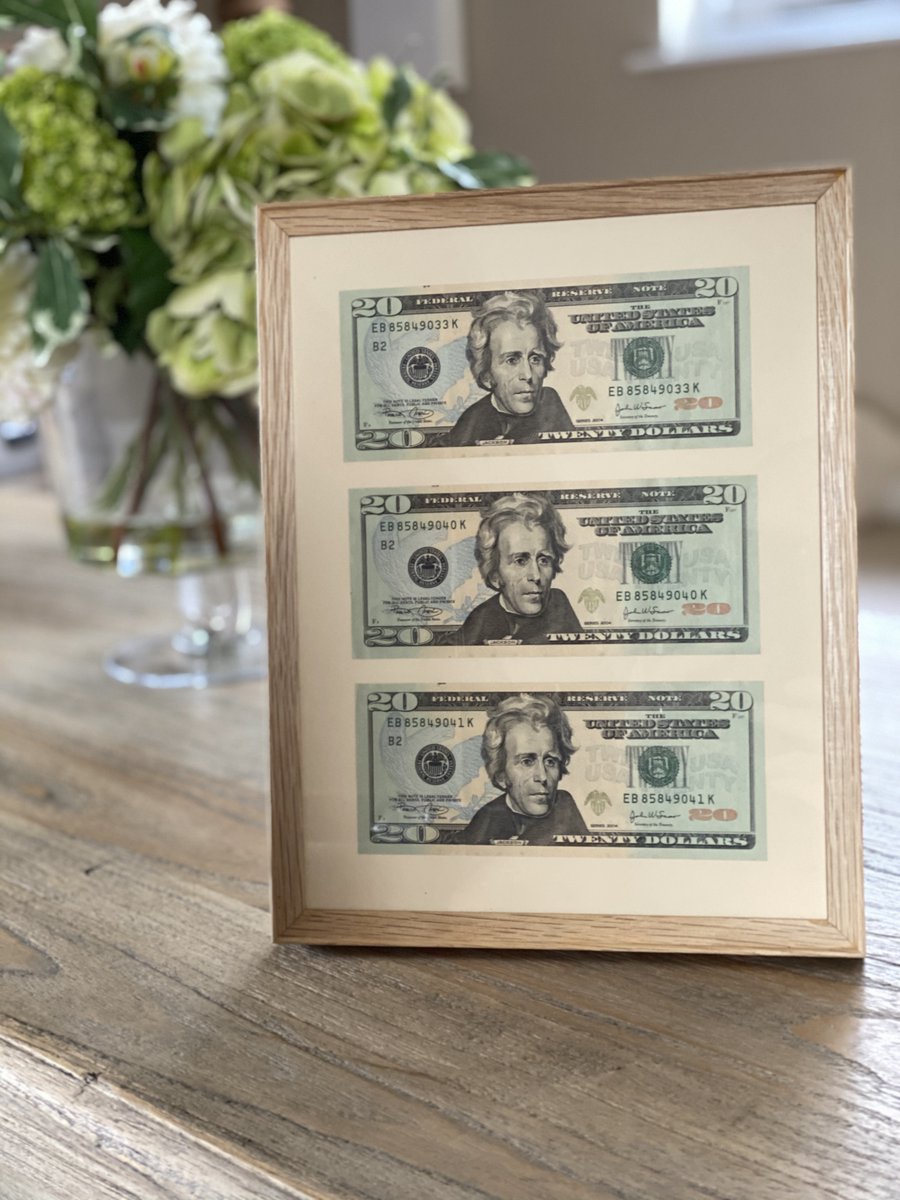
When I first started writing, a very kind American reader used to send me twenty dollars every Christmas with a note telling me to buy myself a drink. It was such a small thing, but it meant an enormous amount. Not because of the money, but because of what it represented. Someone, thousands of miles away, had read something I’d written and decided it was worth taking the time to write a note, put it in an envelope, and send it across the world. I never spent those dollars. I couldn’t bring myself to do it. They felt less like money and more like a symbol — a reminder of the kind of connection books can create. So, I framed the notes and kept them, and I still have them now. Every so often I see them and I’m right back at the beginning again, when I was just trying to work out whether writing books might be a way to make a living. It’s easy to get caught up in the day-to-day side of the job — deadlines, edits, admin, all the rest of it — and forget that, at the heart of it, this is what it’s about. A story leaving my desk and landing in someone else’s life. A reader taking a moment to tell me it mattered. Those framed notes remind me how lucky I am to do this, and how grateful I am that anyone chooses to spend their time with my characters and my worlds. It’s a small gesture, but it’s stayed with me for years — it probably always will.
Mark Dawson tweet media
English
3
1
31
617
Mark Dawson
Mark Dawson@pbackwriter·
Finishing a book rarely feels the way people imagine it does. I’ve done it a lot now and, in truth, it always feels a little different. (I just checked… the book before the last one I published was my two hundredth. That’s not two hundred novels; it includes translations into several languages. I think the actual number of books is somewhere between fifty and sixty… certainly quite a lot). There’s no surge of triumph when I finish. More often, there’s a quiet pause. A moment of satisfaction and then an emptiness where the work I’ve been carrying around for weeks used to sit. I’ll close the document, knowing I’ve done what I can. The rest is out of my hands. There’s relief in that, but also weirdness. The thing that occupied my thoughts for so long no longer needs me. It doesn’t last long. Something else always moves in eventually. Atticus will be finished in 5-6 weeks, and then I’ll move onto the book I’m thinking about now… Milton in Dope.
Mark Dawson tweet media
English
2
1
19
427
Mark Dawson
Mark Dawson@pbackwriter·
I still rely on a notebook more than I ever expected to. It’s not efficient. My handwriting is abysmal. Notes get very messy (because of said handwriting). Pages fill with things that never become anything else. But there’s something about writing by hand that slows thinking down just enough to make it useful. A notebook doesn’t demand structure. I can sketch an idea, abandon it, come back to it weeks later. Nothing disappears unless I choose to throw it away. The other day, I went into what used to be WHSmith in Salisbury and spent £30 on a brand-new notebook and some nice pens. I use it most days to record the results of some advertising experiments that I am doing with my new Shopify store. I’m still tracking everything with spreadsheets that have come to be reasonably complicated over the years, but there’s something to be said for sitting down and just writing out the conclusions that I have drawn before I test them with calculations. In a world of constantly updating files and disappearing drafts, there’s comfort in something physical. (My handwriting still sucks, though...)
Mark Dawson tweet media
English
2
0
10
317
Mark Dawson
Mark Dawson@pbackwriter·
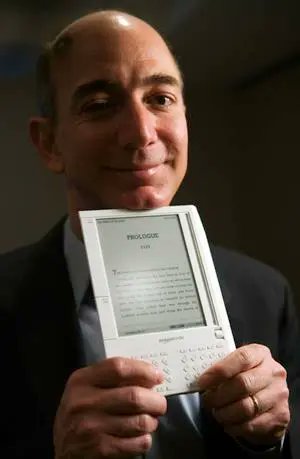
I can still remember the first cheque I received from Amazon for publishing my books. It was, I think, for $12. Not momentous. Looking back, though, it marked something important. Not because of the money, but because it was proof. Something I’d made on my own had found its way to readers. Proof that this wasn’t just theoretical anymore. I was working full-time in London then, commuting backwards and forwards between Waterloo and Salisbury every day. I would still have been a couple of years away from being able to find the confidence to make a permanent break, but this was a sign that it might be possible to do the thing I’d always wanted to do. I’ve been full-time since 2014 and, for all its faults, I wouldn’t have been able to do it without Amazon revolutionising how easy it could be for writers to connect directly with readers. I have some experience of traditional publishing, most of it – at least in retrospect – disheartening. Getting that check, and seeing the possibilities, made me realise that the days of gatekeepers and barriers between me and my audience were, if not over, soon to be. And now? They are all gone. I still pinch myself every day to think that it’s possible to make a living doing the thing I love.
Mark Dawson tweet media
English
7
4
37
1.7K
Mark Dawson
Mark Dawson@pbackwriter·
I’ve read American Psycho more than once, which is probably not something I’d have predicted when I first finished it because… well, it’s American Psycho and it is grim.\ (And also VERY funny). I think I was 17 or 18 when I read it for the first time. I knew it was controversial and I could see why – it seemed to be all about shock and discomfort. It’s an unsettling book, deliberately so, and that’s the part most people remember. But rereading it later, what stood out wasn’t the extremity — it was the control. The voice. The precision. The way the repetition and flatness are doing so much work beneath the surface. It is a remarkable satirical achievement. On a second or third reading, you’re less reactive and more attentive. You notice how carefully constructed it is. How disciplined the writing is. How much restraint is involved in telling the story the way it’s told. I think we go back to certain books not because they’re comfortable, but because they still have something to show us. They change as we change. What we take from them depends on who we are when we return. There’s comfort in that familiarity, even when the material itself is uncomfortable. It’s like revisiting a place you know well and noticing details you missed the first time around.
Mark Dawson tweet media
English
0
0
3
317
Mark Dawson
Mark Dawson@pbackwriter·
It’s five or six in the evening. When do I know to stop? Sometimes it’s the light changing. Sometimes it’s realising I’m rereading the same paragraph for the third time without taking anything in. Occasionally, it’ll be the quiet sense that whatever progress I was going to make today has already been made. Stopping doesn’t always feel neat. There’s usually a loose end. It might be a scene that is half-formed or a problem that hasn’t quite resolved itself. One of the best tips I was ever given was to leave a scene halfway through so it’s easy to get going in the morning. Today, for example, Atticus is halfway through a very exciting conversation with an inmate in Broadmoor hospital. I know I’ll be thinking about it tonight and I’ll probably have a couple of acerbic putdowns ready for him to deliver when I start again tomorrow. I want to get back to it, so starting again will be easy.
Mark Dawson tweet media
English
1
0
9
289
Mark Dawson
Mark Dawson@pbackwriter·
The first page I write each day is rarely the best one. That’s not a complaint — it’s actually a relief! There’s something oddly gentle about starting when expectations are low. Scout and Waffle are settling down after their walk, the screen is mostly empty, and the cursor is waiting for me to get going. Nothing has gone wrong yet. Nothing has gone right either. It’s just the beginning, and beginnings are forgiving places to be. The first page often doesn’t survive. It might get rewritten, cut down, or quietly deleted later. But it does its job. It gets me moving. It reminds me that writing isn’t about waiting for the right sentence to appear fully formed, it’s about applying backside to chair and fingers to keyboard and seeing where I end up. I’ve learned not to judge those early words too harshly. They’re warming up, just like I am. Once the page exists, the pressure eases a little. I’m no longer facing nothing. Some days, the best thing that first page does is prove that I’m off and running...
Mark Dawson tweet media
English
1
0
10
318
Mark Dawson
Mark Dawson@pbackwriter·
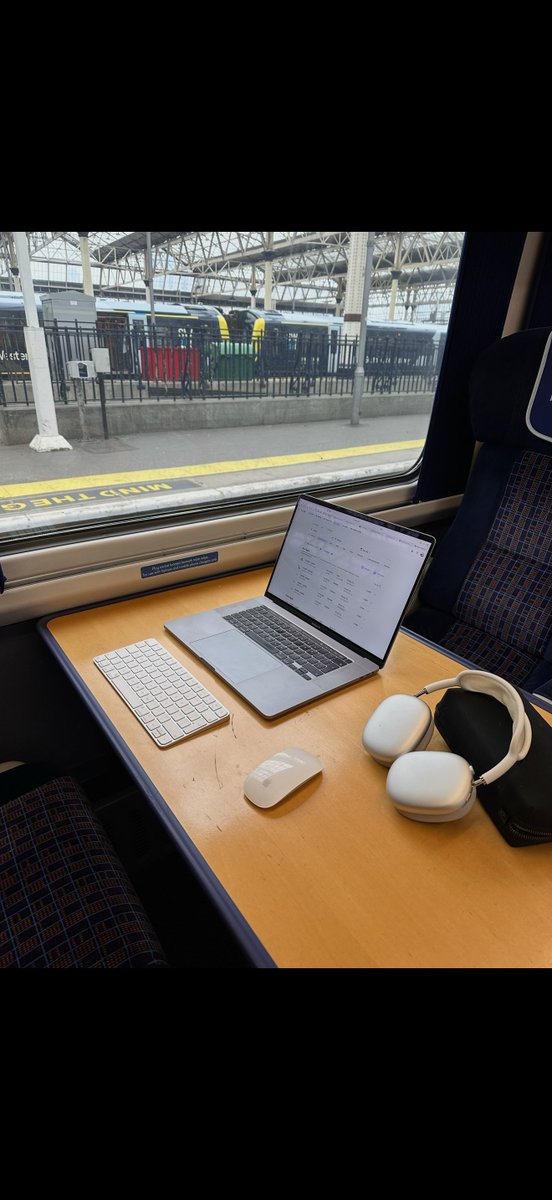
For a while, my favourite office wasn’t a room at all. It was a seat on the 08:20 train from Salisbury to London. Back in 2014, I wrote around a million words sitting in the same spot, morning after morning. Laptop open, headphones on, coffee wedged in what little space was left, with ninety minutes before arriving in London to sink properly into the work. It wasn’t glamorous, but it worked better than anything else I’ve ever tried. There was something about the rhythm of the train that made it easier to focus. No distractions, no emails, no temptation to get up and do something else. Once the doors closed, that was it — I had a fixed window of time and a clear job to do. I think the limitation was part of the magic. I wasn’t worrying about whether the writing was good or bad. I was just trying to get as much of it down as possible before we pulled into Waterloo. Editing could wait. The job was to move the story forward. I’m probably more productive now in a different way, but I don’t think I’ve ever matched that stretch for sheer output.
Mark Dawson tweet media
English
0
2
28
1.4K
Mark Dawson
Mark Dawson@pbackwriter·
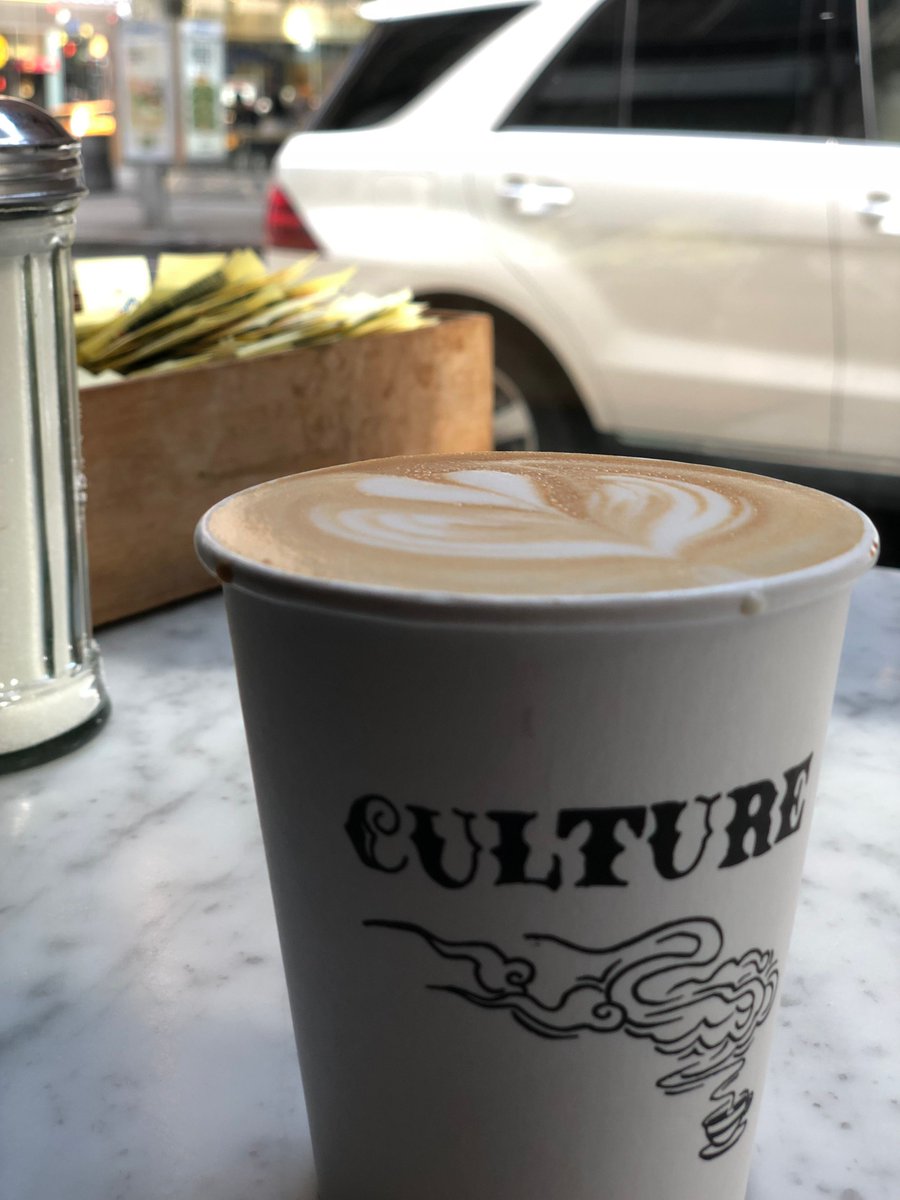
Here’s something I hear surprisingly often: my books are either too cheap or too expensive. Some readers tell me I should charge more. Others are convinced I should charge less. The truth is, pricing books is a balancing act, and it’s one of the least clear-cut decisions you make as a writer. For my novels, I usually land at 4.99 or 5.99. A Cooper novella sits at 3.99, and short fiction comes in lower than that. You can buy the new Reacher for 9.99. I’ve seen ebooks for 19.99 before. My numbers didn’t appear out of thin air. They’re a mix of research, experience, and trying to be fair — to readers and to the work itself. A novel represents months of thinking, drafting, rewriting, and problem-solving. A novella takes less time, but it’s still a complete story. Shorts are lighter, but they still need care. They all need editors, covers, formatting, advertising… the list goes on. Writing isn’t the same as making something physical, but there are still costs to bear. Here's a coffee I bought at a swanky New York coffee shop a couple of years ago. I paid five bucks without really thinking about it and it was gone in ten minutes. A book, by comparison, might last a few evenings, or longer if you’re reading slowly. That doesn’t mean books should be cheap — or expensive — just that value is a strange and subjective thing. In the end, I price my books at a level that feels accessible and sustainable. Some people will always disagree, and that’s fine. All I can do is make sure the work itself is something I’m proud to put out and charge what feels right to me. What do you think? How much is an ebook worth?
Mark Dawson tweet media
English
3
1
10
467
Mark Dawson
Mark Dawson@pbackwriter·
Some parts of being a writer are noisy: deadlines, launches, emails, promotions. (One of my favourite quotes is from Douglas Adams: “I love deadlines. I love the whooshing noise they make as they go by.”) This kind of event, for example - The London Book Fair - is challenging for introverted authors to navigate. Others bits are much quieter. Finishing a book and letting it sit for a moment before sending it off. Rereading something I wrote years ago and realising—sometimes uncomfortably—how much I’ve changed since then. Pausing mid-day and wondering whether the next idea will arrive on its own, or whether I’ll need to go looking for it, turning it over in my head while I take Scout for a walk. Those moments rarely make it into posts or newsletters. They don’t fit neatly into updates or announcements. But they’re just as much a part of the job as the hours spent actually writing. In many ways, they’re what make the work sustainable. They create space to breathe between projects. They remind me why I started doing this in the first place. And they allow the noise to fade just enough for the next story to find its way in.
Mark Dawson tweet media
English
0
1
9
904
Mark Dawson
Mark Dawson@pbackwriter·
There’s something special about holding a book (especially when they’re signed and dedicated). This bundle includes the first three John Milton novels, sent directly from me, with the option of a personal dedication. It’s ideal if: You’re new to Milton and want the best entry point... You’ve read them digitally and want signed paperbacks... You’re looking for a gift for a thriller reader... Or you simply want a collectible set from the beginning... If you’ve ever thought about picking up the early Milton books in paperback... now is the time! store.markjdawson.com/products/the-j…
Mark Dawson tweet media
English
1
0
3
297
Mark Dawson
Mark Dawson@pbackwriter·
For every page that makes it into a finished book, there’s a surprising amount of work that doesn’t. There are locations I’ve spent days researching that never appear on the page. Characters who lived in my head (and on the screen) for weeks before being quietly removed. Scenes that were written, rewritten, polished… and then cut because they slowed the story down or pulled focus from what really mattered. From the outside, that can look like wasted effort. It isn’t. All of that unseen work feeds into the final book. It sharpens my understanding of the world. It helps me know how a character would react under pressure, even if the scene where I learned that never survives the edit. It gives weight and confidence to the choices that do make it onto the page. By the time a reader meets the story, the scaffolding has been stripped away. What’s left should feel lean and inevitable, as if it could only ever have unfolded that way. But underneath, there’s a lot holding it up. That’s one of the quieter parts of writing I enjoy most. The magic is in the edit. The discipline of letting things go.
Mark Dawson tweet media
English
2
0
13
324
Mark Dawson
Mark Dawson@pbackwriter·
One of the less glamorous parts of being an independent author is that you also end up running the other parts of the business… including your own small advertising department! I’ve been using Facebook Ads for years now, and they are still a very powerful way to reach new readers. Most of that work is testing and adjusting. You try an idea you think will work. It doesn’t. You turn it off. You try another version. That doesn’t work either. Occasionally, something clicks, and you learn a little more about what readers like. The important lesson is not to take the failures personally. Ads don’t fail because a book is bad. They fail because the message didn’t quite land. Once I learned to accept that, it becomes a lot easier to experiment and move on without overthinking it.
Mark Dawson tweet media
English
2
0
8
389
Mark Dawson
Mark Dawson@pbackwriter·
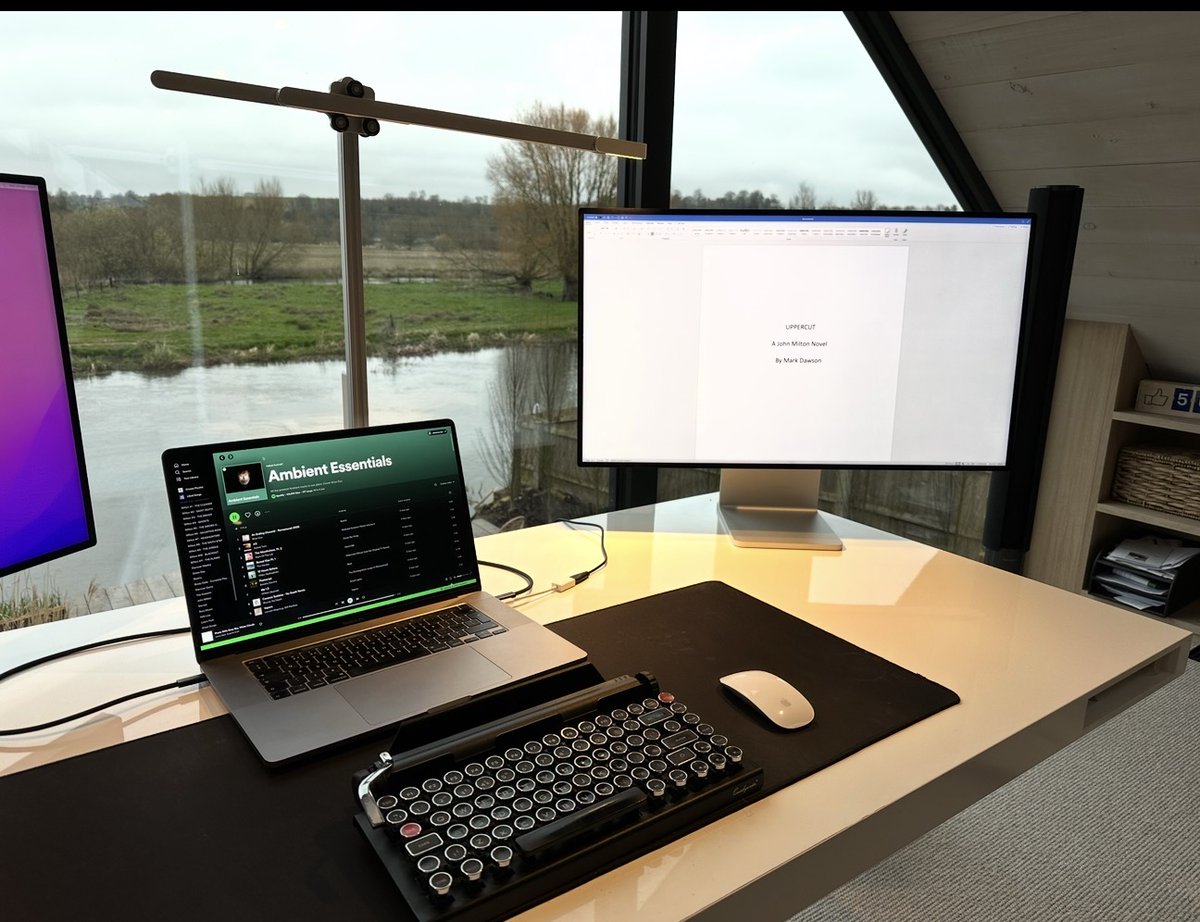
One of the things I never really anticipated when I started writing was how meaningful reader emails would become. I'm lucky enough to get several a day and I can honestly say answering them is a real highlight. (And, yes, I answer them all myself – it isn’t something I’ll ever hand off to someone else). Some emails are short notes saying a reader enjoyed a book. Others are longer messages about where a reader is in their life, what they’re dealing with, or why a particular character resonated with them. Every now and then, one lands at exactly the right moment and stays with me for days. It’s a strange and lovely thing, knowing that something written alone at a desk ends up accompanying someone on a commute, a hospital stay, or a quiet evening at home. I try to reply to as many emails as I can, even when the inbox gets busy, because that connection is one of the real privileges of the job. And desks seem to be a theme this week... here's a set up used by one of my favourite authors.
Mark Dawson tweet media
English
1
0
13
407
Mark Dawson
Mark Dawson@pbackwriter·
When I wrote the first three John Milton books, I had *no* idea how long the journey would last. What I did know was that I wanted to create a character who felt different; not a hero, not a villain, but a man trying to live with the consequences of his past. Those early books were about setting the tone. Milton’s moral code. His loneliness. His refusal to turn away when someone needs help, even when it would be safer to keep walking. Everything that came later — the international stories, the bigger threats, the wider cast — grew out of what I established here. That’s why they're still my favourites (with a respectful nod to Killa City). I’m offering a signed and dedicated bundle of the first three Milton novels, available only through my store. These aren’t generic signatures — if you’d like a dedication, I’ll personalise it for you. It’s a nice way to own the books that started it all, straight from the source. store.markjdawson.com/products/the-j…
Mark Dawson tweet media
English
2
0
12
539
Maria Baias
Maria Baias@HappyWriterHub·
@pbackwriter Do you ever write on multiple books at the same time?
English
1
0
0
56
Mark Dawson
Mark Dawson@pbackwriter·
I’m often asked how I decide what to write next, and the honest answer is that it’s rarely a tidy or logical process. Ideas usually show up half-formed. Some look brilliant at first and then slowly unravel when I start pulling at them. Others don’t look like much on the surface but refuse to go away, popping back up weeks or months later until I finally give them the attention they’re asking for. Eventually, one idea starts to feel heavier than the others — like it’s claiming space in your head whether you want it to or not. That’s usually the sign. At that point, the choice has already been made, even if it doesn’t feel like it yet. I’m writing the sixth Atticus book at the moment, and it has been a bit like that. The idea has been bubbling away for months and I have been itching to start. I’ve written 40,000 words in three weeks, which will give you an idea of how enthusiastic I am about the story. I’m looking forward to sharing it with you. (You can pre-order it now: geni.us/Atticus6Amazon).
Mark Dawson tweet media
English
3
0
11
329
Mark Dawson
Mark Dawson@pbackwriter·
People sometimes imagine a writing day as sitting down, typing nonstop, and finishing with a clean chapter and a sense of triumph. The reality is usually messier than that! A good day might mean adding a couple of thousand words (my usual target when I am in drafting mode), but just as often it means realising that yesterday’s chapter isn’t working and quietly dismantling it. It can involve a lot of stopping and starting, rereading the same paragraph, and wondering why something that felt right yesterday suddenly feels flat today. Quite often, the most useful part of the day happens away from the desk: on a walk, making coffee, or staring out of the window while a problem slowly untangles itself. Progress doesn’t always show up neatly in the word count, but it’s still progress. Learning what doesn’t work is just as important as finding what does. (Speaking of desks, here is my last desk before I moved into the office at home... this is the room that became Atticus's office in those books, although I am a little tidier than him...)
Mark Dawson tweet media
English
3
0
9
528
Big E
Big E@ian693·
Well, preliminary results are that the cancer metastasized and I won’t be eligible for a liver transplant. We’ll know for sure next week when the final results come out. I’ll do whatever needs to be done for the cancer, but I may be on my retirement tour with the liver issues.😞
Big E@ian693

Medical journey update: We’re back in Philadelphia for the long haul. Going for the staging procedure tomorrow to make sure no cancer. If all good, I can get a call any day for the liver transplant. We won’t be going home until after the liver transplant and the recovery. ❤️❤️

English
606
28
896
435.3K
Mark Dawson
Mark Dawson@pbackwriter·
Every long-running series has a moment where it really begins. For John Milton, that moment is the first three books. These are the novels where Milton steps out of the shadows and onto the page for the first time. Where you learn who he was, what he did, and why he walked away from the life he was trained for. The rules he lives by later—helping the vulnerable, refusing to kill unless there’s no other choice—all come from these early stories. If you’ve ever wondered where to start with Milton, this is it. I’m offering a bundle of the first three John Milton paperbacks, available directly from my store, and each copy can be signed and personally dedicated. Whether you’re completely new to the series or you’ve joined it somewhere along the way, reading these books together gives you the full foundation of the character. Check the offer out here: store.markjdawson.com/products/the-j…
Mark Dawson tweet media
English
1
0
9
283