
ทวีตที่ปักหมุด
Léa Polverini
3K posts

Léa Polverini
@polvrini
Du côté de chez @Slatefr et ailleurs. Actu internationale/MENA. @TRF Kurt Schork Award 2023, @europressprize 2024. Dr littérature comparée/arabe à UT2J/AMU
เข้าร่วม Temmuz 2016
922 กำลังติดตาม1.5K ผู้ติดตาม
Léa Polverini รีทวีตแล้ว

The multi-billion-dollar "Belt and Road Initiative," launched in 2013 by Chinese President Xi Jinping, is building a new "Silk Road" on human rights violations, violence, and impunity.
Story by grantees @polvrini and Robin Tutenges for @Slate / @Slatefr. bit.ly/47bR0iV
English
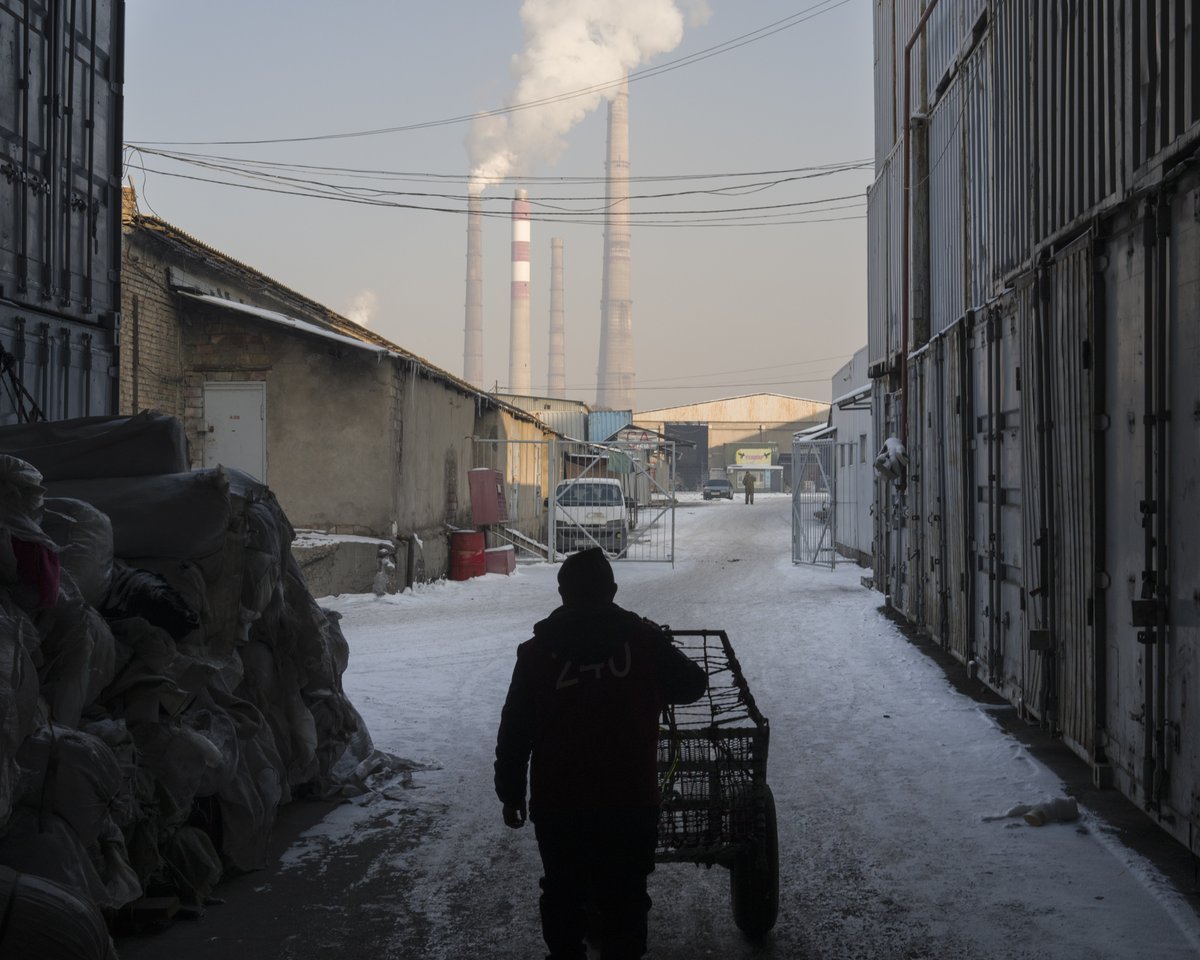
Gros contrats, espionnage, déportations, disparitions, rumeurs d'exécutions sommaires et course poursuite à la frontière... La suite à lire sur @Slatefr
slate.fr/monde/les-nouv…
Français
poursuivre en toute impunité une répression transnationale contre ses opposants politiques. L'acception est large. En 10 ans, plus d'un million de personnes ont été jetées dans des camps d'internement ou des prisons, soit plus d'1/10 habitant parmi la pop musulmane de la région
Français
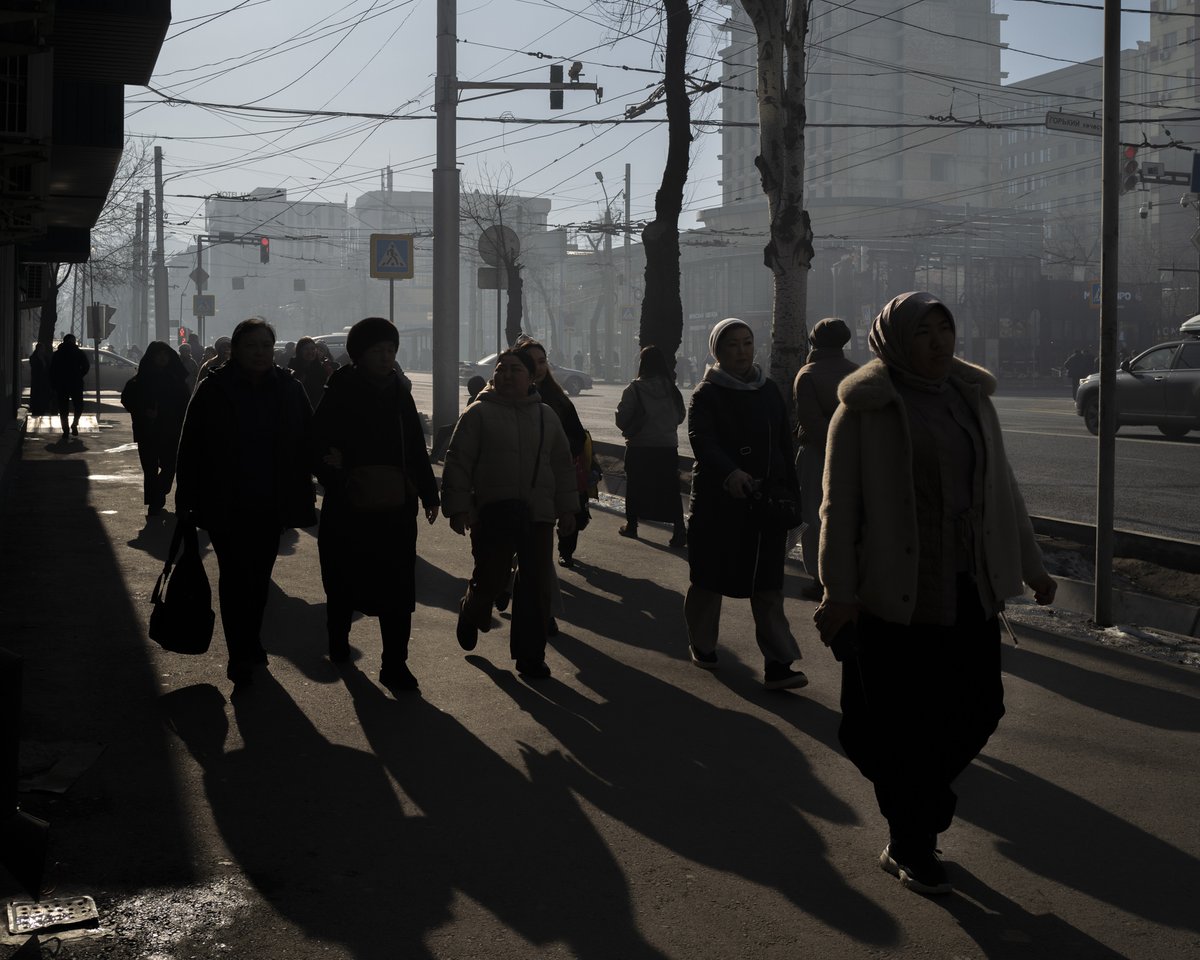
Sur @Slatefr, le 1er épisode de notre série «Les Nouvelles routes du silence»
Une enquête soutenue par le @pulitzercenter, qui nous a menés sur les routes tjs plus chaotiques du Kirghizistan et du Kazakhstan, à la recherche des rescapés des camps chinois
slate.fr/monde/les-nouv…
Français

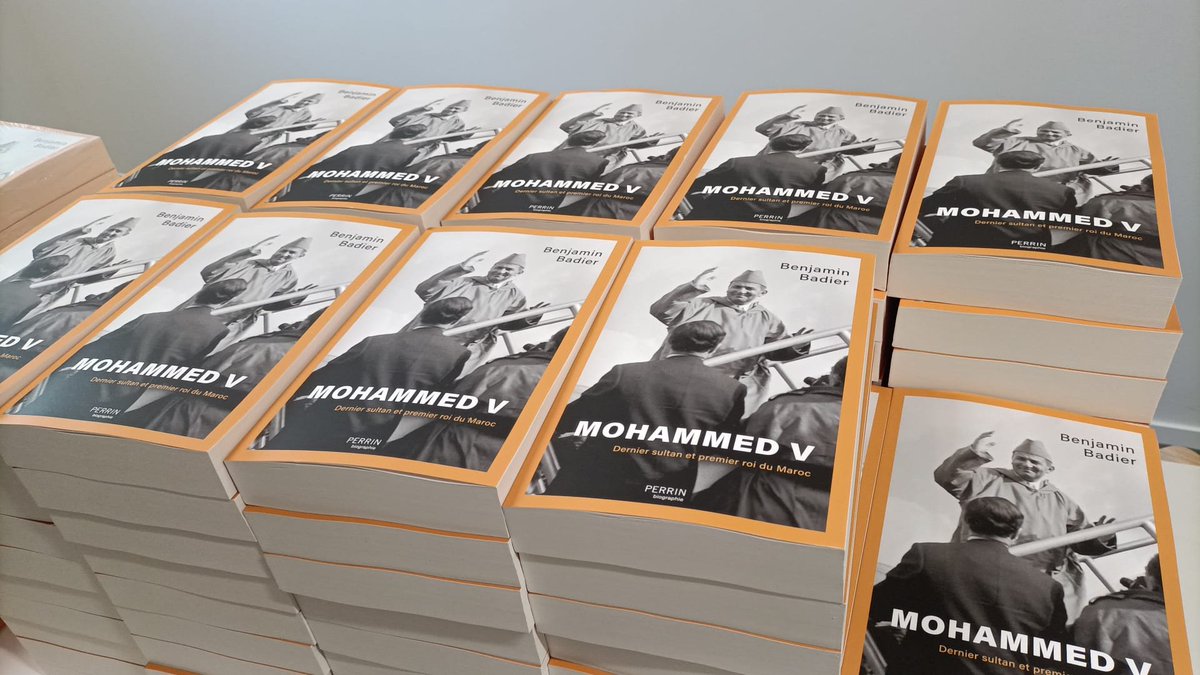
Devinez ce que j'ai fait aujourd'hui 🫣
(Le 28 août dans toutes les bonnes librairies)
Français
Léa Polverini รีทวีตแล้ว

7/ The Ghouta anniversary is not only Syria’s wound. It is a reminder that Western “red lines” could be green, and that impunity for mass murder was not a failure of policy, but a policy itself.
English
On perd assurément l'un des plus grands 🖤
Mada Masr مدى مصر@MadaMasr
Today, we bid farewell to Sonallah Ibrahim (1937-2025), closing the final chapter of a literary journey that began in the Wahat prison camp, where he spent nearly five years after the rise to power of President Gamal Abdel Nasser and the pursuit and capture of members of the Democratic Movement for National Liberation (HADITU). Over the years, he built a remarkable literary legacy, rich in novels weighted with public concerns and animated by a mischievous narrative voice. Among these, perhaps the most beautiful is Warda, his chronicle of the forgotten Dhofar Revolution. Ibrahim wrote only a handful of short stories, all collected in his debut The Smell of It, its cover jostled by the subtitle, & Other Stories. It remains his only banned work. Beyond his literary work, Sonallah left a mark through his principled stances — most notably, his refusal of the 2003 Arab Novel Award, declaring the government unfit to grant prizes. His reasons ranged from Egypt’s continued hosting of the Israeli ambassador despite violations against Palestinians, to other matters that revealed the depth of his engagement with public affairs, outweighing any desire for official honors. His support for what he called the “temporary” state of affairs that followed the violent dispersal of the Rabea al-Adaweya sit-in and the start of President Abdel Fattah al-Sisi’s government surprised some. He explained this shift toward nationalism “against the multinationals” and how he saw the role of writers in it in an interview conducted by Ursula Lindsey in 2013. Two years later, he would publish his singular memoir, The Wahat Diaries. Leafing through its fragments carry us back to another era: the assassination of Shuhdi Atteya — Ibrahim’s godfather — in the Abu Zaabal prison “reception;” the isolation of prisoners within the fortress surrounded by the Wahat desert; the theater they founded; the literary competitions they held; and the re-examination of their thinking. Here, we do not meet him as the communist fighter, but as a man truthfully speaking of what he read during those two years in prison, confiding in us his bashful attempts at writing and his ideas — some he followed through with, others he abandoned. Sonallah never edited these diaries, smuggled out of prison. For more on them, see what Mahmoud al-Wardani published with Mada Masr, as well as another review by Ali al-Talbani. Links to Mada Masr's articles on the works of Sonallah Ibrahim: bit.ly/m/mada-masr
Français
Great piece on Cairo Scene about the unrivalled Albert Cossery. Glad I got to share 2-3 insights from my thesis on the old chap
cairoscene.com/ArtsAndCulture…
English
Léa Polverini รีทวีตแล้ว

Vous ferez quelque chose d'utile aujourd'hui en lisant cet article de @polvrini sur la traque des Ouïgours par le régime chinois
lemonde.fr/international/…
Français
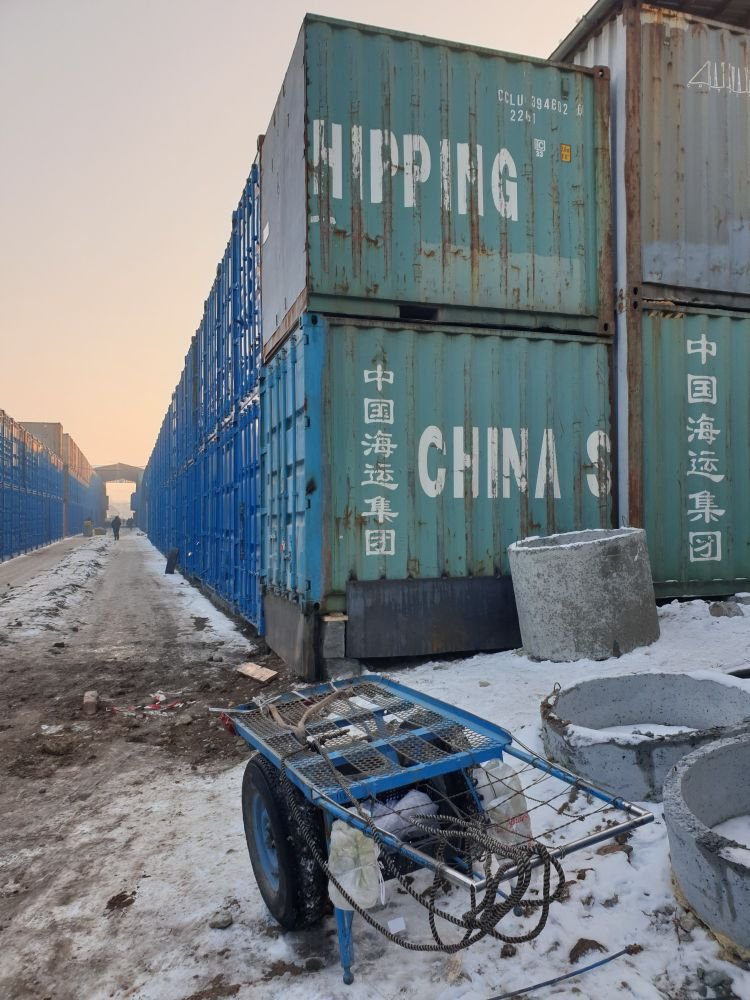
La répression se poursuit jusque dans les pays voisins, comme au Kirghizistan, où les nouveaux réfugiés peinent à trouver refuge dans l'ancienne diaspora ouïghoure.
Une histoire de silence, de corruption, d'influence éco & d'instrumentalisation du terrorisme, à lire dans Le Monde
Français
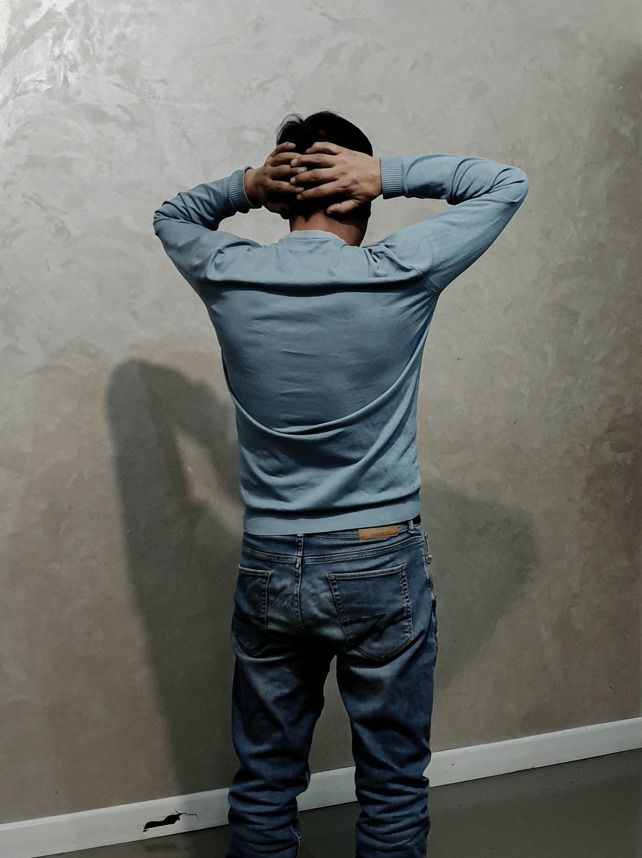
Arrestations, travail forcé, stérilisation, torture… Au Turkestan oriental, les minorités ethniques font l’objet d’1 persécution sans précédent. L’objectif est d’anéantir tout particularisme culturel qui ferait obstacle à la pureté ethnique du «rêve chinois» promu par Xi Jinping
Français
Très heureuse de signer une double page dans @lemondefr, pour une enquête menée entre le Kazakhstan et le Kirghizistan, sur les traces des rescapés des camps de rééducation chinois lemonde.fr/international/…
Français
J'aurais dû rencontrer Behremjan en prison en janvier. Quelques jours avant ma visite, une émeute a éclaté dans le centre de détention, qui aurait fait au moins trois morts parmi les prisonniers : impossible de rentrer.
Son histoire est à lire dans La Chronique d'Amnesty. 7/7

Français
«Dans ces prisons, on ne voit pas le soleil, on n’a pas d’air frais, la santé se dégrade rapidement. Quand les gens sortent après vingt ans, ils ne vivent pas longtemps», explique Kamil Ruziev, avocat et défenseur des droits humains kirghiz. 6/7
Français
En une de La Chronique d'@amnestyfrance ce mois-ci, notre reportage au Kirghizistan, un pays qui a glissé vers un autoritarisme de plus en plus violent : répression politique, ingérence chinoise, corruption...
📸 @RobinTutenges
amnesty.fr/chronique/kirg… 1/7

Français