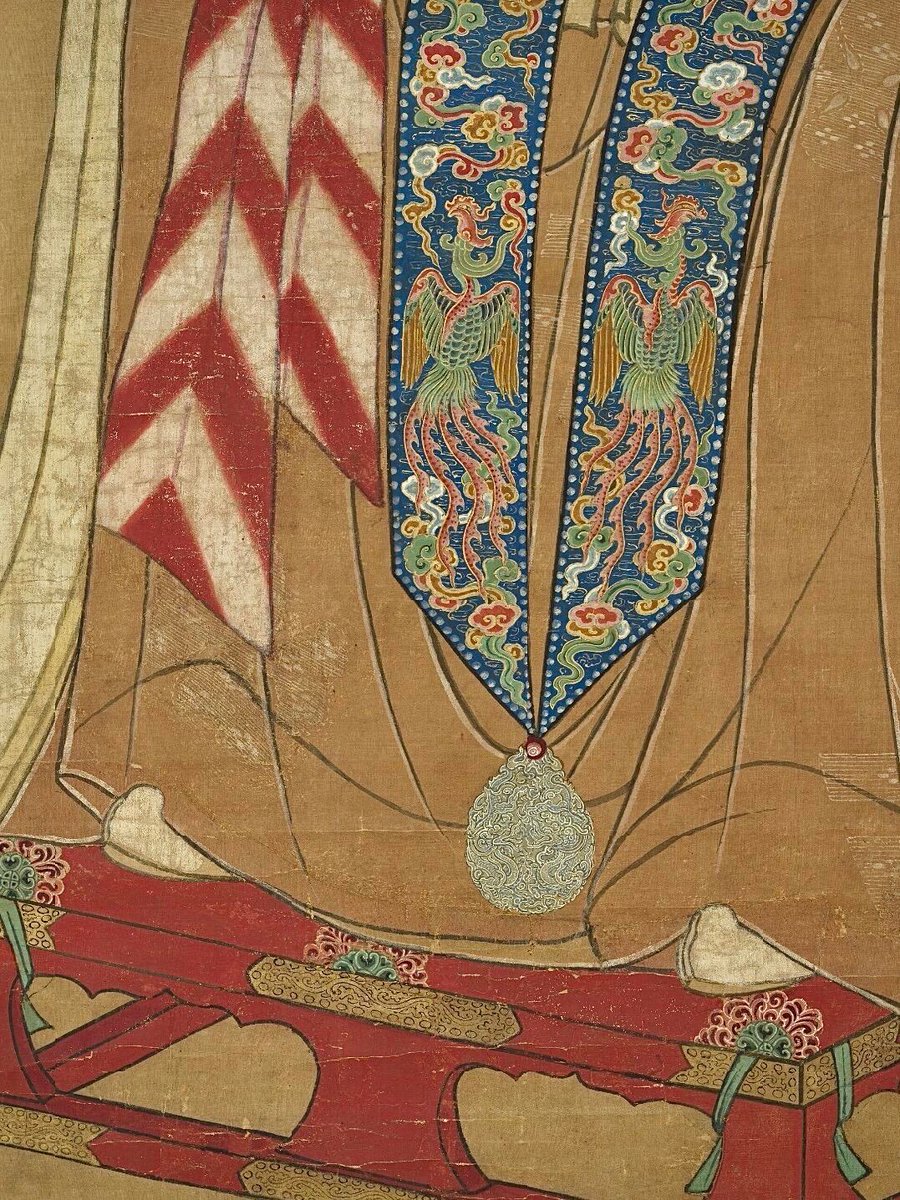
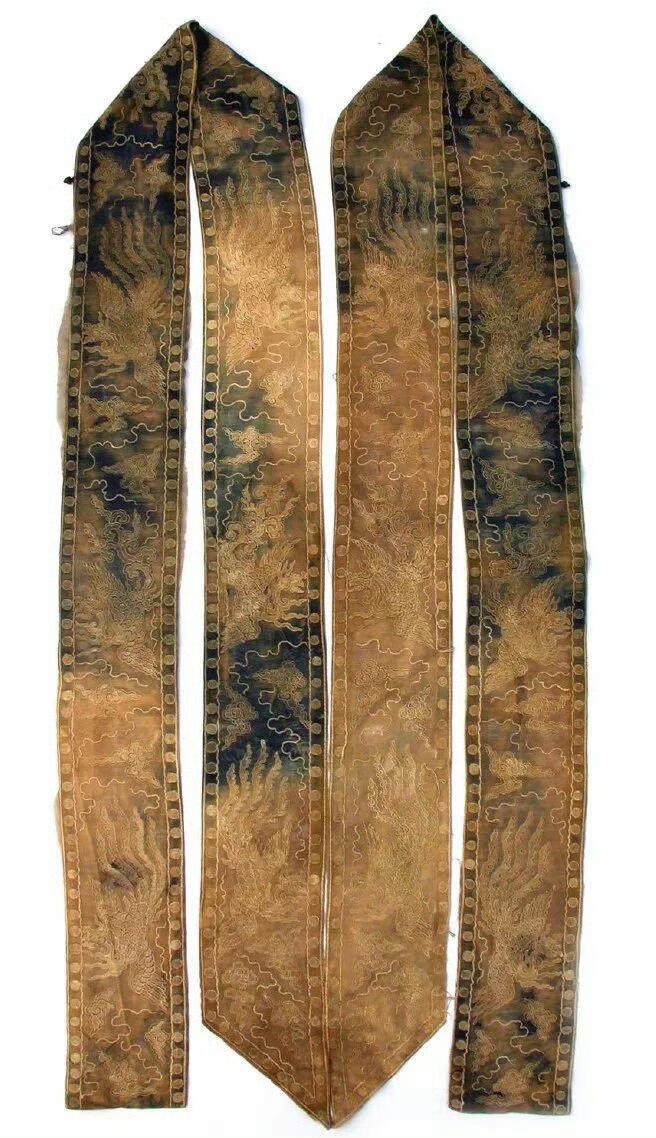
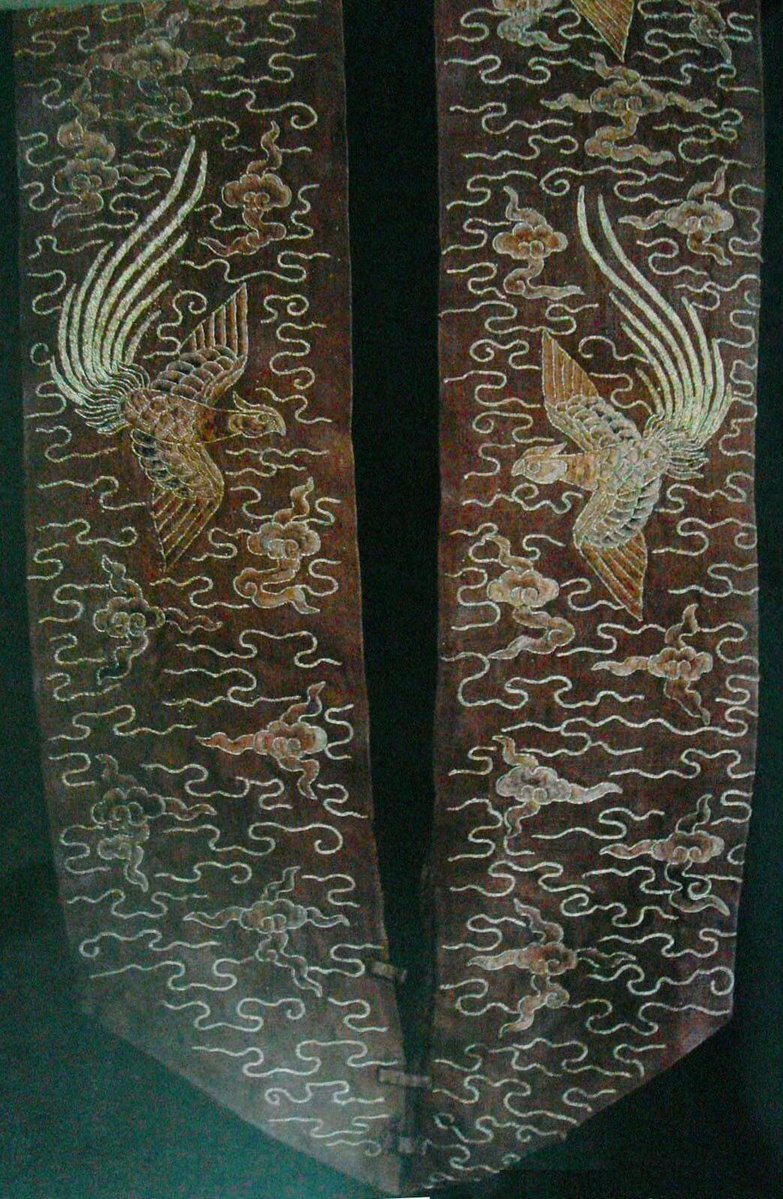
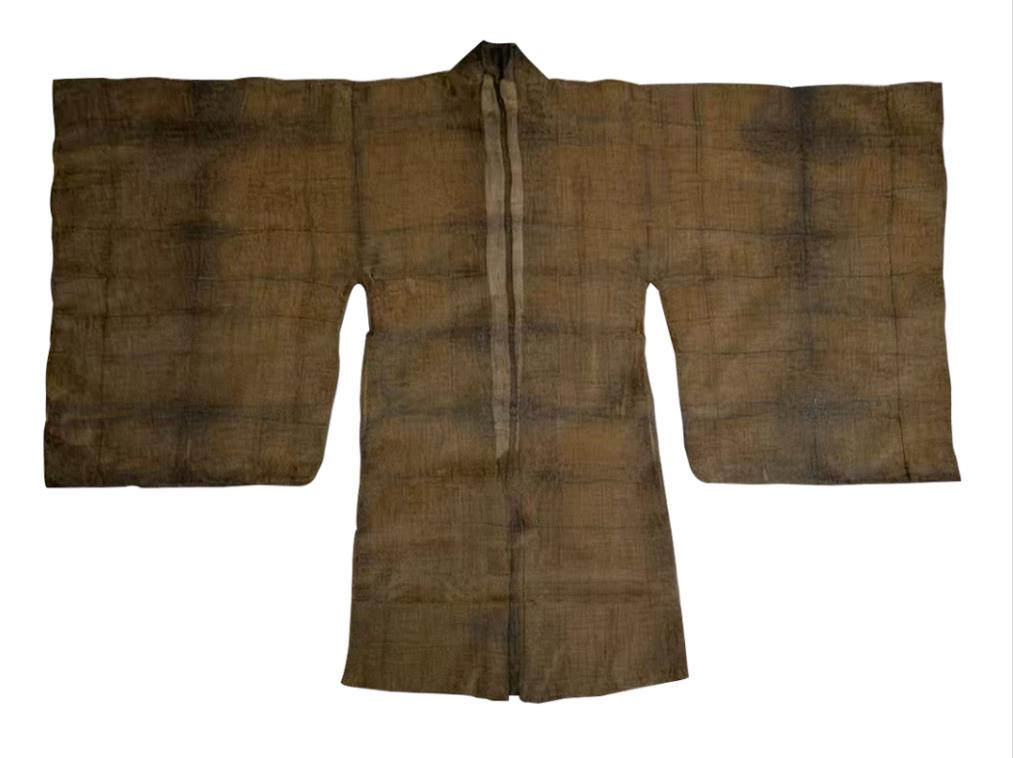
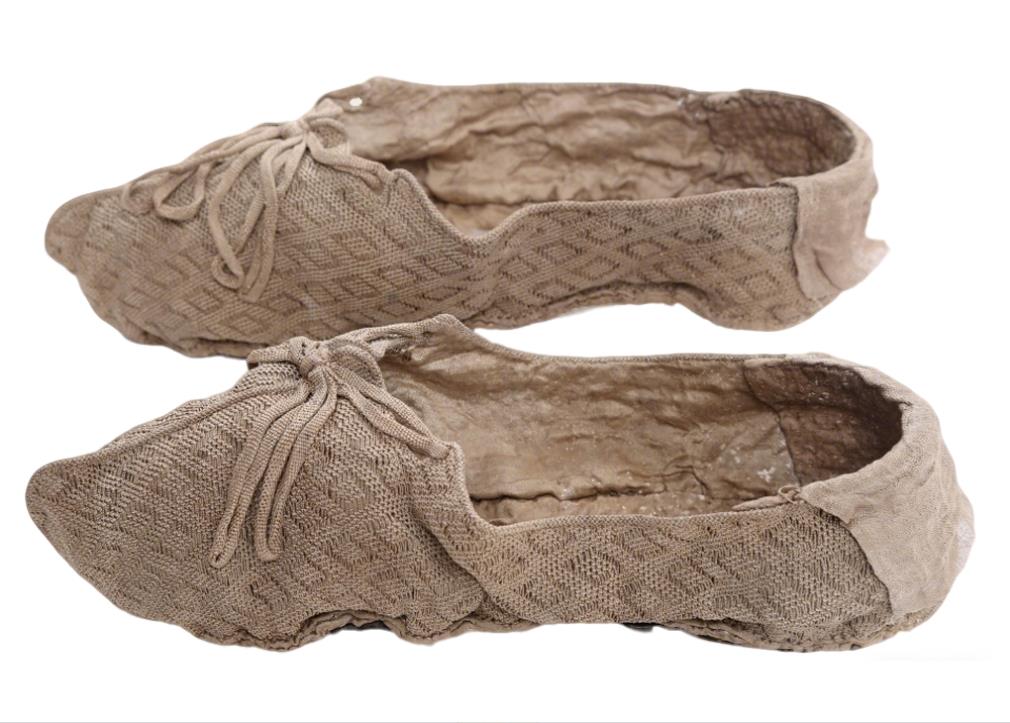
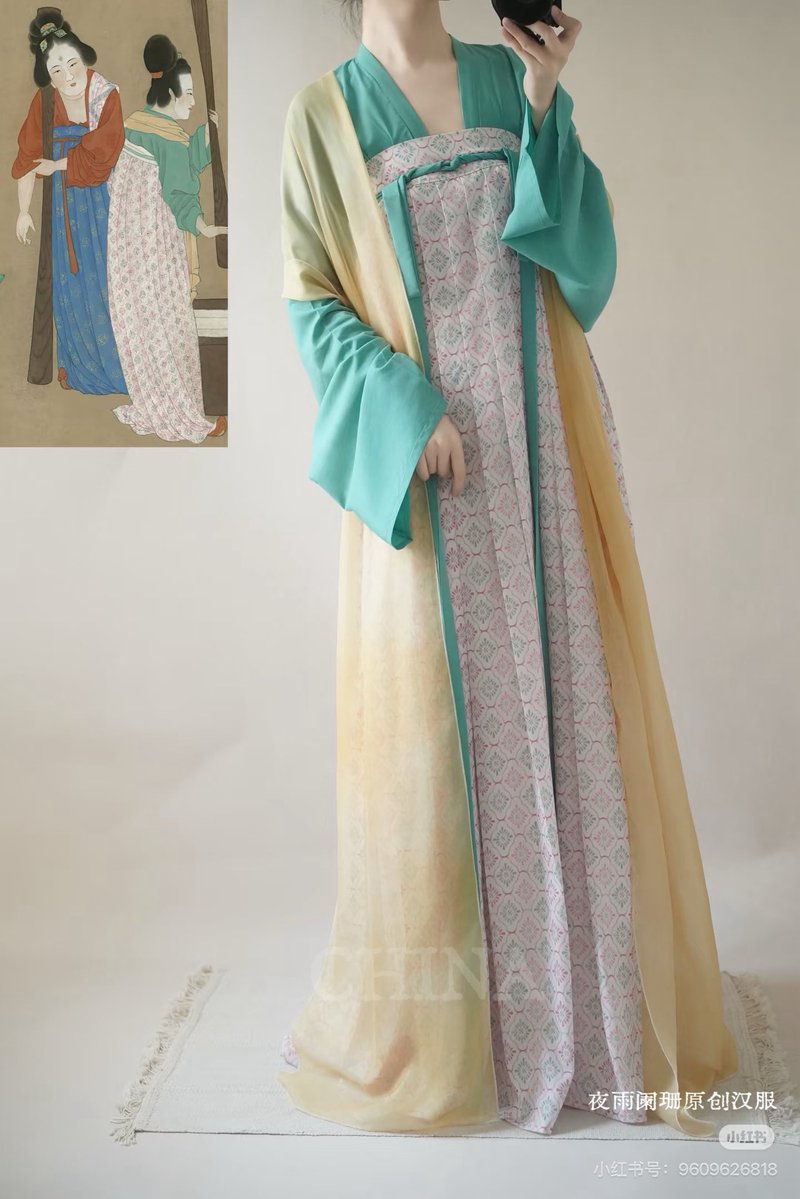
😃 At the China National Silk Museum in Hangzhou, Zhejiang province, a new exhibition invites you to step into the Southern Song Dynasty (1127-1279) wardrobe. 👚 Centered on exquisite silk garments unearthed from the tombs of Zhao Boyun (1155–1216), an imperial descendant of the Southern Song in Huangyan, Zhejiang, and Lady Huang Sheng (1226-1243) in Fuzhou, Fujian, the display reveals what they wore and how they lived, inviting you to explore the timeless grace of 800-year-old silk garments. 😊
📆Dates: Until May 24
#WhatsOn#ChinaNationalSilkMuseum#Hangzhou#SilkGarments#SouthernSong#HuangSheng#ZhaoBoyun
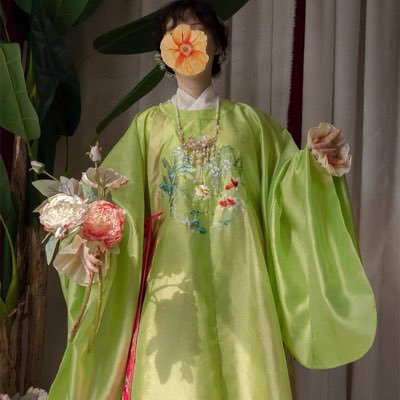
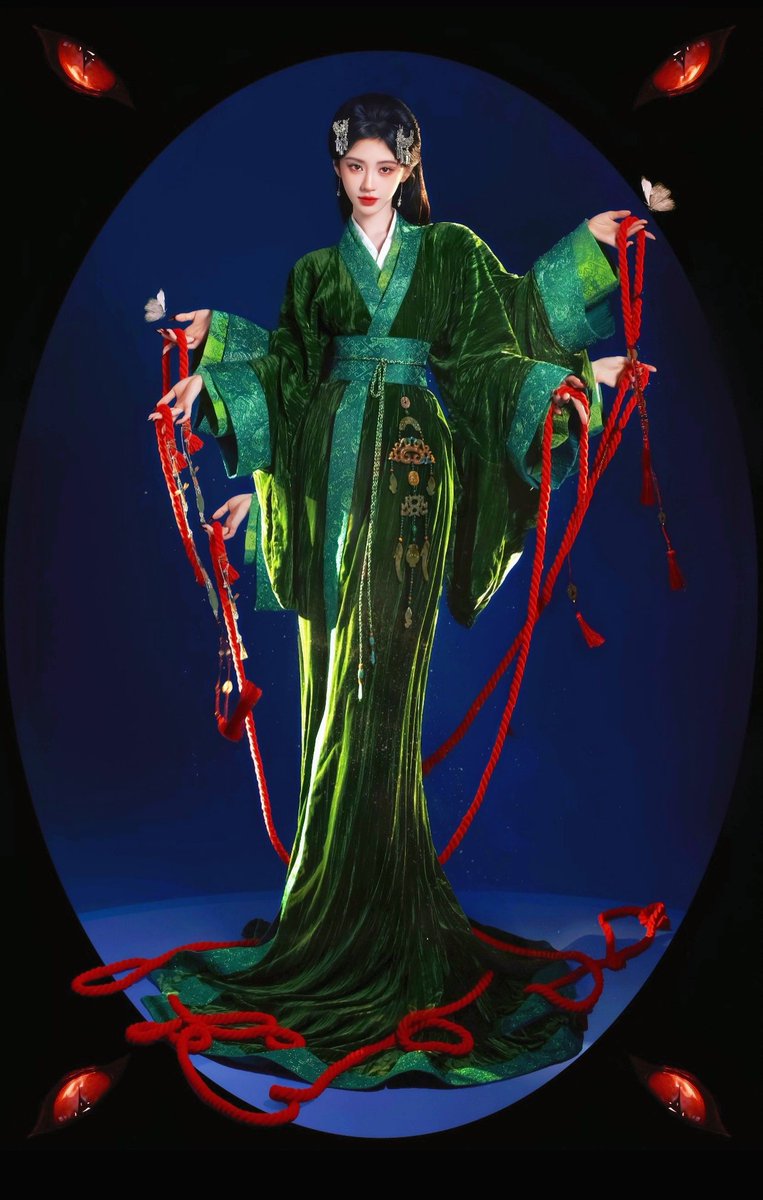
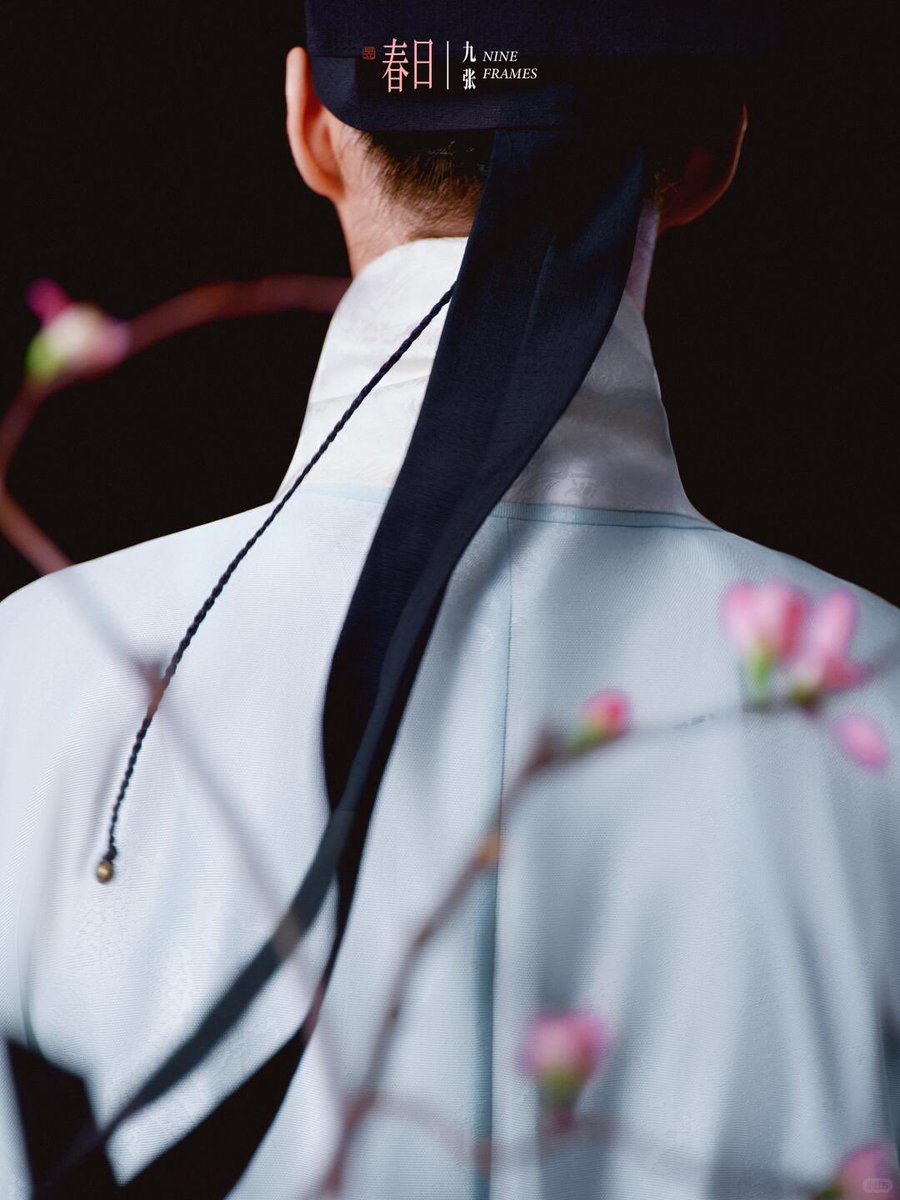
Hanfu has many forms. One of the oldest is Zhan Guo Pao (Warring States Robe),from 2,300-year-old tombs. Jiaoling (交领,cross-collar),Youren (右衽,right-over-left lapel),distinctively Chinese. Living Chinese heritage, still worn today.#veilofshadows#Jujingyi#ChenDuling#HanFu
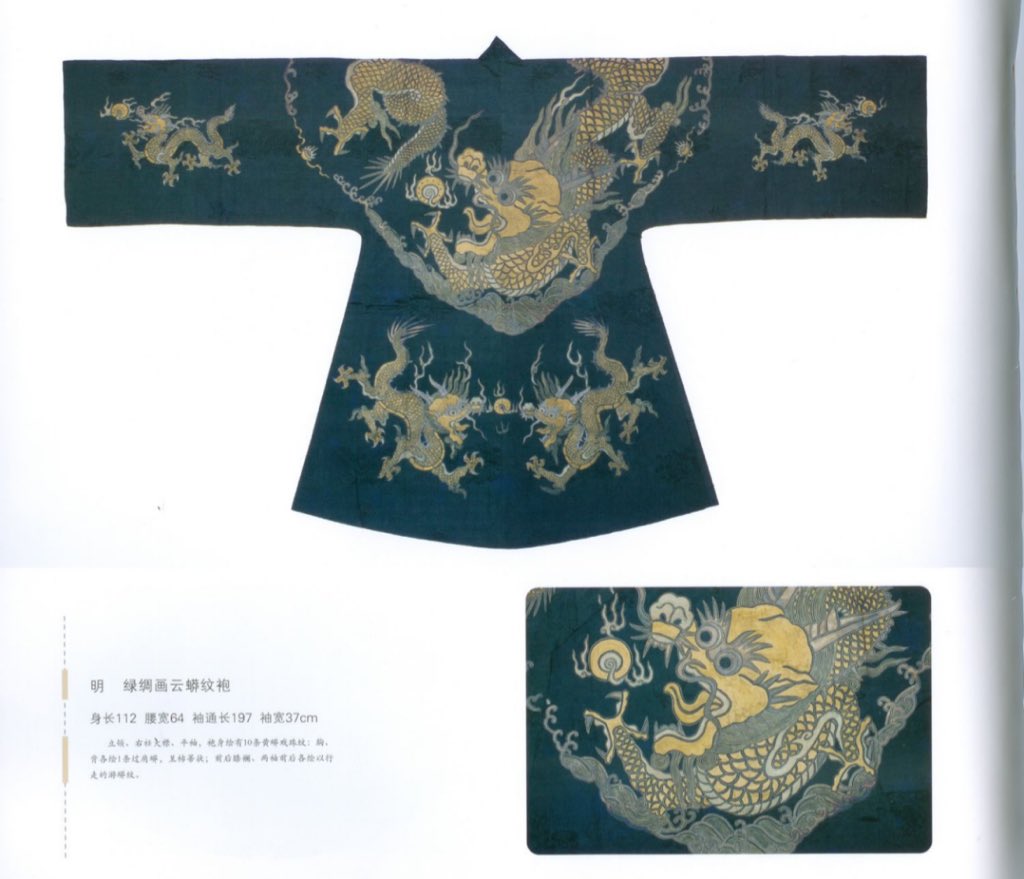
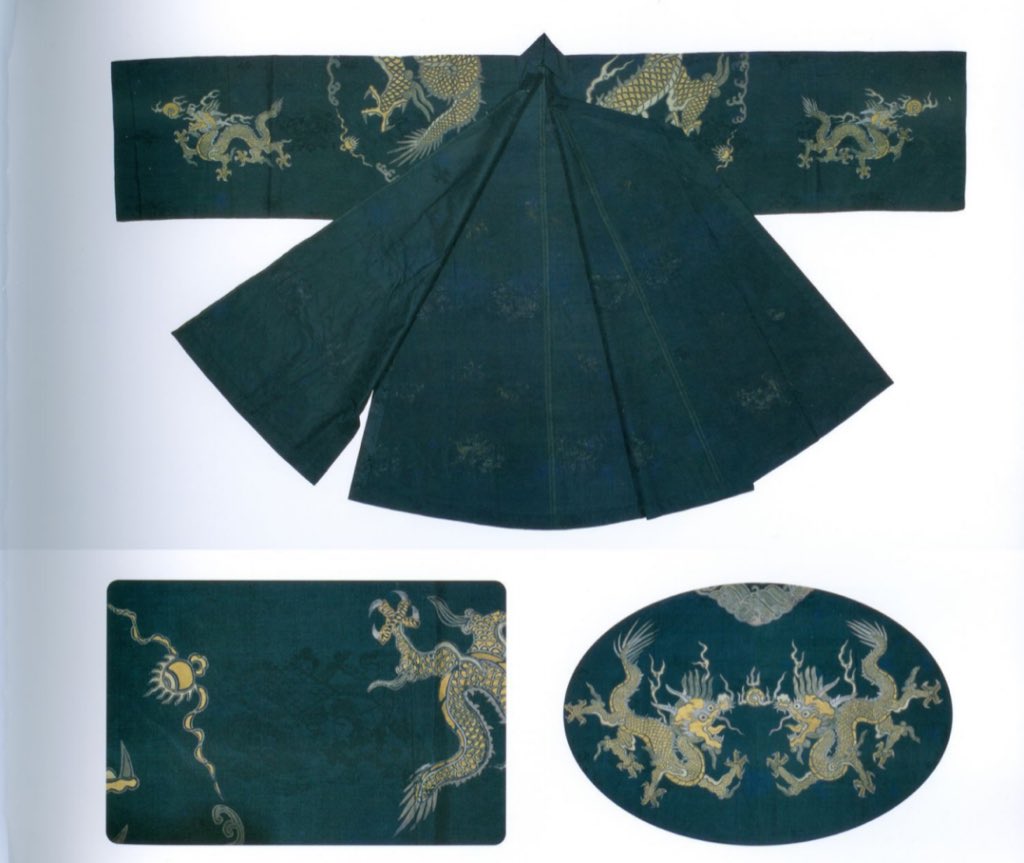
Ming Dynasty costumes(Ming dynasty Hanfu)with ten mang(蟒,The mang蟒difference between it and a dragon is that it has four claws, while a dragon has five. )collected by the Confucius Mansion.
孔府收藏明代绿绸云蟒交领袍
In 1055 (the second year of Zhihe reign of the Song Dynasty), Emperor Renzong of Song conferred the title of Duke Yansheng on Kong Zongyuan, the 46th‑generation descendant of Confucius.
For nearly a thousand years thereafter, through successive dynasties, Confucius’ descendants retained this noble title.
It was not until 1935 (the twenty‑fourth year of the Republic of China) that the Nationalist government abolished the title of Duke Yansheng.
The Confucius Mansion houses several thousand exquisitely made Ming and Qing costumes.
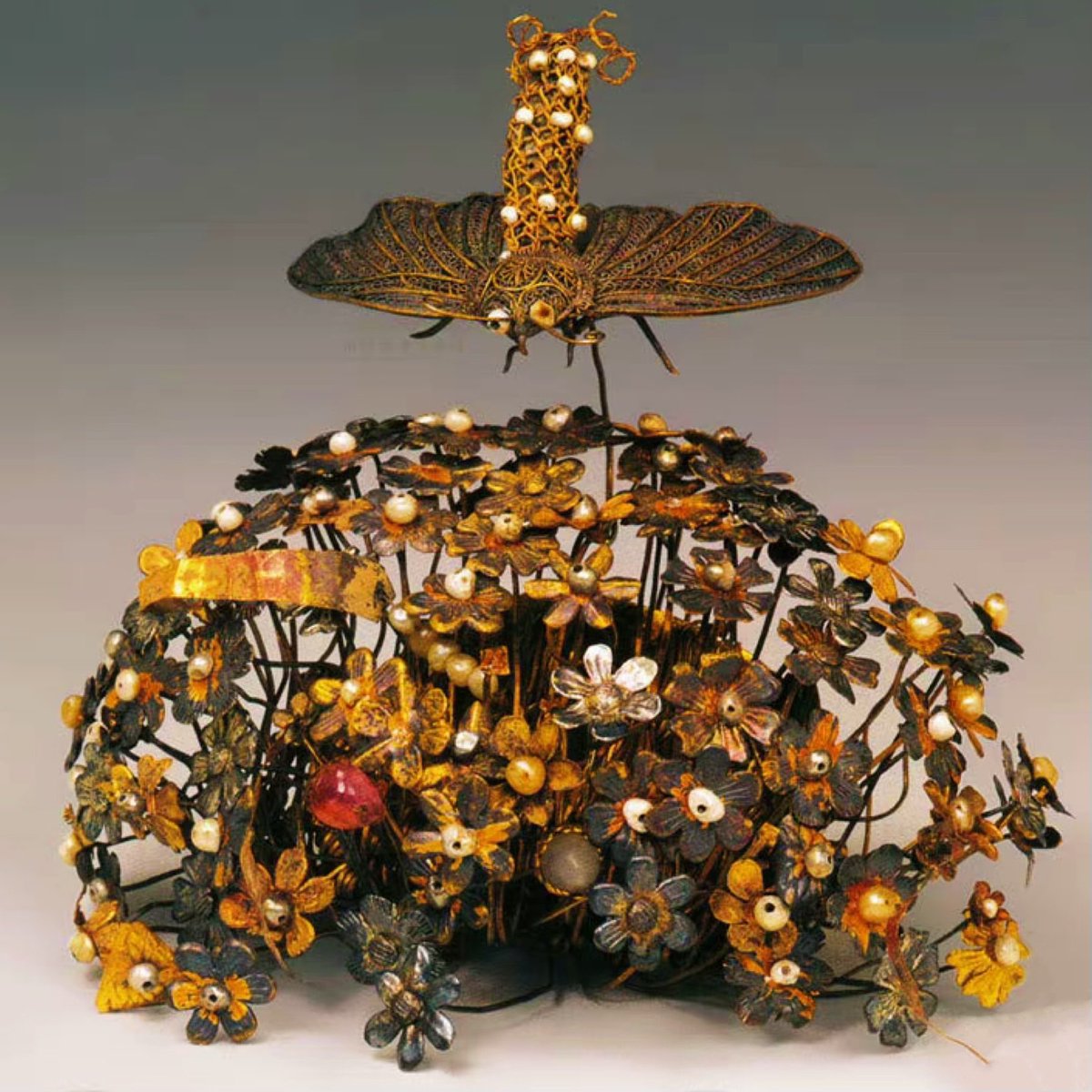
Moth-to-Flower Hairpin Beneath the Cursed Stone Sarcophagus
李小孩墓出土“飞蛾扑花”钗
In 1957, near Liangjiazhuang in the western suburbs of Xi’an, archaeologists discovered an extremely high‑grade Sui Dynasty tomb.
The stone sarcophagus is exquisitely carved, shaped like a hip‑and-gable roof palace with three bays wide, just as its owner would have lived during her lifetime.
Its exterior is decorated with bas‑relief carvings of the Azure Dragon, Vermilion Bird, attendants, and other motifs, with smooth and vivid incised lines; murals also remain inside the sarcophagus.
Most strikingly, four characters are carved right in the center on the back of the sarcophagus lid:
“Whoever opens this shall die.”開者即死
After hesitation, the archaeologists still opened the tomb.
The tomb owner was 李静训Li Jingxun. Her maternal grandmother was Yang Lihua杨丽华, the Empress Dowager of the Northern Zhou Dynasty. Yang Lihua was the daughter of Yang Jian, the founding emperor of the Sui Dynasty. Her husband, son, father, and younger brother were all emperors.
Li Jingxun was deeply doted on by Yang Lihua from an early age and was raised in the imperial palace. Unfortunately, she died of a fatal illness on June 1, 608.
Watching her beloved granddaughter, whom she had cherished and cared for so tenderly, pass away from illness, Yang Lihua broke down and wept bitterly. After her grief subsided, Yang Lihua personally presided over her granddaughter’s funeral. Under her arrangement, Li Jingxun was buried with a scale of rites nearly exceeding that of a princess.
This moth-and-flower hairpin constitutes one of the burial artifacts of Li Jingxun. The entire hairpiece is composed of hundreds of golden flowers, whose petals are as thin as cicada wings, with the stamens inlaid with round, high-quality pearls.
The most astonishing element is the golden butterfly atop the floral crown. Its body and wings are woven from extremely fine gold threads using a technique known as gold filigree craftsmanship. The filigree butterfly is further inlaid with large pearls; with a light touch, its wings flutter vividly as if alive. One can well imagine Li Jingxun wearing it in her daily activities during her lifetime.