
Ed
9.3K posts
Ed รีทวีตแล้ว


Ed รีทวีตแล้ว

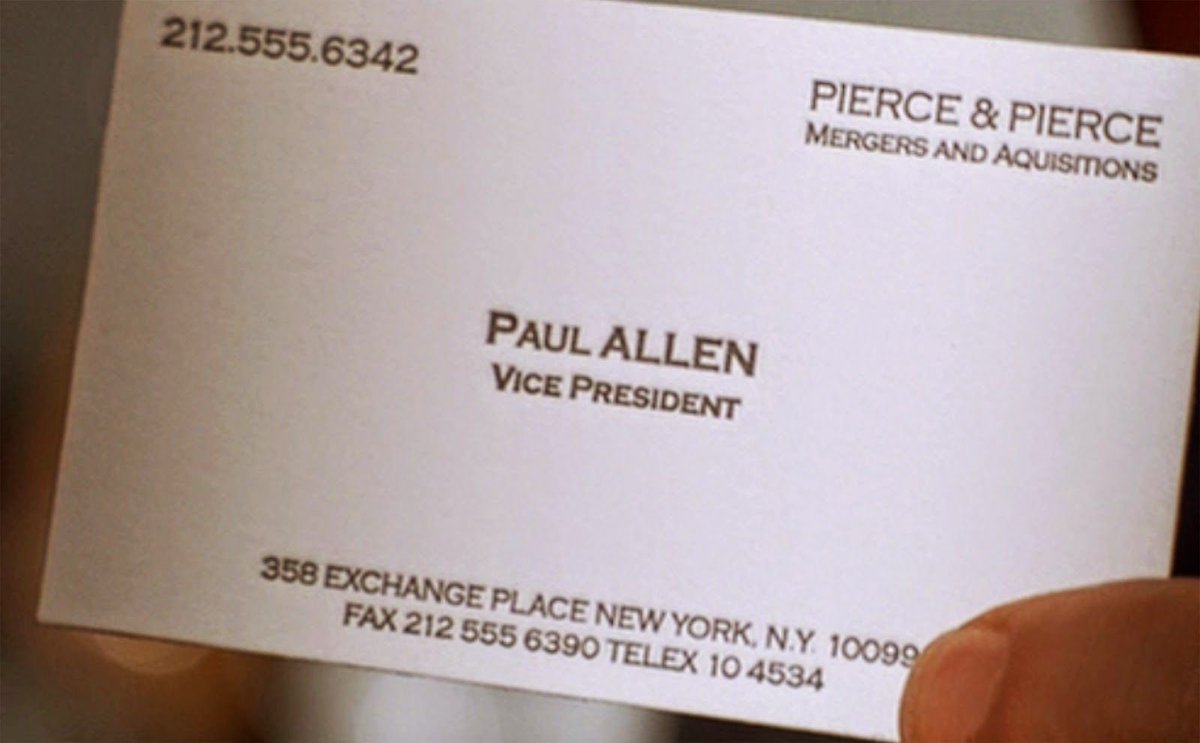
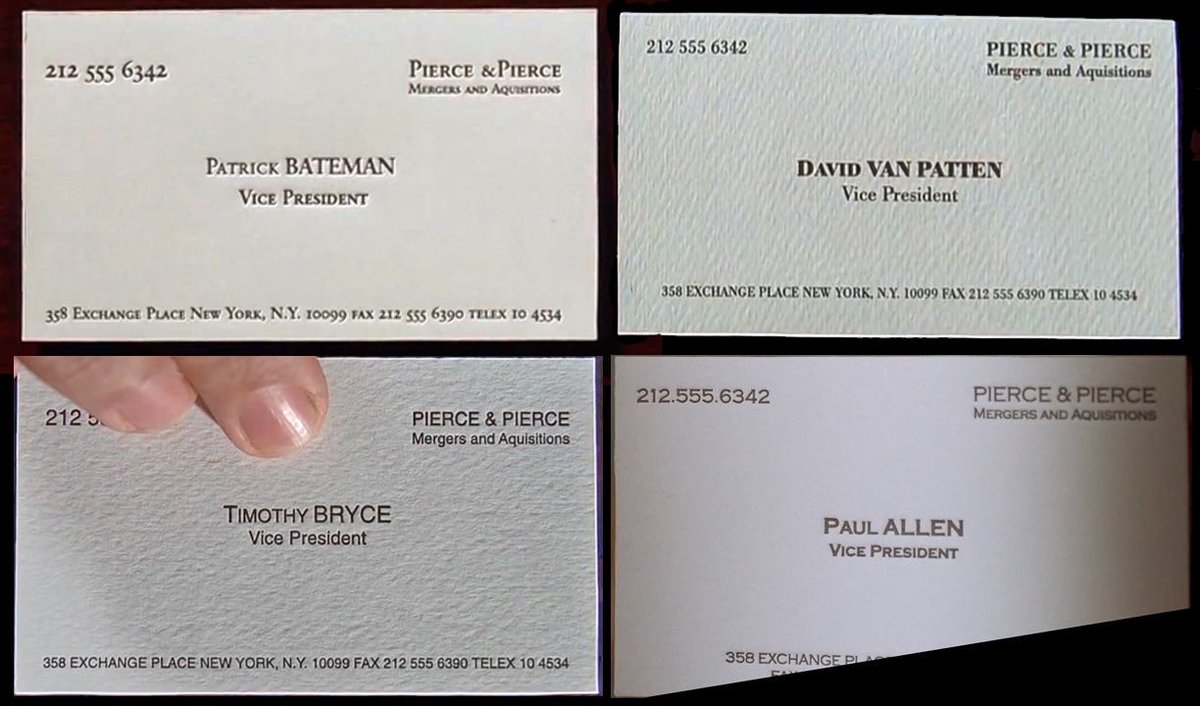
it’s actually wild that in american psycho (a movie about graphic design) every single business card misspells “acquisitions”
English
Ed รีทวีตแล้ว

NEW FUTURES
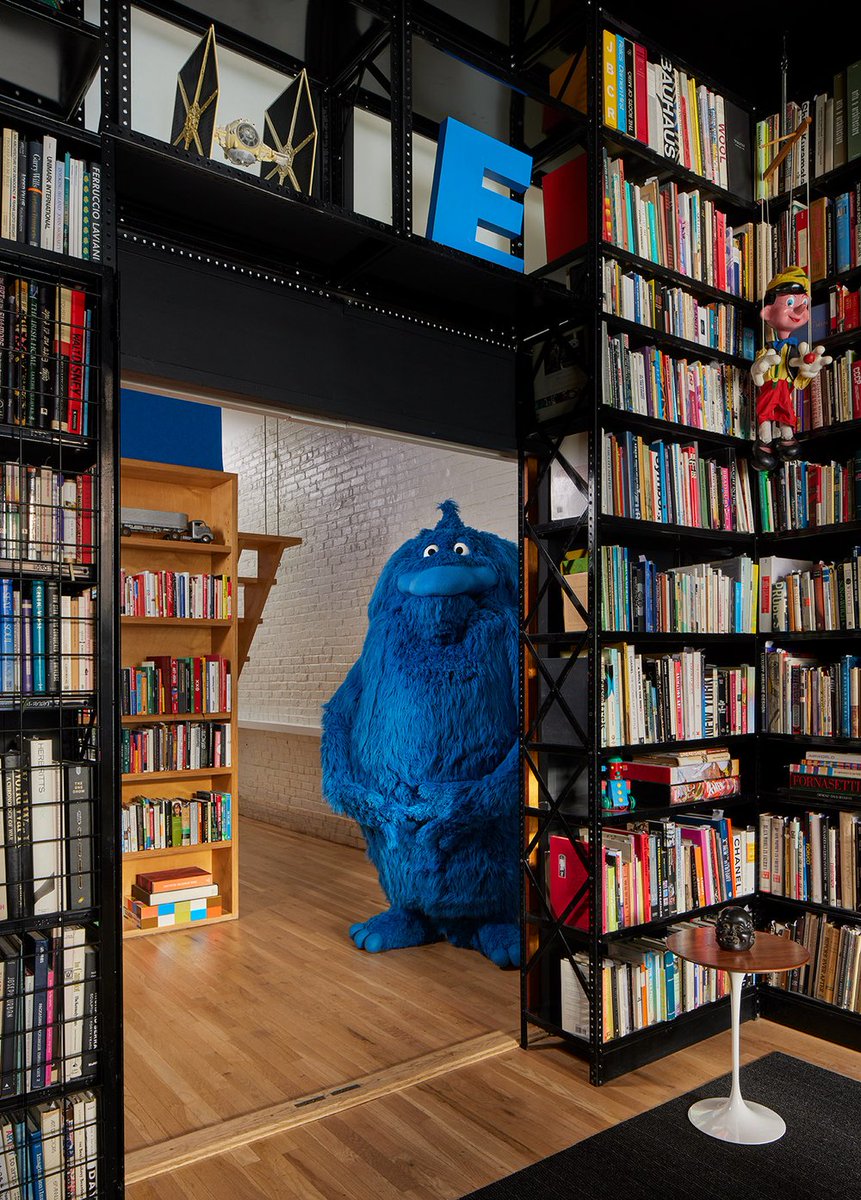
A library—5,572 volumes and always expanding—is the heart and soul of COLLINS’ practice.
Nested among the books of the floor-to-ceiling shelves that line the walls of the front room of our Brooklyn office are African dolls, a Star Trek starship, Pinocchio puppets, robots, toys, and vintage signs. A nine-foot tall, blue Muppet—Thog—stands guard just outside in a hallway. (Thog followed us home one day while we were working on The Jim Henson Exhibition at the Museum of the Moving Image.)
Everything here—book, toy, poster, sculpture, model—has a story to tell.
Our work begins in the library because there are few, if any, problems that are truly novel. We look to history, science, fiction, news, math, mythology, music, plays, art, economics, finance, psychology, cosmology, archeology, education, children’s books—everything we can explore to understand better what others before us have done when confronted with similar challenges.
We try on strategies from different eras and disciplines.
We test out new combinations.
In the library, we can find precedents for each of the many daunting problems that face us today. What is different is facing so many challenges all at once.
We think about implications—and opportunities—writ large.
We think about implications for our clients.
We think about implications for their clients.
We keep an eye on the news.
We return to the library every chance we get. We look for patterns and synergies. We pay attention. To everything.
And we always have our radar up for the adjacent possible.
This wonderful turn of phrase was originally used by biologist and complexity theorist Stuart Kauffman to describe the collisions of Earth’s starter molecules that eventually led to the creation of all the molecules required for the emergence of life.
In his book, "How We Got to Now," Steven Johnson trades out molecules for innovation.
Everything around us—from toasters to space ships—not only has a long, meandering backstory, but also provides backstory for the next round of inventions. Gutenberg’s printing press, for example, was inspired by presses for making wine in his hometown. All those then-newly printed books boosted an increased demand for eyeglasses which, in turn, led to innovations in lens-making, which led to better lenses for microscopes and telescopes. Without wine, would we know about microbiomes? Or about stars born 6,500 light years away in the vast cosmic dust clouds of the Pillars of Creation?
So we kick the tires on every cutting edge technology. We play, experiment and wrestle with AI, blockchain, and whatever comes next. We ask, “What will we be able to do tomorrow that we cannot do today?”
Design IS thinking.
___________________________________________
In time for a Sunday read and following a talk we hosted at COLLINS (with environmental activist Bill McKibben and Legence CEO Jeff Sprau, among others) on resilient futures, Design Observer reposted an essay we wrote.
It continues here: shorturl.at/cxllw
.
English
Ed รีทวีตแล้ว


Ed รีทวีตแล้ว


Ed รีทวีตแล้ว

Sunak's Tory farewell speech:
"We reduced absolute poverty. We reduced child poverty. We reduced pensioner poverty".
Children in poverty in 2010: 3.6m
Children in poverty in 2024: 4.3m
Pensioners in poverty in 2010: 1.6m
Pensioners in poverty in 2024: 2.1m
A liar til the end.
English
Ed รีทวีตแล้ว

Dokusho no aki (Japan) - Autumn, the season of reading.
🍂🍂🍂
English


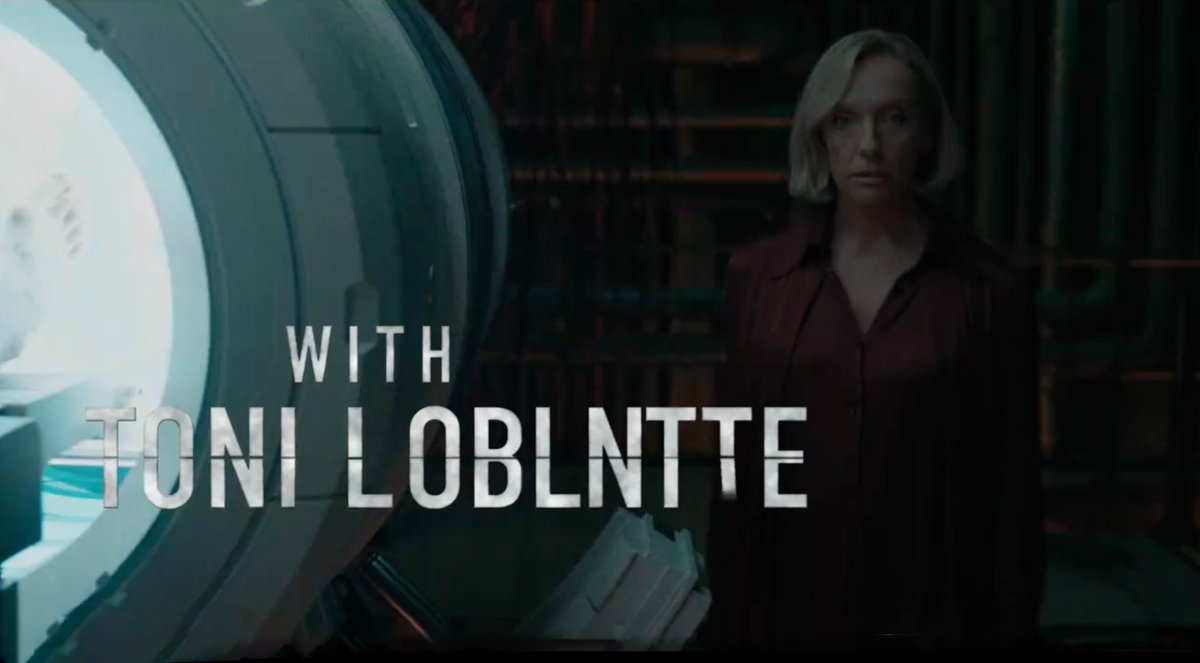


I need all of this in my eyeballs right now please
Mickey 17@Mickey17Movie
What's it feel like to die? From director Bong Joon Ho, comes Mickey 17 - only in theaters January 31, 2025. #Mickey17
English
Ed รีทวีตแล้ว

We back! And how!
Tickets and speakers announced soon.
Thurs 10th Oct.

English
Ed รีทวีตแล้ว
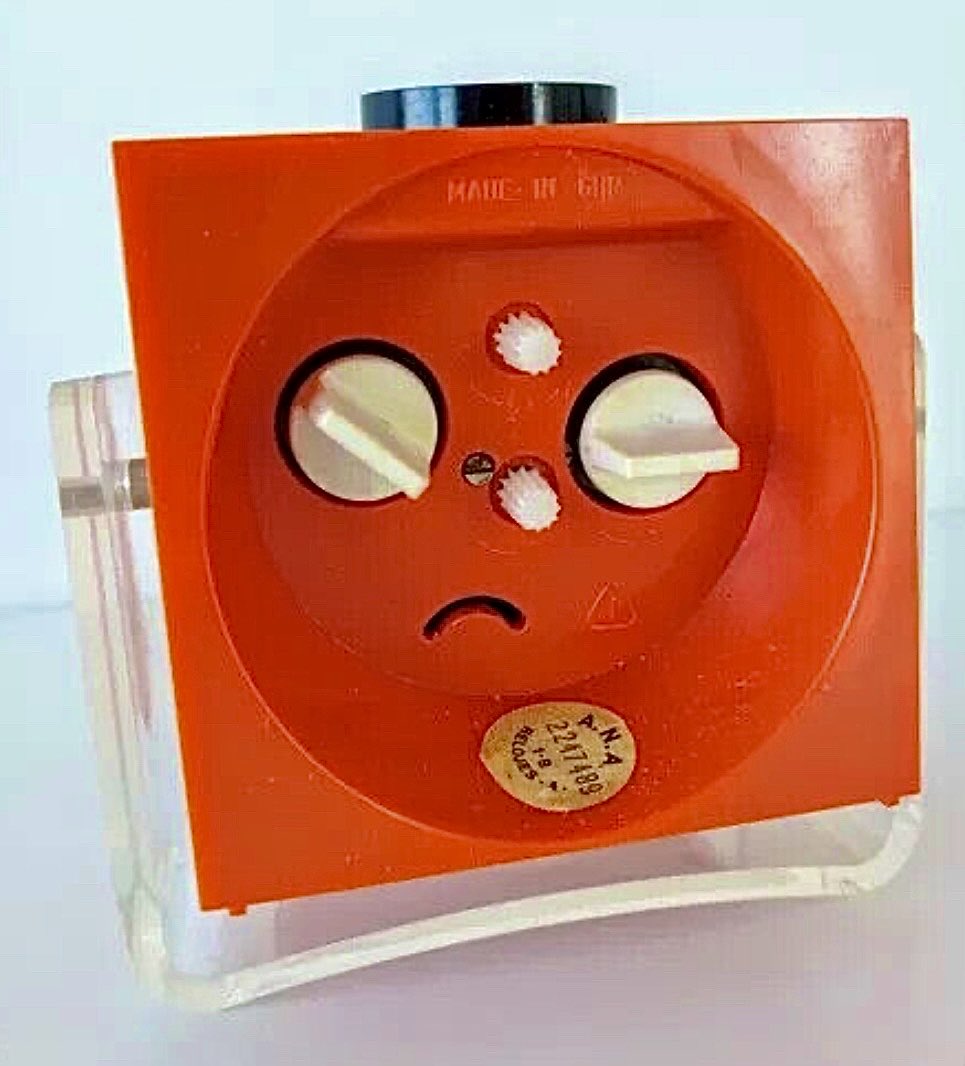
My new (old, antique, vintage) alarm clock apparently comes with deep-seated emotional issues. I did not realize this until it was in my house.
English
Ed รีทวีตแล้ว



Ed รีทวีตแล้ว

I will be leaving the country during what will be an embarrassingly insufferable period
Wayne@wayneleedsfan
The whole of the UK next Summer after seeing Oasis do 10 nights at Wembley and Manchester
English
Ed รีทวีตแล้ว


Ed รีทวีตแล้ว

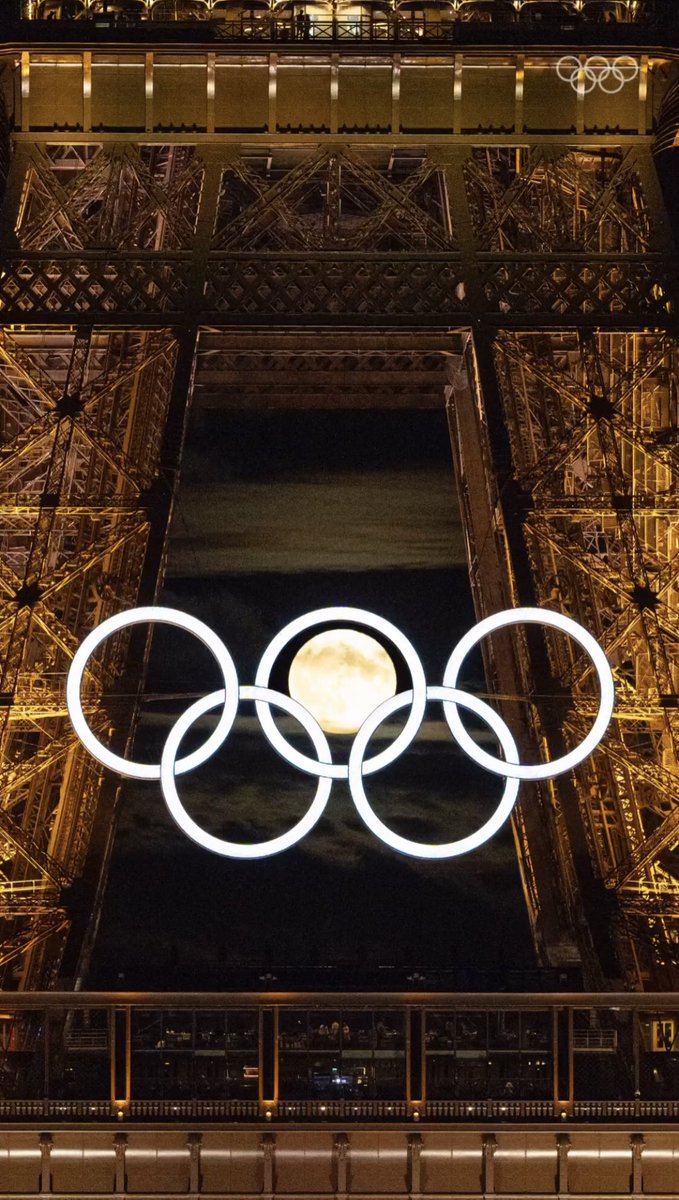
The moon appeared inside the Olympic rings on the Eiffel Tower, which is a violation of the Olympic brand guide 📷: @Olympics

English