
Dela Agbey
3.7K posts
Dela Agbey
@savekirk
Amor Fati | @itsgroovetime | Ex: @GrainHQ, @getpingpong , @safeboda (CTO)
เข้าร่วม Mayıs 2011
1.4K กำลังติดตาม895 ผู้ติดตาม

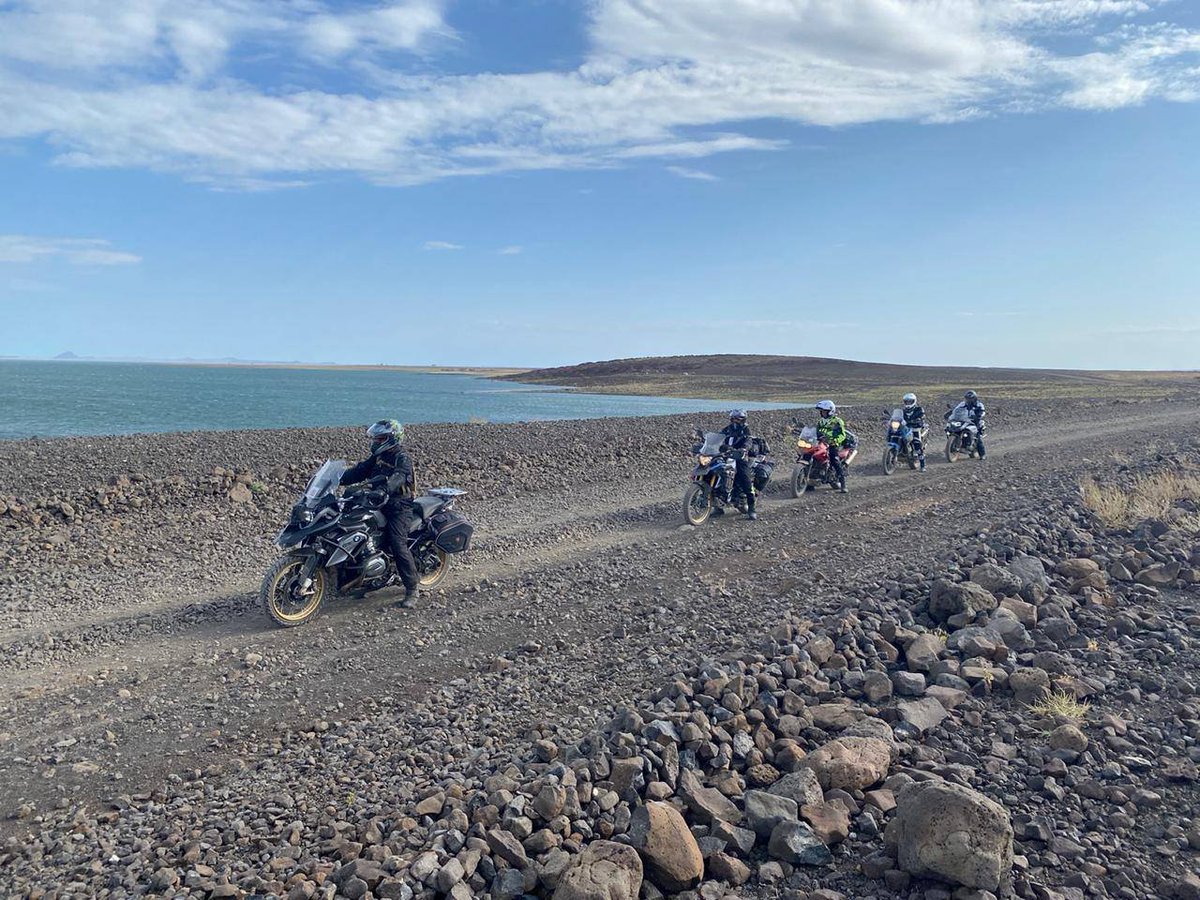
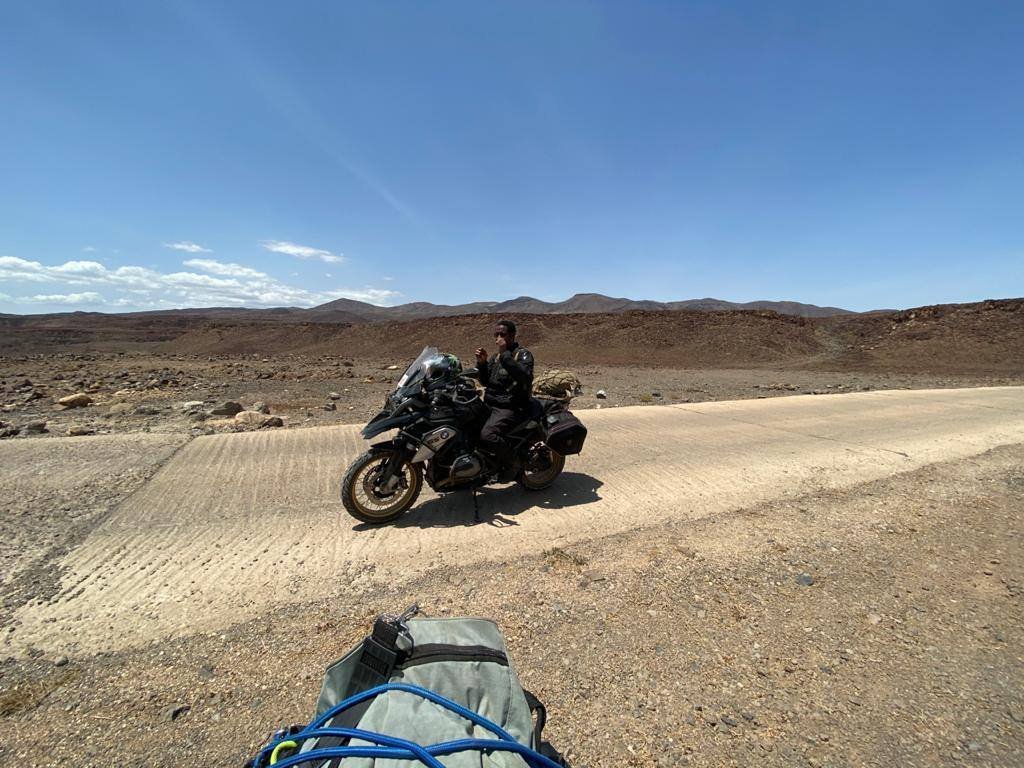
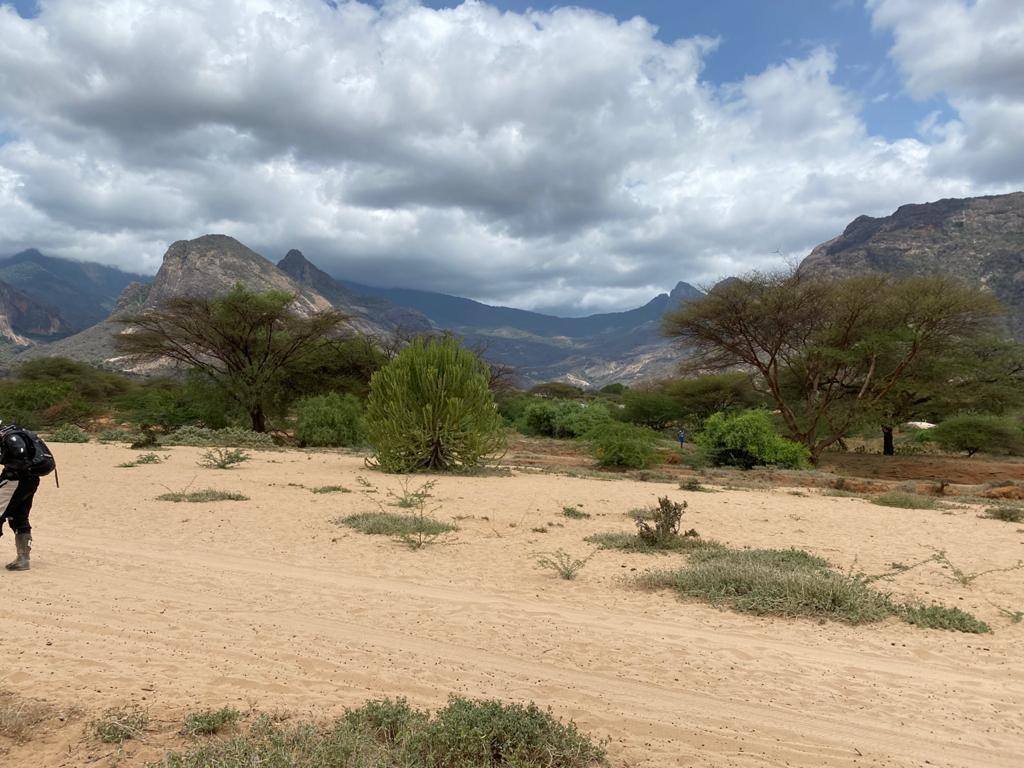
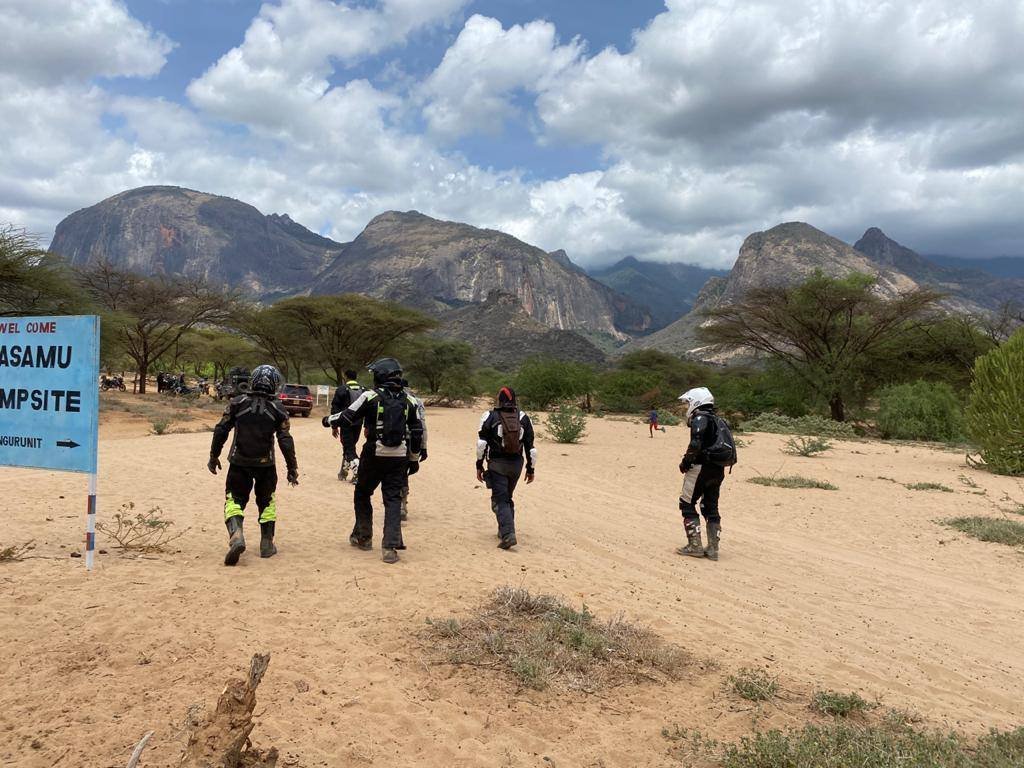
Northbound madness ... 1,400 km of sand, rocks and pure magic
Nine riders. Seven BMWs, one KTM, one Yamaha Tenere. One support Land Rover Defender stuffed with food, water, and more optimism than sense – and yes, the Landy failed to start, occasionally! On paper, it looked like a gentleman’s ride north. In reality, it became a battle of wills: man versus sand, machine versus rock, and everyone versus that cursed Suguta Valley wind.
Day 1: Tigoni – Nyahururu – Maralal (370 km)
Tigoni, 6:00 a.m. The fog was still hanging low as engines rumbled to life. Helmets nodding, handshakes all around, and a joking threat from Ibrahim Jaffer on the KTM 1290 Adventure R (and all its 160 horses):
“Wacheni mchezo. Leo nitawatoa jasho, wana BMW!”
The ride up through Flyover to Nyahururu was smooth: tar, light traffic, and the cold morning air that sneaks through your jacket and wakes you better than coffee.
By Rumuruti, the air had changed. Dry. Dusty. Acacia trees dotted the horizon, and the road turned into a pothole obstacle course. We topped up at a lonely fuel station that smelled of diesel and goat skins.
Past the tar, the world opened up: wide plains with scattered kopjes, dry riverbeds snaking like scars across the land. The 70 km of hard-packed gravel to Maralal felt like freedom, but at a cost. Just you, the hum of the bike, the dust, and the endless horizon.
We camp that night just outside Maralal, a little clearing with a few acacias and the quiet hum of crickets. Getting to this campsite was something else: the road was brutal, with massive gullies that swallowed bikes wholly! Someone opened a bottle of Coke, someone else pulled out biltong, and beneath the stars, as we chatted, we started to understand why the north keeps calling riders back.
Day 2: Maralal – Baragoi – South Horr (140 km)
Morning in Maralal smells of wood smoke and fresh chapati. By 8:00 a.m., we were rolling into the Suguta Marmar Valley.
The landscape shifted: the road narrowed and cratered badly. There was some tension. No one knew what the area held security-wise. You see, in 2012, one of the deadliest attacks on Kenyan police occurred when bandits ambushed a contingent of police and reservists pursuing cattle rustlers inside Suguta Valley. Estimates vary, but reports indicate around 42 officers were killed in a hail of bullets from surrounding ridges. The air grew heavy, and the silence deepened. I was particularly impressed to show freshwater crossing what counted for a “road” – meaning we had to do several river crossings! On either side, jagged ridges stood like sentinels, and thorn trees clawed at the edges of the track. The surface was treacherous: sand over loose gravel, with hidden ruts that yanked handlebars without warning.
At a rocky pass, we stopped to catch our breath. Mahmood, shaking dust from his helmet, muttered:
“Hii si barabara, ni laana.”
Then, as if the valley itself wanted to remind us it wasn’t all hardship, we stumbled on a gathering of locals boiling maize. Smoke curled into the blue sky, kids waved, and someone yelled,
“Karibuni! Njoo mkule mahindi!”
We didn’t need to be asked twice. Sitting under a lone acacia, chewing sweet maize, sweat drying on our backs: it was one of those moments that stitched the trip together.
Closer to Baragoi, we were met by a platoon of Special AP officers, rifles slung casually. I was surprised that we just tumbled into them. They were inside a well constructed, well fortified trench – which we couldn’t see, but they could easily see us. Raj, one of our team, had dropped his iPhone somewhere in the Suguta Valley, and Wasike, the most experienced of us, was sent to find it. He found it buried deep in the sand, and came back triumphantly with the rescued phone! We chatted with the Special Forces cops waved us on, and ended up giving us an escort to Baragoi, driving alongside as we swept past town. The road to South Horr was worse: loose sand, endless corrugations, and the oppressive silence of true wilderness.
The river at South Horr was our salvation. We camped at a Kenya Forest Service facility, right by the river. A few brave souls, led by yours truly, stripped down for a dip; the rest of the crew, bone tired, sat on the bank, boots off, feet in the cool water, watching the sun sink behind the Ndoto ranges. That night, we had a roaring dinner fiesta.
Day 3: South Horr – Loiyangalani (90 km)
Nothing prepared us for this stretch. Ninety kilometres of punishment, with the last 30 a special kind of hell.
The Lake Turkana Wind Power Station rises out of the emptiness like some alien city. Here we saw 360 turbines, perfectly lined, their blades slicing the sky. For a moment, we forgot the fatigue, standing in awe as the hot wind howled past. We had fuel anxiety – which were assuaged right there and then, for there was a filling station in the middle of nowhere!
Then the sand hit. Deep, loose, relentless. The wind screamed, trying to knock bikes off balance. Gears one and two only. Progress was measured in metres, not kilometres. Riders toppled. Tempers flared. At one point, I went down and passed out for five full minutes. I woke up to see myself inside the Land Rover! I had no recollection how I got in, but my buddies took turns to ride my BMW for about 20 km till I woke up from the reverie! More and more guys kept going down. Raj went down a record seven times! But slowly, painfully, we made it to Loiyangalani.
And then, there it was. The Jade Sea. Lake Turkana! The world’s largest desert lake, was formed over 4 million years agoby tectonic activity along the Great Rift Valley. The Turkana Basin is often called the “Cradle of Mankind” because it has yielded some of the world’s most important hominid fossils, including the famous Turkana Boy (Homo erectus) skeleton, about 1.6 million years old. For millennia, the lake has been central to the lives of the Turkana, Rendille, Dassanach, and El Molo communities, providing fish, water, and trade routes.
The mighty beautiful lake shimmered under the brutal sun, green and endless. We stripped, we swam, we floated in silence, letting the cool water erase the day’s agony. Ibrahim Jaffer broke the quiet with a grin:
“Wakuu, hii ndio therapy.” I wasn’t so sure. I could sense there were crocodiles in the lake, watching us as we happily frolicked. Lake Turkana is crocodile country. It’s home to one of the largest populations of Nile crocodiles (Crocodylus niloticus) in the world. You see, the lake teems with fish such as tilapia, Nile perch, and catfish, offering an endless buffet for our friends. Maybe that is why they didn't come us for us skinny blokes ...
Day 4: Loiyangalani – Ngurunit (170 km)
If Day 3 was punishment, Day 4 was a war. The 47 km climb back to the wind farm felt impossible: head down, clutch feathered, praying to stay upright. The sand deeper, the wind angrier.
Somewhere near Illaut, we stumbled upon the Singing Wells. As men, often young morans, form human chains to pass water up to the surface, they sing rhythmic, melodic chants. Each family or clan has its own unique song, passed down generations. You won’t believe this, but the animals recognize the songs of their owners and know when it’s their turn to drink! The chants also serve to keep morale high during the exhausting work of hauling heavy water, sometimes for hours.
We beheld the young morans leading cattle, their voices rising in rhythmic chants that echoed against the valley walls. We stopped, mesmerised. Someone whispered,
“Hii ndio Kenya hatuoni Nairobi.”
We chipped in some money to support an upcoming ceremony, shook hands with elders, and rode on, quieter than before.
The afternoon brought a gift: a hike up into the Ndoto Mountains, where a cold river tumbled through a hidden gorge. We stripped off our gear and, absolutely naked, just men (all), dove in, laughing like kids. This was the highlight of the day, to me!
Day 5: Ngurunit – Archers Post (230 km)
The Milgis Lagga doesn’t forgive. Deep ruts, treacherous sand, and rocks that could eat a rim in a single bite. A vast ribbon of fine, deep sand that swallows tyres and turns vehicles into digging machines. The “road” often disappears, forcing us to improvise paths along the banks. Acacia and doum palms line parts of the riverbed, while towering escarpments and rocky kopjes rise in the distance.
Camels stared as we wrestled bikes through riverbeds and rocky climbs. They must have been LOL at us, haha!
By the time we reached Archers Post, tyres were worn thin, hands blistered, but spirits high. I had lost 20% of my new tyres thread by that time. That night by the Ewaso Ng’iro, with a fire crackling and the sound of water rushing nearby, we chatted loudly, happy that we had conquered the mysterious north without a problem.
Day 6: Archers Post – Nairobi (310 km)
The ride home was almost meditative. Timau for lunch, Nanyuki for the obligatory equator photos, and then the familiar hum of tarmac guiding us back to the city.
Reflections. Northern Kenya is humbling. It strips you down, tests your grit, and then rewards you with moments of beauty so pure they’re impossible to describe. As we parked the bikes in Nairobi, someone, Wasike it was, said quietly:
“Safari kama hii, huwezi eleza mtu. Lazima aende ajionee.”
And he was right.
English
@rex_maina @AbdiZeila Bar reliability issues, no way Tenere rules off-road when KTM 790/890R exist!
English

Honda Africa Twin 🏍️🔥
A bulletproof engine, tall suspension, 21' on the front, a good balanced engine power and torque, you get the a beast. With the recent DCT technology (auto), long distance travel becomes easy.
Not a king of any world but a master of both, Tenere rules the off road, Bmw rules on Tarmac but AT does both very well unlike the two. And the roar is something you carry with your heart wherever you go 😊
Review coming soon.

English


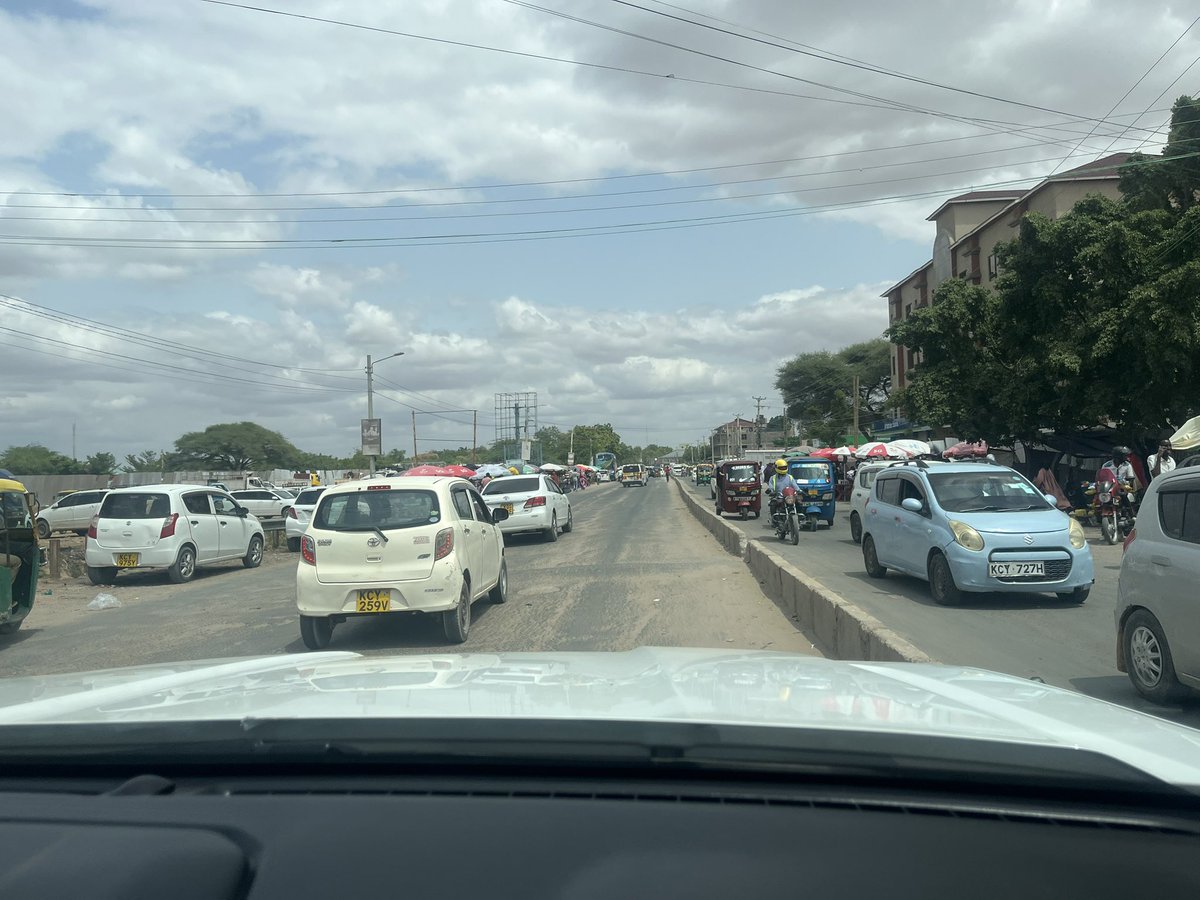
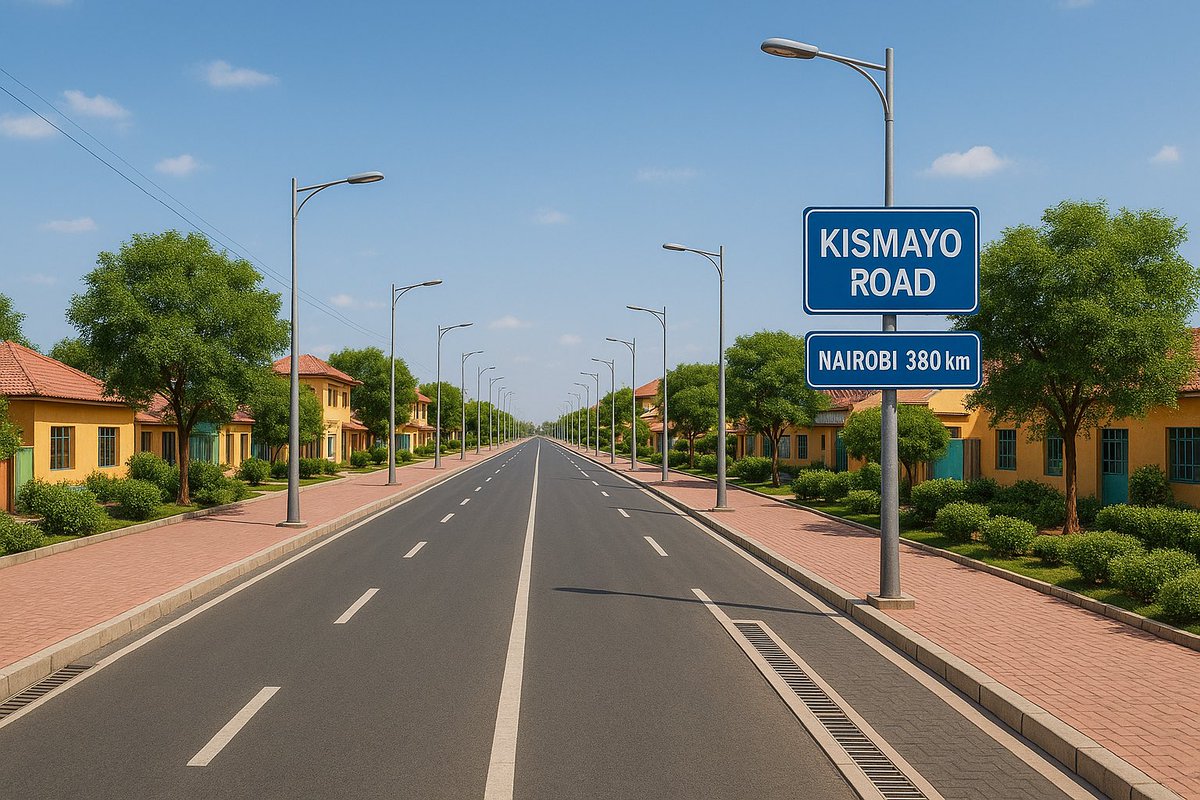
The government is “expanding” the main road in Garissa (they’re using masonry bricks to build jersey barriers 😂). What they have achieved vis-à-vis what could have been.
English
@Odeon256 One of the reasons we end up with stupid regulations is because it doesn’t apply to the ones who come up with them.
English
Time to go back to driving school to learn how to drive at 30KPH with an open road in front of you. If you drive a newish diesel car, call up your mechanic to prepare for DPF issues. If you sold and didn’t transfer a car, prepare to pay their bills. Or just let it get impounded.
Kampala, Uganda 🇺🇬 English
Dela Agbey รีทวีตแล้ว
Riding West Africa: A Motorcycle Journey Through Ghana and Burkina Faso
Prologue: The road beckons
There is a distinct kind of madness that drives one to fly across a continent to a foreign city, buy a cheap, unfamiliar motorcycle off the street, and ride thousands of kilometres across borders with little more than a backpack, some documents, and blind courage. But in that madness lies a freedom few ever taste. For me, the call of the road came from West Africa.
The plan was as reckless as it was exhilarating: fly from Nairobi to Accra, purchase a locally popular motorcycle, and ride solo across Ghana into Burkina Faso. My final destination? Ouagadougou, the capital of a country burdened with insecurity and heat, but bursting with life, history, and mystery.
Chapter 1: Buying a bike in Accra
Accra hits you like a thunderclap—humid, noisy, pulsing with movement. Stepping off the Ethiopian Airlines flight, I was already sweating through my shirt. The taxi ride to town was a blur of tro-tros, honking horns, and flashing colour. Accra isn’t just a city—it’s a living, breathing organism.
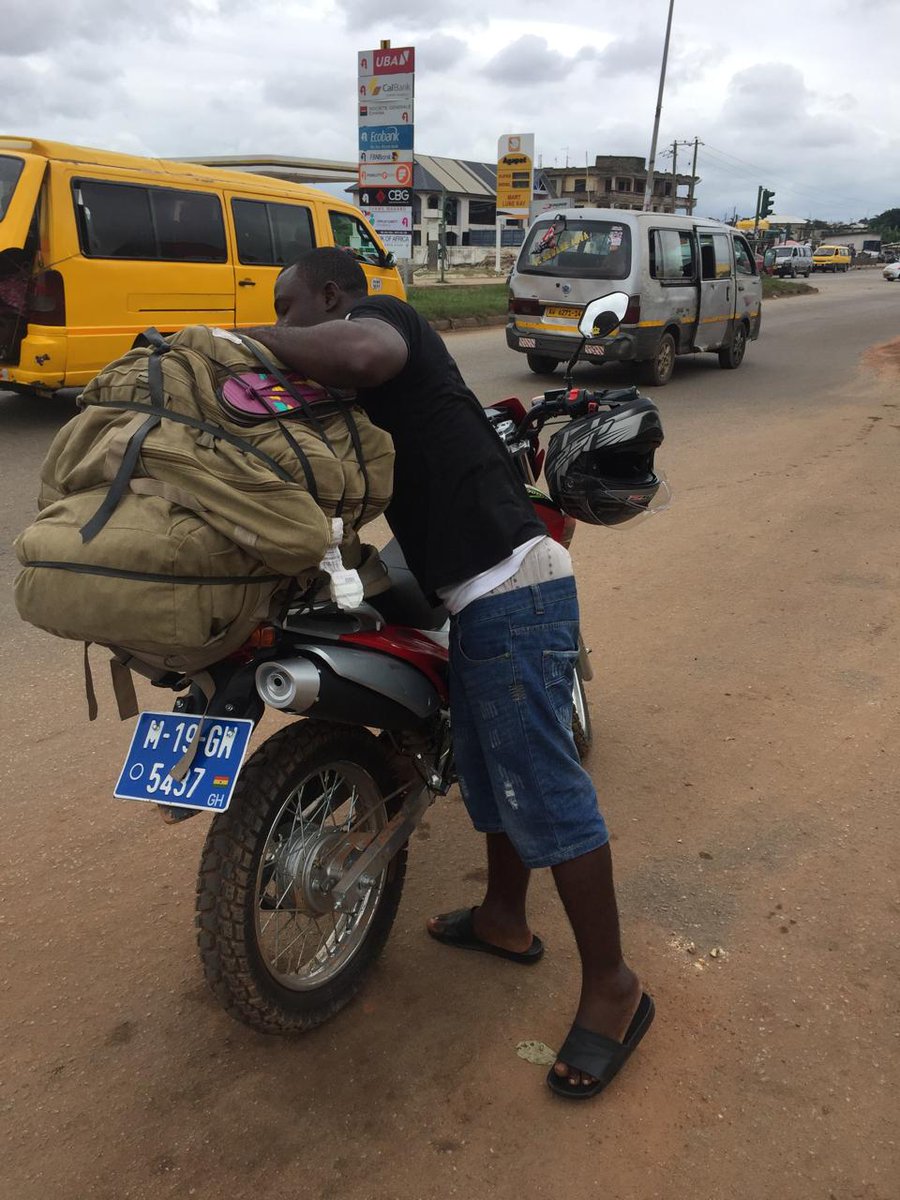
My first mission was to find a motorbike. Not a high-performance adventure machine like my Honda Africa Twin back in East Africa, but a modest, reliable workhorse. The kind okada riders swear by. I was directed to a place known locally as “Carprice”—a cluster of car and motorbike shops in an open-air lot.
There, I found it: a Chinese-made “Royal” 200cc, towering with a high seat and spindly tyres, but sturdy. The seller, a wiry man in a Liverpool jersey, assured me this was the "King of the Road" in Ghana. He wasn’t wrong. In Accra, these bikes are everywhere. The price? 4,750 Ghana cedis—around KSh 86,000. I paid in cash, signed a crumpled logbook, and just like that, I was a motorcycle owner in Ghana.
As I loaded my bags onto the bike, I met Osman—a lean, sharp-eyed money changer. He told me he was Fulani, originally from Niger. We exchanged greetings, and he said, with a smile tinged with warning, “We Fulani are like your Somalis—people say we are trouble.” I laughed, recognizing a shared regional reputation. Osman gave me his number and offered to buy the bike when I finished my trip.
I rode through the swirling chaos of Accra’s traffic to my hotel. The security guard saw the bike and gestured discreetly: “Don’t park at the front. It will disappear.” I found a hidden corner at the back of the hotel compound, locked the bike, and felt a surge of joy. The adventure had begun.
Chapter 2: Baptism by Fufu
That evening, to celebrate my purchase, I rode to Osu, the heart of Accra’s nightlife. I pulled into the famed Buka Café, a Ghanaian culinary institution that had once won accolades as West Africa’s best restaurant. A waitress named Adelaide guided me to a shaded table.
I ordered fufu, tilapia, and light soup. When the plate arrived, I was stunned. It was a mountain of food—enough to feed a small village. I stared at it like an exam I hadn’t revised for. Adelaide laughed at my hesitation. “You’re not going to finish it, are you?”
“No,” I said honestly. “I’m built for endurance, not consumption.” Still, I did my best. The fufu was sticky and warm, the soup peppery and tangy, the fish expertly grilled. This was Ghana on a plate.
Chapter 3: The road to Kumasi
I left Accra early—6:00 a.m.—hoping to beat traffic. I failed. Accra wakes up early, and the highway north was already buzzing. The road toward Kumasi is a split carriageway for the first 40 km, smooth and deceptively inviting. Then it disintegrates—rutted tarmac, aggressive overtaking, and a sea of honking vehicles.
At 85 km/h, the Royal was doing its best. But every time I had to veer onto the shoulder to let a car pass, rejoining the main lane triggered a terrifying wobble—an unstable dance of tyres and cheap suspension. I tightened my grip and whispered prayers.
At two police stops in Ashanti region, the officers were curious rather than hostile. Once they saw I was Kenyan, they broke into smiles. “You people run fast!” they joked. “Are you training for a marathon?” I told them I’d consider it after my ride.
But one barrier nearly derailed my mood. I had absentmindedly passed a police checkpoint without stopping. When I realized the mistake, I circled back. The officer was furious, trembling with rage. I removed my helmet slowly, keeping my voice calm. He flipped through a faded booklet titled “Offences” and jabbed at the relevant rule. I nodded, admitted fault, and thanked him for educating me. He stared, unsure whether to be offended or amused. Eventually, they let me go.
Chapter 4: Kumasi and the Ashanti Crown
Kumasi is a cauldron of humanity. I was shocked by the amount of traffic getting into the city! The congestion is mind-bending—hundreds of tro-tros clogging every lane, pedestrians weaving through traffic like dancers in a choreographed performance. But beyond the chaos lies deep history.
I spent Sunday at the Manhyia Palace, spiritual seat of the Ashanti Kingdom. The museum is a treasure trove—muskets from the 1600s, royal regalia, bronze drums, embroidered kente cloths, and thrones passed down over centuries. This was not a forgotten culture. It was alive, proud, dignified.
I visited the Kwame Nkrumah University of Science and Technology, strolled through markets, and sampled more local dishes—yam with kontomire stew, banku with grilled fish. Everything was spiced - the food is so different from our bland Njeri-(un)spiced East African dishes! Even the air seemed seasoned. I estimated that perhaps even the drinking water had pepper! Okay, you get the point ...
Chapter 5: Northward to Tamale
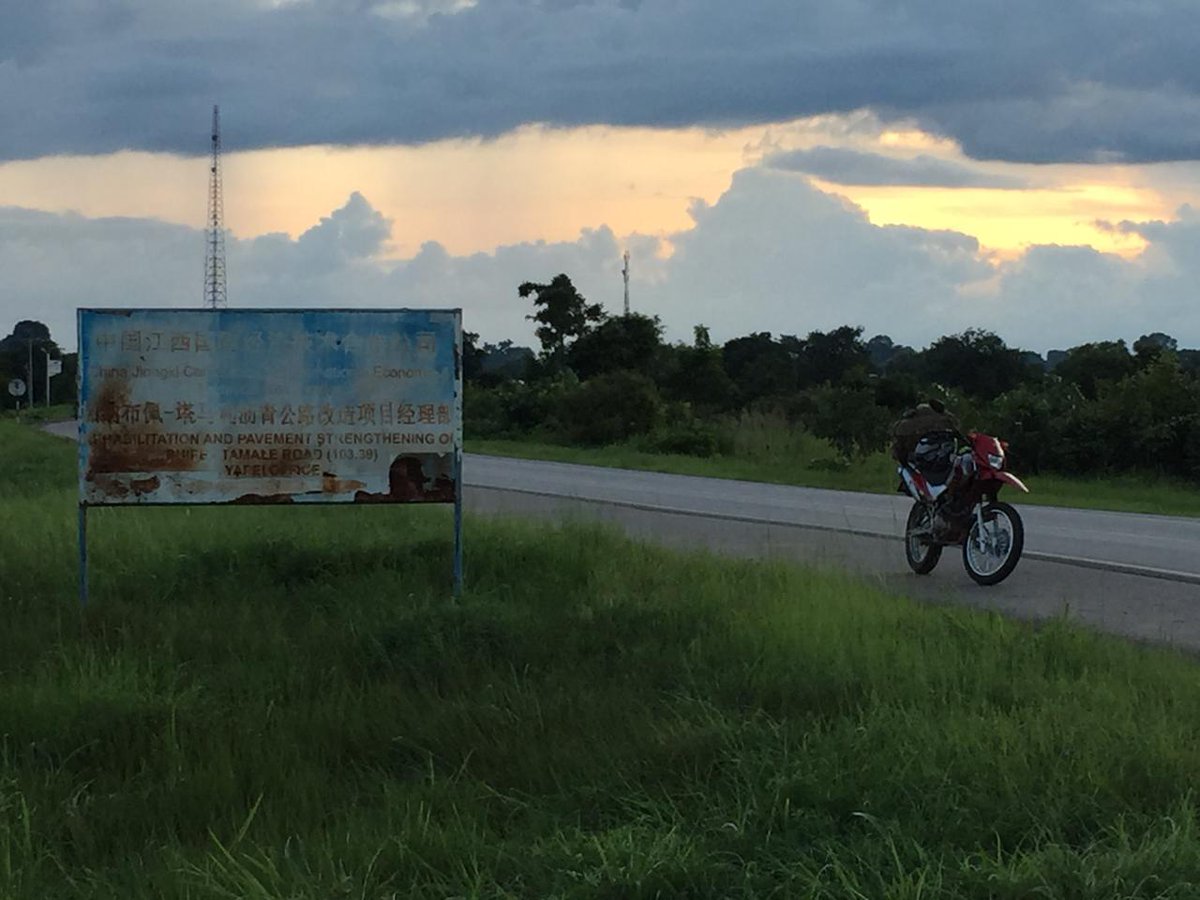
The road from Kumasi to Tamale was 380 km of contrasts. The first half was a pothole graveyard—craters large enough to swallow a motorbike whole. But after Techiman, the land changed. Lush fields rolled out on either side. I stopped at a roadside diner, where I devoured fried yam and grilled catfish with a cold Coke.
Tamale greeted me like a long-lost brother. A biker’s city, filled with scooters, motorcycles, and mopeds. Women in colourful wraps rode confidently, children in tow. Elders rode scooters with stately grace. It was the most motorcycle-friendly city I’d seen in Africa.
I stayed at a Catholic guesthouse and met a young Ghanaian rider who helped me understand my machine better—how to check the oil, tighten bolts, and adjust idle speeds. His insights saved me more than once.
Chapter 6: Entering Burkina Faso
On Wednesday, I rolled north toward the Paga border. The heat was oppressive, and I nearly ran out of fuel. Miraculously, my bike died just ten metres from a roadside station. I laughed aloud and pushed it in.
The road to Paga was heavily policed. Checkpoints every 10–15 km, some with steel barriers stretching across the road. I was waved through without incident, perhaps seen as a harmless anomaly—a Kenyan on a Chinese bike.
Exiting Ghana took time. The immigration officers studied my passport with exaggerated seriousness. But once stamped out, I entered Burkina Faso—and the drama began.
At the Dakola post, I was sent in search of a “laissez-passer” document. I circled in the heat for nearly an hour before finding the right office. Gendarmes surrounded me, guns raised. “Who are you?” their eyes asked. I removed my helmet, showed my documents, tried to smile.
They searched my bags thoroughly. The lead officer stared at me with suspicion—I looked, to them, like a terrorist. I understood. Burkina Faso has been plagued by attacks from Fulani and Tuareg insurgents. And here I was—Somali-looking, foreign, on a bike. Wrong place, wrong time.
After a long silence, they relented. I rode away, heart pounding, clothes drenched in sweat.
Chapter 7: Arrival in Ouagadougou
The final stretch was magical. The road from Dakola to Ouaga was smooth, flanked by trees and grazing animals. I feared elephants might appear suddenly, but none did. I followed an old Mercedes W124, probably a shared taxi, using it as my vanguard through goat-strewn roads.
At 8:30 p.m., I entered Ouagadougou. The city sparkled. Streetlights bathed the roads in gold. Motos buzzed everywhere. Adama Ouedraogo, a local rider and my contact, met me on the outskirts and led me to my hotel.
Rain poured as I parked, soaking my gear and bags. But I didn’t care. I had made it.
Epilogue: What I learned on the road
This journey was never about speed or distance. It was about the ride. About the kindness of strangers, the absurdity of border crossings, the joy of unfamiliar meals, and the poetry of asphalt stretching into the unknown.
I left with these lessons:
West African drivers—despite the chaos—respect traffic signals more than in Nairobi.
Cities like Ouaga and Tamale have built infrastructure for bikers. Nairobi has not.
Motorcycle culture here is egalitarian. Women, children, elders—they all ride.
Being foreign is both a blessing and a burden: it invites curiosity, but sometimes suspicion.
And so, I close this chapter. But not the journey. Togo, Benin, Mali—they still call. And I will answer.

English
Dela Agbey รีทวีตแล้ว
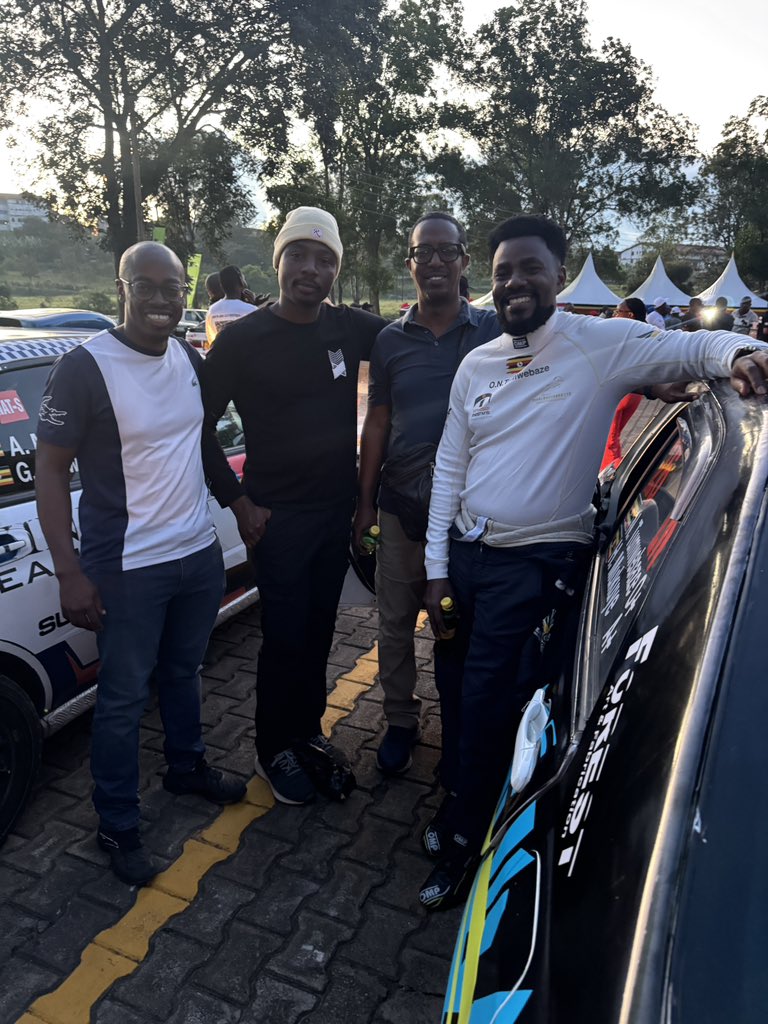
@Davisthedoc @AbdiZeila @savekirk mad love, respect and appreciation to you my brothers for riding thousands of Kms to come watch and celebrate my passion with me. #POARally2025 I hope you enjoyed it all.
English
Dela Agbey รีทวีตแล้ว
Throttling through 710 kilometers of switchbacks and serpentine roads. Murakoze neza 🇷🇼
English
Dela Agbey รีทวีตแล้ว
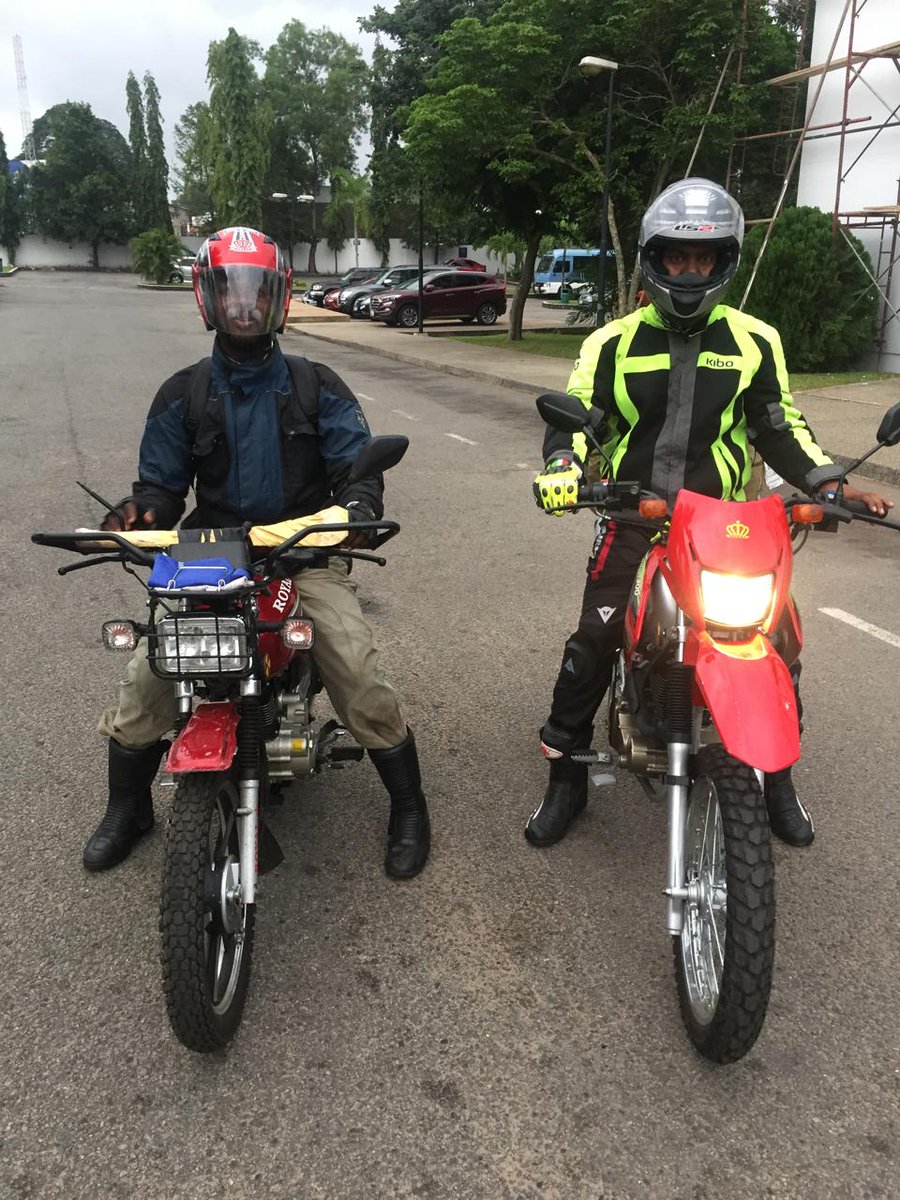
Glad to meet the two wheel adventure giant @AbdiZeila along with comrades Dela & Davis. Thx for the encouragement to @FreeBikersUg We hope to meet again very soon in the Turkana region.


FreeBikersUganda@FreeBikersUg
🚀 Adventure Awaits in the Virungas! Join us as we conquer volcanic trails, embrace the wild beauty, and race in the legendary Virunga Gorilla Marathon. @v_rungamarathon But that’s not all Are you🌋 Ready to ride beyond limits?@dr_sasiimwe A groundbreaking program is brewing.
English
@AbdiZeila @KeNHAKenya With proper signage to let you know if one is coming up!!
English
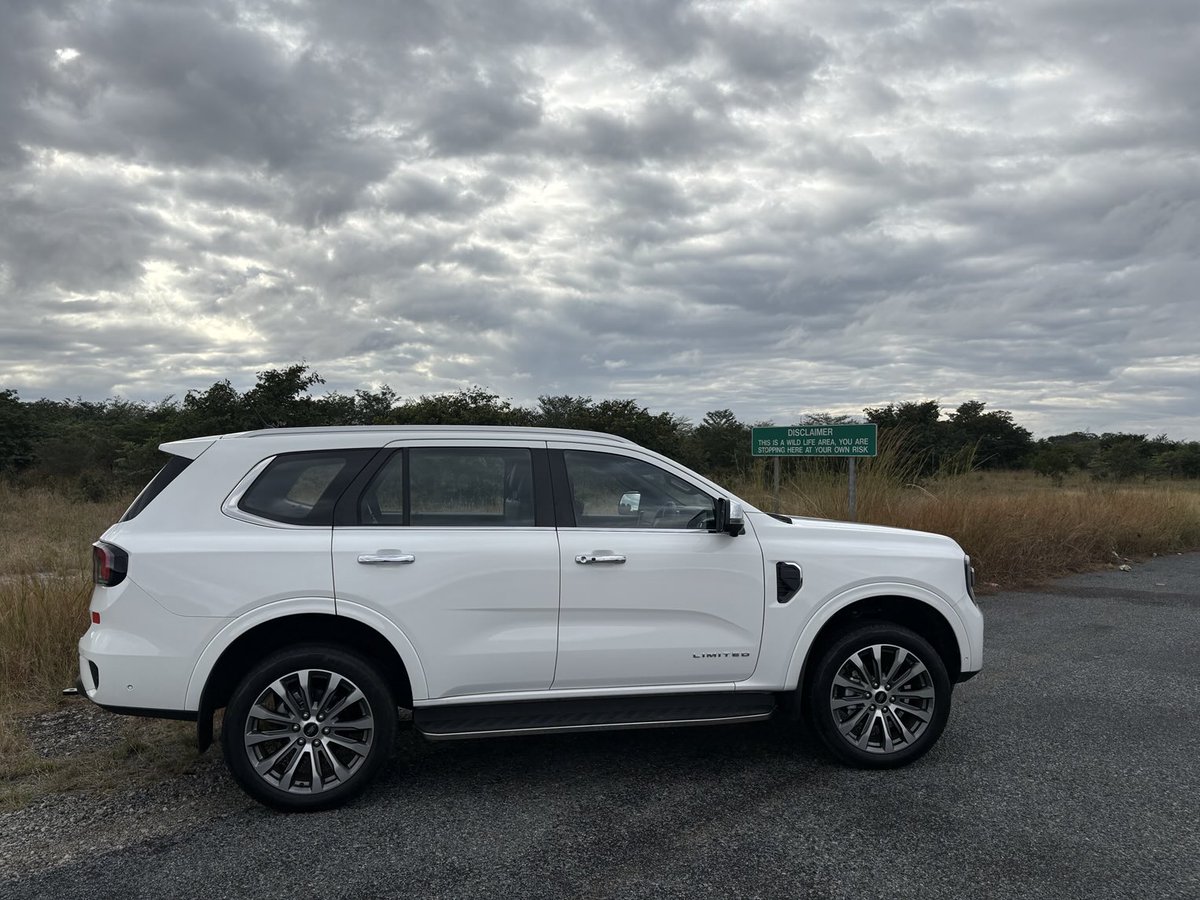
Plenty of rest stops on the highways of Botswana, complete with benches and rubbish bins. I don’t think I have seen even a single one like this on Mombasa-Nairobi highway. @KeNHAKenya, what do you think?
English
Dela Agbey รีทวีตแล้ว
Gustav Häkansson, nicknamed "Stilfarfar" ("Steel Grandpa"), was a Swedish cyclist who became a legend for his grit and stamina in his 70s. In 1951, at 66, he was denied entry to the Sverige-loppet, a tough 1,000-mile bike race from Haparanda to Ystad, because he was over the 40-year age limit. Unfazed, he rode the race anyway on his old bike, sporting a homemade bib with a red zero. Starting a minute after the last official rider, he biked without support, sometimes going three days without sleep. He finished first in 6 days, 14 hours, and 20 minutes—24 hours ahead of the official racers. Häkansson lived to 101, passing away in 1987.

English
Unbelievable cc @savekirk
Historic Vids@historyinmemes
Gustav Häkansson, nicknamed "Stilfarfar" ("Steel Grandpa"), was a Swedish cyclist who became a legend for his grit and stamina in his 70s. In 1951, at 66, he was denied entry to the Sverige-loppet, a tough 1,000-mile bike race from Haparanda to Ystad, because he was over the 40-year age limit. Unfazed, he rode the race anyway on his old bike, sporting a homemade bib with a red zero. Starting a minute after the last official rider, he biked without support, sometimes going three days without sleep. He finished first in 6 days, 14 hours, and 20 minutes—24 hours ahead of the official racers. Häkansson lived to 101, passing away in 1987.
English
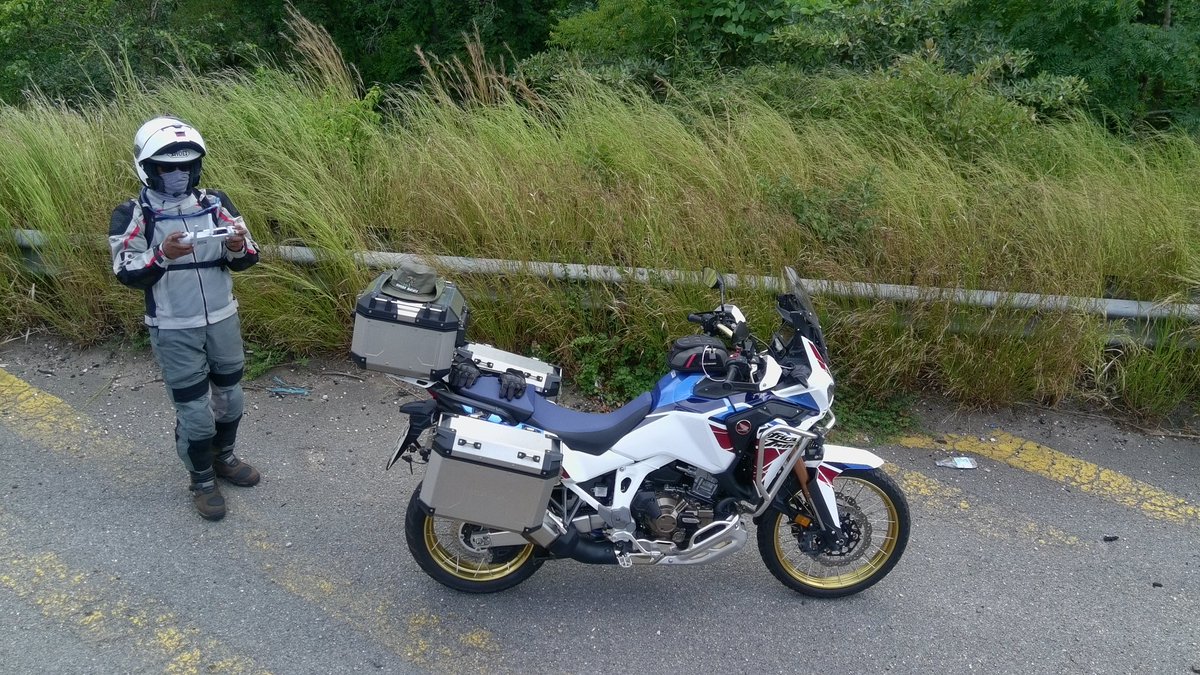
Something whispered to me: Harare is just here, rush there for Friday prayers and you’ll be back before sunset. Let’s go!
English

Good to see back on the road @savekirk
See you two soon.
Africa on Two Wheels@AbdiZeila
Just 2,400-km … and Nairobi! @savekirk
English
Dela Agbey รีทวีตแล้ว
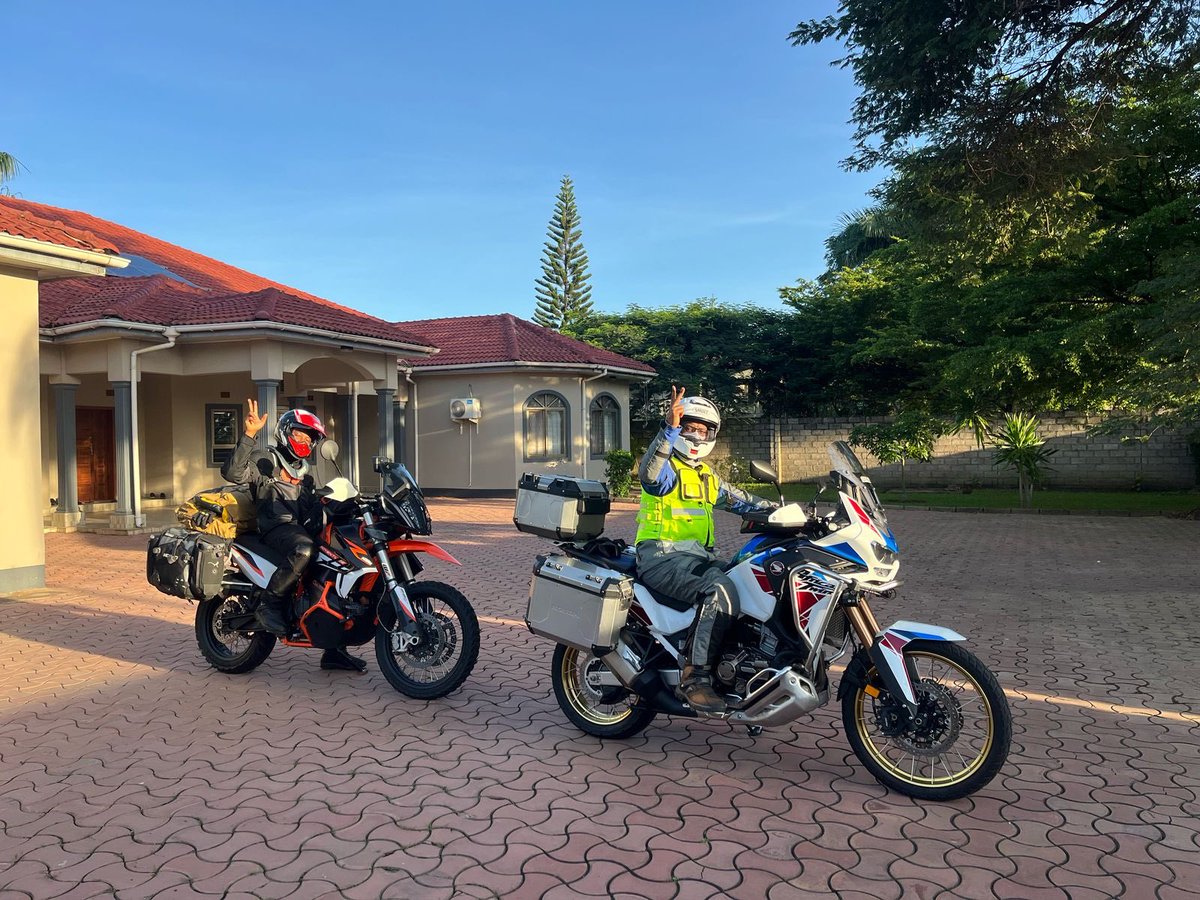
Curse of knowledge. Jumping on a big cc bike as beginner is like learning to tame a Toruk and not many people have the ability to become Toruk Makto! Crawl before you walk.
Kigonyi Wa Nduthi 🏍@rex_maina
Before you buy that small cc bike,jiulize,"what's the opportunity cost?" ... You buy a new bike 350k, a bike that can't keep up with highway speeds, yet with the same figure you can get a slightly used bike that ticks all the boxes. Make your decisions wisely!!!
English
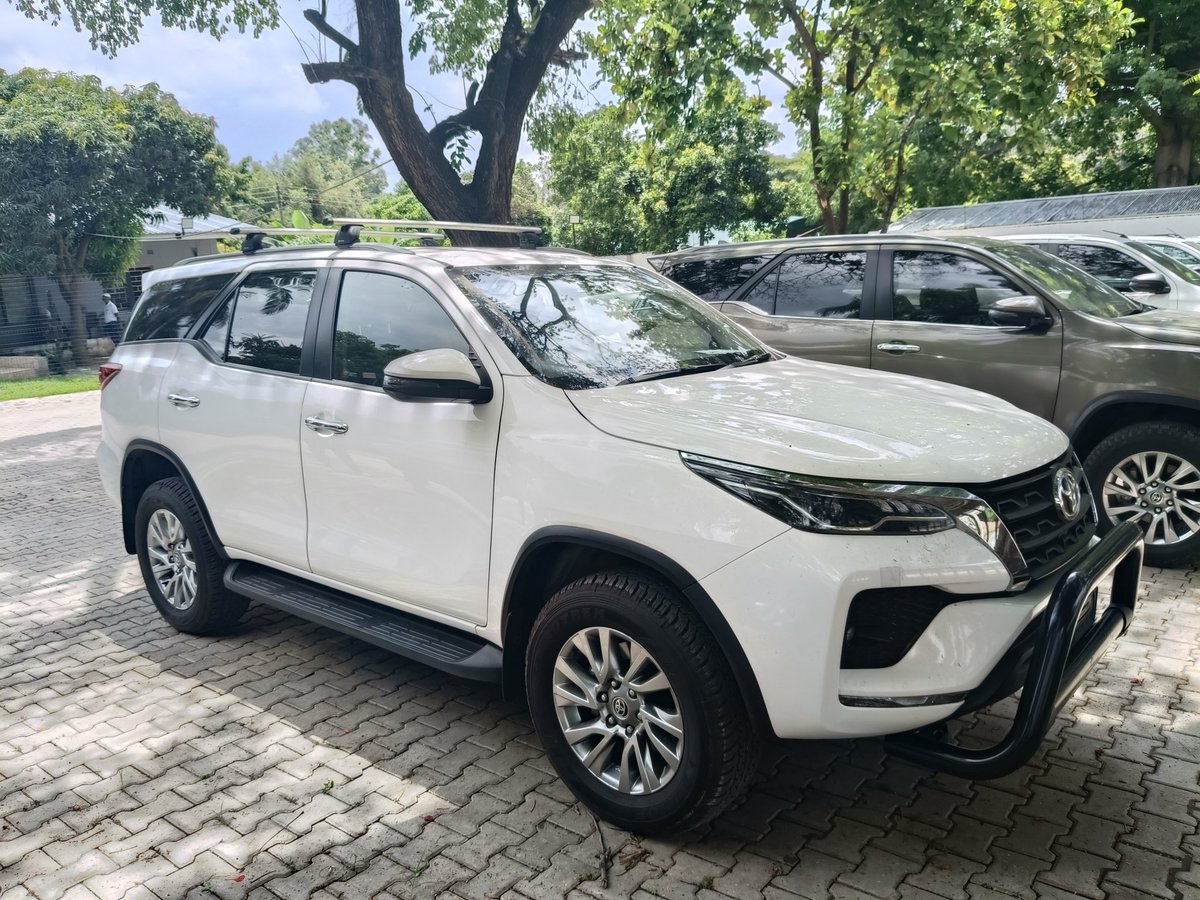
Done. Diesel 2.8 GD6, 500 Nm, 206 HP.
CHOBOS™@SangKip4
Instead of getting yourself a land cruiser Prado TX get yourself a Toyota Fortuner. You will love it value for money
Indonesia
Dela Agbey รีทวีตแล้ว

@KiddBubu I have an assignment I give out with a deadline. The serious ones will come back with a result. I don’t even bother with life lessons because if you don’t take whatever you do currently serious I doubt you’ll take tech serious.
English
People often come to me saying, they want to transition to tech and are ready to put in the work. How should they do it. This is the playbook i often give them.
English
@edemkumodzi @MercedesAMGF1 Same! My remark after reading the news is, ooh this is the thing on Merc car.
English