Florian Engels รีทวีตแล้ว
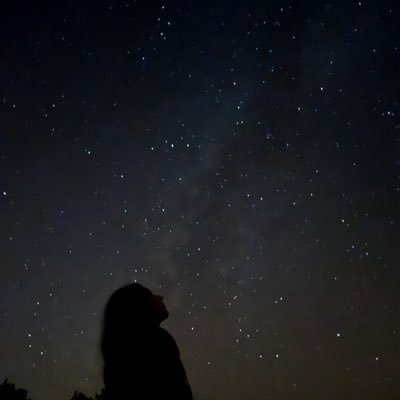
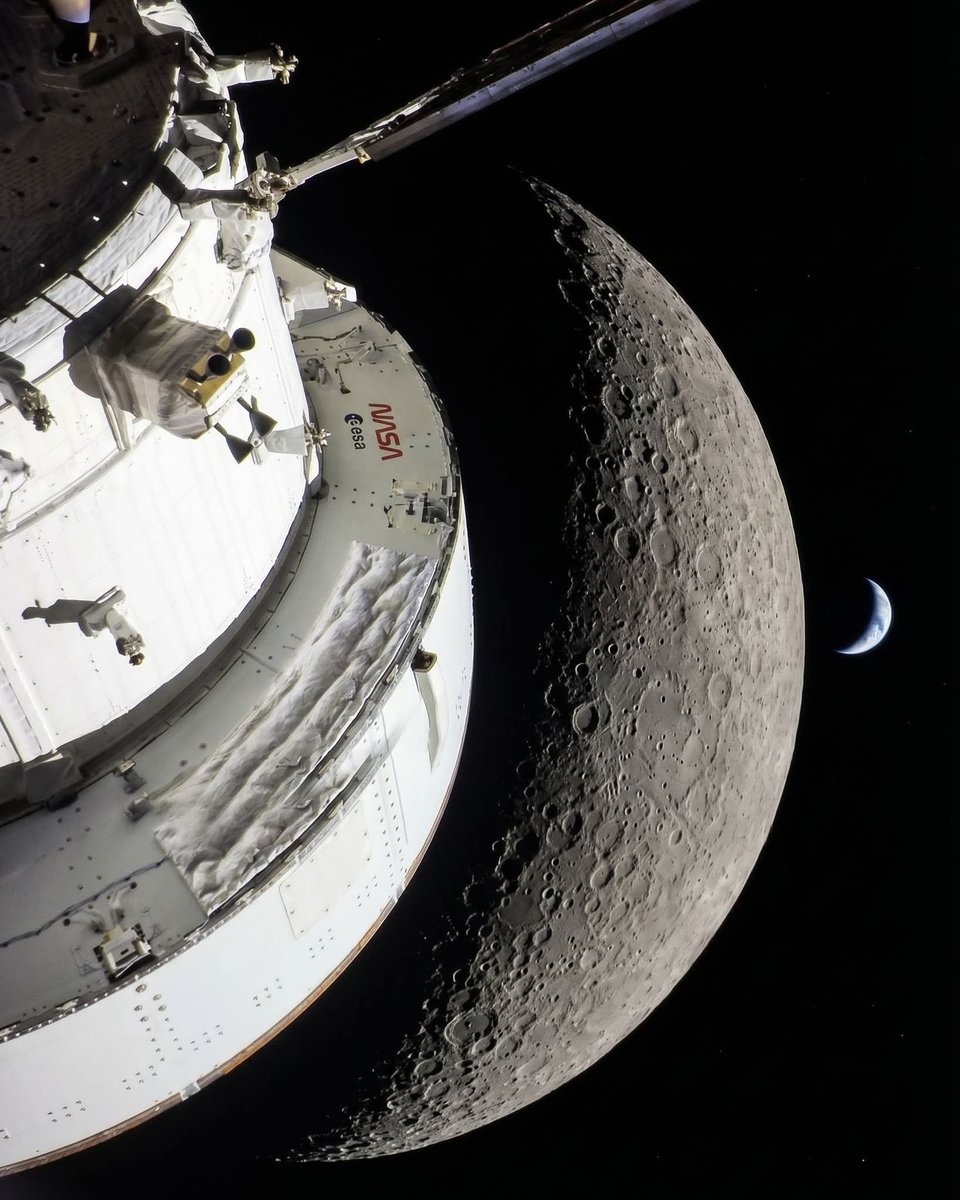
HOLY SHIT!!!! CHRISTINA KOCH CAUGHT EARTHSHINE ON VIDEO DURING ARTEMIS II AND ITS STUNNING!!!!! LOOK AT OUR PLANETA
English
Florian Engels
1.3K posts


@StarryFlo
Projekte leiten, die die Sterne berühren 🌟🚀



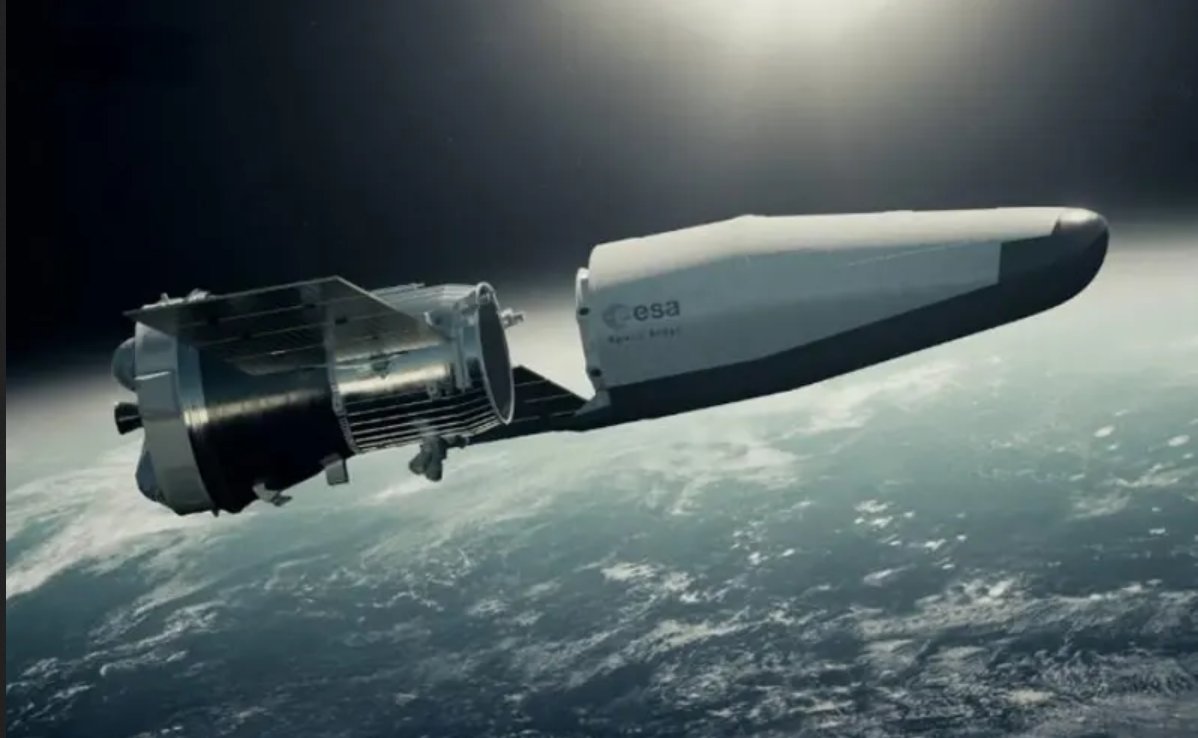
This full-size test model, roughly the size of a mini-van, will be dropped from a helicopter at 3 km altitude and glide to a landing to reenact the final approach from orbit. @Thales_Alenia_S Italy is the industrial lead for the tests and Co-Prime together with @Avio_Group for the Space Rider Programme. esa.int/Enabling_Suppo…
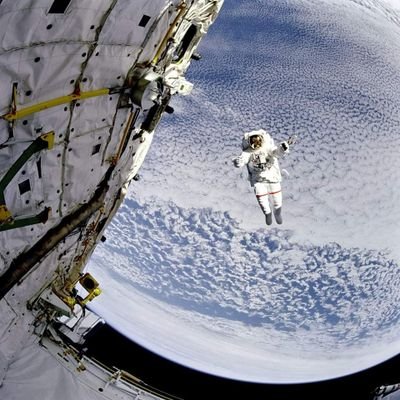
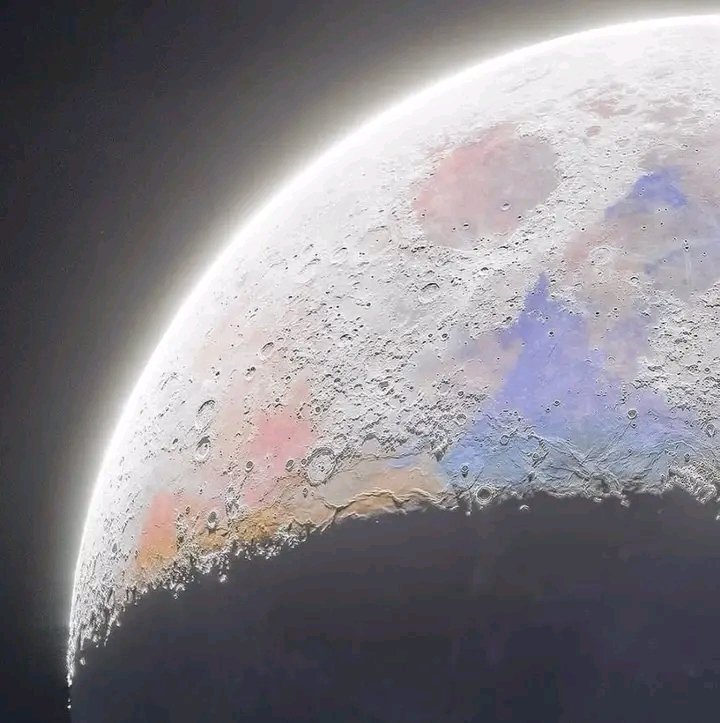


Happy Earth Day! 🌎 🌍 🌏 To mark this special day, we’re tuning in to @sen, the world’s first continuous 4K video livestream from space. Sen’s cameras are hosted on our Columbus module of the International @Space_Station, with data delivered via the @AirbusSpace platform. Streaming in real time, it shows breathtaking views of our planet as the International Space Station passes over cities, oceans and deserts. Watch Earth from above, just like our astronaut @SophieAdenot does on the #εpsilon mission. 📹 Sen
Help us hunt for signs of spacetime warping! 🔎 Join Euclid Space Warps on Zooniverse and search for strong gravitational lenses in never-before-seen images from our Dark Universe detective 🕵️ 👉esa.int/Science_Explor… #CitizenScience



Only one chance in this lifetime… Like watching sunset at the beach from the most foreign seat in the cosmos, I couldn’t resist a cell phone video of Earthset. You can hear the shutter on the Nikon as @Astro_Christina is hammering away on 3-shot brackets and capturing those exceptional Earthset photos through the 400mm lens. @AstroVicGlover was in window 3 watching with @Astro_Jeremy next to him. I could barely see the Moon through the docking hatch window but the iPhone was the perfect size to catch the view…this is uncropped, uncut with 8x zoom which is quite comparable to the view of the human eye. Enjoy.





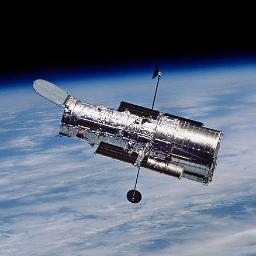
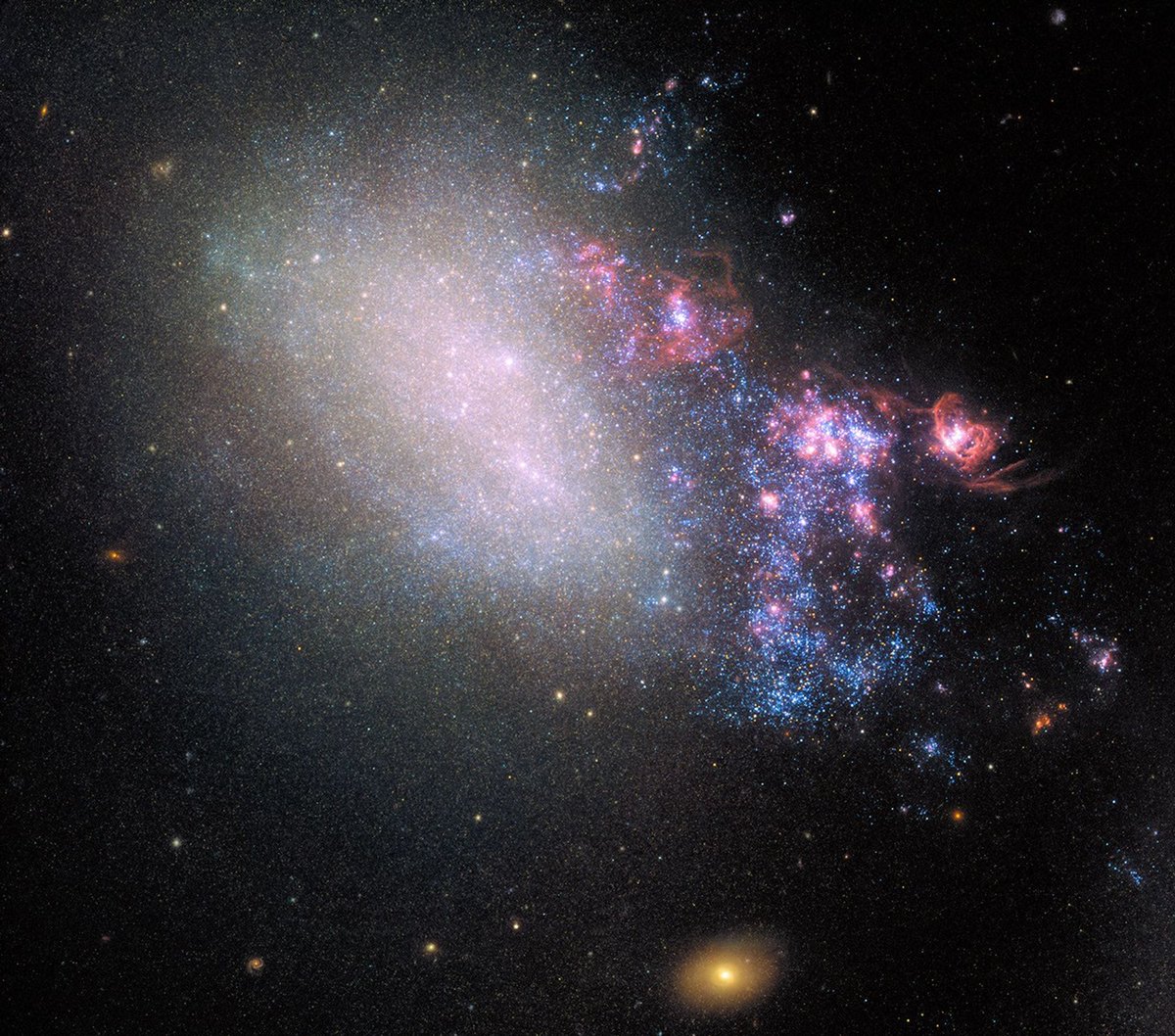
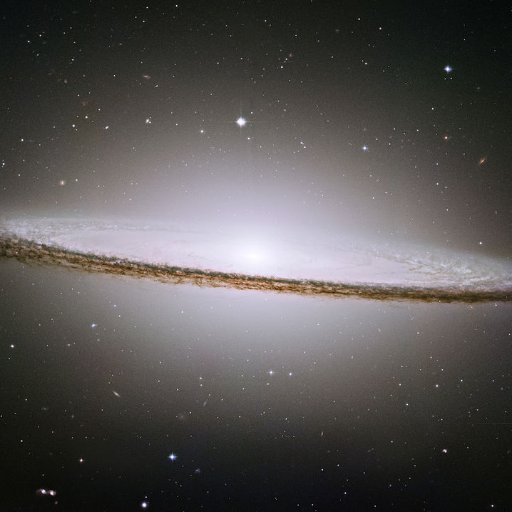
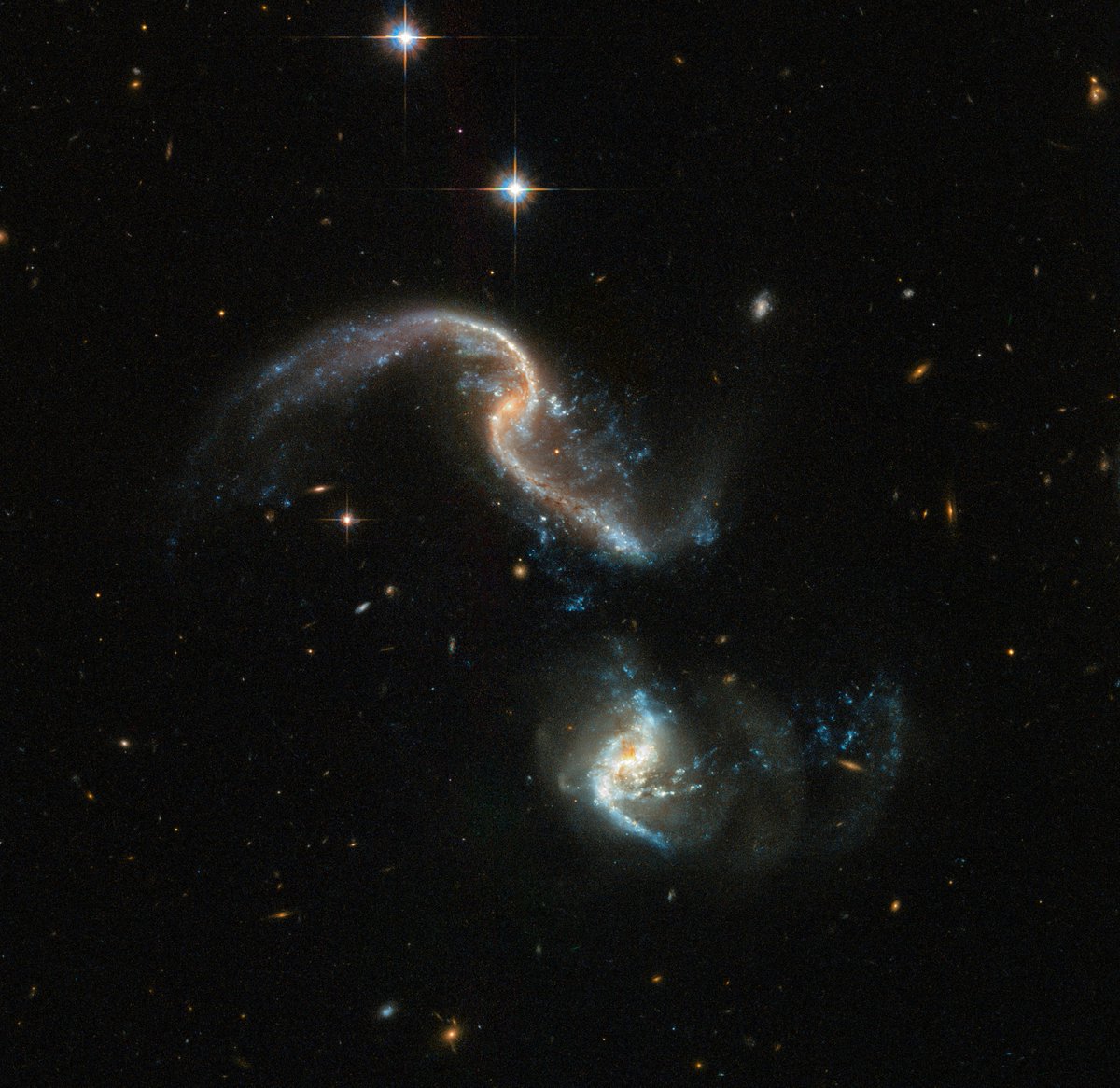
Our #HubbleTopImage looks towards the disc around a black hole 🕳️👀 This image was snapped when a team of scientists used the NASA/ESA Hubble Space Telescope to observe a quasar accretion disc – a brightly glowing disc of matter that is being slowly sucked into its galaxy’s central black hole. The team’s study made use of gravitational lensing to give a boost to Hubble’s power! The incredible precision of the method allowed astronomers to directly measure the disc’s size and plot the temperature across different parts of the disc. Read more: ow.ly/3xG250YFtE9 📷 @NASA , @ESA , and J.A. Muñoz (University of Valencia)