There is a monolithic monument carved from a single block of living rock with no internal chamber, no confirmed burial and no inscription identifying who it commemorates.
Nobody knows what it was actually built for.
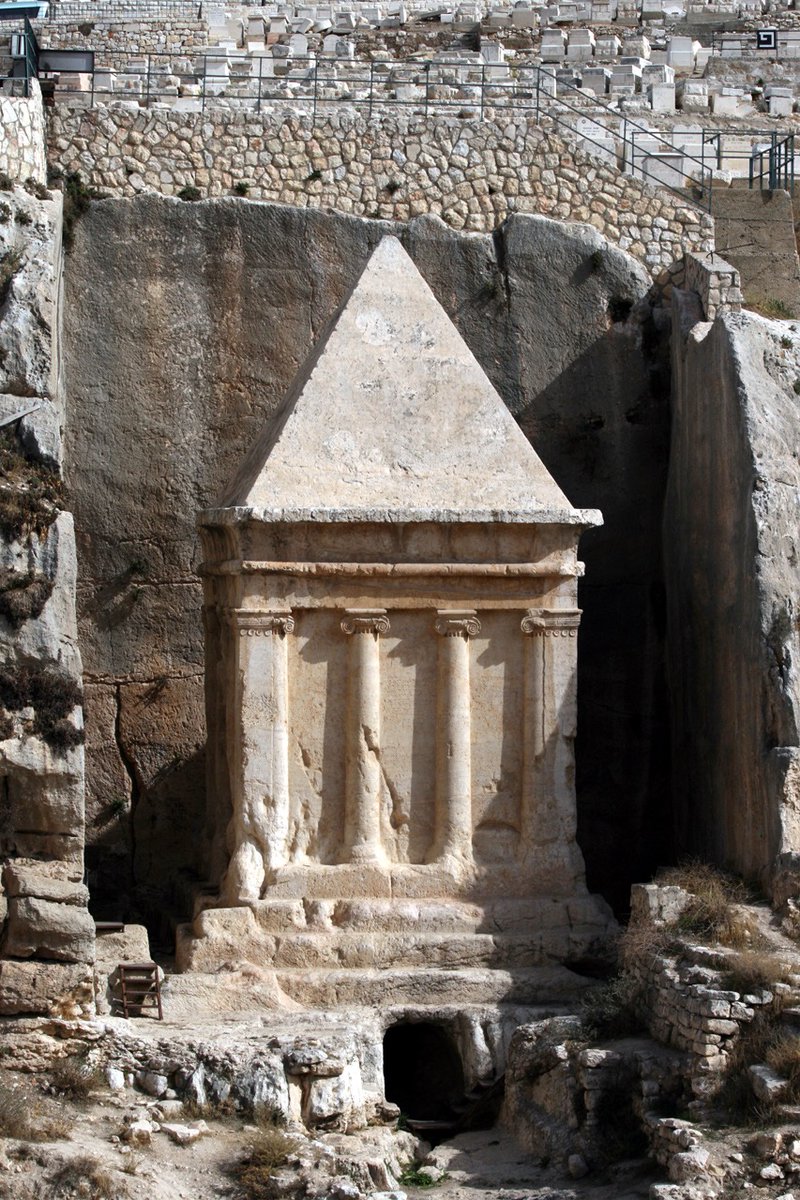
The structure is known as the Tomb of Zechariah. It sits in one of the most contested and continuously sacred pieces of ground on earth, in the valley between the Mount of Olives and the Temple Mount.
Carved directly from the bedrock of Jerusalem, not built from stacked stones but cut from the living rock itself.
The pyramid shaped top sits on a cube shaped base decorated with Ionic columns and cornices. It is monolithic and there is no internal chamber.
🔹Sits directly below the Temple Mount
🔹No internal burial chamber confirmed
🔹Carved from a single block of living rock
🔹Precise function debated for over 2,000 years
🔹No inscription identifying who it commemorates
🔹Traditional association with Zechariah unconfirmed
Next to it is the Benei Hezir tomb, the oldest known example of Doric columns in Jerusalem, also carved directly from the cliff face.
Archaeologists generally interpret the Tomb of Zechariah as a funerary monument or memorial marker connected to the adjacent burial complex.
But a monument deliberately built without an internal chamber, with no inscription and no confirmed occupant, in the most sacred valley in Jerusalem, raises questions that a general interpretation does not fully close.
The traditional name is not confirmed by any inscription and the association with the biblical prophet Zechariah is not accepted as historical fact.
What it was meant to mark, who commissioned it, and why it was built without a chamber in this specific location remain open questions in one of the most studied landscapes on earth.
What do you think it was built for?
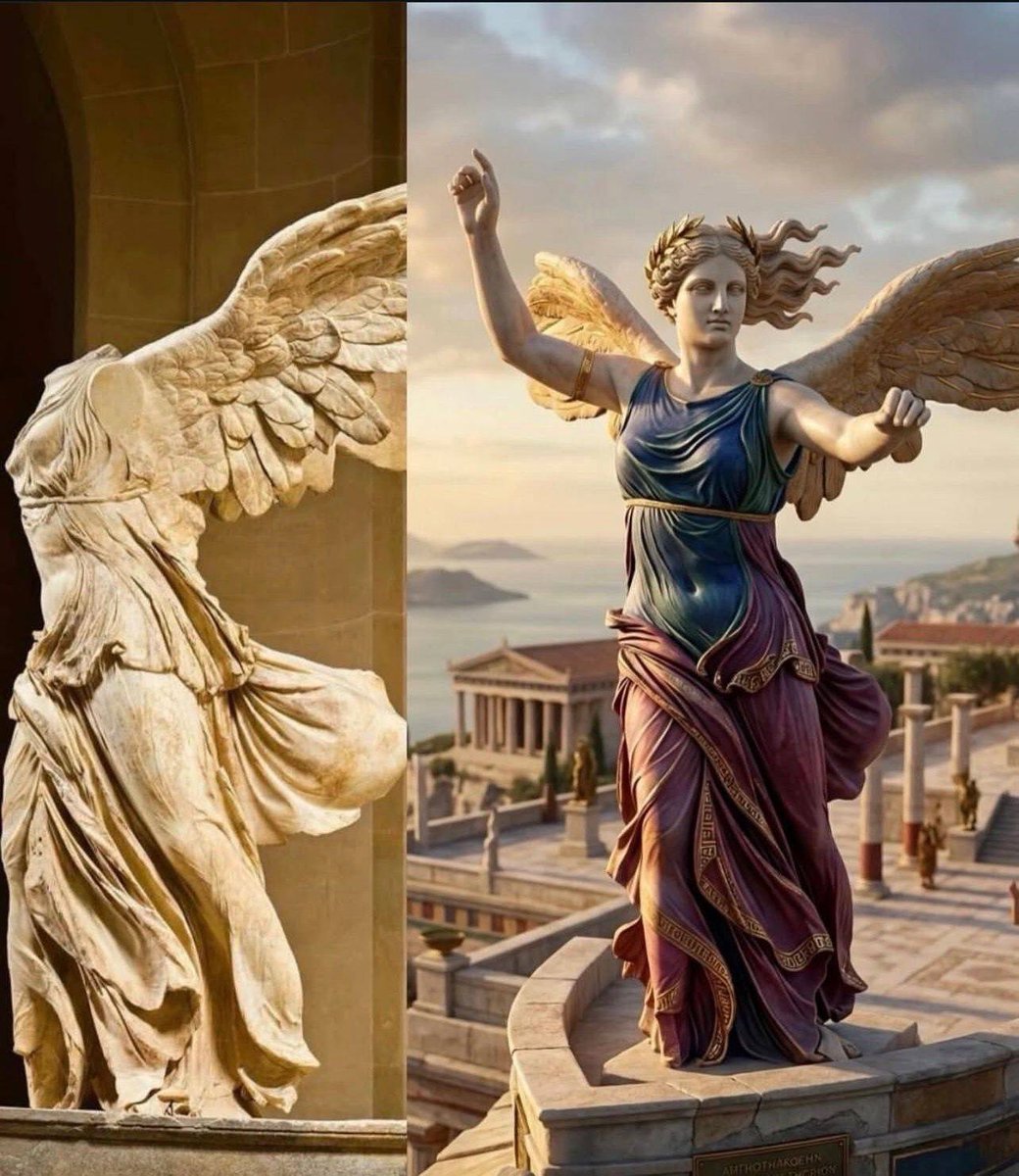
Nike of Samothrace
This is a masterpiece of Hellenistic sculpture (late 3rd-early 2nd century BC, approximately220-190 BC) made of Parian marble, which was found in the sanctuary of the Great Gods in Samothrace and is currently exhibited in the Museum of the Thieves of the Louvre
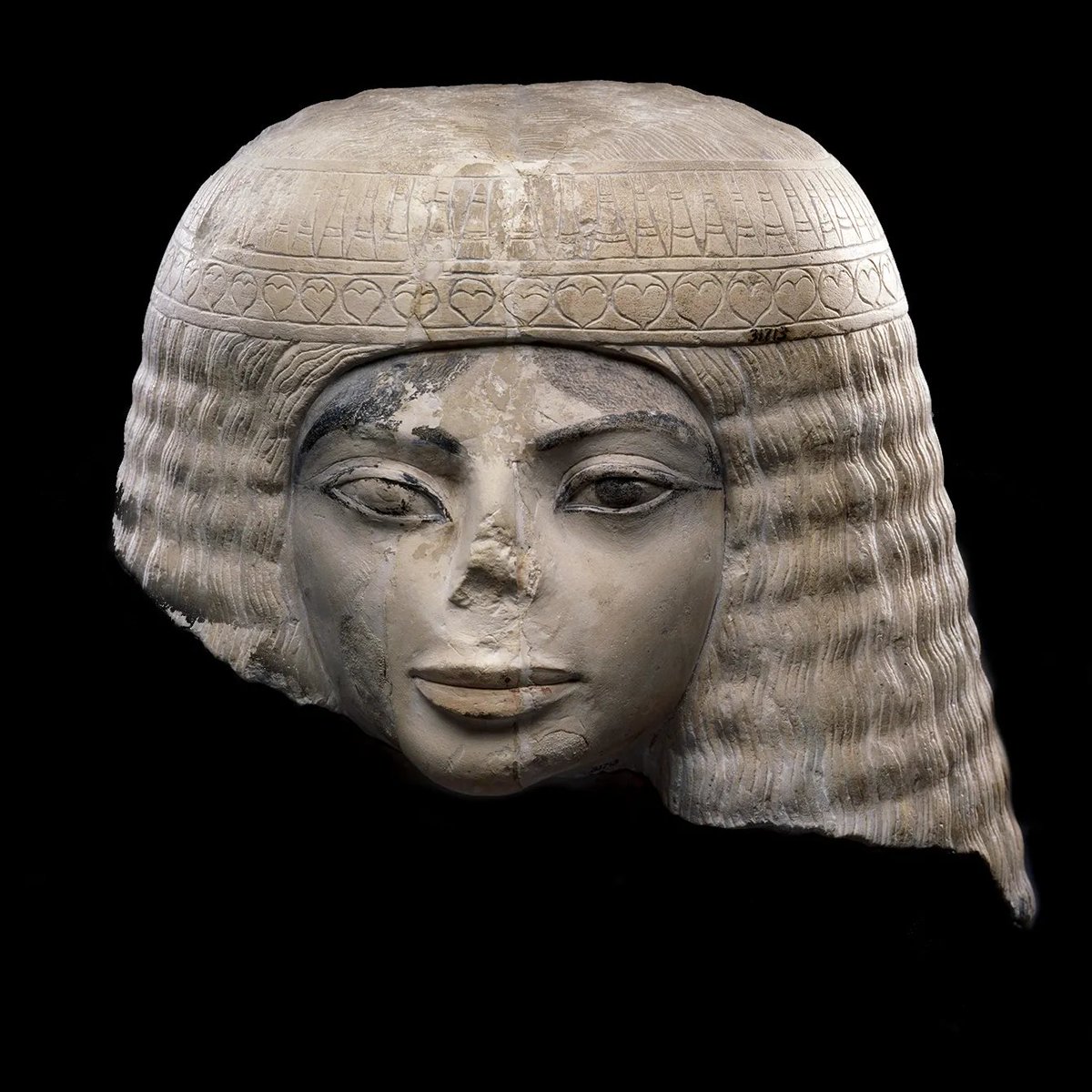
Fragmented head of a woman, with modern restoration work
New Kingdom, Probably Late 18th Dynasty (?), c. 1388-1292 B.C.
Field Museum of Natural History. Edward E. Ayer Collection, acquired in 1899.
Read more: egypt-museum.com/limestone-head…
Zeus Amón, una deidad sincrética que fusiona al rey de los dioses griegos, Zeus, con el dios egipcio Amón.
Representa la cabeza de la deidad, destacando por los cuernos de carnero característicos de Amón integrados en la figura de Zeus.
Este sincretismo refleja la asimilación de deidades egipcias en el sistema de creencias griego, un culto que fue prominente durante el periodo helenístico.
Zeus Amón era venerado como un dios oracular y su figura aparece en monedas de la época de Alejandro Magno.