“Finland has a very bloody and difficult history of neighboring Russia. At the same time, today we are the happiest country,” former Finnish Prime Minister Sanna Marin said.
In 1939, Finland defended its independence from the Bolshevik regime and did not become another colony of the Kremlin, avoiding mass executions, repression, confiscation of property, famine, and the destruction of the nation’s elite.
Джаст сеін: був один випадок в трукраймі, де один такий «Толік» хароший мужик пиздив свою жінку роками і гвалтував її до внутрішніх пошкоджень. Поліція ніяк на тищу разів не реагувала на її прохання, бо «це ж сімʼя». Так от, в один день, вона взяла І ВІДРІЗАЛА ЙОМУ ПІСЮН НАХУЙ.
Нравицця як люди такі "фавбет наєбав працівників, що вас дивує", але працівників систематично найобують "класні-модні-маладьожні" українські компанії, які мають стенди на всіх фестах і активно піаряться як укр бізнес.
Мій хлопець говорить українською з 23 року
Півтори роки спілкується з галичанкою і вже 9 місяців як живе з нею але його ахілесова пʼята це слово ПАЛАТЄНЦЕ
З моменту нашої першої зустрічі він ніяк не може запамʼятати рушник
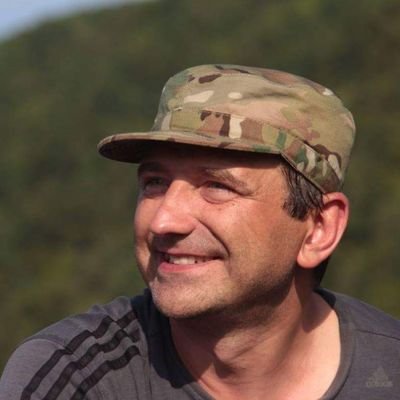
Інстаграм профіль людини, якій не можна казати, де вона служить:
- Я в мультикамі
- Я в балаклаві
- Голова ГУР привітав побратимів зі святом
- Офіційна сторінка ГУР вітаю побратимів
- Відео з совою на гілці і текстом «Дивлюсь на 360»
- Привітання Кирила Буданова
- Собачка
Прикол.
Сплю. В бліндажі. Кілька годин до моєї зміни чергування. Примушую себе заснути
По клейонці на стелі бігають миші, стіни оббиті ізолоном. Приглушене світло. Всередині періодично оживає рація. Зовні - звуки неживої природи - то жужжання то приходи
І сниться мені, що я так само лежу в цьому ж бліндажі та сама стеля, миші і рація, лежу і НЕ СПЛЮ.
Тобто я лежу і СПЛЮ. А сниться що я так само лежу і НЕ СПЛЮ - не можу заснути. І нічого іншого у ві сні не відбувається - тільки запис навколишньої обстановки перед засинанням очевидно по колу (але я це не усвідомлюю)
Що це за прикол?
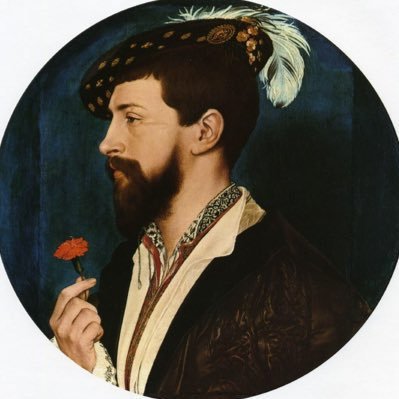
Poles proudly sing about Stefan Czarniecki in their national anthem about his fight to liberate Poland from Sweden, and that's fine.
But what else did this national hero of Poland do?
Is Ukraine starting scandals about Poland glorifying their commander who massacred 100,000 Ukrainians? No.
European history is brutal.
During the Right-Bank Uprising (1664–1665, Ukraine), Stefan Czarniecki led a massive, highly brutal punitive campaign to re-establish Polish control over Ukrainian territories.
In his own military correspondence and official reports detailing the summer battles of 1664, Czarniecki explicitly stated that his forces had successfully eliminated 100,000 Ukrainians including both insurgent Cossacks and civilians. His campaign utilized strict scorched-earth tactics, which included the total annihilation of towns like Stavyshche, where the entire civilian population was massacred following a secondary revolt.
In 1664, Czarniecki’s punitive raids brought his army to Subotiv, the family estate and final resting place of the leader of the Cossack Rebellion, Bohdan Khmelnytsky.
According to primary historical accounts, most notably the Cossack Chronicle of Hryhoriy Hrabianka, Czarniecki ordered his troops to plunder the family crypt at the Illinska (St. Elias) Church. Under his explicit command, the remains of both Bohdan Khmelnytsky and his son Tymish were exhumed and thrown out of their graves to desecrate their memory.