ทวีตที่ปักหมุด
Cristina C. Clement MS PhD
672 posts

Cristina C. Clement MS PhD
@us_ccClement
Biochemistry, Ph.D., CUNY, NYC-2006; MS Molecullar/Cell Biology, UMKC, KC,1998; Research Assist Prof: Albert Einstein CM 2007-May 2019;Assoc Research Prof: WCM
Weill Cornell Medicine, NY เข้าร่วม Ekim 2012
144 กำลังติดตาม135 ผู้ติดตาม
Cristina C. Clement MS PhD รีทวีตแล้ว

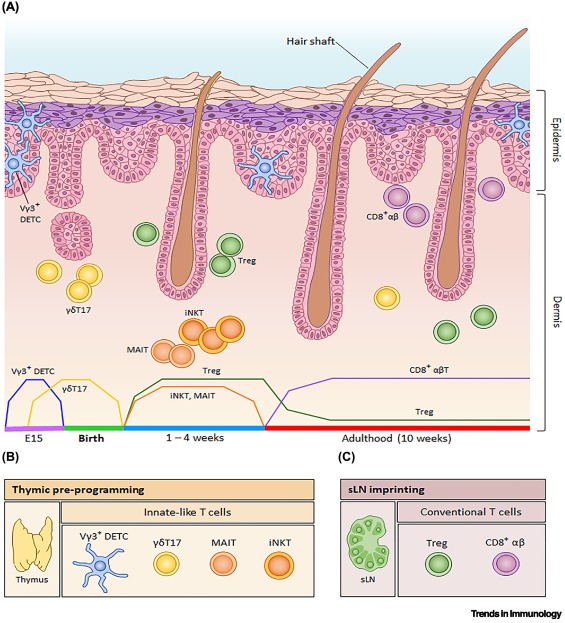
Online now: Homeostatic maturation programs drive human cDC2s into a tolerogenic state dlvr.it/TR2KPS
English
Cristina C. Clement MS PhD รีทวีตแล้ว

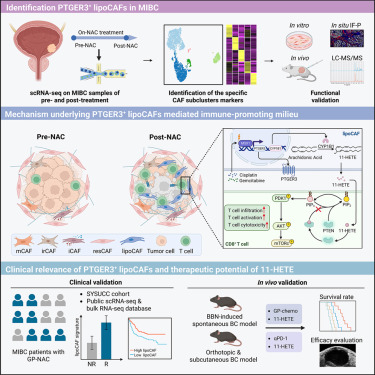
Online Now: Lipid oxidation reprogramming in cancer-associated fibroblasts enhances CD8+ T cell cytotoxicity and therapeutic response dlvr.it/TR0yWP

English
Cristina C. Clement MS PhD รีทวีตแล้ว

Barbara McClintock's discoveries were so far beyond the understanding of the time that other scientists ignored her work for more than a decade. But she persisted, trusting herself and her evidence. She was awarded the Nobel Prize "for her discovery of mobile genetic elements."
Watch the very moment she received the Nobel Prize in Physiology or Medicine in 1983.
English
Cristina C. Clement MS PhD รีทวีตแล้ว

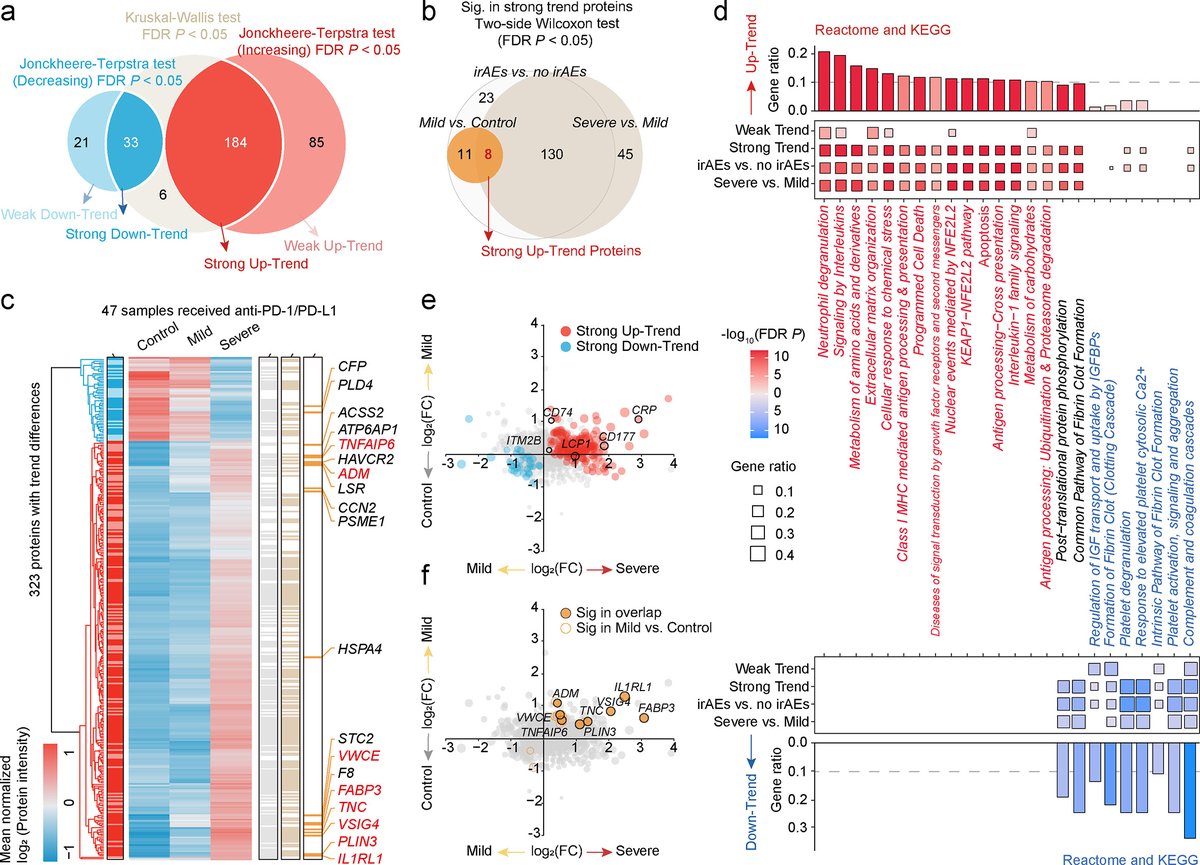
New in MCP press| plasma Proteome-Driven Liquid Biopsy for Individualized Monitoring and Risk Stratification of Immune-Related Adverse Events in Checkpoint Immunotherapy
Learn more:
mcponline.org/article/S1535-…
#molcellprot

English

Cristina C. Clement MS PhD รีทวีตแล้ว

Cristina C. Clement MS PhD รีทวีตแล้ว

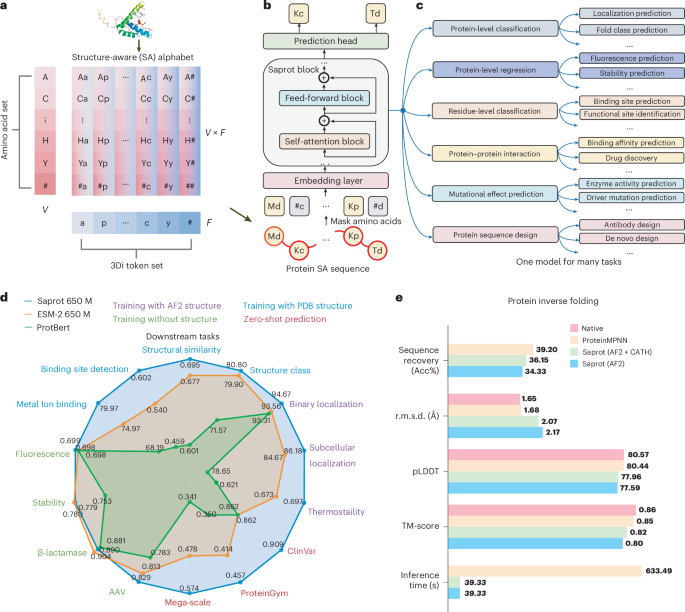
Democratizing protein language model training, sharing and collaboration - @duguyuan go.nature.com/47lrRSX

English
Cristina C. Clement MS PhD รีทวีตแล้ว

Parity violation is one of the most surprising discoveries in modern physics — that nature is not perfectly symmetrical between left and right when it comes to certain fundamental forces. To understand what this means, imagine watching an event in a mirror: if the physical laws of the universe treat both versions equally, then those laws are said to conserve parity. For most interactions, such as gravity and electromagnetism, this is true — their mirror images behave exactly as expected. But in the mid-20th century, a deep mystery arose regarding the weak nuclear force, the force responsible for processes like beta decay (where a neutron transforms into a proton, emitting an electron and a neutrino). Experimental data hinted at inconsistencies that couldn’t be explained if parity symmetry held true.
By 1956, Chen-Ning Yang and Tsung-Dao Lee carefully examined all available experimental evidence concerning weak interactions. To their surprise, they realized that physicists had never actually tested whether parity was conserved in weak nuclear processes. Up to that point, parity conservation was simply assumed, based on its success in other forces. Yang and Lee proposed a daring idea — that perhaps parity symmetry was violated by the weak interaction, meaning that nature could distinguish between left-handed and right-handed coordinate systems. This was a bold and counterintuitive suggestion at the time, as symmetry principles were deeply ingrained in physics and regarded as universal.
Yang and Lee didn’t stop at proposing the idea — they outlined a series of concrete experimental tests to verify it. One of these involved studying the beta decay of cobalt-60 nuclei. They predicted that if parity were violated, the emitted electrons would preferentially move in a direction related to the spin orientation of the cobalt nuclei, showing a clear left–right asymmetry. They shared this proposal with Chien-Shiung Wu, an experimental physicist with deep expertise in low-temperature nuclear measurements. Wu and her collaborators at the National Bureau of Standards performed the experiment in late 1956 under extreme cryogenic conditions. When the results came in, they were astonishing: electrons were indeed emitted more in one direction than the other relative to the nucleus’s spin. This asymmetry meant that mirror symmetry failed in nature — the universe does distinguish between left and right.
The confirmation of parity violation shattered one of the most fundamental assumptions in physics. It forced a complete reformulation of the weak interaction theory and reshaped the framework of particle physics. It also laid the foundation for the V–A (vector minus axial vector) theory of weak interactions, which later became an essential part of the electroweak theory unifying electromagnetic and weak forces. The discovery was so profound that Yang and Lee were awarded the 1957 Nobel Prize in Physics, only a year after their paper.
Recently Chen Ning Yang passed away at the age of 103. Photographed here is Yang and Richard Feynman in the 1950s.

English

Cristina C. Clement MS PhD รีทวีตแล้ว

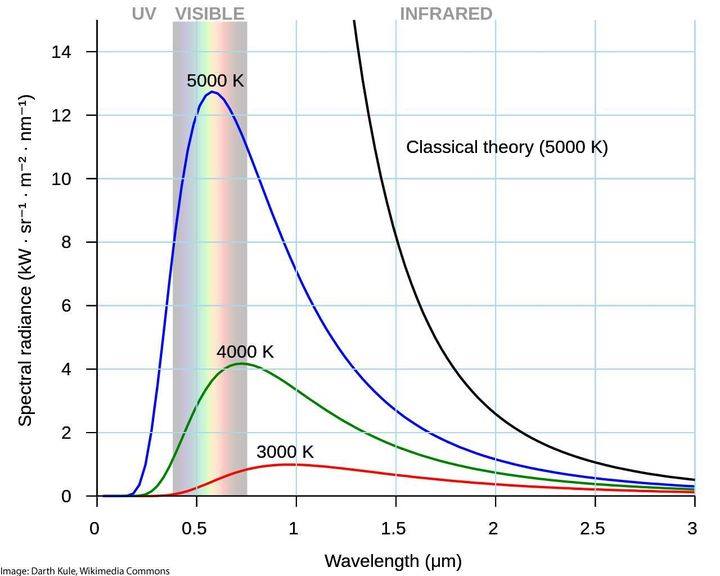
#OnThisDay in 1900, Max Planck presented his law of black body emission, Planck’s law. Planck's law (coloured curves) accurately describe black body radiation and resolved the ultraviolet catastrophe (black curve) a prediction of late 19th/early 20th century classical physics.

English
Cristina C. Clement MS PhD รีทวีตแล้ว

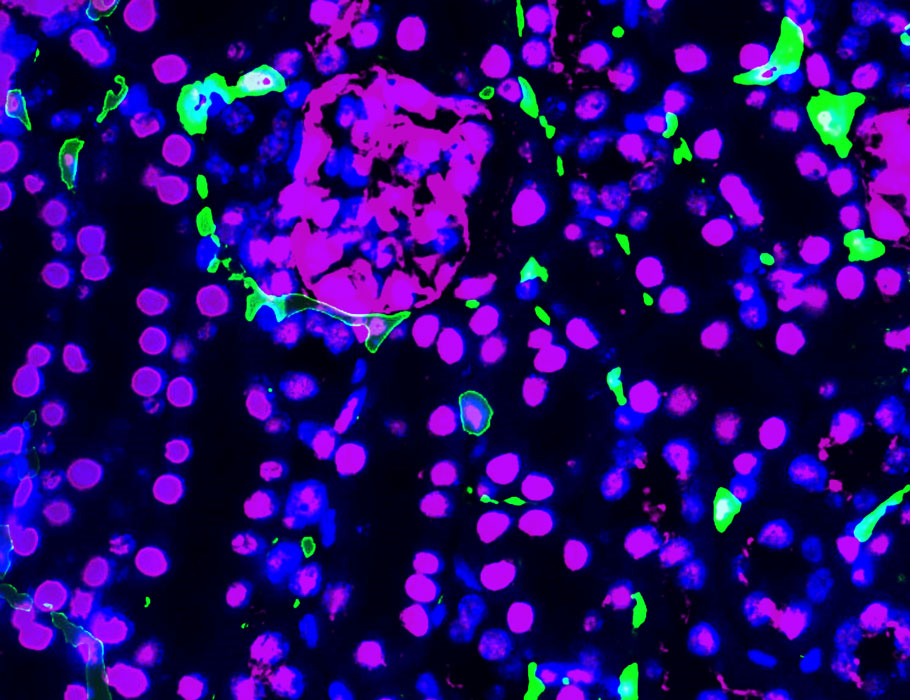
Online now: Control of myeloid lineage fidelity and response to stimuli by ISWI-enforced nucleosome phasing dlvr.it/TNHpxd
English
Cristina C. Clement MS PhD รีทวีตแล้ว

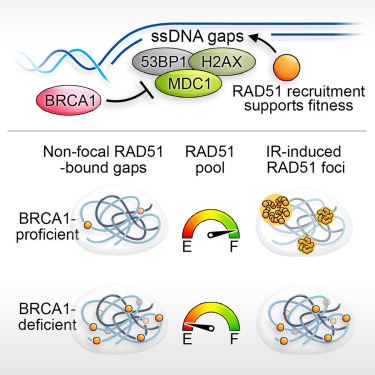
Online Now: RAD51 is chromatin enriched and targetable in BRCA1-deficient cells dlvr.it/TN0Wxs

English
Cristina C. Clement MS PhD รีทวีตแล้ว

Cristina C. Clement MS PhD รีทวีตแล้ว

Immune-related actinopathies at the cross-road of immunodeficiency, autoimmunity and autoinflammation bit.ly/47xeroJ
English
Cristina C. Clement MS PhD รีทวีตแล้ว

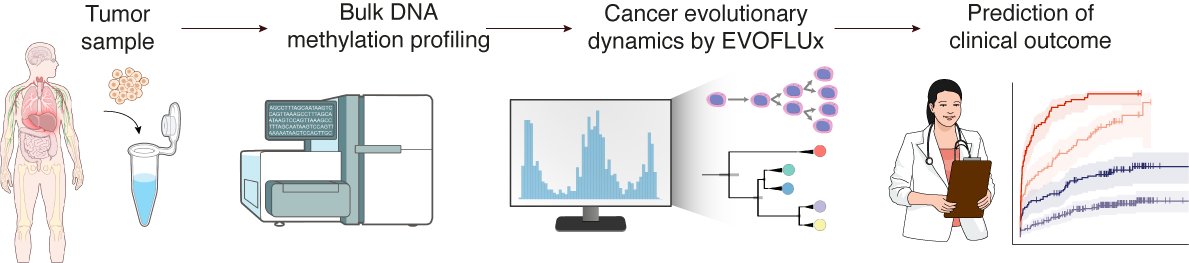
Cancer is an evolutionary disease, but does knowing a cancer’s evolutionary past help predict its future? Out today in @Nature, we learnt the evolution of 2000 lymphoid cancers and found it was highly correlated with clinical outcomes! (1/7, link below)

English
Cristina C. Clement MS PhD รีทวีตแล้ว

Preventing METTL1-mediated m7G methylation of RNA can inhibit #macrophage metabolic reprogramming and reduce tissue injury during #septic inflammation in mice.
Learn more in Science #Immunology: scim.ag/4mXmccn

English
Cristina C. Clement MS PhD รีทวีตแล้ว

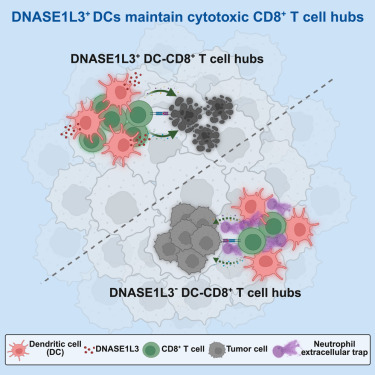
DNASE1L3-expressing dendritic cells promote CD8+ T cell function and anti-PD-(L)1 therapy efficacy by degrading neutrophil extracellular traps dlvr.it/TN1rzK

English