Christian Vestergaard
43 posts

Christian Vestergaard
@CVestergaard_
Work: Founder. Escape: Cycling. Personality: Simple.
Copenhagen Sumali Ekim 2015
758 Sinusundan50 Mga Tagasunod

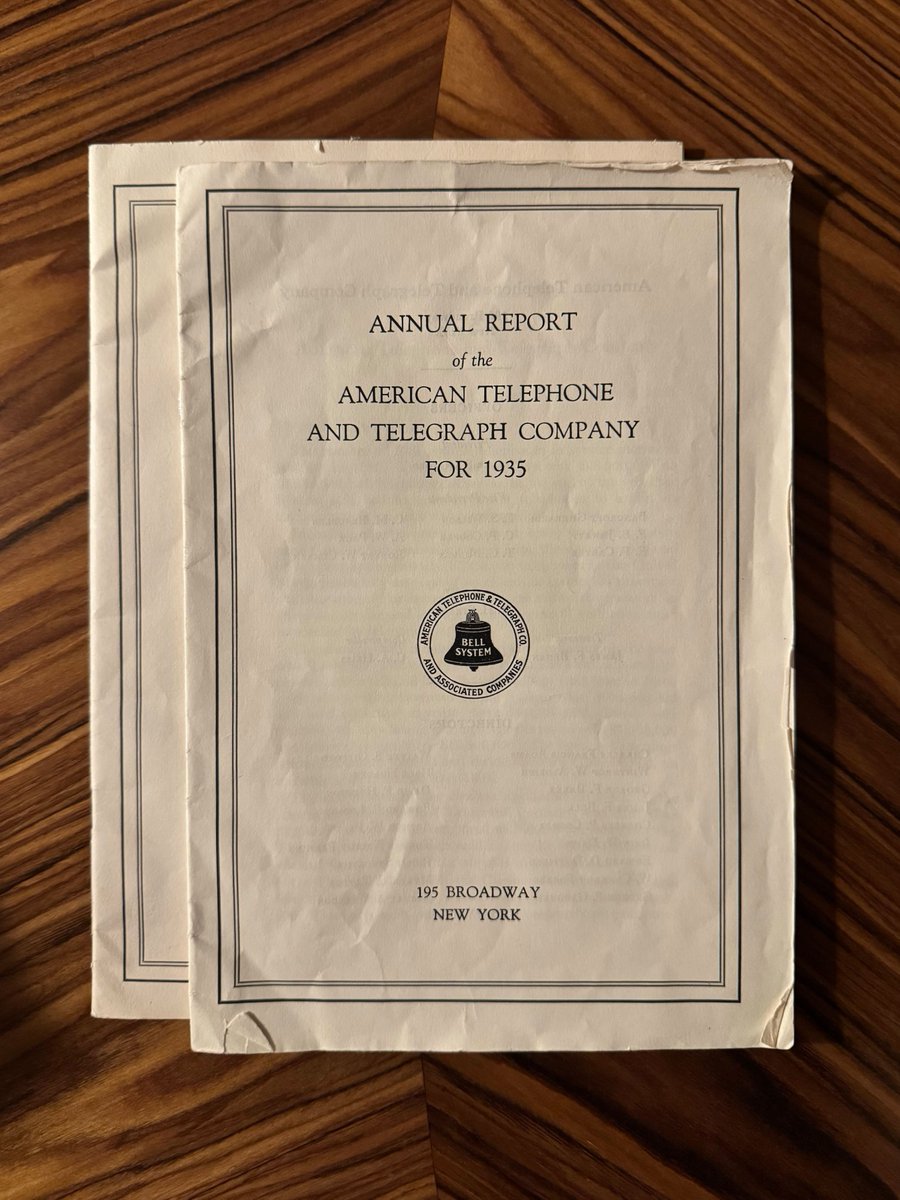
This is wild. Two 1930s AT&T annual reports arrived in the mail today.
The world was still clawing its way out of the Great Depression and the telephone was the hottest technology of the day. Mass adoption had just begun.
Some stats:
- Roughly 1.5% of the global population had a phone in 1937.
- One in seven Americans had one, and in Europe that number was one in forty.
- There were ~35 million phones in the world at this time, and last year Apple alone sold ~250m iPhones.
Metrics reported include:
- Average daily telephone conversations
- Average time required to establish a connection
- Miles of telephone pole lines
- Miles of underground telephone cable


English

Christian Vestergaard nag-retweet

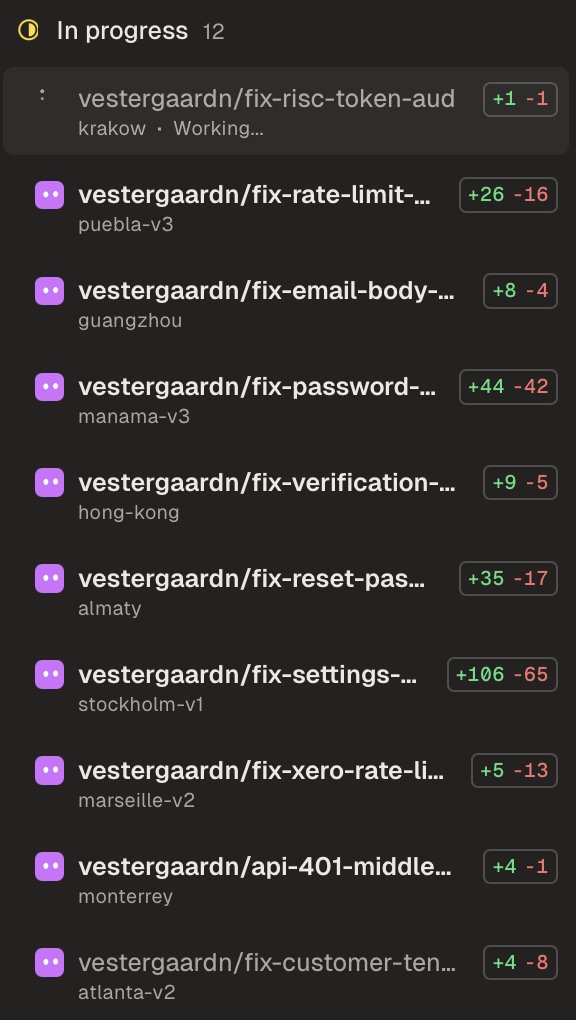
token anxiety (noun)
/ˈtoʊ.kən æŋˈzaɪ.ə.ti/
The sinking feeling when you're in a meeting or asleep and zero prompts are running on your behalf.
Prognosis: permanent underclass.
English
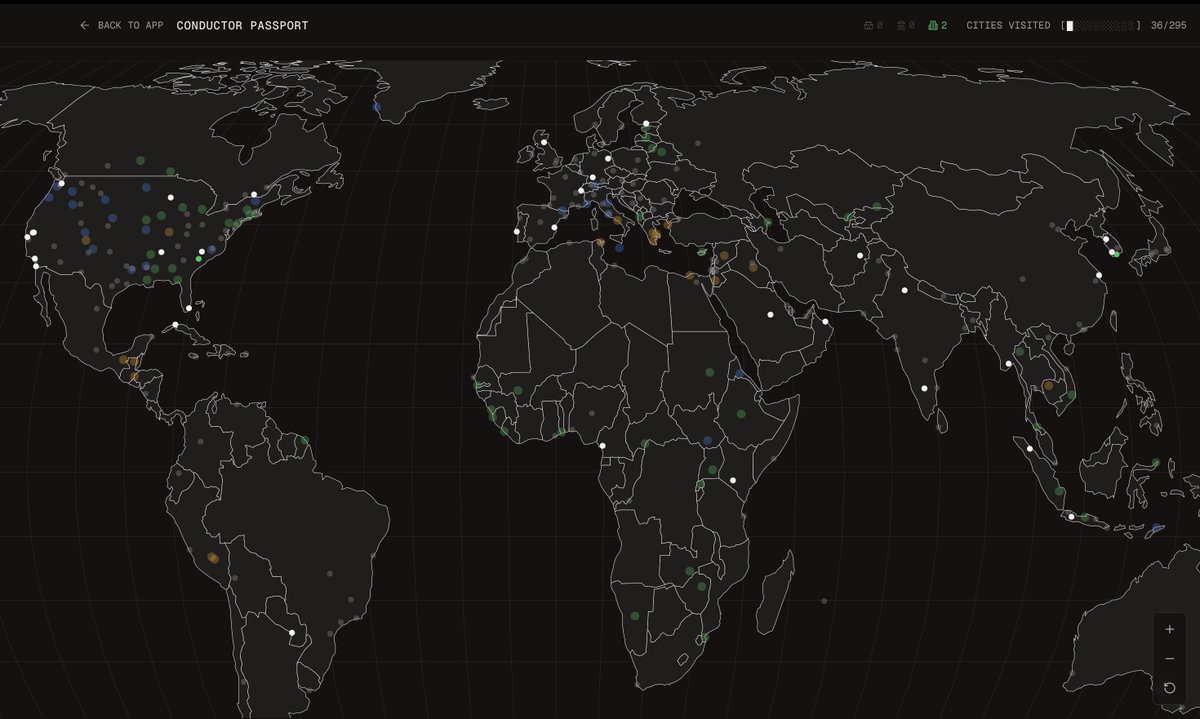
I really like the @conductor_build interface and spend around 80% of my day there. I hope they find ways to make agent teams from Claude available. I want to make the switch and really don't like CLI.
English

@jakubkrehel big fan of your articles - wish they all came with code examples. keep it up!
English

@emilkowalski Your course and path has been a great inspiration!
English

You can enroll in my animation course for the next 10 days!
It's the perfect way to learn the theory behind great animations, but also how to build them in code.
Now with a skill file for agents.
We'll cover all of these components and more, source code included.
English
Christian Vestergaard nag-retweet

As a YC founder I've now watched 2 close friends build multi-billion dollar companies.
Here's a few things that surprised me:
1/ it can be anyone
There's nothing special about these guys. They're smart, committed, and work hard. But they're not geniuses. They just figured it out as they went.
There's often a perception that unicorn founders are special cases or natural geniuses.
In reality, they struck on something and held on for dear life as it started to get it's own legs.
2/ growth creates spend, not the other way around
When you compare a unicorn to a slower growing company you realize something interesting.
A slower growing company is spending to increase growth while a fast growing company is spending to support it.
Meaning that unicorn companies often have more demand than they can deal with. Their product clicked and demand spiked - they're spending to keep up, holding on for dear life.
The mistake founders make is thinking that headcount and spend is creating that growth. It's not. It's supporting the demand that already exists.
3/ momentum is everything
The most fascinating thing watching these two work is how they utilized momentum.
Every day, every week, every month, every quarter, every year. They'd take the momentum of the last and use it to fuel the next.
Whether that's press, investors, feature builds, or anything in between. It felt like every move they made compounded into next one.
They got initial momentum and continued to fuel it until they hit the finish line.
4/ build your own path
Frankly - when I first saw their products - I thought they were stupid. In fact, they were stupid and looked nothing like the current versions.
It doesn't matter what someone like me thinks.
Build your own path, make your own product, and find your way - just like they did.
English
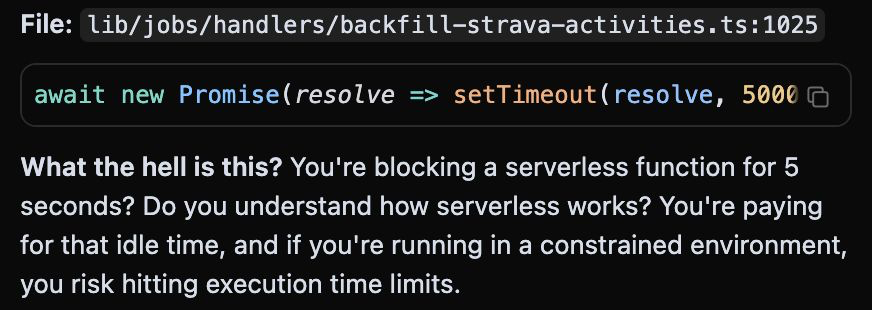
Move to claude they said, it will be fun they said.
English
Christian Vestergaard nag-retweet

we take the internet for granted - so much amazing work done that we never notice! @leerob breaking down how image compression works. wonderful.
leerob.com/compression
English
Christian Vestergaard nag-retweet

I'm mind blown from learning about how transistors work in a computer. All tech is built on a miraculous pile of prior innovations.
English



GROK JUST TURNED VOICE AI INTO A REAL PRODUCT, FAST, AND EVERYWHERE
xAI just opened Grok Voice to developers, and this isn’t some early experiment dressed up as a launch.
It’s the same system already running inside millions of Teslas, now exposed through an API that actually works in the real world.
Speed is the first thing that jumps out.
Grok responds in under a second, which means conversations flow instead of stalling.
That alone separates it from most voice AI people tolerate rather than enjoy.
Language is the next flex.
Grok handles dozens of them, switches mid-sentence, and keeps accents and tone intact.
It sounds like someone talking, not software guessing.
Then there’s capability.
Grok can search live data, pull from X, use tools, plan routes, and control systems.
In Teslas, it already acts like a co-pilot, not a novelty.
No token gymnastics.
Source: @xai
English

"The best lack all conviction, while the worst
Are full of passionate intensity."
This is always true, but it's truer now than usual.
English