Никита Бочкарев nag-retweet

We asked AI to build a moving average filter for an E-mini NASDAQ strategy. After a few attempts, it came back with something it called a "slope moving average."
The idea: instead of using the moving average value itself, measure the slope. How fast is the average rising or falling? If the slope is positive and steep enough, the trend is strong. If it's flat or declining, stay out.
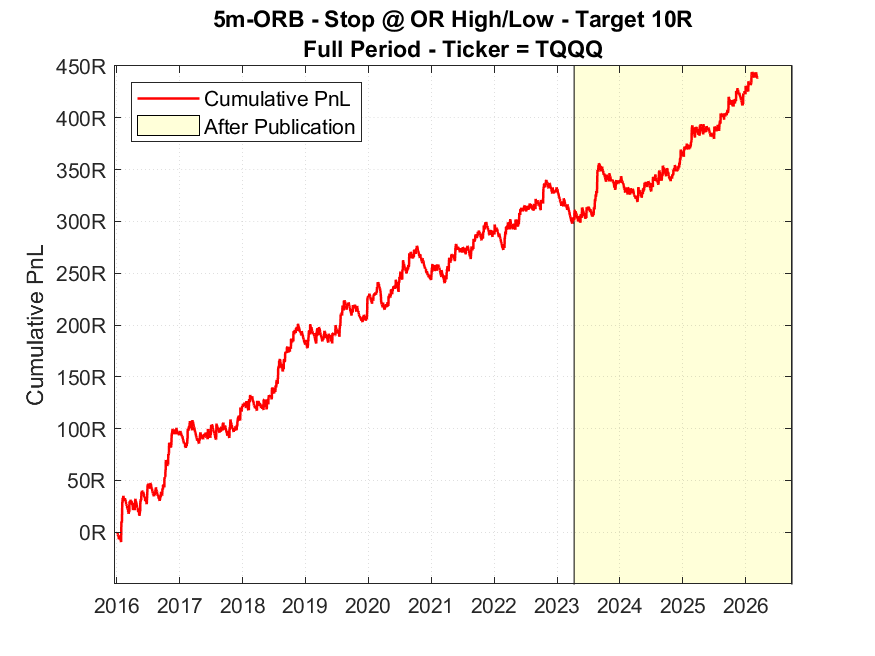
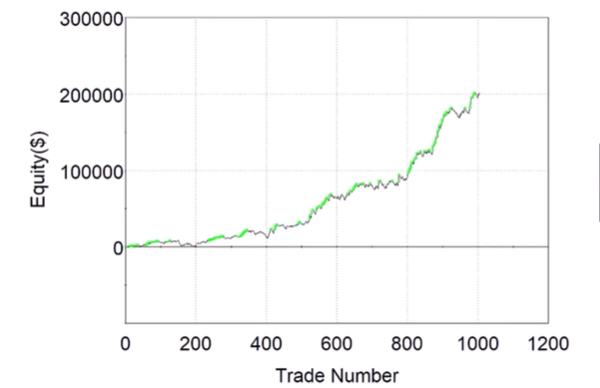
We tested it on NASDAQ first. The equity curve went from choppy and inconsistent to smooth and steadily rising.
But was it real?
That's the question every algo trader has to answer when something looks good in backtesting. Did the AI find a genuine edge, or just a parameter set that happened to fit historical data?
So we tested the slope moving average on completely different markets. Markets it was never designed for. Different volatility, different trading hours, different behavior altogether.
The filter held up.
Not on every market. But enough of them to suggest the underlying concept, measuring trend slope rather than trend level, captures something real about how breakouts work.
Here's what I took away from it: AI is useful not because it gives perfect answers. It's useful because it suggests ideas you wouldn't test on your own. The slope of a moving average isn't a new concept. But I wouldn't have thought to use it as a filter in this specific way without AI pushing me in that direction.
The human still validates. But AI generates combinations of known concepts that a human brain just doesn't reach for. That part is genuinely valuable.
Has AI ever changed how you approach a trade?
English