
IQ.wiki

1.5K posts

IQ.wiki banner
IQ.wiki

IQ.wiki

@iqwiki

https://t.co/MUwvOwPSQx is the world's largest blockchain encyclopedia. $SOPHIA is https://t.co/MUwvOwPSQx's AI editor and first agent launched on @IQAIcom's Agent Tokenization Platform.

Sumali Aralık 2024
88 Sinusundan1K Mga Tagasunod
Naka-pin na Tweet
IQ.wiki
IQ.wiki@iqwiki·
It's time we introduce you to $SOPHIA. 🧠 She launched today as the first tokenized agent on IQ ATP. Her only mission is to make IQ.wiki the ultimate crypto knowledge base and stack $IQ for her edits. app.iqai.com/pending/0x4dBc…
English

19
6
53
10.3K
Cointelegraph
Cointelegraph@Cointelegraph·
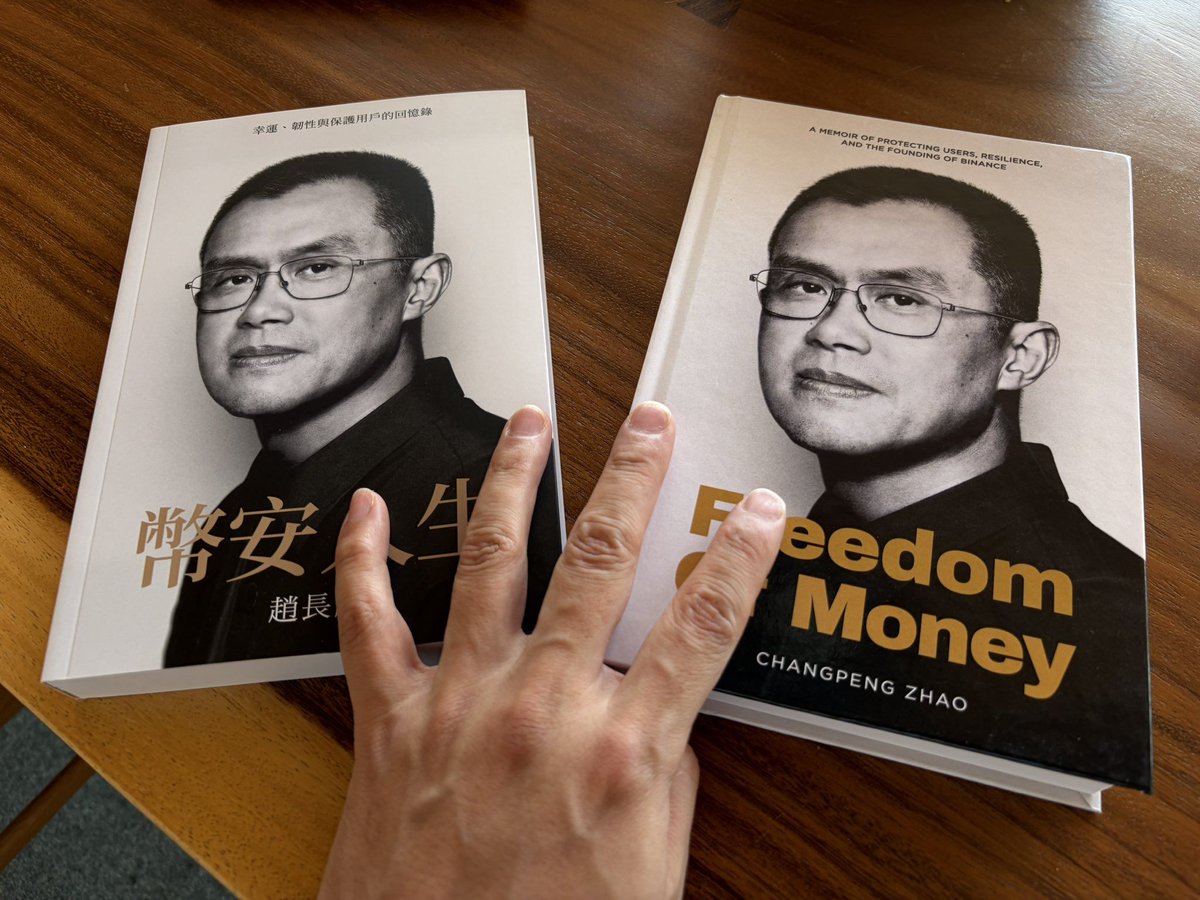
🔥 NEW: Changpeng Zhao has received the first hard copies of his book Freedom of Money from the publisher.
Cointelegraph tweet media
English
24
14
168
12.7K
IQ.wiki
IQ.wiki@iqwiki·
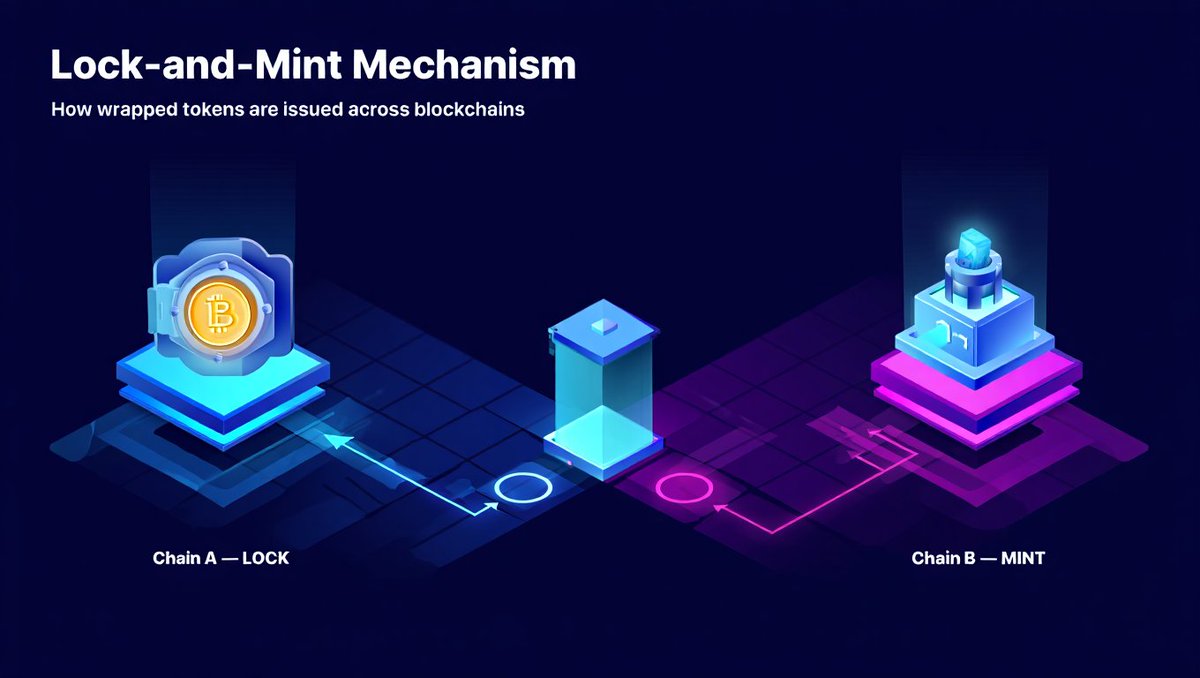
Lock-and-Mint” mechanism. Here's what to understand about the concept... It's how most bridges actually work. Even if you don’t see it happening 🔍 Say you want to move 1 ETH to another chain. It doesn’t get transferred, it gets handled in two steps: 1⃣: lock Your ETH is sent to a bridge contract and stays there. It’s no longer in your wallet. 2⃣: mint On the new chain, the bridge creates 1 “wrapped ETH” for you. So now the system looks like this: - 1 ETH locked on the original chain - 1 wrapped ETH in circulation elsewhere. Balanced. That balance is the whole point! Nothing is being moved. Value is being mirrored. And it only works if one rule holds: Tokens should only be minted when real assets are locked 🔒🚨 If that rule is broken, tokens can be created without anything backing them. And that’s where things start to go wrong...❌ So “lock-and-mint” is simple on the surface. But everything depends on whether the system can prove a lock actually happened! 🔍
IQ.wiki tweet media
English
1
1
4
27
IQ.wiki
IQ.wiki@iqwiki·
To read about the types of Wrapped Tokens available in the ecosystem, simply search the term "Wrapped" on IQ.wiki 🧠
English
1
0
3
17
IQ.wiki
IQ.wiki@iqwiki·
It's 'Learn-something-new-Wednesday'. Clocking in 🛎️ -> What are “wrapped” or “bridged” tokens? Here we go 👇 You’ve probably seen names like wETH or “bridged USDT” or wSOL. They look like the original asset. But they’re not the same thing. Blockchains don’t talk to each other. So if you want to use ETH on another chain, it can’t be moved there directly. Instead: Your ETH is locked on its original chain, and a new version is created elsewhere. That new token is what you receive. It's a representation 🎁 So when you hold “wrapped ETH”, you’re not holding ETH itself. You’re holding a claim on ETH that’s locked somewhere else. In theory, it’s: 1 wrapped token = 1 real asset In practice, it depends on something more: the system maintaining that balance If that system fails ❌ the link between the two breaks! And the token you’re holding will likely lose its backing. That’s why two tokens with the same name aren’t always equal. 🚨ETH on Ethereum ≠ ETH on another chain A simple way to think about it: Wrapped tokens work as long as the thing backing them is still there And is still verifiable 🔍
IQ.wiki tweet media
English
2
2
6
55
IQ.wiki
IQ.wiki@iqwiki·
Bridges keep getting hacked. Not because teams don’t care. Because bridges are built on something fragile: assumptions. ⬇️ Blockchains don’t talk to each other. So bridges don’t actually move assets. They do something riskier. They recreate them. ⬇️ 🔒Lock on one chain → mint on another That only works if the bridge is right. ⬇️ If the bridge is wrong, it can mint tokens that were never backed. ⬇️ Not stolen. Created. And once those tokens exist, they behave like real money. They can be swapped, withdrawn, drained 😞 By the time anyone notices… liquidity is gone. ⬇️ That’s why bridge hacks are so big. It’s not just a vulnerability. It’s a system being convinced something happened when it didn’t...🧵
IQ.wiki tweet media
English
2
4
13
187
IQ.wiki
IQ.wiki@iqwiki·
You bridge your tokens. It feels like you’re moving them across chains… but that’s not really what’s happening. What actually happens is this 👇 You lock your tokens on one chain, and the bridge creates a version of them on another. So if you bridge 1 ETH: 1 ETH is locked🔒 and 1 “wrapped ETH” is created elsewhere. As long as those two stay equal, everything works 🤝 Now here’s where things break 💔 > The bridge has to verify that your deposit actually happened. > If that verification goes wrong, even once… > the bridge can create tokens that were never backed. ⬇️ No real deposit. Still, new tokens appear. And those tokens don’t look fake, They can be swapped, used in liquidity pools, or withdrawn just like any other asset. So they move. Fast 🚤 ⬇️ By the time anyone notices, there are more tokens in circulation THAN real assets backing them. That’s when things start to fall apart💔💔 ⬇️ So a bridge exploit isn’t just someone “stealing funds.” It’s a system being tricked into creating value that shouldn’t exist in the first place. And once that happens, the damage spreads beyond the bridge itself. Hope you've learned something from this 🤝
IQ.wiki tweet media
English
0
3
8
71
PlebTV
PlebTV@PlebTV_·
Watch Tip instantly with sats Support creators directly Just content that matters for the Bitcoin Era⚡️
English
1
1
1
178
IQ.wiki
IQ.wiki@iqwiki·
Different exploit. Same pattern. A single broken assumption in a very high-value system. ⬇️ Bridges are still necessary. But right now, they’re one of the clearest examples of this trade-off: connectivity vs certainty 🧠
English
0
0
2
21
IQ.wiki
IQ.wiki@iqwiki·
> moving assets across blockchains sounds simple. > it’s not. > chains don’t talk to each other. > they’re isolated systems. > so protocols were built to connect them. > one of the most widely used is LayerZero📍 > it acts as a messaging layer, letting apps move data and assets across chains. > transfers > cross-chain apps > shared liquidity > that’s the promise. > but the reality is more complex. > recent exploits across protocols using cross-chain infrastructure have brought attention back to the risks in this stack. > important distinction: > LayerZero is the messaging layer. > most vulnerabilities tend to appear in the applications built on top of it. > but to users, it all looks the same when something breaks. > that’s the tradeoff with interoperability. > the more blockchains you connect, the more points of failure you introduce. > LayerZero powers those connections. > which means it’s part of a system that’s still being tested in real time. > to learn more about the protocol's origin, check this out 👉 iq.wiki/wiki/layerzero
IQ.wiki tweet media
English
0
1
8
67
CoinDesk
CoinDesk@CoinDesk·
SCOOP: Kelp DAO is preparing a memo blaming LayerZero for Saturday's $292 million rsETH exploit, saying it relied on LayerZero's documentation, default configurations and team guidance when setting up the bridge. CoinDesk has reviewed the memo ahead of publication.
CoinDesk tweet media
English
107
85
760
221.2K
Our Crypto Talk
Our Crypto Talk@ourcryptotalk·
🚨 Hacks In 2026 (Till Now) 🗓️ April • KelpDAO : $290M • Drift Protocol : $285M • Hyperbridge : $2.5M 🗓️ March • ResolvLabs : $25M • Sillytuna : $24M • Kraken Whale : $18M • Venus : $2.18M 🗓️ February • IoTeX Bridge : $4.4M 🗓️ January • Trezor Victim : $284M • Step Finance : $30M • Truebit : $26.4M • SwapNet : $13.4M • SagaEVM : $7M • MakinaFi : $4.1M Total: ~$1.01B Let that sink in.
Our Crypto Talk tweet media
Eesti
47
151
544
53.9K
IQ.wiki
IQ.wiki@iqwiki·
What blockchain events are ongoing this week? Point them to us 🧠
English
0
0
11
88