Naka-pin na Tweet

Leopard Lady
5.8K posts

@LadyInLeopard11
Commonplace Book & Miscellany Acc't Oxford Comma Devotee
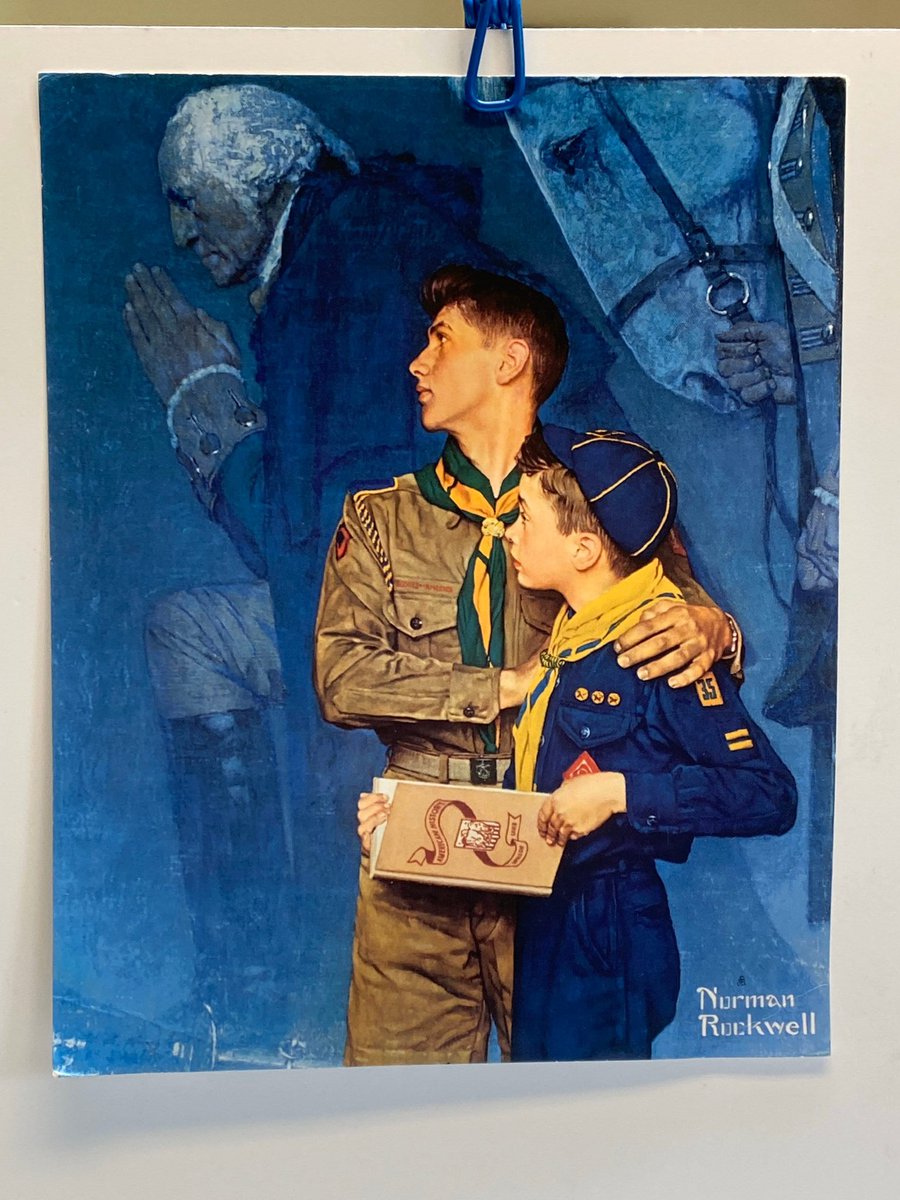
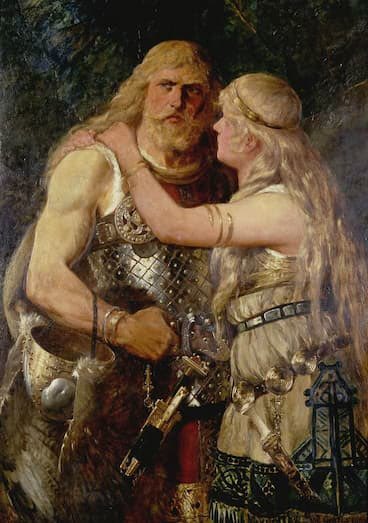



@AvalonGroup777 @hicottonbrand They would have to jettison all the Confederates who were not white but fought for their cause. They would win a loyal white base but they would lose their integrity.
My take: Letting AI do your work erodes more than your confidence, it erodes the process of creative problem solving; the quiet time-out that's needed to dig deep, to drift and discover new ideas. It erodes the creative process and leads to a culture of mediocrity & stagnation.


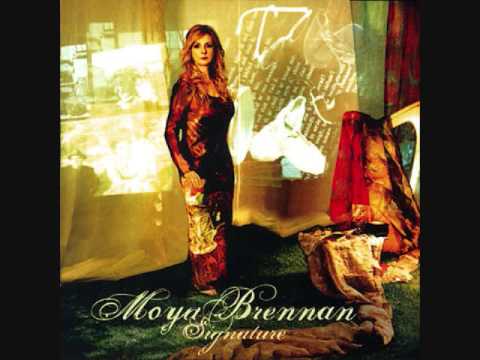
Codladh Sámh Moya Brennan Your voice straight from the Donegal air, like mist coming down from the mountains, will remain with us forever. This from @RTELateLateShow @rte in 1990 captures the essence of the stillness you could bring. Go raibh maith agat as bronntanas do shaoil

Long before churches rewrote the rules… Irish women already had power. .... Between 6th-8th Centuries, under what we now call Brehon law, women in Ireland lived within a legal system that recognized them not as dependents, but as individuals with rights, wealth, and authority. This wasn’t symbolic power. It was written into law. A woman could own land. Not temporarily—not through a husband—but in her own name. She could manage cattle, control her wealth, and enter contracts that were legally binding. Marriage didn’t erase her identity. It didn’t absorb her into someone else’s life. It treated her as an equal party in an agreement. And if that agreement failed—if a husband was neglectful, abusive, or dishonorable—she could leave. Not empty-handed, not ruined. She could walk away with what was hers. In a world where most women across Europe had no legal identity at all, Irish women had options. They also had protection. Each person under Brehon law was assigned an “honour price” a value placed on their dignity. If a woman was insulted, harmed, or wronged, there were consequences. The law didn’t just acknowledge her existence, it enforced her worth. But perhaps most striking… was how far their influence reached. Women weren’t confined to the margins of society. They could be landholders, poets, healers, and leaders. Some trained warriors. Others ruled. And then there is Medb of Connacht—a queen who commanded armies, chose her own lovers, and negotiated power on her own terms. Whether legend or memory, she reflects something real: a cultural acceptance of female authority that feels startling even now. Even daily life reflected this respect. The law accounted for women’s physical realities—offering protections for pregnancy, acknowledging their needs, and weaving their experiences into the structure of society itself. This wasn’t a perfect world. But it was a radically different one. Because in much of medieval Europe, women were property. In Ireland, under Brehon law… they owned it. And then, slowly, that changed. With the spread of Christianity, followed by waves of colonization and new legal systems, those rights began to shrink. What had once been protected became restricted. What had once been normal became unthinkable. © Women In World History #archaeohistories
Alan Shipp is Britain’s only Hyacinth Grower and is also the Custodian of the National Collection of Hyacinths. He has the world’s largest collection of varieties and knows more about this intriguing plant than anyone else alive. spitalfieldslife.com/2026/04/15/ala…
NO cheating, post your last saved image without any context