
Naka-pin na Tweet
adriana
1.4K posts

adriana nag-retweet

@jaredtyrelpls @AfricanKhaIeesi I will pray on this Easter Sunday that Luka heals
English

@leshmit @AfricanKhaIeesi This is why actors are at the bottom of the totem pole in terms of creative input and i stand on that. Figuratively speaking, they're props.
English

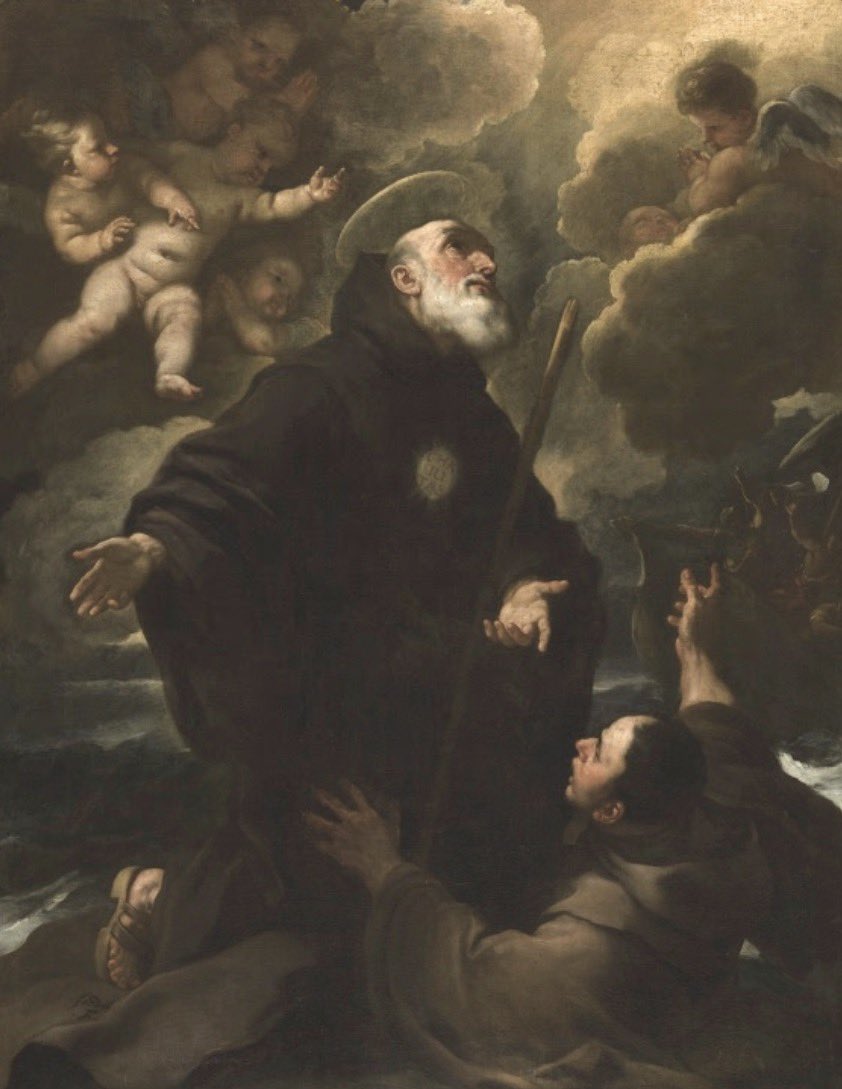
Favourite Saints
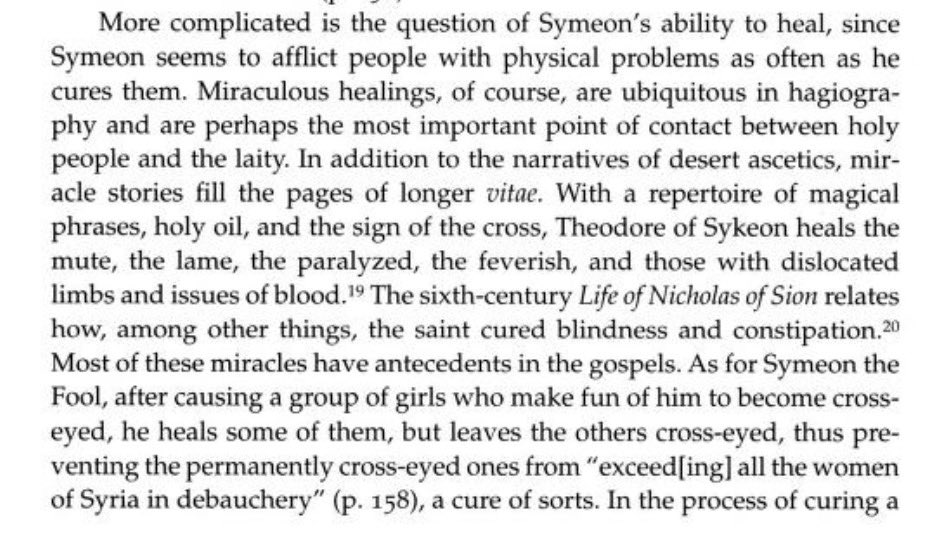
St Symeon the Holy Fool
Born in Turkey, went to Jerusalem, felt the call, made himself a hermit. Decided after a long period of strict fasting to make a mockery of it all. Threw peanuts at priests, walked around with a dead dog, provided food through miracle


English




adriana nag-retweet

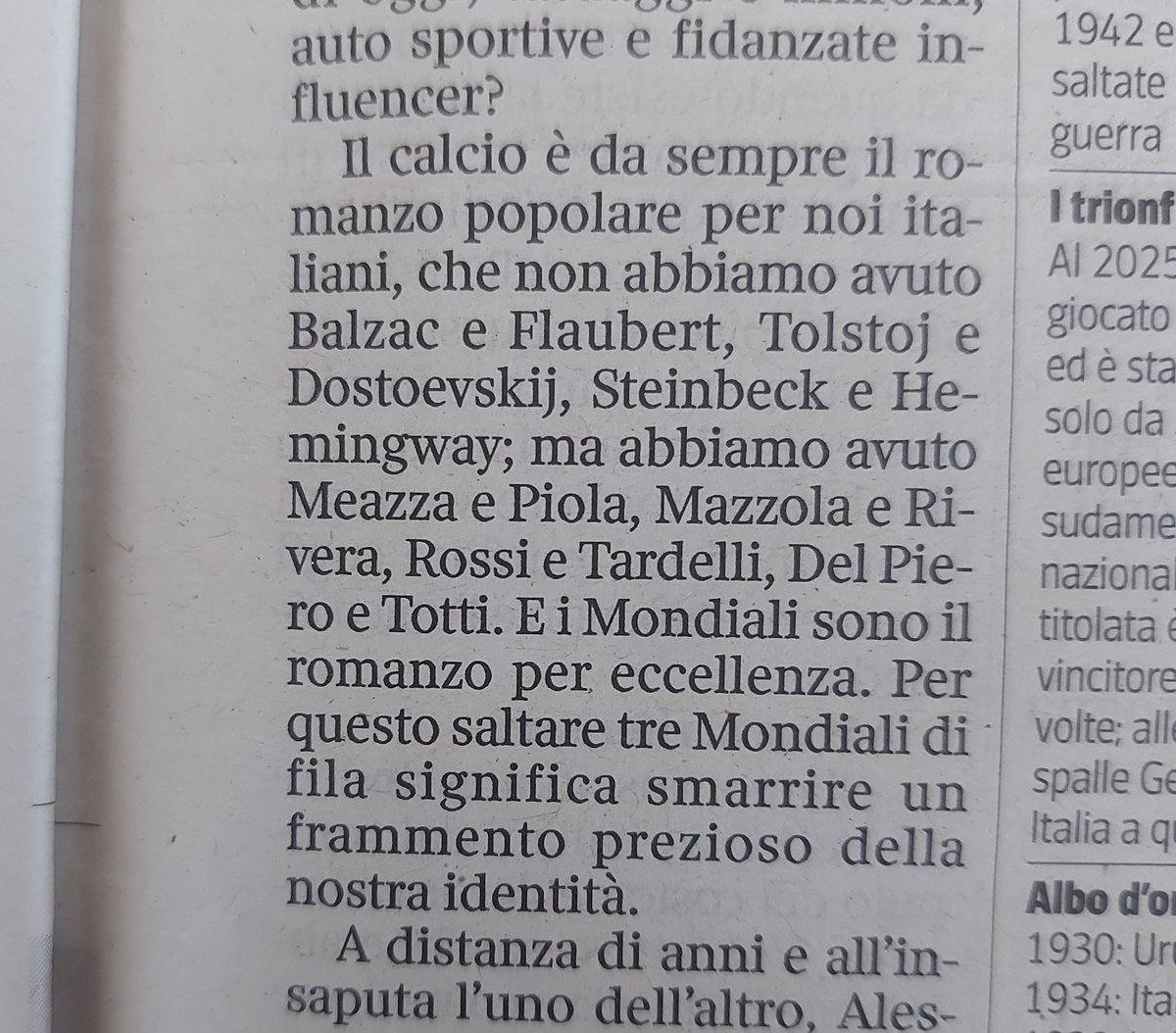
Non abbiamo avuto Flaubert e Dostoevskij, ma abbiamo avuto Totti. 🤷♂️
(Aldo Cazzullo oggi sul Corriere)
Italiano
Many of u need to consider what the role of control plays in ur life. do you view it as some means of displaying affection or care? It’s imposing, demeaning, unacceptable. Even if you know someone well you shouldn’t decide what is right for them. you don’t know anything haha
English
Woman I was hanging w bought cookies after I said I didn’t want them multiple times & I ate two bites (too sweet/too hot to eat them) & stopped & she was pushing me to finish & I was like you can’t force me to eat when I said no (stern voice)
Dropped it then & there and moved on
English
Been talking back recently. met this semi Baptist life coach and he had good insight (as many can provide from a distance that you cannot see) and at one point he said something along the lines of “god loves you and you have value if you’ve murdered or slept w 1k men” ok
English
adriana nag-retweet

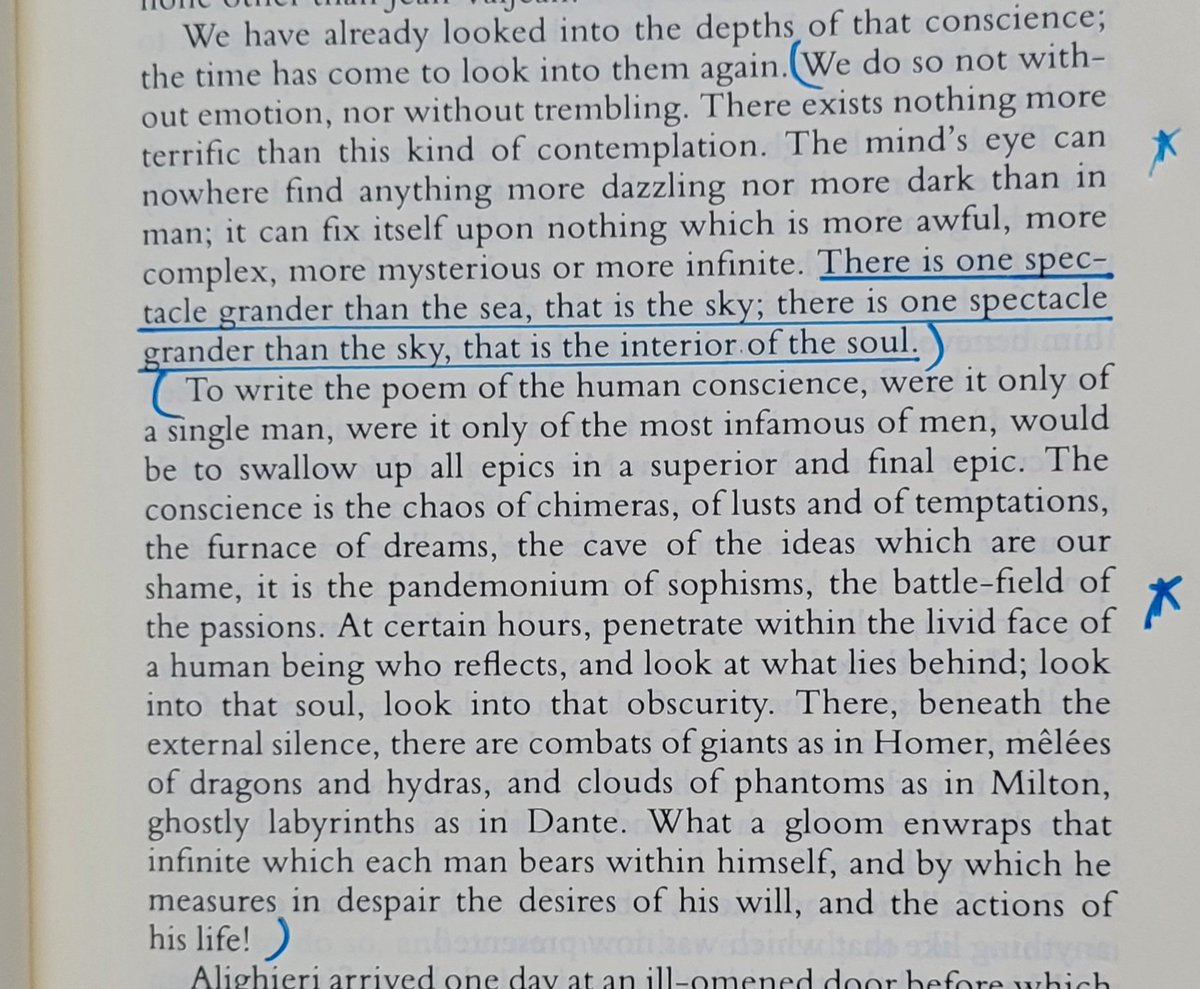
I can’t possibly find words to define how perfectly at peace I feel right now. After suffering a terrible reading slump, I’ve been saved by this beautiful, beautiful book. From my own subjective pov, there is nothing more perfect than reading a book that rejuvenates your soul.
English
one of the great things about psychoanalysis is that its opponents are invariably the dumbest people alive
Matthew Yglesias@mattyglesias
Something people don't talk about so much these days is that in post-WW2 America, people took Freudian psychoanalysis very seriously for some reason.
English

How does a literal Professor of writing not know anything about the history of writing?
David Perell Clips@PerellClips
"We've been homogenizing writing since long before AI." Ocean Vuong says: "It coincided with the rise of the newspaper. The newspaper needed to be standardized after the Civil War because it was completely reckless. Exclamation marks were everywhere. Sure it was beautiful but for information delivery, it was terrible. So the English started to become tamed. It became efficient. It went for clarity. It had to have enough brevity to keep room for advertising. And this comes from the newspaper model. There are plenty of works that are written beautifully from that but it's done incredible damage to young writers' imaginations because the sentence has now been so timid."
English
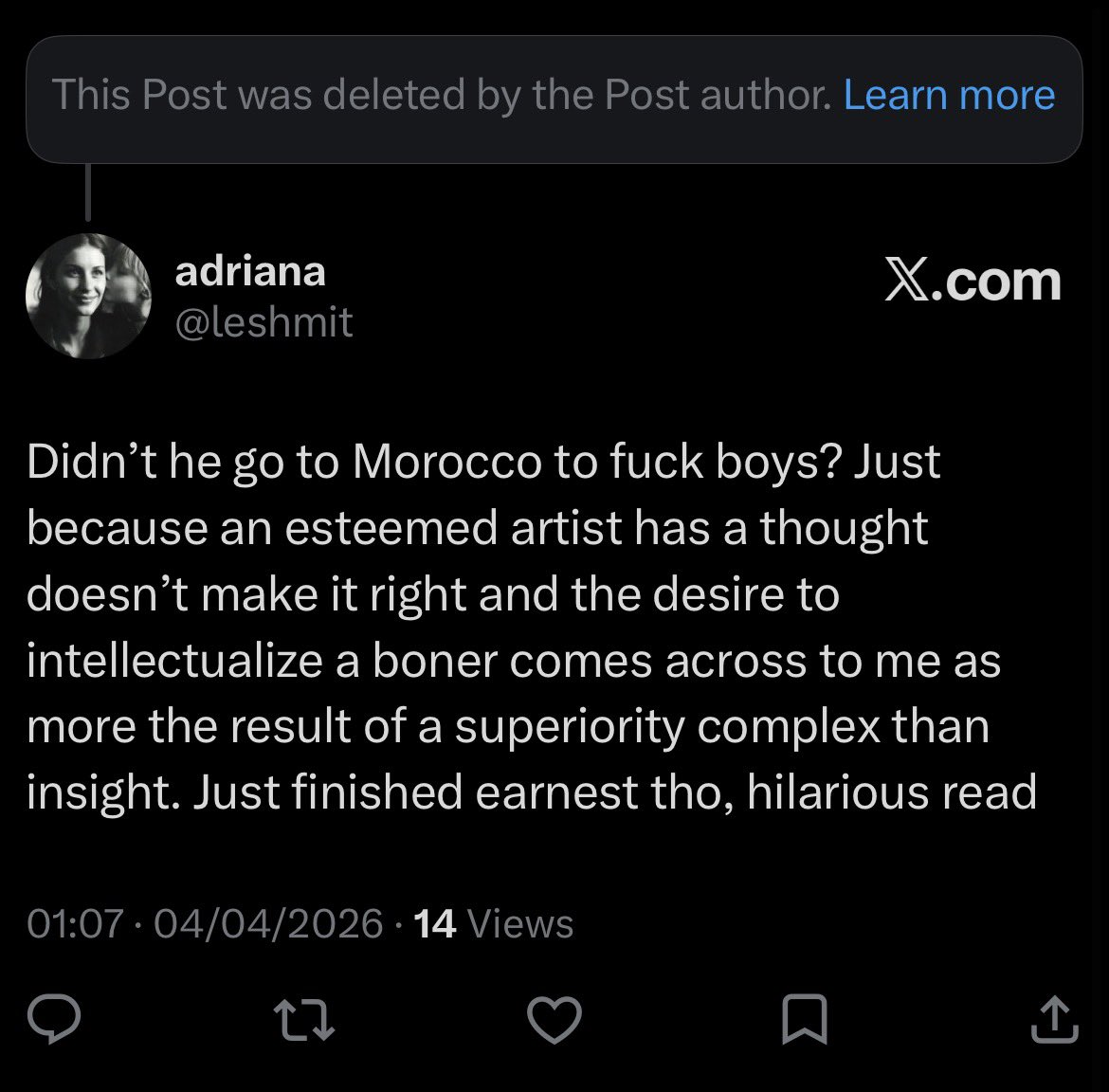

Girl idk. Are you really a historian like that. Also what’s the point of this observation.
David Perell Clips@PerellClips
"We've been homogenizing writing since long before AI." Ocean Vuong says: "It coincided with the rise of the newspaper. The newspaper needed to be standardized after the Civil War because it was completely reckless. Exclamation marks were everywhere. Sure it was beautiful but for information delivery, it was terrible. So the English started to become tamed. It became efficient. It went for clarity. It had to have enough brevity to keep room for advertising. And this comes from the newspaper model. There are plenty of works that are written beautifully from that but it's done incredible damage to young writers' imaginations because the sentence has now been so timid."
English
@PerellClips Poetry and short stories destroys creativity, too, I guess. Small canvases or short arias. A beautiful 15 second TT is valueless and the island of dr Moreau is good
You can write beautifully in 200 words. like I just can’t stand this guy
English

"We've been homogenizing writing since long before AI."
Ocean Vuong says: "It coincided with the rise of the newspaper. The newspaper needed to be standardized after the Civil War because it was completely reckless. Exclamation marks were everywhere. Sure it was beautiful but for information delivery, it was terrible.
So the English started to become tamed. It became efficient. It went for clarity. It had to have enough brevity to keep room for advertising.
And this comes from the newspaper model. There are plenty of works that are written beautifully from that but it's done incredible damage to young writers' imaginations because the sentence has now been so timid."
David Perell@david_perell
Ocean Vuong is a poet, novelist, and professor at NYU. This is the anti writing with AI conversation. It's about breaking free from technology and convention in order to see the world fresh again, and then make beautiful art about what you see. Some highlights: 1) "We're out here to write sentences the species has never encountered, and it's possible in this lifetime." 2) "Eighty percent of writing is looking and thinking. The last part is syntax." 3) "When you have a sentence, what you really have is consciousness filtered through syntax. For every single person, it's different." And below are all the things we talked about, in the form of timestamps: 1:40 Writing metaphors 4:52 The problem with writing workshops 13:02 How AI changed writing 23:32 Why did writing get so rigid? 28:04 Rescue the cliche! 32:06 Seeing vs. recognizing 34:37 80% of writing isn't writing 41:31 What makes sentences memorable 50:31 Poetry as a testing ground for writers 1:02:30 Synchronic vs diachronic reading 1:09:03 Daringness and disobedience 1:14:27 The limits of language I've shared the full interview with Ocean below. If you'd rather watch on YouTube, or listen on Apple / Spotify, check out the reply tweets.
English