
Naka-pin na Tweet
📲
2.1K posts


📲
@mtabnd
عايشين بخير والعود في عين الحسود 🇸🇦 دوله مالك شبه🇸🇦حاكمك ماله شبه🇸🇦 @@@(للتواصل والتنسيق رسائل الخاص متاحه)@@@
Sumali Kasım 2025
1 Sinusundan14 Mga Tagasunod
من يريد محاربه ايران فالميدان امامه
.. الشعب السعودي يرفض محاربه ايران لانها ليس حربنا وقبل ذلك حكامنا السعوديين رفضوا الدخول في الحرب .
مجلة ميم.. مِرآتنا@Meemmag
بينما تحكّم باقي الدول الخليجية العقل وتتجنب الوقوع في فخ دونالد ترامب.. الإمارات وحدها، توسوس للعرب بالانخراط في الحرب، تنفيذا لمخطط نتنياهو!
العربية
@MSAlmalik خذ الخبر الاكيد
الصواريخ اللي تضرب السعوديه وقطروالكويت وعمان يرسلهاميليشيات تابعه لمحمد بن زايد محاوله منهم جر هذه الدول في الحرب
بن زايدخطط خيانته لسنوات ونفذها وفشلت...وارسل الله عليه الدماروالخسائر ببلده..
اللهم احصهم عددا ولا تبقي منهم احدا
العربية

🚨🚨🚨 تهديد المتحدث الإيراني بقصف اهداف مدنية وعلمية في دولة الامارات الشقيقة .
الحقد الفارسي على العرب لايقف عند حد.
العربية
@Dralnoaimi السعوديه لن تدخل الحرب والشعب السعودي يدعم قرارحكامه لن ندخل الحرب
الصواريخ اللي تضرب السعوديه وقطروالكويت وعمان يرسلهاميليشيات تابعه لمحمد بن زايد محاوله منهم جر هذه الدول في الحرب
بن زايدخطط خيانته ونفذها.وارسل الله عليه الدماروالخسائرببلده
اللهم احصهم عددا ولا تبقي منهم احدا
العربية

عندما تتعرض الإمارات و بقية الخليج و الأردن لاعتداءات من النظام الإيراني الارهابي فلا مكان للحياد فالمتفرج على الجريمة شريك فيها و عدوي هو من يقصف بلادي و أنا لم اختر عدواته .. من يبرر للعدو عدوانه فهو شريك في عداوة وطني .. و من يزعم انه شقيق أو صديق ثم يقدم نفسه لي كوسيط و وطني يتعرض للعدوان فقد اخرج نفسه من دائرة الأشقاء و الأصدقاء لأنه لم يقم بواجباتها .. من راهن على انكسارنا فقد راهن على خسارته
العربية
@DrAhmadAlshaikh حسن نصر الله وجه كلامه ل محمد بن زايد.هل تعلمون لماذا
لان محمد بن زايد هو السبب في هذه الحرب
.محمد بن زايد اراد جر دول الخليج للحرب مع ايران تنفيذا لخططهم القديمه
. لكن الدول واعيه وكاشفه كل الخطط قبل ان يبدا الحرب
.. اراد دمار الدول المجاوره وسلط الله على دولته وتدمرت
العربية

السبب الحقيقي لمعادة إيران .. لدولة الإمارات
العربية
@DrAhmadAlshaikh السعوديه لن تدخل الحرب والشعب السعودي يدعم قرارحكامه لن ندخل الحرب
الصواريخ اللي تضرب السعوديه وقطروالكويت وعمان يرسلهاميليشيات تابعه لمحمد بن زايد محاوله منهم جر هذه الدول في الحرب
بن زايدخطط خيانته ونفذها.وارسل الله عليه الدماروالخسائرببلده
اللهم احصهم عددا ولا تبقي منهم احدا
العربية
@AnwarGargash الصواريخ اللي تضرب السعوديه وقطروالكويت وعمان يرسلهاميليشيات تابعه لمحمد بن زايد محاوله منهم جر هذه الدول في الحرب
بن زايدخطط خيانته ونفذها.وارسل الله عليه الدماروالخسائرببلده
اللهم احصهم عددا ولا تبقي منهم احدا
العربية
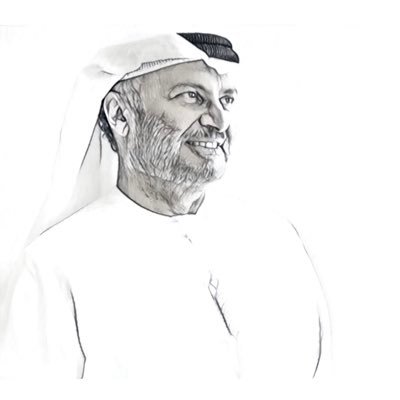
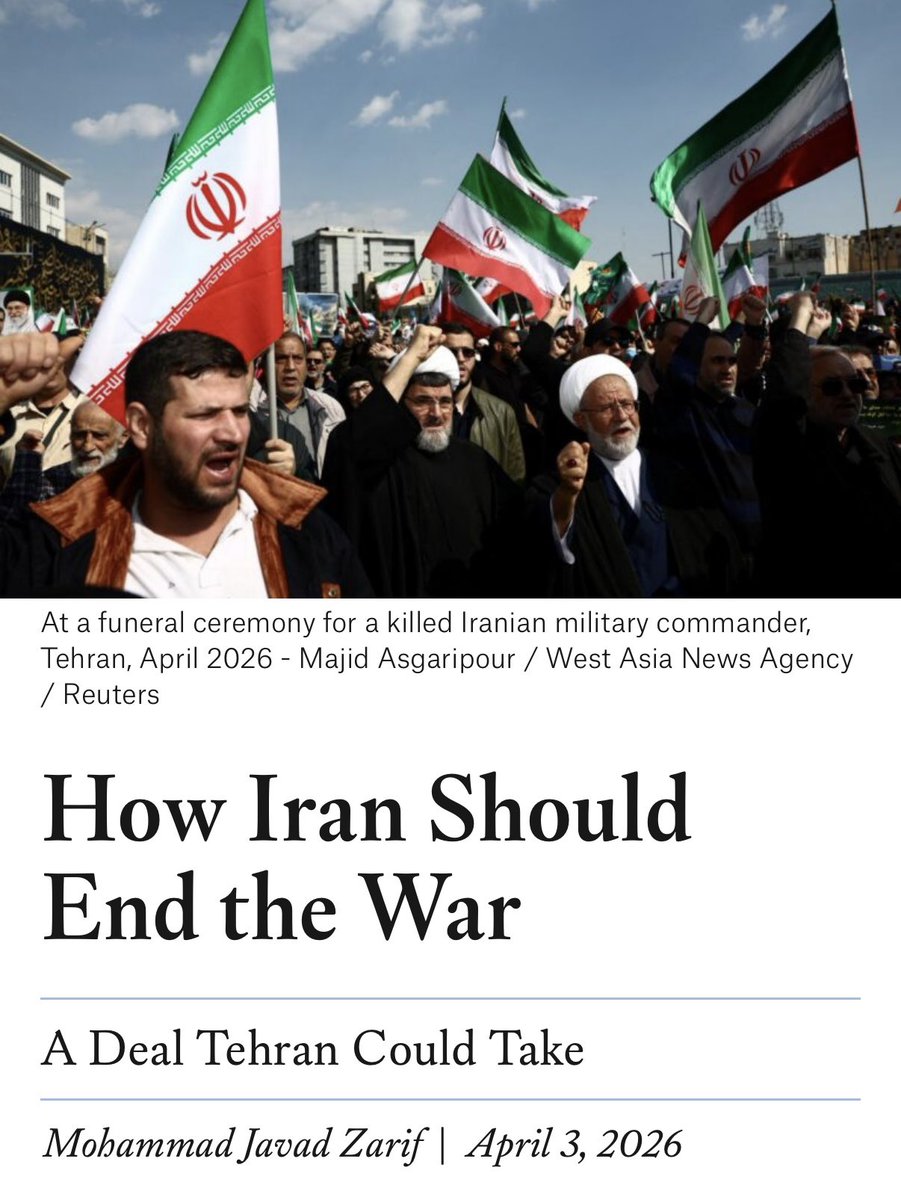
Reading M. Javad Zarif’s article in Foreign Affairs ignores one of the core flaws in Iran’s strategy: aggression against its Gulf Arab neighbors. Thousands of missiles & drones targeting infrastructure, civilians, even mediators, is not strength; it is hubris & strategic failure. The Arab world has seen this before: destruction peddled as victory.
Such narratives no longer hold.
English
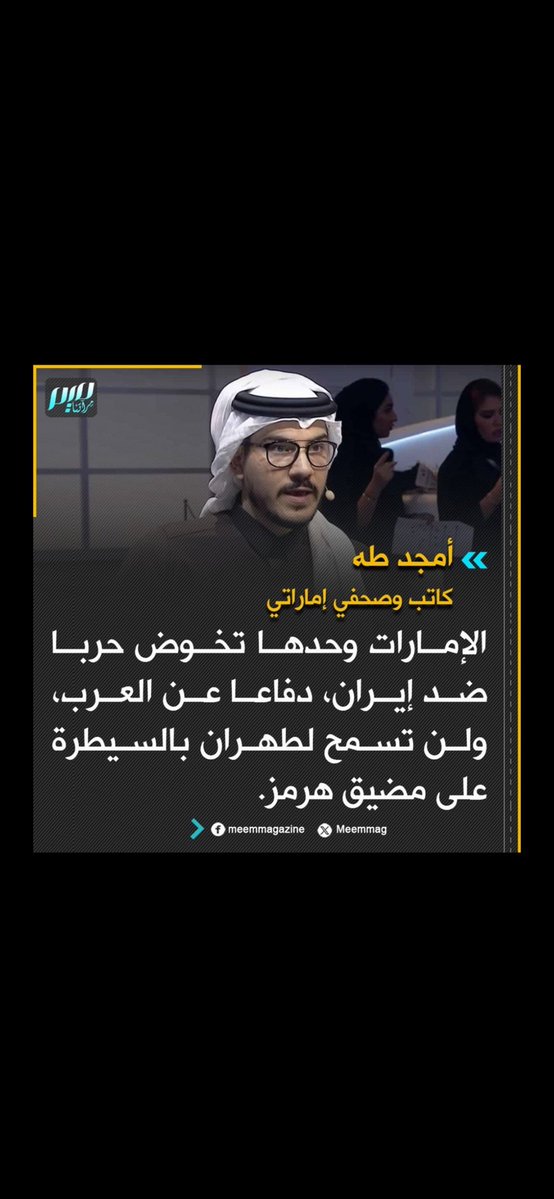
@a_lnemari برافو ياامجد طه شد حيلك
الامارات تاخذ الحرب اي حرب تتكلم عنه نحن ما نراه تتهاوى عليكم الصواريخ والمسيرات بالجمله واحدثت دمارا هائلا اوله هروب العالم من الامارات حفاظا على ارواحهم
. بس اتوقع انك تقصد حرب التغريدات الكاذبه بهذه صحيح انتم تشنون حربا تغريديه ممنهجه كاذبه. سرها بس
العربية

الأموال القذرة هي من تحرك المرتزقة
😀كلام لايصدقه العقل ولا يقبله المنطق
العربية
@a_lnemari السعوديه لن تدخل الحرب والشعب السعودي يدعم قرارحكامه لن ندخل الحرب
الصواريخ اللي تضرب السعوديه وقطروالكويت وعمان يرسلهاميليشيات تابعه لمحمد بن زايد محاوله منهم جر هذه الدول في الحرب
بن زايدخطط خيانته ونفذها.وارسل الله عليه الدماروالخسائرببلده
اللهم عليك بهم فإنهم لايعجزونك
العربية

@Hmsiud السعوديه لن تدخل الحرب والشعب السعودي يدعم قرارحكامه لن ندخل الحرب
الصواريخ اللي تضرب السعوديه وقطروالكويت وعمان يرسلهاميليشيات تابعه لمحمد بن زايد محاوله منهم جر هذه الدول في الحرب
بن زايدخطط خيانته ونفذها.وارسل الله عليه الدماروالخسائرببلده
اللهم احصهم عددا ولا تبقي منهم احدا
العربية

@Alanoud811100 السعوديه لن تدخل الحرب والشعب السعودي يدعم قرارحكامه لن ندخل الحرب
الصواريخ اللي تضرب السعوديه وقطروالكويت وعمان يرسلهاميليشيات تابعه لمحمد بن زايد محاوله منهم جر هذه الدول في الحرب
بن زايدخطط خيانته ونفذها.وارسل الله عليه الدماروالخسائرببلده
اللهم احصهم عددا ولا تبقي منهم احدا
العربية

#عاجل_الآن
سمو ولي العهد الأمير محمد بن سلمان يصرّح بكل وضوح:
"ما عندنا ثقة كاملة إن حلفاءنا بيوقفون معنا لو دخلنا في مواجهة مباشرة مع إيران."
والسؤال اللي يطرح نفسه:
من هم الحلفاء اللي يقصدهم؟
وهل هذا اعتراف صريح من الأمير بأن دولتة ليست ند لإيران؟

العربية
الصواريخ اللي تضرب السعوديه وقطر والكويت وعمان يرسلها ميليشيات تابعه لمحمد بن زايد محاوله منهم لجر هذه الدول للحرب
.ابن زايد خطط خيانته ونفذها.وارسل الله عليه الدمار والخسائر في قعر داره. اللهم احصهم عددا ولا تبقي منهم احدا يارب العالمين
حب اليمن يجمعنا@mmdjb22990062
@mtabnd @anesmansory انتها دويلة ساحل عمان
العربية
@AdvSahibaRana السعوديه ترفض الحرب والشعب السعودي يدعم قرارحكامه ويرفض الحرب على ايران
..الصواريخ اللي تضرب السعوديه وقطر والكويت وعمان يرسلها ميليشيات تابعه لمحمد بن زايد محاوله منهم جر الدول للحرب
ابن زايد خطط خيانته ونفذها.وارسل الله عليه الدمار والخسائر في قعر داره .. اللهم اكفناهم بماشئت
العربية

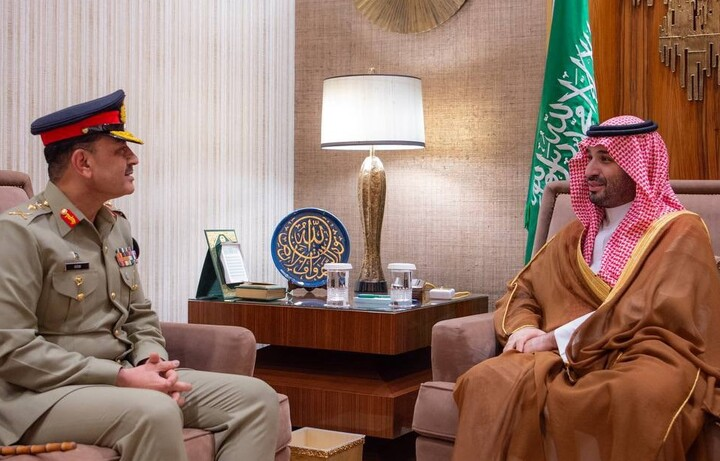
سعودی عرب ایران سے جنگ نہیں چاہتا ۔ سعودی عرب امن کیلئے کوشش کررہا ہے ۔ سعودی عرب نے ہی پاکستان سے کہا کہ وہ ایران اور امریکہ میں مزاکرات کرائے ۔
لیکن امن کی خواہش سعودی عرب کی کمزوری نہیں ہے ۔ سعودیہ کی فوج دنیا کی طاقتور ترین افواج میں سے ایک ہے ۔
اردو
@mmdjb22990062 @anesmansory معلومات استخباراتية ان الصواريخ اللي تضرب السعوديه وقطر والكويت وعمان يرسلها ميليشيات تابعه لمحمد بن زايد محاوله منهم لجر هذه الدول في الحرب
.ابن زايد خطط خيانته ونفذوه.. وارسل الله عليه الدمار والخسائر في قعر داره .. اللهم اكفناهم بماشئت
العربية

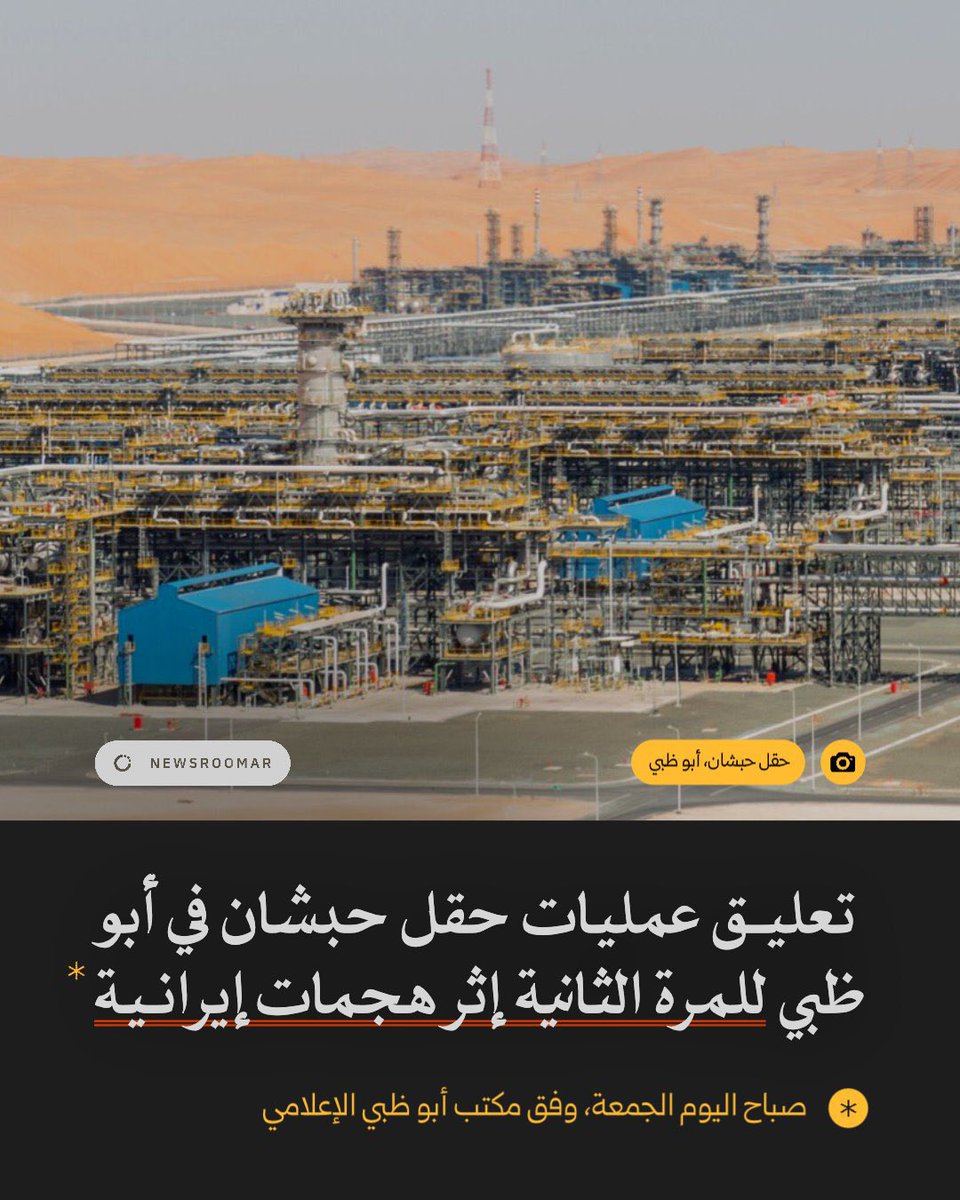
منشات حبشان الغازية بالإمارات مازالت تحترق وهذا يعني النهاية والكارثة على الإمارات لماذا !؟
هذا يعني النهاية لأن النتائج هي :-
🔻نقص حاد في إمدادات الغاز
🔻انقطاع كهرباء وتوقف محتمل أو خفض كبير في إنتاج الكهرباء، خاصة في أبوظبي ودبي، وانقطاعات متكررة في فصل الصيف
🔻توقف كامل لمحطات التحلية، مما يهدد إمدادات المياه
🔻 قد يحدث تسرب مواد كيميائية أو انبعاثات سامة
🔻هناك خسائر اقتصادية بالمليارا
🔻شلل صناعي من خلال توقف مصانع البتروكيماويات، الطاقة الثقيلة، وتراجع النمو الاقتصادي
شكرا ايران الخير 🤣🔥🔥

العربية
@anesmansory معلومات استخباراتية ان الصواريخ اللي تضرب السعوديه وقطر والكويت وعمان يرسلها ميليشيات تابعه لمحمد بن زايد محاوله منهم لجر هذه الدول في الحرب
.ابن زايد خطط خيانته ونفذوه.. وارسل الله عليه الدمار والخسائر في قعر داره .. اللهم اكفناهم بماشئت
العربية
@saif_aldareei لا تربط اقتصاد الامارات في امن الخليج
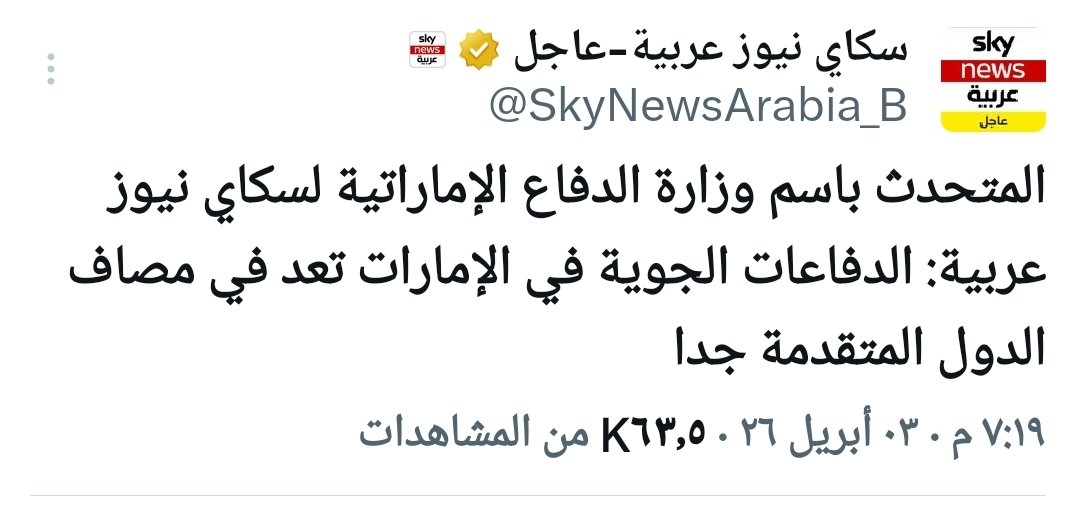
... حسب قولكم انكم تمتلكون قوه جويه تعد من مصاف الدول المتقدمه
اذهب وحاربوا ايران واتركوا عنكم التغريدات التي نعلم مقصدها
العربية

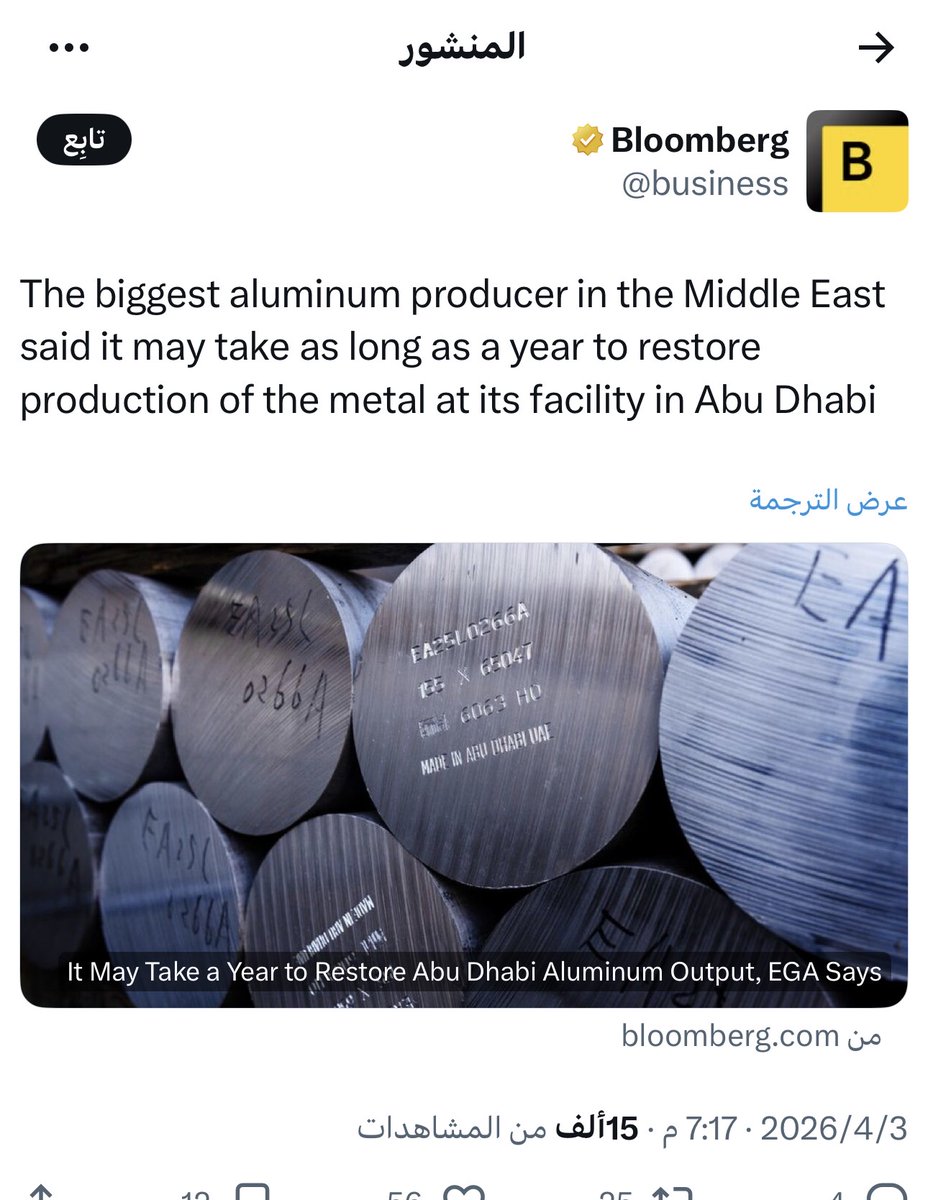
“من يقول إن إيران تضرب فقط ‘المشاة الأمريكية’ كذاب أو عميل.
إيران ضربت مصنع إمارات جلوبال ألومينيوم في أبوظبي، أكبر منتج ألومنيوم في الشرق الأوسط.
النتيجة: إنتاج متوقف لمدة سنة كاملة.
هذا ليس ضرب جنود.. هذا اعتداء مباشر على اقتصاد الإمارات وأمن الخليج.
العربية
@IbinJelawi اللهم احفظ السعوديه واحفظ حكامها واحفظ مقدساتنا واحفظ ارضها واحفظ شعبها يارب العالمين
(الدين وحكامنا والوطن خط احمر)
اللهم من اراد بلادنا وحكامنا ومقدساتنا وأرضنا وشعبنا بسوء فاجعل كيده في نحره واجعل تدبيره تدميرا عليه يا رب العالمين
العربية

لا تجادل لك سعودي في ثلاث
الدين و الديرة و قادات الوطن
#فيصل_بن_جلوي

العربية
@bin_ajjlan ايش دخل امك في السعوديه ونفطها وشعبها
.. الشعب السعوديه لا يريد حكاما غير ال سعود غصباً وليس بالرضا
.. انضحك عليك وخلوك تهرب تبيع وطنك وارضك وتكون اداه في ايدي اعداء الشعب السعودي المعارضين الذين خرجوا على ولي الامر الشعب السعودي يعتبرهم خونه
الى مزبله التاريخ ايها المرتزق
العربية

البترول ملك الشعب ،،،
ومن حق الشعب ان يختار من يحكمه،،،
#الشعب_يريد_إسقاط_آل_سعود
الوقوف في وجه الظلم (عبادة) والإستسلام له (ضعف).

العربية
@RealJ_alhussain صواريخ والمسيرات التي ضربت السعوديه وقطر وعمان والكويت مرسله من ميليشيات يقودها ابن زايد بعد ماقاموا بصنع طائرات تشبه الطائرات الايرانيه
.يريدون ادخال هذه الدول في الحرب
نيابه عن الشعب السعوديه نرفض دخول السعوديه للحرب على ايران كما قالوا حكامنا في بدايه الاحداث
العربية

واضح في أمر مهم في #الامارات بيزلزل منطقة الخليج، الظاهر الهجوم على #السعودية توطئة لإعلان الكونفدرالية مع #اسرائيل_إرهابية. ولكن حال الاعلان هل ستبقى في منظومة #مجلس_التعاون_الخليجي ؟
حزب الامارات 🇦🇪@gang_uae
🔴 رســــمــــيــــاً 🔴🔴 تأجيل عرض المسلسل السعودي 🇸🇦 «السفارة 87» المستوحى من أحداث حقيقية والذي يُتوقع أن يستعرض ضمن أحداثه فزعة ومساندة السفارة الإماراتية 🇦🇪 لطاقم السفارة السعودية آنذاك
العربية
الامارات تعتزم الدخول في الحرب ضد ايران لفتح مضيق هرمز... وانهم يمتلكون قوه صنفت من القوى العالميه
.. لا تردونها قولوا لها ادخلي بالحرب بما انك تمتلكين قوه تصنف عالميه افتحي مضيق هرمز وامنيه
The Dark Box@TheDarkBox71
UAE Ignites the Gulf: Abu Dhabi’s War Gamble Threatens Regional Collapse Intelligence indicators point to a dangerous escalation in the Gulf, marked by rapid military coordination and mounting political pressure pushing the United Arab Emirates toward direct involvement in the war against Iran alongside the United States and Israel. Verified information suggests that Abu Dhabi is preparing to participate in a military operation aimed at reopening the Strait of Hormuz by force, signaling a shift from indirect support to active battlefield engagement. The main actors include the United States leading military operations, Israel advocating for expanded confrontation, and the UAE positioning itself as the first Gulf state to join this path, while Iran prepares to broaden its response. The UAE’s role is evolving from logistical support into operational participation, representing a significant strategic shift that places it at the center of the conflict. Evidence of this transition appears in the acceleration of military coordination, increased readiness levels, and movements linked to military infrastructure within the UAE, alongside clear indications of intent to engage in securing maritime routes by force. These signals reflect a move from preparation toward potential execution. The immediate consequence of this trajectory is the heightened risk of war expansion, turning the Gulf into an open theater of confrontation. Direct Emirati involvement would likely place it within Iran’s targeting framework, threatening critical infrastructure and economic stability while undermining its position as a global hub for trade and investment. It may also deepen divisions within the Gulf between states pursuing de escalation and those moving toward confrontation. Ultimately, the region stands at a critical turning point, where this shift could redefine the regional security equation and transform a contained conflict into a broader war with far reaching and difficult to contain consequences. READ MORE: the-darkbox.com/4uwu #Gulf #UAE #Iran #Hormuz #Geopolitics #Security #MiddleEast
العربية