
Codza
10.5K posts
Codza
@mutcol
Globetrotter|Global Trade| Farmer| Farms Auditor| Fresh Produce & E2E Cold Chain Management Consultant.
England, United Kingdom Sumali Ekim 2011
2.2K Sinusundan2.3K Mga Tagasunod

English

English

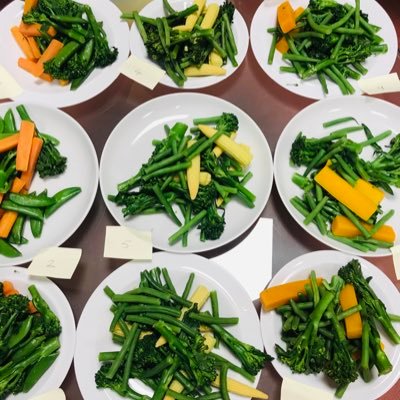
If asked to remove one thing from this tray, what would it be ?

English

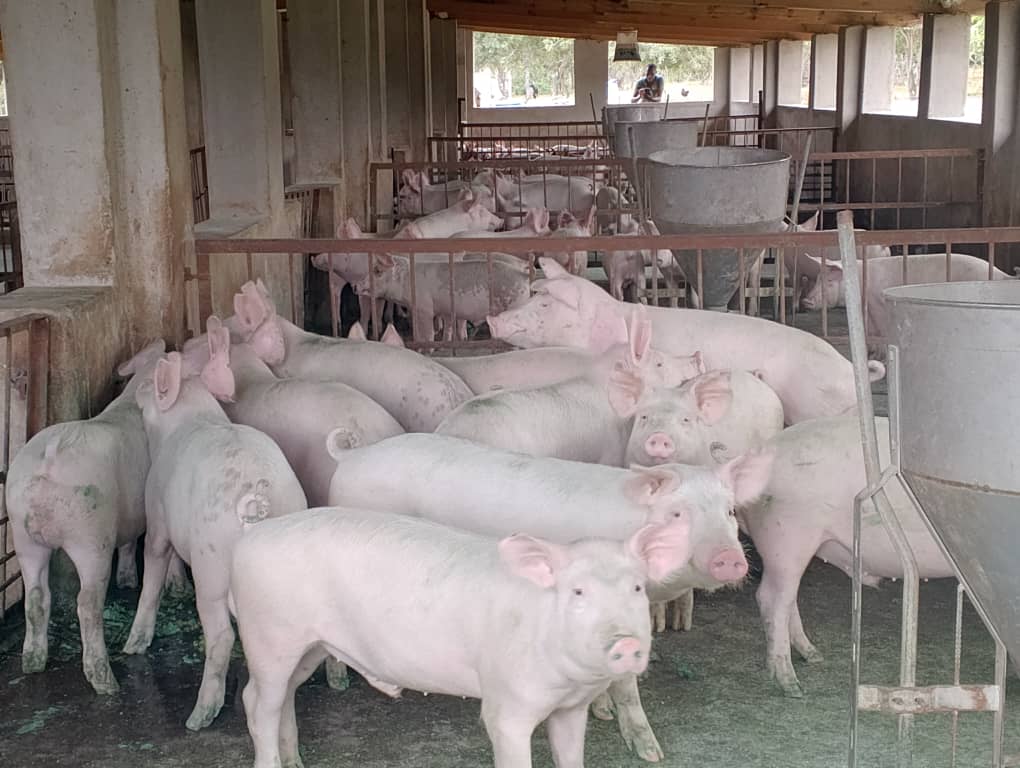
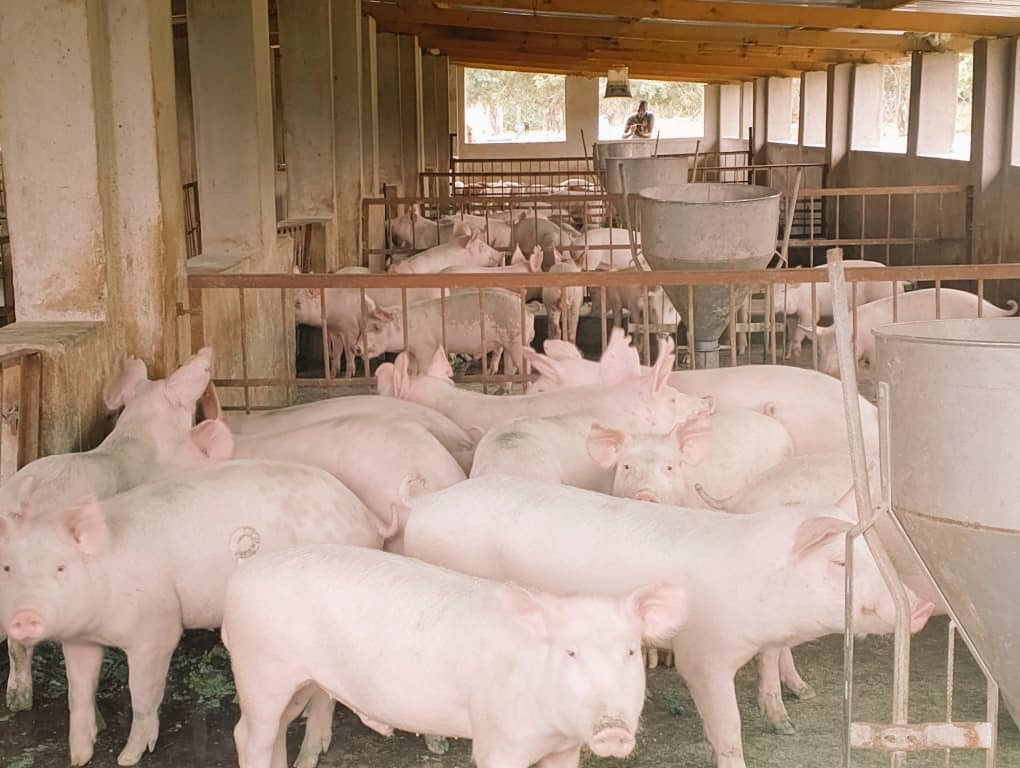
In piggery, master the art of batching, perfect the science of feeding😊
English
Codza nag-retweet

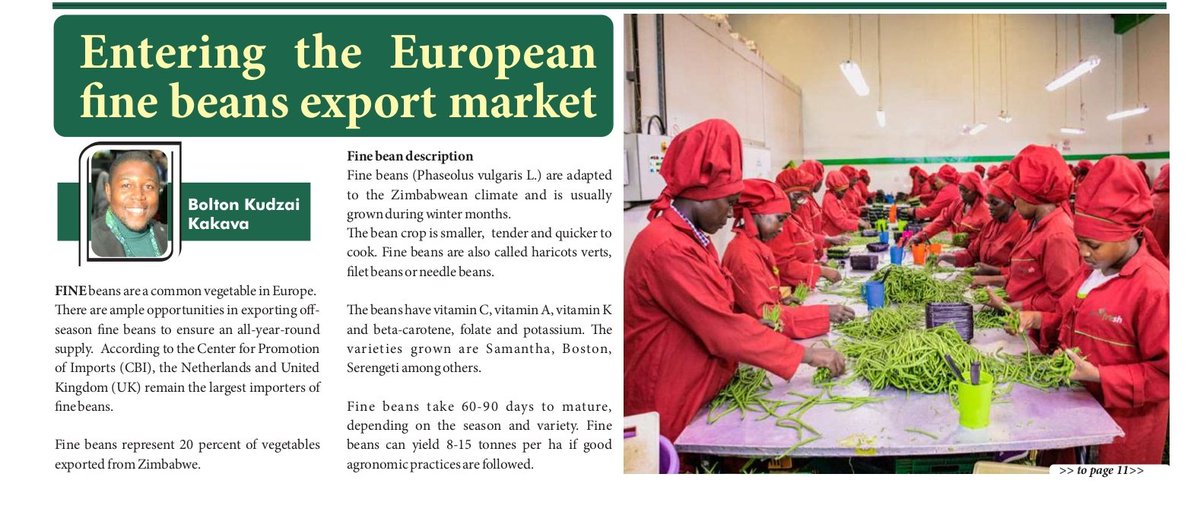
Check out the latest April edition of the Zimpapers Agriculture Journal 🫛
English
GIF
English
@boltonkudzi @MoHCCZim @Nestle @drruwende @BVChironga @CCZ_263 @HeraldZimbabwe @babatafi Nestle is probably following the lead of a ministry that’s silent. This is not good, especially where infants are concerned 😟
English

Codza nag-retweet

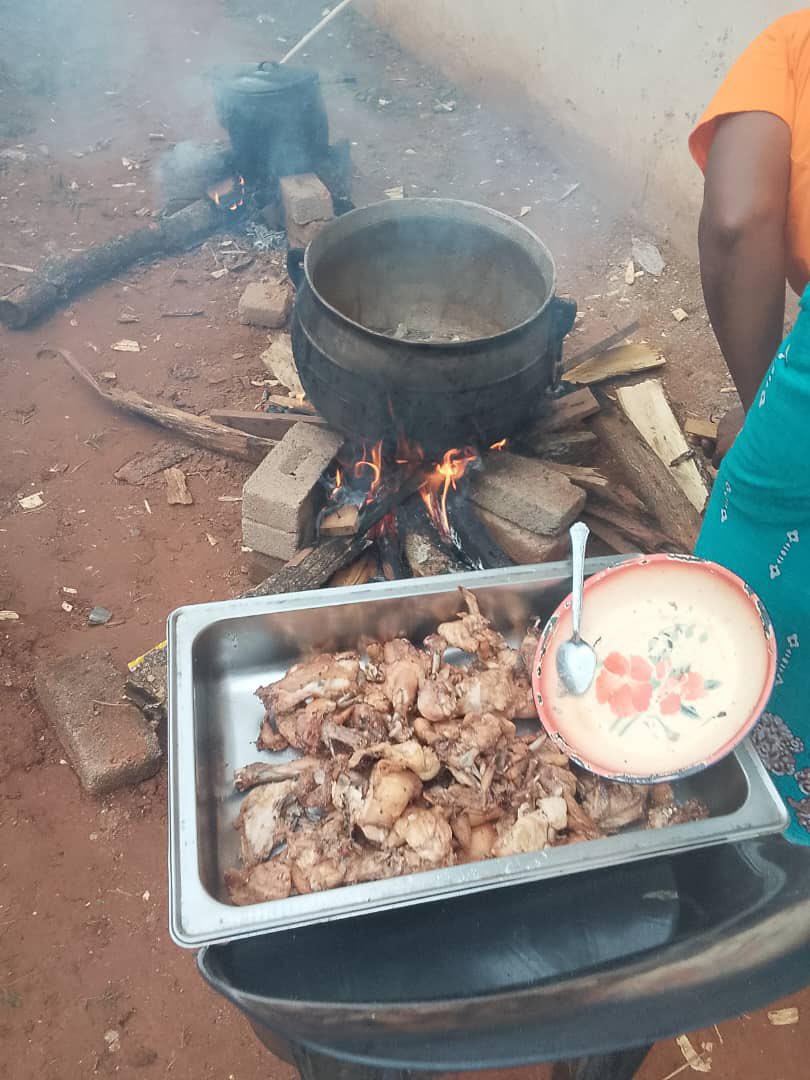
A heartfelt thank you to all donors – your generosity has brought Christmas joy to these children, making their holiday season brighter and more memorable.🎅🏻🙏🏿 @Mwendaz701 @chidarikire @mutcol @LynneStactia @daddyhope @freemanchari



English
@KingJayZim @TeamFuloZim Bambara groundnut, Latin: Vigna subterranea (L.) Verdc.
TIP: If you do bring them (or beans) from Njanja, make sure you store them in the "Deep"/Freezer or else zvipfukuto will be crawling all over your kitchen
English
Codza nag-retweet

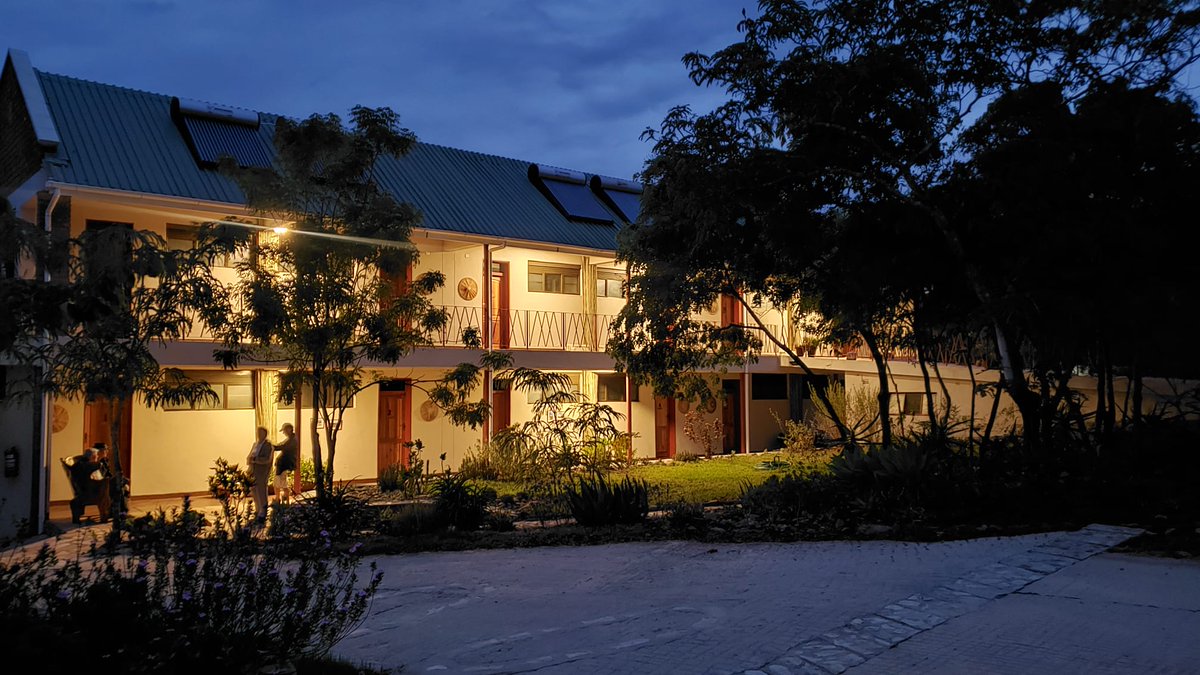
The Eastern Highlands is a flight away and we have the authentic African luxury to serve you peace and a chance to recharge!
Codza@mutcol
@MusanganoL @Mncedisi_mengu Thank you for this. It takes away the hustle of driving from Harare to Manicaland.
English


Zvinowanzodai a week after expiry of the comprehensive insurance
Dandaro Online@DandaroOnline
#dandarostreets Mercedes-Benz burnt to ashes along Harare Drive in Harare... 🙌🏾💯✔️
English
@AMAofficial_zim @MoLAFWRD_Zim Thank you for this. We need to bargain for better prices as a collective. There are some issues, on the same, with the Macadamia association
English

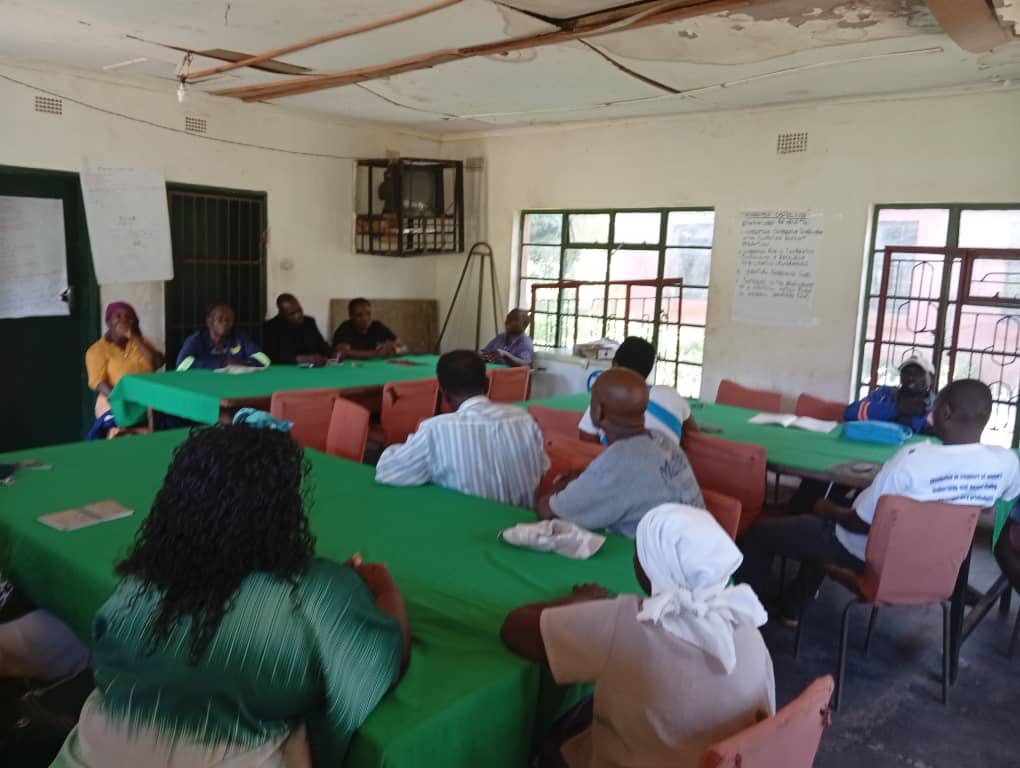
Scenes from Kopa, Chimanimani with the Macadamia, Avocado & Citrus Associations.
AMA reviewed production levels to support aggregation and secure offtake opportunities for farmers.
This visit forms part of the implementation of the MOU signed between AMA and PACINA (offtaker).


English
@boltonkudzi @babatafi @gift_mugano @BVChironga @MukuvariKaroi @FreshDaramombe @JayNjii @david7zoe @Rusere_Ronald This was a terrible time and i remember it
English
Today in history on 14 November 1997, the Zimbabwe dollar crashed against most major currencies, sparking a major currency crisis, followed by financial market instability.
The Zimbabwean Dollar crashed the same day by 71.5% against United States Dollar.

English
@KingJayZim If I hadnt worked in Lanzo I would have thought kuti its all stories, but Eiishh!
English

@mutcol Ha! Some gory things happened in London,especially around SOHO Red light District.
English
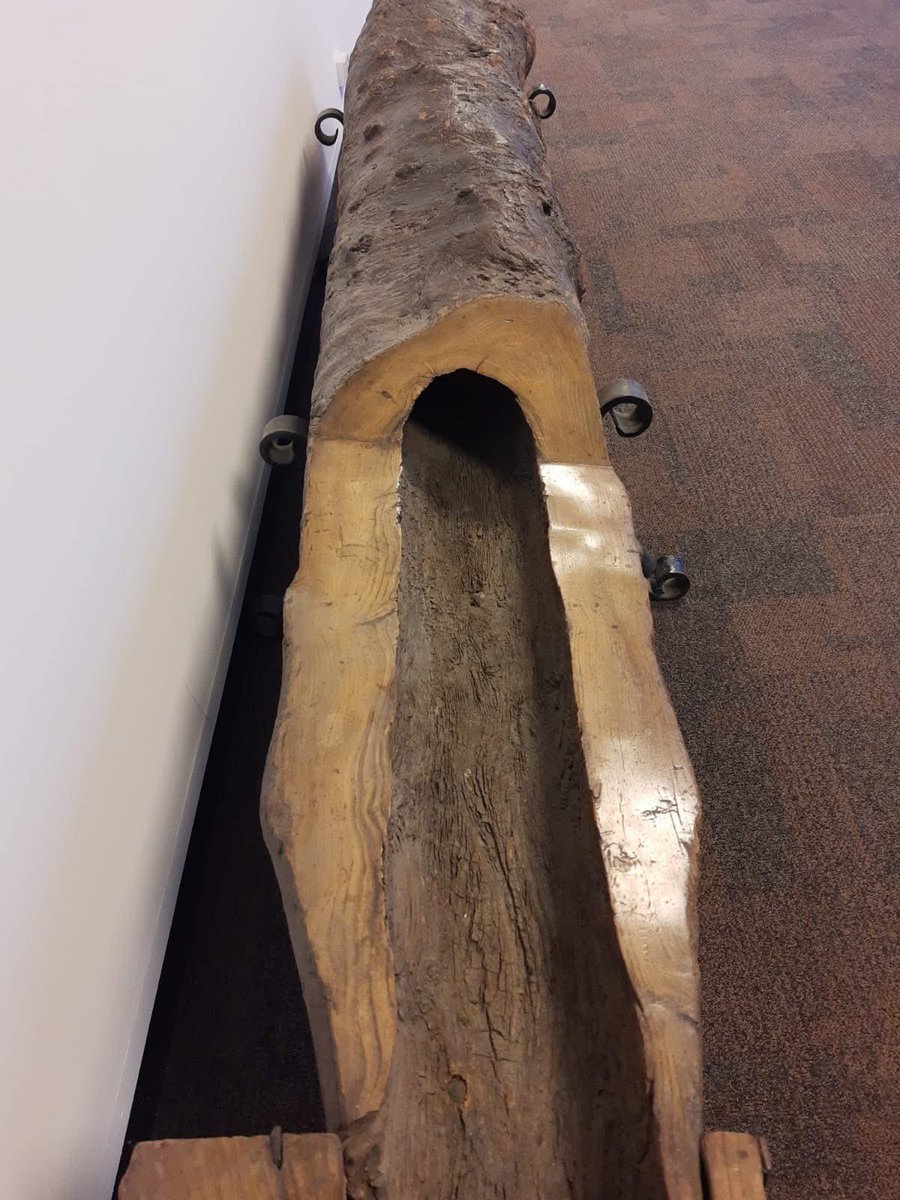
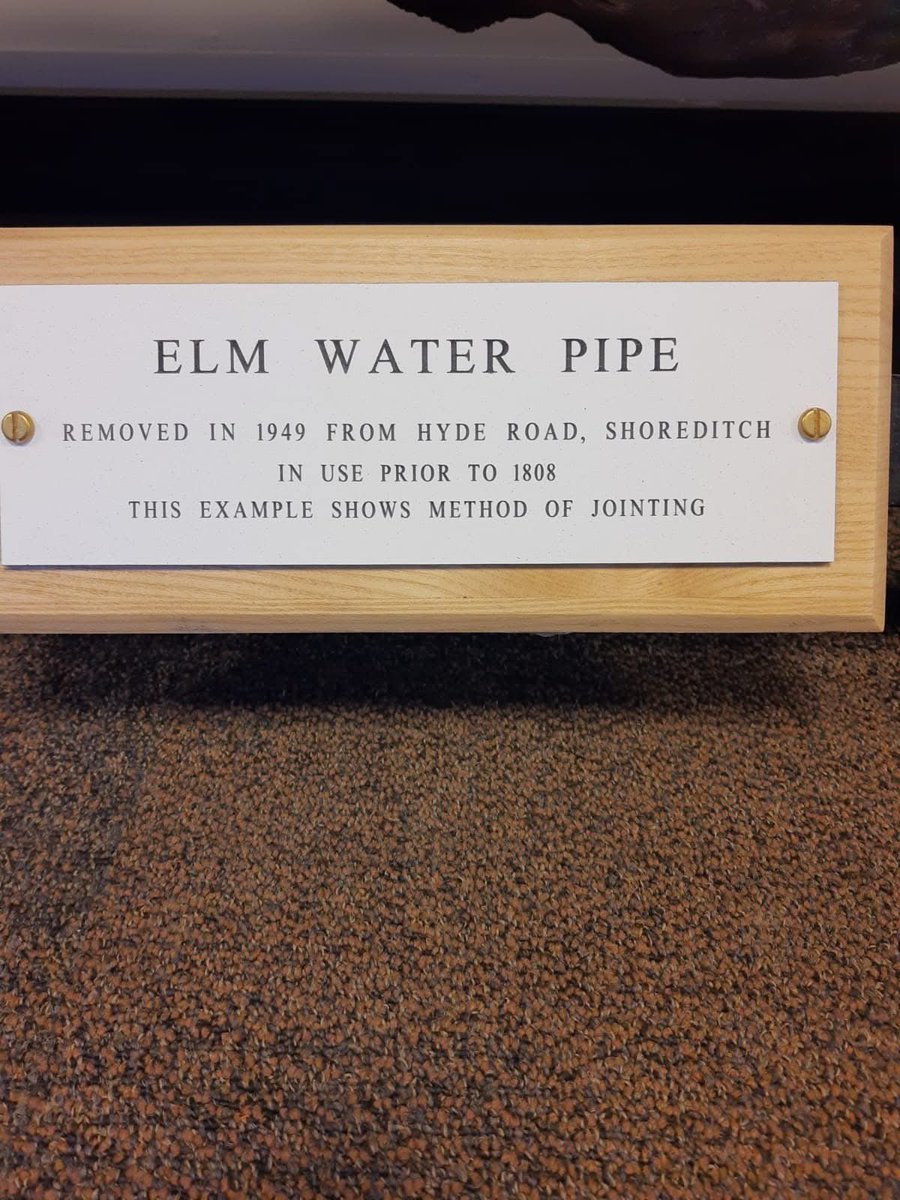
During my time working for the UK’s biggest water company, let me call them ZINWA UK for today ,I ran into this beast: an “Elm Water Pipe” taken out of Hyde Road, Shoreditch in 1949, but already in use before 1808, long before anyone talked about “infrastructure” on PowerPoint.
The Brits were already moving water from rivers and springs, through treatment works and into homes using nothing more than muscle, hand tools and trees. Proper old-school civil engineering.
These pipes started life as tall, straight elm trees, elm was the wood of choice because it grows long and true, and instead of rotting in water it actually holds up well if it stays permanently wet, so the companies sent men out into the home counties to walk fields, mark the best trunks and buy them up, the logs were then floated or carted back to “pipe yards” and even special places like Pipe Borers Wharf just downstream from London Bridge where gangs of specialists turned trees into plumbing.
Each trunk was cut into lengths and then bored out along the grain, using long augers from both ends until the holes met in the middle, not bad for 1600s technology, one end of the trunk was carved into a taper (the spigot) and the other end hollowed slightly wider (the socket), so sections could be pushed together to form a continuous main, the joints were then pulled tight with iron hoops or leather straps, earth tamped over the lot, and just like that you had an underground network threading its way under London streets.
The system wasn’t small, by the 17th century schemes like the New River were bringing water almost 40 miles from Hertfordshire into North London, then feeding districts through these elm mains before smaller lead pipes took the final leg into houses, the wooden pipes carried water for around twenty years before they had to be dug up and replaced, so places like the Islington Pipe Yard were busy non-stop boring, jointing and relaying sections to keep the city supplied.
Change started in the 1700s when cast-iron pipes appeared, Chelsea Water Company laid one of the earliest big iron mains in London in 1746, and by the late 1700s their engineer Thomas Simpson had perfected the bell-and-spigot joint with lead packing, suddenly you could run higher pressures, reach upper floors and lose far less water through leaks, by the early 1800s companies like Lambeth Waterworks were replacing their elm with iron across their networks, and over the 19th century London’s old “wooden veins” were gradually dug up and swapped out for iron, then later steel and eventually plastic.
So that chunk of hollowed tree I saw at “@zinwawater UK isn’t ja museum oddity, it’s proof that before 1808 London already had a functioning, pressurised, piped water system built from hand-picked timber and hard graft, meanwhile in 2025 there are whole countries still failing to get clean water through pipes to every household, with satellites in the sky and fibre in the ground but no basic mains on the street, the old London pipe borers would probably shake their heads, wipe the elm dust off their clothes and tell a few people to go back to the basics of doing the work.

English