RecombinationNation
2.5K posts

RecombinationNation
@zeroinputag
The only truly renewable resources are biological diversity and human creativity. Let's cross pollinate them to make a new tomorrow. Weekly podcast and blog
Australia Sumali Ocak 2024
210 Sinusundan270 Mga Tagasunod

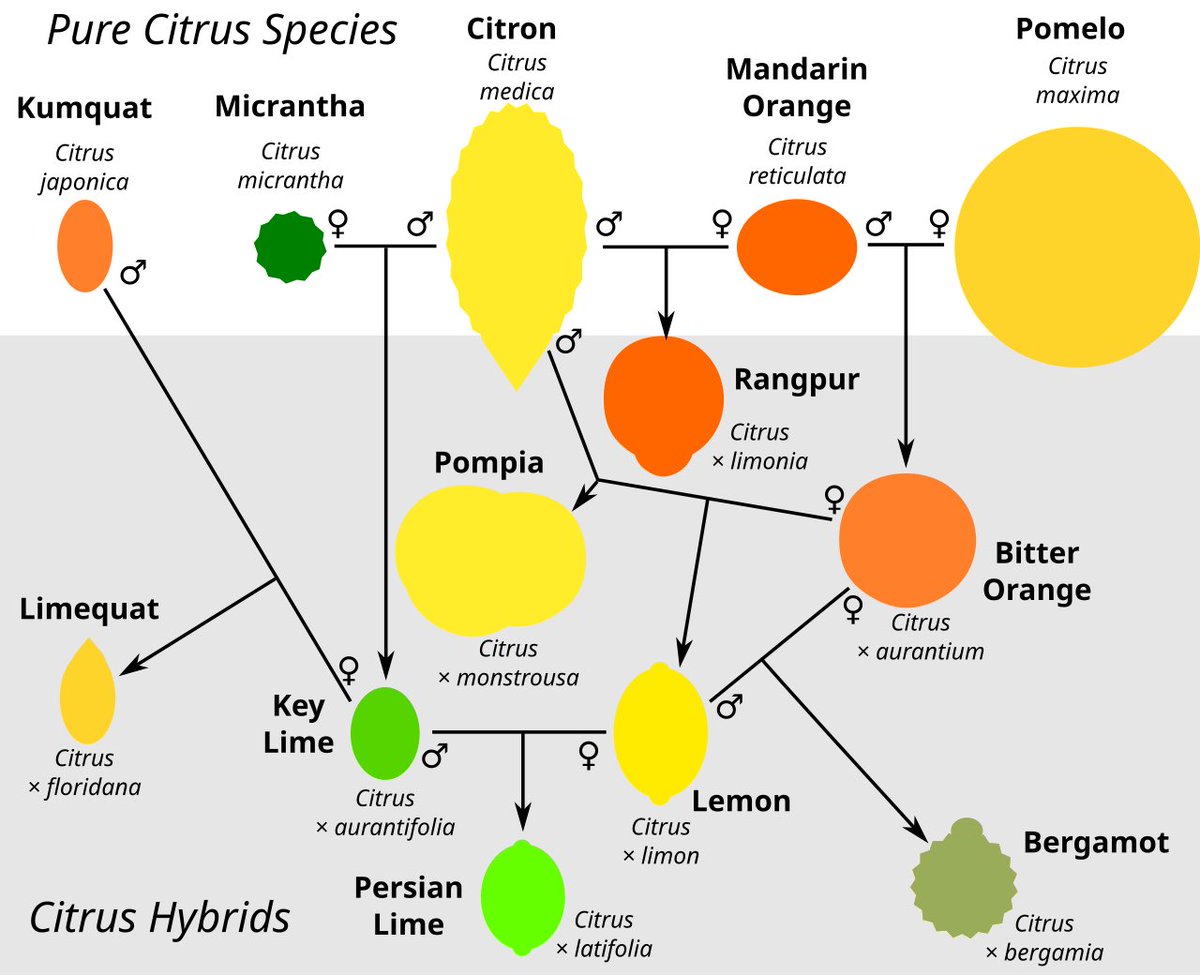
@baym Pretty much all domesticated species have this kind of origin.
And any amateur today with a garden can gather related species of new crops together and repeat the process.
English

@sou_philly_illy @revpaulwhite If you live beside a military base or maybe in a major strategic city, sure it might be worth worrying about it, but you dont need a nuke involved to become collateral damage.
Or you could just move somewhere not worth wasting a missile on.
English

@zeroinputag @revpaulwhite I am not talking about a nuclear winter. Just sheer explosive energy.
English

@PeterDiamandis Why wait for the heat death of the universe when you could fry your home world in a fraction of the time with waste heat from endless economic growth?
English

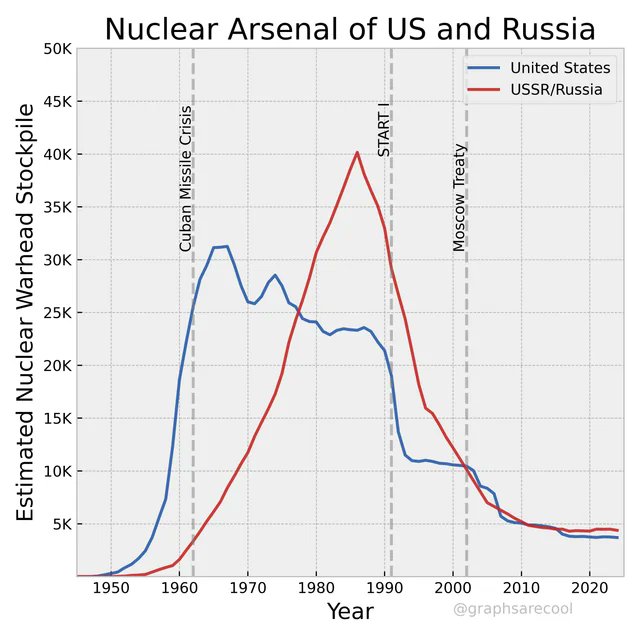
@sou_philly_illy @revpaulwhite This graph and nuclear winter being a computer modelling fantasy makes me not that worried about nuclear war. We will probably reprocess all the warheads to keep the lights on a little longer.

English

@zeroinputag @revpaulwhite Nukes have unfortunately come a long way since 1945. The US has dropped and even lost a few since then. A single modern MIRV could wipe out dozens of metro targets at once. Many nuclear powers have them.
en.wikipedia.org/wiki/Multiple_…
English

@Lulu38295199 @van00sa Nuclear plant construction anywhere comparable to Australia inevitably run vastly over budget projections and behind schedule. It would be the holden factory x 1000.
English

@revpaulwhite Early rock throwing hominins had their own novel form of mutually assured destruction and they managed to figure it out.
Any entity competent enough to obtain and operate a nuke or three is likely to be rational enough.
English

@ELoosbrock Both are cases of marketing a new product with predictable incentives.
English

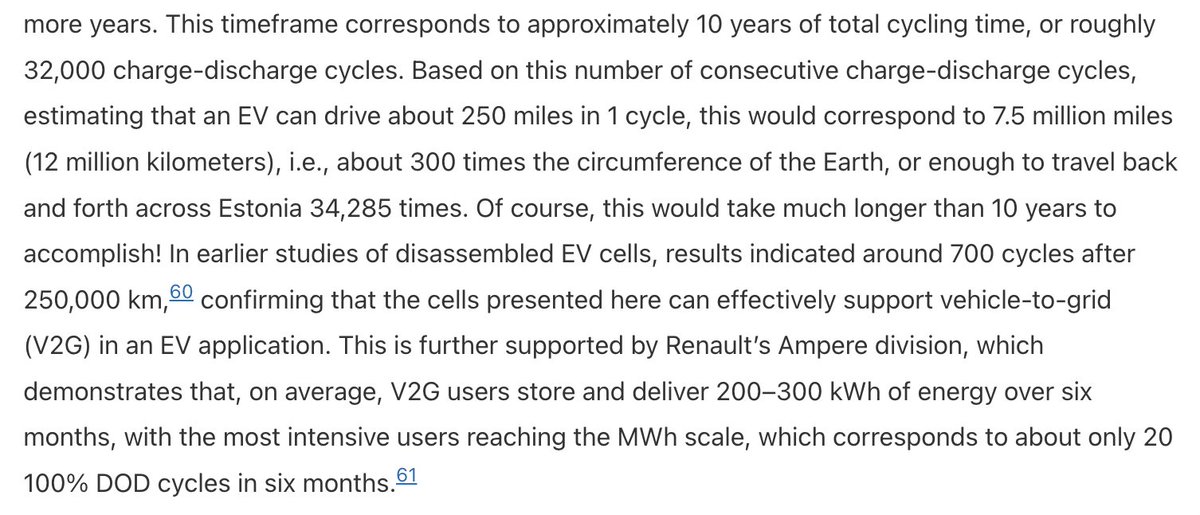
Total insanity from the recent Dahn lab paper. Batteries that last 27,000 cycles, equivalent to 7.5M miles!!!
Enough to go to the moon and back 15 times.
In the future, literally everything in your car will break before your battery, including you. You'll pass down your battery to your kids and grandkids and great grandkids.
And most surprisingly, these are NMC cells!


English

@wrathofgnon Australia lost its large herbivores and predators about 30 thousand years ago due to human impact.
English

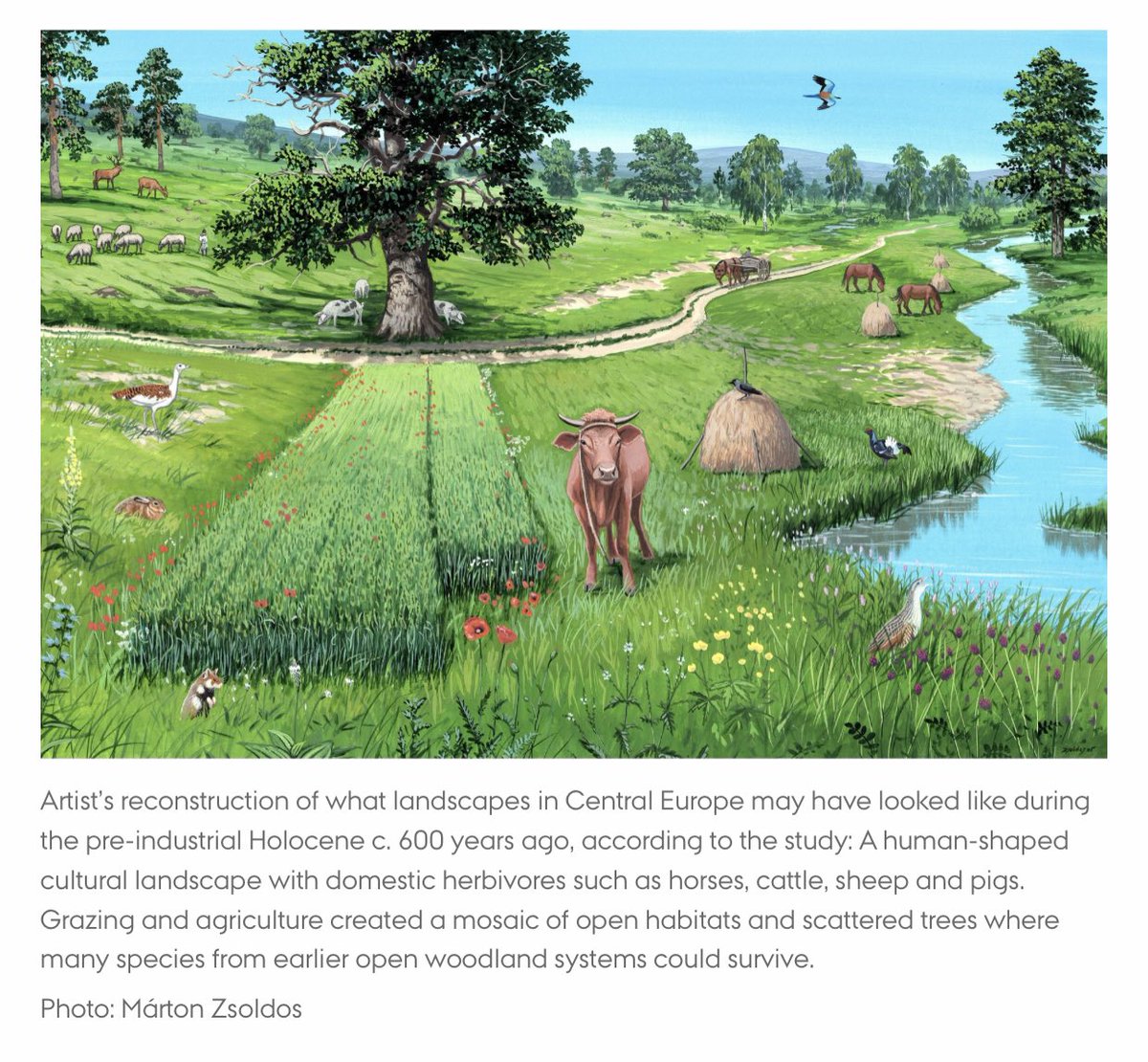
“Present-day Europe is, in ecological terms, highly unusual. The ecosystems we see in Europe today lack the large wild herbivores that not only shaped landscapes but also sustained its biodiversity for millions of years. The most dramatic shift has largely taken place within the last hundred years, when traditional extensive grazing disappeared from large parts of the landscape...many species now regarded as characteristic of cultural landscapes – such as larks, jackdaws or the European hamster – are likely to have their evolutionary roots in the open woodland systems of the past. And the wild poppies, that we now mostly associate with fields, grew in herbivore-disturbed places within the ancient woodlands.”


English

@TonyAshai It is the source of all the trouble because it is the catalyst that makes all industrial wealth happen, including all the PV and battery technology built on a foundation of oil powered technology.
If a 100% electric economy is possible nobody has gotten close to proof of concept
English

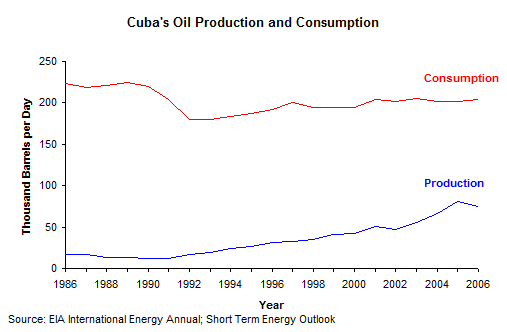
@AraquelBloss That story is a fairy tale. The actual data on oil in Cuba shows a modest drop through their special period. Their economy faltered since they lost access to subsidised sugar sales to the USSR.
Growing lettuce on a parking lot didnt change much.

English

I was reminded today that my friend, Julia Butterfly Hill once told me that if you want to understand a peak oil crisis, study Cuba’s Special Period—when a modern society had to relearn how to function without fuel.
When oil disappeared in Cuba during the collapse of the Soviet Union, modern transportation stalled, the grid faltered, and industrial output collapsed. Food shortages followed as imports dried up and mechanized farming failed.
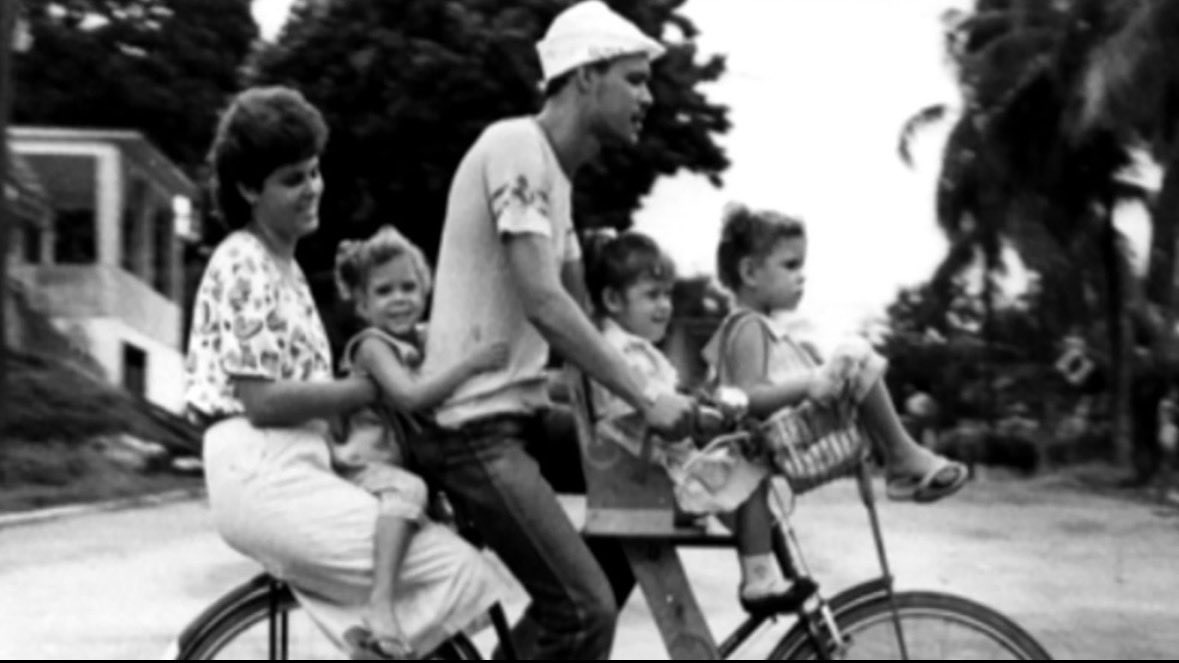
Cuba adapted because it had to—bicycles replaced cars, urban farming replaced supply chains, and energy was rationed to keep society functioning.
This may be a good time to consider just how dependent we are on oil—and how resilient we would be if access to it were suddenly limited.

English

@toomuchistrue Like saying that suffocation means aging will stop.
English